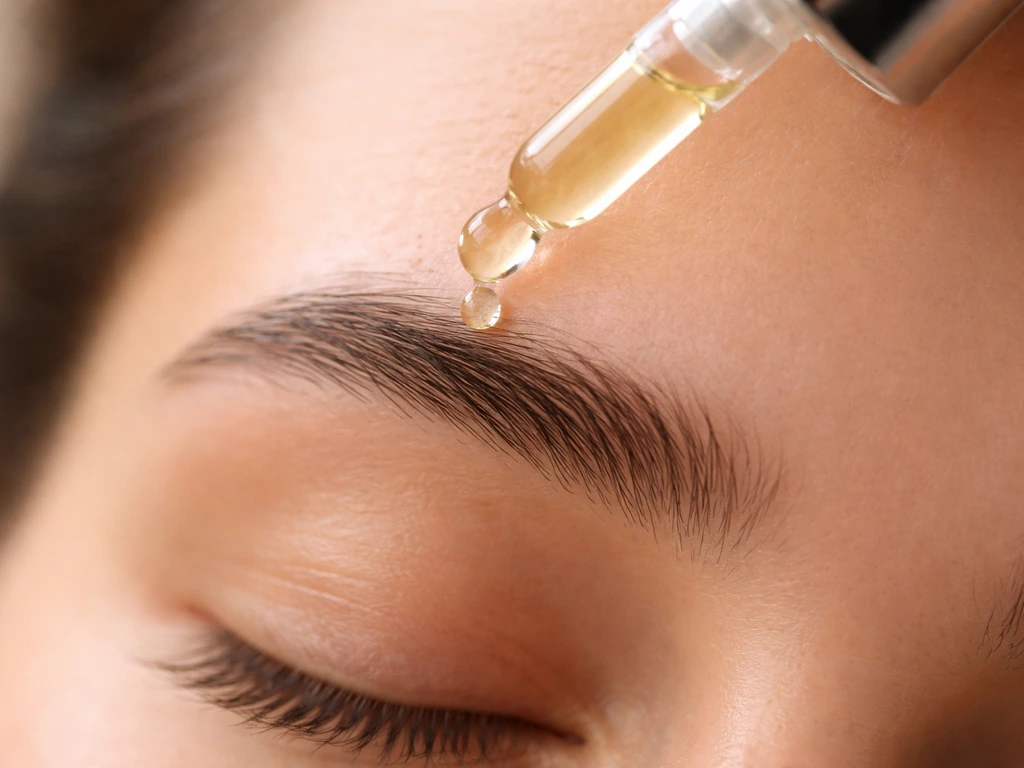
You cannot grow new eyebrow hairs in 3 days. That's the honest answer, and I know it's not what you were hoping to read. Hair follicles move through growth cycles that take weeks to months, not hours. But here's what you actually can do in 72 hours: reduce the irritation and breakage that's making your brows look thinner than they really are, start using ingredients that support healthier regrowth over the coming weeks, and use quick styling tricks to make your brows look significantly fuller starting today. That combination is genuinely useful, so let's get into it.
How to Grow Eyebrows in 3 Days: Safe Step-by-Step Plan

James Whitmore
24 Apr 2026
What you can realistically expect in 3 days
The eyebrow hair cycle has three phases: anagen (active growth), catagen (transition), and telogen (resting and shedding). A single hair in the anagen phase grows roughly 0.14 to 0.16 mm per day. That means over 72 hours, even a hair already in active growth would only add about half a millimeter of length. That's invisible to the naked eye and certainly not enough to restore sparse brows.
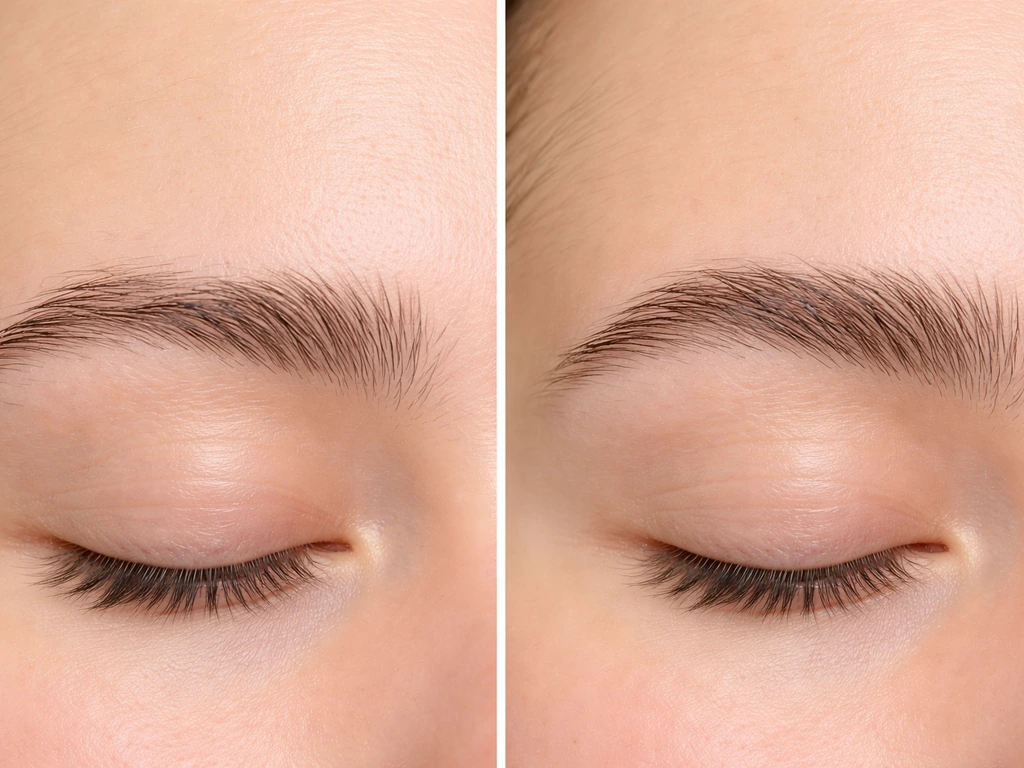
What can change visibly in 3 days is how your existing brows look. If your brows appear thin because of irritation, redness, or breakage from recent waxing, plucking, or harsh products, calming that inflammation and protecting the hairs you still have can make a noticeable difference. Your brows don't suddenly grow in, but they can look healthier and more defined once the surrounding skin settles. Think of the 3-day window as your setup phase. The actual regrowth story plays out over 4 to 6 weeks for partial improvement, and closer to 3 to 6 months for full recovery after significant removal or damage.
If you're comparing timelines, growing eyebrows in 1 or 2 days is even less realistic for true regrowth, while 10 days or a full month starts giving you windows where you might actually see early new growth appearing at the surface. If you want a realistic plan for how to grow eyebrows in 10 days, focus on reducing irritation and supporting healthy regrowth rather than expecting instant new hair. If you want to aim for how to grow eyebrows in a month, prioritize strategies that support healthy regrowth over multiple weeks. Three days sits right at the edge where smart preparation and cosmetic tricks matter more than biology.
Why your brows look thin in the first place
Before you throw castor oil at the problem, it helps to know what's actually causing the thinness. The fix depends entirely on the cause.
- Over-plucking or repeated waxing: This is the most common culprit. Repeated trauma to a follicle can eventually impair or stop its ability to produce hair, especially if you've been aggressively grooming the same area for years. The hairs don't always come back fully, which is why it's critical to stop over-grooming as soon as you notice thinning.
- Shaving: A 1999 study found that eyebrows shaved completely took around 6 months to fully regrow. Shaving itself doesn't damage the follicle the way plucking does, but the wait is still long.
- Breakage from styling products or rubbing: Brow gels, pencils, and even rough makeup removal can cause hair shaft breakage. The follicle is fine, but the visible hair snaps off, making brows look patchy.
- Skin conditions like contact dermatitis, eczema, psoriasis, or seborrheic dermatitis: Inflammatory conditions around the brow area can disrupt the hair cycle and cause shedding (a pattern called madarosis). If your brow area is itchy, flaky, or red, a skin condition may be the real issue.
- Thyroid disorders and hormonal changes: Thinning of the outer third of the eyebrow is a classic sign of hypothyroidism. Hormonal shifts from pregnancy, postpartum changes, or medications can also trigger telogen effluvium, where a large proportion of hairs shift into the resting phase and shed.
- Alopecia areata: Patchy, well-defined bald spots in the brows suggest this autoimmune condition. It won't respond to castor oil and needs a dermatologist.
- Trichotillomania: If you habitually pull at your brow hairs, broken ends and irregular regrowth lengths are telltale signs. This needs behavioral support, not just topical treatment.
If your brow thinning came on suddenly, is accompanied by other symptoms (fatigue, hair loss elsewhere, skin changes), or doesn't match any of the grooming-related causes above, please see a doctor before spending time and money on topical remedies that won't address the root problem.
Your 3-day at-home routine
This routine is designed to stop the damage, start supporting the follicle environment, and make your brows look as good as possible while real regrowth begins beneath the surface. It takes about 5 minutes morning and evening.
Day 1: Stop the damage
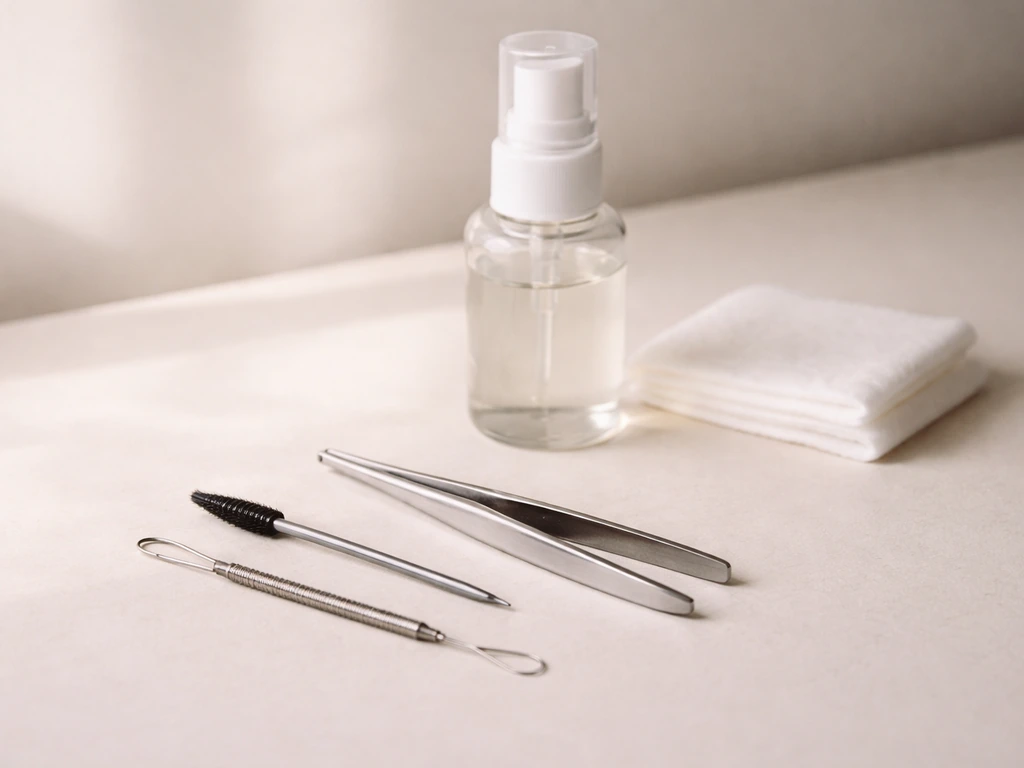
- Put down the tweezers. No plucking, threading, or waxing for at least 8 to 12 weeks if you want meaningful regrowth.
- Switch to a gentle, fragrance-free makeup remover for the brow area. Harsh removers and vigorous rubbing break hairs and irritate follicles.
- Wash your face and brow area with a mild, sulphate-free cleanser. Residue from brow products can clog follicles and cause inflammation.
- Before you apply any new oil or serum, do a patch test. Apply a small amount to your inner forearm, leave it for 24 to 48 hours, and check for redness, itching, or swelling before using it near your brows or eyes.
Day 2: Start your nightly oil application
- Apply your chosen oil (castor or rosemary, covered in the next section) using a clean spoolie or a cotton swab. Use a tiny amount. You do not need to coat your entire brow in oil.
- Work in the direction of hair growth using light strokes. This also acts as a very gentle massage, which can support circulation in the area.
- Leave it on overnight. In the morning, rinse gently with your cleanser.
- Do not apply oils in the morning before wearing makeup or brow products. Oils under cosmetics can cause irritation and mess with product adhesion.
Day 3: Lock in the routine and add protection
- Continue your nightly oil application and gentle cleansing.
- If you wear brow products, switch to clean formulas and make sure you're removing them fully each evening.
- Look at your diet: protein, biotin, iron, and zinc all support hair structure. You're not going to see a difference in 3 days from diet alone, but starting now pays off in 4 to 8 weeks.
- Take a photo of your brows today. Tracking progress weekly is the only realistic way to see subtle changes over time without getting discouraged.
Natural and home remedy options worth trying
I'll be straight with you: none of these will produce visible new brow hair growth in 3 days. But some have real evidence behind them for supporting hair growth over weeks of consistent use, and they're safe and low-cost to try.
Castor oil
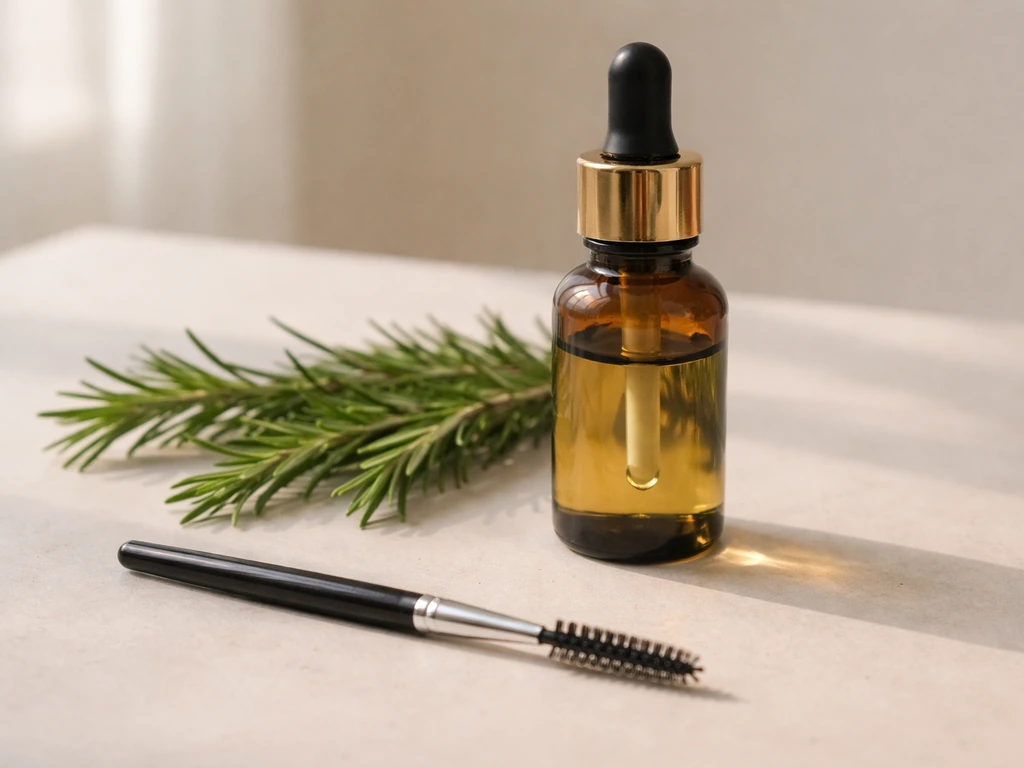
Castor oil is the classic brow remedy, and it's not entirely without merit. It's rich in ricinoleic acid, which has anti-inflammatory and antimicrobial properties. It creates a coating on the hair shaft that reduces breakage and keeps existing hairs healthier. Does it directly stimulate follicle growth? The direct evidence is limited, but reducing breakage means your existing hairs appear fuller, which is real value. Use cold-pressed, hexane-free castor oil and apply a small amount with a clean spoolie nightly. If your patch test shows no reaction, it's safe and worth continuing consistently for at least 4 to 6 weeks.
Rosemary oil
Rosemary oil has more direct evidence behind it than castor oil when it comes to actual hair growth. [A randomized trial comparing rosemary oil to 2% minoxidil for androgenetic alopecia showed comparable improvements in hair count after several months of use. ](https://pmc. ncbi.
nlm. nih. gov/articles/PMC11549889/) That study was on scalp hair, not eyebrows, so the results don't transfer directly, but the mechanism (improved microcirculation, inhibition of DHT) is plausible for brow use too. Always dilute rosemary essential oil in a carrier oil before applying near your brows.
A 2 to 3% dilution is appropriate: that's about 2 drops of rosemary essential oil per teaspoon of carrier oil like jojoba or sweet almond. Never apply undiluted essential oil to the brow area. Essential oils can cause allergic contact dermatitis, and the eyes are too close to risk it.
Other options: what's worth mentioning and what's overhyped

Coconut oil and vitamin E oil are commonly recommended and both have conditioning properties that can reduce breakage. They won't trigger new growth on their own. Peppermint oil has shown some promise in animal studies for promoting hair growth, but the evidence in humans is limited and it's a known irritant for the eye area. I'd skip it for brows. Similarly, onion juice and garlic are sometimes cited but the irritation risk for the brow and eye area makes them a bad trade-off for any theoretical benefit.
Stronger options for faster support: including minoxidil
If you've been patient with natural remedies for 6 to 8 weeks and aren't seeing progress, or if you had significant brow loss and want to take a more active approach, topical minoxidil is worth understanding.
Minoxidil for eyebrows: what you need to know
Minoxidil is FDA-approved for scalp hair loss, and its use on eyebrows is off-label. However, StatPearls lists eyebrow hypotrichosis as one of its documented off-label applications, and there is clinical evidence supporting its use in conditions like alopecia areata. It works by prolonging the anagen (growth) phase of the hair cycle, so results still take months, not days. Most people using minoxidil for brows see early results between 8 and 16 weeks of consistent use.
If you're considering it, here's how to use it as safely as possible near the brow area. Use the lowest available concentration (2% solution rather than 5% foam). Apply a very small amount with a cotton swab precisely to the brow area. Do not let it run toward your eyes. Apply once daily at night. Using more than directed will not produce faster or better results (MedlinePlus explicitly notes this) and increases your side effect risk.
Side effects to watch for include local skin irritation, redness, itching, and burning at the application site. Because of the proximity to the eyes, watch for eye irritation as well. Unwanted facial hair growth is a real possibility if product spreads beyond the brow. Systemic side effects like dizziness, rapid heartbeat, or faintness are rare with topical use but serious: stop immediately and see a doctor if any of those occur. Minoxidil is not appropriate for people who are pregnant, breastfeeding, or who have certain cardiovascular conditions. Talk to a doctor or dermatologist before starting if you have any of those concerns.
A note on bimatoprost (Latisse): it's FDA-approved for eyelash hypotrichosis and is sometimes used off-label on brows. It carries real risks including eyelid skin darkening, eye irritation, and changes in iris color with prolonged exposure. This one genuinely needs to be discussed with a doctor before use.
Professional treatments when home remedies aren't enough
If your brow loss is due to alopecia areata, the most evidence-backed treatment is intralesional corticosteroid injections (typically triamcinolone) delivered by a dermatologist. These can speed regrowth in patchy AA better than topical options alone, though timelines are still measured in weeks to months. No home remedy is going to replicate this.
Making your brows look fuller right now
While you wait for real growth, smart grooming and styling can make a significant visual difference starting today. These aren't tricks, they're just using what you have well.
Grooming and shaping
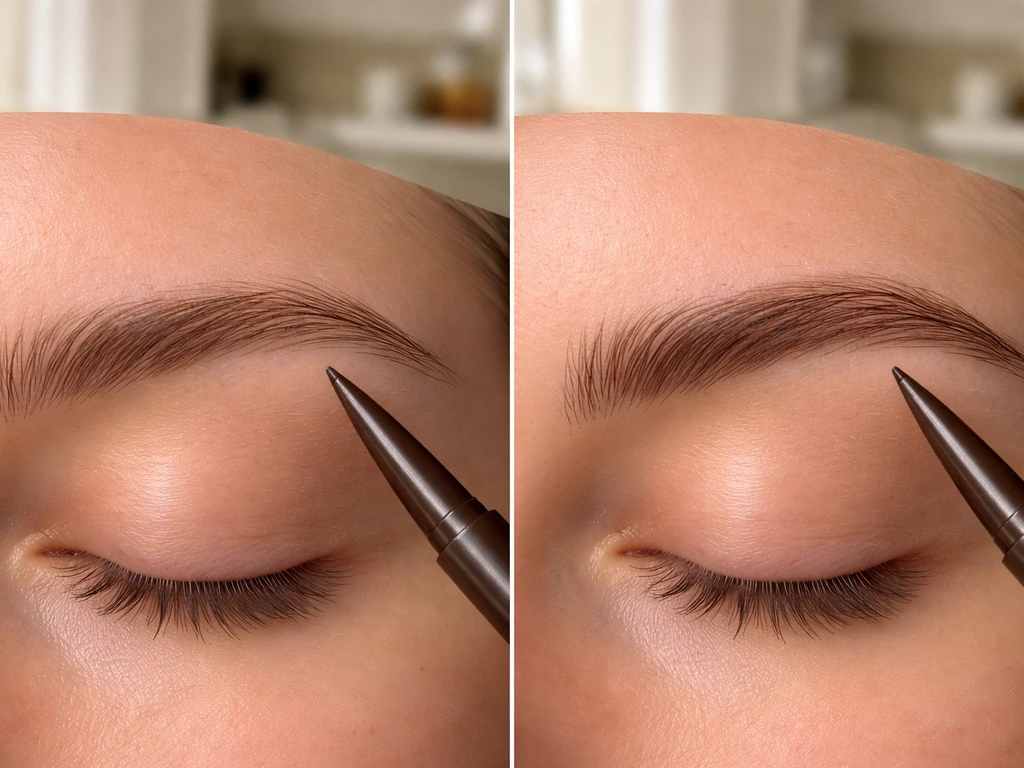
Stop removing any hair for now. Let your natural brow shape grow in fully, even if it looks a little unruly. Any professional grooming you do should preserve as much hair mass as possible. A brow specialist (not a general waxer) who understands regrowth and architecture can make thinning brows look dramatically better just through strategic shaping.
Filling and tinting
- Brow pencil or micro-blade pen: Use light, hairlike strokes in the direction of growth. Match your natural hair color exactly. Overfilling is the number one mistake that makes sparse brows look drawn on.
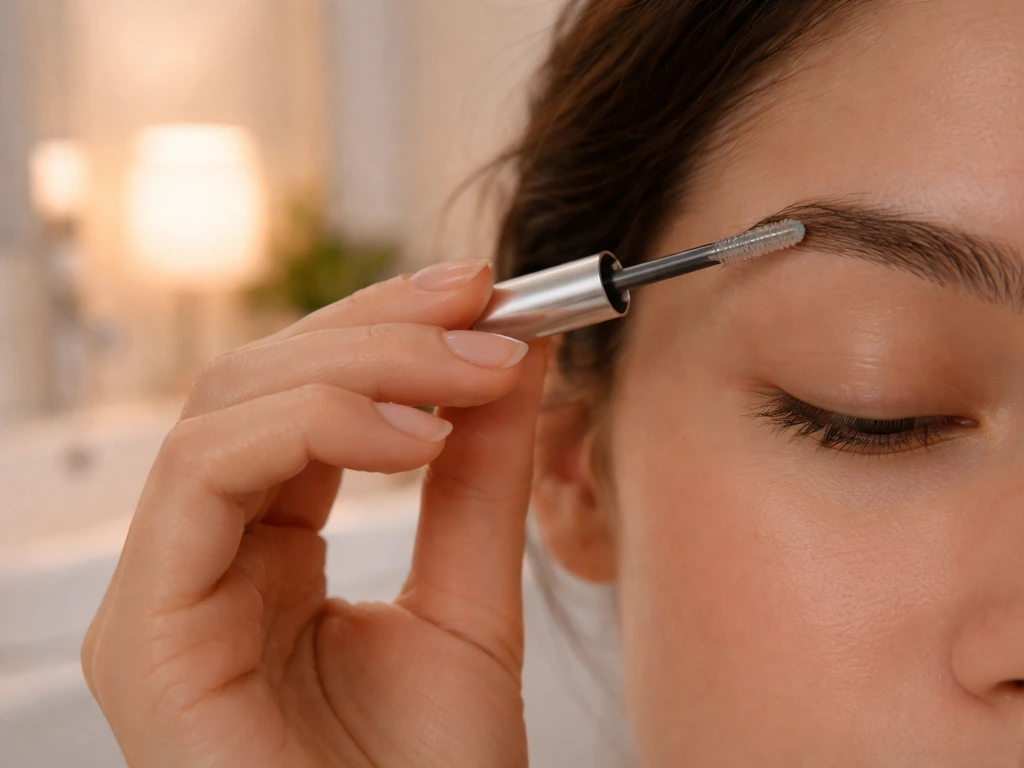
- Tinted brow gel: A fiber-infused tinted brow gel adds volume, texture, and hold. It fills gaps and makes fine hairs appear thicker. This is one of the most effective quick-fix tools available.
- Brow tinting (semi-permanent): A professional tint darkens the existing fine hairs and the skin underneath, making your brows appear denser. It lasts 3 to 6 weeks and requires no daily effort. This is probably the single most impactful 3-day fix for naturally sparse or fair brows.
- Brow lamination: This treatment lifts and sets brow hairs upward and outward, creating the appearance of fuller, more structured brows. Results last 4 to 6 weeks. It works best when you have some hairs to work with.
Skin prep that helps brows look better
Brows sit on skin, and inflamed, dry, or flaky skin undermines even the best brow products. Keeping the brow area moisturized and calm makes hairs lie better, products apply more smoothly, and the overall brow area look more defined. Use a gentle, fragrance-free moisturizer on the brow bone area morning and night.
Safety, side effects, and when to see a professional
The brow and eye area is sensitive, and that matters when you're applying oils, serums, or treatments every day.
| Treatment | Patch test needed? | Key risks | When to stop |
|---|---|---|---|
| Castor oil | Yes, 24–48 hours | Allergic contact dermatitis, clogged pores | Any redness, itching, or swelling |
| Rosemary oil (diluted) | Yes, 24–48 hours | Irritation, sensitization, eye proximity risk | Any reaction or eye irritation |
| Topical minoxidil (2%) | Yes, consult a doctor first | Skin irritation, eye irritation, unwanted hair growth, systemic effects (rare) | Any systemic symptoms (dizziness, palpitations), severe local irritation |
| Tinted brow gel | Recommended for new brands | Allergic reaction to formulation ingredients | Any skin reaction |
| Brow tint (professional) | Done by technician | Allergic reaction to dye | Any stinging, swelling, or rash |
For any new product going near the eye area, a patch test for at least 24 to 48 hours before full use is non-negotiable. Apply the product to a small area on your inner forearm, cover loosely with a bandage, and check at 24 and 48 hours. If there's any redness, swelling, or itching, don't use it on your brows.
See a dermatologist if: your brow loss is patchy and well-defined (possible alopecia areata), if the loss happened suddenly without an obvious grooming cause, if your brow area has ongoing inflammation, flaking, or pain, or if you have other symptoms that could point to a thyroid or hormonal issue. Topical home treatments will not fix autoimmune conditions or hormonal imbalances. Getting the right diagnosis early can save you months of trying the wrong things.
After the 3-day mark, your job is consistency. Apply your oil nightly, keep the area clean and free of irritants, and let the follicles do their work. Reassess at the 4-week mark. If you’re aiming to grow eyebrows in a month, this is the time to reassess and adjust your routine based on what’s actually working 4-week mark. If you're not seeing any new fine hairs appearing along the brow line by week 6 to 8, that's your signal to either try a stronger approach or get a professional evaluation. Tracking with weekly photos in the same light is the most reliable way to spot changes that are too gradual to notice day to day.
FAQ
What can I realistically expect to see after 3 days if I start today?
You should not expect new brow hairs to appear in 72 hours. The most common visible change is reduced redness, less flaking, and fewer broken or frayed hairs, which can make brows look a bit fuller. For true regrowth, plan on early fine hairs showing up around week 4 to 6, with clearer improvement by week 6 to 8.
If my brows look patchy, does that change the best plan?
Yes. Patchy, well-defined loss is more concerning for alopecia areata, especially if it started suddenly. In that case, home topicals may not be enough, and dermatology evaluation sooner can reduce the time spent trying remedies that cannot address the cause.
Is it okay to keep shaping my brows during the 3-day window?
Avoid plucking, waxing, threading, or trimming that removes hair from the brow line while you are trying to recover. If you must groom for appearance, preserve hair mass and choose minimal touch-ups with a professional who understands brow regrowth, because repeated removal resets the visible progress you are trying to regain.
How do I know whether my thinning is from irritation or from something like hormones?
Irritation signs often include tenderness, burning, redness, flaking, or recent grooming or product changes. If thinning is sudden, progressive, or comes with other symptoms (like fatigue, scalp hair loss, or changes in skin), treat it as a “get checked” situation rather than continuing with trial-and-error topicals.
Can I use rosemary oil and castor oil at the same time?
You can combine them, but don’t stack multiple active products with the same night routine if your skin is sensitive. Start with one product for a few nights, confirm you are not reacting, then add the second. If you get any itching, swelling, or stinging, stop and switch to a gentle moisturizer only until your skin settles.
What’s the safest way to apply oils or serums near my eyes?
Use a clean spoolie or cotton swab so product stays on the brow skin and hair, not the eyelid. Apply a thin layer, avoid the inner corner, and wash hands right after. If a product migrates toward the lash line, it raises the risk of eye irritation.
How long should I try a natural remedy before deciding it’s not working?
Give consistent use a fair trial of at least 6 to 8 weeks, because hair cycle changes happen over weeks. If you see no new fine hairs by week 6 to 8, or if your brows look worse (more irritation or breakage), stop and consider a professional evaluation or a different evidence-based option.
Should I be using minoxidil if I want faster results?
Minoxidil can be faster than natural oils, but it still will not create visible regrowth in 3 days. Most people see early changes between 8 to 16 weeks. If you are pregnant, breastfeeding, or have certain cardiovascular conditions, do not start without medical guidance.
What’s the most common minoxidil mistake for eyebrows?
Overapplying or letting it spread toward the eyes. Use the lowest concentration (2%), apply once nightly in a very small amount with a cotton swab, and stop if you develop significant burning, redness, or eye irritation. Using more does not speed results and increases side effect risk.
If I start minoxidil, will I lose my brows if I stop?
Often, yes. Because it works by influencing the hair cycle, stopping can lead to gradual shedding of the hairs it helped maintain. If you are considering it, plan for a longer-term commitment or a discussion with a dermatologist about what stopping would mean for your specific cause.
When should I switch from self-treatment to seeing a dermatologist?
See a dermatologist if loss is sudden and not clearly linked to grooming, if there is ongoing inflammation, pain, or significant flaking, if the pattern is patchy, or if you have other symptoms that could suggest thyroid or hormonal issues. Early diagnosis can prevent months of ineffective attempts.
How should I take photos to track progress during the 4 to 8 week window?
Take weekly photos in the same lighting, from the same distance, with the brows clean and undisturbed (no makeup or brow tint). Use a consistent background and avoid changing eyebrow grooming between photos, since styling differences can mimic “growth.”
Can I use bimatoprost (Latisse) for brows at home?
It’s not a DIY decision. Off-label use for brows can cause eyelid skin darkening, eye irritation, and changes around eye appearance with prolonged exposure. A clinician can assess your risk and guide safe use if it is appropriate for your case.
Next Article
Does Vitamin E Oil Help Eyebrows Grow? Safe Routine & Timeline
Find out if vitamin E oil helps eyebrow growth, plus a safe routine, timelines, and what works better.