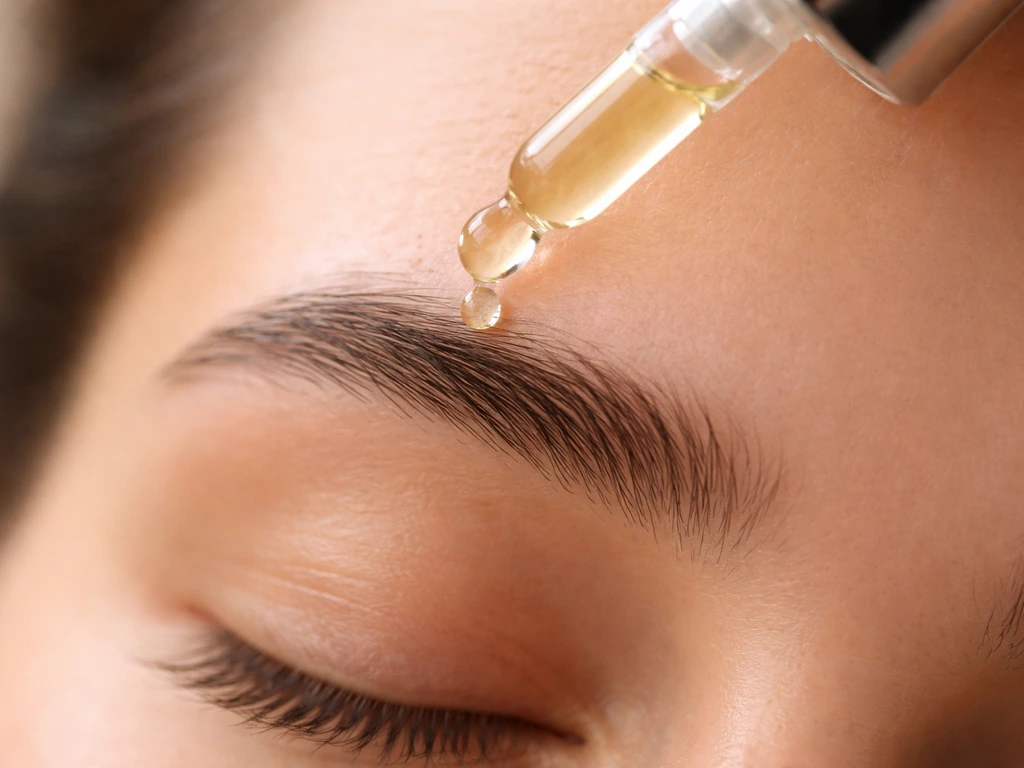
Yes, eyebrow serums can genuinely work, but the ingredient doing the heavy lifting matters enormously. If you want the most evidence-backed option, a serum containing minoxidil or bimatoprost (a prostaglandin analog) is your strongest bet. If those feel too clinical or you want to start simpler, serums built around rosemary oil and castor oil are legitimate supportive choices with far milder risk profiles. The "best" serum for you depends on why your brows are sparse in the first place, and that one distinction changes almost every recommendation that follows.
Best Serum to Grow Eyebrows: What Works, How to Use
James Whitmore
23 Apr 2026
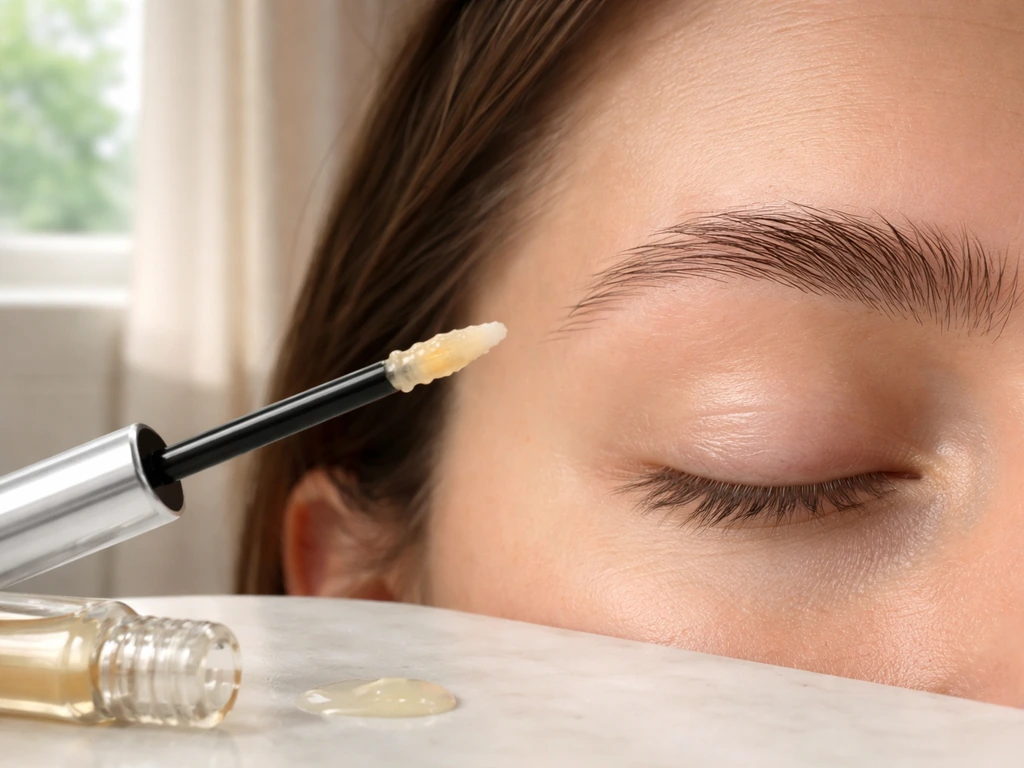
Do eyebrow-growth serums actually work?
The honest answer is: some do, some don't, and the difference is almost entirely about what's in the bottle. Bimatoprost 0.03% is the ingredient with the most direct clinical data for eyebrow hypotrichosis specifically. A multicenter, double-masked, randomized, vehicle-controlled trial studied bimatoprost for eyebrow thinning over seven months and found measurable improvements in brow fullness. That's the same active ingredient in LATISSE, which has FDA approval for eyelash growth. Minoxidil has strong evidence for scalp hair and is also listed as a treatment option for conditions like alopecia areata, and many people use it off-label on brows with real results. The catch is that neither of these is a simple over-the-counter cosmetic serum sold at a beauty counter.
What about the pretty glass vials of "brow serum" from beauty brands? Most of them are conditioning and hydrating products. GrandeBROW, for example, contains cosmetic actives like glycerin, hyaluronic acid, and proline-based conditioners. These can improve the appearance of existing brow hairs and keep the skin healthy, which is genuinely useful if your brows are dry or brittle, but they don't switch dormant follicles back on the way a drug-level active does. So "best serum to grow eyebrows" really splits into two categories: cosmetic serums that support and condition, and drug-grade or evidence-backed actives that actually stimulate follicle activity. If you want the best product to grow brows, focus on whether you need drug-grade, follicle-stimulating actives like minoxidil or bimatoprost versus purely cosmetic conditioning serums.
Why your eyebrows aren't growing: what's actually going on
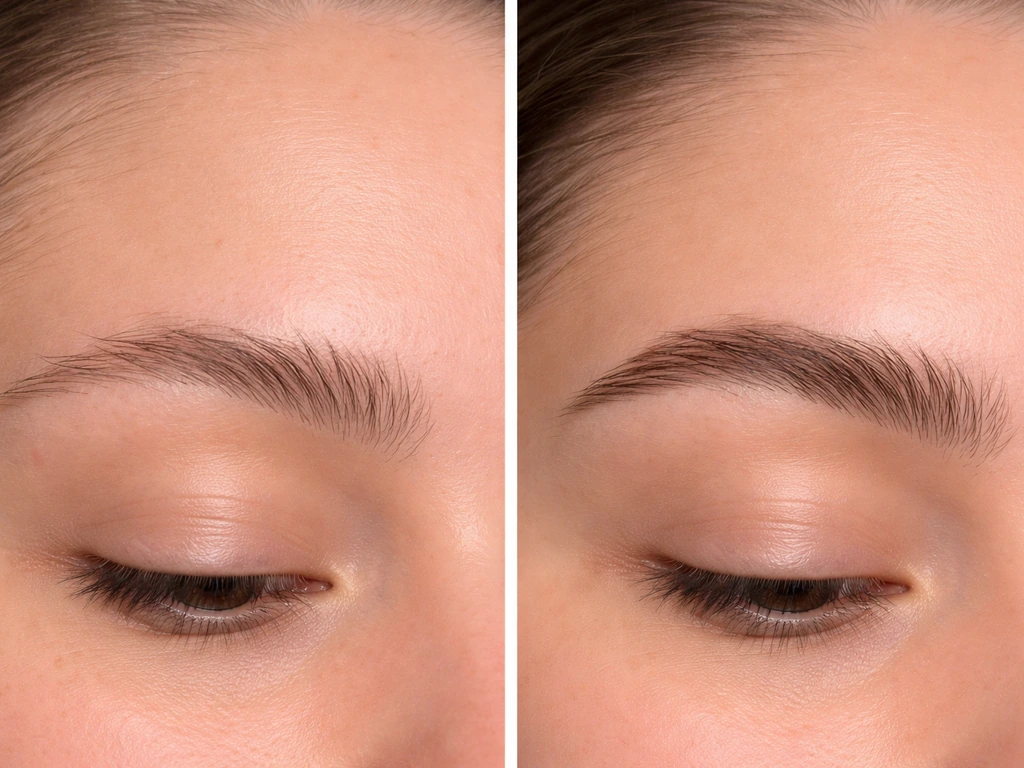
Eyebrow hairs have a short growth cycle compared to scalp hair, which is part of why brow thinning feels so dramatic and why regrowth takes longer than people expect. Each brow follicle cycles through an active growth phase (anagen), a short transitional phase (catagen, roughly 2 to 3 weeks), and a resting phase (telogen, roughly 2 to 4 months) before the hair sheds and the cycle restarts. When something disrupts that cycle, or when follicles are damaged, you're waiting out those phases before you see any visible regrowth. That's not a serum problem, it's biology.
The cause of your sparse brows determines what kind of help you actually need. Over-plucking and repeated waxing can eventually damage follicles and cause permanent thinning in some spots, though mild cases usually recover. Telogen effluvium (stress, illness, nutritional deficiency, postpartum changes) can push large numbers of follicles into the resting phase at once. Alopecia areata causes immune-related patchy loss. And thyroid dysfunction, particularly hypothyroidism, is a well-known cause of eyebrow thinning, especially in the outer third of the brow. If you're losing the outer edges of your brows without any obvious trigger, that's worth getting a TSH test before you buy any serum.
- Over-plucking or waxing: follicle damage ranges from temporary to permanent depending on how long and how aggressively
- Telogen effluvium: triggered by stress, illness, crash dieting, or hormonal shifts; regrowth can take 6 months or more after the trigger resolves
- Alopecia areata: autoimmune patchy loss, needs dermatologist involvement, serums alone are usually insufficient
- Hypothyroidism: outer-third brow loss is a classic sign; no serum fixes an untreated thyroid issue
- Traction and scarring from old habits: chronically traumatized skin may have limited follicle viability
- Genetics and age: follicles naturally thin with age and some people simply have sparse brows genetically
The ingredient breakdown: what actually grows brows vs. what supports them
Minoxidil: the most accessible evidence-backed option
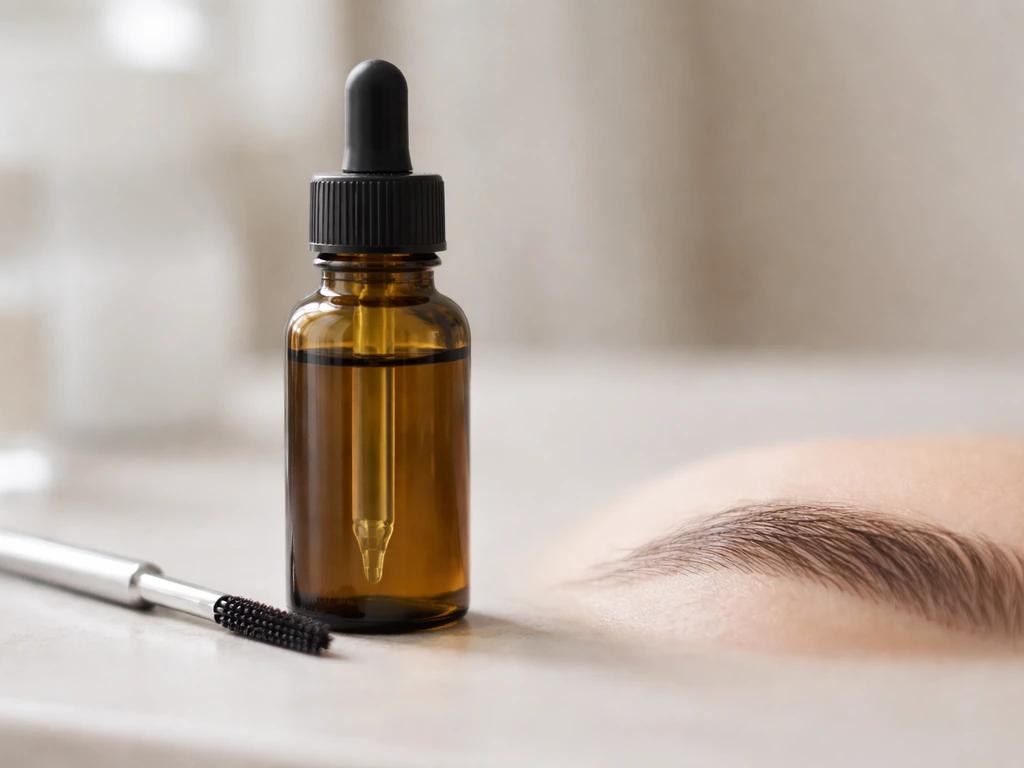
Topical minoxidil is the go-to off-label option for people who want real results without needing a prescription (in most countries). It's thought to work by prolonging the anagen (growth) phase of the hair cycle and increasing follicle size. For eyebrows, people typically use either the 2% or 5% solution or foam in a very small amount applied directly to the brow area once daily. It's worth noting that minoxidil has not been specifically proven to speed up recovery in telogen effluvium, but for follicle-level stimulation in cases like post-plucking thinning or androgenetic-type thinning, it's one of the stronger tools available without a prescription.
Bimatoprost: the most studied option for eyebrow hypotrichosis
Bimatoprost 0.03% (the active in LATISSE) has the most direct clinical evidence for eyebrow growth specifically. It's a prostaglandin analog that extends the growth phase of hair follicles and may increase the number of hairs in the anagen phase. It requires a prescription in the US and is more expensive, but if you've tried other approaches and seen nothing, this is the conversation to have with a dermatologist. One case report in the literature describes marked regrowth with daily bimatoprost application for eyebrow hypotrichosis, which aligns with the trial data.
Castor oil: genuinely useful, but modest
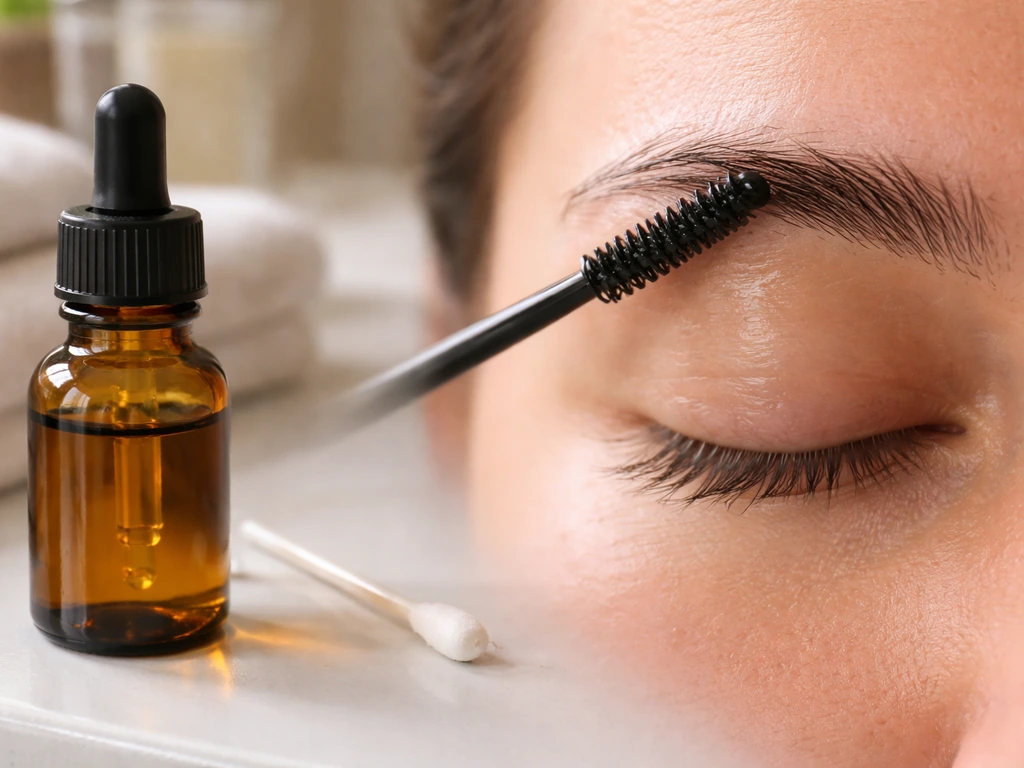
Castor oil is probably the most popular home remedy for eyebrow growth, and while it's not going to restore bald patches, it's not useless either. It's rich in ricinoleic acid and has good conditioning and occlusive properties. A narrative review on castor oil in dermatology acknowledges that evidence specifically for hair growth is limited and calls for more rigorous research. That said, periocular tolerability has been demonstrated in clinical settings, it's affordable, and it causes minimal irritation for most people. Think of it as a supportive player: keeps the follicle environment healthy, conditions existing hairs, and is a reasonable first step for mild thinning.
Rosemary oil: the natural option with the most promising data
Rosemary oil has the most compelling evidence among the natural options. For scalp hair, a randomized trial found it comparable to minoxidil 2% for androgenetic alopecia over 6 months, with less scalp itching. The mechanism is thought to involve improved circulation and some antiandrogenic activity. Applying it to brows is off-label and the evidence is extrapolated from scalp studies, but it's a reasonable middle-ground option between pure cosmetic serums and pharmaceutical actives. Dilute it in a carrier oil (like jojoba) before applying to the brow area.
| Ingredient | Evidence Level | Best For | Notes |
|---|---|---|---|
| Minoxidil (2% or 5%) | Strong (scalp RCTs; off-label for brows) | Post-plucking thinning, androgenetic-type thinning | OTC in most countries; keep away from eyes; possible irritation |
| Bimatoprost 0.03% | Strongest for brows specifically (RCT data) | Eyebrow hypotrichosis, chemotherapy-related loss | Prescription required; pigmentation risk; most expensive |
| Rosemary oil | Moderate (scalp RCTs, extrapolated) | Mild thinning, prevention, gentle approach | Must be diluted; low side-effect profile |
| Castor oil | Weak/anecdotal for growth; conditioning evidence | Conditioning existing hairs, dryness, mild thinning | Affordable; safe; limited regrowth effect alone |
| Cosmetic peptide serums | Very weak for growth; good for conditioning | Improving appearance of existing brows | Not a true growth treatment |
How to choose based on your specific brow situation
If your brows are thinning across the board and you've ruled out a medical cause, minoxidil is the most practical starting point. It's accessible, well-studied for hair generally, and you can get it without a prescription. If you've already tried minoxidil for several months and seen nothing, or if your thinning is severe and patchy, that's a dermatologist conversation, possibly involving bimatoprost or a workup for alopecia areata.
If your brows are sparse because of years of over-plucking or waxing, the approach depends on whether the follicles are still viable. If you can see fine, light hairs in the sparse areas, there's still something to work with and minoxidil or rosemary oil is worth trying consistently for 3 to 4 months. If the skin feels smooth and follicle-less, the damage may be permanent in those spots, and you'd be better served by a consultation about options like microblading or a realistic conversation about what topical serums can actually do. Growing sparse eyebrows back from years of damage takes time and realistic expectations. If you are specifically trying to figure out how to grow sparse eyebrows, match the approach to the likely cause first, then stick with the right active long enough to see changes.
For post-shaving or post-waxing scenarios where regrowth is simply slow, patience is genuinely the main answer. The telogen phase alone lasts 2 to 4 months, so you're not going to speed things up dramatically with any serum. Castor oil or a conditioning serum during this window keeps the area healthy while you wait. If you want to try minoxidil during this period to encourage the transition back to anagen, that's a reasonable experiment, but set realistic expectations.
If you're dealing with patchy bald spots specifically, that's a different challenge that warrants its own approach. If you're trying to figure out how to grow bald spots in eyebrows, start by identifying what caused the patchy loss so you can choose the right treatment path patchy bald spots. The cause matters a lot: traction, alopecia areata, and post-waxing trauma each have different prognoses and treatment paths.
How to use your eyebrow serum correctly
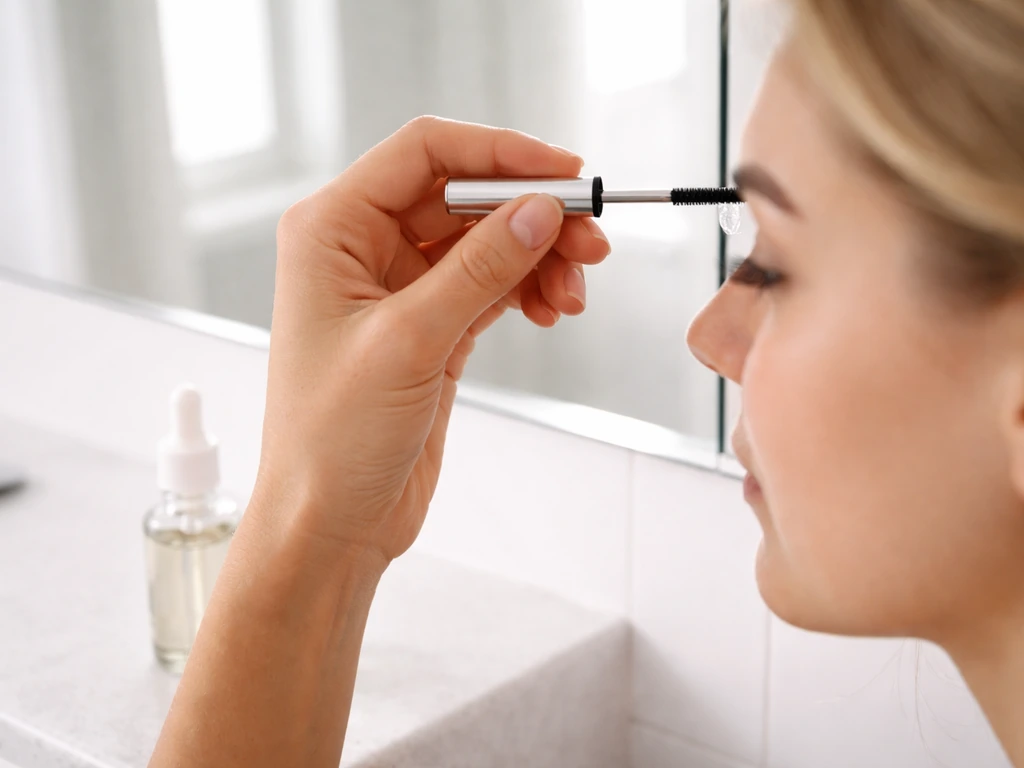
Application technique matters more than most people realize, especially with actives like minoxidil and bimatoprost. With minoxidil, keep it out of your eyes and nose. Mayo Clinic's topical minoxidil guidance explicitly says to allow it to dry for 2 to 4 hours after applying before sleeping on it. A tiny amount (a few drops) applied with a clean fingertip or a cotton swab along the brow, not into the eye socket, once daily is the standard approach. Let it dry fully before touching anything else.
With bimatoprost (LATISSE), the prescribing information is very specific: apply only to the skin of the upper lid margin at the base of lashes, and the same caution applies when using it on brows. Apply it along the brow with a disposable applicator, once nightly. Rinsing excess off is important because prostaglandin analogs can cause hair growth in any skin area they contact, including where you don't want it.
- Cleanse the brow area and let skin dry completely before applying any serum
- Use the smallest effective amount: a thin swipe along the brow line, not a thick layer
- Apply once daily, ideally at night, to reduce daytime sun/sweat interference
- Keep the product away from your eyes; if contact happens, rinse immediately with cool water
- Let the serum fully dry before going to bed or touching your face
- Be consistent: skipping applications regularly will dramatically slow any progress
- Don't layer multiple actives (e.g., minoxidil plus bimatoprost) without dermatologist guidance
Realistic timelines and when to reassess
This is where most people get frustrated, and understandably so. The brow hair cycle means you're looking at a minimum of 2 to 3 months of consistent use before you should judge whether a serum is working. With minoxidil, 3 to 4 months is a fair evaluation window. With bimatoprost, the clinical trials ran for 7 months. Telogen effluvium regrowth can take up to 6 months to even restart after the trigger resolves, and longer to be clearly visible. In other words, if you started a serum two weeks ago and see nothing, that's completely expected and tells you nothing about whether it will work.
A practical milestone approach: take a close-up photo of your brows under good lighting before you start, then again at 6 weeks, 12 weeks, and 16 to 20 weeks. Progress in brows is subtle and easy to miss day-to-day. Photos are the most useful way to actually see what's changing. If you've been fully consistent for 4 to 5 months and there's genuinely no change at all, it's time to either try a stronger option or see a dermatologist, because there may be a reason those follicles aren't responding.
Safety, side effects, and who should be careful
Minoxidil is generally safe for topical use, but it has real cautions. The main ones for brow use are eye contact (rinse immediately with cool water if it happens), skin irritation, and contact dermatitis. Sensitization to topical minoxidil is possible, and some people develop an allergy to the propylene glycol carrier in minoxidil solutions rather than to minoxidil itself. If you get persistent redness, itching, or a rash, stop using it and check with a doctor. Systemic absorption is typically low with small amounts applied to the brow area, but people with cardiovascular conditions should talk to a doctor before using it, because rare systemic effects include low blood pressure and tachycardia. Pregnant or breastfeeding individuals should avoid minoxidil.
Bimatoprost has its own side-effect profile. The most talked-about risk is periocular skin hyperpigmentation, which a JAMA Ophthalmology report noted can begin within 3 to 8 weeks of starting treatment. In pooled clinical trial data, this occurred in about 2.9% of participants, and importantly, it was often reversible after stopping. Iris pigmentation changes are a concern with eye drop use but are less relevant when it's applied to skin rather than administered as an eye drop. LATISSE's FDA label also notes the risk of unexpected hair growth wherever the product contacts skin. These aren't reasons to never use it, but they're reasons to be precise in your application and to monitor closely.
For natural options like castor oil and rosemary oil, the risk profile is much lower. The main concerns are allergic contact reactions (rare but possible) and eye irritation if they get in your eyes. Rosemary oil must always be diluted before applying to skin. Both are generally safe for most people to try.
- Pregnant or breastfeeding: avoid minoxidil; consult a doctor before using any active ingredient
- Cardiovascular conditions: discuss minoxidil with your doctor before use due to rare systemic absorption risks
- Skin sensitivity or eczema: patch test any new serum for several days before full application
- People prone to hyperpigmentation: monitor closely when using bimatoprost and discuss with a dermatologist
- Anyone with unexplained brow loss: get a medical evaluation before assuming a serum will fix it
When a serum isn't enough: what to do next
If you've given a good serum a genuine 4 to 5 month run with consistent daily use and seen no meaningful change, it's time to escalate the conversation. A dermatologist can look at your brows under dermoscopy, assess follicle health, and determine whether you're dealing with scarring, alopecia areata, or a hormone-driven pattern that needs a different treatment approach. Alopecia areata in the brows, for instance, is typically treated with intralesional corticosteroid injections, topical immunotherapy, or JAK inhibitors, not just minoxidil alone.
Blood work is worth doing if you haven't already, especially a full thyroid panel (TSH, free T4), iron studies (ferritin in particular), and a basic hormone panel if you suspect a hormonal cause. Outer-third brow loss is a classic clinical sign of hypothyroidism, and no amount of serum will compensate for an underactive thyroid that isn't being treated. Fixing the root cause first is always step one.
For people whose follicles are simply not responding due to scarring or permanent damage from chronic over-plucking, cosmetic options become more relevant. Microblading and powder brow tattooing can dramatically improve the look of sparse brows while you continue serum use in viable areas. Some people pursue platelet-rich plasma (PRP) injections for brow growth, which have emerging evidence and are typically offered by dermatologists or aesthetic clinics. None of these are cheap or quick, but they're legitimate options when topical serums have genuinely reached their limit.
The bottom line is that for most people with mild to moderate brow thinning from waxing, plucking, or lifestyle stressors, a consistent routine with the right active ingredient and realistic patience will produce visible results. Start with the option that matches your cause, apply it correctly and consistently, give it a real time window, and reassess with photos rather than daily mirror-checking. And if you're naturally interested in going further, exploring how to grow brows naturally, strategies specifically for fluffy brows, or whether there are other top-rated brow growth products worth comparing are all reasonable next steps depending on what your brows specifically need. If you want to sanity-check which options people actually feel work, look at rapid grow eyebrow serum reviews as a comparison point before committing. If you want a more natural route, learning how to grow brows naturally with the right oils and expectations can help you choose what to try next.
FAQ
How long should I wait before switching from a “natural” serum to minoxidil?
If you are using castor oil or diluted rosemary oil, give it about 8 to 12 weeks first for changes in texture and the presence of fine regrowth. If you specifically want true follicle stimulation and you have not seen any visible improvement by 12 to 16 weeks, consider moving to minoxidil rather than extending “natural” use, since the brow hair cycle still requires time and you do not want to lose additional months.
Can I use minoxidil and rosemary oil or castor oil on the same brows?
Yes, but avoid layering them in a way that changes minoxidil contact time or increases irritation. A practical approach is to apply minoxidil only once daily, let it fully dry, and then use castor oil or a light moisturizer on non-minoxidil hours. If you use rosemary oil, keep it diluted and do not combine it with minoxidil at the exact same moment if you tend to get redness or dermatitis.
Will eyebrow serums make my brows darker or thicker all at once?
They usually do not. With minoxidil and prostaglandin-type actives, changes start gradually, first as shorter or finer hairs becoming more noticeable, then as density improves over months. Even when progress occurs, it can be subtle, so rely on standardized photos (same lighting, same distance) instead of daily mirror checks.
What if my brows itch or get red after using minoxidil?
Mild dryness can happen, but persistent itching, burning, or a spreading rash is a stop-and-check situation. The irritation can be from the carrier ingredients, commonly propylene glycol. If symptoms are clearly linked to use, discontinue and ask a clinician about alternative formulations or switching strategies rather than pushing through, since contact dermatitis can worsen over time.
Can minoxidil transfer to my eyes or cause eyelid irritation?
It can, especially if it migrates when you rub your face or sleep on it before it dries. Use a tiny amount, apply along the brow without getting into the eye socket, and let it dry fully before bed. Wash hands right after application, and if you wake with redness or watery eyes, rinse gently with cool water and pause until evaluated.
How do I know if my thinning is likely hormonal versus stress-related versus trauma?
A clue is distribution and triggers. Outer-third thinning with other hypothyroid symptoms (cold intolerance, fatigue) leans hormonal, while widespread thinning after illness, dieting, or postpartum changes fits telogen effluvium. Localized gaps after years of over-plucking or waxing suggest follicle viability issues. If you can, confirming with thyroid and iron labs is often more useful than trialing multiple serums.
If I see fine hairs again, should I keep using the serum?
Often yes, at least through the point where the hair cycle stabilizes, because early “baby hair” can shed later if the underlying stimulus is removed. A common strategy is to reassess around the 4 to 6 month mark, then if you are clearly improving, continue long enough to consolidate gains, tapering only with medical guidance if you are using prescription actives.
Is bimatoprost safe if I have sensitive eyes or dark skin that tends to hyperpigment?
Sensitivity and baseline pigmentation matter. Bimatoprost can cause periocular skin darkening in a small percentage of users, which may be more noticeable on deeper skin tones. Use the exact application method for the brow area, avoid the lash line and nearby skin you do not want to darken, and monitor closely. If you have a history of significant eye irritation, discuss options with a dermatologist.
Can prostaglandin-type serums cause unwanted hair growth elsewhere?
Yes, hair can grow anywhere the product touches, including areas you did not intend (such as the temples, forehead, or eyelids). Keep application precise, use disposable applicators if prescribed, wipe excess if instructed, and wash hands after application to prevent accidental transfer.
Do I need to stop brow makeup or skincare while using minoxidil or bimatoprost?
You do not necessarily need to stop everything, but you should manage contact. For minoxidil, apply to clean, dry skin, let it dry fully, then resume normal skincare. For other products, avoid applying right on top immediately if you are prone to irritation. If you are using retinoids, strong acids, or heavy occlusives near the brow and getting redness, separate those routines by time.
When should I see a dermatologist instead of continuing topical treatments?
See a dermatologist if you have patchy bald spots, rapid or severe thinning, eyebrow loss in just specific patterns without a clear trigger, or no meaningful change after a consistent trial (about 4 to 5 months with minoxidil). Also go sooner if you suspect alopecia areata, have scarring-like texture, or have thyroid symptoms, since the right treatment differs from serum-only approaches.
Next Article
Does Vitamin E Oil Help Eyebrows Grow? Safe Routine & Timeline
Find out if vitamin E oil helps eyebrow growth, plus a safe routine, timelines, and what works better.