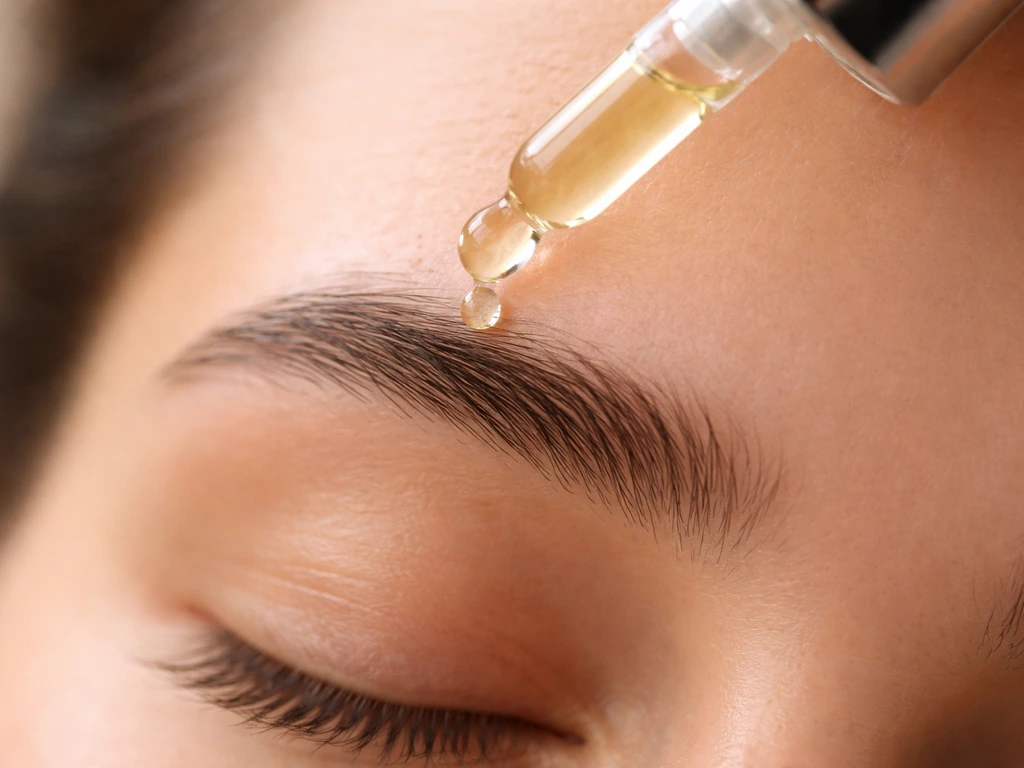
Growing a unibrow means encouraging the hair in the center of your brows, the patch above your nose bridge, to fill in and connect the two sides. It is absolutely doable, but it takes patience, the right topical routine, and a hands-off approach that most people skip. Realistically, expect visible progress in 6 to 12 weeks and a properly connected monobrow in 3 to 5 months, depending on your genetics and hair history.
How to Grow a Unibrow: Natural and Faster Results Plan
James Whitmore
13 May 2026
What a unibrow actually depends on
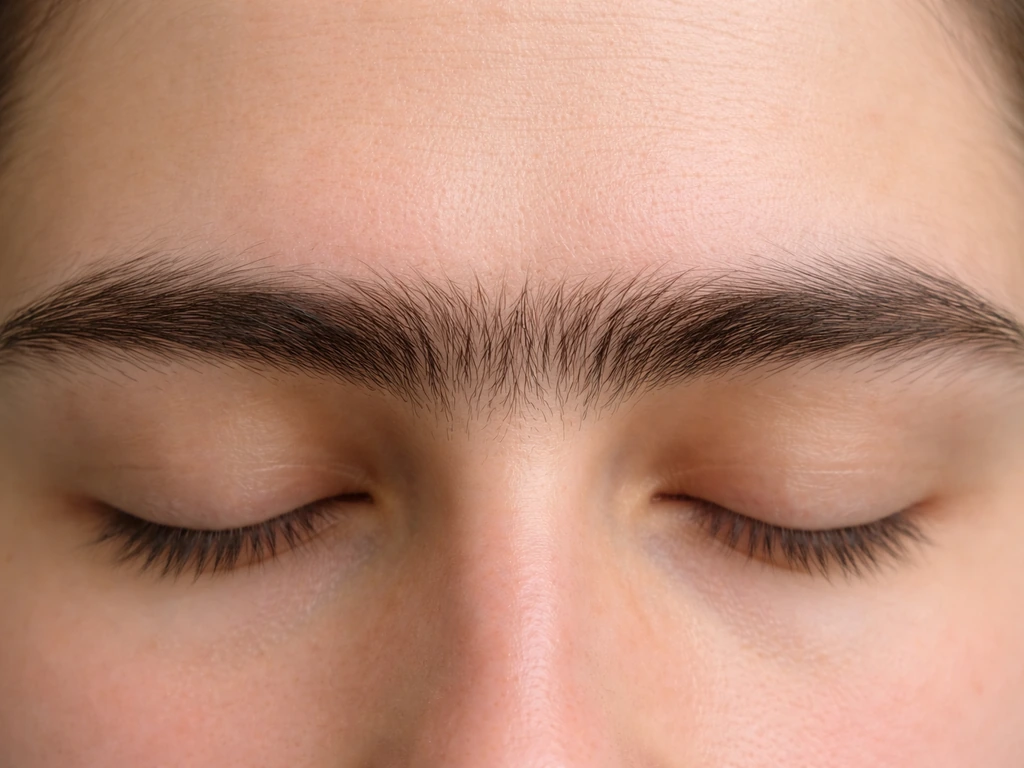
Medically, a unibrow is called synophrys, which simply describes hypertrichosis (extra hair growth) forming a single eyebrow band across the nasal bridge. Whether you naturally have one, or whether you can grow one, comes down to three things: genetics, hair density, and the hair growth cycle.
Genetics is the biggest factor. The density and distribution of your brow hair follicles is largely inherited. Some people have follicles that naturally extend into the glabella (the skin between the brows), while others simply do not have follicles in that zone, no matter what they apply topically. If you had brow hair in the center as a child or teenager and removed it, those follicles are still there and can be reactivated. If you have never had a single hair in the middle, growing a true unibrow will be more of a stretch, though not completely impossible with stronger interventions.
The hair cycle is the other key factor to understand. Eyebrow hair has a much shorter anagen (active growth) phase than scalp hair, blank" rel="noopener noreferrer">roughly 10 weeks of active growth followed by a long resting phase. blank" rel="noopener noreferrer">The anagen-to-telogen ratio for eyebrows is approximately 1 to 9, meaning most follicles are resting at any given time. This is why eyebrow regrowth feels so slow compared to scalp hair and why you can not rush it past a certain point. Any method that claims to grow a full unibrow in two weeks is ignoring basic biology.
Realistic timelines: what to actually expect
Here is a rough timeline based on typical eyebrow hair cycling. Individual results vary based on age, genetics, and whether follicles were previously damaged by repeated plucking or waxing.
| Timeframe | What You Can Expect |
|---|---|
| Weeks 1 to 3 | No visible change. Resting follicles are not yet activated. Stay consistent with your routine. |
| Weeks 4 to 6 | Fine, light hairs may appear in the center. These are often vellus (peach fuzz) hairs transitioning. |
| Weeks 8 to 12 | Thicker, pigmented hairs start to emerge. The center connection becomes faintly visible. |
| Months 3 to 5 | Full anagen cycle completes. A connected monobrow look becomes achievable for most people with existing follicles. |
| Month 6 and beyond | If using minoxidil, peak results typically appear around this point. Without it, this is when you reassess whether genetics are a limiting factor. |
If you are starting from a completely clean-shaved center that you have maintained for years, add an extra 4 to 6 weeks to any estimate. Chronically cleared follicles take longer to kick back into gear. People who shave the center (versus wax or thread) tend to see faster regrowth because shaving does not disturb the follicle at all.
Your at-home routine to grow the center in
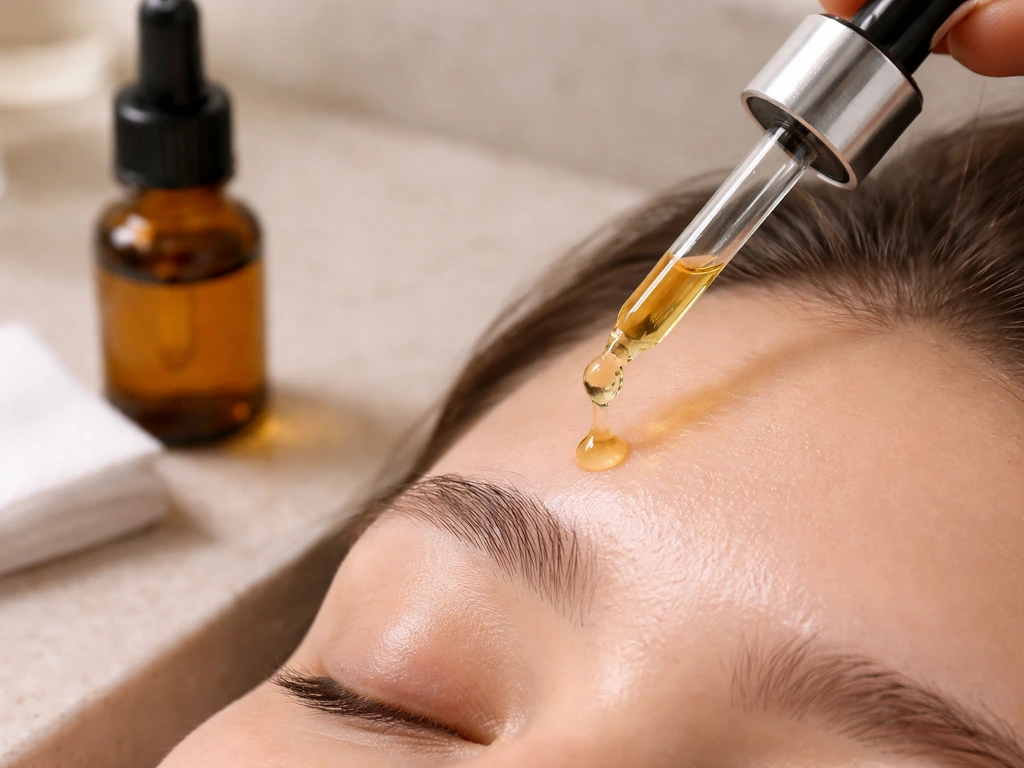
The goal with a topical routine is to create the best possible environment for follicles to enter and stay in the anagen phase. If you are wondering how to grow eyebrows dark, focus on a routine that supports the follicles and lets new hairs mature over time topical routine. None of these ingredients will create new follicles where none exist, but they can help existing dormant ones become more active and keep emerging hairs healthy.
Castor oil
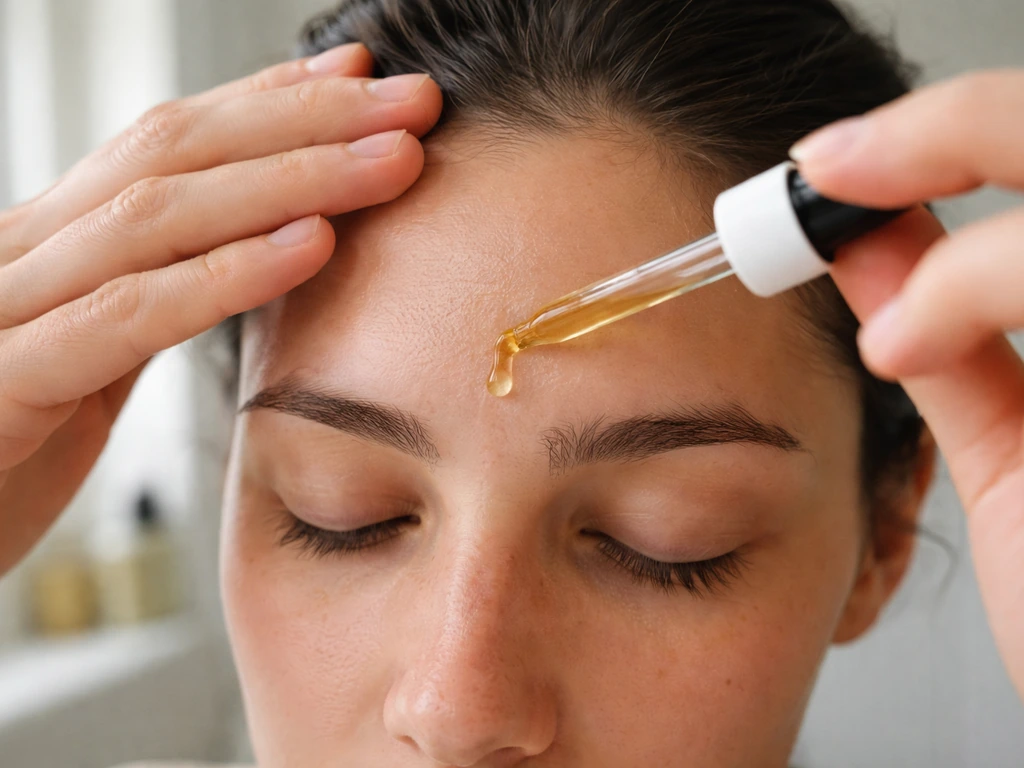
Castor oil is the most widely used brow growth remedy, and while rigorous clinical trials are limited, the anecdotal evidence is strong enough that it is worth trying. It contains ricinoleic acid, which has anti-inflammatory properties and may support scalp circulation. Apply a small amount (one drop goes a long way) to the center of your brows with a clean spoolie or fingertip each night before bed. Rinse in the morning. Consistency matters more than the amount you apply. Using it nightly for 8 to 12 weeks is when people typically start noticing a difference.
Rosemary oil
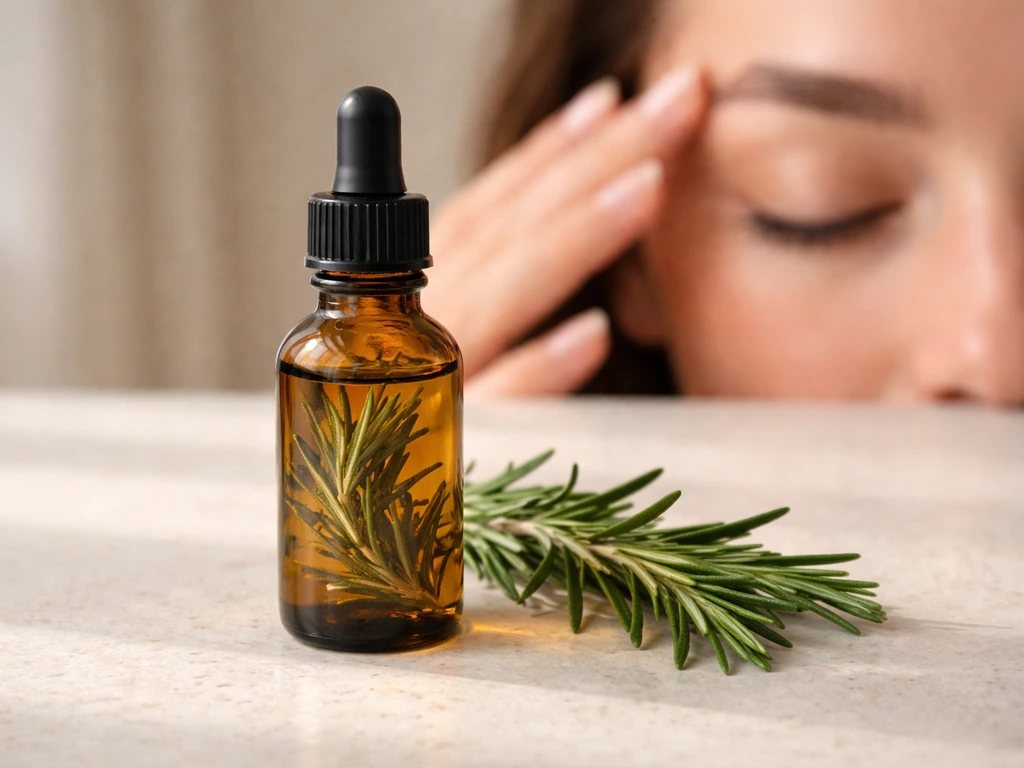
Rosemary oil has better research backing than castor oil. A 2015 study comparing 2% minoxidil to rosemary oil for scalp hair found comparable results at 6 months. For brows, the mechanism is the same: rosemary is thought to improve microcirculation and reduce DHT-related follicle miniaturization. Dilute it properly, 2 to 3 drops of rosemary essential oil per teaspoon of a carrier oil like jojoba or castor oil, and apply it to the center of the brow area nightly. Undiluted essential oil can irritate skin, so do not skip the carrier.
Gentle massage
Spend 60 to 90 seconds each evening massaging the center brow area with your fingertip while applying your oil. Circular, gentle pressure improves blood flow to the follicles and helps the product absorb. Do not scrub or apply heavy pressure. The skin over the nasal bridge and glabella is thin and can become irritated quickly, which is counterproductive to growth.
Other ingredients worth trying
- Biotin serum (topical): While oral biotin supplementation has weak evidence for hair growth in people without a deficiency, some topical serums combine biotin with peptides and panthenol. Worth including if you are using a dedicated brow serum.
- Peptide-based brow serums: Products containing peptides like biotinoyl tripeptide-1 are marketed for brow growth. The evidence is modest but they are gentle and safe to use daily.
- Vitamin E oil: A mild antioxidant that supports follicle health and reduces oxidative stress on the skin. Mix a few drops into your castor or rosemary blend.
- Aloe vera gel: Soothing and hydrating, aloe contains enzymes that may support healthy follicle function. Good option if your center brow area gets dry or flaky.
Faster options: minoxidil and evidence-backed accelerators
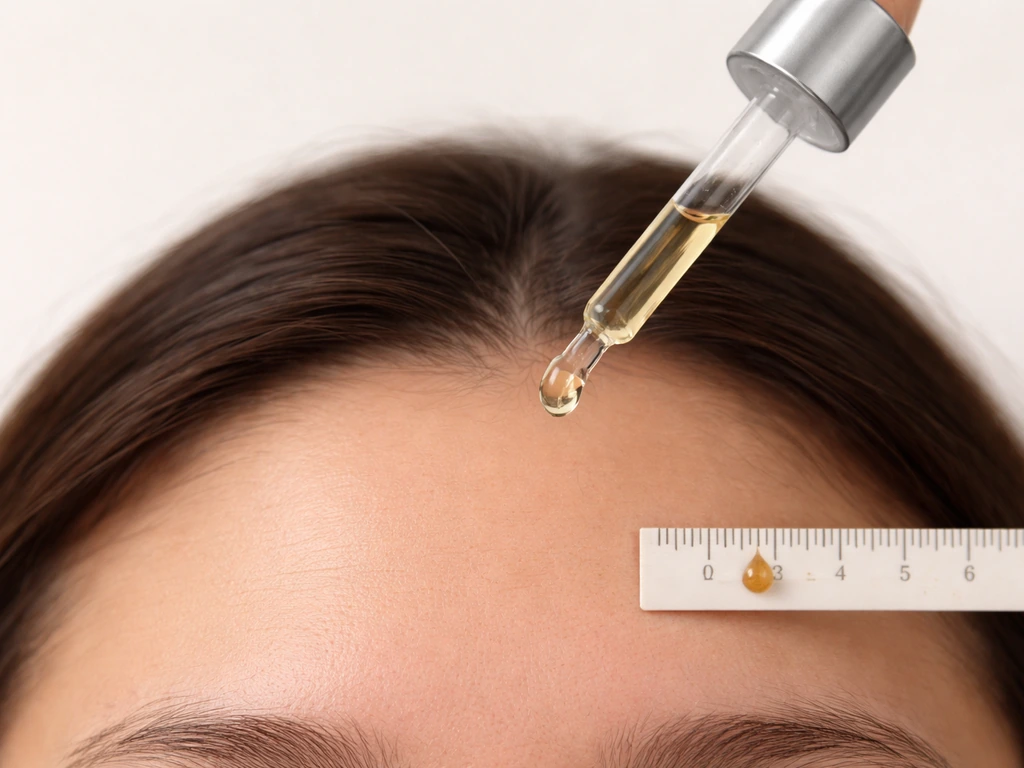
If you want results faster than the natural route allows, minoxidil is the most evidence-supported option available without a prescription. Originally developed for blood pressure, minoxidil was found to stimulate hair follicles by prolonging the anagen phase and increasing follicle size. It is FDA-approved for scalp hair loss, and dermatologists regularly use it off-label for eyebrow thinning and sparse brows.
How to use minoxidil on brows
The standard off-label approach is to use 2% minoxidil solution (not the foam, which is harder to control on small areas) once daily. Apply a very small amount, roughly half a dropper, directly to the center brow zone using a cotton swab or your fingertip. Let it dry completely before touching the area. Most dermatologists suggest once-daily application for brows rather than the twice-daily protocol used for the scalp, to minimize systemic absorption and side effects.
Expect to wait 8 to 16 weeks before seeing meaningful results. Peak effect typically appears around 6 months of consistent use. Some people see a shedding phase 4 to 6 weeks in, where existing hairs fall out before regrowth. This is normal and signals that follicles are cycling. Do not stop during this phase.
Minoxidil safety notes
- Wash your hands thoroughly after applying. Minoxidil absorbed through the hands and transferred to other skin areas can cause unwanted hair growth.
- Avoid the eyelids and eye area entirely. Even small amounts near the eyes can cause irritation or, in rare cases, affect intraocular pressure.
- Pregnant or breastfeeding individuals should not use minoxidil.
- People with cardiovascular conditions should consult a doctor before use, as minoxidil has systemic effects at higher doses.
- If you experience facial swelling, chest pain, or dizziness, stop immediately and see a doctor.
Other accelerators
Bimatoprost (a prostaglandin analog prescription medication) is another option used off-label for brow growth. It is the active ingredient in Latisse, approved for eyelash growth. Some dermatologists prescribe it for sparse brows. It is more potent than minoxidil for some people but requires a prescription and has a higher side effect profile, including potential skin darkening. This is a conversation to have with a dermatologist, not a DIY starting point.
Mistakes that will slow or kill your regrowth
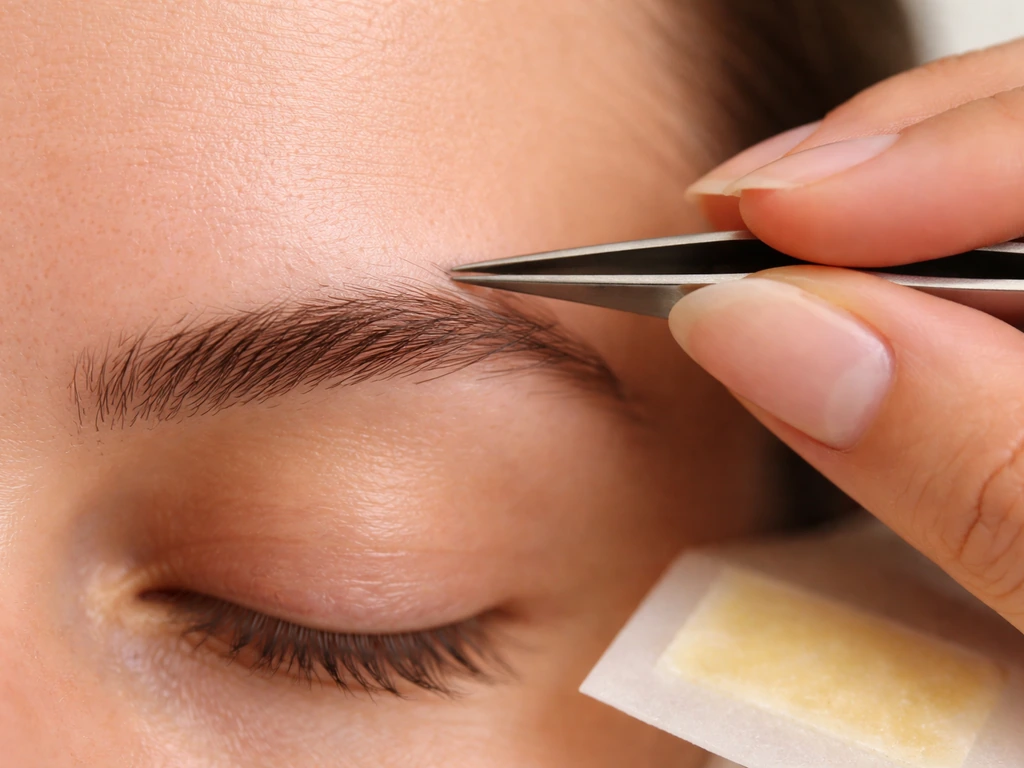
The biggest regrowth mistakes are not about what you apply, they are about what you keep doing to the center of your brows without realizing the damage it causes.
- Plucking or threading center hairs as they come in. This is the most common mistake. Every time you pluck a new hair in the center, you reset that follicle's cycle. Leave every hair alone, even the fine, wispy ones. Those vellus hairs often mature into thicker terminal hairs over time if left undisturbed.
- Shaving or waxing during the growth phase. Shaving does not damage follicles, but waxing and threading do, especially repeated waxing over the same zone. Waxing pulls the follicle wall along with the hair, causing micro-trauma. Over time, this leads to permanently reduced density.
- Over-applying oils and causing clogged pores or folliculitis. More is not better. One to two drops of oil on the center zone per night is sufficient. Heavy application can clog the follicular opening and cause small pimples or inflammation, both of which suppress hair growth.
- Scrubbing the area when cleansing. Aggressive exfoliation on the center brow zone disrupts the follicle environment. Use a gentle cleanser and pat, do not rub, the area dry.
- Expecting results in two to three weeks and giving up. The eyebrow hair cycle means you will not see meaningful change before four to six weeks minimum. Most people quit just before results would have appeared.
It is also worth noting that shaving the center is much less damaging than waxing or plucking, which is relevant if you are transitioning from a removal routine to a growth one. If you have been waxing, give the follicles at least 6 to 8 weeks of undisturbed rest before expecting them to behave normally again.
Why the middle won't fill in and what to fix
This is the most common frustration: you do everything right, you wait months, and the two brows still have a visible gap. Here are the main reasons this happens and what to actually do about each one. If you have been searching for how to grow eyebrows on Reddit, this section should help you pinpoint which cause fits your situation why the middle won't fill in.
No follicles in the zone
If you have never had a single hair in the center of your brows, you may simply not have active follicles there. Topical treatments can only stimulate existing follicles, not generate new ones. If your goal is to grow your eyebrows closer together, focus on supporting the follicles that are already in the center rather than expecting brand-new hair to appear overnight stimulate existing follicles. Minoxidil and bimatoprost can sometimes nudge miniaturized follicles into action, so they are worth trying for 6 months before concluding this. If nothing grows after 6 months of consistent minoxidil use, genetics may be the hard limit.
Follicle trauma from years of hair removal
Repeated waxing or threading in the same spot over many years can permanently damage follicles. This is more common in people who have maintained a gap since their teenage years. If this is your situation, give it a full 6-month trial with minoxidil before concluding follicles are gone. Some dormant but intact follicles respond slowly.
Chronic inflammation or dry skin
Dry, flaky, or inflamed skin over the nasal bridge suppresses follicle activity. If you have seborrheic dermatitis, eczema, or just chronically dry skin in that zone, address that first. A mild, fragrance-free moisturizer applied to the area before your oil can help. If you have visible flaking or redness, see a dermatologist before adding minoxidil, which can further irritate compromised skin.
Vellus hairs that are not maturing
Sometimes the follicles are there and active, but they are only producing fine, colorless vellus hairs. This can happen due to DHT sensitivity, nutrient deficiency, or just the way that particular follicle is programmed. Rosemary oil and minoxidil both address the DHT-related miniaturization pathway. If the hairs are there but fine, that is actually a good sign, the follicles are working, they just need more encouragement to produce thicker terminal hairs.
Nutritional gaps
Deficiencies in iron, zinc, vitamin D, or protein can visibly slow hair growth across the entire face and body. If your brows and the rest of your body hair have all been growing slowly or shedding more than usual, get bloodwork done. A simple panel checking ferritin, vitamin D, zinc, and thyroid function can reveal whether a deficiency is the limiting factor. Fixing a true deficiency often produces more noticeable improvement than any topical product.
Safety, side effects, and when to call a dermatologist
The natural options, castor oil, rosemary oil, vitamin E, aloe, are generally very safe for most people. The main risks are contact dermatitis (especially from essential oils if not properly diluted) and follicular irritation from over-application. Always patch test a new oil blend on your inner arm for 24 hours before applying it to your face.
Minoxidil carries more significant cautions. Beyond the safety notes listed above, some people experience facial hair growth in unintended areas if the product spreads or is not washed off hands properly. Scalp minoxidil is not designed for brow application, so use the lowest effective concentration (2%) and apply sparingly with a targeted applicator rather than spreading it broadly.
See a dermatologist if you notice any of the following situations. Patchy brow loss that is spreading rather than staying static could indicate alopecia areata, an autoimmune condition that requires a different treatment approach entirely. Redness, scaling, or crusting that does not resolve with gentle skincare may indicate seborrheic dermatitis or eczema that needs medical management. And if you have been consistent with minoxidil for 6 full months and see no response at all, a dermatologist can assess whether a stronger prescription option like bimatoprost is appropriate, or whether follicle activity in that zone is simply not viable.
Growing a connected monobrow is a slow game, but it is achievable for most people who have existing follicles in the center zone. Start with the natural oil routine and a strict hands-off policy. If your goal is thicker eyebrows overall, the same approach of consistent care, gentle routines, and realistic timelines can help you get more uniform coverage.
If you have not seen meaningful progress by the 8-week mark, add 2% minoxidil applied with a cotton swab once nightly. Reassess at 3 months, then again at 6. If you are also working on overall brow density alongside the center fill-in, the same principles apply across the whole brow, the center just tends to be the most stubborn zone because it is so often been cleared away for the longest time.
FAQ
Can I grow a unibrow if I have no hair in the center at all (for example, I’ve never had one)?
If there are no active or dormant follicles in the glabella area, topicals can only stimulate what already exists, they can not reliably create new follicles. A practical way to test viability is to run a consistent 6-month trial with 2% minoxidil (if you tolerate it) while keeping the area hands-off and irritation-free, then reassess. If nothing appears after that window, genetics is likely the limiting factor.
Should I stop oils or minoxidil if I see irritation or redness?
Do not power through significant burning, swelling, or spreading redness. Pause the product, switch to a bland fragrance-free moisturizer for several days, and then restart at a lower frequency (for example, every other night) or use a more gentle approach. If redness, scaling, or crusting persists beyond about a week, see a dermatologist before continuing, especially with minoxidil.
Is it better to wax, thread, or shave while I’m trying to connect the brows?
If you are actively growing, shaving is typically the least disruptive option because it removes hair at the surface without disturbing follicles. Waxing and plucking can repeatedly damage follicles, which is especially harmful in the center zone. If you recently waxed or threaded, give at least 6 to 8 weeks of undisturbed rest before judging results.
How much minoxidil should I use on the brow center to avoid unwanted facial hair?
Use the smallest targeted amount that still covers the center patch, roughly half a dropper for the whole zone. Apply with a cotton swab or controlled fingertip, let it fully dry, and avoid getting it onto the surrounding brow hairs and skin you do not want affected. Wash hands immediately after application, because accidental transfer is a common cause of unintended facial growth.
When should I expect shedding from minoxidil, and what should I do about it?
A shedding phase can occur around 4 to 6 weeks in, where existing hairs fall out before new growth thickens. Do not stop during shedding if it is mild and there is no severe irritation. Keep your application schedule consistent and reassess at 3 months rather than making changes week to week.
What if my “middle hairs” are only fine and colorless, is that progress?
Yes, fine vellus hairs are often a sign the follicles are responding but are not yet producing thicker terminal hairs. Instead of switching products every few weeks, focus on consistent application, minimize friction and irritation, and give it time to mature over several months. Many people see the most meaningful thickening around the 6-month mark.
Do I need to massage the area, and can massage make it worse?
Gentle massage for about 60 to 90 seconds can help product absorption and microcirculation, but aggressive scrubbing, hard pressure, or frequent rubbing can inflame thin skin over the nasal bridge and delay progress. If you notice soreness, increased redness, or flaking after massage, reduce pressure or frequency and prioritize gentle skincare.
Can I combine castor oil or rosemary oil with minoxidil?
You can, but avoid stacking multiple actives at full strength at the same time if you are prone to irritation. A safer approach is to introduce one variable first (for example, rosemary or castor oil alone), then add minoxidil later if the skin stays calm. If you combine, use proper dilution for essential oils, apply oils to a separate routine window, and stop if dermatitis develops.
Will vitamin E, aloe, or other “brow serums” help, even if follicles are dormant?
They may support overall skin comfort and hydration, which can indirectly help if irritation is suppressing follicle activity. However, they do not reliably overcome the core biology of a lack of follicles in the center. If no growth appears after a consistent trial of a follicle-targeting option like minoxidil, the limiting factor may be genetics or follicle viability rather than skin dryness.
Should I treat possible deficiencies before trying to grow a unibrow?
If you also notice slower hair growth elsewhere, increased shedding, or general fatigue, bloodwork can be more efficient than adding more products. A targeted panel (commonly ferritin, vitamin D, zinc, and thyroid markers) can show whether a nutrient issue is slowing growth. Correcting a real deficiency often improves multiple body hair areas, not just the brows.
How do I know if I should see a dermatologist instead of continuing DIY?
Get evaluated if you develop patchy loss that expands, symptoms suggest an autoimmune or medical condition (for example, sudden irregular gaps), or if you see scaling, crusting, or persistent redness that does not improve with gentle skincare. Also seek care if you have used minoxidil consistently for 6 full months with no response, because a prescription option like bimatoprost or alternative diagnosis may be needed.
Next Article
Does Vitamin E Oil Help Eyebrows Grow? Safe Routine & Timeline
Find out if vitamin E oil helps eyebrow growth, plus a safe routine, timelines, and what works better.