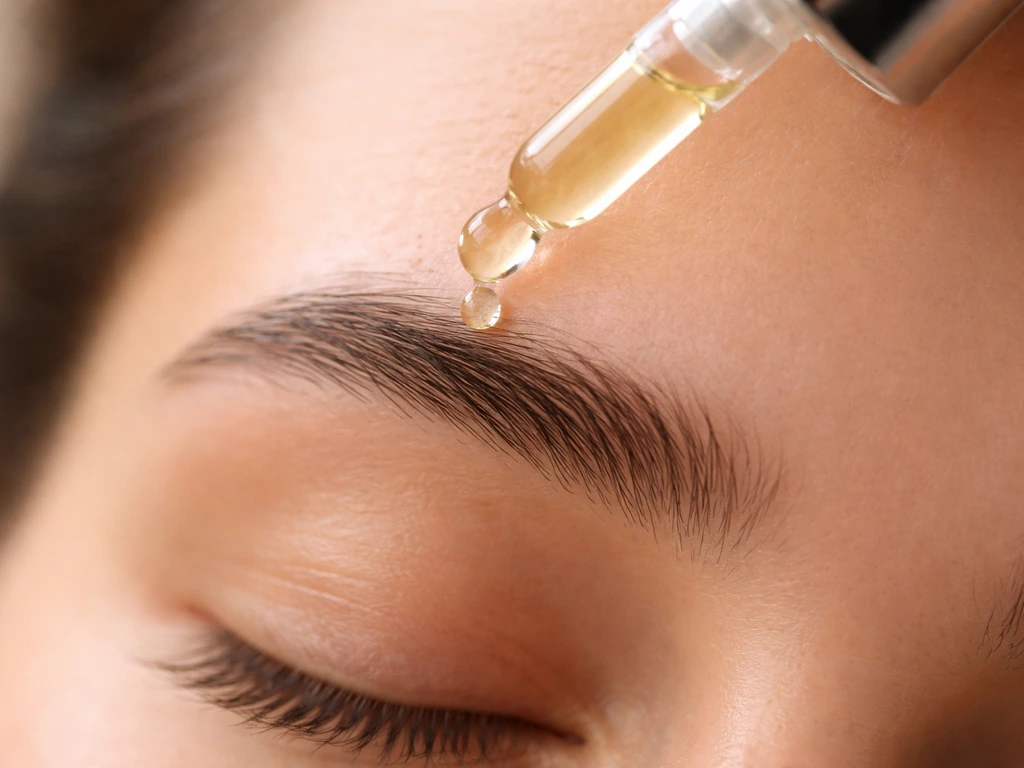
Castor oil can help your eyebrows look thicker and healthier, and it may support the conditions your follicles need to grow. But it will not stimulate new hair growth the way a prescription medication does. That distinction matters a lot if you are working with seriously sparse brows or trying to recover from years of over-plucking. Here is the honest breakdown of what castor oil actually does, how to use it properly, and when to consider something stronger.
Will Castor Oil Grow Eyebrows? Guide, Timeline, and How To

James Whitmore
18 Apr 2026
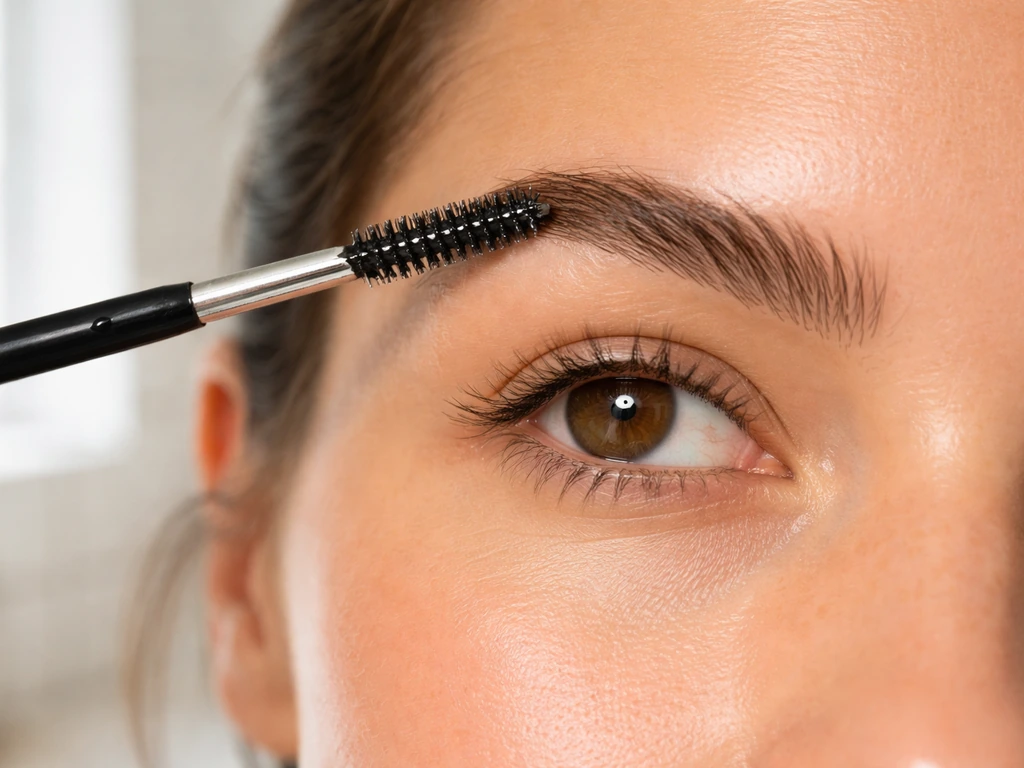
Does castor oil actually grow eyebrows (and eyelashes)?

The short answer: probably not in the way most people mean when they ask the question. There is no robust clinical evidence that castor oil directly stimulates hair follicles to produce new or faster growth. What the research does support is that castor oil conditions the hair shaft, reduces breakage, moisturizes the skin around the follicle, and may help reduce minor lid inflammation that causes hair to shed prematurely. One randomized clinical trial using 100% cold-pressed castor oil applied twice daily to eyelids for four weeks did show improvements in eyelash-related signs like matting and crusting, but that context was treating blepharitis (eyelid inflammation), not measuring hair regrowth.
Compare that to bimatoprost (the active ingredient in FDA-approved Latisse), which has been clinically shown to increase eyelash length, thickness, and darkness, and has even been studied for eyebrow hypotrichosis with measurable growth outcomes. Castor oil is not in that category. What it can do is make your existing brows look fuller by coating and conditioning each hair, and it may reduce the kind of everyday breakage that makes sparse brows look even sparser. For a lot of people, that is actually useful, especially early in a regrowth journey.
The same logic applies to eyelashes. Castor oil is popular for lashes for the same reasons: it conditions, reduces brittleness, and makes lashes look glossier and fuller. But applying it near the eye comes with more risk than the brow bone does, so it is worth being careful about application (more on that below).
How castor oil may help your brows (the real mechanism)
Castor oil is unusually high in ricinoleic acid, a fatty acid that makes up roughly 85 to 95 percent of its composition. This gives it a much thicker, more viscous texture than most oils, which is why it coats hair so effectively. Here is what that actually means for your brows:
- Moisturizing the follicle environment: Dry, flaky skin around the brows can clog follicles and disrupt the growth cycle. Castor oil keeps that skin hydrated.
- Reducing hair shaft breakage: Thin brow hairs snap off easily. Coating them with castor oil makes them more flexible and resistant to everyday friction from rubbing or makeup removal.
- Conditioning existing hairs: Well-conditioned hairs lay flatter, reflect more light, and look thicker even if the actual count has not changed.
- Possible anti-inflammatory effect: Ricinoleic acid has some anti-inflammatory properties in the research literature, which may help if mild scalp or skin inflammation is contributing to shedding. This is speculative for brows but is the reasoning behind its use in blepharitis treatment.
- Supporting a healthier baseline: Healthier follicle surroundings do not guarantee growth, but removing obstacles like dryness and breakage gives whatever growth your follicles can produce its best shot.
What castor oil cannot do is wake up follicles that have been permanently scarred or shut down. If your brows are sparse because of an underlying hormonal issue, thyroid condition, alopecia areata, or irreversible damage from decades of plucking, castor oil will not reverse that on its own. It is a supportive treatment, not a growth trigger.
Black castor oil, organic, cold-pressed: what to actually buy

The castor oil market is genuinely confusing, and some of the labeling is more marketing than science. Here is what the differences actually mean and what to look for.
| Type | What it is | Best for | Watch out for |
|---|---|---|---|
| Cold-pressed castor oil | Extracted without heat, preserving more of the oil's natural fatty acids and nutrients | General brow and lash use, sensitive skin | Make sure it is 100% pure with no added ingredients |
| Jamaican Black Castor Oil (JBCO) | Made from roasted castor beans, giving it a dark color and ashy residue; higher pH may open the hair cuticle slightly | Coarse or thick hair types, very dry skin around brows | The ash content can irritate sensitive skin; dark color can temporarily stain fair brows |
| Organic castor oil | Grown without synthetic pesticides; cold-pressed or expeller-pressed | Anyone who wants to minimize chemical exposure | Organic certification does not change the oil's actual effect on brow growth |
| Hydrogenated castor oil | Processed form used in cosmetics and waxy products | Not recommended for direct brow application | Has been associated with allergic contact dermatitis in patch test studies; avoid for this use |
For most people, a 100% pure cold-pressed castor oil (organic if you prefer) is the right starting point. Look for products sold in dark glass bottles, which protect the oil from light degradation. Avoid anything with fragrance, preservatives, or added essential oils mixed in, especially near the eye area. Brands that package their castor oil with a mascara-style wand applicator make the routine much easier and more precise. A bottle should cost between $8 and $20 and last several months at brow-application quantities.
Jamaican Black Castor Oil has a devoted following, and it does work well for some people, but the roasting process and ash content make it more likely to irritate sensitive skin. If you have fair brows or reactive skin, start with standard cold-pressed first.
How to use castor oil on eyebrows: a simple daily routine
Consistency matters far more than technique here. A tiny amount applied every night will do more than occasional heavy applications. Here is the routine I would actually follow:
- Cleanse your face first. Apply castor oil to clean, dry brows. Leftover makeup or moisturizer dilutes the oil and can trap bacteria against the skin.
- Dispense a very small amount. You need about one or two drops total for both brows. If you are using a wand applicator, one light swipe loaded with oil is enough.
- Apply along the brow direction. Use the wand, a clean spoolie, or your fingertip to stroke the oil onto the brow in the direction of hair growth, from the inner corner outward. Work it into the skin slightly, not just on top of the hairs.
- Extend slightly beyond the visible brow if you are trying to fill in sparse patches. You want the oil to reach the follicles in areas where you want growth, not just where hair already exists.
- Leave it on overnight. Castor oil is thick and slow to absorb, so daytime wear is messy and tends to migrate. Overnight application works best.
- Rinse off in the morning. Use your regular face wash or a gentle cleanser. Leftover castor oil on the skin during the day can clog pores and cause milia (small white bumps) if used around the eye area.
- Repeat nightly, or at least 5 nights per week. Skipping occasional nights is fine. Stopping for weeks at a time and restarting will slow your results.
One thing to be careful about if you are also applying near your lash line: castor oil is not formulated for getting into the eye. It can cause irritation, blur your vision temporarily, and there is concern that repeated contact with the meibomian glands (the oil-producing glands in your eyelids) can cause blockages over time. Apply to the brow bone and stay above the lash line unless you are being very deliberate and precise.
Timeline: what to expect and when
This is where a lot of people get discouraged, because the realistic timeline is much longer than most social media posts suggest. The idea that castor oil grows eyebrows in 3 days is not backed by anything biological. Quick note: If you are specifically looking for how to grow eyebrows in 3 days with vaseline, it is important to know that vaseline is not expected to create new hair growth on that timeline either. The eyebrow hair cycle runs roughly 4 to 6 months from growth (anagen) through rest (telogen) to shedding. You cannot shortcut that cycle with a topical oil.
| Timeframe | What you might notice | What is actually happening |
|---|---|---|
| Week 1 to 2 | Brows look slightly shinier or more groomed | Oil conditioning effect; no new growth yet |
| Week 3 to 6 | Existing hairs may appear thicker or fuller; less breakage | Reduced hair shaft damage; follicles getting consistent hydration |
| Month 2 to 3 | Possibly some new fine vellus hairs in sparse areas | Hairs that were in the telogen (resting) phase may begin re-entering anagen if follicles are healthy |
| Month 3 to 6 | Noticeable improvement in fullness if the cause of sparseness was reversible | Full anagen cycles completing; realistic window for visible change |
| Beyond 6 months | Plateau if no further improvement | If follicles are dormant or damaged, reassess and consider additional treatments |
For people regrowing brows after waxing or shaving, the timeline depends less on castor oil and more on where your follicles are in their natural cycle. Waxing and shaving do not damage follicles permanently, so regrowth will happen regardless of what you apply topically. Castor oil may make the regrowth process look better as it comes in, with less patchiness and more conditioned hairs, but it is not responsible for the regrowth itself. Expect full regrowth from shaving within 2 to 4 months; after repeated waxing over years, it can take longer because follicles may have been weakened.
Over-plucking is a different situation. Follicles that have been repeatedly traumatized over many years can become permanently inactive. In those cases, castor oil alone will likely not restore full density. That is when it makes sense to reassess what you are actually working with.
Realistic limits, side effects, and when to get more help
What castor oil will not fix
- Permanent follicle damage from decades of aggressive plucking
- Hormonal causes of hair loss (thyroid disorders, PCOS, menopause-related shedding)
- Alopecia areata or other autoimmune hair loss conditions
- Nutritional deficiencies causing brow thinning (iron, biotin, zinc)
- Medication-related hair loss
If your brow sparseness falls into any of those categories, castor oil is not your main tool. It can still be part of the routine for conditioning, but you need to address the root cause separately.
Side effects to know about
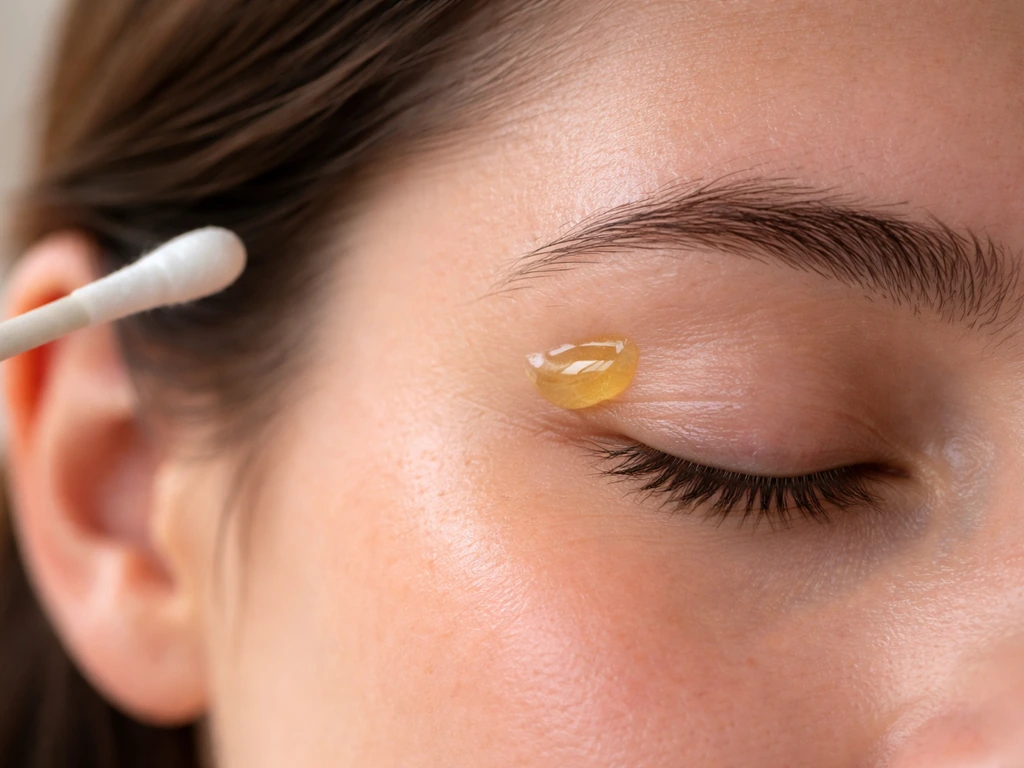
Castor oil is generally considered safe for skin use, but it is not risk-free. Allergic contact dermatitis is documented in the research literature, specifically related to ricinoleic acid and related fatty acids. It is uncommon but real, and the fact that something is natural does not mean it cannot cause a reaction. Before applying castor oil nightly to your brow area, do a patch test: apply a small amount to your inner forearm, leave it for 24 hours, and check for redness, itching, or swelling. If you get a reaction there, do not use it near your eyes.
Other possible issues include clogged pores or milia if oil builds up on the skin, and eye irritation or temporary blurred vision if the oil migrates into the eye during sleep. People with sensitive or acne-prone skin around the brow area should use the smallest effective amount and make sure to wash it off every morning.
When to see a dermatologist or try something stronger
Give castor oil a genuine 3-month consistent trial before deciding it is not working. If you have completed that trial and seen no improvement at all, it is time to either investigate an underlying cause or move to a more evidence-based treatment. Minoxidil (applied topically to the brow area) has growing evidence for androgenic and other types of brow thinning. Bimatoprost has been studied directly for eyebrow hypotrichosis and showed measurable growth in clinical settings.
Bimatoprost (LATISSE, bimatoprost ophthalmic solution 0. 03%) is indicated for hypotrichosis of the eyelashes, and eyelash growth is expected to return to pre-treatment levels after discontinuation [Bimatoprost has been studied directly for eyebrow hypotrichosis](https://www. accessdata. fda.
gov/drugsatfda_docs/label/2020/022369s012lbl. pdf). Both require more caution and ideally a dermatologist's guidance, but they are genuinely more likely to stimulate follicle activity than an oil.
See a dermatologist if your brow loss is sudden, asymmetric, accompanied by skin changes (scaling, redness, scarring), or if you have lost brows from the outer third, which can be a sign of thyroid disease. These are not situations where home remedies should be your primary strategy.
The bottom line: castor oil is worth trying if you want a low-cost, low-risk starting point for thicker, healthier-looking brows. Use it consistently at night, manage your expectations around timing (months, not days), patch test first, and have a clear plan for what you will do if you are not seeing results by month three. If you want to skip castor oil, focus on evidence-based options and realistic timelines instead. It is a reasonable part of a brow-care routine. It is not a guaranteed growth treatment.
FAQ
Will castor oil regrow eyebrows if my follicles are permanently inactive?
If your brows are thinner because you overplucked years ago or there is scarring or prolonged inflammation, castor oil is unlikely to reactivate permanently inactive follicles. In that situation, it can still improve how the remaining hairs look (less breakage and better conditioning), but density gains are not the expectation.
Is it safe to apply castor oil near my lash line while I sleep?
Avoid putting castor oil directly into the eye or along the inner lash line. Apply to the brow hairs and the brow bone area only, then use the smallest amount that spreads thinly. If it ever gets into your eye while you sleep, rinse with sterile saline or clean water and stop using it if irritation continues.
What are the most common side effects, and when should I stop?
Yes, irritation can happen even with natural products. Do a patch test first, use a tiny amount, and discontinue if you notice itching, redness, burning, swelling, or rash. If you develop persistent eye symptoms, blurred vision, or significant lid redness, stop and seek medical advice rather than “pushing through.”
How can I tell if castor oil is improving existing hairs versus actually growing new ones?
Castor oil can make brows look thicker by conditioning the hair shaft, reducing breakage, and improving moisturization of the skin around follicles. That can be mistaken for new growth. A practical check is to track whether you see new, emerging hairs over time, not just a darker or shinier look.
Can castor oil cause clogged pores or milia on the brow area?
If you get clogged pores, small bumps, or milia near the brow area, reduce the amount and frequency (or stop). Oily products can be too heavy for some skin types, especially if you have acne-prone skin around the brows.
What if my brow regrowth is patchy or one area is getting worse?
For uneven regrowth, castor oil can sometimes help the hairs you already have look more uniform, but it will not reliably correct the underlying cause of patchy loss (like alopecia areata, hormonal factors, or dermatitis). If one patch is spreading, or the pattern is sharply defined, get evaluated rather than continuing only with oil.
How long should I realistically try castor oil before changing my plan?
Oil routines are affected by product quality and consistency. Start with 100% cold-pressed castor oil in dark packaging, apply a tiny amount nightly, and stick with it for about 3 months. If you do not see any meaningful change by then, it is more productive to investigate the cause or move to an evidence-based option.
Do I need to wash castor oil off in the morning?
Wash it off each morning with a gentle cleanser to reduce residue buildup and the chance of eye irritation. Residue is especially likely if you use too much or apply too low near the lash line.
Can castor oil be too irritating if I have sensitive skin?
Yes, especially if you use fragranced versions, added essential oils, or heavy layers. If you have sensitive skin, choose plain 100% cold-pressed castor oil, use less than you think you need, and consider skipping it if your brow area is already prone to irritation or eczema.
Can I use castor oil with other brow serums or skincare actives?
If you are actively using other brow products, timing matters. Avoid combining it with irritating actives (like strong exfoliants or retinoids) in the same night, and be cautious if you already experience dryness or flaking. If you want the cleanest test, use castor oil alone for at least 2 to 3 weeks before adding anything else back.
Next Article
Does Vitamin E Oil Help Eyebrows Grow? Safe Routine & Timeline
Find out if vitamin E oil helps eyebrow growth, plus a safe routine, timelines, and what works better.