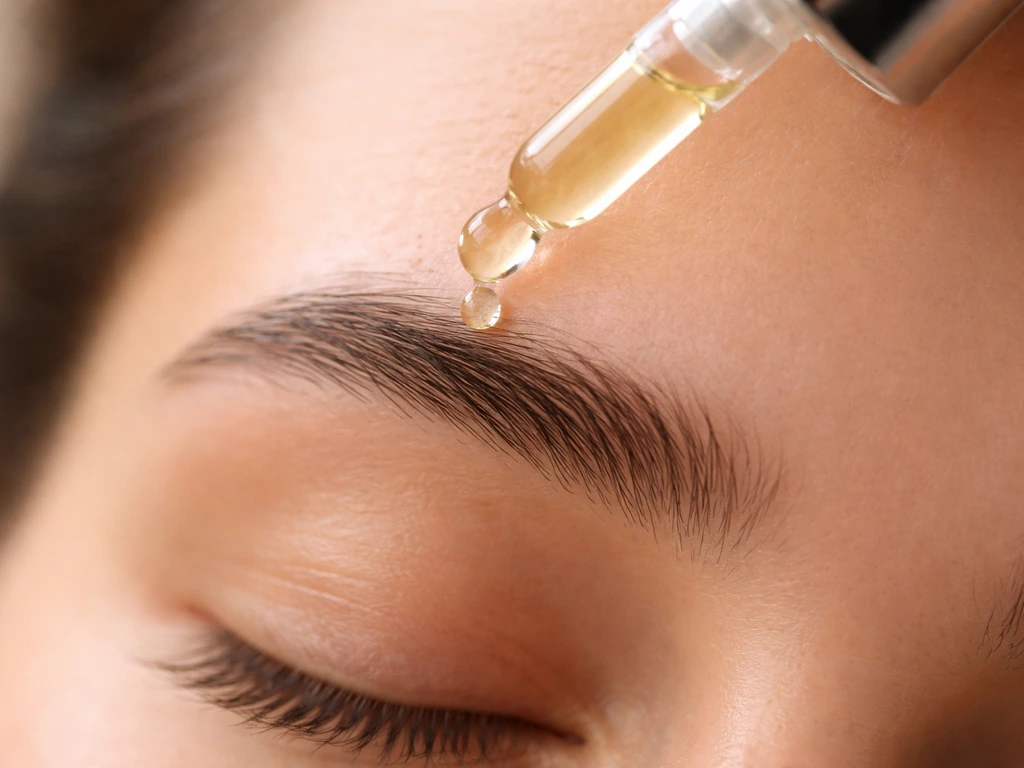
Growing your eyebrows quickly comes down to three things: stopping what's slowing them down, giving the follicles the right environment to cycle back into growth, and being honest about timelines. Realistically, you're looking at 3 to 6 months for meaningful regrowth, depending on how much damage has been done. That's not what anyone wants to hear, but understanding why that's the case is actually the key to getting the fastest results possible.
How to Grow Your Eyebrows Quickly: Fast Regrowth Guide
James Whitmore
25 Apr 2026
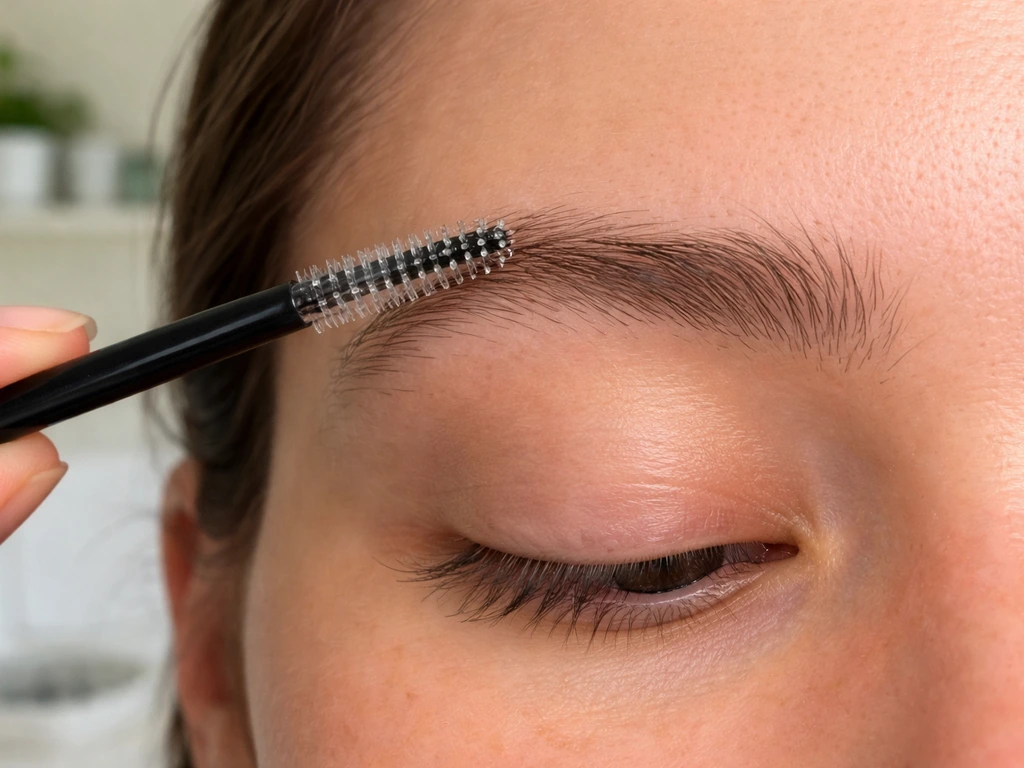
How fast do eyebrows actually grow back?
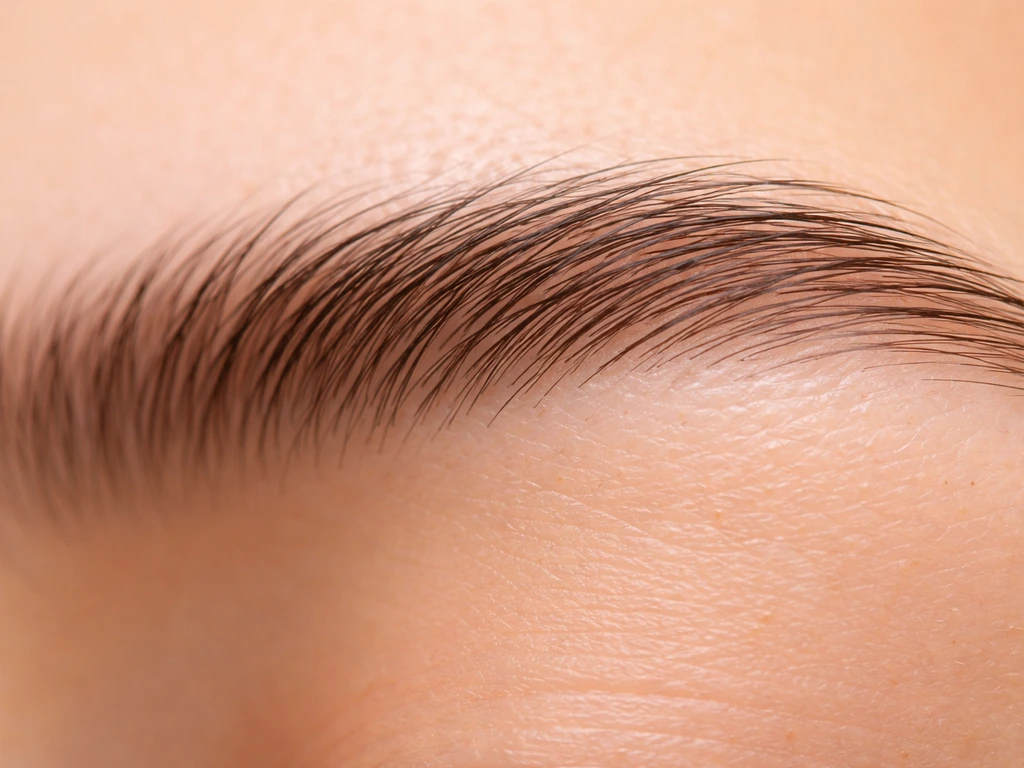
Eyebrow hair grows in cycles, just like scalp hair, but the phases are dramatically shorter. The growth phase (anagen) for eyebrow hair lasts only about 2 to 3 months, compared to several years for scalp hair. After anagen, follicles enter a short transitional phase (catagen, roughly 2 to 3 weeks), then a resting phase (telogen) before the cycle starts again. The ratio of resting to growing time is roughly 9:1 for eyebrow hair, meaning most of your follicles are resting at any given moment. That's why brows grow so slowly and why they cap out at a short length.
A 1999 shaving study found that full eyebrow regrowth took about 6 months after a clean shave. After waxing or heavy plucking, which causes more follicle stress, it can take a similar amount of time or longer. After minor over-plucking, you might see visible improvement in 6 to 8 weeks, with fuller results by the 3 to 4 month mark. If nothing has changed after 4 months, that's when you stop waiting and get a dermatologist involved.
Why your eyebrows aren't growing (the actual causes)
Before throwing products at the problem, it helps to know what's actually causing slow or patchy growth. The culprit shapes everything else you do.
- Over-plucking, waxing, or threading: Repeated trauma to the follicle can temporarily or permanently disrupt the growth cycle. Follicles that have been repeatedly stressed may spend longer in telogen or stop producing hair altogether.
- Skin conditions: Eczema, psoriasis, seborrheic dermatitis, and contact dermatitis can all inflame the skin around the brow area and impair follicle function. If your brows are itchy, flaky, or red, a skin condition may be the real issue.
- Contact dermatitis from products: Brow gels, makeup, eyebrow tints, and skincare products applied near the brow can cause allergic or irritant reactions that slow or stop growth. Patch testing can identify the specific culprit.
- Hormonal imbalances: Thyroid issues (especially hypothyroidism) are a classic cause of eyebrow thinning, particularly at the outer third of the brow. Treating the underlying thyroid condition can normalize the hair cycle.
- Nutritional deficiencies: Low iron, vitamin D, biotin, or zinc can slow hair growth across the body, including the brows.
- Stress: Chronic stress pushes follicles into telogen prematurely, causing shedding and slow regrowth.
- Alopecia areata: An autoimmune condition that causes patchy hair loss and requires medical treatment. Unlike most of the causes above, this is a non-scarring cause, meaning regrowth is possible with the right treatment.
- Scarring causes (like frontal fibrosing alopecia): These cause permanent follicle loss and need early recognition and treatment to prevent further damage.
If your brow loss is patchy, sudden, or accompanied by skin changes, it's worth seeing a dermatologist sooner rather than later. Scarring causes carry a much worse prognosis if caught late, and tools like dermoscopy can help distinguish between them quickly.
Fast, natural ways to support eyebrow growth
These aren't magic fixes, but they're the foundation everything else builds on. Skipping them while chasing oils and serums is like watering a plant that has root rot.
Stop the damage first
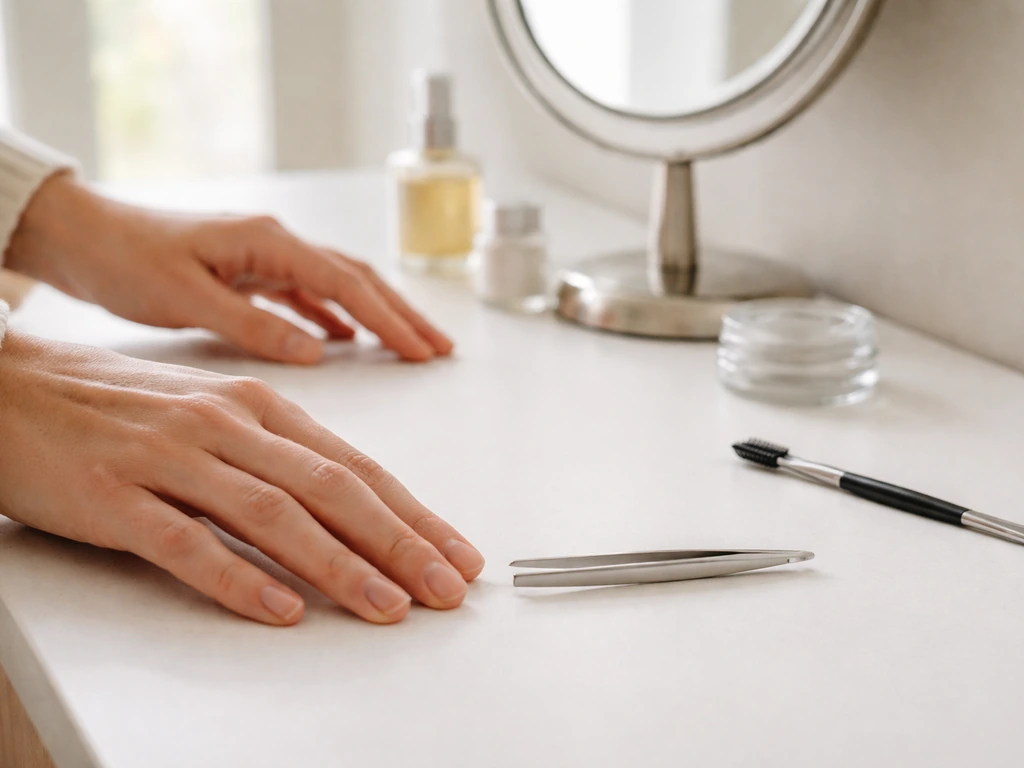
Put down the tweezers. Completely. Even cleaning up "strays" keeps you in a cycle of micro-trauma. Give brows a full 8 to 12 weeks of zero plucking, waxing, or threading before reassessing. This is the single most impactful step for anyone regrowing over-plucked brows.
Support growth from the inside
Hair follicles are sensitive to nutritional gaps. If you're low in iron, vitamin D, biotin, or zinc, your brows will reflect that. A basic blood panel from your doctor can rule out deficiencies. In the meantime, eating a diet with enough protein, leafy greens, eggs, nuts, and fatty fish covers most of the bases. Biotin supplements are widely marketed for hair growth but the evidence is strongest for people who are actually deficient, not the general population. Still, they're low risk if you want to cover your bases.
Manage stress and sleep
Chronic stress keeps follicles in telogen longer. There's no shortcut here, but prioritizing sleep (7 to 9 hours) and reducing ongoing stressors genuinely moves the needle on hair growth, not just eyebrow growth.
Gentle cleansing and moisturizing
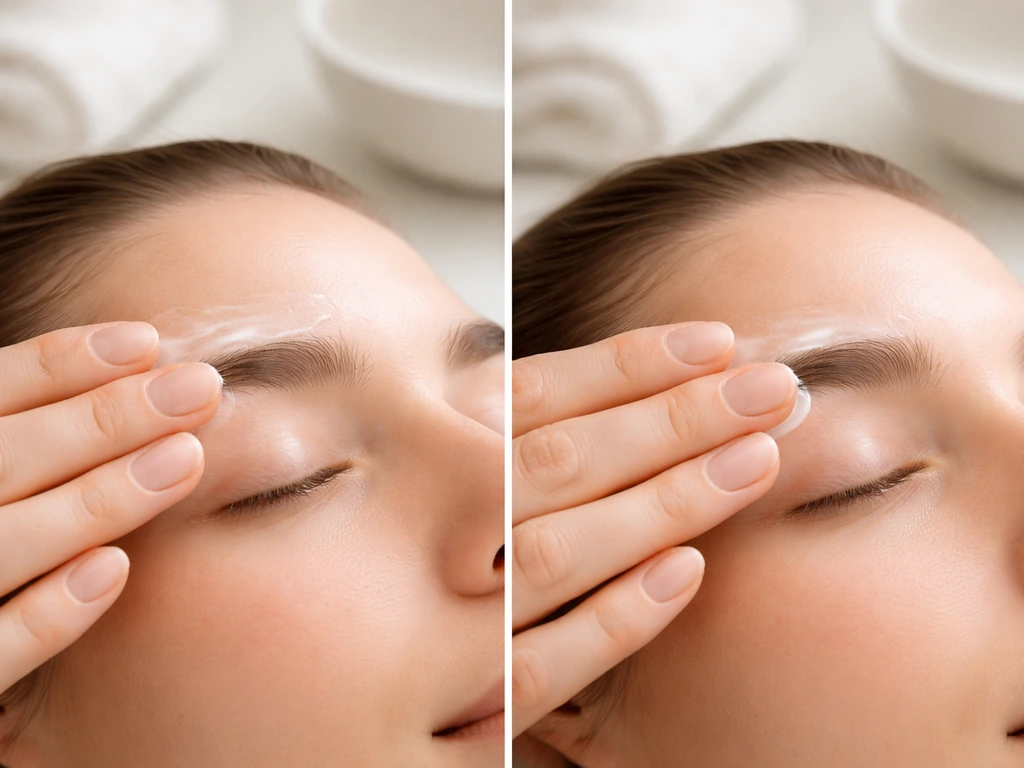
Dry, irritated skin around the brows isn't a healthy environment for hair follicles. Keep the area clean and moisturized. Avoid heavily fragranced products around the brows, which can trigger contact dermatitis. If you use makeup remover on your brows, be gentle, rubbing aggressively can cause mechanical hair loss over time.
At-home growth methods and products worth trying
Castor oil
Castor oil is the most popular at-home brow remedy, and the honest truth is that the clinical evidence for eyebrow regrowth specifically is weak. The narrative review literature notes it doesn't hold up on par with established therapies. That said, it's a thick, conditioning oil that's generally safe for most skin types, and many people swear by it anecdotally. My take: it's not going to regrow brows that aren't growing for a medical reason, but it may help the existing hairs look healthier and protect brow hairs from breakage. Use a clean spoolie or cotton swab to apply a small amount to the brows at night, and wash it off in the morning. Give it 6 to 8 weeks before deciding if it's doing anything for you.
Rosemary oil
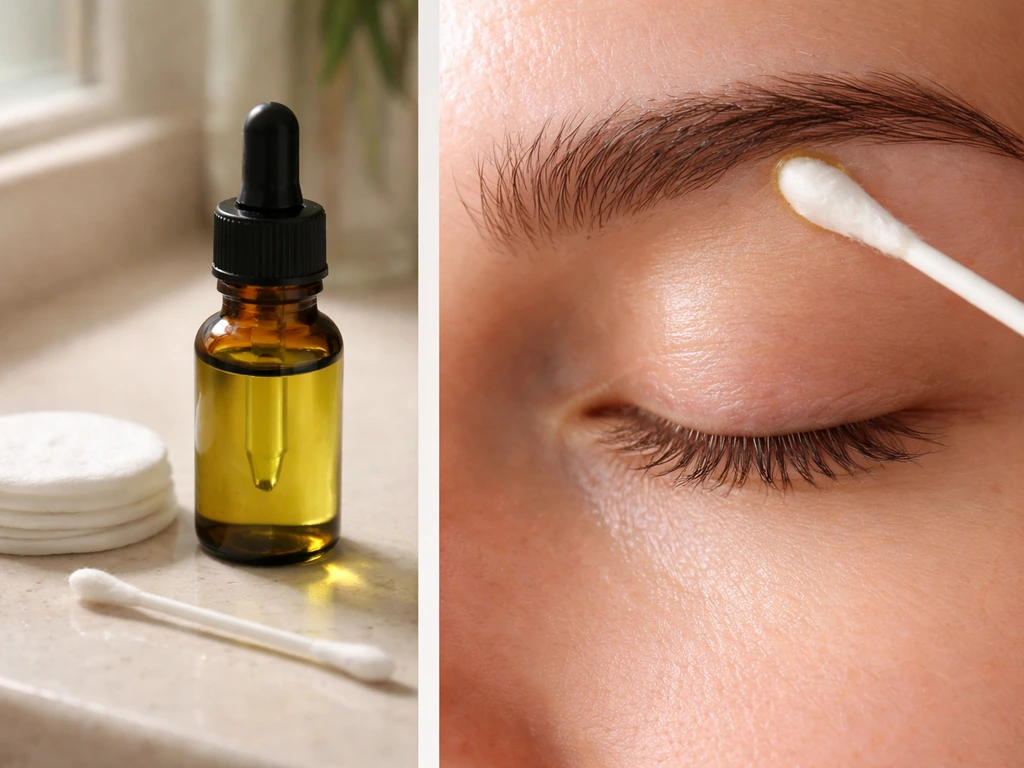
Rosemary oil has more promising evidence than castor oil, largely from scalp hair studies where it performed comparably to 2% minoxidil in one small trial. Whether that translates directly to eyebrow follicles isn't proven, but the mechanism (improved circulation, DHT blocking activity) is plausible. Always dilute it in a carrier oil (like jojoba or castor oil) at about a 2 to 3% concentration before applying, and do a patch test first since it can irritate sensitive skin. Apply at night and rinse in the morning.
Peptide and growth-factor serums
Over-the-counter brow growth serums often contain peptides, biotin, and panthenol. Brands like Vegamour, RevitaBrow, and Grande Brow have loyal followings, and some users see genuine improvement in thickness and density. The clinical backing for these specific formulations is limited, but they're generally safe and worth trying if you want something more targeted than a plain oil. Give any serum at least 3 months before judging results.
Brow massage
Gentle daily massage along the brow bone for 1 to 2 minutes may improve local blood circulation and nudge follicles. It's low-effort, costs nothing, and won't hurt. Use clean fingertips and pair it with a serum or oil application.
Evidence-based medical options (when you're ready to escalate)
Topical minoxidil
Minoxidil is the most clinically supported option for accelerating hair growth, and it's used off-label for eyebrows, including as part of alopecia areata management. It works by prolonging the anagen phase and increasing follicle size. For brow use, the lower 2% concentration is generally recommended over 5%. The 5% formulation has been associated with significant unwanted facial hair growth in women (hypertrichosis), which is a real and documented risk. StatPearls also advises monitoring for localized or generalized blank" rel="noopener noreferrer">hypertrichosis, which is unwanted hair growth, during topical minoxidil use. DailyMed’s drug facts for topical minoxidil (5%) also report that unwanted hair growth on the face and other body parts has occurred with use blank" rel="noopener noreferrer">unwanted facial hair growth in women (hypertrichosis). Apply sparingly, only to the brow area itself, using a precision applicator.
A few important caveats: minoxidil is not safe during pregnancy. It also requires ongoing use since regrowth can reverse when you stop. Side effects can include skin irritation, dryness, and, if it spreads, redness on surrounding skin. It's worth at least a conversation with a dermatologist before starting, especially if you have other health conditions or are on medications.
When to see a dermatologist
See a dermatologist if: you haven't seen any improvement after 4 months of consistent effort, your brow loss is patchy or sudden, the skin around your brows is inflamed or itchy, or you suspect a systemic cause like thyroid disease. A dermatologist can perform dermoscopy to differentiate between causes like alopecia areata and frontal fibrosing alopecia, run bloodwork to check for hormonal or nutritional causes, recommend prescription treatments like topical corticosteroids or immunotherapy, and assess whether any product you're using might be triggering contact dermatitis through patch testing.
Regrowing brows after over-plucking, waxing, or shaving
This is the most common scenario, and the good news is that it's usually fully reversible, especially if the trauma was recent or not repeated over many years. Here's a step-by-step recovery playbook:
- Stop all grooming immediately. No tweezing, waxing, threading, or threading for at least 8 to 12 weeks. This is non-negotiable.
- Photograph your brows now so you can actually see progress. It's easy to miss gradual improvement without a baseline.
- Start a nightly oil or serum routine: castor oil, rosemary oil diluted in a carrier, or an OTC growth serum applied with a clean spoolie.
- Review your products. If you use anything near the brows (makeup, moisturizer, sunscreen, tint), consider eliminating or swapping them temporarily to rule out contact irritation.
- Check in at 6 to 8 weeks. You should start seeing fine vellus hairs filling in sparse areas. These will thicken over time.
- At 3 to 4 months, do a full assessment. If growth is happening but slowly, continue the routine. If there's been no change at all, see a dermatologist.
- Once brows are closer to your goal, resist the urge to aggressively shape them again. Work with a professional brow artist who can help you shape without sacrificing density.
If you're specifically dealing with eyebrow slits that aren't filling back in, or if you're curious about whether certain habits slow brow growth over time, those are slightly different problems with their own nuances worth exploring separately. If you're also looking for the quickest path, focus on the habits that help your brows grow faster while you recover from the slowdown how to make your eyebrows grow faster. If you're targeting eyebrow slits specifically, focus on preventing follicle stress and supporting faster regrowth with evidence-based steps how to make your eyebrow slits grow faster.
Making brows look fuller while you wait
The regrowth process is slow, and there's no shame in using cosmetics in the meantime. In fact, the right products can make brows look significantly fuller without adding any stress to the follicles.
Fill-in techniques
Brow pencils and microblading-style pens (like those from Anastasia Beverly Hills, Benefit, or e.l.f.) let you draw individual hair strokes that mimic real brow hair. Use short, light strokes angled in the same direction as your natural hairs. Brow powder gives a softer, more diffused look that's great for overall fullness. For the most natural result, use a pencil for the inner brow and powder through the arch and tail.
Brow tinting
Tinting existing brow hairs darker makes them more visible, which instantly creates the look of density. You can do this at home with a kit or get it done professionally. One note of caution: a published case report documented a delayed granulomatous reaction to semi-permanent brow tint, which is rare but worth knowing about. If you have sensitive skin or have had reactions to hair dye before, do a patch test first and consider professional application.
Brow lamination
Brow lamination is a salon treatment that sets brow hairs in an upward, brushed-out position, making thin brows look dramatically fuller and more textured. Results last 4 to 6 weeks. It's a great option during regrowth since it works with whatever hair you have.
Styling tricks
Brushing brow hairs upward with a spoolie (after applying a clear or tinted brow gel) creates the appearance of more volume. This takes about 10 seconds and makes a noticeable difference even with sparse brows.
At-home remedies vs. clinical options: a quick comparison
| Option | Evidence Level | Timeline to See Results | Key Risks/Notes |
|---|---|---|---|
| Castor oil | Anecdotal/weak clinical | 6–8 weeks | Generally safe; won't fix medical causes |
| Rosemary oil (diluted) | Moderate (mostly scalp studies) | 6–12 weeks | Must dilute; patch test first |
| OTC brow growth serums | Limited brand-specific evidence | 8–12 weeks | Safe for most; pricier option |
| Topical minoxidil 2% | Strong (off-label for brows) | 3–6 months | Avoid in pregnancy; hypertrichosis risk with 5% |
| Nutritional support | Moderate (when deficient) | 3–6 months | Most effective when deficiency is present |
| Dermatologist treatment | Varies by condition | Varies | Necessary for autoimmune/scarring causes |
The honest summary: stop the damage, support your body, apply a targeted oil or serum consistently, and give it 3 to 4 months before drawing conclusions. If you want the fastest results, focus on the steps that prevent follicle stress first, then support growth consistently over the 3 to 6 month timeline how make eyebrows grow faster. If you want the fastest results, focus on the steps that prevent follicle stress first, then support growth consistently over the 3 to 6 month timeline how make eyebrows grow faster. If you're not seeing anything by then, escalate to minoxidil or a dermatologist visit. In the meantime, use cosmetics without guilt. You're playing a long game, and that's okay.
FAQ
How long does it usually take to see eyebrow growth after stopping plucking or waxing?
Most people notice visible change in about 6 to 8 weeks after stopping trauma, but fuller regrowth usually takes 3 to 4 months, and meaningful results can take 3 to 6 months if follicles were heavily stressed. Track progress with the same lighting and a weekly photo to avoid judging too early.
What should I do if my brows still look thin at the 4-month mark?
If you have been consistent and see no improvement by 4 months, it is time to escalate, either by discussing prescription options with a dermatologist or considering a clinically supported route like 2% minoxidil (with medical guidance when appropriate). Do not keep switching products every few weeks, since you need time to judge true follicle recovery.
Is minoxidil safe to start if I’m trying to conceive, pregnant, or breastfeeding?
Minoxidil is not considered safe during pregnancy, and it is also best to avoid unless your clinician specifically clears it for your situation. If you are nursing or actively trying to conceive, ask a dermatologist or OB-GYN for an eyebrow-safe plan before starting any growth drug.
Can I use both brow serums and minoxidil at the same time?
Often you can, but avoid stacking too many active ingredients at once if you have sensitive skin. A practical approach is to start one targeted product at a time (for example, begin with minoxidil first), monitor for irritation for 2 to 3 weeks, then add a gentle serum or conditioning oil once your skin tolerates it.
Why do I see tiny hairs but not true density, and is that a good sign?
Short, fine regrowth can mean follicles are re-entering growth but still producing thinner hairs, or that breakage is interrupting the cycle. If you have stubble-like hairs, focus on minimizing friction and harsh removal (avoid aggressive rubbing), and give it the full 3 to 4 month window before deciding it is not working.
What if my eyebrows grow back patchy instead of evenly?
Patchy or sudden loss can signal conditions beyond over-plucking, including alopecia areata or inflammatory disorders. Because scarring conditions can worsen if delayed, patchy or sudden thinning with skin changes is a reason to see a dermatologist sooner rather than later.
Does eyebrow massage actually speed growth, or is it just for appearance?
Massage may help local circulation and create a healthier environment, but it is not a substitute for stopping trauma or treating underlying causes. If you do it, keep it gentle (1 to 2 minutes daily with clean fingertips) because harsh rubbing can worsen mechanical irritation.
Are eyebrow tinting or lamination safe while my brows are regrowing?
They are often cosmetically helpful, but they can irritate or increase sensitivity during regrowth. If you have a history of contact dermatitis or have inflamed skin, do a patch test and consider limiting chemical services until your skin is calm, since irritation can interfere with follicle recovery.
Can I use castor oil or rosemary oil if I have sensitive skin?
Castor oil is generally well tolerated but can still cause irritation in some people. Rosemary oil is more likely to irritate if used too strong or undiluted, so use a carrier oil, keep it around 2 to 3% concentration, patch test first, and stop if you get burning, redness, or swelling.
What is the fastest way to tell if a serum or oil is working?
Use consistency and a defined evaluation period. Take baseline photos, apply as directed without changing brands constantly, and judge at around 3 months for serums and 6 to 8 weeks for conditioning oils. Also note whether your goal is stronger growth versus reduced breakage, since some products mainly improve hair appearance.
How can I reduce the chance of reaction from brow products?
Limit new products to one at a time, patch test before applying to the brow area, and avoid applying fragranced or irritating products directly on the skin where you are trying to regrow. If your brows get itchy, red, or flaky, stop and get assessed, since contact dermatitis can keep you stuck in the “no progress” phase.
Will brushing brows upward or using gels cause hair loss if I’m being careful?
Gentle brushing with a clean spoolie is usually low risk and can improve the look of fullness, but aggressive tugging or frequent scrubbing can contribute to mechanical shedding. Keep motion light, avoid pulling at sparse areas, and remove makeup gently.
What’s the most common mistake people make when trying to grow eyebrows quickly?
The biggest mistake is continuing micro-trauma, especially ongoing plucking, threading, or cleaning up “just a few strays” while trying to regrow. The fastest path is a full 8 to 12 weeks with no follicle stress, then reassess and only escalate if needed.
Next Article
Does Vitamin E Oil Help Eyebrows Grow? Safe Routine & Timeline
Find out if vitamin E oil helps eyebrow growth, plus a safe routine, timelines, and what works better.