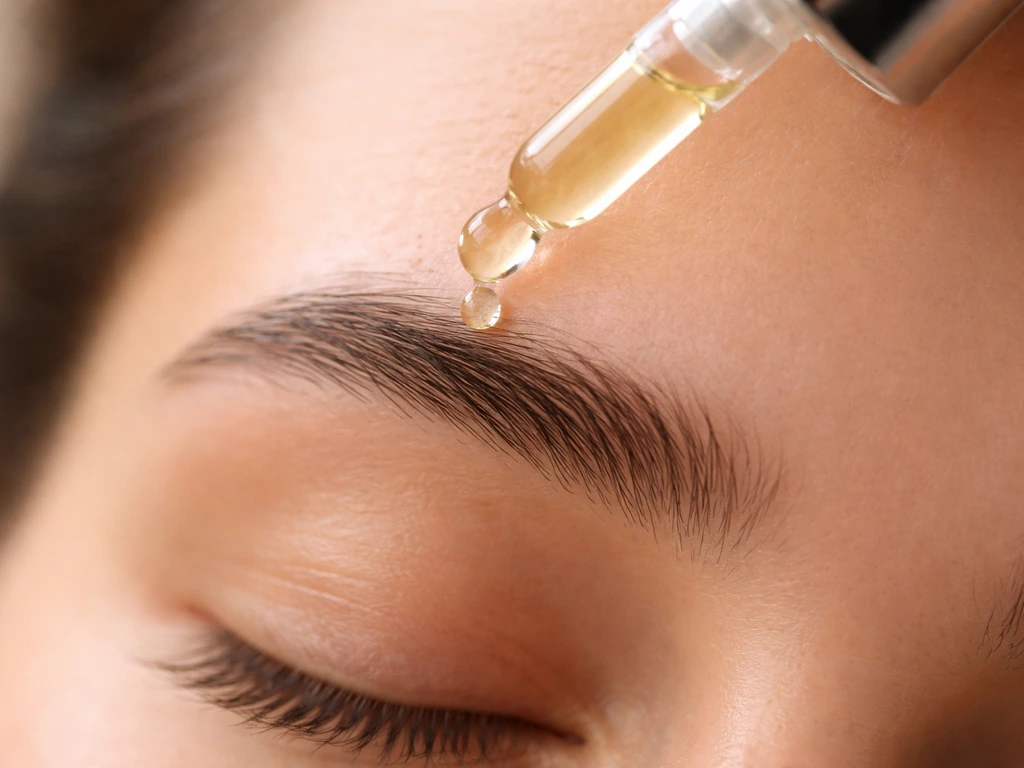
Eyebrow hairs grow in different directions because each hair follicle is angled independently beneath the skin, and that angle is largely set by genetics. Most people have brows that grow in multiple directions at once: inward near the nose, upward through the arch, and then angling downward toward the tail. That multi-directional pattern is completely normal. What makes it feel like a problem is usually a combination of natural asymmetry between the two sides, disruption from years of plucking or waxing, or the short, freshly regrowing hairs that stick straight out after a hair removal session. The good news is that most cases can be managed today with the right grooming approach, and supported over the next few months with a consistent routine.
Why Do My Eyebrows Grow in Different Directions?
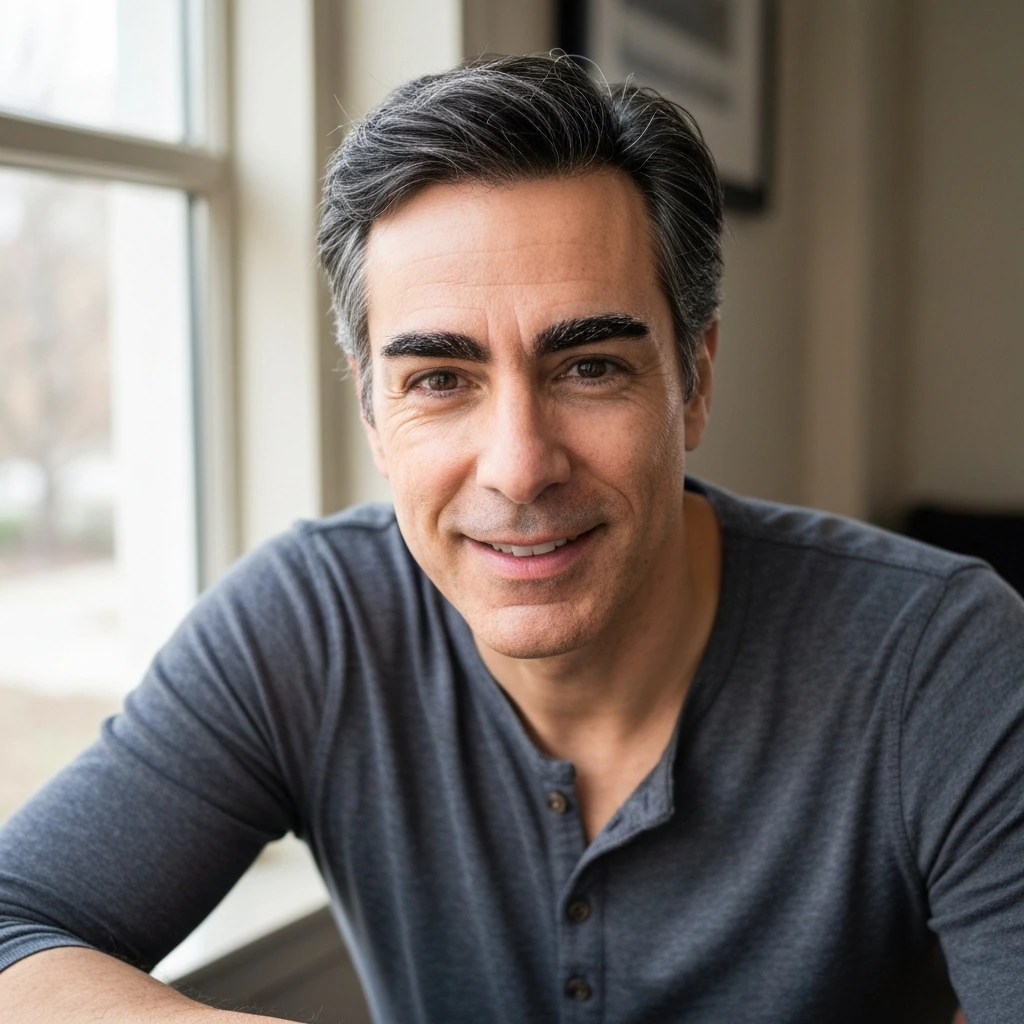
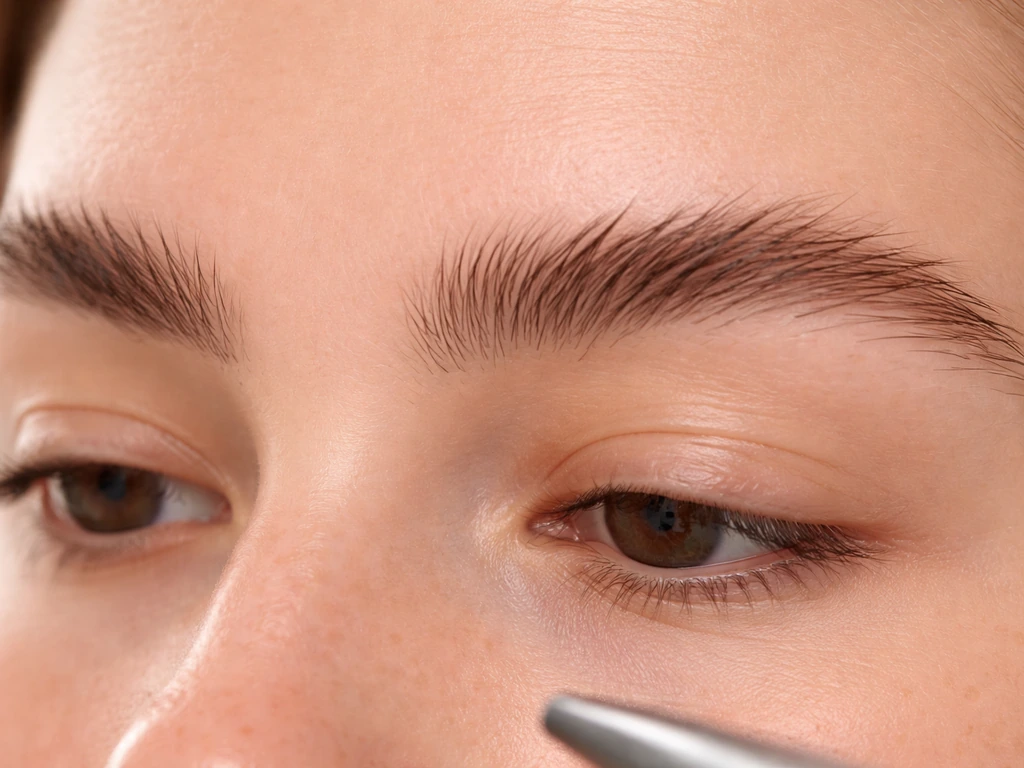
Normal vs. abnormal: what uneven brow growth actually looks like
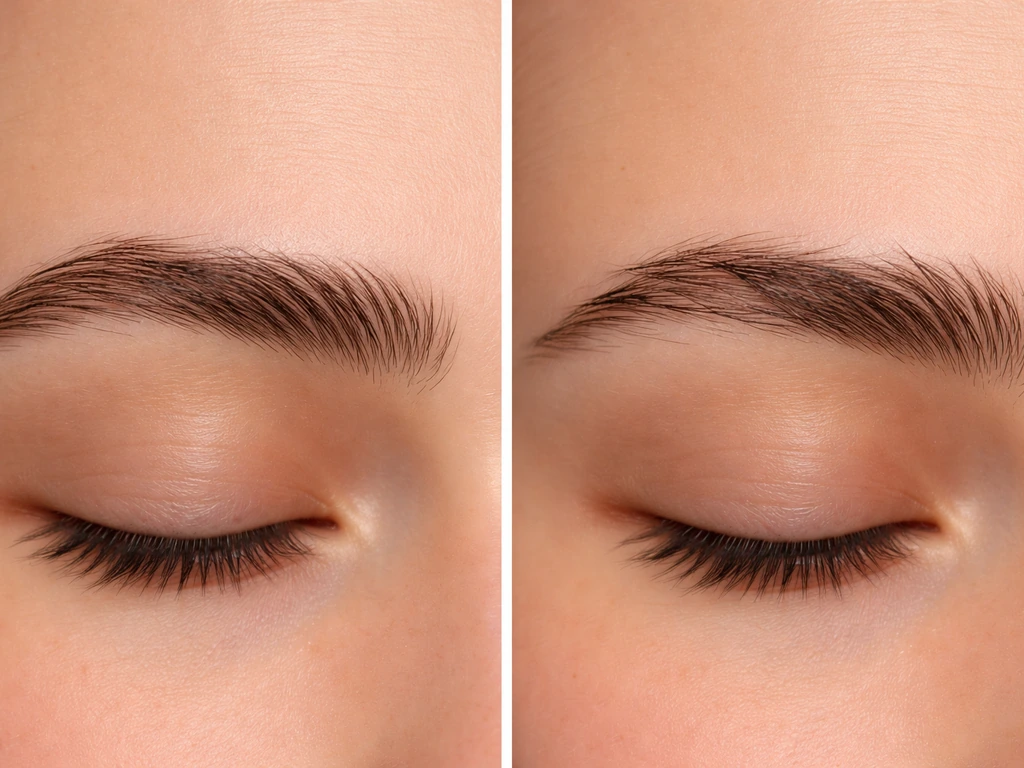
Almost no one has perfectly symmetrical eyebrows, and that is not a flaw. Research on facial asymmetry shows that small differences in brow position and shape are barely detectable in casual conversation, only becoming obvious under close scrutiny. The left and right sides of your face develop slightly differently, and your underlying bone structure, muscle movement, and follicle angles all contribute to that natural variation.
Normal uneven growth looks like this: hairs pointing in slightly different directions across the same brow, one brow appearing a little higher or fuller than the other, or hairs at the inner corner growing more vertically while hairs near the tail lay flatter. This kind of variation is just follicle biology. Each follicle has its own fixed orientation, and the hair it produces follows that angle.
Abnormal growth is a different situation. If you are noticing sudden patchy loss, bald spots that were not there before, visible irritation or redness at the base of the hairs, or one brow is noticeably thinner than it was six months ago without any grooming change, those are signs worth paying attention to. That kind of change points toward a possible underlying issue rather than just the normal quirks of follicle orientation.
Why your brow hairs grow in different directions in the first place
Follicle orientation and genetics
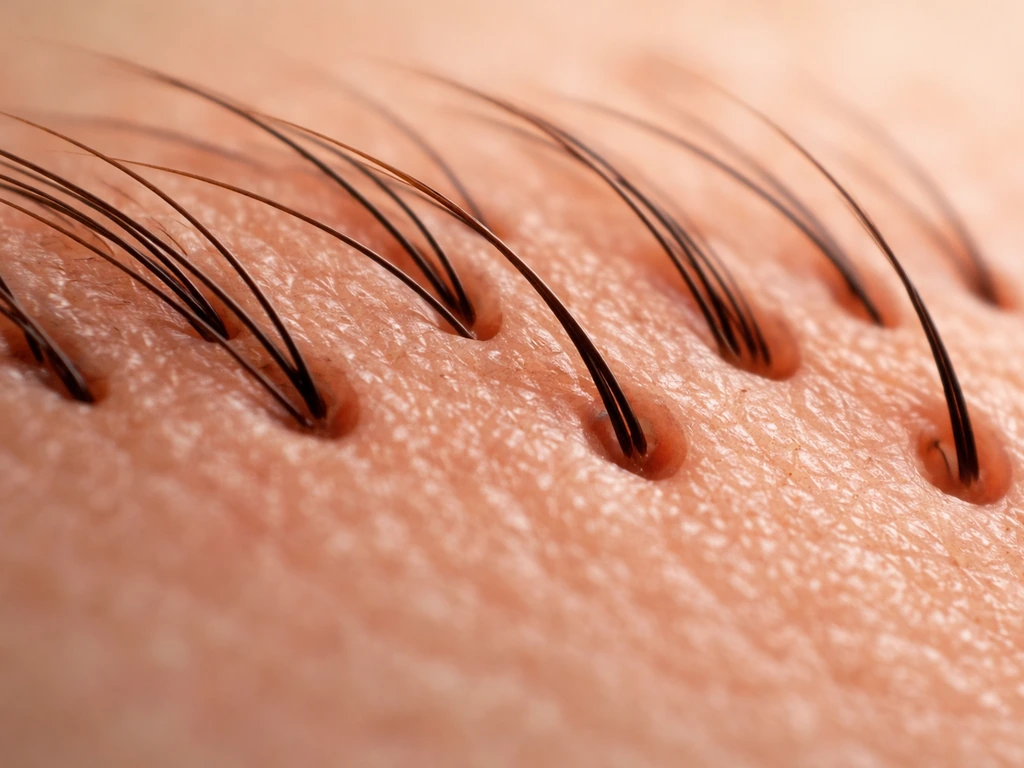
The direction a hair grows is determined by the angle at which the follicle sits in the skin, and that is largely inherited. Genome-wide association studies have confirmed that eyebrow traits including thickness and density have a clear heritable component. So if your parent has hairs that spike upward through the arch or lie flat near the tail, there is a good chance yours do too. This also explains why some ethnicities tend to have more consistently directional brow growth patterns, something worth keeping in mind when grooming decisions are made. Asian eyebrows can show a downward-growing pattern depending on follicle orientation and genetics in that population Asian eyebrows grow downward.
The hair growth cycle
Eyebrow hairs go through three phases: anagen (active growth), catagen (a brief transition lasting just a few days), and telogen (rest and shedding). Eyebrows have a notably shorter anagen phase than scalp hair, which is why they do not grow as long and why regrowth after shaving or plucking is slower than people expect. Because not all follicles are in the same phase at the same time, some hairs are actively growing while others are resting or just starting a new cycle. That staggered timing means the brow's texture and direction can look slightly different week to week, especially when you are growing out overly plucked areas.
Age and facial tissue changes
As you get older, changes in skin elasticity, underlying fat, and muscle tone shift the position of the brows on the face. Elastic fiber atrophy and fat loss can cause the brow to descend slightly, which can make previously neat brow hairs appear to point in different directions than they used to. This is not a hair problem exactly, it is a structural change that affects how the hairs sit relative to each other.
Hormonal changes
Hormonal shifts, particularly those related to thyroid function, pregnancy, menopause, or significant stress, can push more follicles into the telogen (resting/shedding) phase at once. American Academy of Dermatology explains telogen effluvium as a form of hair shedding and notes it can occur, for example, with excessive shedding about two months after childbirth telogen (resting/shedding) phase at once. This is called telogen effluvium, and while it is most commonly discussed in the context of scalp hair, it can affect brow density too. When hair sheds unevenly, the regrowth that follows can look patchy and misaligned as different follicles enter anagen at different times.
How grooming and hair removal change the way brows grow over time
Years of plucking, waxing, or threading are one of the most common reasons people notice their brows growing in strange or inconsistent directions. When you repeatedly remove hairs from the same follicles, you can cause low-grade trauma to the follicle over time. The follicle does not necessarily stop producing hair, but the angle and texture of the hair it produces can shift slightly. Some hairs regrow finer, some grow back with a slightly different curl, and some follicles that have been plucked aggressively for years can eventually stop producing hair reliably at all.
Shaving is a different story. Mayo Clinic confirms that shaving does not change hair thickness, color, or growth rate, it only cuts the hair shaft at the surface. The blunt edge left behind feels coarser and can look darker for a couple of weeks, which creates the impression of changed growth, but the follicle itself is untouched. Shaving is actually one of the less disruptive removal methods when it comes to long-term follicle health.
Threading and waxing fall between plucking and shaving in terms of impact. They remove the whole hair shaft from the follicle, but when done carefully and not too frequently, they are generally low-risk. The issue is cumulative. If you have been removing hair from the same spots for ten or fifteen years, the follicle has endured a lot of repeated disturbance, and that can show up as irregular regrowth direction or reduced density.
What you can do today to fix the look
Map your actual growth pattern first
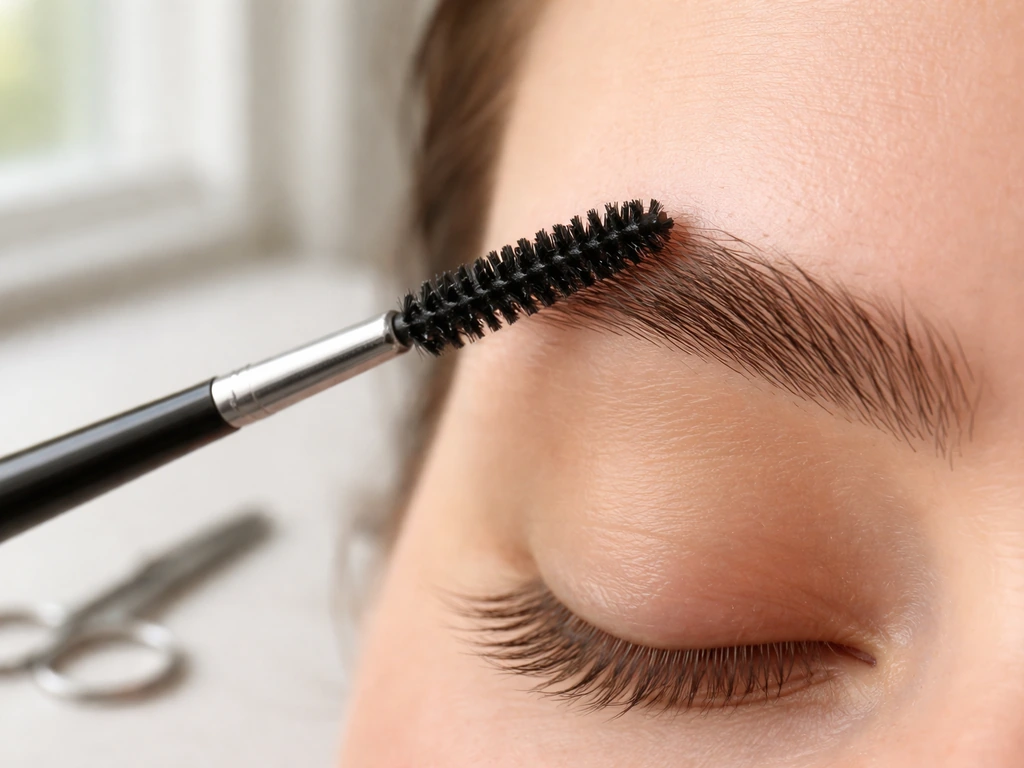
Before you try to fix anything, spend thirty seconds actually looking at which direction each section of your brow grows. Use good lighting and brush the hairs upward with a clean spoolie, then let them fall naturally. You will usually see three zones: hairs near the inner corner tend to grow more vertically or even slightly outward, hairs through the body of the brow angle upward and outward, and hairs near the tail flatten and point downward. Grooming against these natural zones is the main reason brows look chaotic.
Brushing and training
Daily brushing with a spoolie is genuinely effective for managing direction, especially if you do it consistently in the direction you want the hairs to lie. It does not permanently change the follicle angle, but it trains the habit of the hair shaft over time, similar to how combing your hair the same way every day makes it easier to style. Brush in the morning, set with a brow gel, and the hairs will stay in place much more cooperatively than if you fight them.
Trimming strategically
Hairs that are too long are much harder to direct and will curl, spike, or cross over others. Small brow scissors or a trimmer used to shorten (not remove) wayward hairs makes a bigger difference than most people realize. Trim with the hair lying in the direction you want it, not pulled straight up. This keeps the tip angled naturally rather than leaving a blunt horizontal cut that looks even more unruly.
Brow lamination for stubborn cases
If brushing and gel are not enough, brow lamination is worth considering. The process uses a gentle chemical solution to soften and reset the hair's protein bonds so the hairs can be repositioned and held flat. Results typically last around six to eight weeks before the hairs return to their natural state as new growth comes in. It is not a permanent fix, but it can make a significant visual difference for people with particularly wiry or multi-directional brow hair. The main risk is over-processing, which can make hairs brittle, so go to a trained professional the first time and do a patch test beforehand.
Shaping to work with asymmetry
If one brow genuinely looks different from the other in terms of hair direction or density, resist the urge to over-pluck the fuller side to match. Instead, use a tinted brow product or microblading-style strokes to fill in the sparser side and mimic the appearance of hairs growing in the right direction. Sisters, not twins, is the goal here.
Supporting healthier regrowth over the next few months
Realistic timelines
Because eyebrow follicles have a shorter anagen phase than scalp hair, regrowth is slower than most people expect. After plucking or waxing, you are looking at four to six weeks for visible regrowth in most cases, and three to four months to see how the full brow settles with new hairs maturing. If you have been over-plucking for years, some of those follicles may take longer to recover or may produce finer, softer hairs than before. Give any regrowth strategy a minimum of three months before assessing results.
Castor oil and rosemary oil: honest expectations
Castor oil is widely used as a brow conditioning treatment. Systematically reviewed evidence is honest here: there is no strong clinical proof that castor oil stimulates new hair growth. What it does well is coat and condition existing hair, which can reduce breakage and make hairs appear thicker and healthier. That is still worth something, especially during a regrowth period when you want to protect fragile new hairs. Apply a small amount with a clean spoolie before bed, keeping it off the eyelid skin and away from the eye itself. Castor oil near the actual eye can cause irritation and blurred vision, so stay on the brow bone only.
Rosemary oil has more interesting evidence behind it for hair growth, with some studies comparing it favorably to minoxidil for scalp androgenetic alopecia. The mechanism seems to involve improved scalp circulation and possible DHT inhibition. Whether those same effects translate to eyebrow follicles is not yet established, but given its low risk profile (diluted to 2 to 3 percent in a carrier oil and patch tested before use), it is a reasonable addition. Apply diluted rosemary oil to the brow area two to three times per week and give it three months before expecting visible change.
Minoxidil: the stronger option
Topical minoxidil is the most evidence-backed option for supporting eyebrow regrowth, though its use on eyebrows is off-label. Studies on alopecia areata affecting brows and other eyebrow hypotrichosis conditions have shown real results, with 5% formulations generally outperforming 1% in alopecia areata trials. That said, the risks near the eye area are real: skin irritation and erythema are possible side effects, and any product migrating into the eye increases that risk. If you have an underlying skin condition or known hypersensitivity (including to propylene glycol, which is in many liquid minoxidil formulations), check with a dermatologist before starting. Foam formulations avoid propylene glycol and may be better tolerated near sensitive skin. Start with a low concentration, apply only to the brow hairs themselves with a cotton swab or small brush, and give it three to four months of consistent use.
| Option | Evidence for brow growth | Key risk | Timeline |
|---|---|---|---|
| Castor oil | Conditioning only, no strong growth evidence | Eye irritation if misapplied | Ongoing, protective benefit |
| Rosemary oil (diluted) | Promising for scalp, extrapolated to brows | Skin irritation without patch test | 3+ months |
| Topical minoxidil (off-label) | Best evidence for regrowth, off-label use | Eye area irritation, propylene glycol sensitivity | 3–4 months minimum |
When something more serious might be going on
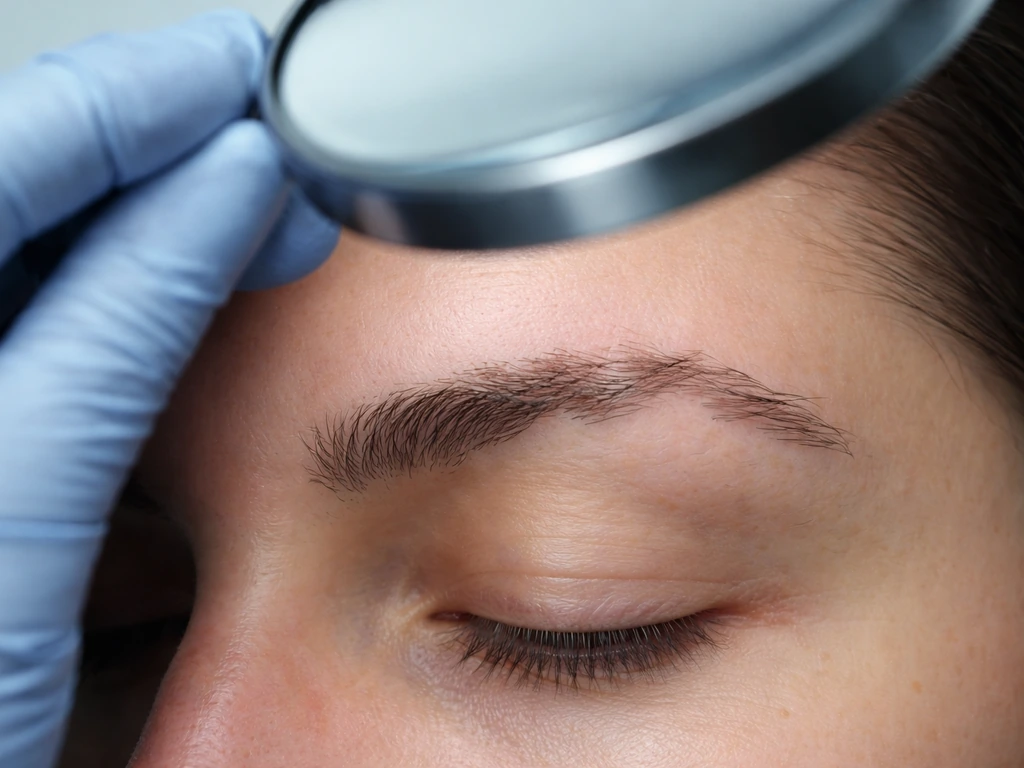
Most multi-directional brow growth is just biology doing its thing. But there are specific situations where the pattern of change is a signal that something else needs attention.
- Patchy loss that appeared suddenly without any grooming changes: this can indicate alopecia areata, which is an autoimmune condition that can affect brows in a bilateral, patchy pattern and warrants a dermatology visit.
- Persistent itching, flaking, or redness at the brow skin: contact dermatitis from cosmetic products (including brow gels, tints, or makeup) can be identified through patch testing and is treatable once the allergen is identified.
- Brow loss in areas with visible skin changes or scarring: scarring madarosis (loss of brow or lash hair with underlying skin damage) is more likely to result in permanent follicle loss and should be evaluated promptly.
- Changes that coincide with a new product: if the irregular growth or loss started after introducing a new brow product, stop using it immediately and give the skin two to three weeks to recover before reassessing.
- Eye-area inflammation or lid involvement: chronic lid inflammation (blepharitis) can complicate hair conditions near the lash and brow line and may need specific treatment beyond what topical brow products can address.
A dermatologist can use dermoscopy or trichoscopy to look at follicle health and density in ways that are not visible to the naked eye. If you are unsure whether your brow changes are cosmetic or medical, that assessment is genuinely worth the appointment. Catching something like alopecia areata or contact dermatitis early gives you a much better shot at reversible recovery than waiting to see if it resolves on its own.
For most people reading this, the answer really is follicle biology plus grooming history, and both of those are manageable. Work with the natural growth direction rather than fighting it, give any regrowth strategy three to four months of consistent effort, and protect what you have while new hairs are coming in. That combination is more effective than any single product or treatment on its own.
FAQ
Can stress or poor sleep make my eyebrows grow in different directions, or is it only shedding and regrowth timing?
Stress mainly shifts more follicles into the rest or shedding phase, which changes what regrows first and can make the new hairs look like they come in at different angles. The direction change is usually the visible result of uneven regrowth cycles, not the follicle changing orientation overnight.
How long should I keep brushing and using gel before I decide it is not working?
Give it at least 6 to 8 weeks, because new hairs take time to come up and start behaving consistently. If after about two months you still see many hairs repeatedly growing against the way you want them, focus on trimming those specific pieces and consider a temporary reset option like lamination.
Is it a bad idea to pluck hairs that are pointing the “wrong” way?
It can be counterproductive if you keep targeting only direction, because you can create more uneven regrowth by repeatedly disturbing the same follicles. A safer approach is to brush and trim to manage direction, fill with a tinted product for appearance, and only remove hairs that clearly sit outside your desired brow outline.
Why do my brow hairs suddenly look spikier or cross over each other after waxing or threading?
Freshly regrowing hairs often start at a shorter length and can stick out while they are still emerging, so they can look misaligned or crisscross. This typically settles as the hairs lengthen over several weeks, so it helps to avoid over-grooming during that settling period.
What signs suggest this might be more than normal multi-directional growth?
Look for new, patchy thinning, visible redness or scaling at the base of the hairs, eyebrow loss that progresses over weeks to months, or one side changing faster than the other without a grooming change. If you notice those, a dermatologist visit is more useful than continuing to adjust grooming.
Can contact dermatitis from brow products make my eyebrows grow differently?
Yes. Irritation from dyes, gels, adhesives (including lash products that run), or even eyebrow pencils can inflame the skin and disrupt the follicle environment. The result can be shedding and regrowth that looks uneven, so stop suspect products and consider patch testing if symptoms recur.
Do I need to avoid trimming if my eyebrow hairs grow in multiple directions?
Not necessarily. Trimming is often one of the quickest fixes because long hairs curl and overlap, making direction problems look worse. Keep the hair lying in its natural direction while cutting, and shorten only the excess length rather than trying to reshape the brow by removing volume.
Will brow lamination permanently fix my eyebrow direction problem?
Usually no. It temporarily repositions hairs and holds them flat for roughly 6 to 8 weeks as new growth comes in. If you have a history of over-plucking, lamination can still help the look, but it will not correct follicle angle changes that come from long-term disturbance.
Is microblading or similar work a good option if one brow grows in a different pattern?
It can be, especially when the issue is appearance rather than active thinning. Tinted products or hair-stroke style work can mimic the “right” direction, but you should avoid permanent procedures if you have ongoing shedding or any signs of inflammation at the brow base.
How can I tell whether one brow looks different because of hair direction versus skin or brow position changes?
Compare how hairs behave when brushed the same way on both sides. If brushing reveals the same underlying direction pattern but one brow sits differently on your face, it may be related to tissue or brow position changes rather than follicle orientation. If brushing shows different angles or patchiness, it is more likely follicle-level behavior.
Does using castor oil or rosemary oil change the direction of new eyebrow hairs?
They are not proven to change follicle orientation. Castor oil mainly conditions existing hairs, so it can improve appearance by reducing breakage. Rosemary oil may support growth in some hair loss contexts, but eyebrow-specific directional changes are not something you should expect reliably.
If minoxidil helps brow regrowth, will it also normalize the direction?
Minoxidil can improve density and thickness, but it does not guarantee uniform hair angles. If your follicle orientations differ, the regrowth may still come in multi-directional, so you may need brushing and occasional trimming while you assess results.
Does Vitamin E Oil Help Eyebrows Grow? Safe Routine & Timeline
Find out if vitamin E oil helps eyebrow growth, plus a safe routine, timelines, and what works better.