
Eyebrow hair grows the same way all body hair does: follicles cycle through a growth phase, a transition phase, and a resting phase before shedding and starting over. What makes brows unique is that their active growth phase (called anagen) lasts only about 10 weeks, compared to several years for scalp hair. That short window is why brows stay short, why they're so sensitive to damage, and why regrowth after over-plucking or waxing can feel agonizingly slow. The good news is that understanding these basics gives you a real roadmap for what you can do to encourage growth and when to expect results. If you're wondering how does eyebrows grow in practice, the next step is to understand what controls the timing and speed of anagen. If you’re wondering what makes eyebrows grow, focus on supporting the growth cycle and avoiding actions that damage follicles encourage growth.
What Makes Eyebrow Hair Grow and How to Help It
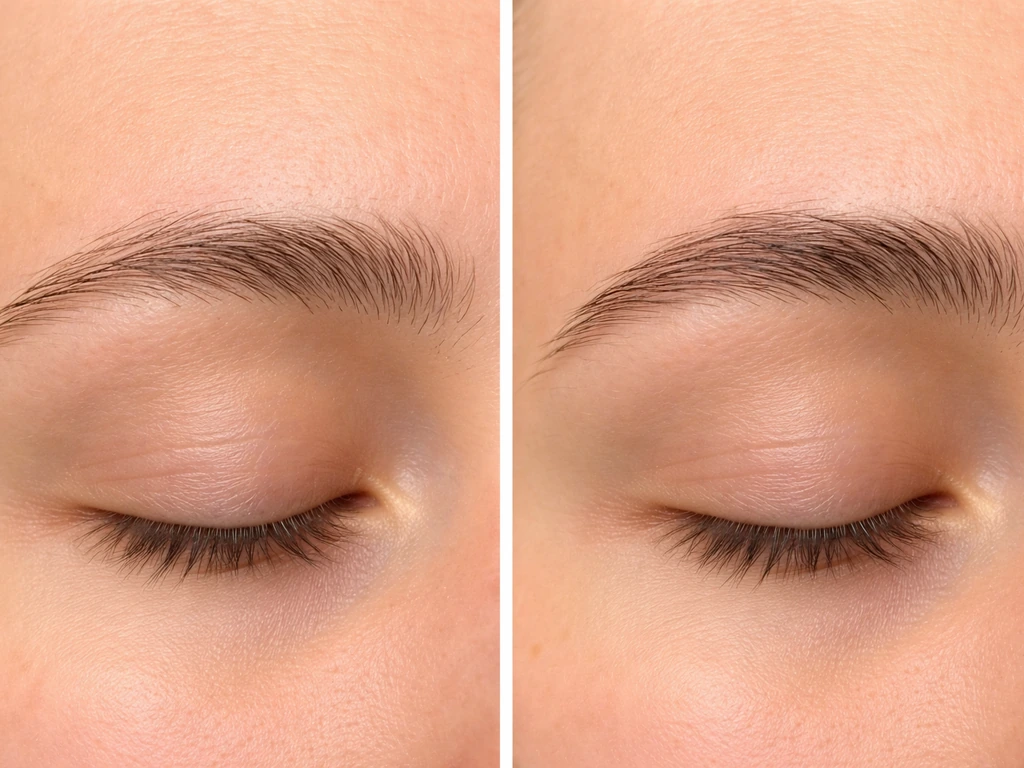
How eyebrow hair actually grows
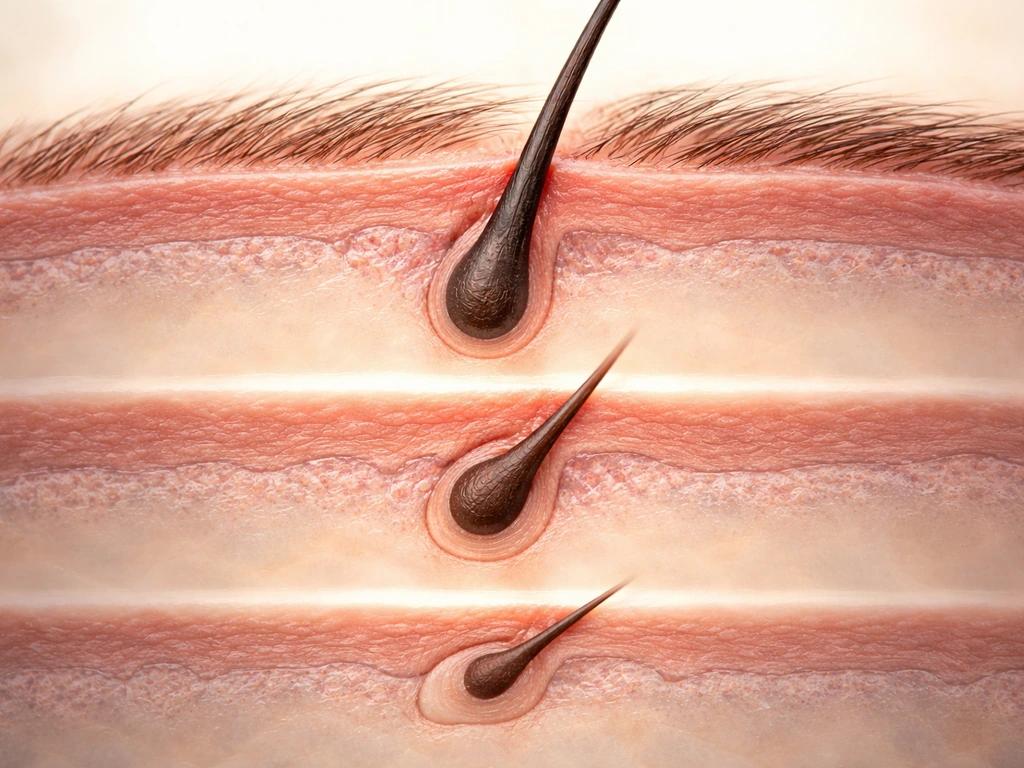
Every hair on your body follows a three-stage cycle. Anagen is the active growth phase, where the follicle is producing new hair. Catagen is a short transitional phase where growth stops and the follicle shrinks. Telogen is the resting phase, where the hair sits dormant before eventually shedding and making room for a new one. Newborn eyebrow growth usually starts within the first months of life and becomes more noticeable as the follicles enter their active cycles when do newborns grow eyebrows.
For scalp hair, anagen can last anywhere from 2 to 6 years, which is why your head hair can grow several feet long. For eyebrow hair, anagen lasts around 10 weeks. The full cycle, from the start of growth to shedding and renewal, completes in roughly 3 to 4 months. That's not a lot of runway, and it's the core reason brows are so vulnerable: if the follicle gets damaged or the growth phase is cut short, you're waiting an entire new cycle just to see the brow start filling back in.
The short anagen phase is also why brows don't grow as long as scalp hair, no matter how long you leave them. The follicle is genetically programmed to stop after a certain amount of growth. This region-specific biology is baked in, not something you can override with any serum or oil.
What controls how fast your brows grow
Several factors determine your personal brow growth rate, and some you can influence more than others.
Genetics and age
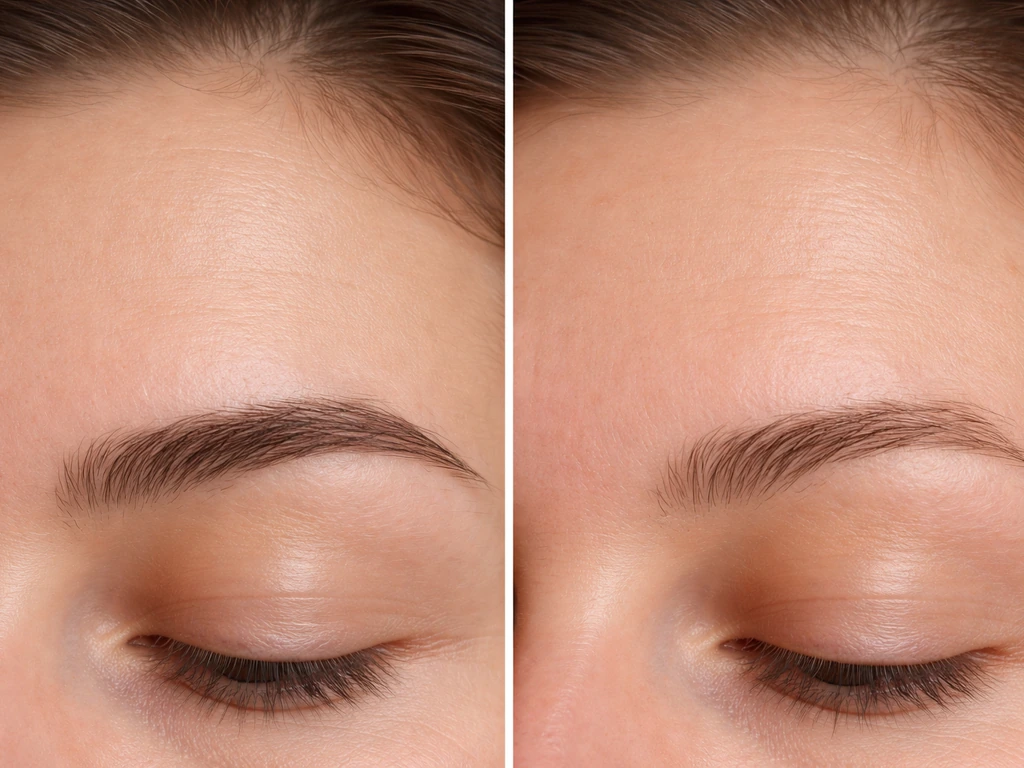
Your baseline brow density, thickness, and growth speed are largely genetic. If your parents had naturally thin brows, yours probably will be too. Age also plays a big role: hair follicles across the body tend to become less active with age, and eyebrow thinning (especially at the outer third) is genuinely common in people over 40. This isn't damage, it's biology, and it requires a different approach than regrowth after plucking.
Hormones and health
Thyroid hormones are closely linked to hair growth across the whole body. Both hypothyroidism and hyperthyroidism can cause brow thinning, particularly that outer-third loss that many people notice. Low estrogen or testosterone imbalances can also affect brow density. If your brows are thinning without an obvious cause like over-plucking, it's worth getting your thyroid levels and a general blood panel checked before assuming it's a product problem.
Nutrition and deficiencies

Hair follicles are fast-dividing cells that need consistent nutritional support. Deficiencies in iron, biotin, zinc, and protein are the most commonly linked to hair thinning and slowed growth. You don't need to go overboard with supplements, but if you're eating poorly or are recovering from an illness, those deficiencies can show up in your brows and lashes before they show up on your scalp.
Why your brows might be growing slowly right now
If you've been plucking, waxing, or threading regularly for years, the most likely culprit is follicle damage. Repeated trauma to the follicle, especially when it's done frequently over a long period, can shorten the anagen phase, reduce hair diameter, and in some cases permanently impair the follicle's ability to regrow. The stem cell compartment within each follicle is what drives renewal, and aggressive, repeated damage can deplete it.
Shaving the brow doesn't carry the same risk because it doesn't disturb the follicle below the skin. A small 1999 study that shaved participants' brows completely found that most had full regrowth within 4 months, with one participant taking closer to 6 months. That range tells you two things: regrowth is normal and expected after shaving, and individual variation is real.
Other common causes of slow brow growth include skin conditions like seborrheic dermatitis or eczema in the brow area (chronic inflammation disrupts the follicle environment), stress (which can push follicles into telogen prematurely), and using harsh skincare products directly on the brow skin. Even some strong retinoids or exfoliants can irritate the follicle zone if you're applying them aggressively close to your brows.
What you can start doing today
The most important thing you can do right now is stop doing the thing that's causing damage. If you've been plucking, put the tweezers away for at least 8 to 12 weeks. That's not just advice, it's the minimum time needed for a new growth cycle to start showing visible progress. I know it's frustrating to live with uneven brows during that period, but filling in with a brow pencil while you wait is a much better trade-off than continuing to stall regrowth.
Beyond stopping the damage, here's a basic brow care routine that supports the follicle environment:
- Keep the brow skin clean and gently moisturized. Dry, flaky skin around the brow can clog follicles and cause irritation. Use a fragrance-free, gentle moisturizer if the skin tends to get dry or reactive.
- Avoid rubbing or picking at the brow area. Friction from rough towel-drying or abrasive scrubs can add inflammatory stress to follicles that are already trying to recover.
- Don't apply harsh actives (like strong AHAs or retinoids) directly on the brow zone if your skin is already irritated.
- If you have visible flaking or redness in the brow area, consider whether seborrheic dermatitis might be contributing. Treating the skin condition can make a real difference to regrowth.
- Eat enough protein and consider checking your iron and zinc levels if you've had significant thinning without an obvious physical cause.
Ingredient options that may help
There are a handful of topical ingredients that get mentioned regularly for brow growth. Here's an honest look at what they offer.
Castor oil
Castor oil is probably the most widely used home remedy for brow growth, and it's harmless enough that it's worth trying. It's thick, moisturizing, and may help condition the brow hair and the skin underneath. That said, there are currently no published studies that directly test castor oil's effect on eyebrow growth, so the evidence is purely anecdotal. If you want to try it, apply a small amount with a clean spoolie or cotton swab each night. One caution: castor oil has been associated with allergic contact dermatitis in some people, so do a small patch test first before applying it nightly.
Rosemary oil
Rosemary oil has better evidence behind it for scalp hair than castor oil does, with some studies showing it compares reasonably well to minoxidil for androgenic hair loss on the scalp. The direct evidence for brows specifically is still thin. If you try it, always dilute it in a carrier oil (like jojoba or sweet almond) before applying to brow skin. Rosemary oil can trigger allergic contact dermatitis and hypersensitivity reactions in some people, and applying it undiluted on sensitive facial skin isn't a great idea. A 1:10 to 1:20 dilution is a reasonable starting point.
Peptide serums and brow growth serums
There's a whole category of over-the-counter brow serums containing peptides like biotinoyl tripeptide-1 or myristoyl pentapeptide. These are formulated to mimic some of the signaling that prolongs the anagen phase, and some people see real results with them over consistent use. The evidence is mostly from manufacturer-funded studies, so take the claims with some skepticism, but they're generally well-tolerated and worth considering if you want a leave-on option that's more elegant than oil.
| Ingredient | Evidence for Brow Growth | Main Risk | Best For |
|---|---|---|---|
| Castor oil | Anecdotal only, no clinical brow studies | Allergic contact dermatitis (patch test first) | Dry brow skin, mild conditioning |
| Rosemary oil (diluted) | Scalp evidence moderate; brow evidence limited | Skin sensitization if undiluted | People who prefer a natural option |
| Peptide serums (OTC) | Mostly manufacturer-funded studies | Generally well-tolerated | Consistent leave-on routine |
| Minoxidil (topical) | Randomized study supports effectiveness for brow hypotrichosis | Eye irritation, skin dryness, hair loss if stopped | Persistent thinning, slow responders |
Evidence-based options: what minoxidil can actually do
Minoxidil is the most evidence-backed option available without a prescription for brow growth. A randomized clinical study on eyebrow hypotrichosis using 1% topical minoxidil found it was effective and well-tolerated, with improvements in hair count and diameter. A 2026 prospective study on frontal fibrosing alopecia also reported improved eyebrow coverage after 6 months of low-dose oral minoxidil at 1 mg per day. It works by prolonging the anagen phase and increasing blood flow to the follicle, which essentially gives each hair follicle more active growing time. If you want the same kind of results for lash growth, the principles are similar prolonging the anagen phase.
That said, using minoxidil on your brows comes with real considerations you need to know before starting.
How to apply it safely near the eye area
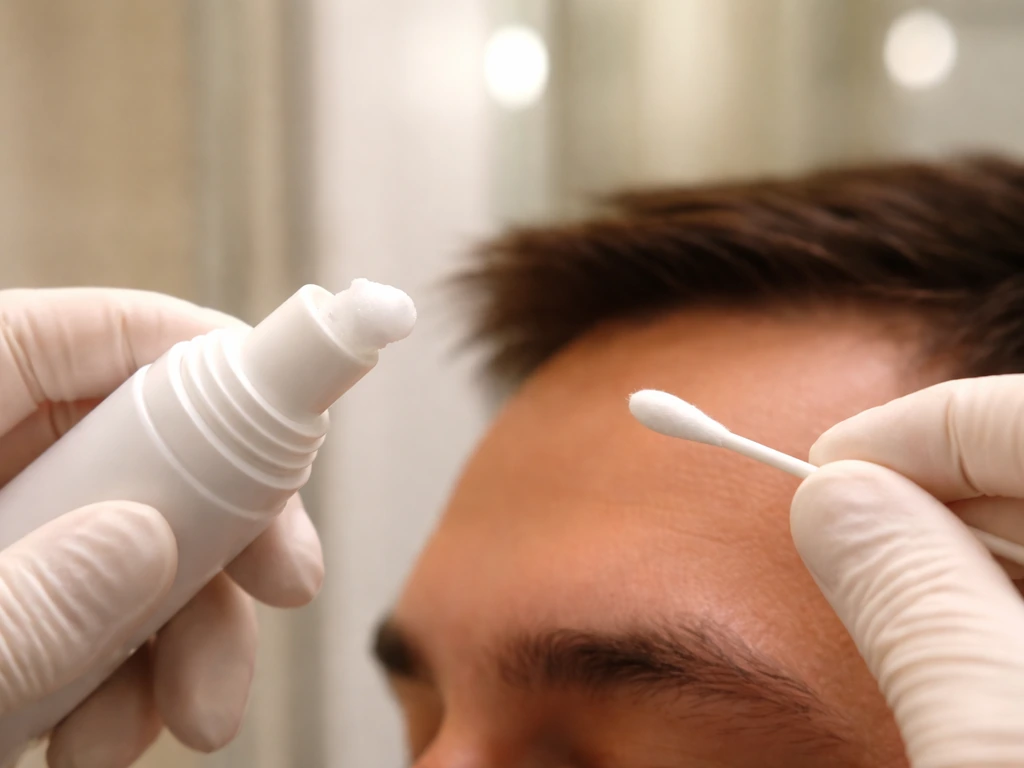
The brow sits directly above the eye, which makes application tricky. MedlinePlus explicitly advises keeping topical minoxidil away from the eyes. If it gets into your eyes, it can cause irritation and redness. Apply with a cotton swab or the tip of a clean finger, use a minimal amount (a drop per brow is enough), and avoid applying right before bed when it's more likely to migrate. Let it dry completely before touching the area.
What to expect and when
If minoxidil is going to work for you, you typically won't see visible results for at least 3 to 4 months of consistent use. Some people see changes closer to 6 months. The other thing to know upfront: if you stop using it, the new growth will shed within a few months. Minoxidil doesn't fix the underlying cause of thinning, it manages it. So you're committing to ongoing use if you want to maintain the results.
Who should avoid it
Don't apply topical minoxidil to irritated, broken, or sunburned skin, because compromised skin increases absorption and side-effect risk. If you have any skin conditions active in the brow area (like active eczema or seborrheic dermatitis), get those under control first. Mayo Clinic also flags facial swelling as a side effect to watch for and act on. Pregnant women, people with cardiovascular conditions, and those on certain medications should speak with a doctor before using minoxidil in any form. Oral minoxidil especially requires medical supervision.
Realistic timelines and what to do if things aren't working
Here's the honest timeline framework based on what the research and the growth cycle biology actually support:
- Weeks 1 to 4: If you've just shaved or waxed, don't panic. Nothing visible will happen in the first few weeks because the follicles are in early anagen or still resting.
- Weeks 4 to 8: You should start seeing fine, short hairs filling in if the follicles are healthy. This is the phase where most people get impatient and start picking or plucking strays, which then restarts the clock.
- Months 2 to 4: Most people who shaved their brows see full regrowth by month 4. If you've been plucking for years, this phase may produce uneven, sparse results because some follicles are still recovering.
- Months 4 to 6 and beyond: This is the realistic window for seeing meaningful results from topical treatments like minoxidil or consistent use of peptide serums. Castor oil or rosemary oil results, if they come, will also appear in this range.
- Beyond 6 months with no change: If you've been consistent and still see no improvement, it's time to see a dermatologist.
Patchy regrowth is normal and doesn't mean something is wrong. Brow follicles don't all sync up to the same cycle, so you'll often see some areas fill in before others. If one patch stays completely bare for more than 6 months despite everything, that's a signal worth investigating with a professional.
If you're experiencing irritation from any topical, whether it's castor oil, rosemary oil, or a serum, stop using it immediately and let the skin recover before trying again. Persistent inflammation around the follicle is one of the things that slows growth, so applying something that causes a reaction every night is counterproductive even if the ingredient itself has potential benefit.
When to see a dermatologist: if brow thinning is progressing without an obvious cause, if you have symmetrical outer-third loss (a classic thyroid sign), if there's scarring, redness, or scaling that doesn't resolve with gentle skincare, or if you've been using minoxidil for 6 months without any result. A dermatologist can run the right tests, rule out conditions like alopecia areata or frontal fibrosing alopecia, and discuss prescription-strength options or procedures like PRP if appropriate. The biology of brow growth is well understood enough that there are real answers available. You don't have to just wait and hope.
FAQ
What makes eyebrow hair grow fastest, and can you speed up the anagen phase?
You can only influence it indirectly. The main “speed controls” are reducing follicle stress and inflammation and supporting nutrition, since the follicle is genetically timed to stop after about 10 weeks. If you want the biggest practical effect, stop plucking or waxing for long enough to let a full cycle show (8 to 12 weeks for early change), and avoid irritants on brow skin.
If I stop plucking, why do my brows still look thin for months?
Because shedding and renewal follow the cycle timing, not your change in habits. Even after you stop damage, a patchy regrowth pattern is common as follicles come back into anagen at different times. If a spot stays completely bare beyond 6 months despite no new trauma, it’s time to get it checked.
Does waxing or threading affect regrowth differently than plucking?
All forms of repeated follicle trauma can shorten or disrupt the growth cycle, but plucking (grabbing the hair root) and frequent high-intensity routines are especially likely to cause ongoing damage. If you’ve been doing any of these regularly, the most important step is the same: stop the triggering routine long enough to allow a new cycle to start, then reassess.
Will eyebrow growth serums or oils work if my brows are thinning from age?
They may help some people condition hair and reduce breakage, but they cannot override the programmed short anagen for brows. If thinning is mainly age-related or hormone-related, serums might have limited impact, and the most useful next step is identifying triggers such as thyroid imbalance, then choosing options that support the cycle (for some people, minoxidil).
Are patchy or uneven eyebrows normal during regrowth?
Yes. Brow follicles are not synchronized, so you can see some areas fill in while others lag. The key red flag is lack of any regrowth in a specific patch for more than about 6 months, especially if you also eliminated mechanical damage and irritation.
Can I use minoxidil on my eyebrows if I wear contacts or get product near my eyes?
Application technique matters. Use a minimal amount applied with a cotton swab or clean fingertip, let it fully dry, and avoid applying right before bed when migration risk is higher. If you notice eye irritation or redness, stop and reassess, because the eye-area is especially sensitive.
What’s the biggest mistake people make when trying to regrow brows?
Restarting damage too soon. Many people stop plucking but continue picking at regrowth, over-tweezing, or applying harsh exfoliants near the brow, which can keep follicles inflamed. If you’re testing a growth approach, keep the brow “hands off” for the minimum cycle window, usually 8 to 12 weeks for early signs.
How do I know if my slow brow growth is from a health issue rather than a product problem?
Look for patterns like outer-third thinning that’s symmetrical, new thinning without over-plucking, or thinning accompanied by other body-hair or skin changes. Thyroid problems and hormone imbalance can show up in brows, so getting thyroid and a general blood panel is a practical next step if there’s no obvious local cause.
When should I stop using a topical ingredient for brow growth because it’s irritating me?
Stop immediately if you get burning, worsening redness, swelling, itching, or a flare of eczema or seborrheic dermatitis around the brows. Let the skin recover before retrying anything. Ongoing irritation can slow growth even if the ingredient is theoretically helpful.
Is oral minoxidil or topical minoxidil safer for eyebrow thinning?
Topical is commonly used, but oral minoxidil has a higher need for medical supervision because dosing and side effects are system-wide. If you have cardiovascular conditions, are pregnant, or take interacting medications, don’t start minoxidil without discussing it with a clinician, and avoid self-escalating the dose.
If minoxidil works, do I have to keep using it to maintain results?
Usually yes. If you stop, the new eyebrow hairs typically shed within a few months because the underlying cycle support stops. Minoxidil is more of a maintenance strategy than a permanent fix, so plan for ongoing use if you want to preserve thickness and coverage.
Citations
A hair-growth study review reported that the anagen (active growth) phase in eyebrow hair follicles lasts ~10 weeks, whereas most human scalp anagen follicles last ~3–7 years (with ~85%–95% in anagen on scalp).
https://pmc.ncbi.nlm.nih.gov/articles/PMC12283069/
General hair-cycle structure: hair follicles cycle through anagen, catagen, and telogen; the anagen (growth) phase lasts roughly 2–6 years for scalp hair (and is much shorter for other regions like brows, per region-specific biology).
https://www.ncbi.nlm.nih.gov/sites/books/n/statpearls/article-22481/
Eyebrow hair is often described as completing its growth cycle much faster than scalp hair (length-limiting anagen), which is why brows do not grow as long as scalp hair (region differences in hair cycling).
https://en.wikipedia.org/wiki/Human_hair_growth
Eyebrows are described as having a much shorter cycle (reported as “around 4 months” for the cycle completion) compared with scalp hair (reported 3–4 years), reflecting shorter anagen length.
https://en.wikipedia.org/wiki/Hair_follicle
Eyebrow hair follicles have a shorter anagen (growing) phase than hair elsewhere, which is important for understanding conditions that affect eyebrow alopecia (and potentially permanent loss if stem-cell compartments are affected).
https://pubmed.ncbi.nlm.nih.gov/24385126/
A 2026 prospective study reported improved frontal hairline and improved eyebrow coverage after low-dose oral minoxidil (example shown after 6 months of 1 mg/day).
https://link.springer.com/article/10.1007/s13555-026-01730-0
If minoxidil leads to hair growth, it typically occurs after using it for several months, and hair loss can begin again within a few months after stopping minoxidil (effects generally persist only while you continue therapy).
https://www.mayoclinic.org/drugs-supplements/minoxidil-topical-route/proper-use/drg-20068750
MedlinePlus advises not to apply minoxidil to other body areas and to keep it away from the eyes and sensitive skin; it also warns about local adverse effects such as irritation/burning and advises not to get it into eyes/nose/mouth or swallow it.
https://medlineplus.gov/druginfo/meds/a689003.html
A minoxidil professional monograph notes that local dermatologic effects (e.g., pruritus, dryness, scaling/flaking, local irritation or burning) can occur; inadvertent spread to face/eyebrows/other areas can cause unwanted hair growth.
https://www.drugs.com/monograph/minoxidil-topical.html?references=1
A randomized clinical study in eyebrow hypotrichosis evaluated 1% minoxidil (and placebo on the other side in the methodology summary), measuring hair count/diameter and photographic assessment; conclusions reported minoxidil as effective and well-tolerated in that trial context.
https://www.thaiscience.info/Journals/Article/JMAT/10986273.pdf
A review on off-label minoxidil reports it has been used/topically studied in conditions including alopecia areata, telogen effluvium, scarring alopecia, and eyebrow hypotrichosis (with limited formal evidence in many off-label indications).
https://pubmed.ncbi.nlm.nih.gov/30604379/
Cleveland Clinic dermatology guidance states the eyebrow hair growth cycle is between ~3 and 4 months, so shaping/plucking changes need time to reflect in regrowth.
https://health.clevelandclinic.org/5-ways-to-get-overplucked-eyebrows-to-grow-back
A small prospective study (5 participants) evaluated eyebrow regrowth over 6 months after completely shaving off a brow; full regrowth was observed within ~4 months for most participants (with one participant taking ~6 months).
https://journals.sagepub.com/doi/10.1001/archfaci.1.3.223
Healthline summarizes the 1999 eyebrow-shaving study: most participants had normal regrowth within ~4 months, with one participant taking closer to 6 months (highlighting variability).
https://www.healthline.com/health/how-fast-will-my-eyebrows-grow-back
PubChem notes that castor oil (commonly used topically in products) has been associated with reports of allergic contact dermatitis, mainly to cosmetics; it cautions about allergic risk even if it’s widely used.
https://pubchem.ncbi.nlm.nih.gov/compound/Castor-Oil
Healthline states there are currently no published studies that directly test castor oil’s effect on eyebrow growth (i.e., evidence quality is limited).
https://www.healthline.com/health/castor-oil-for-eyebrows
A PubMed-indexed report documented allergic contact dermatitis due to rosemary, supporting that rosemary oil (often used undiluted or high concentration) can trigger hypersensitivity reactions in some people.
https://pubmed.ncbi.nlm.nih.gov/16128769/
A European Medicines Agency (EMA) assessment summary discusses risks of rosemary oil including hypersensitivity/contact dermatitis; it also provides cautions about using rosemary oil topically.
https://www.ema.europa.eu/en/documents/herbal-summary/rosemary-oil-assessment-report-summary-public-arsp_en.pdf
MedlinePlus explicitly advises avoiding minoxidil near eyes and sensitive areas, and not applying to other body areas—key for eyebrow use because the application site is extremely close to the eye.
https://medlineplus.gov/druginfo/meds/a689003.html
Mayo Clinic warns not to use minoxidil on skin problems/irritation/sunburn in the area because it may increase absorption and side-effect risk; it also lists swelling of the face as a possible side effect requiring attention.
https://www.mayoclinic.org/drugs-supplements/minoxidil-topical-route/side-effects/drg-20068750
The American Academy of Dermatology recommends fragrance-free creams/ointments instead of lotions to reduce irritation for eczema/atopic dermatitis skin-care needs (relevant because eyebrow skin barrier irritation can affect tolerability of topicals).
https://www.aad.org/public/diseases/eczema/eczema-resource-center/skin-care/select-moisturizer
AAD emphasizes that avoiding rubbing/irritating triggers can help prevent eczema flares (useful for friction-related brow inflammation).
https://www.aad.org/public/diseases/eczema/types/atopic-dermatitis/self-care?ofc_ada=off
Merck Manual notes seborrheic dermatitis in beard and eyebrow areas can be treated similarly to scalp seborrheic dermatitis, and it warns that facial skin is susceptible to steroid side effects (telangiectasia/atrophy/folliculitis/perioral dermatitis), supporting cautious steroid use around brows.
https://www.merckmanuals.com/professional/dermatologic-disorders/dermatitis/seborrheic-dermatitis?qt=Skin
When Do Newborns Grow Eyebrows? Timeline and What’s Normal
Timeline for newborn eyebrow growth, why brows look patchy at birth, and when to see a pediatrician plus safe care tips.