
Yes, minoxidil can grow eyebrows. It is not FDA-approved for eyebrow use, but a 2023 randomized controlled trial tested topical minoxidil 2% specifically for eyebrow hypotrichosis and found it does stimulate growth. Plenty of people have used it off-label for sparse brows with real results. The catch is that it has to be used carefully near the eye area, the timeline is slow (think 3 to 6 months, not 3 weeks), and it only works as long as you keep using it.
Can Minoxidil Grow Eyebrows? Safe Steps and Expectations

James Whitmore
16 May 2026
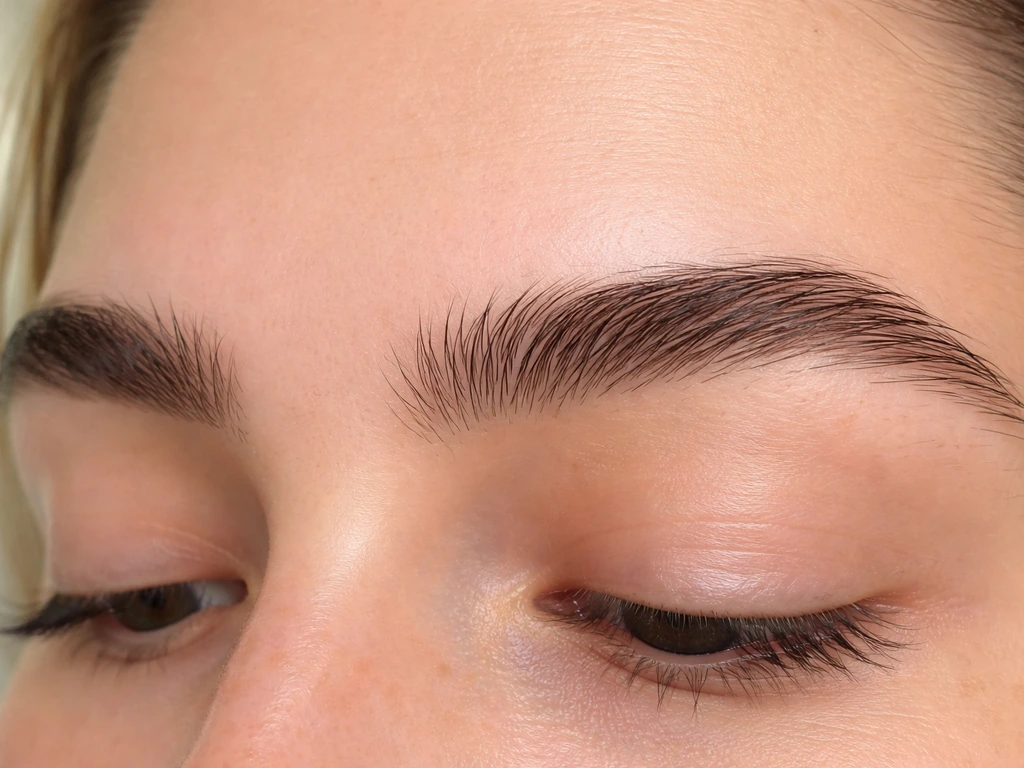
Why minoxidil works on eyebrow hair
Minoxidil was originally developed as a blood pressure medication, and the hair-growth effect was literally a side effect. When applied topically, it works by prolonging the anagen (active growth) phase of the hair cycle and shortening the telogen (resting) phase. More hairs spend more time actively growing, and dormant follicles that have miniaturized or gone quiet get nudged back into production. That mechanism applies to any hair follicle, not just scalp follicles.
Eyebrow follicles respond to the same biological signals, which is why researchers have been studying minoxidil for eyebrow hypotrichosis (the clinical term for thin or sparse brows). The 2023 RCT that compared topical minoxidil 2% against bimatoprost-based treatments confirmed that minoxidil produces measurable increases in eyebrow hair density and length. It is not a miracle drug for brows, but it works through a real, understood mechanism rather than wishful thinking.
One thing to be realistic about: minoxidil works best when follicles are still present but dormant or miniaturized. If a follicle has been permanently destroyed, say by repeated aggressive waxing over many years, scar tissue, or a medical condition that causes permanent follicle loss, minoxidil cannot rebuild it. But for brows that are thin due to over-tweezing history, age-related thinning, or mild alopecia, there is usually enough follicular infrastructure left to work with.
How to use minoxidil on eyebrows safely
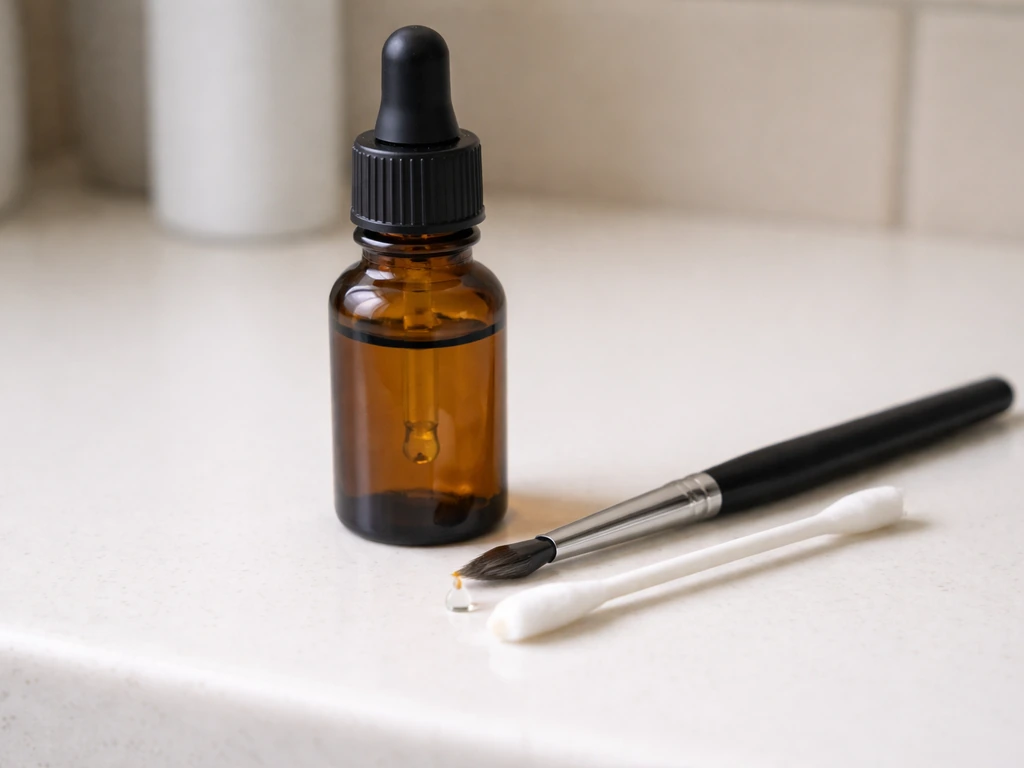
Choose the right formulation
For eyebrow use, go with minoxidil 2% liquid rather than 5% foam or 5% liquid. Here is why: you need a very small, precise amount near a sensitive area, and 2% gives you a meaningful dose with less margin for error. The 5% foam version also contains alcohol, which the product's own FAQ warns can cause burning and irritation to eyes and sensitive skin. Liquid 2% (like original Rogaine for women, or generic equivalents) is easier to control in a small area and carries slightly less irritation risk. Some people use the 5% and do fine, but if you are just starting, 2% is the smarter entry point.
Application step by step
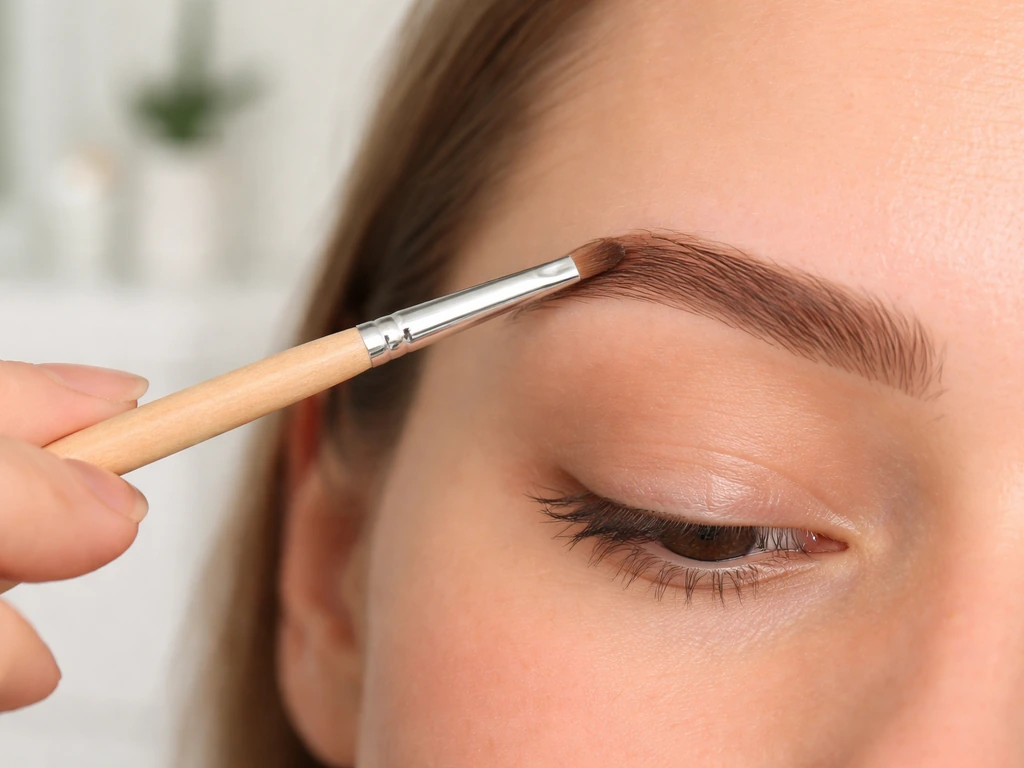
- Make sure your brow area is clean and dry before applying. Wet skin absorbs more product than intended.
- Use a cotton swab, a small precision brush, or the tip of your finger to apply a tiny amount, roughly 1 to 2 drops of the liquid solution, directly along each brow.
- Work from the inner corner to the tail, following the natural brow line. You do not need to saturate the area.
- Keep the product away from your eyelids, lash line, and the inner corners of your eyes. The Mayo Clinic guidance on minoxidil is explicit: keep it away from eyes, nose, and mouth.
- If any product contacts your eyes, flush immediately with cool tap water.
- Wash your hands thoroughly right after application. Unwashed hands are one of the main ways minoxidil accidentally transfers to your eyes or elsewhere on your face.
- Apply once daily, ideally before bed. Nighttime application reduces the chance of sweat or sebum disrupting absorption, and you are less likely to accidentally rub your eyes while sleeping.
Apply once per day consistently. Some scalp protocols use twice daily, but for the eyebrow area once daily is sufficient and reduces cumulative irritation risk. Consistency matters far more than doubling up on doses.
What results to realistically expect (and when)
The first month or so can actually look discouraging. Some people notice a brief initial shedding phase where a few hairs seem to fall out faster than usual. This is the hair cycle resetting, not minoxidil making things worse. It is the same phenomenon that happens when people start using it on the scalp and panic in month two. Push through it.
By months 2 to 3, most people start to see small, fine new hairs appearing in sparse spots. They often look lighter and thinner at first. By months 4 to 6, those hairs typically become more visible, and density noticeably improves if your follicles are responding. Full results, meaning the densest you are likely to get, usually show up around the 6-month mark. Some people see continued improvement up to 9 to 12 months.
| Timeframe | What's typically happening |
|---|---|
| Weeks 1 to 4 | Possible initial shedding, no visible new growth yet |
| Months 2 to 3 | Fine vellus hairs beginning to appear in sparse areas |
| Months 4 to 6 | Increased density and length become visible; peak improvement for most people |
| Month 6 and beyond | Continued maintenance; results plateau and then reverse if you stop using it |
The most important thing to know about the timeline: if you stop using minoxidil, the hairs it supported will eventually revert. This is not a permanent fix. It is more like a maintenance treatment. If that feels like too much of a commitment, it is worth factoring in before you start.
Side effects and safety near the eye area
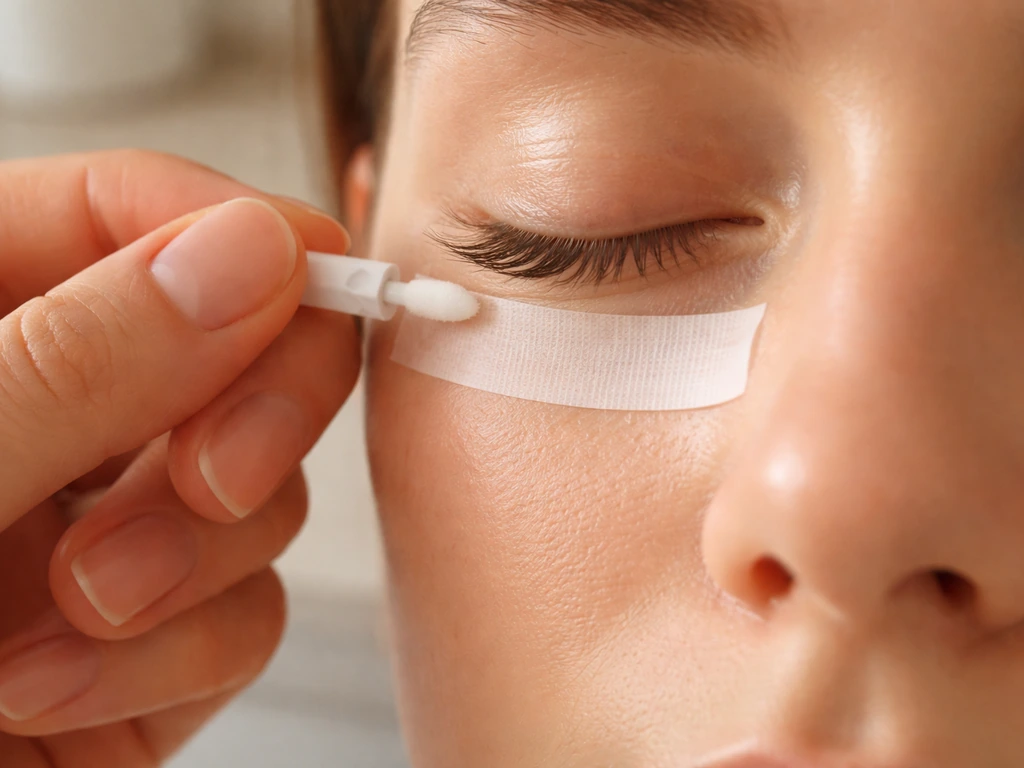
The eye area is the main reason minoxidil requires extra care when used on brows. The risks are real but manageable with the right approach. Can red light therapy grow eyebrows, and is it worth considering if minoxidil is not for you red light therapy grows eyebrows.
- Eye irritation and burning: Both the liquid and foam formulations contain ingredients (including alcohol in some versions) that cause significant burning if they get into your eyes. This is why precise, small-amount application is non-negotiable.
- Skin dryness and irritation around the brow: The skin near eyebrows is thinner than scalp skin. You may notice dryness, flaking, or mild redness. A fragrance-free moisturizer applied after the minoxidil has fully dried can help.
- Unwanted facial hair: This is probably the most frustrating side effect for brow use. If the solution spreads or drips beyond the brow line onto surrounding skin, you can grow fine hairs in places you do not want them, like your forehead or temples. Apply carefully, use a small amount, and blot any excess immediately.
- Allergic contact dermatitis: Some people react to minoxidil itself or to propylene glycol (a common carrier in liquid formulations). Signs include significant redness, swelling, or intense itching. If this happens, stop and see a dermatologist.
- Systemic absorption: Very unlikely with the small amounts used on brows, but if you have a history of cardiovascular issues, check with your doctor before using minoxidil in any form.
- Interaction with contact lenses: If you wear contacts, remove them before applying and wait at least 15 to 20 minutes before putting them back in.
Stop using minoxidil on your brows if you experience significant swelling, persistent redness, eye pain, or a rash that spreads. These are signals to see a doctor before continuing.
Other options worth trying alongside (or instead of) minoxidil
Minoxidil is one of the stronger off-label tools available for eyebrow growth, but it is not the only one, and it does not have to be your starting point. Depending on how sparse your brows are and what caused the thinning, a gentler or complementary approach might make more sense.
Castor oil and rosemary oil
Castor oil has a long track record as a home remedy for brow growth. It does not have the same mechanism as minoxidil, but it moisturizes the follicle environment and may support healthier growth from existing active hairs. Rosemary oil has more direct evidence behind it, with some research suggesting it influences hair growth through circulation and follicle-signaling pathways. Neither will produce dramatic regrowth if your follicles are truly dormant, but both are safe, cheap, and worth using consistently if you want to avoid minoxidil or supplement it. Apply a small amount with a spoolie brush each night.
Stop the damage first
No growth treatment works well if you keep disrupting the follicles. If your brow thinning is from over-tweezing, waxing, or threading, the most important step is stopping. Follicles that are repeatedly traumatized cannot cycle properly, and some may eventually stop producing hair altogether. A moratorium on all brow removal for 4 to 6 months gives follicles the rest they need to recover. This alone can make a significant difference for people whose thinning is purely mechanical.
Consider other treatments if minoxidil is not enough
Bimatoprost-based treatments (like Latisse, which is FDA-approved for eyelashes and has been studied for brows) are a prescription alternative worth asking your dermatologist about. Supplements like biotin and products like Nutrafol are popular, though the evidence for brow-specific regrowth from oral supplements is less direct. But if you are specifically wondering whether Nutrafol helps eyebrows grow, the brow-focused evidence is still limited compared with treatments like minoxidil. Biotin is often marketed for hair growth, but evidence that it specifically helps eyebrows grow is limited and it may not work for everyone Supplements like biotin. Products like RevitaBrow combine peptides and conditioning ingredients and may help with fragile or damaged brow hair. Each of these approaches has a different mechanism and evidence level, so your dermatologist can help you figure out which direction makes sense for your specific situation.
When to see a dermatologist
If your eyebrow thinning came on suddenly, is asymmetrical, or is accompanied by other symptoms like fatigue, skin changes, or hair loss elsewhere on your body, see a dermatologist before starting any topical treatment. Eyebrow loss can be a sign of thyroid disorders, alopecia areata, nutritional deficiencies, or other underlying conditions that need diagnosis first. Putting minoxidil on brows when the real cause is a thyroid issue is not going to solve the problem. Get checked, rule things out, and then build your regrowth plan with accurate information.
FAQ
How can I apply minoxidil to brows without it getting into my eyes?
Use only a pea-sized amount and place it on the eyebrow skin or along the brow line with a clean spoolie, then avoid getting it into the eye itself. If you have to touch near the lash line, do it with a fingertip cotton swab, and wash your hands immediately after application.
Should I start with 5% minoxidil for quicker eyebrow growth?
Do not switch to a 5 percent product “for faster results” when you are new, especially near the eye area. Even if 5 percent can work, it often increases irritation risk, and irritation can slow progress because you stop or reduce use.
What happens if I stop minoxidil after I see eyebrow results?
Yes, but treat it as a maintenance plan. Many people notice gradual reversion after stopping, so if you stop permanently, you should expect density to drift back over months rather than holding steady.
How strict do I need to be with once-daily minoxidil?
A single missed dose is unlikely to derail progress, but frequent skipping matters because consistency drives follicle cycling. If you miss a day, resume your regular schedule the next day, do not double up.
Will I see growth in the first 1 to 2 months, or is it normal if I don’t?
Often, but not always. Some people mainly see longer, darker hairs after the first few months, others mainly see density changes. If after 6 months there is no visible change at all, it may mean your follicles are too damaged or your technique is irritating and limiting adherence.
Can minoxidil cause irritation or eye problems when used on eyebrows?
It can, especially with higher concentrations, alcohol-containing formulas, or over-application. Redness and dryness may be early irritation, but swelling, eye pain, or a spreading rash are not normal, stop and get medical advice.
What should I do if my brows start burning or turning very red after starting minoxidil?
Try to control the trigger. Keep application away from the lash line, use the liquid 2 percent, apply at the same time daily, and avoid layering it under heavy brow gels. If you have persistent burning, consider pausing and asking a dermatologist about a lower-irritation option.
Can minoxidil help if my eyebrow thinning is from an underlying condition?
Yes, if your underlying cause is not addressed. Conditions like thyroid disease, alopecia areata, or nutrient deficiencies can cause eyebrow loss, and minoxidil may not fix the root problem, so get evaluated if thinning is sudden, patchy, or paired with shedding elsewhere.
What does “poor response” look like, and when should I see a dermatologist?
Patchy regrowth is common if only some follicles are still active, but complete lack of response in the first 6 months, or rapidly progressing patchy loss, warrants a dermatologist visit to rule out alopecia areata or scarring causes.
Can I use brow makeup or other skincare products with minoxidil?
If you’re using brow makeup or serums, consider spacing them out. Apply minoxidil first, let it fully dry, then use other products later. Avoid new “stinging” actives (retinoids, strong acids) on the brow area at the same time until you know you tolerate minoxidil.
If I get irritation with one minoxidil type, can I switch formulations?
Some people can be sensitive to the vehicle. If you get irritation with one version (for example, foam or alcohol-containing liquid), talk to a clinician about alternatives, and prioritize the gentlest option that you can use consistently.
Next Article
Will Rogaine Grow Eyebrows? What to Expect and How to Use
Yes for some people. Learn how minoxidil may regrow sparse eyebrows, how to apply safely, timelines, and side effects.
