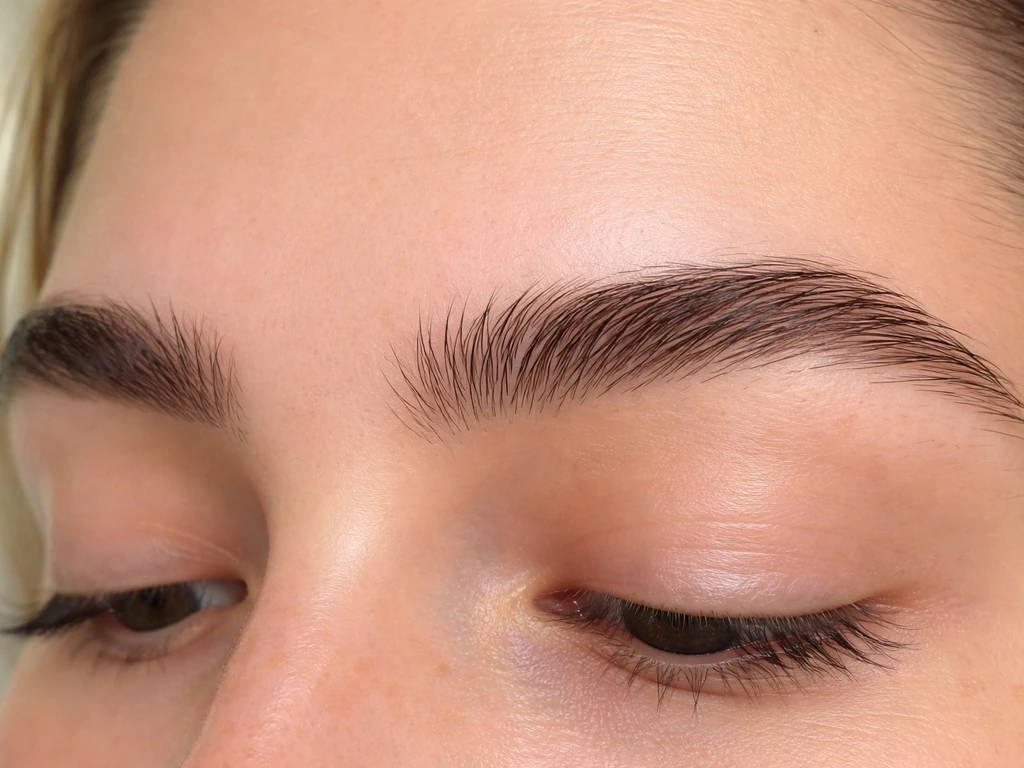
Yes, Latisse (bimatoprost 0. 03%) can grow eyebrows, but there are two things to know upfront: it's not FDA-approved for brows (only for eyelashes), and it takes months, not weeks, to see real results. In FDA documents for LATISSE, the product is indicated for “hypotrichosis of the eyelashes,” meaning eyelash growth rather than eyebrow growth [LATISSE is indicated for “hypotrichosis of the eyelashes,” meaning eyelash growth rather than eyebrows](https://www. fda.
Will Latisse Grow Eyebrows? Timeline, Safety, Results

James Whitmore
18 May 2026
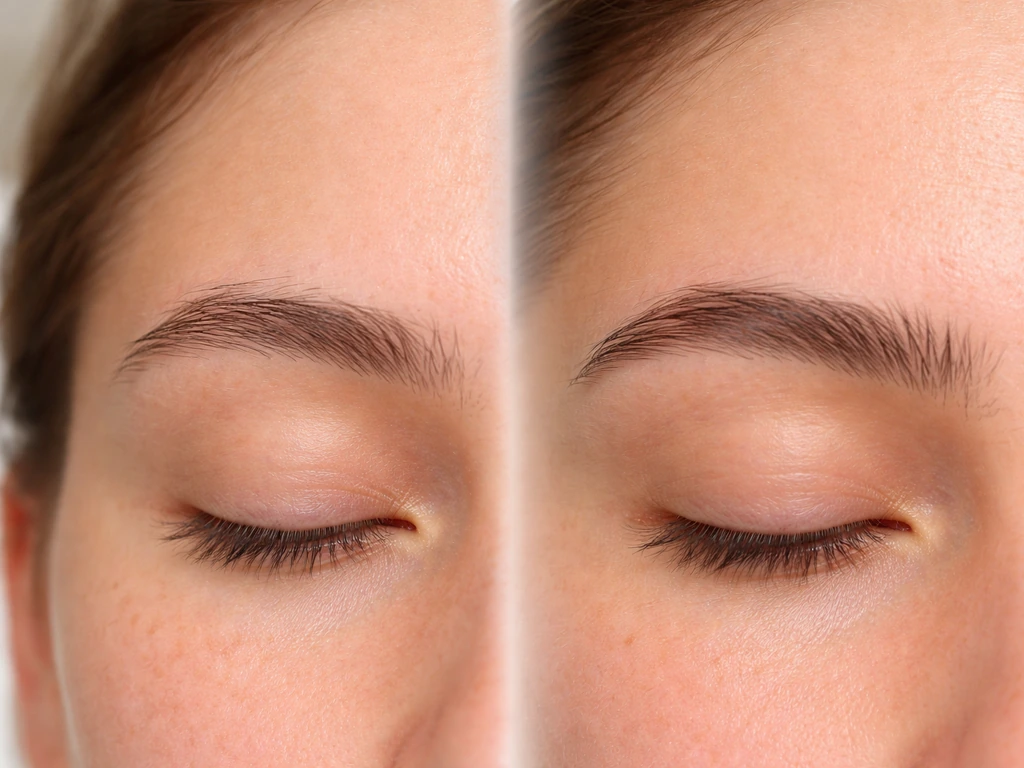
gov/media/89732/download). That said, there's actual clinical research behind off-label eyebrow use, not just anecdote. Randomized controlled trials have tested bimatoprost specifically for eyebrow hypotrichosis, and the results are genuinely promising for the right candidate. If your brows are thin, patchy, or just never seemed to grow in fully, Latisse is one of the stronger options available, as long as you use it carefully and go in with realistic expectations.
How Latisse actually works on brow follicles
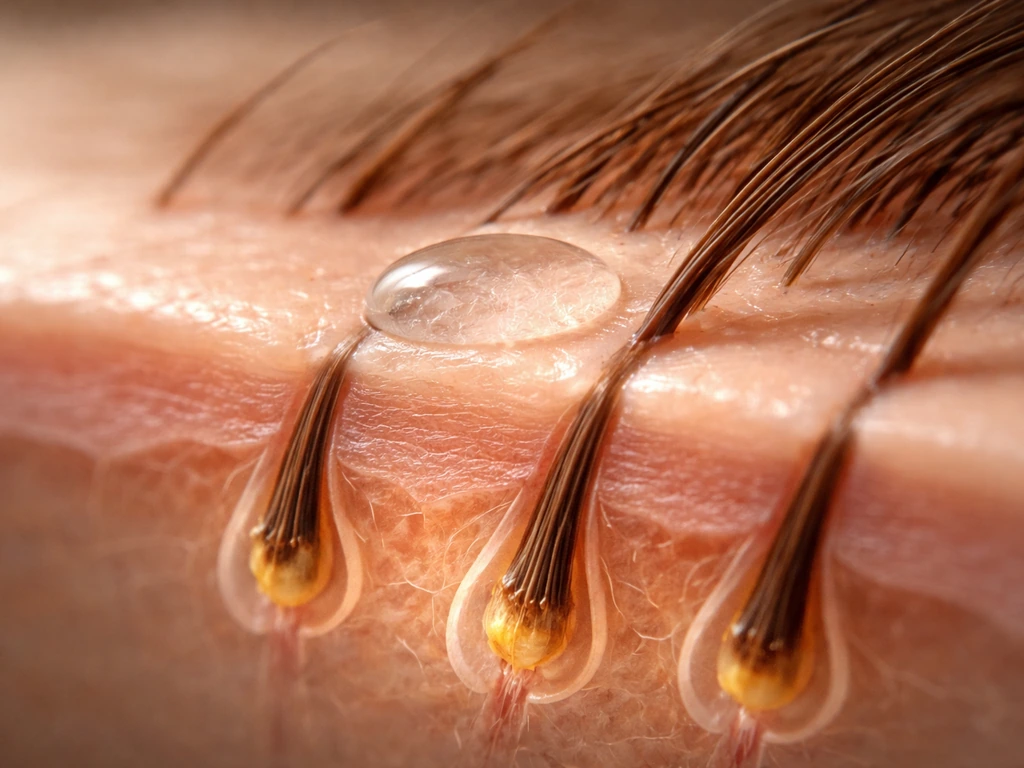
Bimatoprost is a synthetic prostamide analog, basically a molecule that mimics prostaglandins, which are naturally occurring compounds that influence hair cycling. Your hair follicles cycle between three phases: anagen (active growth), catagen (transition), and telogen (rest/shedding). When follicles spend more time in telogen and less time in anagen, hair gets thinner, shorter, and sparser over time.
Bimatoprost works by binding to prostanoid receptors in the hair follicle and nudging follicles from the telogen resting phase into the anagen growth phase. It also extends the duration of anagen once follicles are in it, which is why hair grows longer and thicker, not just faster.
The NCI Drug Dictionary describes bimatoprost as promoting a telogen-to-anagen transition, increasing follicles in anagen and prolonging anagen duration, which can support improved eyebrow and eyelash growth and appearance extends the duration of anagen. Research using in vivo models has confirmed that bimatoprost significantly extends anagen duration and increases growth length and fullness.
Importantly, it does this by modulating the existing hair cycle, not by creating brand new follicles. If a follicle is completely gone, bimatoprost won't bring it back.
For eyebrows specifically, the same mechanism applies. A randomized, double-blind, vehicle-controlled multicenter study tested bimatoprost 0.03% applied once or twice daily for seven months on people with eyebrow hypotrichosis. At month seven, the proportion of participants showing meaningful improvement was significantly higher in the bimatoprost groups compared to the vehicle-only group. That's not a placebo effect, it's follicle-level biology working as intended.
Who it's likely to help (and who it probably won't)
Latisse works best when the underlying follicles are still alive but underperforming. The most responsive candidates tend to be people whose brows have thinned due to overplucking or overwaxing over years, hormonal changes (like postpartum shedding or thyroid-related hair loss after the underlying condition is treated), natural genetic sparseness, or general age-related thinning. If your follicles are dormant but present, bimatoprost gives them a real push.
Medication-related eyebrow loss, for example from chemotherapy, is more variable. Post-chemotherapy eyelash studies showed responder rates around 37.5% with bimatoprost versus 18.2% with vehicle, so it can help, but not everyone responds. Eyebrow loss from alopecia areata is similarly unpredictable. Reviews covering bimatoprost for alopecia areata describe its effectiveness in that context as debatable, and if your loss is autoimmune in nature, you may need a different primary treatment approach.
On the other hand, Latisse is not a good fit if the follicle is completely destroyed (from scarring, severe trauma, or end-stage chronic conditions). It also isn't appropriate without medical guidance for people who have active eye disease, elevated intraocular pressure, or are on other eye medications, since bimatoprost can affect ocular pressure. Pregnant or breastfeeding individuals should skip it entirely until they can speak with a clinician.
How to apply it safely to your eyebrows
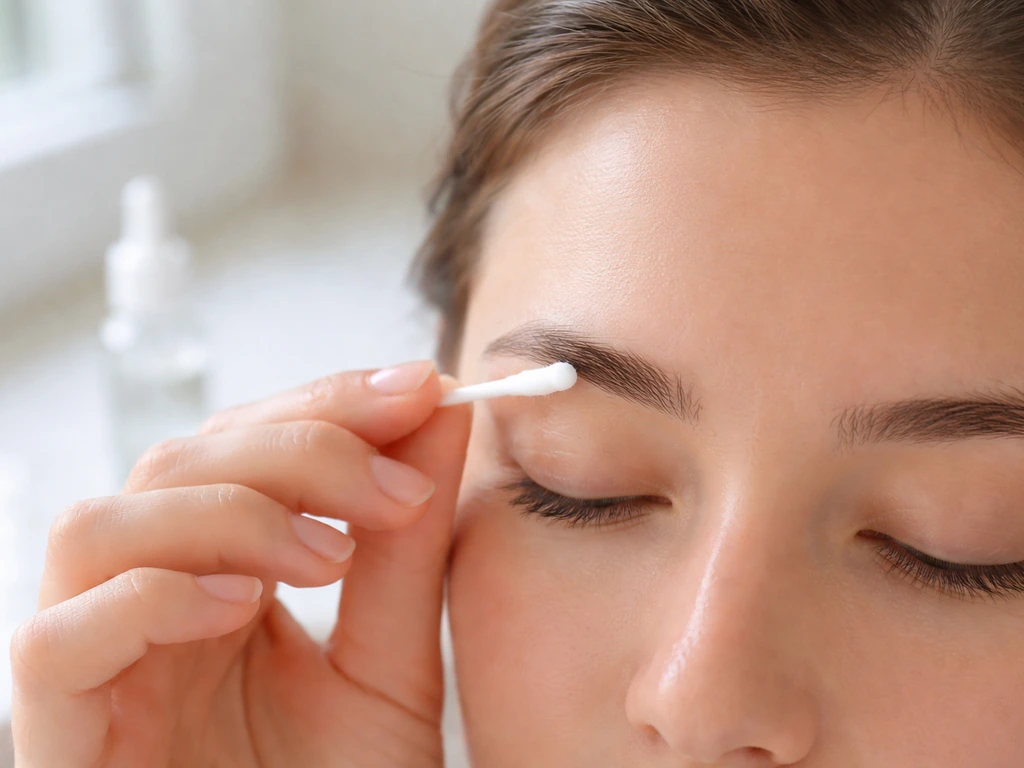
The official Latisse instructions are written for eyelash use, specifically applying one drop along the upper eyelid margin at the base of the lashes, once nightly. For eyebrows, the approach is adapted, but the core safety principles stay the same: use a sterile applicator, apply a minimal amount, and keep it away from your actual eyes.
- Wash your face and remove any makeup or skincare products completely before applying. You want clean, dry skin.
- Place one drop of Latisse onto the tip of a sterile disposable applicator (the kind that comes with the product or medical-grade equivalents).
- Apply a thin stroke along the lower border of your eyebrow, right at the skin where the brow hairs emerge. Think of it like drawing along the root line of the hair, not painting the brow itself.
- Repeat for the other brow using a fresh applicator. Never double-dip to avoid contamination.
- Blot away any excess product with a tissue immediately. You do not want it migrating toward your eyes or dripping onto your eyelid.
- Let it dry fully before lying down. Do this at night so it has time to absorb while you sleep.
- Apply once nightly, consistently. Missing nights frequently will delay or diminish results.
One practical note: less is genuinely more here. You don't need to saturate the area. A thin, precise application does the work. The biggest mistake people make is over-applying and letting the product migrate toward the eye, which is where most of the side effects come from.
Realistic timeline: when will you actually see results?
Don't expect anything dramatic in the first month. For eyelashes, Latisse's branded materials cite 16 weeks as when clinically proven results show up. For eyebrows, the clinical studies measured outcomes at up to seven months, and a retrospective study examining growth pattern changes in eyebrow hypotrichosis used a 24-week (roughly six-month) treatment window to assess density and pattern changes. So the honest timeline looks like this:
| Timeframe | What to Expect |
|---|---|
| Weeks 1 to 4 | Little to no visible change. Follicles are still cycling into anagen phase. |
| Weeks 5 to 8 | Some people notice early signs of new fine hairs or slightly more fill. Most don't see much yet. |
| Months 3 to 4 | Noticeable improvement in density and thickness becomes possible for good responders. |
| Months 5 to 7 | Peak assessment window in clinical trials. Meaningful improvement if it's going to happen. |
| After stopping | Gains are not permanent. Brows may return toward baseline within weeks to months if you stop. |
Individual variation matters a lot here. Genetics, the underlying cause of your brow loss, your age, and even skin type can influence how quickly (or whether) you respond. If you've been consistent for four to five months and see absolutely no change, Latisse may not be the right tool for your specific situation, and it's worth reassessing with a dermatologist. People also wonder whether red light therapy can grow eyebrows, and the evidence is still limited compared with proven options like bimatoprost.
Side effects, eye safety, and when to stop
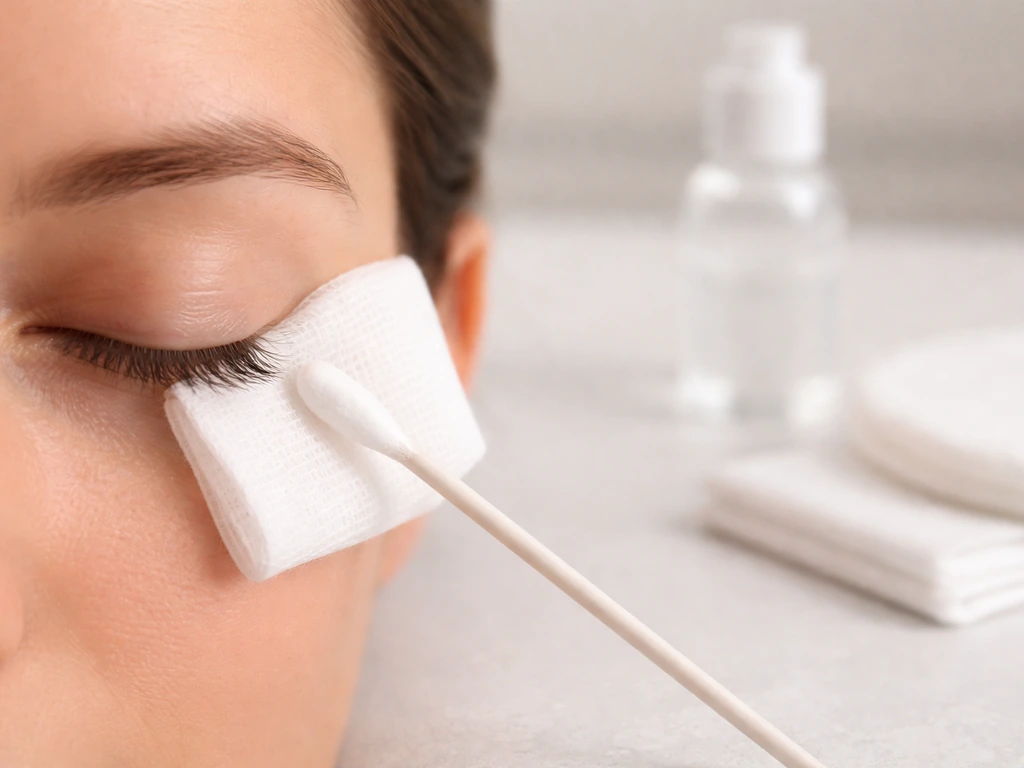
Because Latisse is applied near the eye area, the side effects are more specific than your average topical. Most are manageable with good technique, but some are worth taking seriously.
Common and expected reactions
- Mild redness or itching at the application site, especially in the first few weeks
- Dry skin around the brow or on the eyelid if product migrates
- Slight darkening of the skin in the treated area (periorbital skin pigmentation changes), which is usually reversible but can persist
- Increased hair growth outside the intended area if product spreads (this is literally a labeled warning on the prescribing information)
Less common but more serious reactions
- Eyelid swelling or puffiness (eyelid edema)
- Changes in iris pigmentation, meaning permanent darkening of eye color, which is a known class risk for prostaglandin analogs
- Blurred vision
- Increased tear production or eye irritation
- Hypersensitivity reactions including periorbital rash
Stop using Latisse and contact a clinician if you experience significant eye pain or pressure, a sudden change in vision, severe swelling of the eye or eyelid, or a rash that spreads. These are not side effects to push through. Iris color changes are particularly important to know about: because bimatoprost can cause permanent darkening of the iris in the eye-drop form used for glaucoma, the proximity of eyebrow application to the eye means there is a theoretical risk, though the amount absorbed from cosmetic application is much lower. Still, if you notice any changes to your eye color, stop and see an ophthalmologist.
Because this is an off-label use that puts a prescription medication close to your eyes, it really is worth having a dermatologist or ophthalmologist involved, especially if you have any pre-existing eye conditions. Self-prescribing and self-applying without any medical oversight isn't something I'd recommend, even though many people do it.
What to try if Latisse isn't right for you (or you want to combine approaches)

Latisse isn't the only option, and for some people it's not the best starting point at all. Here's how I'd think about the alternatives depending on your situation.
Minoxidil for eyebrows
A 2023 randomized controlled trial directly compared topical minoxidil 2% to bimatoprost 0. If you're mainly looking at alternatives, minoxidil for eyebrows is a comparable option to consider alongside or instead of Latisse minoxidil 2%. 01% and bimatoprost 0.03% for eyebrow hypotrichosis. Minoxidil holds up well in that comparison and is available over the counter, which makes it far more accessible than prescription Latisse. It works through a different mechanism (vasodilation and direct follicle stimulation rather than prostamide receptor action), which means it's worth trying if Latisse isn't available to you or isn't suitable. The tradeoff is that it also requires consistent long-term use to maintain results.
Castor oil and rosemary oil
These are lower-evidence but also lower-risk options that are worth layering into a brow care routine. Castor oil is a conditioning agent that may reduce breakage and keep brow hairs healthier, though it's not going to dramatically change density on its own. Rosemary oil has more interesting evidence behind it for scalp hair, with some small studies suggesting it can rival minoxidil for hair growth stimulation, and people are increasingly applying that logic to brows. Neither of these is going to fix significant hypotrichosis the way Latisse or minoxidil can, but they're reasonable supportive additions when used consistently at night.
Building a practical brow growth plan
If you're deciding where to start, here's a sensible framework. If your brow loss is moderate to significant and you can access a prescription, talk to a dermatologist about Latisse for off-label brow use, or about minoxidil as a comparable alternative. If your brows are mildly thin or you're in recovery from overplucking, starting with minoxidil or a consistent rosemary oil routine for three to four months is a reasonable first step. Give any treatment at least 12 weeks before deciding it's not working, and ideally closer to 20 to 24 weeks for a fair assessment. Only add one new product at a time so you can actually tell what's doing what.
Internal nutrition support like biotin or supplements marketed for hair growth can also be part of the picture, though they tend to help most when there's an actual deficiency involved rather than as a standalone fix for already well-nourished adults. Does Nutrafol help eyebrows grow? If you are specifically asking does RevitaBrow grow eyebrows, keep in mind that results depend on the cause of your brow thinning and how consistently you apply the product <a data-article-id="EE637FBF-6C25-48DB-8CF2-83DA30C0E575">Does Nutrafol help eyebrows grow?
</a>. It may support hair growth for people with certain deficiencies, but it is not a direct replacement for proven brow-focused treatments like bimatoprost <a data-article-id="8C20BC2B-453A-43C5-BAF8-E67F87348110">Internal nutrition support. If you're considering biotin for eyebrow growth, it helps to set expectations about when it works best and who is likely to see results will biotin help eyebrows grow. Whatever route you take, consistency over months is what separates results from disappointment.
FAQ
What should I do if I do not see results after 4 to 5 months of using Latisse on my eyebrows?
If you do not see any change after about 4 to 5 months of correct, consistent use, it is a sign to reassess the cause of your brow thinning rather than simply keep going. Eyebrow growth support works best when follicles still exist but are underperforming, not when follicles are fully lost from scarring or severe chronic damage.
Can Latisse change the skin around my eyebrows or cause darkening?
Yes, you can develop additional darkness or changes around the application area if product migrates too close to the eye. To reduce this risk, use a very small amount with a sterile applicator, stay at the brow base (not the eyelid margin), and do not oversaturate so it can drip toward the eye.
Will using Latisse twice daily make my eyebrow growth faster or better?
It is not a good idea to use Latisse more often than prescribed (for brows, that usually means once nightly with careful off-label technique). Increasing frequency or amount generally increases the chance of product migrating toward the eye, which is where most eye-related side effects come from.
If Latisse works for my eyebrows, will I lose the results if I stop?
If you use it for long enough to notice improvement, you should expect results to fade if you stop. Because it works by shifting hair cycling, ongoing maintenance is typically needed, meaning you may need to continue regular use to keep brows looking fuller.
Is it safe to use Latisse for eyebrows if I take glaucoma drops or other eye medications?
If you are on an eye medication or have a condition affecting eye pressure, you should get ophthalmology or dermatology guidance before starting. Even when systemic absorption is low, proximity to the eye makes it important to consider compatibility with your current regimen and baseline ocular health.
What side effects mean I should stop Latisse and contact a clinician?
Redness that stays mild and localized may be tolerable, but you should stop and seek care for severe swelling, significant eye pain or pressure, sudden vision changes, or a rash that spreads beyond the brow area. These are warning signs because cosmetic application is near sensitive ocular structures.
How likely is iris darkening when using Latisse off-label on eyebrows?
Iris color change is the key concern people worry about, because bimatoprost can cause permanent iris darkening in an eye-drop setting. While cosmetic brow application absorbs less product, any noticeable change in eye color should trigger immediate discontinuation and an ophthalmology visit.
Can I use Latisse for eyebrows while pregnant or breastfeeding?
Generally, you should not start right away during pregnancy or breastfeeding, since the safest approach is to avoid it until you can discuss risks with your clinician. Off-label use near the eyes adds enough uncertainty that your best next step is medical guidance based on your specific situation.
Will Latisse work the same for all types of eyebrow thinning, like alopecia areata or chemotherapy-related loss?
If you have underlying hair loss that is autoimmune, medication-related, or tied to an untreated medical condition, your response can be less predictable. In particular, alopecia areata and chemotherapy-related loss may not respond the same way as classic eyebrow hypotrichosis, so it helps to confirm the cause first.
How can I reduce irritation when I first start using Latisse on my eyebrows?
Yes, patch test-like caution helps even though it is not the same as a formal test. Try careful application with a sterile tool, avoid the lash line and inner eye corner, and keep it off the eyelid skin to monitor for irritation before committing to a longer routine.
Next Article
Can Minoxidil Grow Eyebrows? Safe Steps and Expectations
Learn if minoxidil can thicken eyebrows, safe application near eyes, timeline, side effects, and better alternatives.