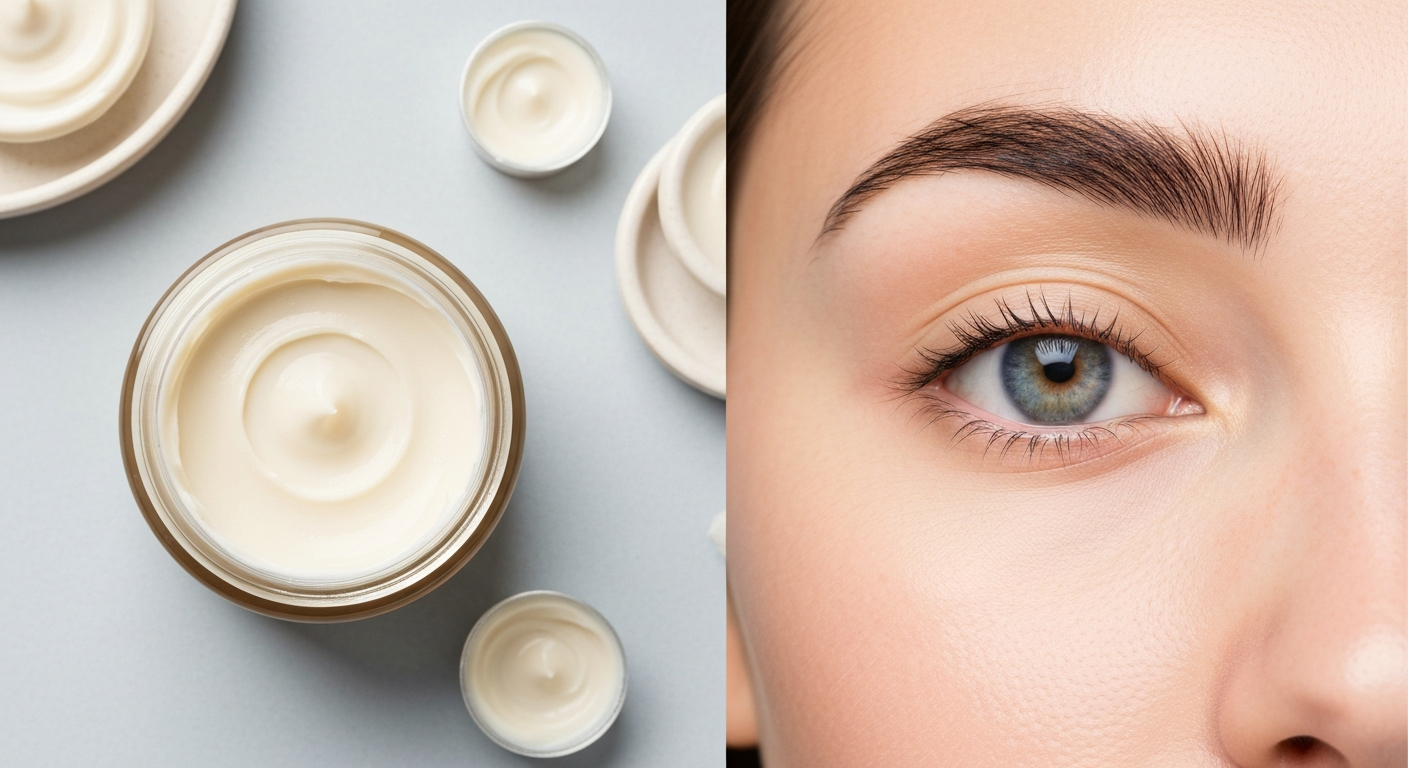
Coconut oil won't directly stimulate new eyebrow growth the way a medical treatment like minoxidil can, but it's genuinely useful for reducing breakage, conditioning existing hairs, and keeping the follicle environment healthier. If your brows are sparse because hairs are brittle and snapping off, or because dryness and flaking are irritating the area, coconut oil can make a real visible difference over 6 to 12 weeks. If your follicles are dormant or damaged from years of overplucking, coconut oil alone probably won't wake them back up.
Does Coconut Oil Help Grow Eyebrows? A How-To Guide

James Whitmore
4 May 2026
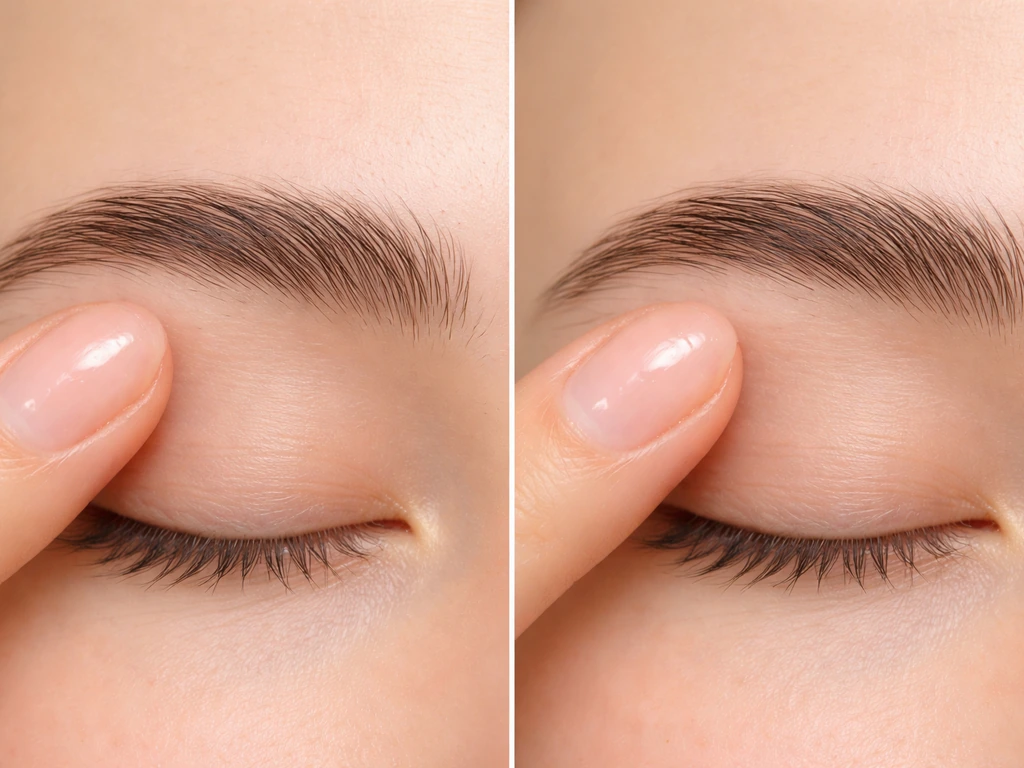
Does coconut oil actually stimulate eyebrow growth?
Honestly, the clinical evidence for coconut oil as a growth stimulator is thin. There are no peer-reviewed trials showing that applying coconut oil to the brow area increases hair length, density, or growth rate in humans. Healthline and dermatology sources are consistent on this: any growth-adjacent benefit is most likely indirect, coming from reduced breakage and a healthier scalp or skin environment rather than from directly switching follicles into an active growth phase.
That said, there are a few biologically plausible reasons coconut oil might support brow health even if it can't claim a true growth effect. It's rich in lauric acid, a medium-chain fatty acid with documented antimicrobial activity. Keeping the skin around your brows free of bacterial buildup and low-grade inflammation could support a better environment for hair to grow without interference. Think of it less as a growth serum and more as a supportive conditioning treatment.
What coconut oil can (and can't) do for brows
It helps to split this into two columns in your head: what the oil can realistically do, and what it cannot do regardless of how consistently you apply it.
| What Coconut Oil Can Do | What Coconut Oil Cannot Do |
|---|---|
| Coat and condition existing hairs to reduce brittleness and breakage | Directly activate dormant hair follicles |
| Soften and moisturize the skin beneath and around brows | Reverse significant follicle damage from scarring or years of overplucking |
| Provide antimicrobial protection via lauric acid, reducing skin irritation | Increase growth rate (anagen phase length) the way minoxidil can |
| Make brows look fuller and glossier in the short term | Restore brows affected by thyroid conditions or alopecia without medical support |
| Reduce mechanical hair loss from rubbing or dryness | Produce results equivalent to prescription or clinical treatments |
The distinction between thickness and growth rate matters a lot here. Coconut oil can make each individual hair look and feel thicker because it fills in the cuticle and coats the shaft. That's a real, noticeable improvement. But the number of hairs you have and how fast new ones push through is governed by follicle biology, not surface conditioning. Don't expect to count more hairs after 8 weeks of coconut oil alone.
How to use coconut oil for eyebrows: a step-by-step routine
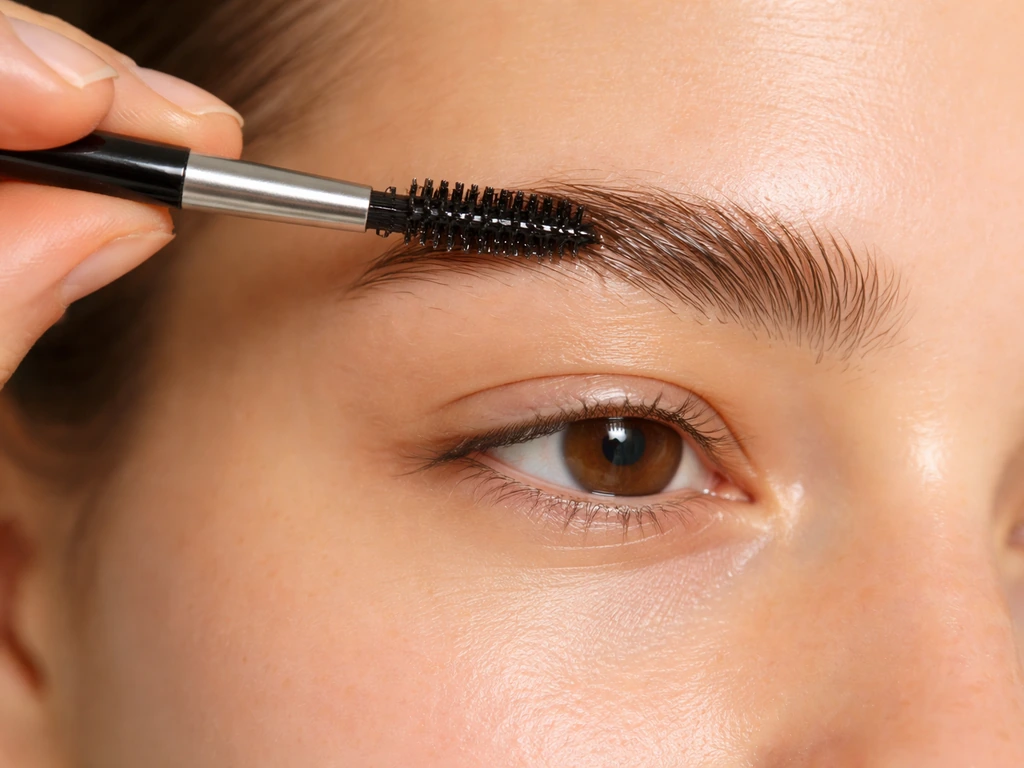
The good news is the application is simple and takes about two minutes. Use virgin or cold-pressed coconut oil, not refined or heavily processed versions, since those lose some of the fatty acid content that makes it useful.
- Cleanse your face first. Applying oil over makeup, SPF, or product buildup reduces absorption and can trap debris against the skin.
- Warm a tiny amount between your fingertips. You need less than you think: a rice-grain sized scoop is enough for both brows.
- Using a clean spoolie brush or your fingertip, apply the oil along the brow in short strokes, following the direction of hair growth.
- Work the oil gently into the skin beneath the hairs, not just on top of the hairs themselves. The follicle sits in the skin.
- Leave it on overnight, or for at least 30 minutes if you're doing a daytime application. Overnight is the most effective option since there's no disruption.
- In the morning, rinse with a gentle cleanser. Don't skip this step if you're acne-prone or have oily skin, especially near the upper nose bridge.
- Apply once daily, ideally at night, for at least 6 to 8 weeks before assessing results.
If overnight wear feels too heavy or you notice any congestion around the brow area, scale back to three or four nights per week. Coconut oil is described as having a comedogenic rating of 4/5 on a 0, 5 scale, a metric used to estimate pore-clogging risk. Some people do fine with nightly use; others find it too occlusive for their skin type. Pay attention and adjust.
How long it takes and what results to actually expect
This is where most articles set unrealistic expectations. A full eyebrow hair growth cycle from anagen (active growth) through telogen (shedding) takes roughly 4 to 6 months. You're not going to see dramatic new growth in two weeks. Here's a more honest timeline:
- Weeks 1 to 2: Existing hairs may look glossier and feel softer. Skin under the brows feels less dry or flaky. This is the conditioning effect.
- Weeks 3 to 6: If breakage was a significant issue, you may notice fewer hairs falling out and existing hairs looking a bit fuller. Some people see minor improvement in apparent density.
- Weeks 6 to 12: If new growth is going to happen from indirect support (better skin environment, less mechanical damage), you'd start to notice it in this window. Results will be subtle, not dramatic.
- Beyond 12 weeks: If you see no change at all by 12 weeks, coconut oil is unlikely to be the right tool for your specific brow concern, and it's worth reassessing.
Individual results depend heavily on why your brows are sparse in the first place. Someone who over-tweezed for a few years in their twenties but still has mostly intact follicles has a very different prognosis than someone with scarring or a medical condition affecting hair growth. Be honest with yourself about which category you're in.
Common reasons brows don't grow (that coconut oil won't fix)
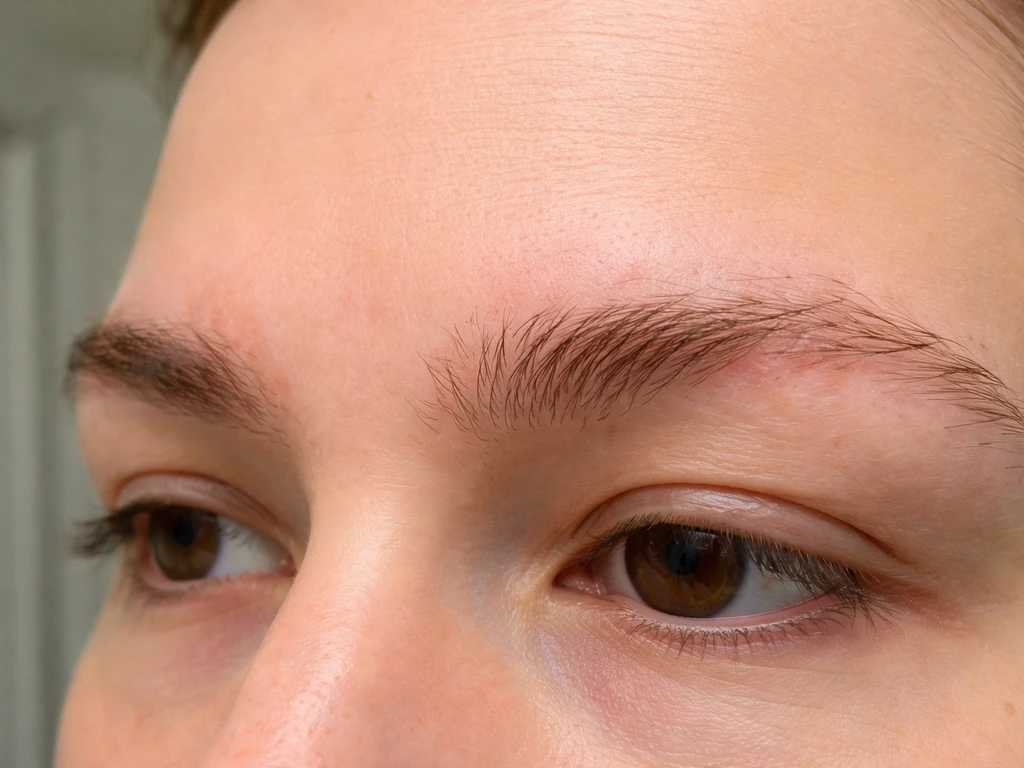
If you've been applying oils consistently and still not seeing results, the issue is likely not what you're putting on your brows but something upstream. If you're wondering whether olive oil helps grow eyebrows the way evidence-based treatments do, the takeaway is similar: oils are mostly supportive for conditioning rather than proven growth boosters olive oil help grow eyebrows. These are the most common culprits:
- Follicle damage from chronic overplucking: If you've been plucking the same hairs repeatedly for 10 or 15 years, some follicles may have scarred and stopped producing hair permanently. No topical treatment reverses that.
- Waxing or threading trauma: Repeated mechanical removal can thin out follicles over time, particularly if done aggressively at the root.
- Nutritional deficiencies: Low iron, biotin, zinc, or protein can slow or halt hair growth across the whole body, not just brows. If your brows and head hair are thinning simultaneously, get bloodwork done.
- Thyroid dysfunction: Both hypothyroidism and hyperthyroidism commonly cause eyebrow thinning, often starting at the outer third of the brow. This requires medical treatment, not oil.
- Skin conditions: Seborrheic dermatitis, eczema, or psoriasis near the brow can disrupt the follicle environment and cause localized hair loss. Treat the underlying condition first.
- Irritation from products: Paradoxically, applying too many products or the wrong products to the brow area can cause chronic low-grade inflammation that stunts growth.
- Age and hormonal changes: Estrogen and androgen shifts after menopause or during other hormonal transitions can reduce brow density. Again, a topical oil isn't a hormonal treatment.
Evidence-based alternatives and what to add if coconut oil isn't enough
Coconut oil is a reasonable starting point, but if you want a better chance at actual growth stimulation, these options have stronger or more specific evidence behind them. If you are specifically wondering whether does grape seed oil help eyebrows grow, it is another oil people ask about, but the evidence for true growth is usually limited compared with treatments that directly target follicles.
Castor oil
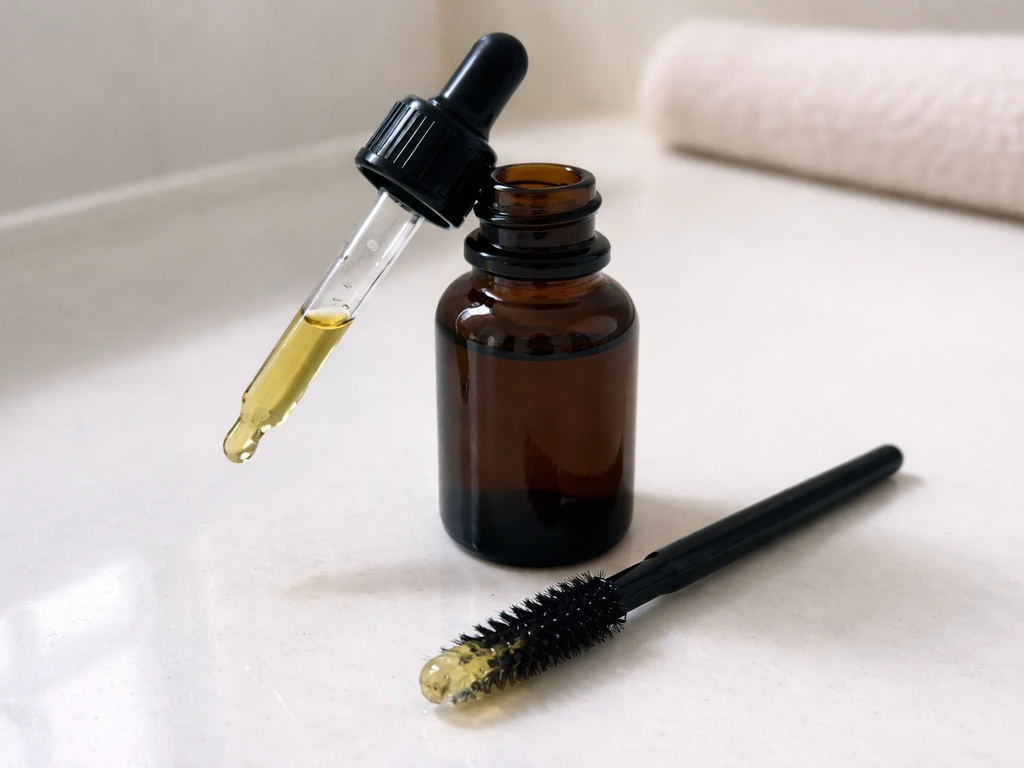
Castor oil is probably the most popular oil for brow growth, and while it also lacks large-scale clinical trials, it has a longer track record in the community and contains ricinoleic acid, which may have anti-inflammatory properties relevant to hair retention. Many people use it as a direct swap or in combination with coconut oil. If you're going to pick one oil to focus on, castor oil has a slightly stronger case for brow-specific use.
Rosemary oil
Rosemary oil has the most credible clinical backing of the natural options. A 2015 study compared 2% minoxidil with rosemary oil for scalp hair loss and found comparable results at 6 months, with rosemary causing less scalp itching. That's scalp hair, not brows, but it's the kind of mechanistic evidence that makes rosemary worth using as an add-on. Apply 1 to 2 drops diluted in a carrier oil (like coconut oil) to the brow area at night.
Minoxidil
If you want actual growth stimulation with real evidence behind it, minoxidil (Rogaine or generic equivalents) is the strongest over-the-counter option. If you are wondering whether almond oil makes your eyebrows grow, the evidence is still thin compared with proven growth stimulators like minoxidil. It prolongs the anagen (growth) phase of the hair cycle and has been used off-label for eyebrow regrowth. A randomized, double-blind, placebo-controlled split-face study evaluated [minoxidil 2% lotion for eyebrow enhancement](https://onlinelibrary.
wiley. com/doi/pdf/10. 1111/1346-8138. 12275), supporting its use in the eyebrow hypotrichosis context (Lee 2014).
A 2% solution applied carefully to the brow once daily is what dermatologists most commonly recommend for this use. It takes 4 to 6 months to show results and needs to be continued to maintain them. Talk to a dermatologist before starting, especially for brow use, since application technique near the eyes matters.
Professional options
If nothing topical is working after 3 to 4 months, it's worth a consultation with a dermatologist or a trichologist (hair specialist). Prescription bimatoprost (originally an eyelash growth treatment) can be used off-label for brows. Platelet-rich plasma (PRP) injections are another clinical option with growing evidence for hair restoration. These are bigger commitments in time and cost, but they're appropriate if the cause is follicle-level rather than surface-level.
Other carrier oils like argan oil, almond oil, vitamin E oil, and avocado oil work on similar conditioning principles to coconut oil and can be layered or swapped depending on your skin type. Can argan oil help eyebrows grow in the same way? It may support brow health, but it is unlikely to directly stimulate growth like evidence-based treatments do. None of them, on their own, match the growth stimulation potential of rosemary or minoxidil, but they're good supportive additions for overall brow health.
Safety considerations and when to stop
Coconut oil is generally well tolerated, but it's not risk-free for everyone, particularly in the brow and eye-adjacent area.
- Patch test first: Apply a small amount to the inside of your wrist or behind your ear for 24 hours before putting it near your eyes. Allergic contact dermatitis to coconut is uncommon but real.
- Watch for milia or congestion: Coconut oil is moderately comedogenic. If you start noticing small white bumps (milia) around the brow or temple area within the first few weeks, stop nightly use and reduce to 2 to 3 times per week or switch to a lighter oil.
- Avoid getting it in your eyes: If you're applying at night, use a spoolie for precision. Oil in the eye can cause blurred vision temporarily and may irritate the conjunctiva.
- Stop if you see redness, swelling, or itching: These are signs of irritation or an allergic response. Don't push through it hoping it will settle. Discontinue and let the skin calm before trying again or switching products.
- Oily or acne-prone skin types: If you regularly break out along the brow bone or forehead, coconut oil may worsen congestion in those areas. A lighter, non-comedogenic oil or a purpose-formulated brow serum may be a better fit.
- Don't use on broken or inflamed skin: If you have active eczema, dermatitis, or a skin infection near the brows, hold off until the skin has healed.
The bottom line: give coconut oil a fair 8 to 12 week trial if your brows are sparse due to dryness, brittleness, or mild environmental damage. Avocado oil is often suggested for brows too, but the same idea applies: it may help condition the hairs, not reliably boost new growth avocado oil for eyebrow growth. Apply it nightly, be consistent, and track your starting point with photos so you can actually compare. If you're not seeing anything by week 12, move to rosemary oil, castor oil, or a conversation with a dermatologist about minoxidil. Coconut oil is a reasonable first step, not the final answer.
FAQ
Does coconut oil help eyebrows grow if my issue is overplucking?
Yes, but the expectation should be about conditioning, not true new hair growth. If your brows look lighter because existing hairs are dry and breaking, coconut oil can improve thickness and reduce flaking, which makes brows appear fuller. If you are truly missing follicles from overplucking, scarring, or a medical cause, coconut oil usually will not bring them back.
How do I test coconut oil for irritation around my eyes?
Patch testing is smart because the brow area is close to the eye and can be reactive. Apply a small amount to a less sensitive spot near the brow line, wait 24 to 48 hours, and stop if you get burning, redness, swelling, or increased flaking. If you wear contact lenses, be extra cautious to avoid transfer.
Which type of coconut oil is best for the brow area, and how much should I use?
Quality matters. Use virgin or cold-pressed coconut oil, and avoid heavily refined versions if your goal is skin support. Also use a small amount, because excess oil can feel occlusive, trap debris, and worsen congestion, especially along the inner brow near the tear line.
How should I track progress so I can tell if coconut oil is actually helping?
Yes, and it is one of the most common reasons people think oil is not working. Take clear photos in the same lighting and angle before you start, then repeat every 2 to 4 weeks. Also track breakage and flaking, because improvement there can happen even if the number of hairs does not change quickly.
Can coconut oil migrate into my eyes, and how can I prevent that?
Avoid getting it inside the lash line or too close to the waterline. Many people prefer applying with a clean cotton swab or fingertip just on the brow hairs and letting it absorb before sleep. If it stings or blurs vision, wash it off and reduce frequency.
What should I do if coconut oil causes bumps or more flaking on my brows?
If you notice worsening acne-like bumps, clogged-looking pores, or increased itching or scaling, scale back immediately or stop. Coconut oil is generally well tolerated, but any sign of contact dermatitis means your skin barrier may not like it, and continued use can prolong irritation and breakage.
When should I stop coconut oil and try something else?
If you want faster, evidence-based growth support, consider minoxidil rather than waiting indefinitely with oils. For coconut oil, a realistic trial is about 8 to 12 weeks when dryness and brittleness are the main problem. If you have no meaningful improvement by week 12, switch strategy.
Can I combine coconut oil with castor or rosemary oil, and how do I avoid confusing results?
Rosemary oil and castor oil can be reasonable add-ons, but remember they are still supportive for most users unless you use an evidence-based growth agent like minoxidil. If you add a new product, introduce only one change at a time so you can tell what actually affected your brows.
Is coconut oil safe for everyone to use on eyebrows?
Do not. Oils should not be used with the idea that they will replace medical treatment. If you are pregnant or breastfeeding, have eczema or a history of severe reactions, or you are using other active products near the eyes, talk to a dermatologist first. Also be careful if you have blepharitis or chronic eye irritation.
What symptoms suggest my brow thinning is from something other than dryness?
If you have patchy loss, sudden changes, or scalp symptoms like itching and scale, the cause may not be simple dryness. Conditions like alopecia areata, thyroid issues, fungal problems, or dermatitis can affect brows, and those typically require targeted treatment rather than topical oils.
Next Article
Does Cocoa Butter Help Grow Eyebrows? Evidence & Tips
Does cocoa butter grow eyebrows? Learn the evidence, safe use, timelines, and better alternatives for thicker brows.