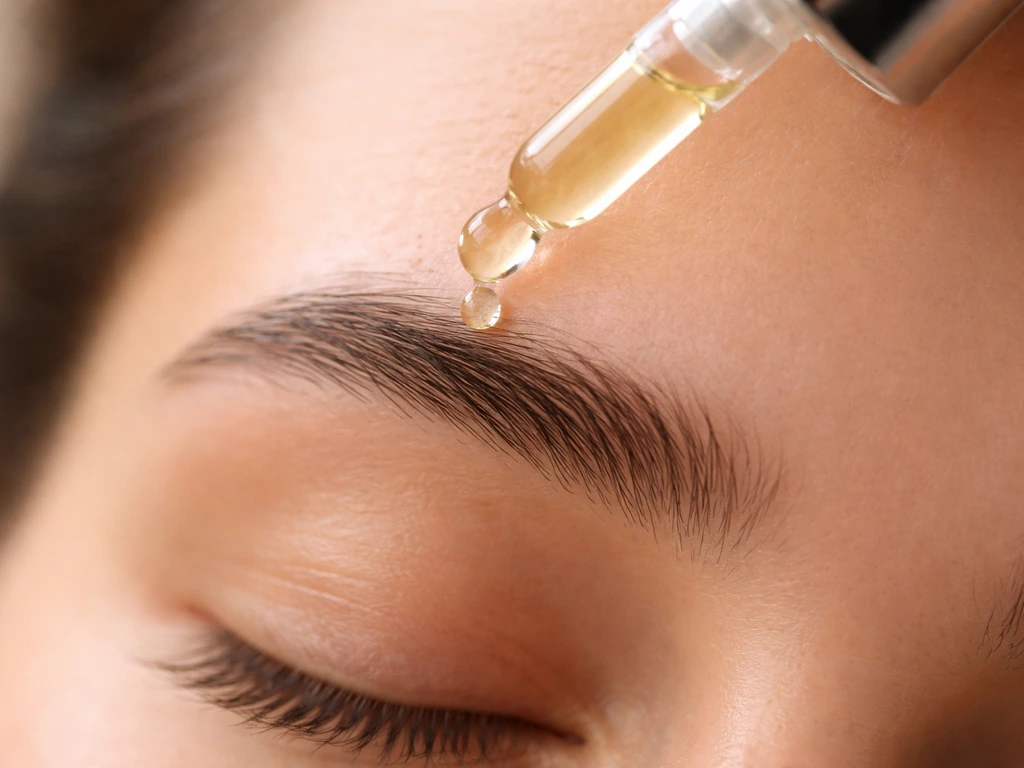
Vaseline won't stimulate eyebrow growth on its own. There's no scientific evidence that petroleum jelly activates hair follicles or speeds up the growth cycle. What it can do is protect the hairs you already have, reduce breakage from dryness, and make your brows look fuller and healthier in the short term. For some people, that's genuinely useful. For others who need real regrowth after overplucking, waxing, or hair loss, Vaseline is a supportive tool at best, not a solution.
Can Vaseline Help Eyebrows Grow? What to Expect and How

James Whitmore
27 Apr 2026
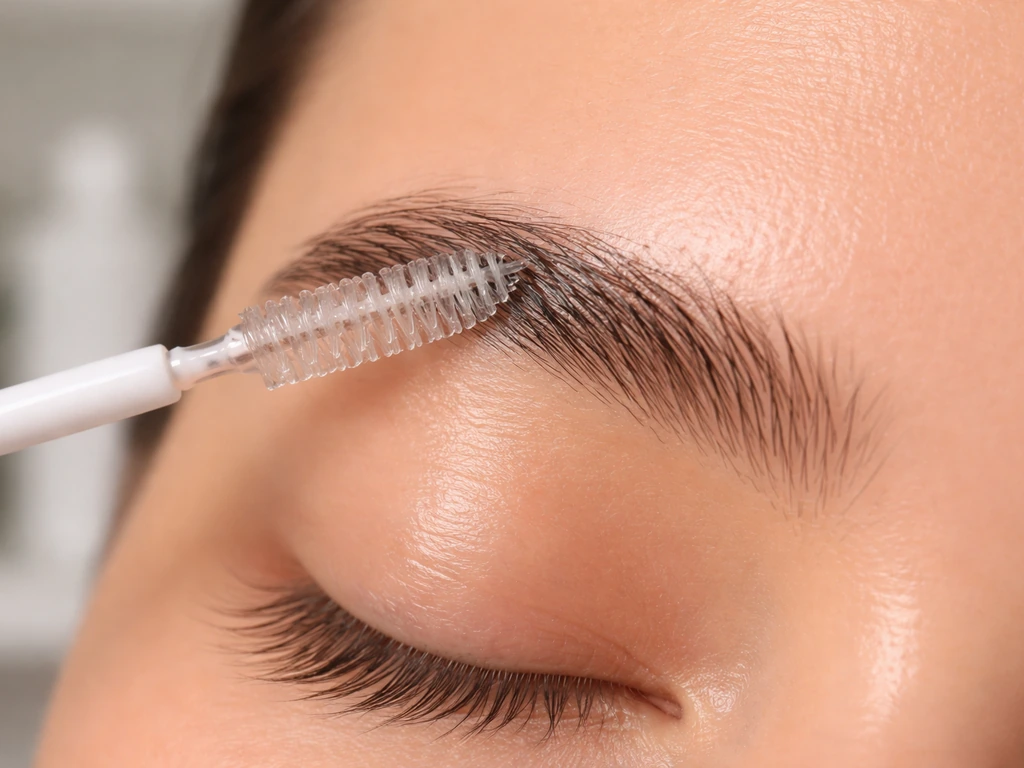
What Vaseline can and can't do for eyebrow growth
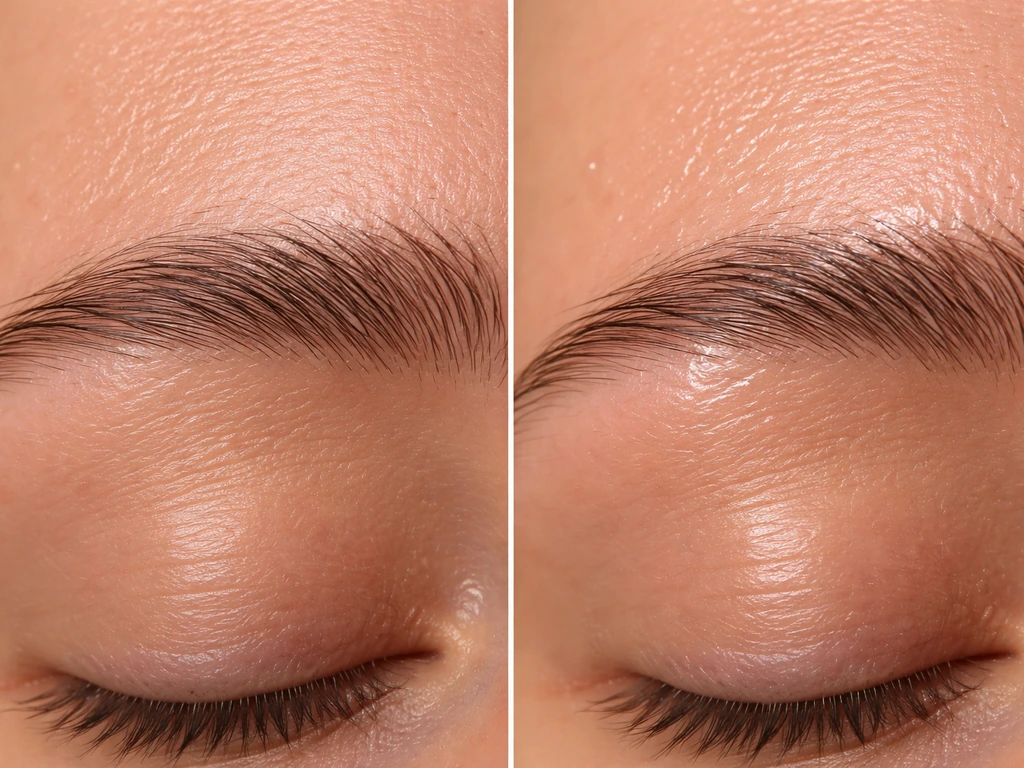
Petroleum jelly is one of the most effective occlusive moisturizers known. It forms a hydrophobic barrier over the skin surface that can reduce transepidermal water loss (TEWL) by close to 99%, which is significantly more than oils like olive oil. That's impressive for a basic skin protectant. The problem is that "protecting the skin barrier" and "stimulating hair follicle activity" are two completely different things.
Hair growth is driven by follicle biology, hormones, and nutrient supply. Vaseline sits on top of the skin. It doesn't penetrate into the dermis where your follicles live, and it has no pharmacological action on hair growth pathways. So the expectation that rubbing Vaseline on your brows every night will grow them back thicker is not backed by evidence.
If you're wondering does applying kajal grow eyebrows, the takeaway is similar: conditioning or lining products are unlikely to stimulate true follicle regrowth. Vicks and petroleum jelly are both mostly conditioners, so the evidence that Vicks makes eyebrows grow is limited does vaporub make your eyebrows grow. However, the evidence is limited, and Vaseline does not have a proven effect on growing new eyebrow hair does vicks make your eyebrows grow.
The American Academy of Dermatology frames petroleum jelly strictly as a skin protectant and barrier support product, not a hair-growth treatment.
That said, it's not useless for brows. If your eyebrow area is dry, flaky, or irritated, Vaseline can calm that down noticeably. Dry, brittle brow hairs break more easily, making sparse brows look even worse. Keeping the skin and hairs hydrated and protected reduces that kind of mechanical loss. So you might see your brows look better after a few weeks of consistent Vaseline use, not because new hairs grew, but because the ones you have are in better condition.
How Vaseline actually works on your brows
The mechanism here is occlusion, not stimulation. When you apply Vaseline over your brow hairs and the skin underneath, it locks in moisture that would otherwise evaporate. That keeps the skin supple and the hair shaft more flexible. Flexible hair shafts are less likely to snap off with friction from pillowcases, fingers, or makeup removal.
It also has a grooming effect. Vaseline coats and smooths brow hairs, making them lie flat and look more defined and uniform. This is the same reason people have used it as a brow gel for decades. You're not growing more hair, you're just making the existing hair look better and potentially protecting it from minor damage. Think of it as conditioning treatment rather than a growth serum.
One thing worth knowing: because Vaseline is so occlusive, it can trap bacteria if used heavily in areas with active breakouts or clogged follicles. There's a documented risk that heavy occlusive agents can block the pilosebaceous opening and create conditions where bacteria flourish, potentially causing folliculitis. If you're acne-prone around your brow area, use Vaseline sparingly and only on the hairs themselves rather than the surrounding skin.
How to use Vaseline on your eyebrows
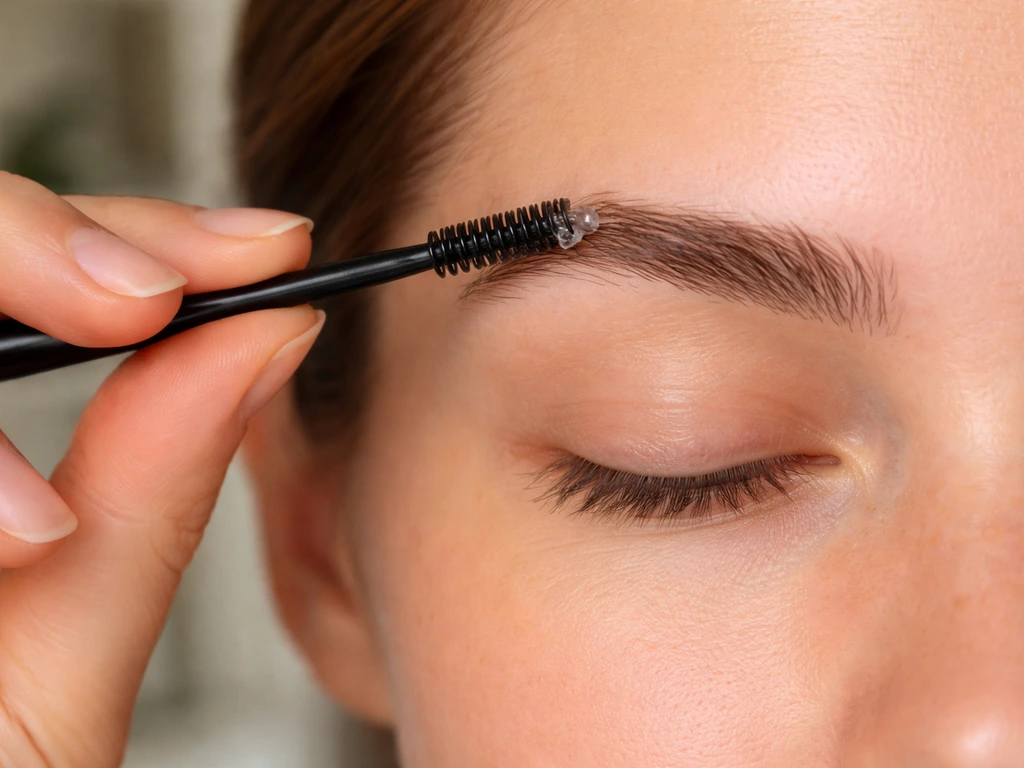
If you want to give Vaseline a proper try for brow conditioning and protection, consistency matters more than quantity. A tiny amount applied correctly every night is more effective than a thick glob applied randomly.
- Cleanse your face and remove all makeup from the brow area first. Applying Vaseline over makeup residue defeats the purpose.
- Take a very small amount of Vaseline on a clean fingertip or a clean spoolie brush. You need far less than you think, about the size of a grain of rice per brow.
- Apply it with light strokes in the direction of hair growth, working it through the brow hairs and lightly onto the skin underneath.
- Leave it on overnight. This is when your skin is in repair mode and the occlusive effect is most beneficial without interference from sweat, sunscreen, or makeup.
- In the morning, gently cleanse the area. Don't scrub or tug.
- Do this nightly for at least 6 to 8 weeks before judging results. Brow hairs grow slowly (roughly 0.14 mm per day), and any visible conditioning improvement takes time to accumulate.
You don't need to apply Vaseline during the day unless your skin is extremely dry. Overnight application is enough, and daytime use can interfere with makeup and look shiny. Keep the amount minimal. More is not better here.
Can it help eyebrows grow back after shaving, waxing, or overplucking?
This is where expectations need to be calibrated carefully. If your follicles are intact, your brows will grow back on their own timeline regardless of whether you use Vaseline or not. A full eyebrow growth cycle takes roughly 4 to 6 months. Vaseline doesn't shorten that cycle or wake up dormant follicles. Carmex is also a petroleum jelly-based product, so it would be expected to act as a skin barrier support rather than truly triggering new brow hair growth can carmex help grow eyebrows.
After shaving, regrowth is usually straightforward because shaving doesn't damage follicles at all. After waxing, the follicle can be mildly traumatized but typically recovers. After years of overplucking, it's more complicated. Repeatedly traumatizing a follicle over a long period can cause it to stop producing hair permanently, and no amount of Vaseline will fix that. Those cases genuinely need a different approach.
Where Vaseline does help in regrowth scenarios is in supporting the skin environment during recovery. A healthy, non-irritated skin barrier gives recovering follicles the best conditions to do their job. Keeping the brow area moisturized and protected reduces post-wax irritation, dryness, and flaking that can make early regrowth look patchy. So use it as a support layer during the regrowth process, not as the thing driving the regrowth itself.
Want faster or thicker brows? Here's what to combine with Vaseline
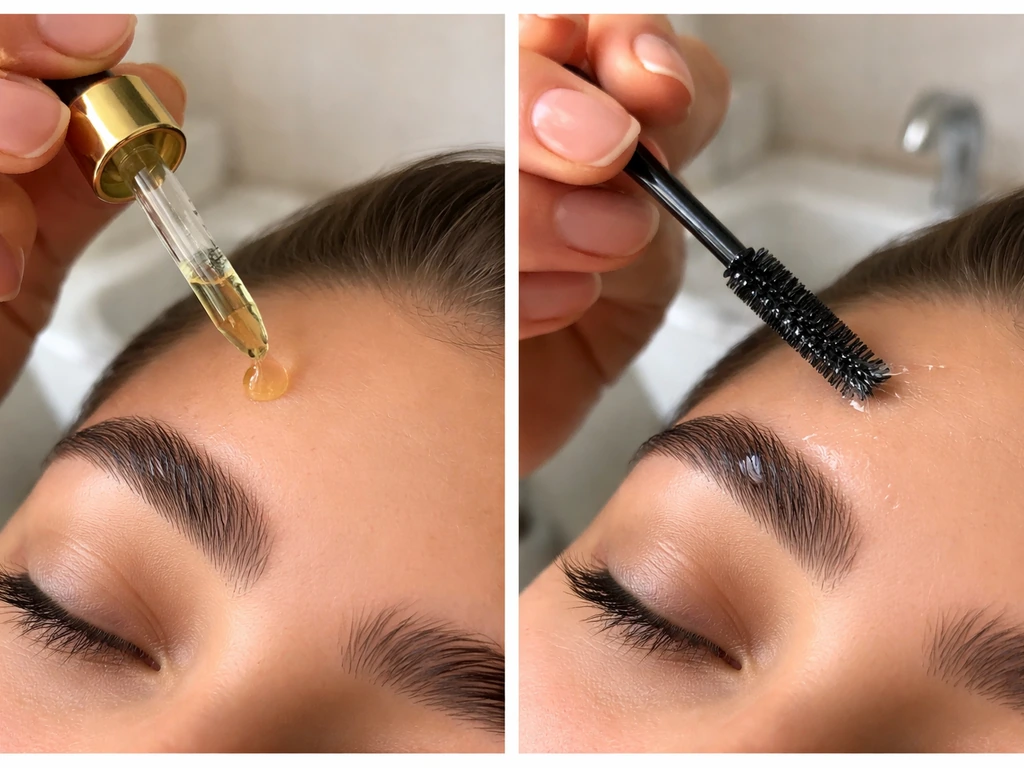
If your goal is genuinely thicker or faster-growing brows, Vaseline alone isn't going to get you there. But it can be a useful base in a broader routine. Here's how to think about combining it.
What to combine it with
- Castor oil: Apply a thin layer of castor oil to brows before your Vaseline step. Castor oil contains ricinoleic acid, which has shown some anti-inflammatory properties that may support follicle health. It also coats and thickens the appearance of hairs. Apply castor oil first, let it sit, then seal with the tiniest amount of Vaseline to lock it in. This is a simple nightly combo I've seen genuinely improve brow appearance over 8 to 12 weeks.
- Rosemary oil (diluted): A 2015 study found diluted rosemary oil comparable to 2% minoxidil for scalp hair growth. Dilute 2 to 3 drops in a carrier oil like jojoba, apply to brows, and follow with a light occlusive layer. Don't use it undiluted near the eye area.
- A nutritious diet: Hair growth depends on protein, biotin, iron, and zinc. If you're nutritionally deficient in any of these, no topical product will fully compensate. This is especially relevant for brow loss related to thyroid issues or restrictive dieting.
What to avoid
- Overplucking while trying to regrow. Even pulling a single hair back out resets that follicle's growth cycle.
- Heavy daily makeup on brows, especially if you're removing it aggressively. Rubbing and tugging during removal causes more hair loss than most people realize.
- Using too much Vaseline if you have oily or acne-prone skin around your brows. It can block follicles and cause breakouts or mild folliculitis.
- Expecting results in days. Set a 6 to 8 week minimum before you assess whether the routine is working.
Using Vaseline around eyelashes too: what's safe
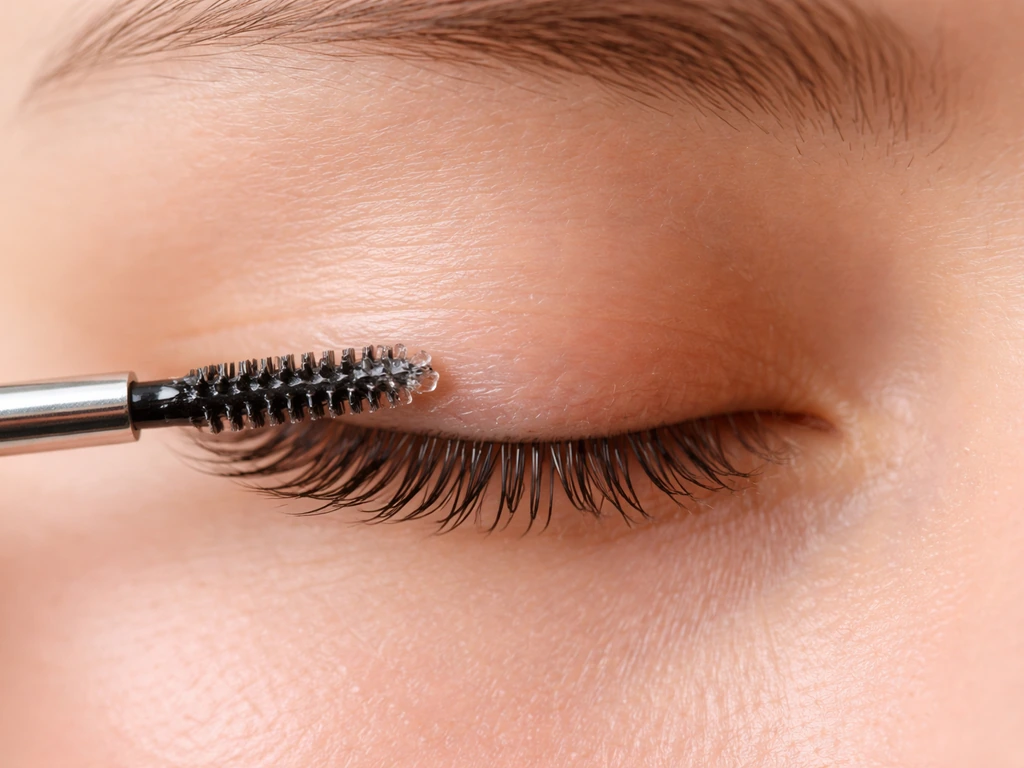
A lot of people searching for brow growth tips are also curious about using Vaseline on their lashes. The same logic applies: it can condition and protect lashes, but it won't pharmacologically stimulate lash growth. Vaseline's own brand website specifically cautions against using the product close to the eye area for eyelash-related claims, and Medical News Today advises avoiding petroleum jelly directly in the eye or on the very edge of the eyelid.
If you want to use Vaseline on lashes, apply a tiny amount with a clean spoolie to the lash hairs themselves, not the waterline or inner lash line. The outer lash shaft is fine. Getting Vaseline in your eye can temporarily blur vision (it's greasy) and introduces contamination risk if the jar or applicator isn't kept clean. Ophthalmic-grade petrolatum ointments do exist for medical eye lubrication, but they're specifically formulated and tested for that purpose, which is different from the standard cosmetic Vaseline in your bathroom cabinet.
The safest routine for brows and lashes together: apply any active ingredient (castor oil, rosemary oil) to brows first, let it absorb for a few minutes, then apply a small amount to lash shafts only using a clean spoolie. Finish with Vaseline on brows as a sealant. Avoid the lid margin and eye itself entirely.
Options that actually drive regrowth (when Vaseline isn't enough)
If you've been consistent with a Vaseline routine for 2 to 3 months and aren't seeing the improvement you need, it's time to look at ingredients and treatments that have clinical evidence behind them.
| Option | Evidence Level | What It Does | Realistic Timeline | Best For |
|---|---|---|---|---|
| Minoxidil 2% (topical) | Strong (RCTs) | Stimulates follicle activity and prolongs growth phase | 2 to 4 months for visible change | Genuine regrowth, thinning brows, hypotrichosis |
| Bimatoprost 0.03% | Strong (Phase 3 RCTs) | Prostaglandin analog that extends anagen phase, increases density | Improvement by month 2, marked by month 7 | Significant hypotrichosis, medically-driven loss |
| Rosemary oil (diluted) | Moderate (1 scalp RCT, limited brow data) | Anti-inflammatory, may improve circulation to follicles | 8 to 16 weeks | Mild thinning, natural approach, maintenance |
| Castor oil | Anecdotal/low evidence | Coats and conditions hairs, ricinoleic acid may support follicle environment | 6 to 12 weeks for appearance improvement | Conditioning, dryness, minor thickness boost |
| Vaseline (petroleum jelly) | No growth evidence | Occlusive barrier, reduces breakage, improves look of existing hairs | 2 to 4 weeks for appearance improvement | Dry/brittle brows, conditioning support, protective layer |
| Eyebrow transplant | High (surgical) | Moves follicles from donor site to brow area | 6 to 12 months for full result | Scarring, permanent follicle loss, severe cases |
Minoxidil and bimatoprost are the only options with solid clinical data specifically for eyebrow regrowth. A randomized controlled study comparing topical minoxidil 2% versus bimatoprost concentrations found both effective for eyebrow hypotrichosis. Bimatoprost has Phase 3 trial data showing marked improvement by month 7 in 357 participants. These aren't things you apply and forget: they require consistency and have their own potential side effects, so a dermatologist consultation is worth it if you're going that route.
For people whose brow loss is cosmetic rather than medical (post-waxing, light overplucking, just naturally sparse), the castor oil plus rosemary oil plus Vaseline routine is a reasonable first step for 8 to 12 weeks. If that doesn't move the needle, that's your signal to see a dermatologist and discuss minoxidil or bimatoprost.
Petroleum jelly-adjacent products like Aquaphor or plain petroleum jelly function similarly to Vaseline for conditioning purposes, and the question of whether petroleum jelly broadly helps brow growth is really the same conversation. If you are wondering, does petroleum jelly help eyebrows grow, the answer is that it mostly conditions and protects rather than stimulates new growth petroleum jelly broadly helps brow growth.
If you're also considering products like Carmex, keep in mind the evidence and expectations are similar, so you may be better off focusing on what can carmex help grow eyebrows instead. If you are wondering about lip balms specifically, the same takeaway applies: they may condition and protect, but they usually do not create true regrowth does lip balm help eyebrows grow. If you're asking does lip balm help eyebrows grow, the key idea is similar: most products condition and protect more than they truly stimulate new growth petroleum jelly broadly helps brow growth.
The bottom line: use Vaseline for what it's actually good at (protecting, conditioning, grooming), pair it with actives that have real evidence (castor oil and rosemary for mild cases, minoxidil or bimatoprost for real regrowth needs), and give any routine at least 8 weeks before you decide if it's working. Sparse brows are frustrating, but they respond to the right approach, just not overnight.
FAQ
How long should I use Vaseline on my eyebrows before I decide it is not working?
Give it at least 8 weeks if your goal is better fullness from less breakage and improved conditioning. If you have not seen reduced flaking and a noticeable cosmetic improvement by then, it is unlikely Vaseline will deliver the kind of regrowth you are hoping for.
Can Vaseline make eyebrows look thicker immediately?
Yes, temporarily. Vaseline can smooth and coat existing brow hairs so they lie flatter and appear more uniform right away. That visual change does not mean new follicles have started producing hair.
Where exactly should I apply Vaseline on my brows to reduce the risk of clogged pores?
Use a tiny amount only on the eyebrow hairs and, if needed, a very light layer on the skin directly under the brows. Avoid applying it heavily around active pimples or right at the edge of the follicle openings, because thick occlusion can increase the risk of folliculitis in acne-prone areas.
Is it better to apply Vaseline at night or in the morning?
Night application is usually better. In the morning it can feel greasy, smear into makeup, and make the brow area look shiny. If your skin is extremely dry, you can use a very thin daytime layer, but keep it minimal to avoid buildup.
Should I stop using Vaseline if my brow area gets itchy or breaks out?
Yes. Itching, new bumps, or increased redness can be a sign your skin does not tolerate the occlusion. Stop, switch to a lighter moisturizer, and consider seeing a dermatologist if the reaction keeps happening.
Will Vaseline help if I have eyebrow hair loss from a medical condition?
It can protect and soothe the skin, but it will not treat the underlying cause. If hair loss is sudden, patchy, associated with itching or scaling, or you have symptoms beyond the brows, it is worth getting evaluated rather than relying on Vaseline.
Can I use Vaseline after waxing to help regrowth look less patchy?
It can help during recovery by reducing dryness and irritation, which may make early regrowth look more even. Still, waxing does not permanently remove follicles in most people, so the expected regrowth timeline is the same, typically months, not weeks.
Is castor oil or rosemary oil still necessary if I am already using Vaseline?
Not required. Vaseline is mainly a sealant and conditioner. If you are using castor or rosemary oil, consider them the active part, and apply a small amount first, then seal with a thin layer of Vaseline, only if your skin tolerates it.
Does Vaseline work better than Aquaphor or other petroleum-based products for eyebrow growth?
For conditioning and barrier support, they function similarly because they are petroleum-based. The bigger difference is how the product feels and how your skin reacts, so choose the one that does not cause irritation or clogging for you.
When should I consider evidence-based treatments instead of Vaseline?
If you have not achieved meaningful cosmetic improvement after 2 to 3 months, or if you have clinically significant hypotrichosis, consider discussing topical options with a dermatologist. Treatments like minoxidil or bimatoprost have stronger evidence for true regrowth than petroleum jelly.
Next Article
Does Vitamin E Oil Help Eyebrows Grow? Safe Routine & Timeline
Find out if vitamin E oil helps eyebrow growth, plus a safe routine, timelines, and what works better.