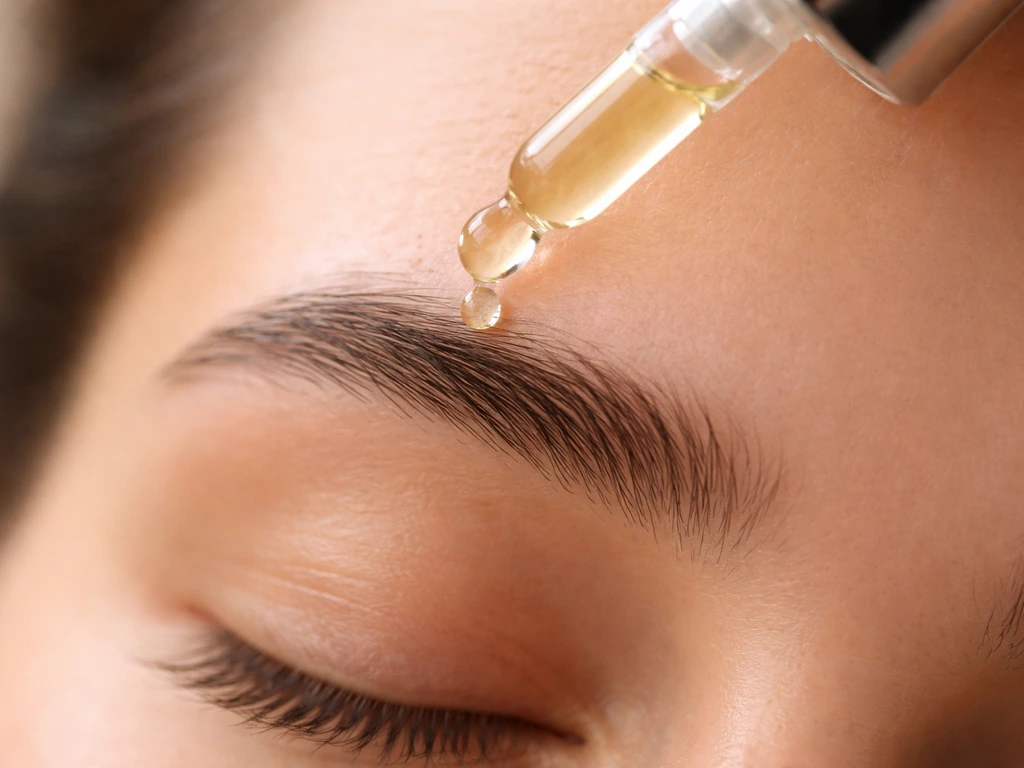
If you want fuller, thicker eyebrows, the honest answer is: a combination of stopping the damage, being consistent with a topical treatment, and giving it real time. Does collagen help eyebrows grow? The short answer is that it is not a proven primary treatment, but it may support overall skin and hair health in some people fuller, thicker eyebrows. There is no overnight fix. But there are things that genuinely work, and once you understand why growth is slow in the first place, the whole process becomes a lot less frustrating. Here is everything you need to know, in order of what actually matters.
What Helps Eyebrows to Grow Back: Timeline and Tips

James Whitmore
21 Apr 2026
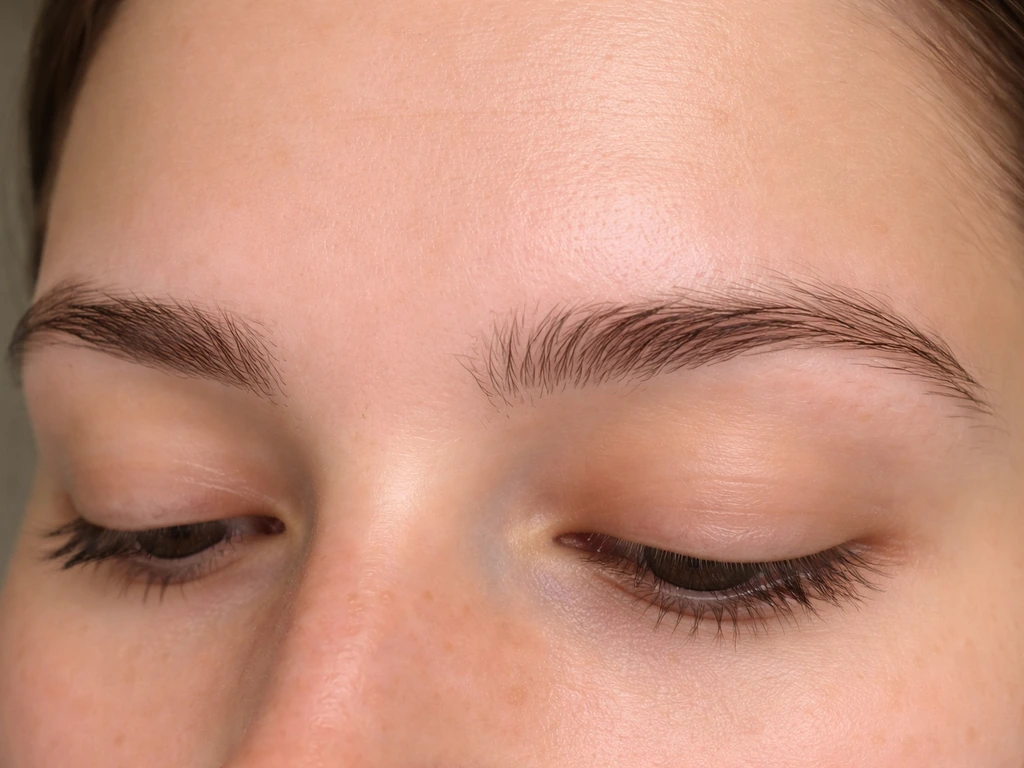
How eyebrow hair actually grows (and why yours may be thin)
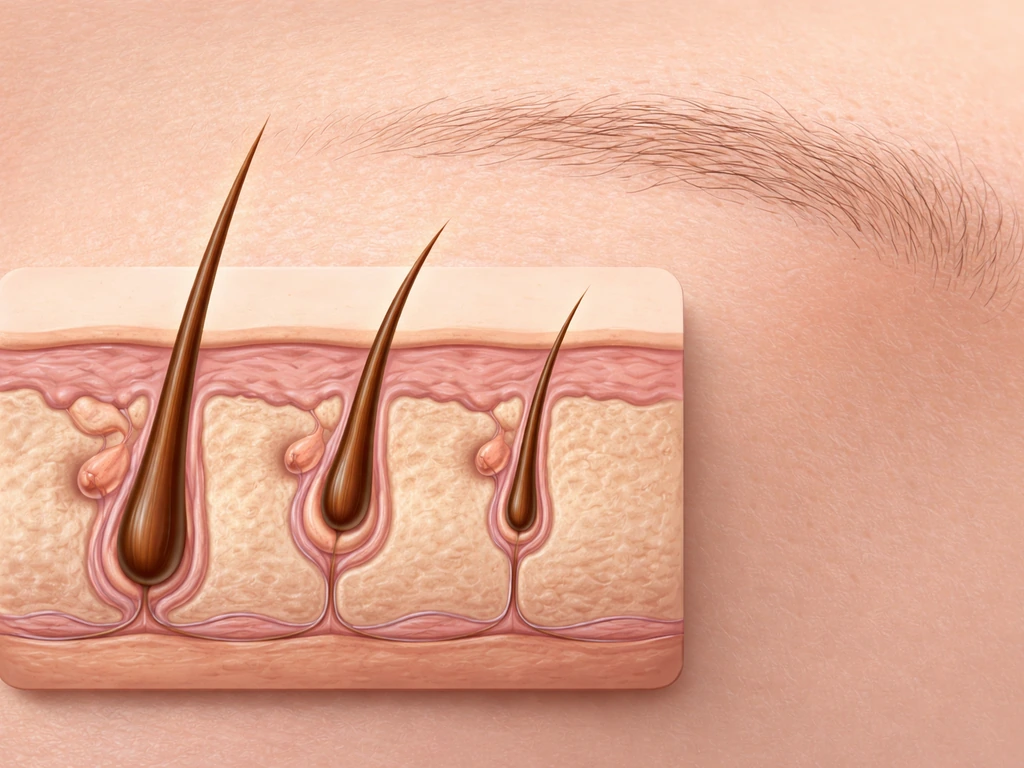
Every single hair on your body follows the same three-phase cycle: anagen (active growth), catagen (regression), and telogen (resting and eventual shedding). For scalp hair, the anagen phase can last several years, which is why head hair can grow very long. For eyebrow hair, anagen lasts only a few months total, which is why your brows have a natural length limit and why regrowth after any kind of disruption takes noticeably longer than you might expect.
After the growth phase ends, the follicle enters catagen (roughly 1 to 2 weeks), then telogen, where it rests before shedding and restarting. For eyebrow hairs specifically, research estimates the full cycle completes in around 4 months, with the telogen resting phase alone taking roughly 2 to 3 months. One estimate puts site-specific regrowth at around 61 days from the end of the shedding phase. That math explains a lot: by the time a new brow hair is long enough to be visible, the better part of a season has passed.
So why are your brows thin in the first place? The most common reasons are repeated plucking or waxing over many years, a nutritional gap (protein, biotin, iron, or zinc), a hormonal shift (thyroid issues, post-pregnancy changes, menopause), a skin condition like eczema or seborrheic dermatitis affecting the follicle, or simply genetics.
Harvard Health notes that the evidence linking specific vitamins and minerals, including biotin, to hair loss is conflicting and recommends checking confirmed deficiencies rather than assuming supplements help a nutritional gap (protein, biotin, iron, or zinc).
Age also plays a role: brow hair tends to thin naturally from your 40s onward as anagen phases shorten. Identifying your most likely cause helps you choose the right approach, and it is the first thing to think about before reaching for any product.
Quick wins to help eyebrows grow faster (habits you can start today)
Before you spend money on serums, nail the basics. These habits will not replace a good topical treatment for serious thinning, but they remove the obstacles that slow growth down and they cost nothing.
- Stop all plucking, waxing, and threading and let the follicles fully recover. Every time you pull a hair in its anagen phase, you shorten the time it spends growing and, if repeated long enough, you can permanently scar the follicle matrix. Give your brows a genuine break of at least 8 to 12 weeks.
- Eat enough protein. Hair is made of keratin, a protein, and deficiency is one of the fastest routes to slowed growth or shedding. Aim for at least 0.8 grams of protein per kilogram of body weight daily from whole food sources.
- Check your iron and zinc levels. Both deficiencies are strongly linked to hair loss and are surprisingly common, especially in women. A simple blood panel from your doctor can confirm whether you have a gap worth supplementing.
- Be gentle when cleansing. Harsh scrubbing of the brow area can irritate follicles. Use a gentle cleanser and pat dry rather than rubbing.
- Protect the area from sun damage. UV exposure degrades skin structure around follicles over time. An SPF-containing moisturizer on the brow area is a small, worthwhile habit.
- Consider a gentle daily brow massage. Massaging the brow area for 1 to 2 minutes daily may improve local circulation. The evidence is modest, but it is safe, free, and can help product absorption when you apply an oil or serum right after.
How to regrow brows after damage (shaving, waxing, plucking, over-tweezing)
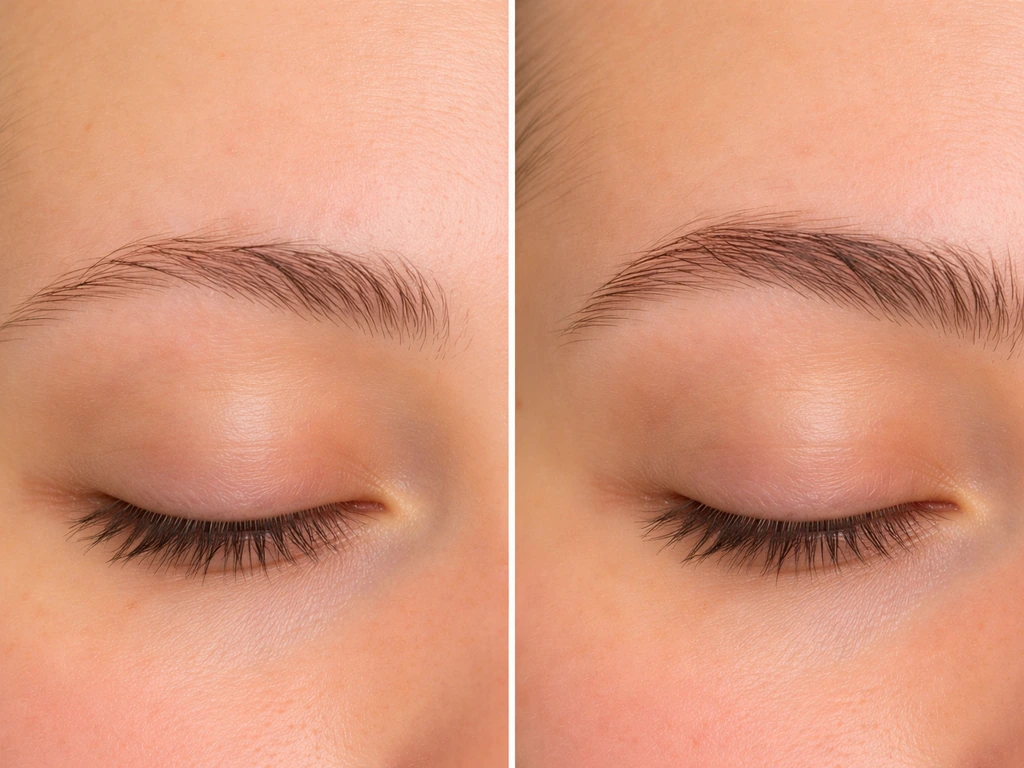
Regrowth after a one-time event, like shaving your brows for a costume or a single waxing session that went too far, is generally straightforward. The follicles are intact, they just need time to cycle through. Expect to wait 4 to 6 months before you see close to your original fullness, because different follicles are at different stages of the cycle at any given time.
Regrowth after years of over-tweezing is a different story. Repeated mechanical epilation, especially during the anagen phase, can damage the follicle matrix over time. This does not always cause permanent loss, but it does explain why many people find their brows come back thinner and patchier after years of heavy shaping. The good news is that many follicles that appear dormant are actually in a prolonged telogen phase rather than permanently gone, and the right topical treatment can sometimes coax them back into anagen.
The most important step in a regrowth scenario is simply to stop the trauma completely. You cannot regrow what you keep pulling out. After that, focus on keeping the skin around the follicle healthy (gentle cleansing, no harsh exfoliants in that zone), and add a growth-supporting topical to the area. If you are deciding what to eat to grow eyebrows, focus first on adequate protein, iron, zinc, and biotin, since nutrition supports healthy follicle cycling growth-supporting topical. If patchiness is significant or if you have been trying for 6 months with no improvement, that is a signal to see a dermatologist rather than keep experimenting alone.
Products that actually help: oils, serums, and active ingredients
There are two broad categories here: cosmetic oils and conditioning serums on one side, and clinically active ingredients like minoxidil on the other. They are not the same, and knowing the difference prevents a lot of wasted months.
Minoxidil: the strongest over-the-counter option
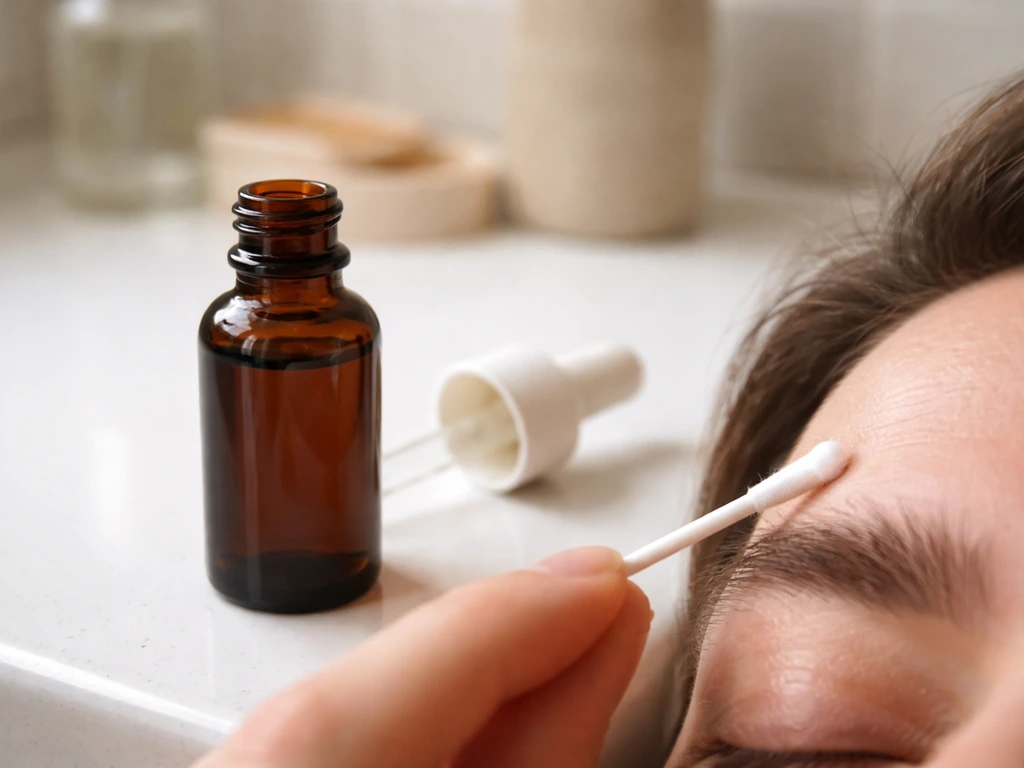
Minoxidil is a vasodilator that was originally developed as a blood pressure medication and later found to stimulate hair growth. It is FDA-approved for scalp use, but using it on eyebrows is off-label. That does not mean it is ineffective, it just means fewer large clinical trials exist specifically for brows. One study on eyebrow hypotrichosis used a 1% topical minoxidil solution and found measurable improvement. Research using the more common 2% and 5% concentrations for brow use is limited, but dermatologists do recommend it for this purpose in practice.
The safety profile requires real attention when applying near the eyes. The official product labeling warns explicitly against eye contact, flags the risk of contact dermatitis and scalp (or in this case, skin) irritation, and notes that product migration can cause unwanted facial hair in areas you did not intend to treat. If you use minoxidil on brows, apply it with a cotton swab rather than a dropper, use the lowest effective concentration (1% or 2% rather than 5%), apply once daily to start, and keep it well clear of the eye margin. If you notice persistent redness, itching, or irritation, stop and consult a dermatologist.
Peptide and bimatoprost serums
Several dedicated brow serums on the market use peptide complexes (like a myristoyl pentapeptide) designed to stimulate follicle activity. The evidence for these is thinner than for minoxidil, but some users see modest improvement over 3 to 4 months of consistent use. Bimatoprost, a prostaglandin analog, is a prescription option (originally used for glaucoma) that has demonstrated real brow and lash growth in clinical settings. If over-the-counter serums are not producing results after several months, bimatoprost is worth asking a dermatologist about.
How to choose between options
| Option | Evidence Level | Best For | Key Caution |
|---|---|---|---|
| Minoxidil 1–2% topical | Moderate (off-label, limited brow-specific trials) | Significant thinning, post-tweezing regrowth, persistent sparse patches | Avoid eye contact, risk of facial hair migration, not for use during pregnancy |
| Peptide brow serums | Low to moderate (industry studies, limited independent trials) | Mild thinning, maintenance, lower-risk starting point | Results are slow and modest; ingredients vary widely by brand |
| Bimatoprost (prescription) | High (clinical trial data for lash/brow growth) | Significant or medical-cause loss, when OTC options have failed | Prescription only, possible iris pigmentation change with eye contact |
| Castor/rosemary oil | Low (mechanistic plausibility, no strong clinical brow data) | Mild thinning, conditioning, complementary to stronger treatments | Allergic contact dermatitis possible; evidence is limited |
| Biotin supplements | Very low for hair growth specifically | Only useful if you have a confirmed biotin deficiency | Most people are not deficient; excess has no added benefit |
Natural and home remedies worth trying (and how to use them safely)
Natural remedies are genuinely popular in this space, and a few of them have enough biological plausibility to be worth trying, especially if you want to start with something low-risk while deciding whether to move to stronger treatments. What you need to hear upfront, though, is that none of the options below have strong, randomized clinical trial evidence specifically for eyebrow growth. They are not useless, but they are also not magic.
Castor oil
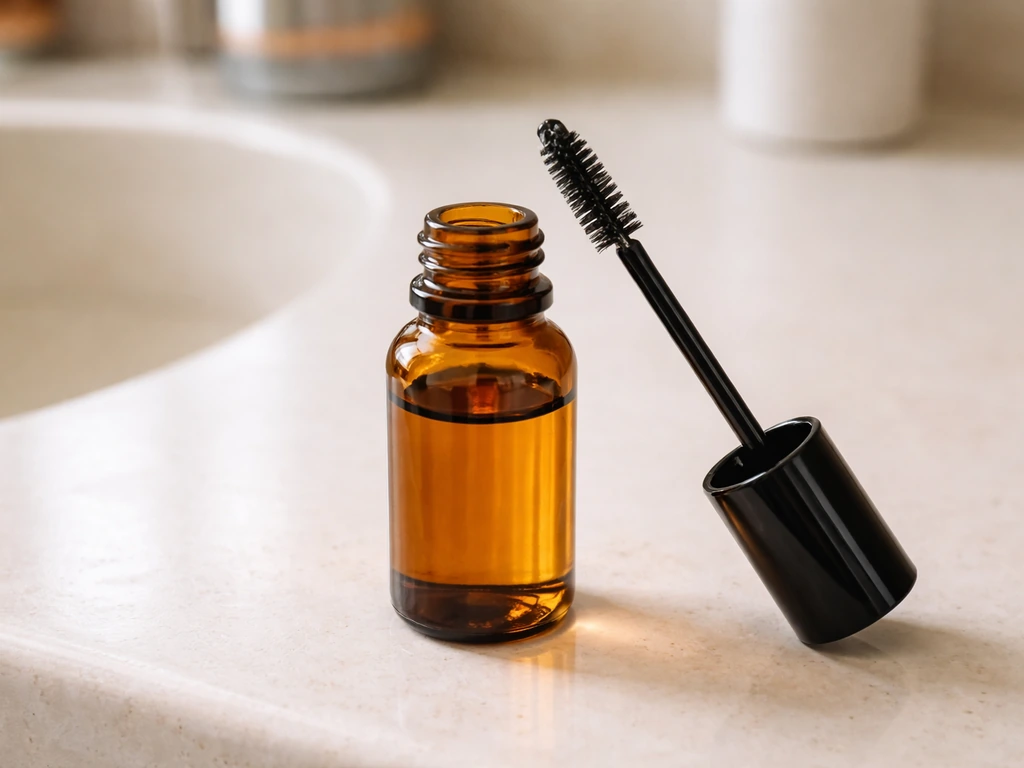
Castor oil is the most popular home remedy for brow growth, and it has been for decades. The evidence behind it is largely cosmetic and mechanistic rather than from clinical trials. Its main active component, ricinoleic acid, has some anti-inflammatory properties, and the oil itself acts as a good occlusive conditioner that may reduce breakage and keep hairs that are growing from falling out as quickly.
It is not going to restart dormant follicles on its own, but for mild thinning or as a supportive treatment alongside something stronger, it is low-risk and worth trying. Apply a small amount to a clean spoolie or your fingertip and stroke it through the brow area nightly. Patch test on your inner arm first because contact dermatitis reactions do occur, and because you are applying near your eyes, be careful with the amount.
Rosemary oil
Rosemary oil has the best evidence of any natural oil for hair growth, though that evidence is for scalp hair, not eyebrows specifically. A randomized comparative trial found that rosemary oil performed comparably to 2% minoxidil for androgenetic alopecia at 6 months, though importantly it did not show a significant difference in mean hair count at the 3-month mark. The active mechanism is thought to involve improved scalp circulation and possible inhibition of DHT (dihydrotestosterone).
For brows, the logic transfers plausibly, but the evidence is indirect. Use diluted rosemary essential oil (2 to 3 drops per teaspoon of a carrier oil like jojoba) rather than neat, to avoid skin irritation. Apply nightly and be consistent for at least 3 months before judging results.
Aloe vera
Aloe vera is soothing and anti-inflammatory, and a healthy follicle environment is partly about reducing inflammation. It contains enzymes that may support scalp (and skin) health. Like castor oil, it is more of a supportive player than a growth driver, but it is gentle enough to use nightly and can be layered under an oil without issue. Aloe vera can be used as a soothing, anti-inflammatory supportive option, but it is not typically a strong growth driver for brows.
A note on honey and tea tree oil
Honey has well-documented wound-healing and antimicrobial properties, and some people use it on brows as a conditioning mask. There is no direct clinical evidence it stimulates eyebrow follicles, though keeping the skin healthy around those follicles is never a bad thing. Tea tree oil, on the other hand, requires more caution near the eye area.
It is a potent antimicrobial, but it is also a common cause of contact dermatitis, and a study examining its use near the eyelid area specifically screened participants to exclude existing dermatitis. Near-eye application of tea tree oil is something to approach very carefully, and it is not a first-line recommendation for eyebrow growth. If you are considering tea tree oil, use it extremely sparingly and avoid the eye area, because it can irritate or trigger contact dermatitis.
How long it takes and what to realistically expect
This is the part most articles gloss over, so here are honest numbers. Given that the full eyebrow hair cycle runs roughly 4 months, and that follicles at different stages need time to synchronize their restart, most people should expect at least 3 to 4 months of consistent treatment before they see meaningful change. Before the 6-week mark, you are unlikely to see anything at all. Between weeks 6 and 12, you might notice fine new hairs appearing in sparse areas. Real fullness, if it is going to happen, usually becomes visible between months 3 and 6.
What to watch for at each stage:
- Weeks 1 to 6: No visible change expected. This is the setup phase. Stay consistent.
- Weeks 6 to 12: Fine, light hairs may appear in previously bare spots. These are real progress, not just vellus hair, if the follicle was dormant rather than dead.
- Months 3 to 6: Hairs begin to pigment and thicken. Density should start improving if the treatment is working.
- Beyond 6 months: If you have seen zero improvement after 6 months of consistent, correct application of an active treatment like minoxidil, it is time to reassess with a dermatologist. Either the cause of your thinning needs a different treatment, or follicle loss may be more permanent than initially thought.
One thing worth setting expectations on: regrowth after over-tweezing may never fully restore your original brow density if follicle damage was extensive. Many people recover 80 to 90 percent of their original fullness, but some permanent thinning is possible. That is not a reason to give up trying, it is just an honest framing so you do not keep chasing a result that may require professional help (or simply filling in with makeup) to achieve.
When to stop experimenting and see a professional
Home treatments cover a lot of ground, but there are situations where they are not the right starting point or where continuing without medical input is actively wasting your time. See a board-certified dermatologist if any of the following applies.
- Your brow loss is patchy, asymmetric, or came on suddenly without an obvious cause (like a waxing accident). Patchy sudden loss is a hallmark of alopecia areata, an autoimmune condition. Topical minoxidil or oils will not address the underlying immune activity driving it, and treatments like topical immunotherapy or JAK inhibitors may be needed. Cleveland Clinic notes that early evaluation by a dermatologist is important for alopecia areata affecting brows and lashes.
- You have other symptoms alongside brow thinning: fatigue, cold sensitivity, unexplained weight changes, or dry skin. These point toward thyroid dysfunction, which is a medical issue, not a cosmetic one. Treating a thyroid condition is what restores hair in that context.
- You have tried a consistent topical treatment correctly for 6 full months with no improvement.
- You notice redness, scaling, or itching in the brow area. This may indicate seborrheic dermatitis or another inflammatory skin condition that is suppressing follicle function and needs targeted treatment before any growth remedy can work.
- You developed a reaction (redness, swelling, persistent irritation) to a product applied near the eyes. Periocular skin is among the most sensitive on the body, and allergens in cosmetics applied in this area are a recognized dermatology concern.
If none of those red flags apply and your situation is simply slow regrowth or mild thinning, you do not need a doctor first. Start with the habit changes, add castor or rosemary oil for 6 to 8 weeks, and escalate to a 1 to 2% minoxidil if you are not seeing any progress. Give each stage a real runway of 8 to 12 weeks before deciding it is not working.
Patience is genuinely the most underrated part of growing eyebrows back. If you are wondering whether brushing your eyebrows helps, it is not a primary growth treatment, but it can help with gentle spreading of oils or even stimulation as a supportive habit. Does massaging your eyebrows make them grow? Evidence is limited, but gentle habits may help support healthier hair growth.
FAQ
How long should I wait before concluding that what helps eyebrows to grow isn’t working for me?
If you stop tweezing or waxing, you generally avoid further follicle injury, but visible progress still depends on where hairs are in their cycle. That means you may see new, finer hairs before your brows look fuller, and true thickness can lag by several months even when you do everything right.
Can I wear makeup or get brow tinting while using minoxidil or brow serums?
Yes, but only if you do it carefully. If you use minoxidil, apply it with minimal product and keep it well away from the eye margin, then let it fully dry before makeup or brow tinting. If irritation starts, stop tinting and switch to a gentler regimen to avoid compounding contact dermatitis risk.
What should I prioritize in my diet if my brows are thinning (and do I need biotin or iron supplements)?
Protein matters most if your overall intake is low, and the same is true for minerals that support hair cycling. A practical approach is to aim for adequate daily protein, include iron and zinc rich foods (or address known deficiencies), and use biotin only if you suspect a gap, because high-dose supplements can be unnecessary.
Can I combine castor oil or rosemary oil with minoxidil, or should I use them separately?
Do not use multiple growth actives at the same time at first. Combining a natural oil with minoxidil might increase irritation for some people, especially near the eyes. A safer approach is to introduce one change at a time for 6 to 8 weeks so you can tell what is helping and what is irritating.
How do I patch test oils or serums safely when applying near my eyebrows?
Patch testing is especially important around brows because reactions can show up as redness or itching on the eyelid area. Test on a small area away from the eye first, wait 24 to 48 hours, and if you have sensitive skin or a history of eczema, be extra cautious with essential oils like rosemary or tea tree.
If my eyebrows have patchy bald spots, what helps to grow them, and when is it unlikely to fully recover?
Over-tweezing can lead to two problems, hairs that are in a prolonged resting phase and, in some cases, true follicle matrix injury. If you have patchy gaps that do not improve after a consistent 3 to 6 month effort, a dermatologist can check for other causes like dermatitis or scarring conditions and discuss prescription options.
What should I do if using what helps eyebrows to grow causes redness or itching?
If you get contact irritation, it does not mean minoxidil is necessarily “bad,” but it does mean you may need a different concentration, less frequent use, or a different product base. Stop if symptoms persist, and bring the exact product and how you applied it to a dermatologist so they can rule out dermatitis and suggest alternatives like prescription prostaglandin options.
Why would minoxidil cause extra hair on my forehead or around my face?
That can happen, especially with minoxidil if the product migrates. If you apply with a cotton swab, use the lowest concentration you’re trying (such as 1% or 2%), and apply once daily at first, you reduce the chance of unwanted hair beyond the brow area.
Does brushing my eyebrows actually help eyebrow regrowth, or is it just a styling habit?
Brushing can support distribution and may help with overall grooming, but it should not replace a growth strategy if you are dealing with true thinning. If you brush, keep it gentle, use clean tools, and avoid picking or dragging the hairs during the first weeks of treatment when follicles are cycling.
What’s the best next step if I see no new hairs after 2 to 3 months?
If there is no meaningful change by the time you’ve tested consistently for about 8 to 12 weeks, it is usually not a “wait longer” situation. You can adjust one variable at a time, but if there is still no improvement or you have significant patchiness, it is a good moment to get a dermatologist assessment.
Next Article
Does Vitamin E Oil Help Eyebrows Grow? Safe Routine & Timeline
Find out if vitamin E oil helps eyebrow growth, plus a safe routine, timelines, and what works better.