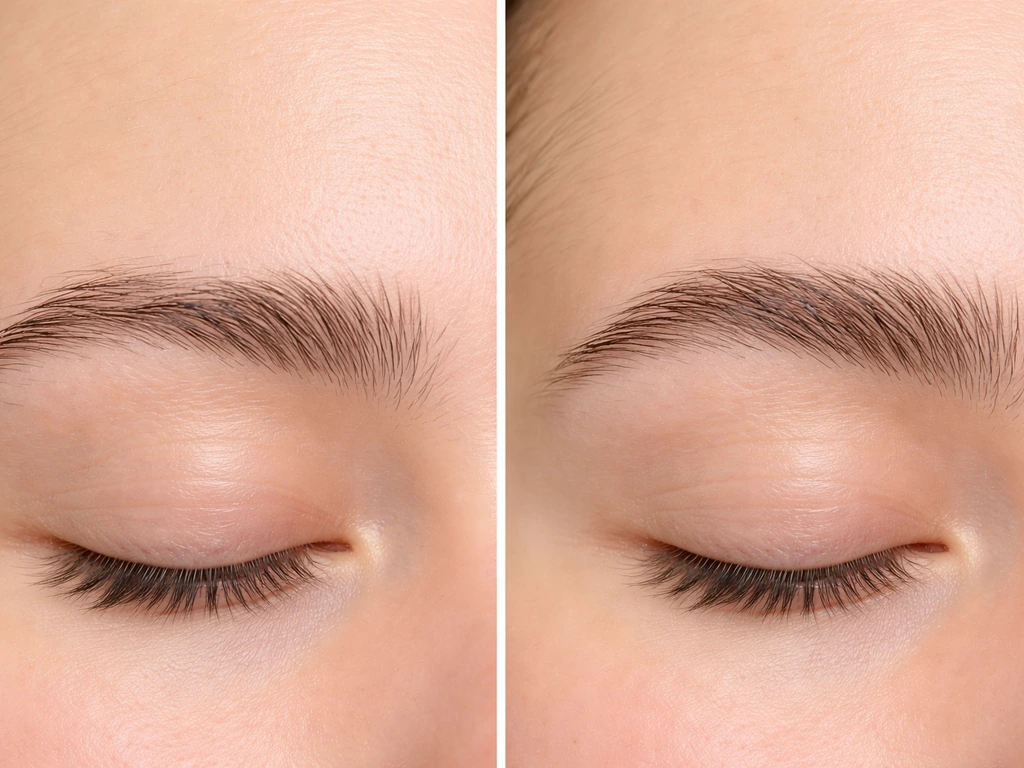
You cannot grow new eyebrow hairs in 2 days. That's the honest answer, and it's worth saying upfront so you don't waste time chasing something biologically impossible. What you can do in 48 hours is make your brows look visibly fuller through smart grooming, conditioning, and a little cosmetic help, while also starting a routine that supports real regrowth over the next 2 to 4 weeks. That combination is exactly what this guide covers.
How to Grow Eyebrows Fast in 2 Days and 2 Weeks Naturally

James Whitmore
17 May 2026
What's actually possible in 2 days (and what isn't)
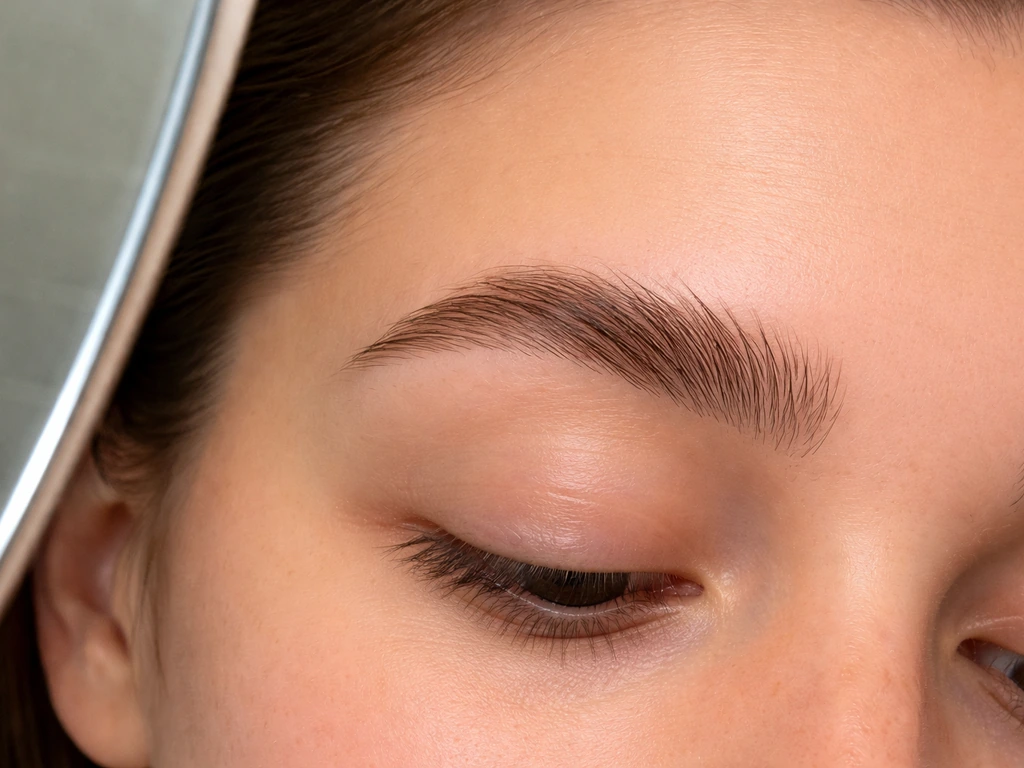
Eyebrow hairs go through a growth cycle just like scalp hair, but the timeline is much shorter. The active growth phase (anagen) for brow hairs lasts roughly 10 weeks, and the full cycle from growth to rest to shedding takes about 3 to 4 months. When a hair falls out or gets plucked, the follicle needs to restart that cycle before a new shaft even begins pushing through the skin. That biological process cannot be accelerated to 48 hours, no matter what oil or serum you use.
So what does happen in 2 days? Three things, realistically: you can reduce inflammation and irritation that may be suppressing your existing hairs, you can condition and hydrate the hairs already above the skin so they lie better and look less sparse, and you can use grooming and cosmetic tricks to fill gaps visually. None of that is regrowth in the biological sense, but the visual result can be genuinely noticeable. If you're working toward a longer goal like growing back over-plucked brows or recovering from waxing damage, the 2-day window is really about setting the stage for regrowth that takes 2 to 4 weeks to become visible.
Your 48-hour plan to look fuller right now
Think of this as two parallel tracks: what you do to improve appearance immediately, and what you do to start supporting the follicles underneath. Run both at the same time.
Morning of Day 1
- Brush your brows upward and outward with a clean spoolie. You'll be surprised how many hairs are lying flat or in the wrong direction, making your brows look thinner than they are.
- Apply a tiny amount of clear brow gel or even a touch of petroleum jelly to hold the hairs in place after brushing. This alone adds visible density.
- If you want more coverage, use a brow pencil or powder that's one shade lighter than your natural hair color for a natural result. Fill in sparse patches with light, hair-like strokes rather than blocks of color.
- Avoid plucking anything for at least the next 2 weeks. Every hair you remove now is one less hair contributing to fullness.
Night of Day 1 (and every night after)
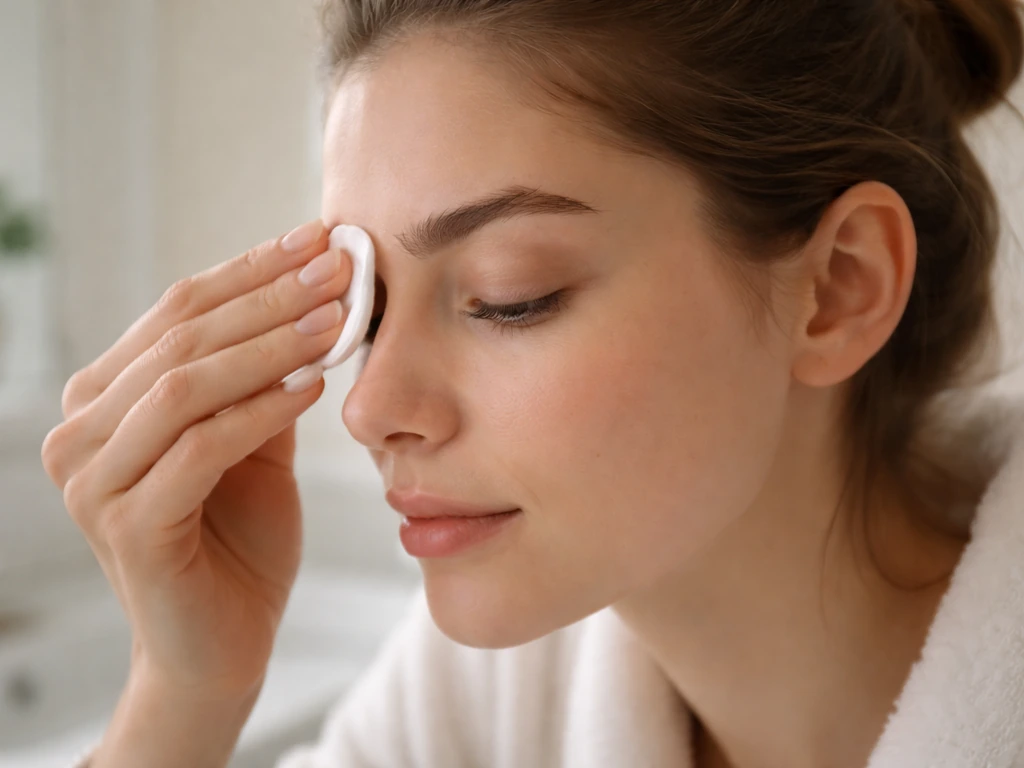
- Cleanse the brow area gently to remove makeup, oil buildup, and product residue. A clogged follicle environment doesn't help regrowth.
- Apply your chosen growth-supporting oil or treatment (covered below) using a clean spoolie or fingertip. Use gentle, circular motions to encourage circulation.
- Leave it on overnight and rinse in the morning. Consistency matters far more than the specific product you choose.
Morning of Day 2
Rinse off the overnight treatment, pat dry, and repeat the grooming routine from Day 1. After 48 hours of conditioning, your existing hairs should look slightly more hydrated and manageable, which translates to a fuller appearance when styled. Keep the routine going, because this is just the beginning.
Natural oils that actually help (castor oil, rosemary, and more)
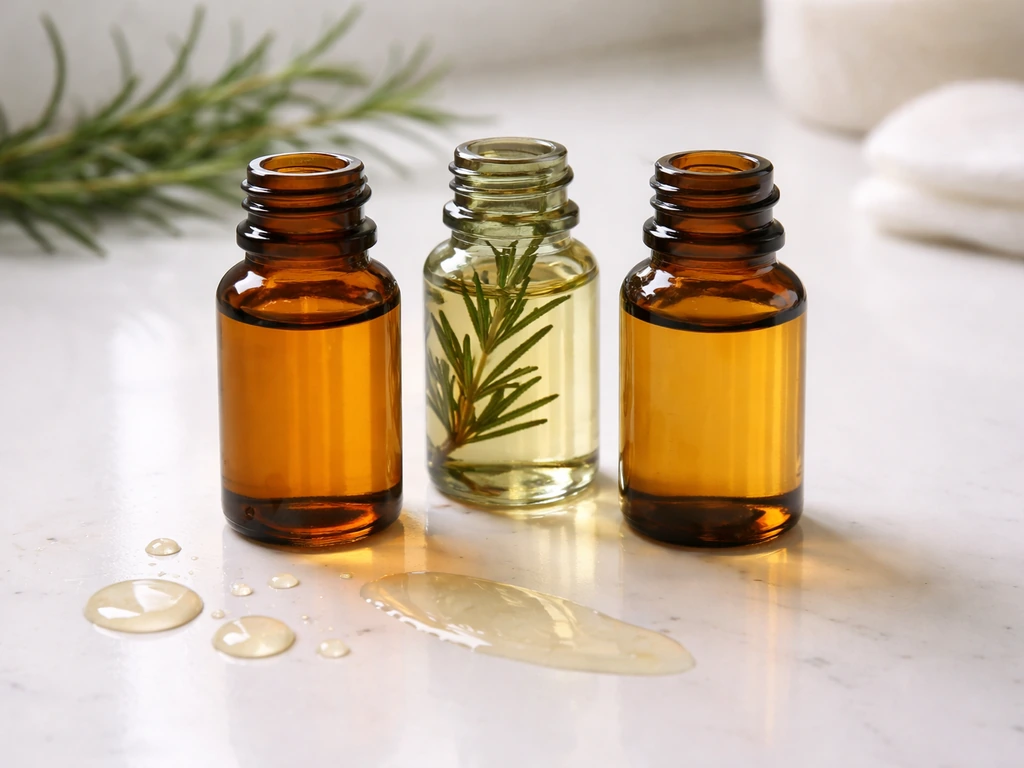
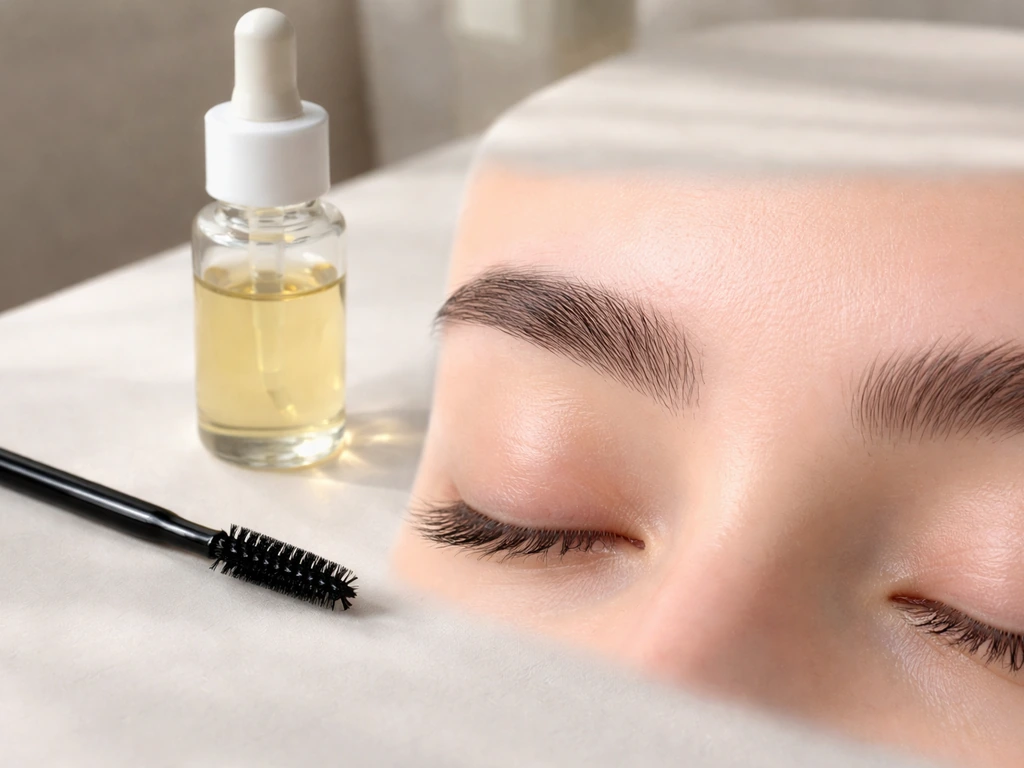
Castor oil is probably the most popular brow growth remedy, and the truth about it is somewhere in the middle. Its main fatty acid, ricinoleic acid, is a good skin conditioner and lubricant, which means it can reduce breakage and improve the texture of existing hairs. There's no strong clinical trial proving it speeds up follicle cycling specifically in eyebrows, but it's low-risk, affordable, and genuinely helps hairs look healthier. Apply a small amount with a clean spoolie before bed, being careful to keep it out of your eyes.
Rosemary oil has better evidence than castor oil for actual hair growth, though that evidence comes from scalp androgenetic alopecia studies, not eyebrow-specific trials. One randomized trial found rosemary oil comparable to 2% minoxidil for scalp hair regrowth over 6 months. People reasonably extrapolate that to brows, and it's a fair guess, but it's worth knowing it's extrapolation. The bigger issue with rosemary oil on the brow area is irritation risk since it's an essential oil close to your eyes. Always dilute it to about 1 to 2% in a carrier oil like jojoba or castor oil before applying it near your face, and do a patch test first.
Patch testing is non-negotiable for any essential oil. Apply your diluted mixture to the inside of your elbow or forearm, wait 24 hours, and check for redness, itching, or swelling before using it near your brows. If you get any reaction, skip it entirely. The brow area is close enough to your eyes that contact dermatitis there is genuinely unpleasant.
| Ingredient | What it actually does | Evidence level | Best use |
|---|---|---|---|
| Castor oil | Conditions hairs, reduces breakage, moisturizes follicle area | Low (anecdotal + mechanistic) | Nightly application with spoolie |
| Rosemary oil (diluted) | May stimulate follicle activity, comparable to minoxidil 2% in scalp trials | Moderate (scalp studies only) | Diluted 1–2% in carrier oil, nightly |
| Jojoba oil | Lightweight conditioning, mimics sebum, reduces breakage | Low (mechanistic) | Good carrier oil for essential oils |
| Minoxidil 2% topical | Clinically shown to increase eyebrow density in RCT | High (brow-specific RCT) | Small amount applied to brows, avoid eyes |
Minoxidil for eyebrows: how to use it and who should avoid it
Minoxidil is the most evidence-backed option on this list for actual eyebrow regrowth. A randomized controlled trial specifically comparing topical minoxidil 2% to bimatoprost for eyebrow hypotrichosis (thin or sparse brows) found that minoxidil meaningfully increased eyebrow growth. That's a real, brow-specific result, not just scalp extrapolation. The catch is that it works on a timeline of weeks to months, not days, so starting it now is a smart move if you're serious about longer-term density.
If you decide to try it, use the 2% liquid or foam formulation (not the 5% unless directed by a dermatologist for this area). Apply a very small amount to each brow once daily using a cotton swab or fingertip, keep it well away from your eyes, and wash your hands immediately after. The liquid formulations often contain alcohol and propylene glycol, which can sting on sensitive or irritated skin. Don't apply it to brows that are already inflamed, broken out, or recently waxed.
A few important safety notes. Minoxidil is not appropriate during pregnancy or breastfeeding. If it gets in your eyes, rinse with plenty of cool water immediately. One real risk specific to brow use is hypertrichosis (unwanted hair growth) on surrounding skin if the product spreads beyond the brow area. Be precise with application and wipe away any excess. Common side effects include local itching, dryness, and flaking, especially in the first few weeks. If you have known sensitivity to minoxidil or its ingredients, skip it entirely and check with a dermatologist.
The 2-week growth plan: what to do and what to expect
Two weeks is enough time to start seeing early signs of regrowth in hairs that were already mid-cycle when you began. You won't have a full transformation, but you may notice small baby hairs starting to emerge in sparse areas, and your existing hairs should look noticeably healthier and better behaved. Here's what a consistent 2-week routine looks like.
| Time of day | Action | Notes |
|---|---|---|
| Morning | Brush brows upward with spoolie | Every day, takes 30 seconds |
| Morning | Apply brow gel or light hold product | Keeps hairs in flattering position all day |
| Morning (optional) | Fill with pencil or powder if desired | Use light strokes, one shade lighter than brow color |
| Night | Cleanse brow area gently | Remove all product and buildup |
| Night | Apply castor oil, rosemary blend, or minoxidil 2% | Pick one and stay consistent; switching constantly doesn't help |
| Ongoing | No plucking, waxing, or threading | Every hair you remove sets the clock back |
By the end of week 1, the main visible change is usually improved hair texture and better grooming. By week 2, some people notice fine new hairs beginning to emerge, particularly if their thinning was caused by over-plucking or a short-term stressor. If you're using minoxidil, meaningful density changes typically show up closer to the 6 to 8 week mark with continued daily use. For comparison, if you're aiming for more substantial regrowth, the honest timeline is closer to 3 to 4 months for a noticeable density change, and full brow restoration after significant over-plucking can take up to 6 months.
Track progress by taking a close-up photo in the same lighting every 7 days. Hair growth is slow enough that daily comparisons are frustrating and misleading. Weekly photos let you actually see what's changing.
Why your brows are sparse in the first place (and how to fix the root cause)
Over-plucking is the most common cause of thin brows, and repeated trauma to the follicle over years can eventually reduce its ability to regrow hair at all. The good news is that for most people, even over-plucked brows will regrow given enough time and if the plucking stops completely. The bad news is that if you've been aggressively plucking for years, some follicles may be permanently scarred, which is why some areas never come back fully.
Beyond over-plucking, here are the most common causes of sparse brows and what you can do about each.
- Over-plucking or waxing damage: Stop all hair removal and give it a full 3 to 4 months. Use grooming and cosmetics in the meantime.
- Breakage from rubbing or harsh cleansers: Switch to a gentle cleanser, pat the area dry rather than rubbing, and condition nightly.
- Telogen effluvium from stress, illness, or nutritional deficiency: This type of shedding often shows up weeks after the trigger and reverses once the underlying issue resolves. It cannot be fixed by topical treatments alone.
- Thyroid disorders: Thinning of the outer third of the eyebrow is a classic sign. If that's your pattern, get your thyroid levels checked before trying any topical approach.
- Alopecia areata: Patchy, well-defined loss, sometimes affecting both brows symmetrically or alongside eyelash loss, needs dermatologist evaluation, not castor oil.
- Age-related thinning: Follicles naturally become less active over time. Minoxidil and consistent conditioning can help, but results are more modest.
- Skin irritation or contact dermatitis: If your brows are thin in an area you've been applying products, the product itself may be causing the problem. Stop all actives and let the skin recover.
If your brow loss is patchy, sudden, or accompanied by hair loss elsewhere on your body, don't just start applying oils and hope for the best. Conditions like alopecia areata require a dermatologist's input because treatment is completely different from supporting natural regrowth. A good rule of thumb: if you've been doing everything right for 4 months and seeing no progress at all, get a professional opinion.
Where to go from here
Start tonight. If you want a quick visual boost, follow the same 1-day grooming and conditioning steps this article lays out, while remembering true regrowth takes longer how to grow eyebrows in 1 day. Cleanse your brows, brush them up, and apply castor oil or a diluted rosemary blend before bed. Do the same tomorrow night. Commit to not plucking for at least 2 weeks, use a brow pencil during the day if gaps bother you, and take a photo now so you have a baseline. If you want the most evidence-backed approach for actual regrowth rather than just conditioning, add minoxidil 2% applied once daily and set a reminder to reassess in 6 to 8 weeks. And if you're curious about what's realistic at 3 days, 10 days, or a full month, the timelines genuinely do shift as you move further out from day one, because blank" rel="noopener noreferrer">more follicles have had time to restart their cycle and push new hairs through. If your goal is specifically how to grow eyebrows in a month, the key is to focus on what supports regrowth and manage expectations about when you will actually see density changes.
FAQ
What can I do in the first 2 days to stop my brows from looking worse instead of better?
Avoid anything that can irritate the area (new exfoliants, hot showers right over the brows, brow scrubbing, and fresh waxing or threading). If you’re using oils or minoxidil, start with the smallest amount and keep products strictly on the brow line, then style only after fully absorbing so you do not spread residue onto nearby skin.
Are there any ‘fast’ eyebrow hacks that actually work in 48 hours without damaging the follicles?
The safest real wins are visual, not regrowth: thorough cleansing, brushing hairs upward so they look longer, using a brow pencil or tinted gel to fill gaps, and conditioning overnight so existing hairs lie evenly. If a method requires plucking, strong acids, or frequent heat, skip it because it can worsen irritation and make gaps look more obvious.
If I use castor oil, how long should I see a difference, and how much should I apply?
Castor oil is mainly for improving texture and reducing breakage, so noticeable changes are usually subtle, often within the first week as hairs look more flexible and less dry. Apply a tiny amount with a clean spoolie before bed (enough to lightly coat the hairs), then remove any excess so it does not migrate into your lash line or eyes.
Does rosemary oil help eyebrows grow faster, and what’s the correct way to use it near the eyes?
It may help hair growth based on scalp data, but eyebrow-specific evidence is limited, and the main practical risk is irritation. Use only a diluted mix (about 1 to 2% in a carrier oil), do a patch test 24 hours earlier, and apply with a cotton swab or spoolie so you stay off the eyelid and under-eye skin.
Can I combine minoxidil with oils or makeup during the 2-day start period?
Yes, but keep timing and contact tight. Apply minoxidil when your skin is clean and dry, then wait until it fully dries before applying any brow products. If you use an oil overnight, avoid layering thick amounts immediately around minoxidil application days, since you want consistent exposure and you do not want product spreading to the surrounding skin.
What if my brows tingle, itch, or get flaky after starting minoxidil?
Mild dryness and flaking can happen early, but burning, swelling, or strong itching means stop and reassess. Check whether the product is getting into the lash/eye area, reduce contact by using a smaller amount, and do not apply to already irritated or broken skin. If symptoms persist for more than a couple of weeks, talk to a dermatologist.
How exactly should I apply minoxidil to avoid unwanted hair growth outside my brows?
Use a very small amount, apply with a cotton swab or fingertip directly along the brow hairs, and wipe off any excess immediately. Do not drag the product onto the forehead or under-eye area, and wash your hands right after so you do not accidentally transfer it to your eyelids or cheeks.
Is it normal to shed or see brows look worse during the first weeks?
Sometimes brows can look temporarily rough as the area adjusts, especially if you notice more visible shedding of weaker hairs. That does not automatically mean the treatment is failing. Use weekly photos rather than daily judging, and avoid plucking during the adjustment period.
How do I know whether my sparse brows are caused by a condition that needs medical care?
Get professional input if loss is patchy or sudden, if you also notice hair loss on your scalp or other body areas, or if you have not seen any improvement after about 4 months of consistent, appropriate care. Also seek help if you have scalp tenderness, scaling, or eyebrow skin that looks inflamed rather than just sparse.
What’s the best way to track progress over 2 days, 2 weeks, and beyond?
Use the same camera distance and lighting, take a photo before you wash your face in the morning, and keep grooming consistent (same brush direction, same pencil shade if you use one). Weekly photos are more reliable than day-to-day changes because eyebrow hair movement and styling can create misleading fluctuations.
Next Article
How to Grow Eyebrows in 3 Days: Safe Step-by-Step Plan
At-home, safe 3-day routine for fuller brows: reduce breakage, use castor or rosemary oil, and style for quick thickness