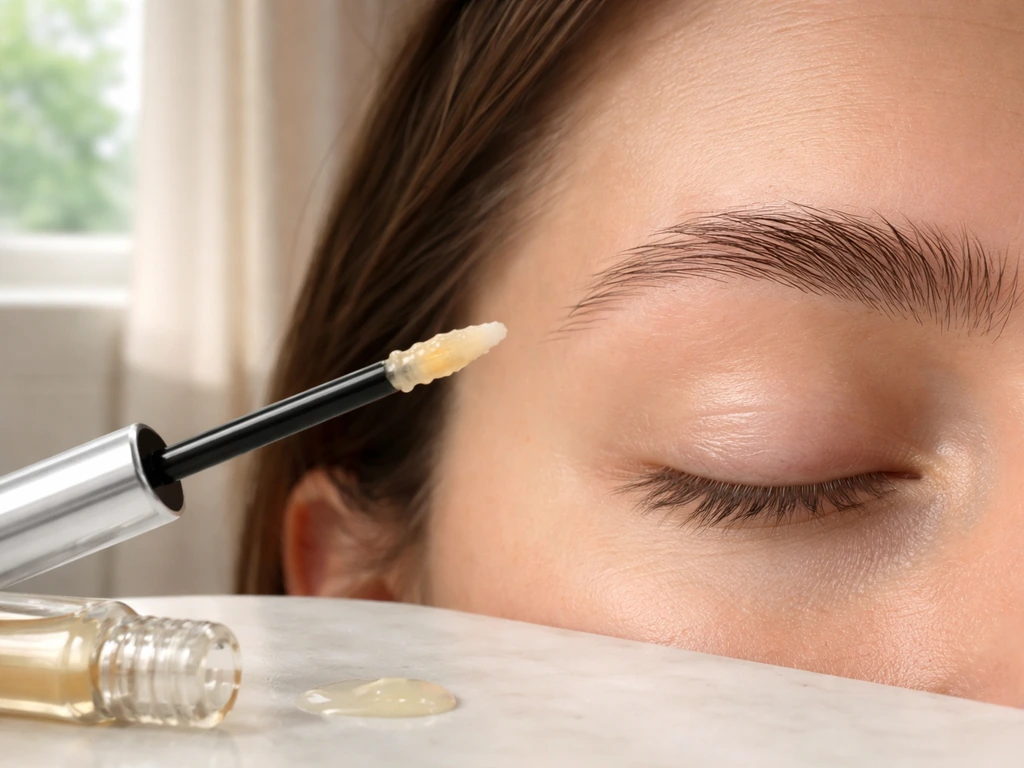
Yes, you can grow eyebrows back naturally in most cases, but it takes longer than people expect and depends heavily on why they thinned in the first place. If your follicles are still intact (which they usually are after overplucking, waxing, or general thinning), your brows can regrow over roughly 3 to 6 months with the right routine. The core strategy is simple: stop anything that's damaging the follicles, support them with a few evidence-backed topical ingredients, and give your body what it needs to run a healthy hair cycle.
How to Grow Brows Naturally: Step-by-Step Regrowth Guide

James Whitmore
1 May 2026
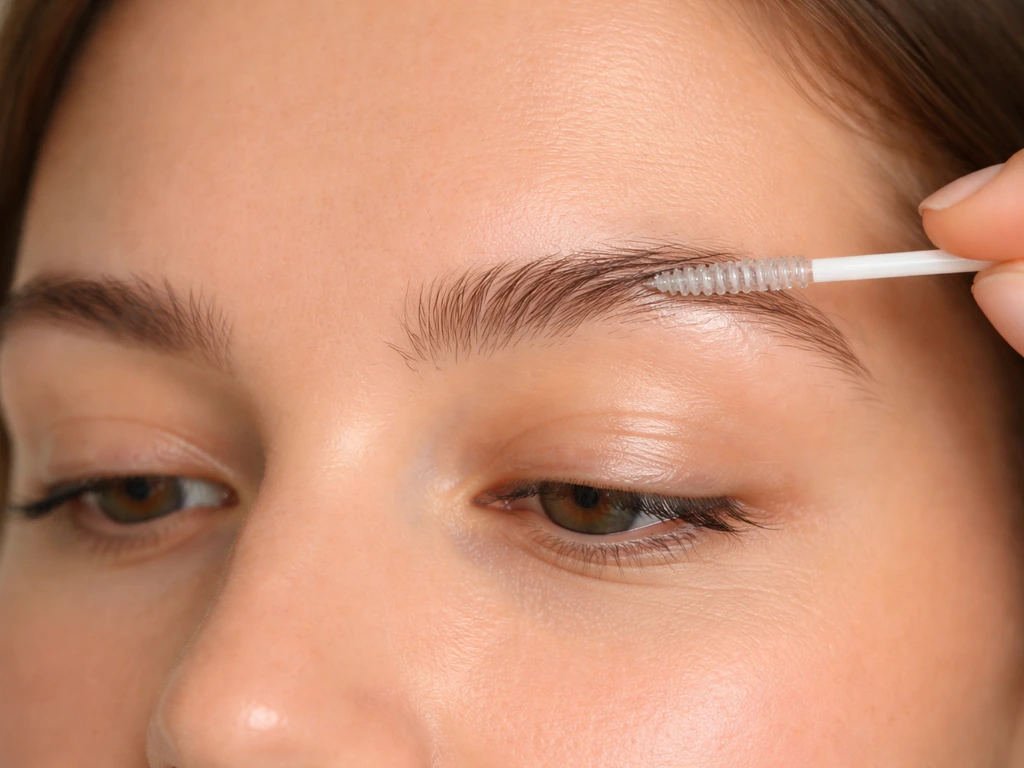
Can you actually grow eyebrows back naturally?
The honest answer is: it depends on what 'naturally' means to you and what caused the thinning. If you mean without prescription drugs or medical procedures, then yes, natural methods can work for most common brow problems. Overplucking, waxing, stress-related shedding, mild nutritional gaps, and general neglect are all causes that tend to be reversible once you address them.
What 'naturally' doesn't mean is fast or guaranteed. Eyebrow follicles have a short anagen (active growth) phase of only about 2 to 3 months, followed by a resting phase of similar length. That means any visible improvement requires at least one full growth cycle, and often two. Expecting thick brows in three weeks from any oil or serum is just not how the biology works.
It's also worth being upfront about one scenario where natural methods have real limits: scarring damage. If a follicle has been destroyed by deep inflammation, chronic trauma, or fibrosis, it cannot regrow hair because there's nothing left to reactivate. Fortunately, this type of permanent damage is far less common than the everyday causes most people are dealing with. Non-scarring causes, which cover the vast majority of thinning and sparse brow concerns, are typically reversible once the underlying issue is treated or removed.
One more thing to clear up: brow color isn't a growth factor. If you're wondering how to grow darker or 'black' brows naturally, the pigment of your hair doesn't affect growth at all. Density, thickness, and regrowth all come down to follicle health, not color. If you focus on follicle health and stick to a consistent routine, you’ll be much closer to figuring out how to grow fluffy brows. If you’re looking for the best product to grow brows, focus on follicle-supporting actives and a consistent routine rather than relying on brow pigment. The same strategies work regardless of your natural brow shade.
Why your brows thinned or stopped growing
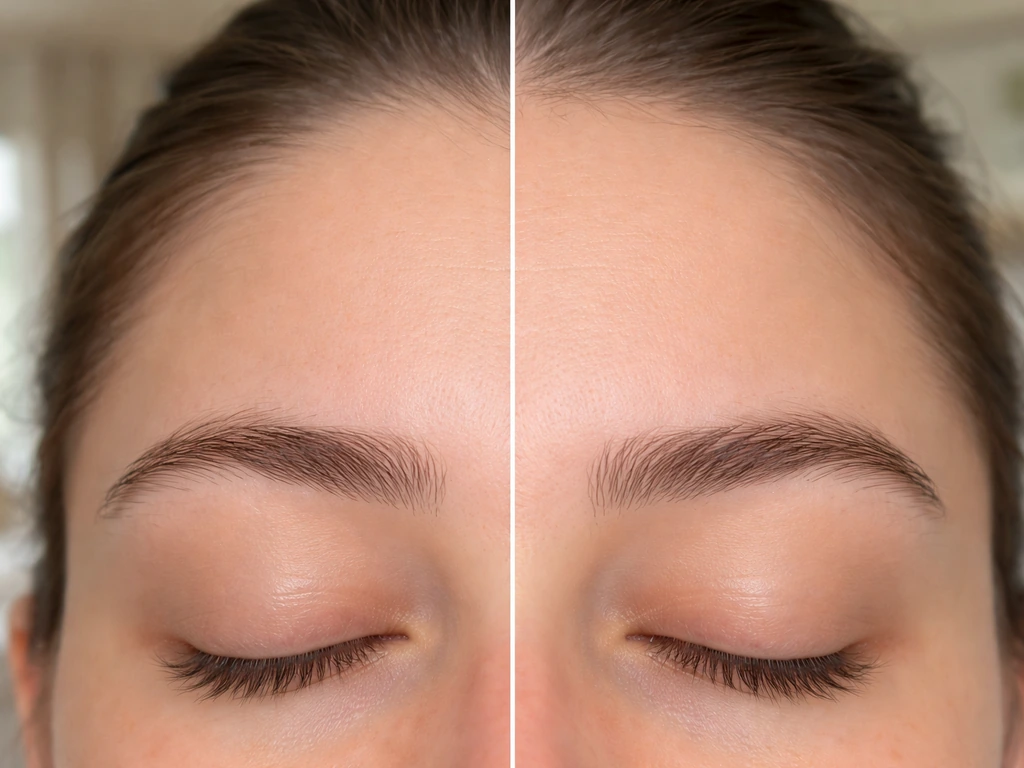
Before jumping into solutions, it genuinely helps to identify the cause because the fix changes depending on the reason. Here are the most common culprits:
- Overplucking and waxing: Repeated mechanical trauma to the follicle can cause it to stop producing hair over time, especially in the outer third of the brow where follicles tend to be finer and more vulnerable. Minor trauma from plucking is usually reversible early on, but years of aggressive shaping can cause some follicles to become dormant or permanently damaged.
- Traction and friction: Rubbing your eyes, rough makeup removal, or tight headbands pulling at the brow area creates chronic mechanical tension that mirrors the damage seen in traction alopecia on the scalp. The solution is straightforward: reduce the pull.
- Thyroid dysfunction: This is the most commonly overlooked medical cause of brow thinning. Hypothyroidism in particular often causes bilateral thinning of the outer one-third of the eyebrows. If your brows are thinning there specifically, a thyroid panel is worth discussing with your doctor.
- Alopecia areata: An autoimmune condition that can create patchy hair loss in the brows just as it does on the scalp. This usually requires medical treatment rather than home remedies alone.
- Nutritional deficiencies: Low iron, vitamin D, zinc, and biotin have all been associated with slower or impaired hair growth. Biotin specifically is often oversold as a solution, but the evidence is actually quite limited. Correcting a genuine deficiency matters; taking biotin supplements when your levels are already fine probably won't do much.
- Skin conditions: Eczema, psoriasis, and seborrheic dermatitis affecting the brow area cause inflammation that disrupts follicle function. Treating the skin condition is the primary step.
- Stress and telogen effluvium: Significant physical or emotional stress can push hair follicles into a resting phase prematurely. Brow shedding from this cause usually reverses once the stressor resolves, but it can take several months to see the payoff.
- Breakage: Brow hairs that aren't actually falling out but are snapping off due to dryness or harsh products appear thinner and patchier without any follicle damage at all.
Start here: grooming habits and follicle-friendly basics
Before you apply any oil or try any remedy, the single most impactful thing you can do is stop doing the things that are actively working against regrowth. That means putting down the tweezers completely while you're growing brows back, switching to a gentle, non-irritating makeup remover (micellar water or a mild oil cleanser rather than harsh wipes), and being careful not to scrub the brow area when cleansing your face.
Keep the brow area clean but don't over-strip it. A light cleanse morning and night removes buildup that can clog follicles, but over-washing or using alcohol-heavy products dries out the skin and makes hair more brittle. After cleansing, the area should feel comfortable, not tight.
If you use brow products daily (pencils, powders, pomades), make sure you're removing them completely every night. Leftover product residue sitting on the follicle opening overnight is a low-grade irritant that most people don't think about. This alone has made a noticeable difference in brow texture for a lot of people who switch to a proper cleansing routine.
During regrowth, resist the urge to shape or clean up any strays. It's frustrating, but letting the brows grow in untouched for 8 to 12 weeks gives you a realistic picture of your actual growth pattern and prevents accidentally plucking hairs you want to keep.
The best natural home remedies for brow growth (and how to actually use them)
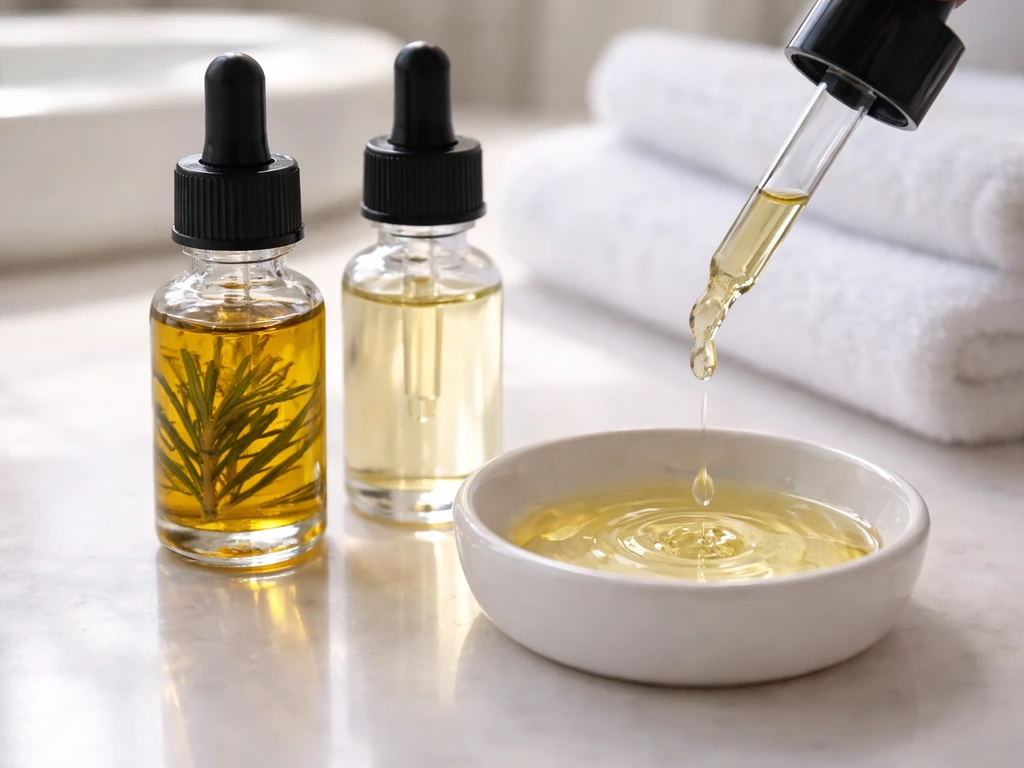
Let's be clear upfront: no natural oil is going to perform miracles if your follicles are dormant or your body is nutritionally depleted. But the right topical remedies, applied consistently, can create a better environment for the follicles you do have. Here's what has the most going for it:
Rosemary oil
Rosemary oil has more clinical support than any other 'natural' hair growth ingredient. It's not equivalent to proven prescription treatments, but compared to the rest of the natural options, it stands out. The mechanism likely involves improved circulation to the follicle and some interaction with androgen receptors that influence hair growth cycles. For brows, dilute rosemary essential oil to about 1 to 2% in a carrier oil (so roughly 2 to 4 drops per teaspoon of carrier oil like jojoba or argan). Apply a small amount to the brow area with a clean spoolie or fingertip each night. Be consistent for at least 8 to 12 weeks before judging results.
Castor oil
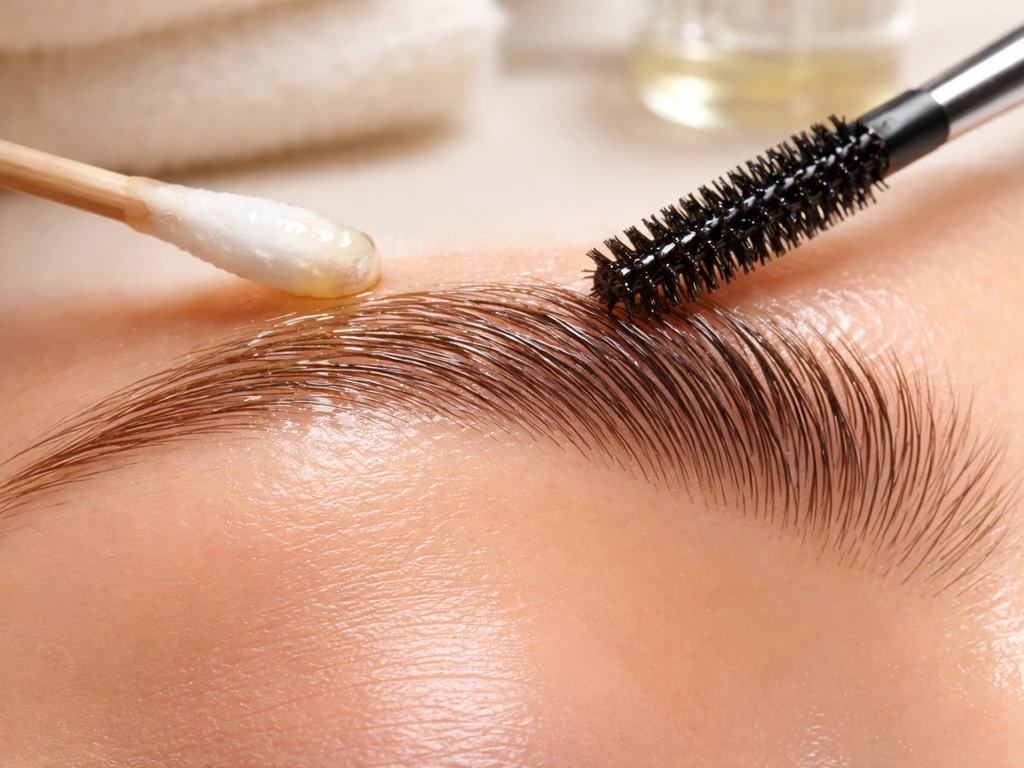
Castor oil is the classic brow remedy, and while its direct hair-growth evidence is limited, it does have real practical value. It's thick and conditioning, it coats the hair shaft to reduce breakage, and the ricinoleic acid it contains has some anti-inflammatory and circulation-supporting properties. If your brows are breaking off rather than falling out, castor oil can visibly improve thickness by preventing that breakage. Use a clean mascara wand or spoolie to apply a small amount to your brows before bed, 3 to 5 nights per week. A little goes a long way; you don't need to glob it on.
Brow massage
Gentle massage increases blood flow to the follicles and may help with nutrient delivery to the hair root. Use the pads of your index fingers to make small circular motions along the brow for about 30 to 60 seconds per side, ideally while applying your oil of choice. Don't press hard; light, consistent pressure is what you're going for. This takes less than two minutes total and has zero downside if done gently.
Other oils: what to know
Coconut oil, argan oil, and jojoba oil are all good carrier oils and do support hair hydration and breakage reduction, but none of them have meaningful evidence for stimulating actual follicle activity. They're fine to use as your base or blending oil, just don't expect them to drive growth on their own. Avoid tea tree oil near the brow and eye area: it's a known skin sensitizer and can cause contact dermatitis, with documented allergic reactions even at low concentrations.
Nutrition: filling the gaps
If you suspect a nutritional deficiency is playing a role, getting bloodwork done is more useful than guessing and supplementing randomly. Iron, vitamin D, and zinc are the ones most associated with hair changes. If levels come back low, correcting them with diet or supplements under guidance can make a real difference. As for biotin, the supplement aisle is full of it, but the evidence for biotin supplementation actually improving hair growth in people without a genuine deficiency is genuinely thin. Save your money unless a deficiency is confirmed.
Growing brows back after shaving, waxing, or overplucking: realistic timelines
This is the most common scenario: you either shaved your brows (intentionally or accidentally), waxed them too thin, or overplucked for years and now want them back. Here's what you can realistically expect.
| Cause of loss | Expected regrowth start | Full cycle time | Notes |
|---|---|---|---|
| Shaving | 2 to 3 weeks | 2 to 4 months | Follicle is fully intact; fastest recovery scenario |
| Waxing (recent, occasional) | 3 to 6 weeks | 3 to 5 months | Some follicle disruption; usually recovers well |
| Overplucking (years of chronic) | 4 to 8 weeks for some hairs | 6 to 12 months, incomplete in some areas | Dormant follicles may take longer; some may not recover |
| Stress or telogen effluvium | Variable (1 to 3 months after stressor resolves) | 4 to 6 months total | Regrowth depends on resolving the trigger |
| Nutritional deficiency | After levels are corrected | 3 to 6 months from correction | No topical remedy replaces treating the root cause |
The frustrating reality of overplucking is that years of repeated trauma can partially suppress follicle activity, and some of those follicles may not fully recover. That said, most people who stop plucking and support the area with the routine above see at least partial regrowth over 6 to 12 months. Don't give up at the 8-week mark. The first growth cycle often produces finer, shorter hairs, and the second cycle tends to show more visible improvement.
After waxing or shaving, where follicle damage is minimal, regrowth is usually more reliable. You'll typically see stubble or fine hairs within 2 to 3 weeks. The full shape and density take longer to fill in because the hairs grow at slightly different phases. Patience really is the active ingredient here.
How to get fuller, longer, or thicker-looking brows during regrowth
While you're waiting for natural regrowth to happen, there's a lot you can do to make your brows look fuller without blocking or damaging the follicles. Brow pencils, tinted gels, and powder products applied lightly in hair-like strokes can make sparse areas look significantly denser. The key is using products that don't require heavy removal and always cleaning them off completely at night.
For breakage specifically, the fix is conditioning: castor oil or argan oil applied nightly coats the hair shaft and dramatically reduces snapping from dryness. If your brow hairs are breaking at the tips rather than falling from the root, you'll notice an improvement in apparent length and fullness within a few weeks just from preventing that loss.
For sparse patches, whether from overplucking or other causes, targeted application of your rosemary oil blend directly to the sparse area each night makes the most sense. There's no reason to treat areas that are already full; focus the effort on the zones that need it. If the sparse areas are genuinely patchy and asymmetrical, this could be a sign of alopecia areata rather than cosmetic damage, which warrants a dermatologist visit rather than a DIY fix.
Brow serums can play a useful role here too, especially if you want a more targeted, consistent delivery system than straight oils. If you are looking at eyebrow serums, checking rapid grow eyebrow serum reviews alongside the evidence-based ingredient guidance above can help you avoid formulas that are mostly marketing rather than follicle support. If you are specifically trying to find the best serum to grow eyebrows, focus on options with the same follicle-supporting ingredients discussed earlier and use them consistently Brow serums. The ingredients to look for are the same ones discussed above. If you're exploring that route, the evidence hierarchy and product landscape for eyebrow serums and growth products is worth understanding before investing in something that won't deliver.
Safety, setbacks, and when natural methods aren't enough
Patch test everything near your eyes
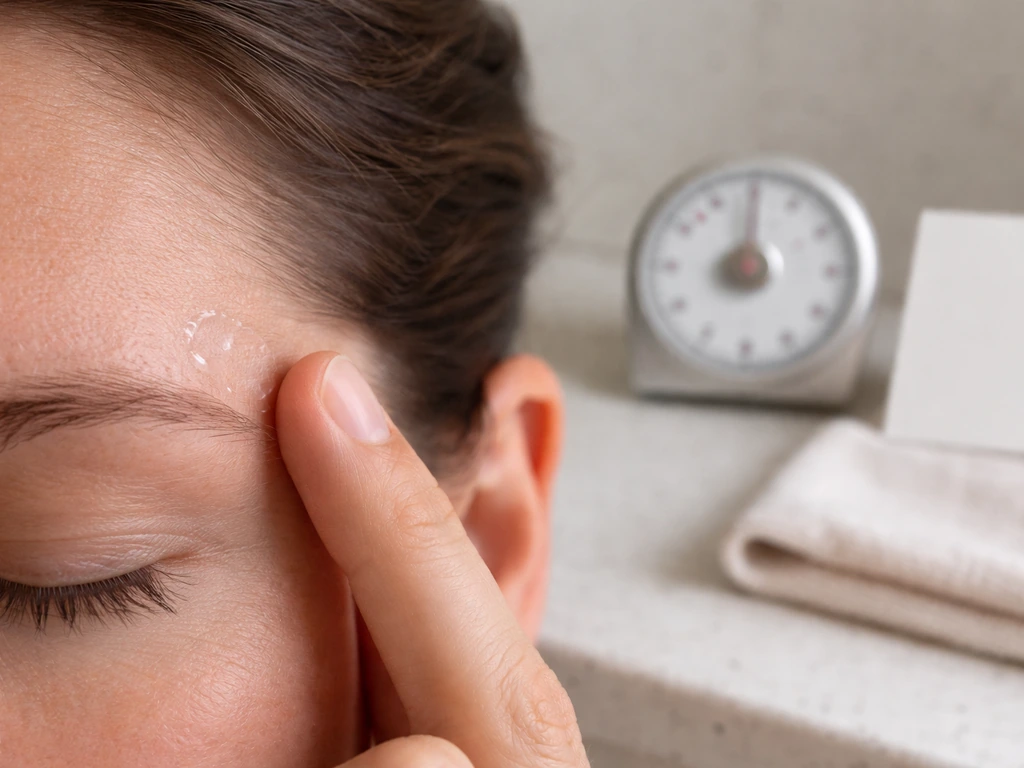
The skin around your eyes is thinner and more sensitive than the rest of your face, and the proximity to your actual eyes makes reactions more serious. Before applying any essential oil blend to your brows, patch test on your inner forearm for 24 to 48 hours. Medical News Today also emphasizes patch-testing and proper dilution guidelines when using tea tree oil near sensitive areas to reduce the risk of irritation or allergic reaction patch test on your inner forearm for 24 to 48 hours. If you see redness, itching, or swelling, don't use it near your eyes. Rosemary oil, like all essential oils, can cause allergic contact dermatitis in some people, and the reaction is much harder to deal with when it's on your eyelid. Always dilute essential oils in a carrier; never apply them neat.
Signs it's time to see a doctor
Natural methods are appropriate for a lot of brow thinning, but there are clear scenarios where you need professional input rather than a home remedy routine. See a dermatologist or your primary care doctor if:
- You've been consistent with a natural routine for 4 to 6 months and see no improvement
- You have patchy, well-defined areas of loss that appeared suddenly (possible alopecia areata)
- Your outer brow thinning is bilateral and significant (rule out thyroid issues)
- You have associated symptoms like scaling, redness, or itching in the brow area
- You've had any trauma, surgery, or radiation to the area
- You're experiencing significant brow and scalp hair loss simultaneously
When to consider evidence-based escalation
If natural methods aren't producing results and your brows are causing real distress, there are proven medical options worth knowing about. Minoxidil, while primarily studied for scalp hair loss, is used off-label for eyebrows and does have a track record for supporting regrowth where follicles are still functional. It's not a 'natural' remedy, but it's widely available and relatively low-risk when used as directed. Realistic expectations still apply: the American Academy of Dermatology notes it can support early hair loss but won't restore full density in all cases.
For alopecia areata specifically affecting the brows, intralesional triamcinolone injections performed by a dermatologist are a well-established treatment, with studies showing regrowth rates as high as 64 to 97% depending on formulation and injection timing. New hair growth can typically be seen within about 6 to 8 weeks of treatment. Bimatoprost (Latisse) is another clinically studied option for eyelash and brow hypotrichosis, though it comes with a list of potential side effects including skin pigmentation changes and ocular irritation that are worth discussing with a provider before starting.
The bottom line on natural brow growth: it's genuinely possible for most people, it just requires consistency, patience, and treating any underlying cause first. If you're specifically trying to work out how to grow bald spots in eyebrows, the same consistency and root-cause approach applies. Start with the basics, give it a full 3 to 6 months, track what you see, and escalate only if the natural approach isn't moving the needle after a real, committed effort.
FAQ
How long should I wait to know whether my brows are actually regrowing?
If you shaved, accidentally clipped, or recently plucked, you may see hairs sooner, but that doesn't mean the follicles are fully “back.” Treat the timeline like a regrowth experiment: only evaluate results after 8 to 12 weeks of consistent care, then reassess at 3 to 6 months. Early “stubble” can be residual regrowth, while true density improvements usually come after a full cycle.
Can I use rosemary oil and castor oil every day, or should I rotate them?
It depends on irritation tolerance, but the safest approach is to use oils at night and keep the routine simple. Most people do best with rosemary blend nightly (diluted) for 8 to 12 weeks, then taper to 3 to 5 nights per week if their skin stays comfortable. If you develop redness, bumps, or itch, stop and switch to a gentler conditioning-only approach (like castor oil) until skin calms.
Can I trim or clean up my brows while they are growing back?
Even if you stop overplucking, you can still accidentally remove the hairs you are trying to regrow. Avoid tweezing, waxing, threading, or “trimming strays” with hard pressure during the first 8 to 12 weeks. If you need grooming for appearance, use a clean spoolie to brush hairs upward and only cut minimal length with small, blunt-tip scissors if necessary.
How much oil should I apply, and does more product make it work faster?
If your goal is regrowth, thicker layers do not equal faster results. Apply a thin, even amount to the brow hairs and skin, and remove excess if it feels tacky. Over-application increases the chance of skin irritation, which can worsen shedding. A pea-sized amount per brow area is usually plenty when using a diluted rosemary blend.
What should I do if my brows or eyelids get irritated from an oil?
A patch test is essential, but it does not guarantee zero eye-area sensitivity. If you notice burning, watering, or eyelid redness, rinse gently with cool water, stop use immediately, and do not try again until symptoms fully resolve. For future use, reduce frequency and always keep the blend well-diluted, since near-eye reactions can be delayed.
Why are my brows shedding more after I start using oils or a serum?
If you see shedding after starting a new routine, it can be either irritation or normal cycling. Irritation tends to come with stinging, redness, or new bumps, and usually improves when you pause. Normal cycling is more likely if there is no redness and the thinning is gradual. In either case, do not “panic pluck,” and give it at least 4 to 8 weeks before changing products again.
How can I tell if my brow thinning might be alopecia areata instead of normal shedding?
If the problem is uneven, patchy bald spots that look smooth and sudden, or you have other body hair loss, consider alopecia areata. A useful decision rule is asymmetry plus distinct patches versus general thinning. If the patches are clearly defined or not improving after 3 months of consistent care, talk to a dermatologist rather than continuing only DIY topical treatments.
What’s the best way to remove brow makeup without damaging regrowth?
If you wear brow makeup daily, clean removal matters, but also avoid harsh friction. Use a gentle remover (like micellar water or a mild oil cleanser), then pat dry with a soft towel rather than scrubbing. Also fully remove tinted gels and powders at night, because residue can build up around follicle openings and cause low-grade irritation that slows regrowth.
How do I know whether I’m dealing with breakage or actual hair loss?
Check for breakage versus true hair loss by looking at ends. Breakage often shows shorter, frayed, or snapping hairs with intact roots, while true shedding shows hairs disappearing from the follicle area. Conditioning can help breakage quickly, but sparse regrowth from dormant follicles still needs consistent follicle support over months.
What’s a simple beginner routine for how to grow brows naturally without overcomplicating it?
You can use a “starter” routine and still have flexibility, just keep variables low. Pick one diluted rosemary routine for follicle support, add castor oil 3 to 5 nights per week if you need conditioning, and use gentle cleansing consistently. Avoid adding multiple new actives at once, since you will not be able to tell what is helping or causing irritation.
How can I stay consistent, and what should I do if I miss a week?
Results usually come from consistency, not occasional use. Set a practical cadence you can stick to (for example, nightly rosemary blend plus gentle cleansing, for 8 to 12 weeks). If you miss several days, do not “double up,” just resume at the usual amount. Keeping a quick photo log every 2 to 3 weeks helps you avoid judging too early.
Next Article
Best Serum to Grow Eyebrows: What Works, How to Use
Realistic eyebrow regrowth timeline, best serum ingredients like minoxidil, plus how to apply safely for sparse brows.