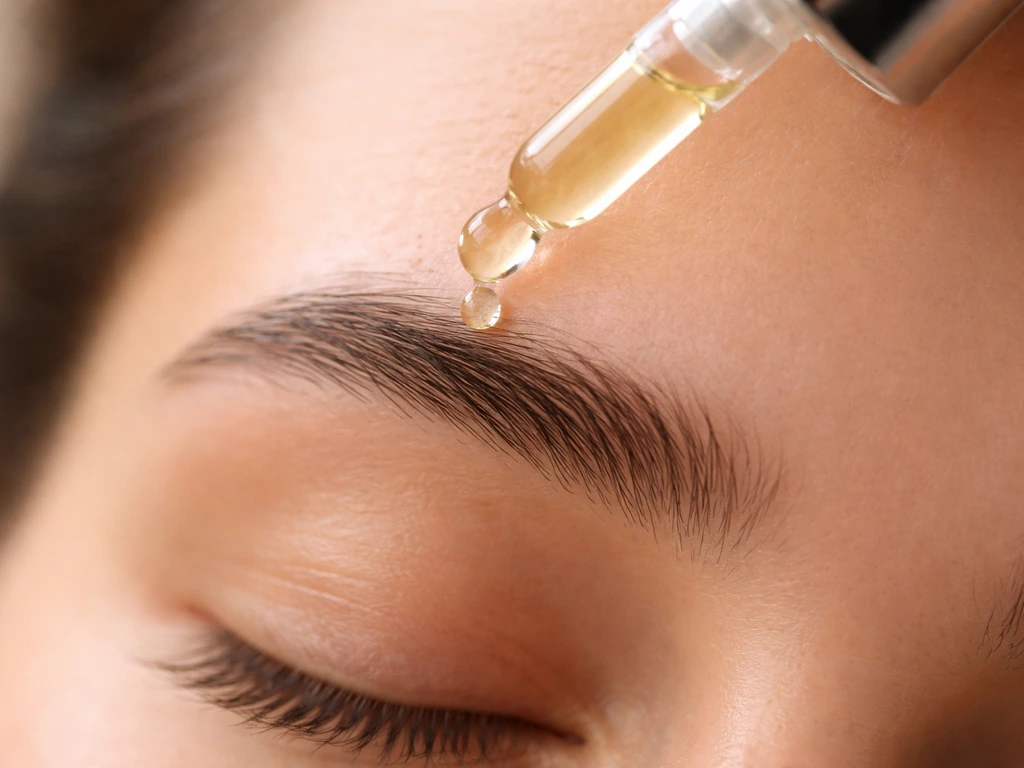
Yes, eyebrows and eyelashes almost always grow back after chemotherapy. Chemo disrupts the active growth phase of your hair follicles, which causes shedding, but it doesn't destroy the follicles themselves. Once treatment ends, those follicles wake back up. Most people start seeing new brow and lash growth within 1 to 2 months of finishing chemo, with brows looking reasonably normal again by the 4 to 6 month mark. That said, regrowth isn't perfectly predictable, and there are real things you can do right now to support it.
Will Eyebrows Grow Back After Chemo? Timeline, Tips
James Whitmore
22 May 2026
Why chemo causes eyebrow and eyelash loss in the first place
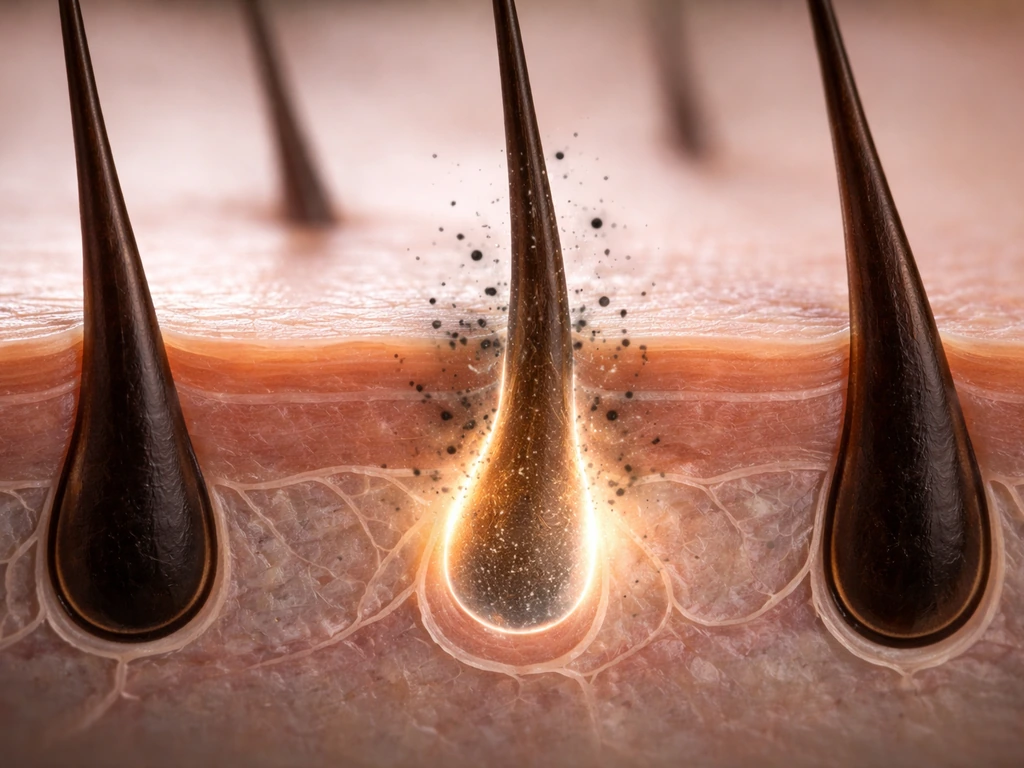
Chemotherapy targets rapidly dividing cells, and hair follicle cells are some of the fastest dividing in your body. When chemo hits them, it triggers what dermatologists call anagen effluvium, which is a sudden shedding of hairs that were actively growing. Unlike the gradual thinning you see with aging or hormonal issues (which is why eyebrow regrowth after menopause is a different kind of challenge), chemo-related loss can be swift and dramatic. Eyebrow and eyelash loss usually starts 2 to 4 weeks after chemo begins, sometimes a little later than scalp hair loss because brows and lashes have a shorter active growth phase to begin with.
The good news embedded in all of this: because most follicles were suppressed rather than permanently damaged, the pathway to regrowth is intact for the majority of people. The follicles go into a kind of forced rest, and when the chemo burden lifts, they restart.
What actually determines how fast your brows come back
Not everyone's timeline is the same, and that's not random. Several factors push the needle in one direction or another.
- Type and dose of chemotherapy: Some regimens are harder on follicles than others. Higher cumulative doses generally mean a longer restart time for follicles.
- Duration of treatment: Longer treatment cycles mean follicles stay suppressed longer, which can push back the regrowth clock.
- Your baseline brow density: If your brows were already naturally sparse or had been thinned by years of over-plucking before chemo, you're starting from a smaller reserve of active follicles. This is a different situation than someone who had thick brows going in.
- Age: Follicle activity naturally slows with age, so older patients may see a slower or less complete return. This overlaps with why brow regrowth after menopause or with thyroid conditions can be harder.
- Scalp and skin condition: Overall skin health and circulation matter. Dry, irritated, or inflamed skin around the brow area can slow things down.
- Whether follicles were physically damaged: Repeated harsh waxing or threading of the brow area before or during treatment can cause mechanical follicle damage on top of the chemo-related suppression.
When to expect the first signs of regrowth
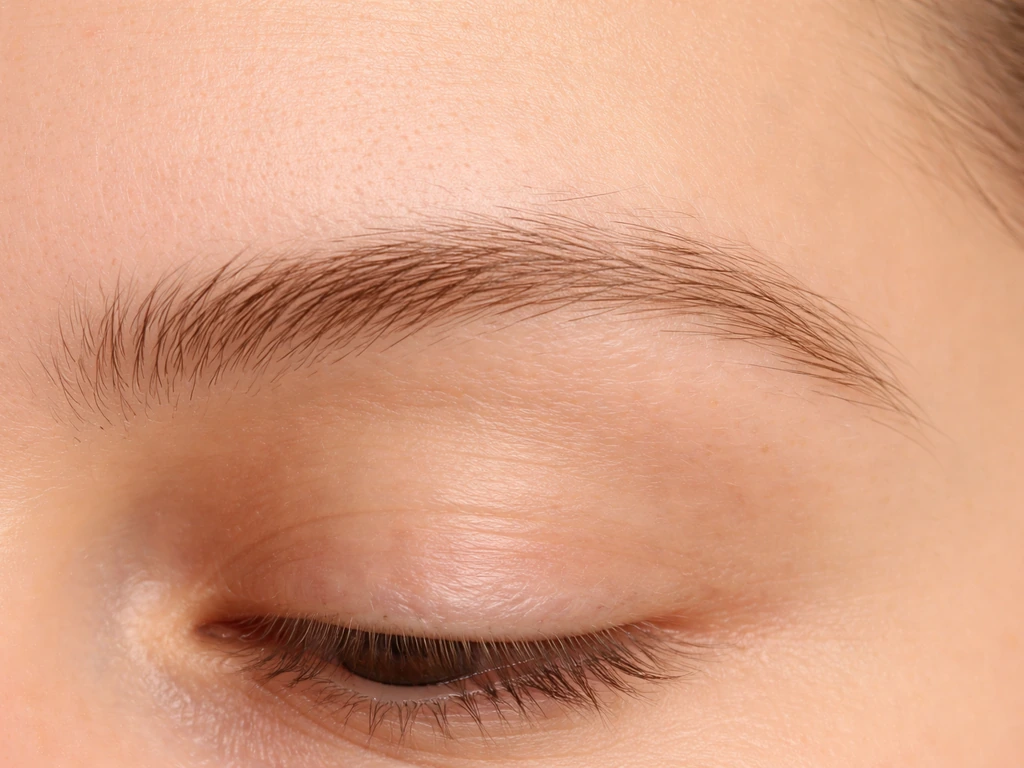
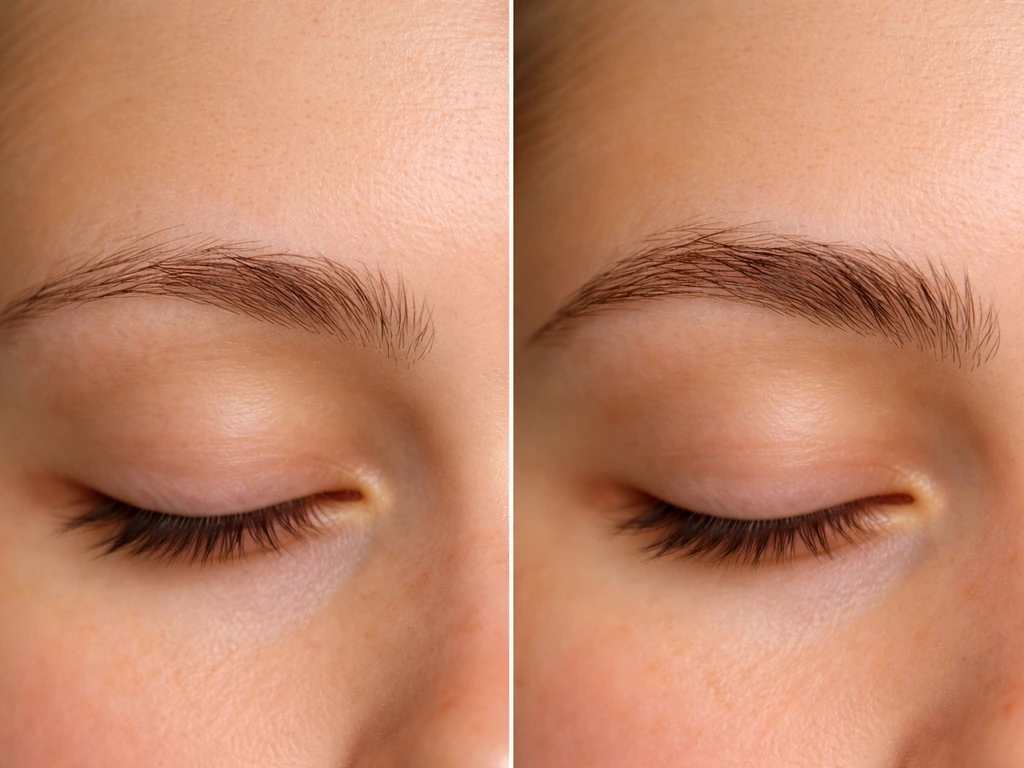
Most people notice the first fine new hairs in the brow area about 1 to 2 months after finishing chemotherapy. Eyelashes tend to follow a similar schedule. These first hairs are often soft, lighter in color, and may come in at a slightly different texture or direction than your original brows. That's normal and usually temporary. Your follicles are essentially relearning their rhythm.
By the 3 to 4 month mark post-chemo, most people have visible brow coverage, even if it's not yet as dense or defined as before. Research tracking eyebrow recovery after cancer treatment found that most participants had brows back to normal within 4 months, with those who had lighter or naturally sparser brows taking up to 6 months for full regrowth. Eyelashes generally track alongside brows, though individual variation is real.
How long until brows actually look normal again
Realistic target: plan for 4 to 6 months post-chemo for brows to look reasonably full, and up to a year for them to feel completely back to your personal baseline. Eyebrow hairs have a shorter resting phase (around 100 days) compared to scalp hair, which actually works in your favor for regrowth speed. But full density and shape take time to re-establish. The growth rate of brow hairs is roughly 0.14 mm per day, which is slow enough that patience is genuinely part of the process, not just something people say to make you feel better.
Eyelashes follow a similar trajectory. If they've been completely absent, expect the first sparse lashes around 4 to 8 weeks post-chemo, with fuller regrowth over the following months. They may come in shorter or curlier initially.
What you can do right now to support regrowth
There are both protective moves and active steps worth taking during this phase. The protective ones matter just as much as any product you apply. If you’re trying to figure out how to grow eyebrows after threading, focus on reducing irritation and avoiding harsh exfoliation while the skin settles. Some people wonder, like with eyebrow threading, whether it helps brows grow faster, but evidence for faster regrowth is limited.
Protect what's coming in
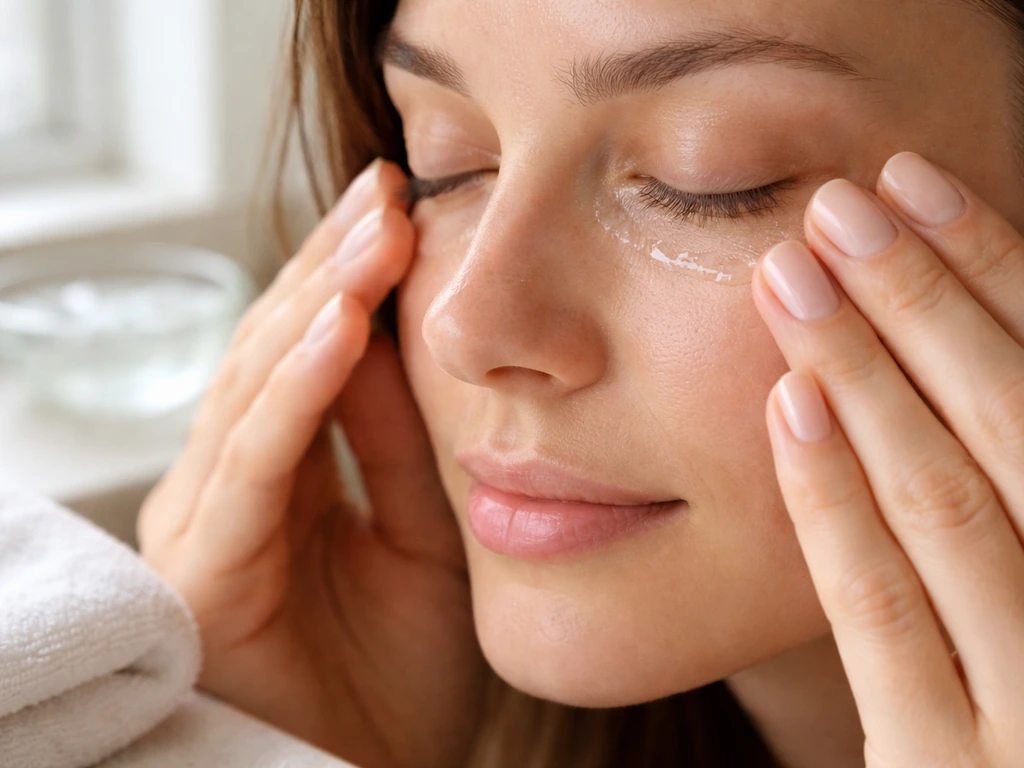
- Don't pluck, wax, or thread right now. Regrowing hairs are fragile and the follicles are in recovery mode. Even one aggressive wax session can set things back. This is the same principle that applies to growing brows back after years of plucking.
- Avoid harsh cleansers and makeup removers around the brow and eye area. Rubbing aggressively while removing eye makeup can dislodge new hairs before they've had a chance to anchor.
- Keep skin clean and moisturized. Healthy, non-inflamed skin around the follicle is the baseline you want. If your skin becomes very itchy, develops a rash, or looks irritated, that's worth a call to your care team.
- Avoid excessive heat (like steam rooms or very hot showers hitting your face) and any harsh chemical exfoliants near the brow area while hairs are just beginning to return.
Be gentle with your eyes and lashes too
If eyelashes are also regrowing, this is not the time for lash extensions, heated curlers, or waterproof mascara that requires heavy rubbing to remove. Use a gentle, non-irritating eye makeup remover and minimal product pressure. The eye area is delicate even under normal circumstances, and your skin may be more sensitive after treatment.
Evidence-based options to support regrowth
There's a meaningful difference between ingredients with clinical backing and those supported mainly by anecdote. Here's an honest breakdown of the main options relevant to post-chemo brow and lash recovery.
| Option | Evidence level | Best use case | Key caution |
|---|---|---|---|
| Bimatoprost (Latisse) | Strongest: multiple RCTs specifically in chemo-induced lash loss | Eyelash regrowth; off-label for brows under medical guidance | Needs prescription; eye/lid irritation risk; iris color change with repeated eye contact |
| Minoxidil (topical) | Moderate: supports linear hair growth rate in regrowing hair | Brows (off-label); better supported for scalp hair | Skin irritation possible; discuss with doctor before using near eyes |
| Rosemary oil | Limited: no clinical trials specifically for brows or lashes post-chemo | Gentle scalp/brow massage support; low risk | May cause skin sensitivity; not a substitute for medical options |
| Castor oil | Very limited: no strong clinical trials for lash or brow growth | Moisturizing and conditioning regrowing hairs | Allergic contact dermatitis reported; patch-test first; keep out of eyes |
Bimatoprost (Latisse): the most evidence-backed option for lashes
Multiple clinical trials have specifically enrolled post-chemo patients with eyelash loss and tested bimatoprost 0.03%, which is sold under the brand name Latisse. The results are consistently positive for lash length, fullness, and darkness. It's applied once daily to the upper eyelid margin using the supplied applicator. The catch: it requires a prescription, it has real side effects (eyelid irritation, redness, and with repeated eye contact, a risk of permanent iris darkening in people with light-colored eyes), and lash growth returns to pre-treatment baseline if you stop using it. Follow the directions for bimatoprost use, wipe off any excess that contacts other skin areas, and check with a clinician if you develop itching, redness, swelling, or signs of eye or eyelid irritation eyelid irritation, redness. For brows specifically, there's a randomized pilot study showing bimatoprost improves eyebrow hypotrichosis too, though this is considered off-label. If your lash or brow loss is significant and prolonged, this is the conversation to have with your dermatologist or oncologist.
Minoxidil: a reasonable option to discuss for brows
Topical minoxidil has good evidence for scalp hair regrowth and some clinical consensus support for accelerating linear hair growth in regrowing patches, which makes it a reasonable off-label option for brows. The 2% or 5% formulation applied sparingly once daily to brow skin is the typical approach, but this is something to run by your doctor first, especially given your recent treatment history and potential skin sensitivity. If your brow thinning is related to thyroid disease, it can also help to review how to grow eyebrows with thyroid disease alongside this option thyroid-related eyebrow regrowth guidance. Keep it well away from your eyes.
Castor oil and rosemary oil: low risk, modest expectations
I'll be straight with you: the science for castor oil and rosemary oil specifically for post-chemo brow regrowth is thin. There are no clinical trials. Castor oil is primarily a conditioning agent, meaning it can help protect and moisturize fragile regrowing hairs, which is genuinely useful. But it's not stimulating new follicle activity in any clinically proven way. If you want to use it, apply a small amount to brows with a clean spoolie before bed. Patch test first because allergic contact dermatitis from castor oil has been documented in cosmetics users. Absolutely keep it away from your eyes and lash line. Rosemary oil has similarly limited direct evidence for eyebrows or lashes, though some people find gentle brow massage with a diluted drop of rosemary oil in a carrier oil soothing and tolerable. Again, the risk is low, the proven benefit is modest.
When to loop in your doctor
Most brow and lash regrowth after chemo follows the timeline above without needing extra medical intervention. But there are situations where a call to your oncologist or dermatologist makes sense.
- No visible brow or lash regrowth 3 to 4 months after finishing chemotherapy. This warrants investigation rather than just waiting longer.
- Skin around the brow area is consistently red, itchy, swollen, or developing a rash. Chemo can affect skin sensitivity in lasting ways, and some reactions need treatment.
- You're considering bimatoprost or prescription-level treatments and want to understand if they're appropriate given your specific chemo regimen and current medications.
- Your brow loss feels patchy or asymmetrical in a way that doesn't match typical regrowth patterns. In some cases, prolonged or patchy brow loss can signal an underlying condition like hypothyroidism that chemo may have triggered or unmasked. Thyroid-related brow loss has its own distinct pattern and management.
- Any changes in vision, eye irritation, or unusual symptoms around the eye area if you're trying any topical products in that zone.
Looking normal while you wait: filling in brows and lashes safely
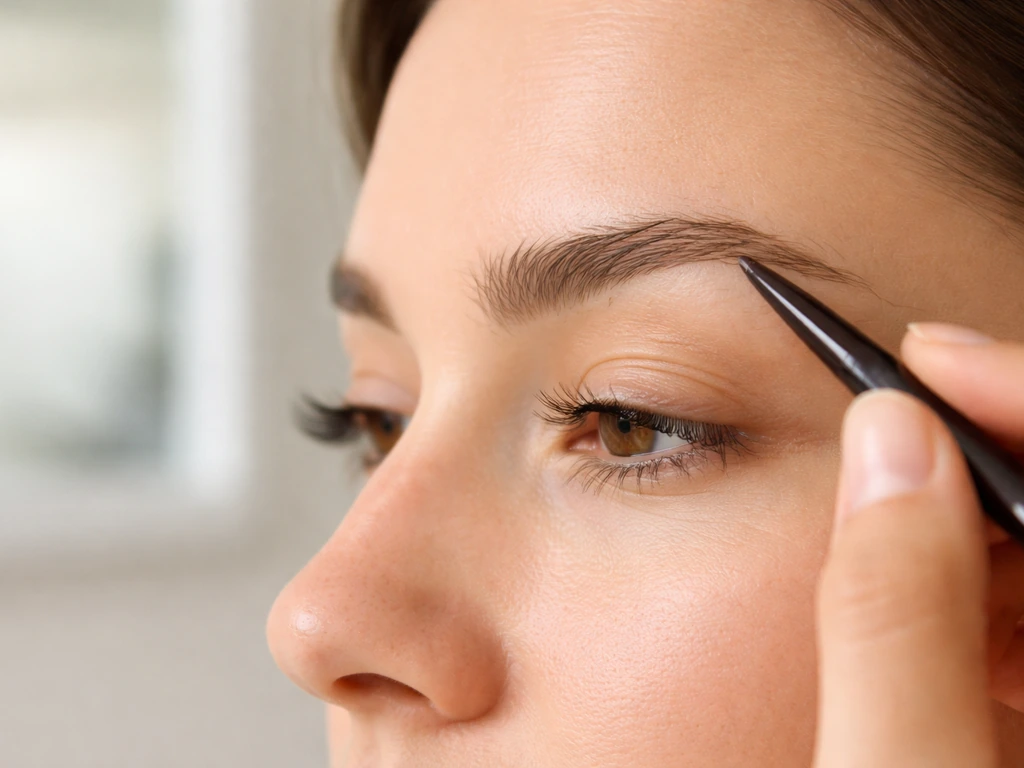
You don't have to sit with bare brows for 4 to 6 months. There are good interim options that won't interfere with regrowth as long as you use them carefully.
Brow makeup that works without blocking regrowth
- Brow pencils and powder: The gentlest options for post-chemo skin. Choose formulas described as hypoallergenic and fragrance-free. Apply lightly using a hair-stroke technique to mimic natural brows.
- Brow tinting: A semi-permanent option applied by a professional that can give the appearance of fuller brows. Wait until you have at least some regrowth to tint, and confirm the salon uses gentle, patch-tested formulas.
- Brow stencils: Helpful for shaping symmetrical brows when you don't have a natural arch to follow anymore.
- Microblading: This semi-permanent tattooing option is worth knowing about, but most practitioners recommend waiting until brows have largely returned to their final state (at least 6 to 12 months post-chemo) before doing microblading, so you're not working around moving brow regrowth.
For eyelashes in the interim
- Mascara: Choose a gentle, non-waterproof formula while lashes are sparse and fragile. Waterproof mascaras require heavier rubbing to remove, which can pull out regrowing lashes.
- Individual false lashes or lash strips: These can be used carefully, but use a gentle, skin-safe adhesive and avoid tugging at removal. Not the best choice if skin around the eyes is irritated or sensitive.
- Eyeliner: A thin line along the upper lid can create the impression of lash density even when actual lashes are sparse. Opt for gentle, ophthalmologist-tested formulas given that your eye area may be sensitive.
The main rule across all of these: be gentle at removal. Use a soft cotton pad, a gentle micellar water or oil-based cleanser, and press rather than rub. Every unnecessary tug on the brow or lash area is a small stressor on follicles that are trying to get back to work.
If you've also dealt with brow thinning from other causes in the past, like long-term over-plucking, hormonal changes, or trichotillomania, some of the same patience and care principles apply, though the chemo recovery timeline has its own distinct biology. The most important thing to hold onto: for the vast majority of people, eyebrows and eyelashes do return after chemo. If your brow loss is from trichotillomania, regrowth often depends on both stopping the pulling and giving the follicles a chance to recover how to grow back eyebrows after trichotillomania. The follicles are there. They just need time, and a little help staying protected while they do their job. A randomized, double-blind, vehicle-controlled pilot study evaluated blank" rel="noopener noreferrer">bimatoprost for eyebrow hypotrichosis, supporting prostaglandin analogs for eye-area hypotrichosis regrowth.
FAQ
What are the first signs that my eyebrows are regrowing after chemo?
Early regrowth often looks like scattered, fine “peach fuzz” hairs that are lighter in color and may point in slightly different directions. If you see short new growth within about 4 to 8 weeks after finishing chemo, that usually signals your follicles are restarting rather than a permanent loss.
Will my eyebrows come back to their original shape and thickness, or can they change?
They can change temporarily. Regrown hairs may be thinner, curlier, or grow at a different angle at first, and the original density and brow pattern often takes longer to re-establish (commonly up to 6 to 12 months). If the shape stays very different after a year, it is worth asking a dermatologist about targeted treatment options.
How long should I wait before I contact my oncologist or dermatologist about eyebrow or eyelash loss?
If there is no meaningful improvement by about 4 to 6 months after chemo ends, or if lashes remain totally absent by roughly 4 to 8 weeks post-treatment, it is reasonable to schedule a check-in. Get earlier advice if you also have eye irritation, recurrent infections, or significant skin inflammation around the eyelids.
Can I use eyebrow makeup or brow products while my brows and lashes are regrowing?
Yes, as long as you keep application and removal gentle. Choose non-stinging formulas, avoid heavy rubbing during makeup removal, and consider temporary alternatives like soft pencil over gels that require vigorous brushing. If your eyelids feel sensitive, pause any product that causes stinging or redness.
Is it safe to tweeze, thread, or wax regrowing brows after chemo?
Usually it is better to avoid. Any plucking, threading, waxing, or harsh exfoliation can remove fragile new hairs and add irritation, slowing the cosmetic progress. If you must shape, keep it minimal and only when hairs are clearly established, and consider asking a professional for a “no-tug” approach.
Can I get lash extensions or use lash curlers during regrowth after chemo?
It is generally best to avoid. Adhesives, heated curlers, and products that require forceful rubbing can stress regrowing follicles and eyelid skin. Stick to gentle cleansing and light, minimal products until regrowth is fuller and your eyelids feel stable.
What makes eyebrow regrowth slower, even when follicles are still intact?
Slower regrowth is more likely if your starting brows were naturally sparse or lighter, if you had prolonged or repeated chemo cycles, or if the skin around your brows stays irritated. Also, thyroid conditions and other hormonal issues can contribute, so it helps to review thyroid labs and medication changes with your clinician if you suspect an additional cause.
Can topical minoxidil help eyebrows after chemo, and when should I ask my doctor about it?
It may help in some people, and it is commonly used off-label for brow growth, but you should confirm safety with your doctor first. Ask sooner if you have recent skin sensitivity, a history of eye irritation, or autoimmune or thyroid-related hair changes. Apply sparingly and keep it well away from the eye margin to reduce risk.
Is bimatoprost (Latisse) a good option for post-chemo lash loss?
It can be effective for lashes, but it is prescription and comes with side effects such as eyelid redness or irritation, plus potential pigment changes with repeated eye contact in some people. It is typically best for significant or prolonged lash loss, and you should discuss it with your dermatologist or oncologist, especially during or soon after cancer treatment.
What side effects or warning signs mean I should stop a brow or lash product?
Stop and seek advice if you develop burning, swelling, worsening redness, hives, crusting, or eye pain. Contact dermatitis can happen with oils and cosmetics, and even if it seems minor at first, repeated exposure can prolong inflammation and slow hair recovery.
Do natural remedies like castor oil or rosemary oil actually regrow brows after chemo?
They usually are not proven to restart follicles the way prescription options do. Castor oil is mainly a conditioning agent that can help protect fragile new hairs, so the benefit is more about moisture and comfort than true regrowth stimulation. If you use oils, patch test first and avoid the lash line and eye area to prevent irritation.
If I had eyebrow loss from over-plucking or trichotillomania, will chemo regrowth still work the same way?
Chemo regrowth depends on follicles being able to recover, but other factors can interfere. If plucking or pulling continues, it can remove new hairs as they restart, and regrowth may be incomplete or delayed. In those cases, combine patience for follicle recovery with stopping the triggering behavior and minimizing mechanical trauma.
Next Article
Does Vitamin E Oil Help Eyebrows Grow? Safe Routine & Timeline
Find out if vitamin E oil helps eyebrow growth, plus a safe routine, timelines, and what works better.