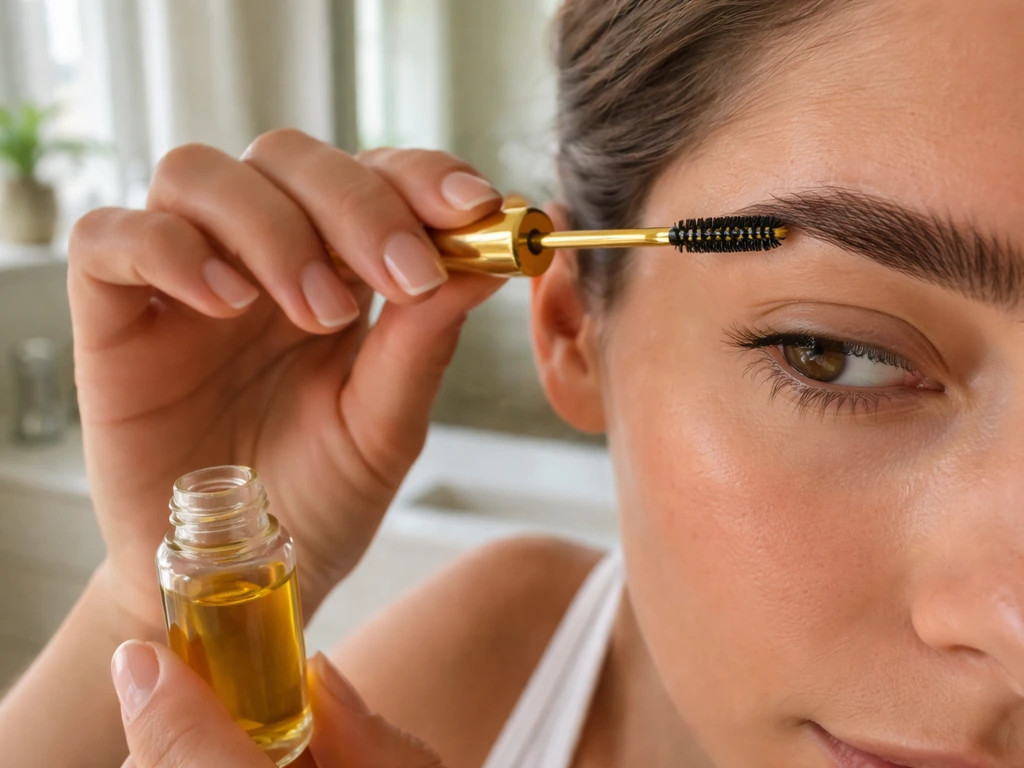
Vitamin E oil can support the skin and hair follicle environment around your brows, but there is no clinical evidence that it directly triggers eyebrow hair regrowth. Can argan oil help eyebrows grow? It may help condition the brow area, but strong regrowth evidence is limited, so focus on the most proven options too. It is a good conditioning agent and antioxidant, which means it may help reduce oxidative stress around follicles and keep the skin barrier healthy, but if your goal is to actually grow denser, longer brows, vitamin E alone is unlikely to move the needle much. Think of it as a supportive player, not the main event.
Does Vitamin E Oil Help Eyebrows Grow? Safe Routine & Timeline

James Whitmore
2 Jul 2026
How eyebrow growth actually works
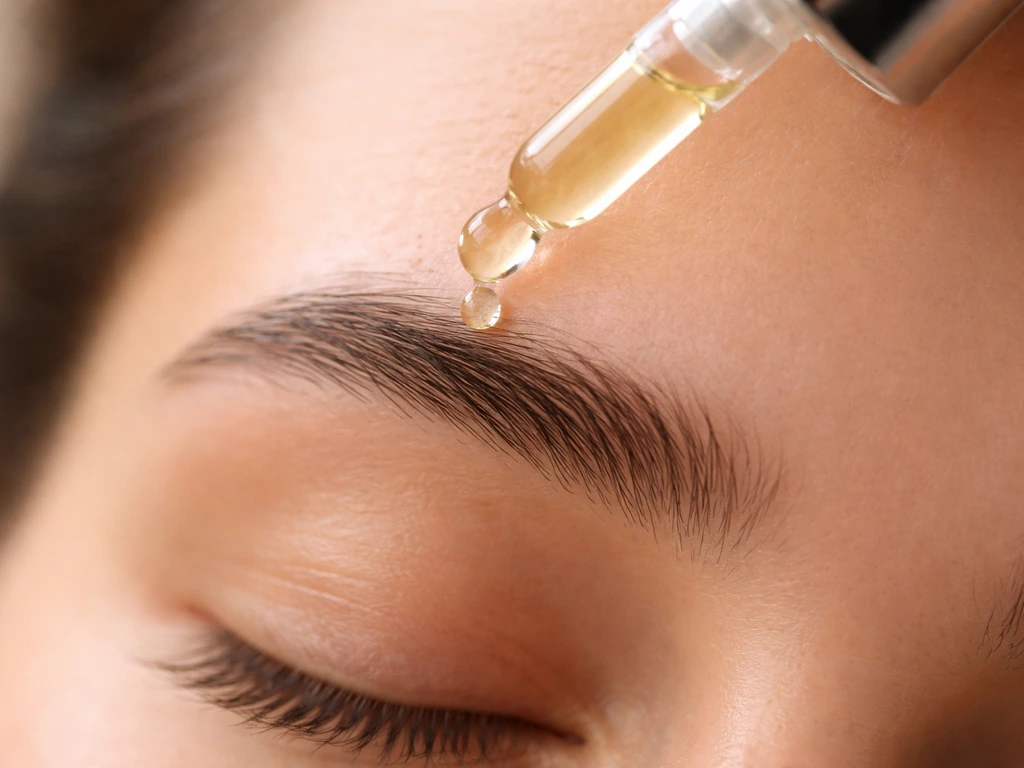
Each eyebrow hair grows from a follicle that cycles through three phases: anagen (active growth), catagen (transition), and telogen (resting and shedding). Eyebrow hairs have a notoriously short anagen phase of about 4 to 6 months compared to scalp hair, which is why brows naturally stay short and why regrowth after damage is slow. The follicle itself sits in the dermis, surrounded by blood vessels, sebaceous glands, and a small muscle. What reaches that follicle, and whether it is inflamed, nutrient-starved, or structurally damaged, determines whether hair grows at a normal rate, slows down, or stops.
Oils and topical nutrients generally work by improving the environment around the follicle rather than directly switching growth on. They can reduce inflammation, support the lipid barrier of the skin, improve microcirculation, or deliver antioxidants that reduce follicle-damaging oxidative stress. None of these mechanisms are trivial, but they are also not the same as proven hair-cycle stimulation. That distinction matters when you are deciding how much effort to put into a particular ingredient.
What vitamin E oil realistically does for your brows
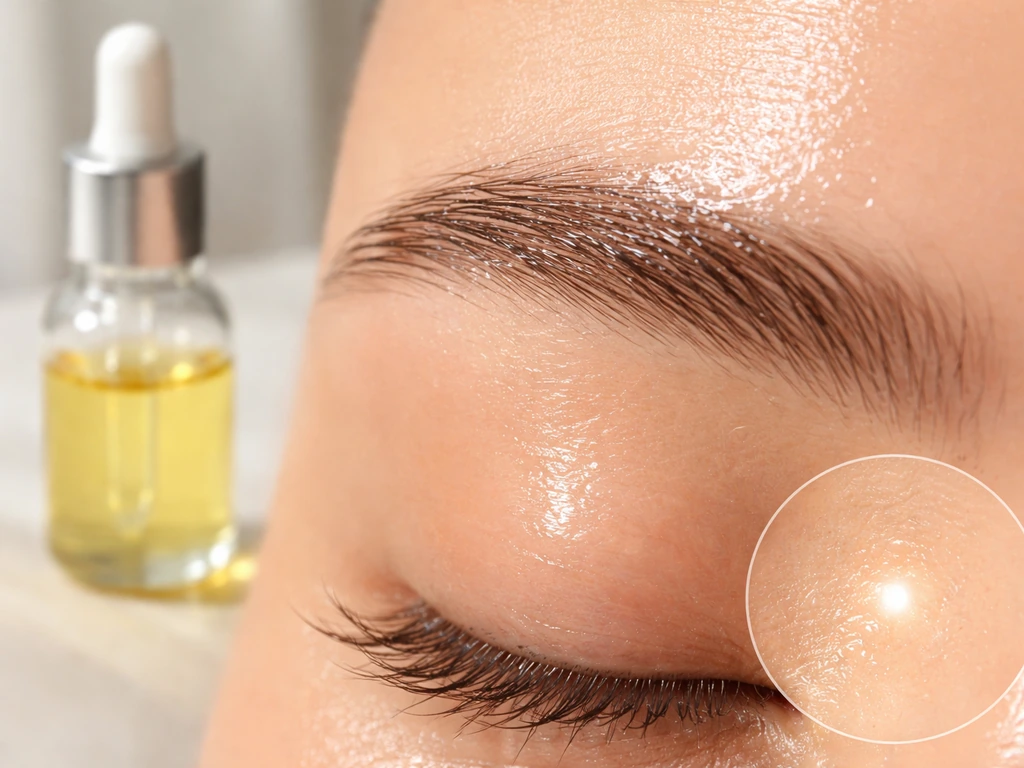
Vitamin E (tocopherol) is a fat-soluble antioxidant. When applied topically, it integrates into the skin's lipid barrier and scavenges free radicals that can cause cellular damage. A dermatology review on vitamin E describes its primary roles as anti-inflammatory and photoprotective, with recognized benefits for skin condition, not as a hair growth stimulant.
The most relevant human trial on vitamin E and hair involved oral tocotrienol supplementation (a vitamin E subtype), not topical oil, and it looked at scalp hair, not eyebrows. An 8-month randomized, double-blind, placebo-controlled human trial tested oral tocotrienol supplementation (a vitamin E subtype) for hair growth outcomes, supporting that some vitamin E family members have been studied for hair, but not for topical eyebrow regrowth [oral tocotrienol supplementation for hair growth](https://pmc. ncbi. nlm.
nih. gov/articles/PMC3819075/). A separate 24-week antioxidant scalp study found that topical antioxidants reduced hair shedding and improved scalp condition, but again, that was a blend, not vitamin E alone, and it was on the scalp.
The honest summary: vitamin E oil applied to your brows may reduce inflammation around follicles, help the skin recover from repeated waxing or threading trauma, and keep the brow area moisturized. That can create a marginally better environment for growth. But there is no peer-reviewed trial showing that rubbing vitamin E oil on sparse brows causes measurable regrowth in humans. If your follicles are intact and dormant, vitamin E might gently support recovery. If follicles are scarred or permanently damaged from years of overplucking, no topical oil is going to reverse that.
There is also a real caution worth mentioning. Multiple studies, including patch-test data from the North American Contact Dermatitis Group spanning 2001 to 2016, confirm that topical vitamin E (including tocopherol and tocopherol acetate) can cause allergic contact dermatitis in sensitive individuals. The skin around the eyes is thin and reactive, so that risk is higher here than on, say, your arms. Always patch test.
Vitamin E vs. vitamin C: what each one actually helps with
A lot of people searching for what vitamin helps eyebrows grow land on both vitamin E and vitamin C, so it is worth separating them clearly.
| Vitamin | Form relevant to brows | Main mechanism | Evidence for brow regrowth | Best realistic use case |
|---|---|---|---|---|
| Vitamin E (tocopherol) | Topical oil or serum | Antioxidant, anti-inflammatory, barrier support | Indirect and weak; no eyebrow-specific trials | Soothing irritated brow skin, post-waxing recovery, conditioning |
| Vitamin C (ascorbic acid) | Topical serum or dietary intake | Collagen synthesis, antioxidant, brightening | Indirect; supports dermal health but no brow-growth trials | Improving skin quality around follicles, fading post-pluck scars |
| Tocotrienol (vitamin E subtype) | Oral supplement | Antioxidant, may reduce oxidative stress in follicles | One positive RCT on scalp hair (oral, not topical) | Oral supplement support alongside topical treatments |
Vitamin C plays a role in collagen production, which supports the dermal tissue that houses follicles. It is also an antioxidant, so both vitamins share that protective function. Neither has strong clinical evidence for directly growing eyebrow hair. There is also no strong evidence that almond oil directly stimulates eyebrow growth in humans, even though it may help moisturize the skin Neither has strong clinical evidence for directly growing eyebrow hair.. If you want to use vitamins strategically, vitamin C is better suited to skin quality and scar fading (useful after overplucking leaves the area discolored), while vitamin E is better suited to reducing inflammation and keeping the barrier intact. Both are supporting roles, not lead roles.
How to use vitamin E oil on your brows safely
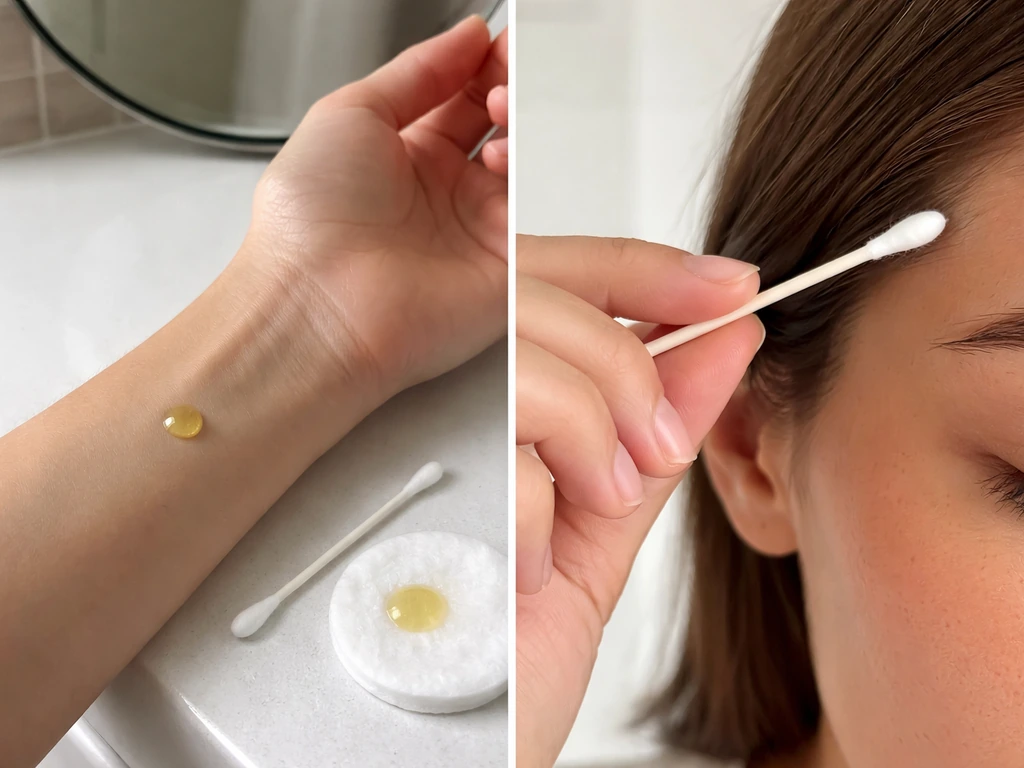
If you want to add vitamin E oil to your brow routine, here is the approach I would actually follow to minimize risk of irritation and get whatever benefit is available.
- Patch test first. Apply a small amount of vitamin E oil to the inside of your wrist or elbow and wait 24 to 48 hours. If you see redness, itching, or swelling, skip it. The skin near your eyes is significantly more sensitive, so a reaction on your wrist is a clear stop sign.
- Choose the right product. Use pure vitamin E oil (tocopherol) or a product where it is listed high in the ingredients. Avoid formulas with added fragrance, essential oils, or alcohols, all of which are common irritants near the eye area.
- Use a clean applicator. A clean cotton swab or fingertip works fine. Avoid dropper tips that touch your skin directly, then go back into the bottle.
- Apply at night. Vitamin E is thick and photosensitizing in high concentrations, so nighttime application makes the most sense. It also gives it uninterrupted contact time with the skin.
- Use a small, targeted amount. You do not need much. A tiny drop per brow is enough. Excess oil near the eye can migrate and irritate the eye itself.
- Massage gently for 30 to 60 seconds. Light circular massage over the brow area may improve local circulation, which is a modest bonus.
- Be consistent. If you are going to test vitamin E oil, commit to 8 to 12 weeks of nightly application before assessing any change. Results from topical oils are slow and subtle at best.
- Stop immediately if you notice redness, flaking, or a rash. These are signs of contact dermatitis. The eye area is not worth pushing through irritation.
What to avoid
- Getting oil directly into your eyes
- Using undiluted essential oils mixed into vitamin E (rosemary or peppermint essential oil near the eye is too strong and risky)
- Applying to broken, irritated, or freshly waxed skin where absorption is unpredictable
- Layering multiple new products at once, so you cannot identify what caused a reaction
- Expecting results in under a month
Better options to actually boost brow growth
Vitamin E is not your strongest tool here. If denser, fuller brows are the goal, these options have better evidence or a longer track record.
Castor oil
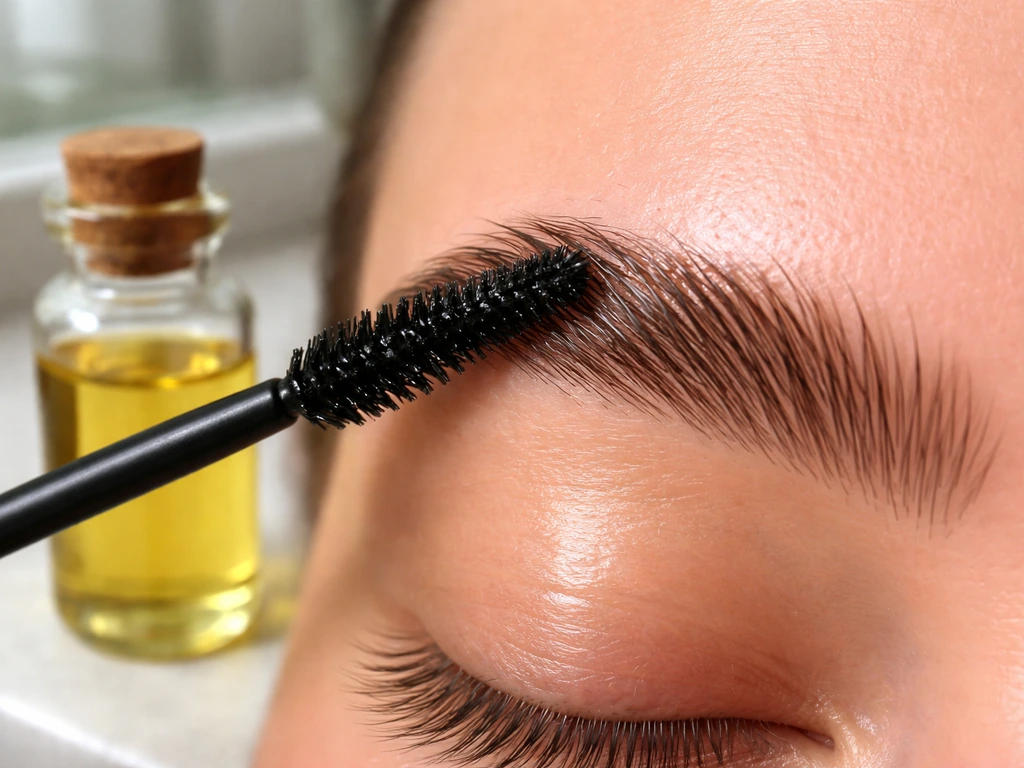
Castor oil is the most talked-about brow growth oil for good reason. While it also lacks large clinical trials specifically for eyebrows, it is high in ricinoleic acid, which has demonstrated anti-inflammatory and prostaglandin-pathway activity. Prostaglandins are known to influence hair follicle cycling, which is one reason some researchers think castor oil may do more than just condition. Many people report visible improvement in brow density after 6 to 12 weeks of consistent nightly use. It is worth comparing this option alongside vitamin E if you are deciding between oils.
Rosemary oil (diluted)
Rosemary oil has the most compelling plant-based evidence for hair growth. A 2015 randomized controlled trial found diluted rosemary oil performed comparably to 2% minoxidil for scalp hair regrowth over 6 months. The proposed mechanism involves improving blood flow to follicles and inhibiting DHT (a hormone that miniaturizes follicles). For brows, you should always use it diluted in a carrier oil like jojoba, never undiluted near the eye. A 1 to 2% dilution in a carrier is a reasonable starting point.
Minoxidil
If you are serious about regrowing brows and natural options have not worked after 3 to 4 months, minoxidil is the most evidence-backed topical option available. If you want a more directly active-growth comparison, minoxidil is the most evidence-backed topical option for regrowing eyebrows. Originally an FDA-approved scalp treatment, it has been used off-label for eyebrows with positive results in several dermatology case reports and small studies.
It works by extending the anagen (growth) phase and increasing blood flow to follicles. The 2% solution is typically preferred over 5% for the brow area to reduce systemic absorption risk, and you apply it in tiny amounts with a cotton swab once nightly. This is a medical treatment, not a natural remedy, and it does come with potential side effects, so it is worth discussing with a dermatologist before starting.
Other oils worth knowing
Almond oil, argan oil, avocado oil, grape seed oil, olive oil, and coconut oil all show up in brow growth conversations. Coconut oil may help condition the brow area, but evidence for actual eyebrow hair regrowth is limited. These oils primarily work as emollients and carriers, meaning they condition the skin and may help deliver other actives, but their direct growth-stimulating evidence is limited. They are generally safe to use as carrier oils or overnight treatments, especially for people with dry or irritated brow skin. If you are deciding between oils, castor oil and rosemary-infused options tend to have the most user-reported and study-supported impact on hair specifically.
Realistic timelines and when to see a dermatologist
Hair growth is genuinely slow. Even under ideal conditions, eyebrow hairs grow about 0.14 mm per day, meaning a full eyebrow hair might take 4 to 6 months to complete its growth cycle. If you are applying vitamin E oil or any other topical treatment, here is what a realistic timeline looks like:
| Timeframe | What you might notice |
|---|---|
| 2 to 4 weeks | Skin around brows feels less dry or irritated; no visible hair change yet |
| 6 to 8 weeks | Possibly minor new vellus (fine) hairs if follicles were dormant, not damaged |
| 3 to 4 months | The earliest point where meaningful density change might be visible from any topical treatment |
| 6 months | Reasonable benchmark to evaluate whether a treatment is actually working |
| 6+ months with no change | Time to consider stronger options or consult a dermatologist |
Results vary significantly based on why your brows are sparse in the first place. Post-waxing or post-shaving brows with intact follicles typically recover well on their own and respond better to supportive oils. If you are also wondering does avocado oil help eyebrows grow, the key takeaway is similar: oils can support the follicle environment but they do not reliably prove new hair growth on their own. Brows sparse from years of aggressive overplucking may have partially fibrosed follicles that will not respond to any topical treatment. Brows thinning due to thyroid disorders, alopecia areata, nutritional deficiencies, or certain medications need medical attention, not oils.
When to stop DIY and see a dermatologist
- You have been consistent with topical treatments for 4 to 6 months with no visible improvement
- Your brow loss is patchy, sudden, or asymmetric (this can signal alopecia areata or other medical causes)
- You experience skin irritation, redness, or dermatitis from topical treatments
- You also have scalp hair loss, fatigue, or other systemic symptoms (thyroid issues are a common culprit for brow thinning)
- You want to explore prescription treatments like bimatoprost (used off-label for brows) or discuss minoxidil with medical supervision
- Your brow loss followed significant physical or emotional stress, illness, or a major dietary change
A dermatologist can run bloodwork to rule out thyroid dysfunction, iron deficiency, or autoimmune causes, and can prescribe treatments that simply are not available over the counter. If something is medically driving your brow thinning, no amount of vitamin E oil is going to fix it, and you will save yourself months of frustration by getting that checked early.
The bottom line
Vitamin E oil is safe to try, reasonably good for skin health, and may create a marginally better environment for brow follicles. If you are specifically asking, does olive oil help grow eyebrows, the evidence is similar: it may moisturize and condition, but it is not a proven regrowth treatment.
But it is not a proven hair growth treatment, and the risk of contact dermatitis near the eye is real enough to warrant a patch test every single time you try a new product. If you want to use it, do so consistently, at night, in a small amount, for at least 8 to 12 weeks before drawing conclusions. Pair it with castor oil or a diluted rosemary oil treatment if you want to stack the odds in your favor.
If that combination does not produce results in 4 to 6 months, the conversation with a dermatologist about minoxidil or other medical options is the practical next step, not trying a different oil.
FAQ
How long should I try vitamin E oil before deciding it is not working for eyebrow growth?
Give it at least 8 to 12 weeks for irritation reduction and skin support, then reassess at 4 to 6 months since eyebrow hairs cycle slowly. If you see no improvement by 4 to 6 months, it is usually time to switch to an evidence-backed option rather than trying multiple new oils in a row.
Is vitamin E oil safe to use right on the skin under my eyes and near the lash line?
It can be riskier there because the eyelid area is thin and more prone to allergic reaction. Use a very small amount, keep it off the lash line and inner corner, and stop if you notice itching, redness, stinging, or swelling.
Do I need to patch test vitamin E oil every time I buy a new bottle?
Yes. Even if you have used vitamin E before, patch test new brands and new formulations (tocopherol versus tocopherol acetate, plus different carriers and fragrance additives). Test at least 24 to 48 hours before first full use, ideally on a less sensitive area like the outer arm.
What is the difference between tocopherol and tocopherol acetate for brow use?
Both are forms of vitamin E, but tocopherol acetate is more stable in some products and can still trigger contact dermatitis in sensitive people. The main practical takeaway is that both can irritate, so patch testing matters more than which form you pick.
Can vitamin E oil help if my eyebrows are sparse because of overplucking?
If follicles are still present but dormant, it may support recovery by improving the local skin barrier and reducing inflammation. If years of overplucking led to scarring or follicle fibrosis, topical oil typically cannot reverse that, so you may need a dermatologist to evaluate regrowth potential.
Should I use vitamin E oil alone, or is it better to combine it with castor oil or rosemary?
Vitamin E is best viewed as supportive, not the main growth driver. If you want to combine, consider pairing vitamin E with castor oil or using a diluted rosemary oil routine, but do not add multiple new products at once. Introduce one change at a time so you can tell what is causing irritation or results.
Will vitamin E oil thicken eyebrow hairs or mainly moisturize them?
Most users experience conditioning and improved softness rather than true thickening. If your goal is denser growth, vitamin E is unlikely to produce measurable change in hair count, though it can make the brow area less inflamed and more resilient.
Does vitamin E oil work differently if I have dry, flaky, or irritated brow skin?
Yes. If flaking or irritation is part of the problem, vitamin E may help by supporting the lipid barrier and calming oxidative stress, which can make the area easier to maintain while follicles recover. If there is an underlying dermatitis or infection, you will likely need targeted treatment beyond oil.
Can I use vitamin E oil with minoxidil on the same brows?
Often you can, but avoid stacking too many actives at the same time and risk irritation. A practical approach is to use minoxidil at night as directed, wait until it is fully absorbed and dry, and apply vitamin E only if your skin tolerates it. If you notice burning or redness, stop vitamin E first or separate days.
What are early signs that vitamin E oil is causing a reaction and I should stop?
Watch for burning or stinging, increasing redness, itching, eyelid swelling, watery eyes, or tiny rash-like bumps. If symptoms appear, discontinue immediately and do not keep reapplying while you wait for it to calm down.
If my brow thinning is due to a medical cause, will vitamin E oil still help?
It may improve skin comfort, but it cannot correct common medical drivers like thyroid dysfunction, alopecia areata, iron deficiency, or medication-related hair changes. If thinning is patchy, rapidly worsening, or accompanied by scalp hair loss or fatigue, ask a dermatologist and consider bloodwork rather than relying on topical oil.
Next Article
Can Argan Oil Help Eyebrows Grow? What to Expect and How
Learn if argan oil can help eyebrow growth, how to apply safely, expected timelines, and when to switch tools.