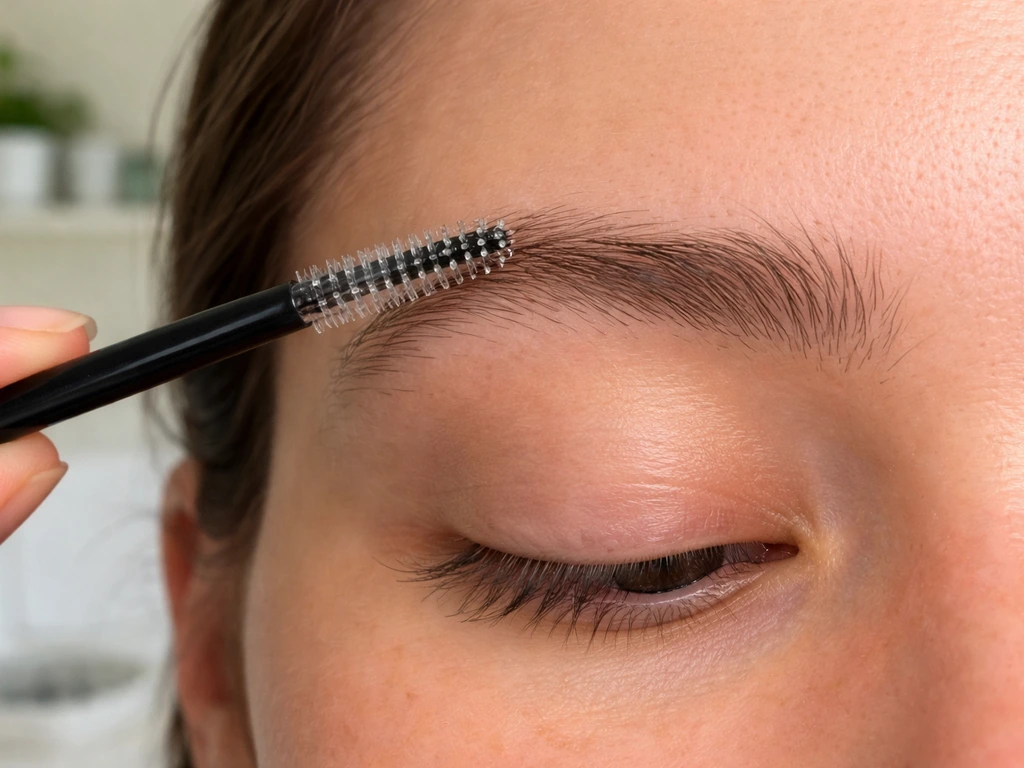
You can support faster eyebrow growth by stopping anything that damages the follicles, adding a consistent topical routine (rosemary oil and castor oil are the most practical starting points), eating enough protein and key micronutrients, and then being patient for roughly 3 to 6 months. There is no overnight fix, but there are real things you can do today that genuinely move the needle.
How to Make Eyebrows Grow Faster: Step-by-Step Guide

James Whitmore
28 Apr 2026
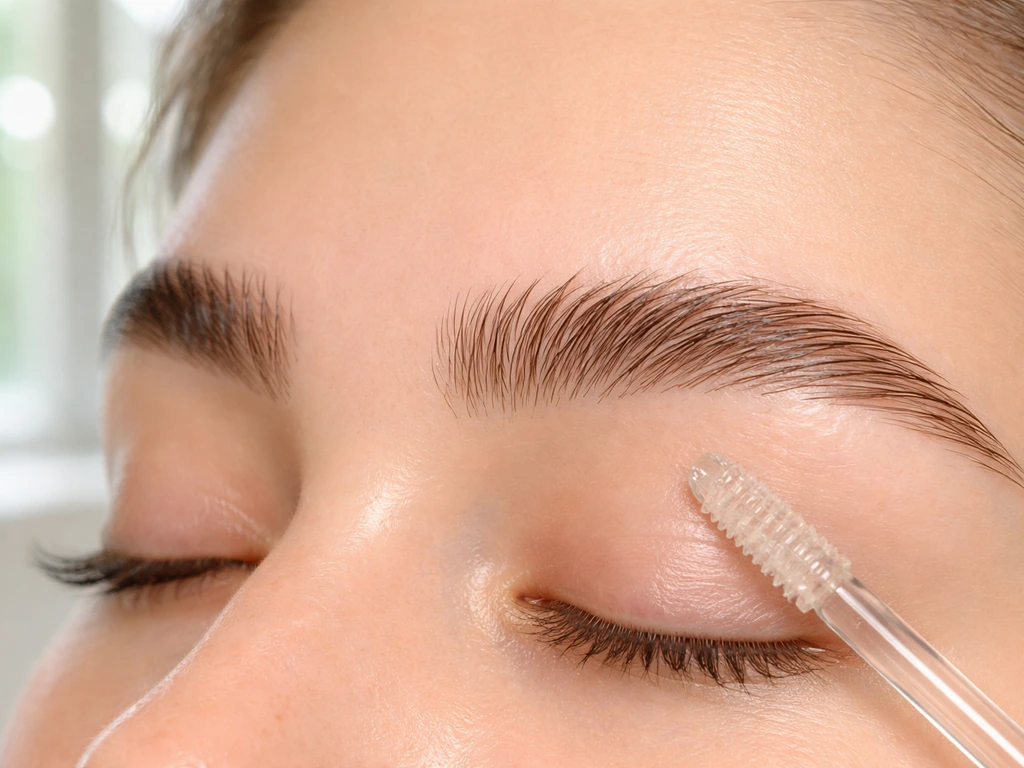
Why eyebrows stop growing (and what "faster" really means)
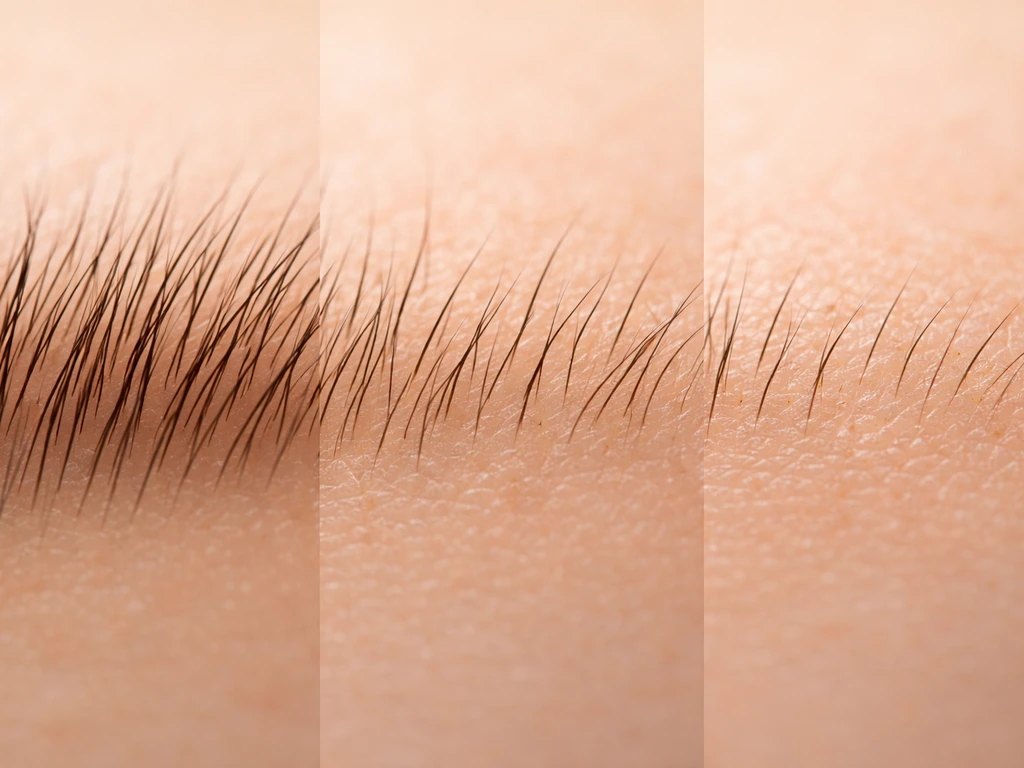
Eyebrow hairs follow a three-phase growth cycle: anagen (active growth, about 2 to 3 months), catagen (transition, 2 to 3 weeks), and telogen (resting, another 2 to 3 months). Because the anagen phase is so short compared to scalp hair, your brows are in a resting state for a large portion of the time. That is why they do not grow to floor-length like head hair, and why regrowth after damage feels slow even when everything is working correctly.
When people say they want their eyebrows to grow faster, they usually mean one of two things: they want dormant follicles to re-enter the growth phase sooner, or they want existing hairs to grow thicker and fuller. Both are possible to influence, but within limits. You cannot override your genetics or age. What you can do is remove the barriers slowing things down, which is often just as effective as adding any product. If you are trying to make your eyebrows grow slower, focus on removing common barriers like irritation, overplucking, and nutritional gaps barriers slowing things down.
Anything that inflames or irritates the skin around the follicle can push hairs prematurely into the resting phase or slow regrowth. Repeated overplucking is a classic example. Hormonal imbalances (especially low thyroid function), high stress, poor nutrition, and inflammatory skin conditions like seborrheic dermatitis can all do the same thing. StatPearls lists common telogen effluvium triggers including hypothyroidism and iron deficiency, which can contribute to hair shedding blank" rel="noopener noreferrer">Hormonal imbalances (especially low thyroid function). Telogen effluvium can also be related to poor diet, so focusing on a balanced intake that provides enough protein, iron, and other nutrients may help with prevention blank" rel="noopener noreferrer">poor nutrition. So when you are troubleshooting slow growth, the first question is always: what is causing it?
Speeding up regrowth after overplucking, waxing, or shaving
The good news for anyone who has over-plucked, waxed, or even shaved off a brow: the follicles are almost certainly still alive. A small study tracking people who shaved one eyebrow found full regrowth in all participants within about six months. The follicle just needs time to cycle through telogen and re-enter anagen. If you are dealing with brow slits specifically, focus on minimizing trauma and giving your follicles enough time to cycle back into active growth. The most important thing you can do right now is stop the trauma entirely. No more plucking. No shaping until there is enough hair to work with. Every time you remove a hair, you restart its individual clock.
While you wait, protect the skin. Avoid harsh scrubs, strong retinoids directly on the brow area, and anything that causes redness or peeling on that skin. Inflammation in the dermis is directly counterproductive to hair cycling. A gentle, fragrance-free moisturizer applied to the brow area keeps the skin barrier healthy without clogging follicles. Think of it as creating a good environment for regrowth rather than forcing growth.
Expect a realistic timeline. If you heavily overplucked for years, some follicles may have been repeatedly disrupted enough to slow down significantly. Most people see initial regrowth (short, fine hairs appearing) within 6 to 8 weeks of stopping. Full density can take 4 to 6 months. If you are also dealing with brow slits or specific patches from damage, the timeline and approach may vary slightly based on the area involved.
Natural brow growth routines you can start today
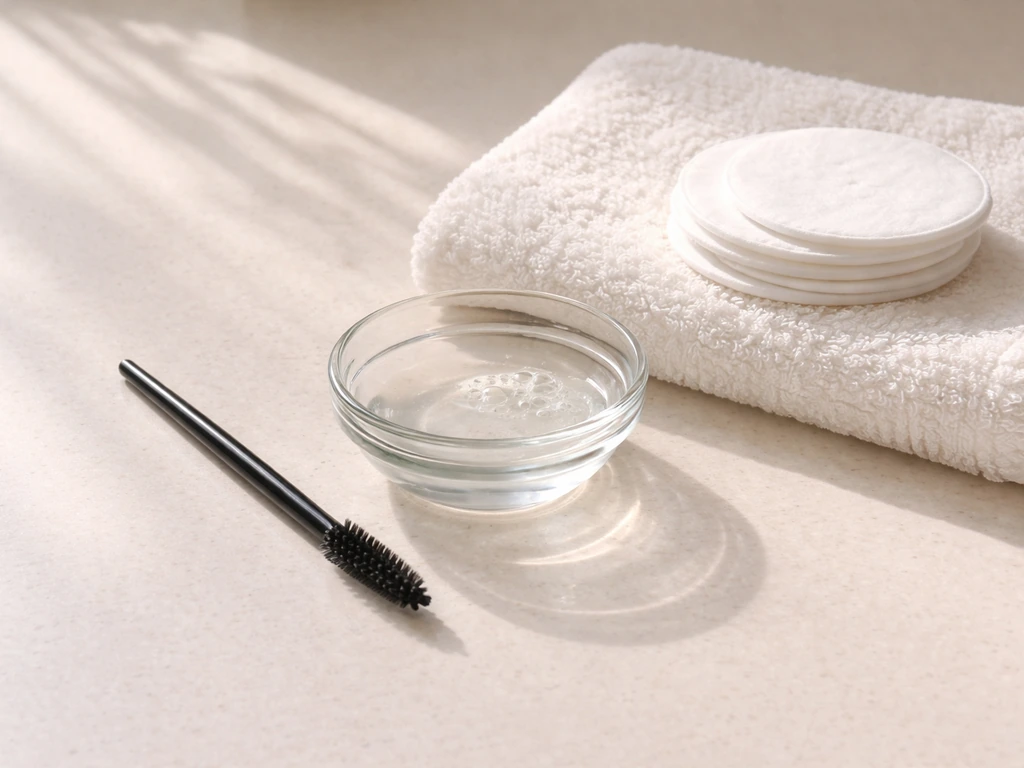
A consistent daily routine matters more than any single miracle product. Here is a practical approach you can start immediately.
- Stop all plucking, waxing, threading, or any hair removal in the brow area until growth is back to where you want it.
- Cleanse gently. Use a mild, sulfate-free cleanser on your face and avoid scrubbing the brow area aggressively.
- Apply a topical oil or serum to the brow area nightly. Use a clean spoolie or your fingertip to massage it in gently for 30 to 60 seconds. This also provides light mechanical stimulation to the skin.
- Keep the skin moisturized. A fragrance-free moisturizer over the brow bone helps maintain a healthy skin environment.
- Take a photo every two to four weeks in the same lighting. Progress is slow enough that day-to-day comparison is discouraging and not useful.
- Reassess at 8 weeks. If you see any new fine hairs, the routine is working. If you see nothing, consider whether an underlying issue needs attention.
One common mistake is doing too much. People layer multiple oils, over-massage to the point of irritation, or use harsh exfoliants thinking it will stimulate growth. It does not. Irritation delays growth. Less is genuinely more here.
Evidence-based topical options: what actually works
Let's be honest about what the research says, because the internet overpromises on this topic constantly.
Castor oil
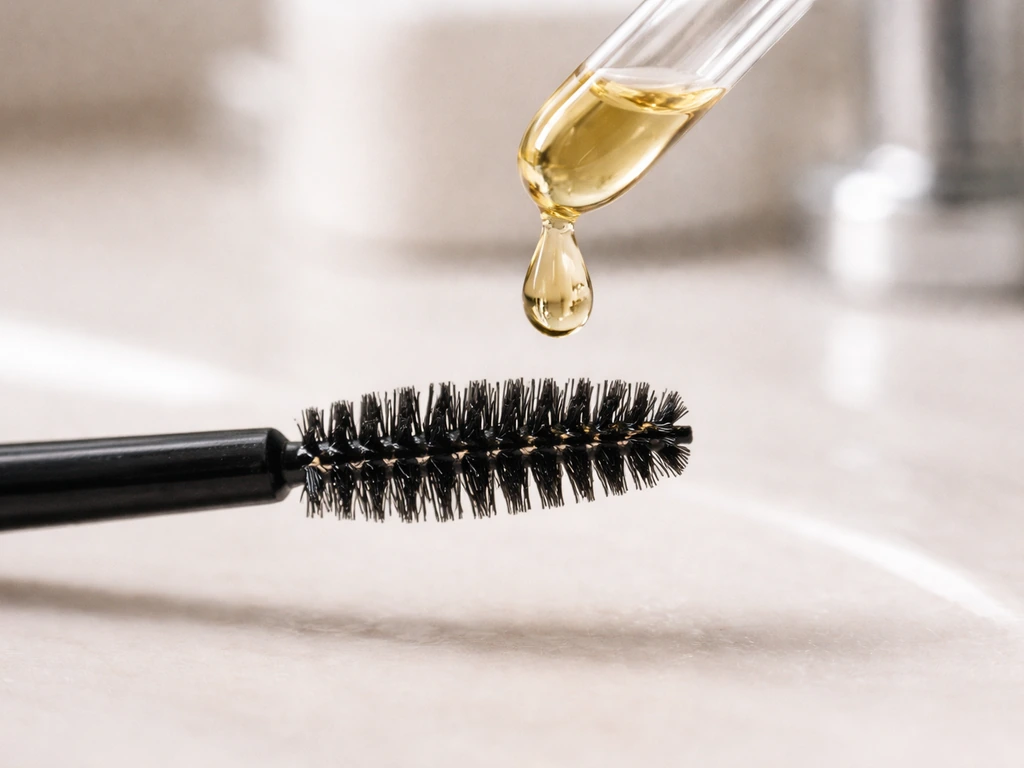
Castor oil is probably the most popular recommendation you will find for eyebrow growth, and the honest truth is there are no published studies specifically testing it on eyebrows. What we know is that it is a thick, ricinoleic-acid-rich oil with moisturizing and mild anti-inflammatory properties, and it is generally safe for skin application. Many people, myself included, find it useful as part of a nightly brow routine. It likely helps by keeping the skin and hair shaft conditioned rather than directly stimulating follicles. One real concern: keep it out of your eyes. Castor oil near the eyes can cause irritation, blurred vision, and reduced tear quality. Apply carefully with a spoolie, not your fingers, so you have precise placement.
Rosemary oil
Rosemary oil has more research behind it than castor oil, though the studies are on scalp hair, not brows. A randomized trial comparing rosemary oil to 2% minoxidil in androgenetic alopecia found comparable results between the two at six months, with no significant change at the three-month mark in either group. For brows, the mechanism is plausible: rosemary has antioxidant and anti-inflammatory properties that support a healthier follicle environment. Dilute it before applying (2 to 3 drops in a carrier oil like jojoba or the castor oil itself) to avoid skin irritation. Applied nightly to the brow area, it is a low-risk addition with a reasonable biological rationale.
Peptide-based brow serums
Brow growth serums containing peptides (like those with biomimetic peptides or biotin-complex formulations) are widely marketed and sit somewhere between castor oil and minoxidil in terms of evidence. The peptides in these products aim to signal follicles to stay in the growth phase longer. Clinical data is largely proprietary and funded by the brands themselves, so the evidence base is weaker than minoxidil. That said, many are safe, well-formulated, and combine multiple supportive ingredients. If you want something more cosmetically elegant than straight oil, a serum is a reasonable choice.
Minoxidil
Minoxidil is the strongest option with actual clinical data for eyebrows. A randomized double-masked split-face study found that 2% minoxidil lotion produced noticeable eyebrow enhancement in 51% of participants versus 23% with placebo. That is a real, meaningful difference. Topical minoxidil has also shown results for alopecia areata affecting facial hair, though it works better in milder cases. The catch is that minoxidil is not typically labeled for eyebrow use, it can cause skin irritation, and you need to apply it carefully to avoid spreading it to areas you do not want hair growth. It is worth discussing with a dermatologist if other options have not worked after several months.
Bimatoprost (a prescription option)
Bimatoprost, a prostaglandin analog originally used in glaucoma eye drops, has clinical evidence for eyebrow hypotrichosis and has been shown to increase brow hair count and diameter. It does require a prescription and comes with real side effects including skin hyperpigmentation, eye irritation, and conjunctival redness (reported in a small percentage of users). This is not a DIY option, but if you have significant thinning and other approaches have not worked, it is worth asking a dermatologist about.
| Option | Evidence for Brows | Ease of Use | Key Cautions |
|---|---|---|---|
| Castor oil | Anecdotal, no brow-specific studies | Easy, widely available | Keep away from eyes; apply with spoolie |
| Rosemary oil | Scalp studies promising; no brow-specific trials | Easy; must dilute first | Can irritate skin if used undiluted |
| Peptide serums | Limited; mostly brand-funded data | Easy; cosmetically elegant | Variable formulations; check ingredients |
| Minoxidil 2% | Randomized trial: 51% showed enhancement | Moderate; requires care in application | Skin irritation; off-label use; consult a doctor |
| Bimatoprost | Strong clinical evidence for brow hypotrichosis | Prescription only | Hyperpigmentation, eye irritation risks |
Foods and nutrition that support eyebrow growth
Hair follicles are metabolically active and nutritionally demanding. If your diet is consistently low in key nutrients, growth will slow, period. But the flip side is also true: if you are already eating a reasonably balanced diet, popping extra supplements will not make your brows grow faster than your genetics allow. The research is pretty clear that supplements help people who are deficient, not people who are already replete.
Protein is the most underrated factor. Hair is made of keratin, which is a protein. Consistently low protein intake (common in highly restrictive diets) will slow hair growth across your entire body, including brows. Aim for adequate daily protein from whole food sources: eggs, fish, poultry, legumes, dairy, or whatever fits your diet.
Iron and vitamin D are the two deficiencies most consistently linked to hair loss in the research. If your brows are thinning alongside general fatigue, cold intolerance, or low energy, it is worth getting blood work done before buying supplements. Vitamin D levels are easy to check and low levels are common. Harvard Health notes that clinicians may recommend vitamin D supplementation specifically when hair loss accompanies documented low levels.
Biotin gets a lot of attention in hair supplements, and it does matter if you are genuinely deficient. Biotin deficiency can cause hair thinning, brittle nails, and skin rashes. However, true deficiency is uncommon in people eating a normal diet, and there is limited evidence that biotin supplementation helps people without a documented deficiency. Same story for zinc and selenium. Get tested if you are concerned, rather than assuming more is better.
- Prioritize: adequate protein, iron-rich foods (red meat, lentils, spinach), eggs (biotin source), fatty fish (vitamin D and omega-3s)
- Helpful to include: nuts and seeds (zinc, selenium), sweet potatoes and leafy greens (vitamins A and C)
- What to avoid: crash diets or very low-calorie eating, which trigger telogen effluvium (widespread shedding) across the whole body including brows
- Limit: excessive selenium supplementation, which can actually cause hair loss at high doses
How long it actually takes, and when to see a doctor
Here are realistic timelines based on the cause of your thinning:
| Cause | Expected Regrowth Timeline | Notes |
|---|---|---|
| Shaving (one-time) | Full regrowth by ~6 months | Follicles intact; just need time to cycle |
| Overplucking (short-term) | 6–8 weeks for first hairs; 3–4 months for density | Stop plucking completely |
| Overplucking (years of chronic trauma) | 4–6+ months; some follicles may be permanently slower | Consistent routine helps; manage expectations |
| Stress or dietary deficiency | 2–4 months after resolving the cause | Fix the root cause first |
| Hormonal imbalance (e.g., hypothyroidism) | Varies; improvement after treatment begins | Requires medical evaluation and treatment |
| Alopecia areata | Unpredictable; may need topical minoxidil or dermatology care | Autoimmune; not a DIY fix |
The pattern of your thinning matters a lot. If you are losing the outer third of both eyebrows symmetrically, that is a classic pattern associated with hypothyroidism and warrants a thyroid panel, not just more castor oil. Patchy, coin-shaped bald spots within the brow can indicate alopecia areata, which is autoimmune and may need prescription treatment. If the skin at the thinning site looks shiny, scarred, or atrophied, that is a sign of scarring madarosis. Scarring hair loss is more likely to be permanent because the follicle itself is destroyed by deep inflammation or fibrosis, and this needs a dermatologist.
The practical rule is this: if you have stopped all trauma, been consistent with a topical routine, and addressed any obvious nutritional issues, you should see at least some new growth within 8 to 12 weeks. If you want more specific steps, you can also follow our guide on how to grow your eyebrows quickly. If you follow this routine, you can still improve your odds of how to grow your eyebrows quickly, but realistic timelines matter. If you see none, or if the thinning is getting worse, make an appointment with a dermatologist. Madarosis (the medical term for eyebrow and eyelash hair loss) is often reversible once the underlying cause is identified and treated. The mistake is waiting a year before asking for help because you assumed it was just slow regrowth.
If you are mainly dealing with cosmetically sparse brows rather than a medical cause, the approach is simpler: commit to a consistent routine for a full three to four months before judging results. Progress is slow, individual variation is real, and age affects how quickly follicles respond. Be patient, be consistent, and resist the urge to keep adding more products. One good oil applied nightly, a clean diet, and leaving your brows alone is genuinely the foundation that everything else builds on.
FAQ
How long should I wait before deciding my brow growth routine is not working?
If you stop all trauma and use a simple nightly routine, look for first changes within 6 to 12 weeks (often short, fine hairs). If you see zero improvement by 3 months, or if thinning is progressing, that is a good time to switch from “more products” to troubleshooting the cause with a dermatologist.
Can I speed growth by exfoliating or using a stronger retinoid on my brows?
Usually no. The skin around brow follicles is thin, and irritation can delay the hair cycle. Stick to gentle, fragrance-free moisturizing, avoid harsh scrubs, and do not apply strong retinoids directly to the brow area unless a clinician specifically tells you to.
Is it safe to apply rosemary oil or castor oil if I have sensitive skin?
Do a patch test first, apply a diluted rosemary oil mixture (for example, a few drops in a carrier), and stop if you notice redness, burning, or peeling. Also avoid getting oil too close to the eye margin to reduce irritation risk.
Will taking biotin or “hair vitamins” make my eyebrows grow faster if my diet is already decent?
Not reliably. Supplements tend to help mainly when you are deficient. If you suspect a deficiency, it is more effective to get labs (commonly vitamin D, iron status, sometimes thyroid) rather than adding high-dose supplements that are unlikely to change results.
My eyebrows got patchy after a trigger, could it be something more than slow regrowth?
Yes. Patchy, coin-shaped gaps can suggest alopecia areata, and thinning patterns that look shiny, scarred, or atrophied can suggest scarring causes. Those situations often require diagnosis and prescription treatment, because “waiting it out” may reduce the chance of recovery.
If I previously overplucked, should I leave my brows alone or can I shape them at all?
Leave them alone until you have enough length to shape without plucking stray hairs. Every removal restarts that hair’s cycle timing, which means you are likely to slow regrowth if you keep “tidying” frequently.
Is it okay to use minoxidil on eyebrows if it is not labeled for that use?
It can work, but it is off-label. Expect a real risk of local irritation and accidental spread to unwanted areas. Use careful application with precise tools, keep it away from the eyelid and eye area, and consider a dermatologist if irritation occurs or if there is no meaningful change after a few months.
How do I know whether thinning is more hormonal or thyroid-related versus just irritation?
Consider the pattern and symptoms. Symmetric outer-third thinning plus fatigue, cold intolerance, or other thyroid-type symptoms is a reason to ask for thyroid testing rather than focusing only on oils. When the issue is chemical or mechanical irritation, you often see redness, scaling, or a history of frequent waxing or aggressive skincare.
Can eyebrows grow back if they are completely gone in one spot?
Often yes, if the follicles are still present and not destroyed. However, if the skin looks scarred, shiny, or atrophic at the thinning site, regrowth may be limited. That is when a dermatologist exam is especially important.
What is the safest way to apply oils so I do not irritate the eye area?
Use a clean spoolie or applicator for controlled placement, apply a small amount, and keep it well away from the lash line. If you get any stinging, tearing, or blurred vision, wash it off and do not reapply until irritation fully resolves.
Next Article
How to Grow Your Eyebrows Quickly: Fast Regrowth Guide
Step-by-step guide to regrow eyebrows quickly, set timelines, fix sparse brows, and use safe oils or minoxidil.