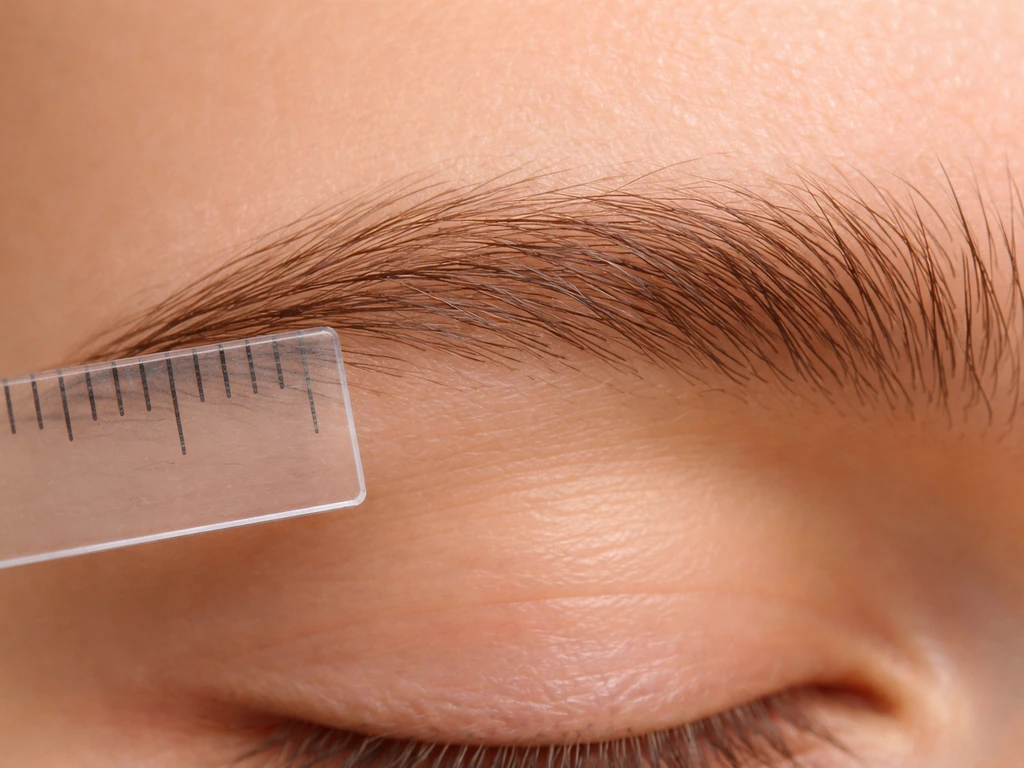
Your eyebrows probably aren't actually growing faster than normal. What's happening is that the hair was cut or removed at the surface, and the follicle was never touched, so the hair that was already partially grown just keeps coming back into view quickly. Shaving, in particular, leaves the full hair shaft intact under the skin, so stubble can show up within two to three days. That's not accelerated growth, that's just physics. That said, genetics, hormones, and your grooming method do all play real roles in how quickly regrowth becomes visible and how dense it gets, so it's worth understanding what's actually going on before you try to fix it.
Why Do My Eyebrows Grow So Fast? Regrowth Tips
James Whitmore
5 May 2026
The eyebrow growth cycle (and why "fast" is often normal)
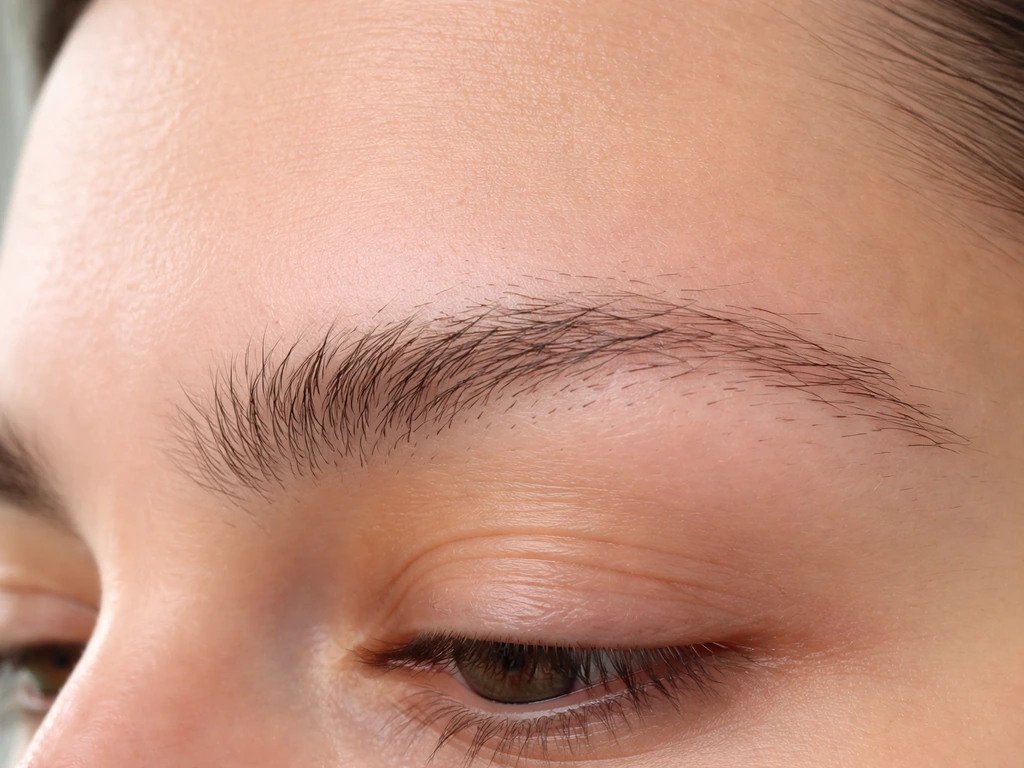
Every hair on your body follows the same three-phase cycle: anagen (active growth), catagen (transition), and telogen (rest and shedding). The difference between your eyebrows and your scalp hair is the timing. Eyebrow anagen lasts roughly 28 days to 2-3 months, catagen wraps up in a couple of weeks, and telogen sits at about 100 days.
Scalp hair, by contrast, stays in anagen for 2 to 6 years, which is why your head hair gets long and your brows stay short. The short anagen phase is also why eyebrows have a maximum length they never seem to exceed, which is a topic worth looking at separately when you're wondering why eyebrows don't grow longer. That short anagen phase also helps explain why eyebrows don't grow longer, even when they seem to grow quickly at first.
Because the anagen phase on brows is so short, the follicle cycles through growth and rest relatively quickly. If a hair was already midway through its anagen phase when you removed it, the follicle just picks up where it left off. That can make regrowth look surprisingly fast even when nothing unusual is happening. So in most cases, what you're experiencing is completely normal biology, not some abnormal acceleration.
Why regrowth feels so fast after plucking, shaving, or waxing
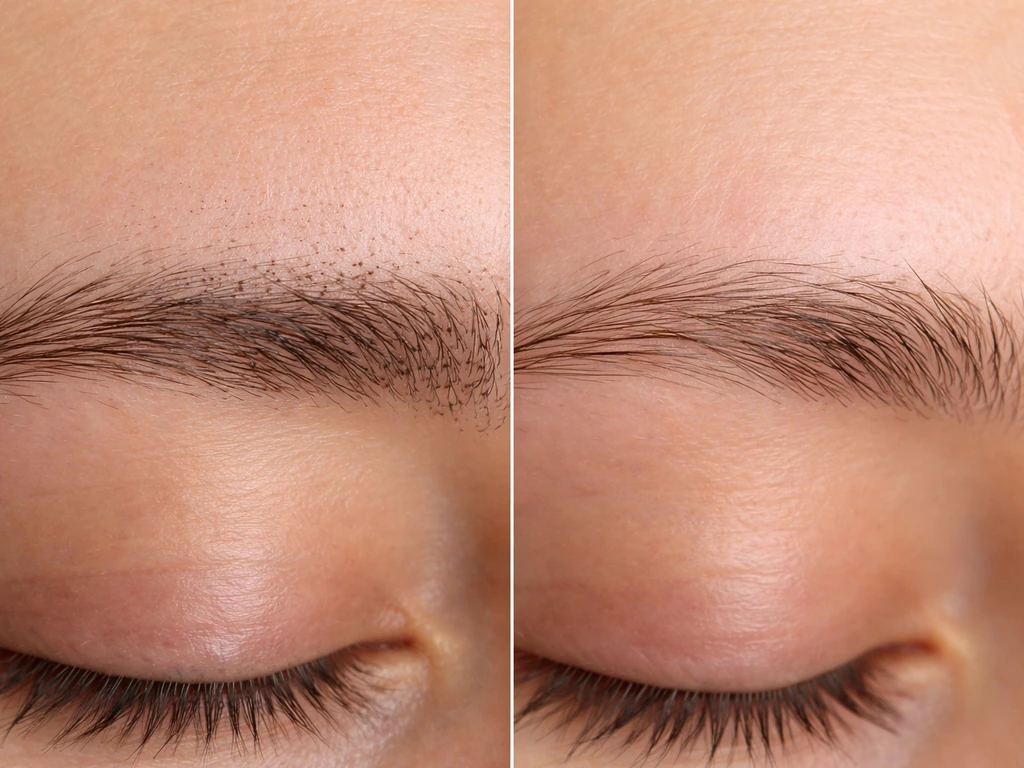
The method you used to remove the hair matters a lot here. Shaving cuts the hair at the skin surface, leaving the root and most of the shaft intact underground. The blunt-cut tip of a shaved hair also catches light differently than a naturally tapered tip, which makes stubble look thicker and darker than it actually is. Despite what many people believe, shaving does not make hair grow back faster or thicker. The follicle doesn't know what you did at the surface. That stubble reappearing in two days isn't new growth, it's the hair you already had just breaking through the skin again.
Plucking and waxing actually remove the hair from the root, so regrowth takes longer. But even then, the follicle isn't destroyed. It starts a new anagen phase after removal, and depending on where it was in its cycle, new visible growth can appear within a few weeks. If your brows feel like they grow back immediately after plucking, there are likely hairs from multiple follicles at different cycle stages coming in at staggered intervals. You're not seeing faster growth, you're seeing a constant rotation of follicles cycling through at different times.
Unibrow regrowth and when it's genetics vs. your grooming
A unibrow or heavy growth in the glabella area (between the brows) that comes back quickly is almost always genetic. The follicles in that zone are just as active as anywhere else on the brow, and if your natural density is high there, the hair will come back on its normal timeline regardless of how you remove it. Plucking that area regularly doesn't slow regrowth, it just keeps up with a process that's already underway. If anything, repeated aggressive plucking in delicate skin areas can cause irritation and, over time, the kind of follicle damage that might reduce regrowth, but that's not a method worth relying on.
Where genetics ends and grooming frequency begins is fairly simple to test: stop grooming that zone for 6 to 8 weeks and see what the natural density looks like. If you have a dense, full unibrow naturally, that's your baseline. Your hair won't grow faster than its cycle, but genetics determines how many follicles are active and how thick each strand is, both of which affect how prominent regrowth looks after grooming.
Realistic timelines: how long regrowth actually takes
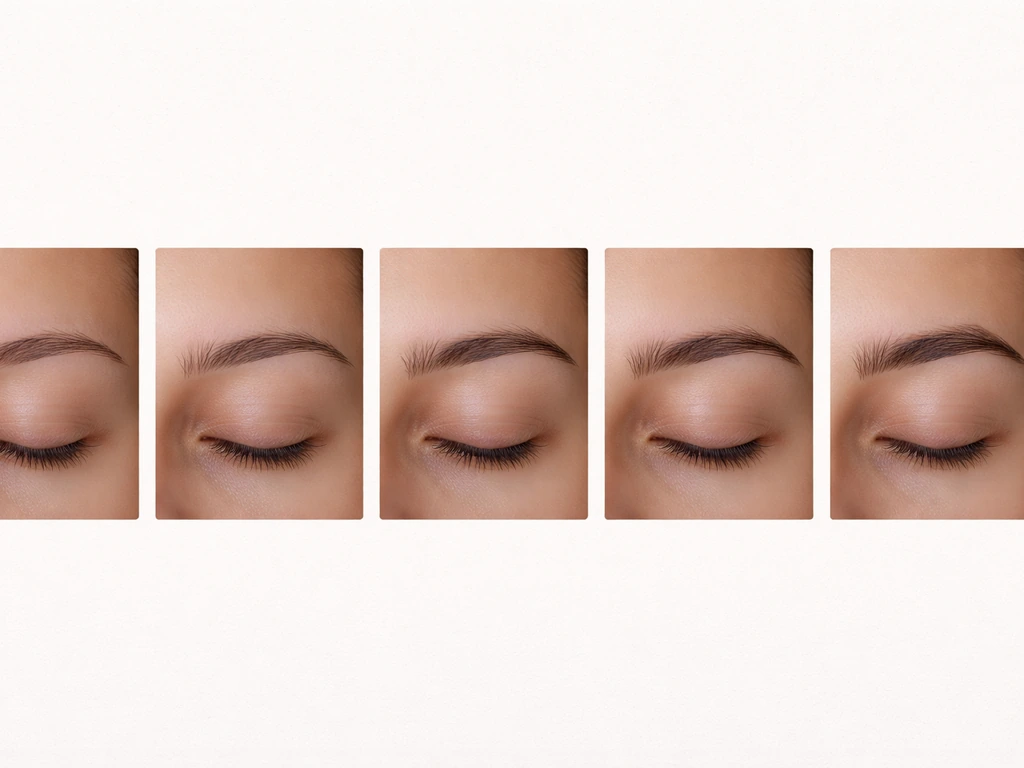
This is where people most often get frustrated, and it's usually because expectations don't match the biology. Here's a straightforward breakdown:
| Grooming Method | Visible Stubble/Regrowth | Back to Baseline |
|---|---|---|
| Shaving | 2-3 days | Up to 6 weeks for full brows to look similar to before |
| Plucking | 2-4 weeks for initial regrowth | 3-4 months for full, even regrowth |
| Waxing | 2-4 weeks for initial regrowth | 3-4 months for full, even regrowth |
| Over-plucking (long-term) | Variable, may be patchy | Could take longer; some follicles may be damaged |
The Cleveland Clinic recommends giving yourself at least 2 to 3 months before judging whether regrowth is progressing, because the eyebrow hair cycle runs roughly 3 to 4 months start to finish. If you're waiting to see whether thinned brows are filling back in, that 3-4 month window is the realistic benchmark, not 3 weeks. Early visible hairs poking through don't mean the brow is back to normal; it means the follicles that were in early anagen are becoming visible. The rest are still resting.
How to slow down or manage rapid regrowth safely
If your brows grow back faster than you'd like, the goal is to find a grooming method that's sustainable, low-irritation, and doesn't create ongoing skin problems. Here's what works and what to watch out for:
Trimming instead of removing
Trimming with small scissors or a brow trimmer is the safest option for managing length and reducing the appearance of overgrowth without touching the follicle at all. There's no stubble because you're not cutting at the skin surface, and there's no risk of ingrown hairs or follicle damage. If your main frustration is that your brows look unruly or that a unibrow reappears quickly, trimming the inter-brow area every week or two is low-effort and low-risk.
Plucking: less often, more carefully
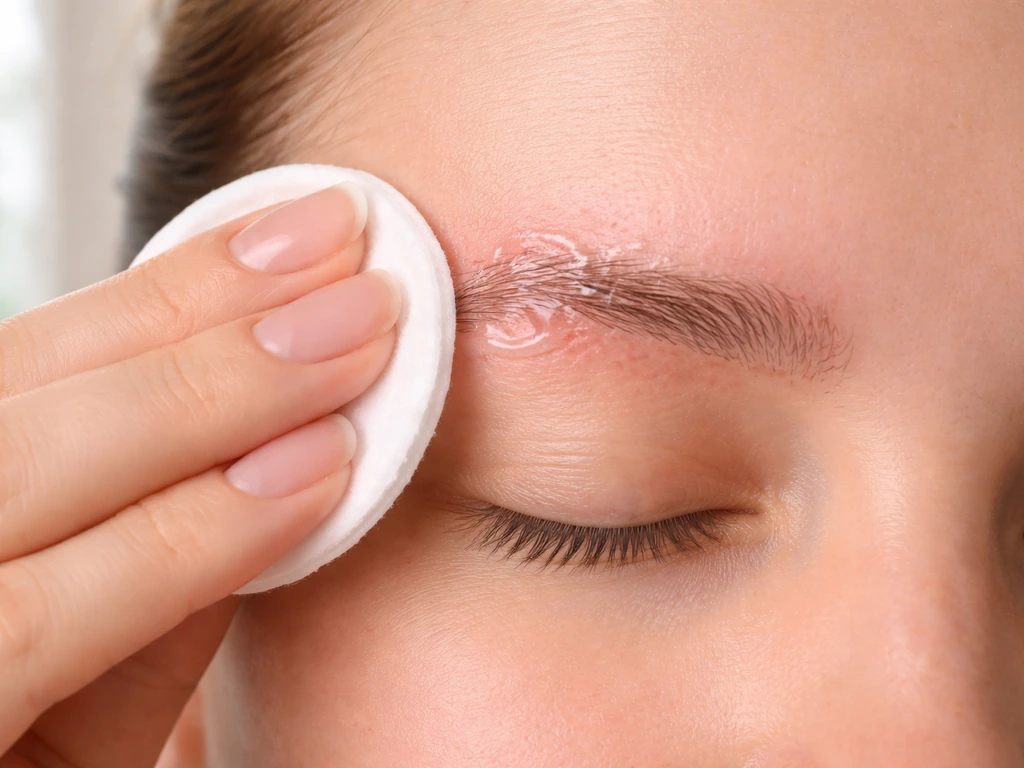
Daily plucking is where things can go wrong. Repeated trauma to the thin skin of the brow area can cause folliculitis (inflamed or infected follicles), scarring, and over time, the kind of damage that actually prevents regrowth. The Cleveland Clinic specifically flags daily plucking as potentially scarring. Pluck only when hairs are clearly grown in, use a good-quality slanted tweezer, and pull in the direction of hair growth to reduce resistance on the follicle. Every few weeks is a much safer cadence than daily maintenance.
Shaving with care
If you shave your brows or the unibrow area, always shave in the direction of hair growth, avoid pressing too hard, and rinse with cool water afterward to reduce irritation. The Mayo Clinic recommends shaving with the grain specifically to reduce ingrown hairs, which can become infected and cause lingering bumps. After shaving, skip heavy occlusive products right over the follicle area until the skin settles.
Waxing and threading
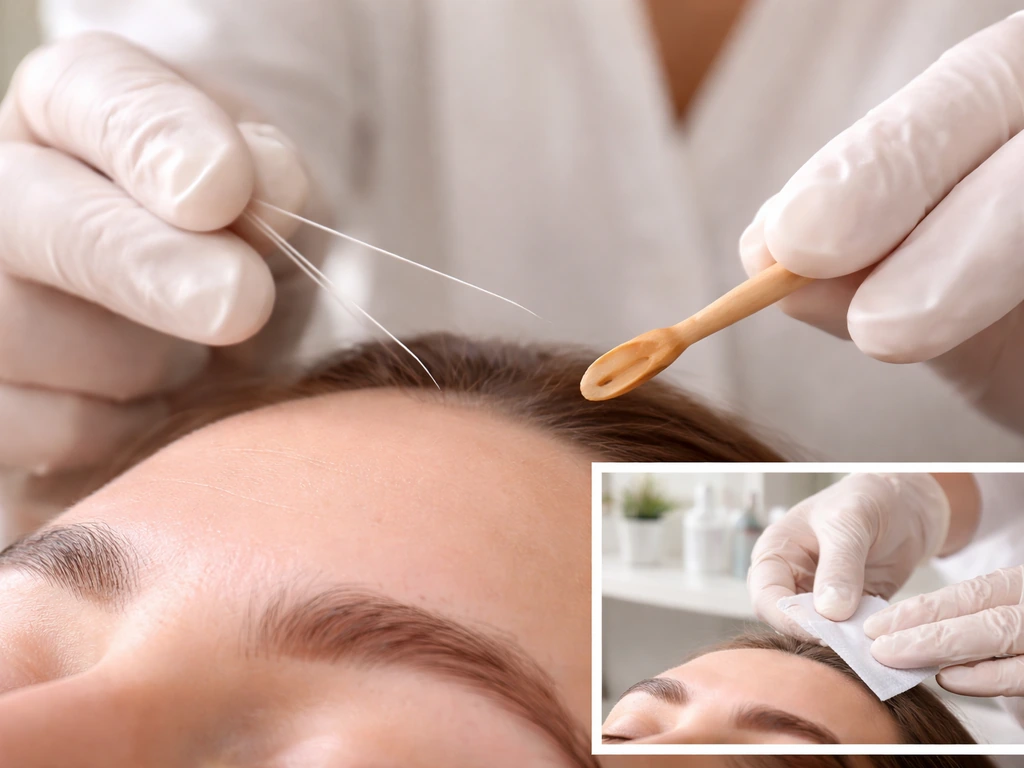
Both methods remove hair from the root, which buys more time than shaving. But threading carries a real risk of folliculitis and skin irritation, and waxing can cause ingrown hairs, especially on coarser hair. If you're prone to bumps or irritation, these methods require proper aftercare: keep the area clean, avoid touching it, and don't apply heavy makeup or creams immediately after. If folliculitis or ingrowns are a recurring issue, switching to plucking or trimming may be the smarter long-term choice.
Longer-term options
Laser hair removal and electrolysis are the only methods that can meaningfully reduce regrowth over time by targeting the follicle itself. These are worth considering if you're spending significant time managing rapid regrowth, particularly in the unibrow area. Multiple sessions are required, and results vary by hair color and skin tone, but for many people this eliminates the maintenance cycle entirely.
If you want fuller brows: what actually works (and what doesn't)
The site's main focus includes helping people with sparse brows, so it's worth being clear: the products and remedies that promote growth are the opposite of what you want if your goal is slowing regrowth. But if you're reading this after over-plucking or because you've also got thinning areas alongside fast-regrowth zones, here's an honest breakdown.
Castor oil
Castor oil is the most popular home remedy for brow growth, but the science is thin. There are no published clinical trials specifically testing castor oil on eyebrow growth. The active component, ricinoleic acid, has some broader hair-loss research behind it, but nothing that confirms it actually speeds up the eyebrow cycle. That said, it's safe to use, very low-risk, and may help with the appearance of brow health through conditioning. If you're using it hoping to fill in sparse areas, give it 2-3 months and keep expectations modest.
Rosemary oil
Rosemary oil has gained traction for scalp hair growth, with some small studies supporting its use for androgenic hair loss. Whether that translates meaningfully to eyebrow growth specifically is unclear, and there's no direct eyebrow-specific evidence to point to. It's another low-risk option worth trying, but approach it the same way as castor oil: don't expect dramatic results quickly.
Minoxidil
Minoxidil is more potent and more studied than the oils. The Cleveland Clinic mentions OTC minoxidil as a possible option for thin brows, but comes with important caveats: it can cause burning if it gets near the eyes, and the "field effect" means it can stimulate unwanted hair growth in surrounding areas. There's also a documented risk of generalized hypertrichosis (excessive body hair growth) with topical use. For people who want to slow growth or avoid stimulating more hair, minoxidil is not the right tool. If you're trying to fill in genuinely sparse brows, it's worth discussing with a dermatologist before starting.
Bimatoprost
Bimatoprost 0.03% (a prostaglandin analog) has the strongest clinical evidence for eyebrow growth. A randomized controlled study found it improved eyebrow fullness and darkness compared to a vehicle control, with improvements visible as early as Month 1-2 and continuing through Month 7. This is prescription-only and typically prescribed for eyebrow hypotrichosis, so it's not an over-the-counter solution. If your brows are genuinely thinning and you're concerned about follicle health, this is worth asking a dermatologist about.
To summarize the trade-offs clearly:
| Product/Remedy | Evidence Level | Best For | Avoid If |
|---|---|---|---|
| Castor oil | Anecdotal; no eyebrow-specific trials | Sparse brows, low-risk maintenance | You want to reduce growth stimulation |
| Rosemary oil | Scalp evidence only; no eyebrow trials | Sparse brows, general hair health | You want to reduce growth stimulation |
| Minoxidil (OTC) | General hair growth evidence; not eyebrow-specific | Genuinely thinning brows, under dermatologist guidance | Near eyes; prone to hypertrichosis; want to slow growth |
| Bimatoprost 0.03% | Controlled clinical trial evidence for brow hypotrichosis | Clinically thinning brows, prescription use | You're concerned about growth speed already |
When fast-growing brows might signal something worth checking
For most people, fast eyebrow regrowth is just normal biology and genetics. But in some cases, rapid or excessive facial hair growth, especially when it's new or getting noticeably worse, can be a sign of a hormonal shift worth investigating. Here's when to bring it up with a doctor or dermatologist:
- You're a woman noticing new or increasing coarse facial hair growth, including heavier brows or unibrow development, especially alongside irregular periods or acne (these can be signs of PCOS or hyperandrogenism)
- Your eyebrow or facial hair growth has changed noticeably in a short time without any change in grooming habits
- You're experiencing other signs of androgen excess: oily skin, scalp hair thinning, or changes in body hair patterns
- You're on a new medication (some drugs can cause hypertrichosis as a side effect, as seen with minoxidil)
- You have persistent redness, bumps, or scaling in the brow area that doesn't clear up (this could indicate seborrheic dermatitis, which affects sebaceous-gland-rich areas like the face and brows, and needs targeted treatment like ketoconazole)
A dermatologist evaluating excess hair growth will typically look at the pattern and distribution of hair, and may order blood tests including total testosterone and DHEAS to check for androgen excess. If PCOS is suspected, a pelvic ultrasound to check for ovarian cysts may follow. Mayo Clinic notes that PCOS can show signs such as [irregular periods](https://www. mayoclinic.
org/diseases-conditions/pcos/symptoms-causes/syc-20353439? geo=national&invsrc=other&placementsite=enterprise) and symptoms related to excess androgens, including new facial hair growth and acne. If PCOS is suspected, symptoms can include [irregular menstrual periods](https://www. nichd.
nih. gov/health/topics/pcos/conditioninfo/symptoms) (anovulation) along with increased facial and body hair growth (hirsutism) and severe acne. This isn't a long or complex workup, but it does give you answers that grooming alone can't provide. Hirsutism (male-pattern terminal hair growth in women) is specifically linked to elevated androgens or increased follicle sensitivity to androgens, so if the pattern fits, getting that confirmed means you can treat the cause rather than just the symptom.
On the flip side, if you're noticing that brows are growing back slower than they used to or becoming patchier with age, that's a different issue. This is related to the question of why eyebrows can change with age, especially when they start growing in differently over time why do eyebrows grow longer with age. Age-related changes in follicle activity can reduce eyebrow density over time, which is essentially the opposite problem explored in articles about why brows stop growing or why growth slows down as people get older.
The practical bottom line
Fast eyebrow regrowth is almost always normal, especially after shaving (where the follicle was never touched) or after plucking (where multiple follicles cycle at different times). Manage it with a low-irritation method you can sustain: trimming for low maintenance, plucking every few weeks (not daily), or waxing with good aftercare. If you want to actively reduce regrowth over time, laser hair removal is the most effective option.
Avoid applying growth-promoting products like castor oil or minoxidil to areas where you don't want more hair. And if the growth is new, worsening, or accompanied by other symptoms, skip the home remedies and get a hormonal workup done first. If you're also asking why your eyebrows aren't growing the way you expect, it helps to look at the eyebrow growth cycle and realistic timelines why don't my eyebrows grow.
FAQ
Can eyebrow regrowth be genuinely faster, or is it always an illusion?
Yes, but usually the timing is misleading. If you see “new” hairs within days of shaving, those hairs were already in an active growth stage and were just cut at the surface, so they look like they regrew faster. A true cycle reset after shaving is still limited by the brow’s short growth phase, so you generally judge progress by weeks to months, not days.
How can I tell if my brows are actually growing faster or if it’s just regrowth visibility?
Try stopping grooming for 6 to 8 weeks, then photograph the brows in the same lighting, same angle, and same distance from your face. If the density looks unchanged during that pause, your “fast regrowth” is likely staggered follicle timing or shadowing from cut hair, not accelerated growth.
Why does my brow look thicker after shaving, even when I know I’m not adding hair?
Look at what happens right after you remove hair. Shaving tends to create darker-looking stubble because the cut ends reflect light, so the brows can look thicker even if the actual hair count did not increase. Plucking or waxing usually shows fewer immediate visual changes because hairs have to re-enter active growth before they break through.
Is it harmful to pluck my eyebrows every day to keep them neat?
Daily plucking increases the odds of irritated, inflamed follicles (folliculitis), bumps, and potentially scarring, which can later reduce regrowth. If you pluck, use a spacing of weeks, pluck only hairs that are clearly grown in, and avoid repeatedly chasing “in-between” hairs that are not fully emerged.
Does threading cause the same regrowth issues as plucking or waxing?
Threading can be less about removing every follicle from the root and more about repeated friction and traction on the hair and surrounding skin. If you are prone to recurring pimples or irritation in the brow area, you may notice ingrowns or follicle inflammation more with threading, so it helps to patch-test a routine and use gentle aftercare.
What should I do if my brows grow fast but also break out in bumps?
If you get bumps that are red, tender, or filled with pus, you likely have folliculitis rather than just normal stubble. In that case, avoid more grooming on the area, use gentle cleansing, and consider seeing a clinician if it keeps recurring, because repeated irritation can interfere with long-term regrowth.
Can fast eyebrow regrowth be a sign that my follicles are getting damaged?
Scars are usually linked to repeated trauma plus infection or poor healing. If you have pitted skin, persistent discoloration, or a permanently thinner patch after aggressive grooming, it may be follicle damage rather than “regrowth that’s taking time,” and it’s worth a dermatology evaluation.
If I want less maintenance, what’s the most effective long-term option compared with home remedies?
Yes. If your goal is less maintenance, focus on methods that reduce activity in the follicle, like laser hair reduction. But if your goal is to keep brows full, avoid growth-promoting products on the brow zone, since they can increase the density of nearby hair as well.
When should eyebrow or facial hair growth make me ask my doctor about hormones?
Consider seeing a clinician if the pattern is new, rapidly worsening, and accompanied by other signs of androgen excess, like acne changes, irregular periods, or unwanted terminal hair in other areas. A doctor may check hormone levels such as total testosterone and DHEAS and, if relevant, evaluate for PCOS.
What does it mean if my eyebrows are growing back slower or becoming patchier instead of faster?
Yes, if your thinning is really “loss” rather than shorter hairs. Reduced density or patchiness can reflect age-related follicle activity or other causes, which is different from fast regrowth after grooming. A dermatologist can help distinguish whether you need to protect existing follicles or address an underlying trigger.
Why does it seem like my brows come back right after plucking?
For early troubleshooting, measure your grooming method. If you pluck and also notice immediate regrowth, that can happen when multiple follicles at different stages are rotating into visibility, but it does not mean you are creating new growth overnight. To reduce frustration, take baseline photos before you groom and compare after you have spaced out treatments.
If I use minoxidil, could it make my brows grow in places I do not want?
If you’re using minoxidil for thin brows, stopping it usually leads to gradual loss of gains. Also, because of the “field effect,” some people notice extra hair beyond the intended area. If you have any burning near the eyes, stop and get medical advice.
How do I know if prescription options like bimatoprost make sense for my situation?
Bimatoprost is prescription-only and typically used for eyebrow hypotrichosis. Results often show early changes within 1 to 2 months, but you still need ongoing management and monitoring for side effects. It is best discussed with a dermatologist, especially if you have sensitive skin or eye-area concerns.
Next Article
How Fast Do Eyebrows Grow Back and Hair Grow Each Day
See average eyebrow hair growth rates, how fast brows grow back, and safe steps like minoxidil and oils for regrowth.