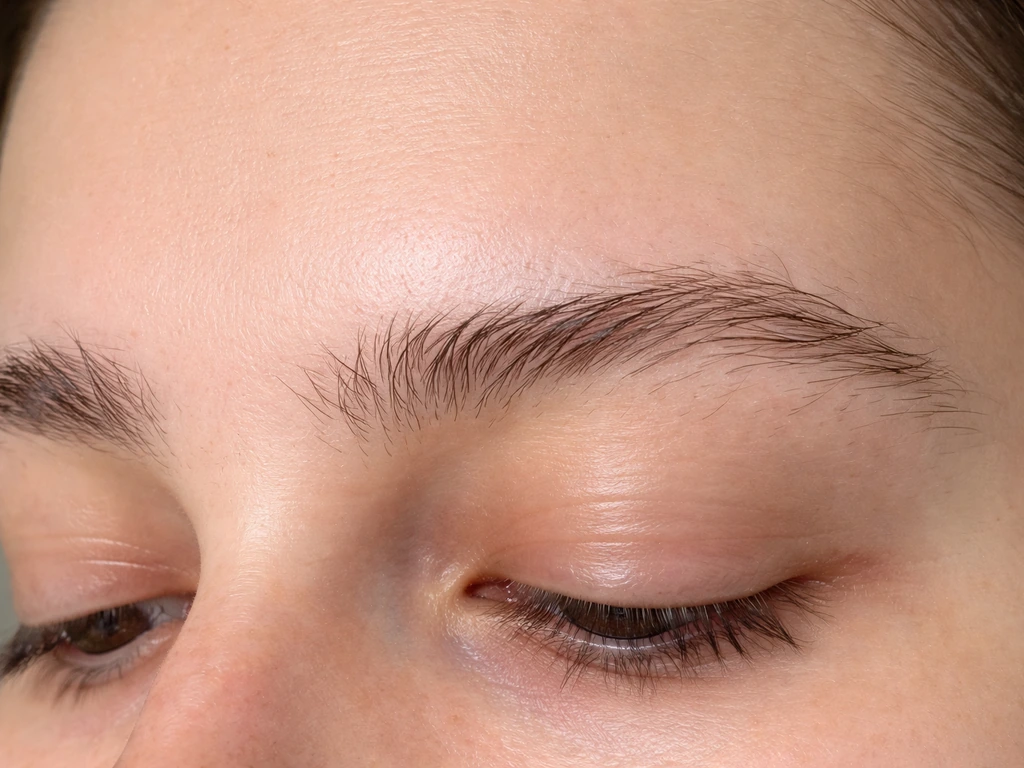
Yes, eyebrow slits almost always grow back. Whether you shaved a slit intentionally as a style choice or accidentally nicked your brow, the hairs will regrow in most cases because the blade only cuts the hair shaft, not the follicle underneath. Does an unibrow grow back too? If you are asking about whether dog eyebrow hair regrows after thinning or loss, the answer depends on whether the follicles were damaged do dogs eyebrows grow back. The principles are similar, but the exact timing depends on how the hair follicles were affected. Expect visible regrowth within 6 to 8 weeks, and a fully filled-in brow within 3 to 6 months, depending on how fast your individual hair cycle runs. If you are wondering about burnt eyebrows, the key question is whether the hair follicles were damaged, because follicles that remain intact can still regrow over time burnt eyebrows grow back. If you are specifically asking about singed eyebrows, the same follicle-damage question applies, and you can compare that to whether do singed eyebrows grow back burnt eyebrows grow back. If you dye your eyebrows, the dye can fade as your eyebrow hairs naturally grow out. People sometimes ask a similar question about bleached eyebrows, too, and the answer depends on whether the follicles were damaged by the lightening process bleached eyebrows grow back. The main exception is if the skin itself was deeply injured or scarred, which is rare from a standard shave or razor slit but worth understanding.
Does Eyebrow Slits Grow Back? Timeline, Results, Care Tips
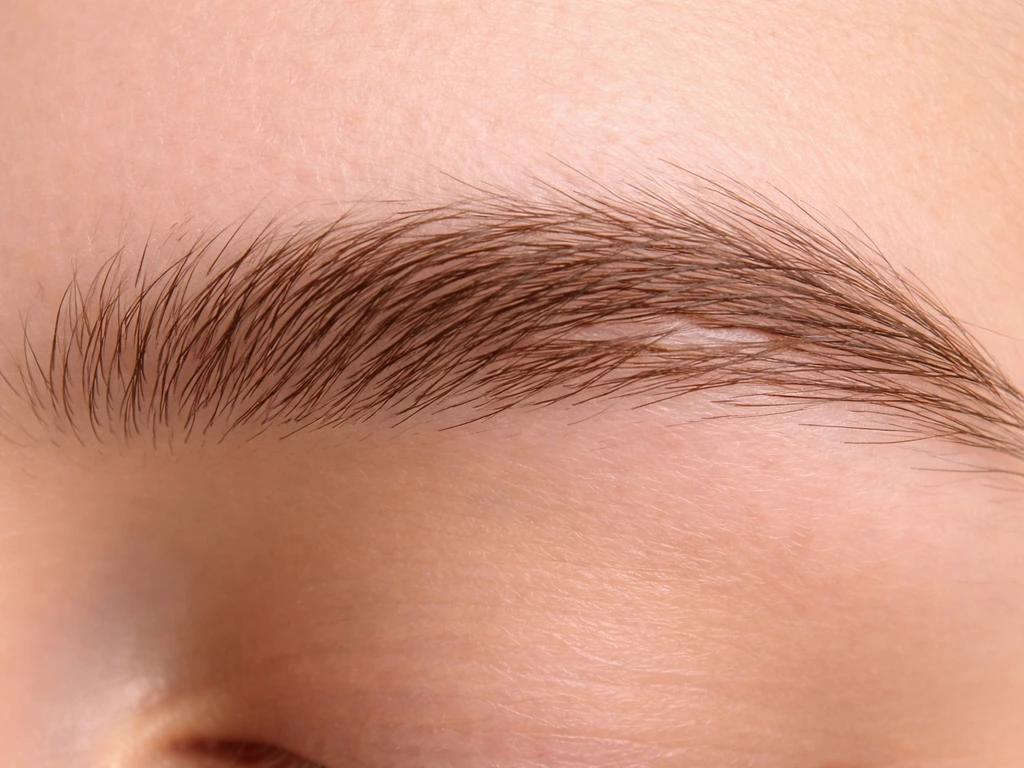
Do eyebrow slits grow back: what to expect
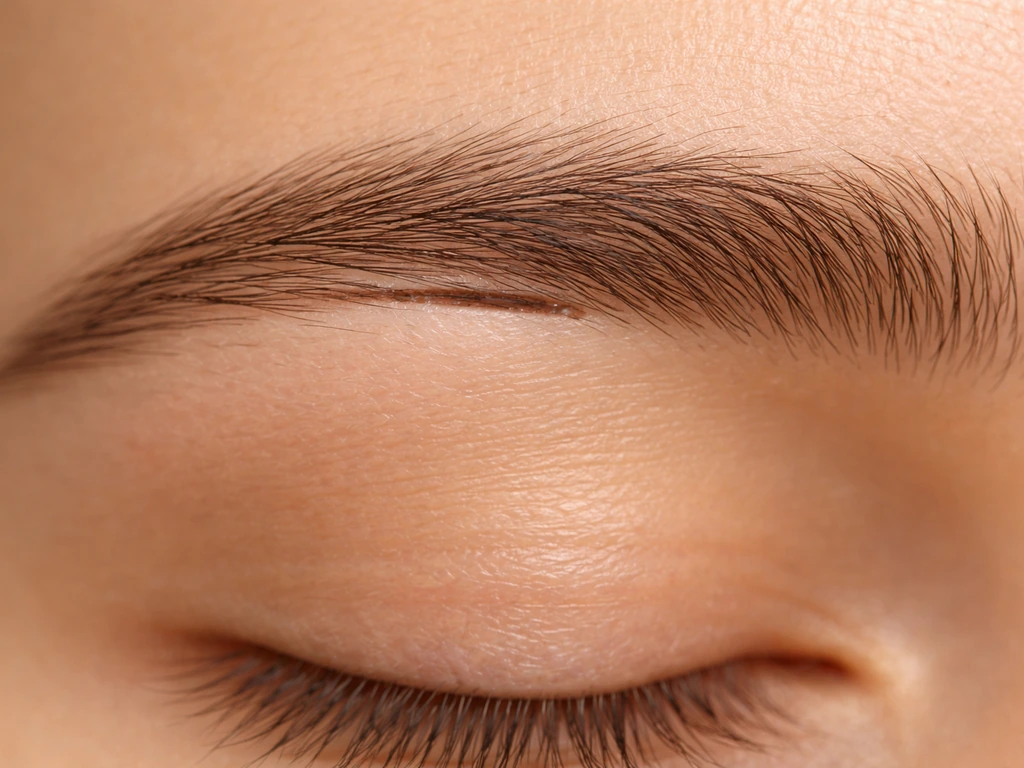
When you create an eyebrow slit by shaving or razor-cutting through the brow, you're removing the hair at skin level, but the follicle stays intact below the surface. That follicle is what drives regrowth. As long as it isn't physically destroyed, scarred over, or severely inflamed, it will cycle back through its growth phases and push new hair out. So for the vast majority of people, yes, eyebrow slits do grow back, and they grow back normally.
The reason people sometimes worry is that eyebrow hair behaves differently from scalp hair. Eyebrow follicles have a much shorter active growth phase, which means each individual hair doesn't get very long before it rests and sheds. This also means the visible regrowth after a slit can look slow and patchy at first, since different follicles in that zone are at different points in their cycle when you shave them. It's not a sign anything is wrong. It's just how eyebrow biology works. If you are comparing regrowth to other eyebrow interruptions, a common question is if you cut your eyebrows will they grow back, and the outcome depends on whether the follicles were damaged.
If you're asking whether an intentionally created brow slit (the kind done as a grooming style) grows back the same as an accidental cut: yes, the biology is identical. The follicle doesn't know or care why you removed the hair. It just keeps cycling. This is also true for related situations like shaving, cutting, or waxing the brow, which follow the same regrowth pattern.
Eyebrow slit regrowth timeline: fast vs slow
Eyebrow hair cycles through three phases: anagen (active growth), catagen (transition), and telogen (rest and shedding). According to clinical reviews, eyebrow anagen lasts roughly 2 to 3 months, catagen about 2 to 3 weeks, and telogen another 2 to 3 months. That total cycle of around 4 to 6 months is why a fully restored slit area can take longer than people expect. The first visible stubble usually appears within 1 to 2 weeks, but matching the density and shape of the surrounding brow realistically takes 3 to 6 months.
| Stage | What's Happening | Typical Timeframe |
|---|---|---|
| Stubble appears | Follicles in anagen phase push new hairs to surface | 1–2 weeks |
| Noticeable fill-in | Most follicles cycling back, hair becomes more visible | 4–8 weeks |
| Near-full regrowth | New hairs reach close to original length and density | 3–4 months |
| Complete regrowth | All follicles have cycled, brow shape fully restored | 4–6 months |
Why does the timeline vary so much between people? A few real factors: age slows follicle cycling, so an older adult may take closer to 6 months while a teenager might see noticeable fill-in in 6 to 8 weeks. Genetics determine your baseline hair density and growth speed. Nutritional status matters too. If you're dealing with iron deficiency, low protein intake, or significant stress, your hair cycle can stall in telogen longer than normal. Skin condition at the slit site also plays a role. Any inflammation or irritation in the area can delay when follicles enter anagen.
On the faster end, healthy young adults with dense brows and no skin irritation at the site often see the slit become nearly invisible within 6 to 8 weeks. On the slower end, someone with naturally sparse brows, older follicles, or any post-shave irritation might still be waiting at the 4 to 5 month mark. Both are within the normal range. For a related question about timing, see the eyebrow slit regrowth timeline section next.
How to help regrowth: aftercare and stimulation methods
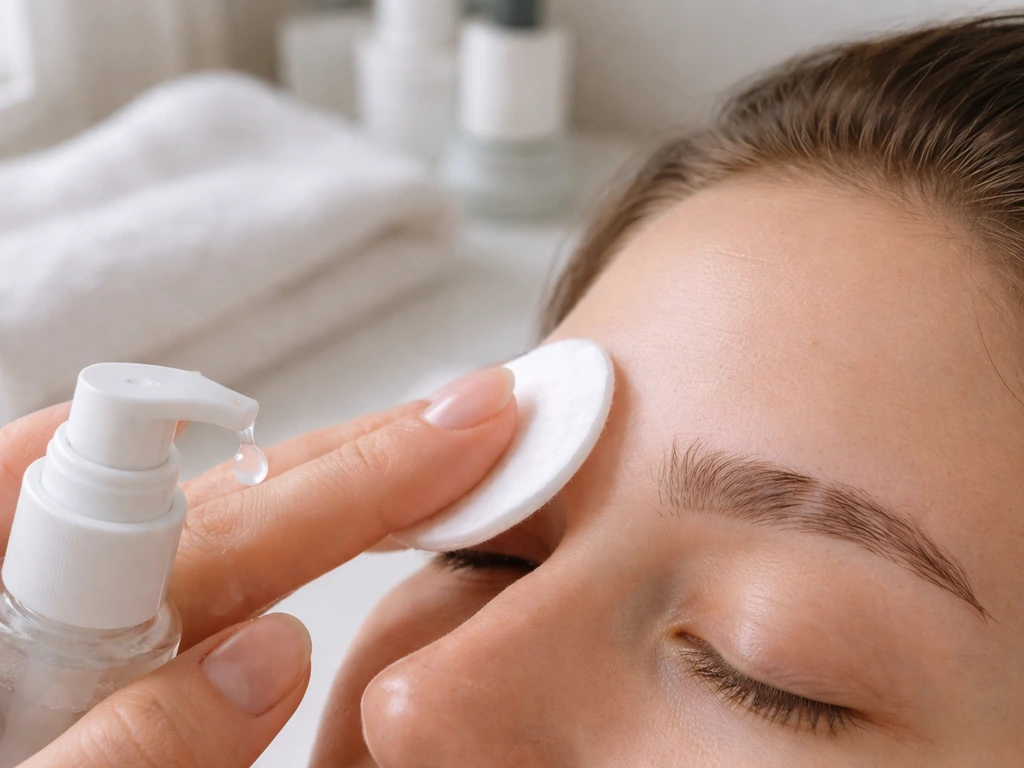
The single most important thing you can do right after creating an eyebrow slit is leave the area alone. Resist the urge to re-shave the stubble as it comes in, pick at any bumps, or apply harsh products. The skin over and around the follicles is the launch pad for regrowth, and irritating it sets you back. Here's a practical aftercare approach:
- Cleanse gently twice daily using a mild, non-abrasive face wash. Avoid scrubbing directly over the slit area.
- Keep the area moisturized. Dry, flaky skin can clog follicle openings and slow regrowth.
- Apply sunscreen over the brow area if you're going outside. UV exposure can cause inflammation in healing skin and disrupt the follicle environment.
- Avoid applying heavy makeup directly on the slit for the first week or two. Filling in the gap with brow pencil is fine, but thick, occluding products right over the follicles can cause irritation.
- Don't resume shaving the area until you're happy with the regrowth. If you do shave again eventually, use a clean sharp razor and go with the direction of hair growth to minimize follicle irritation.
- Support your body internally: adequate protein, iron, zinc, and biotin from food all support hair cycling. You don't need supplements unless you have a documented deficiency, but a poor diet can slow things down.
Beyond basic aftercare, you can actively support the regrowth environment with topical treatments discussed in the products section below. But the foundation is just protecting the area from further trauma and giving your body the time it needs.
Will eyebrow slits grow back normal, or will regrowth look weird?
For most people, regrowth from a shaved slit looks completely normal once it's fully in. The new hairs follow the same growth direction and texture as the surrounding brow. That said, there are a few patterns that can make regrowth look "off" for a while, and it's worth knowing what's normal versus what isn't.
Patchiness is the most common concern. Because follicles in the slit area aren't all synchronized after shaving, some will be in telogen (resting) while others are in anagen (growing), so the area fills in unevenly for a few months. This is temporary and not a sign of permanent damage. Similarly, the new hairs may initially grow in a slightly different direction or look finer than the surrounding hairs. Both of these usually self-correct as more growth cycles complete.
Altered shape is another temporary issue. If you shaved a fairly thick slit, the incoming regrowth may create a fuzzy or blurred edge rather than the sharp line of the slit you made. As the hairs grow out and reach full length, the brow shape normalizes. If you want to maintain a slit look during this period, you can keep filling it in with concealer or brow pencil.
The rare scenario where regrowth truly looks weird long-term involves actual skin damage. If the shaving caused a cut deep enough to leave a scar, the scar tissue can interfere with follicle regeneration. Cicatricial (scarring) hair loss occurs when inflammation in the deeper skin layers injures the stem-cell-rich region of the follicle, making normal cycling impossible. JAMA Dermatology describes primary cicatricial (scarring) alopecias as inflammatory disorders characterized by permanent destruction of the hair follicle and irreversible hair loss. This is uncommon from a routine eyebrow slit but can happen with deeper cuts, infections, or repeated trauma to the same area. In those cases, hair may grow in with a visible gap that doesn't fill in even after 6 months.
When to worry: signs of problems and when to see a professional
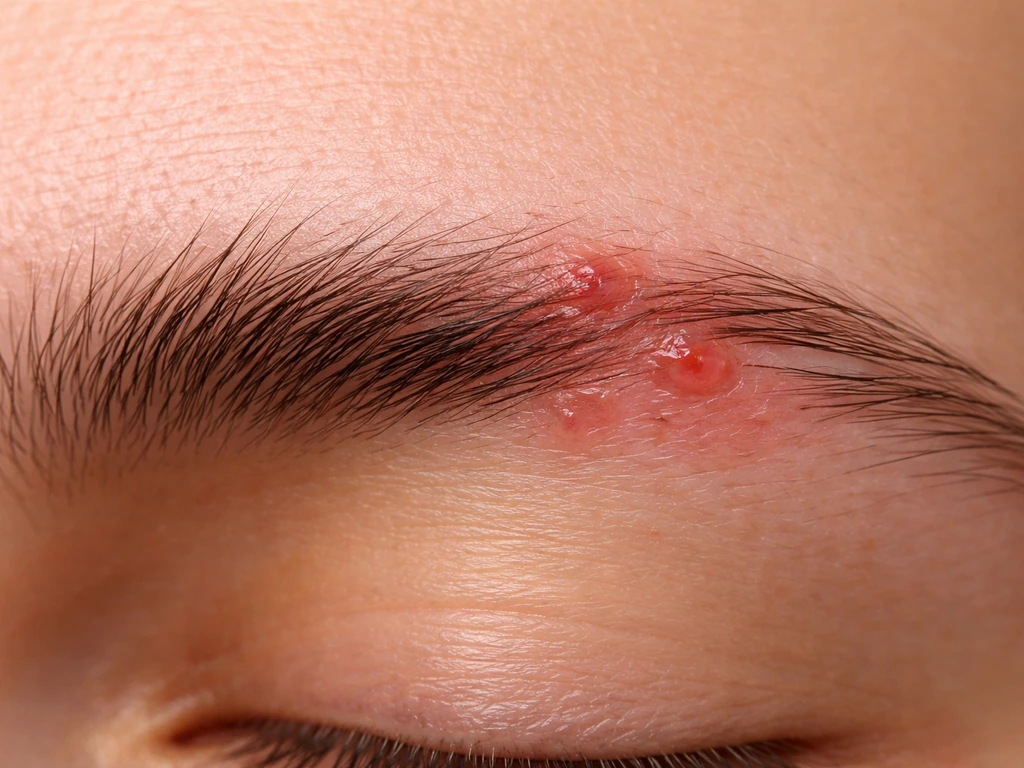
Most eyebrow slits are a simple cosmetic situation and you'll never need a doctor. But there are real warning signs that suggest the follicles or surrounding skin need professional attention.
Folliculitis, which is inflammation or infection of the hair follicles, is the most common complication from shaving. It can occur at a brow slit site and, if left untreated, can lead to scarring that permanently disrupts regrowth. Watch for the following signs:
- Persistent redness in the slit area that doesn't improve within a week
- Pus-filled bumps or small pimple-like lesions along or around the slit
- Increasing pain or tenderness in the area rather than improvement
- Fever, chills, or feeling unwell (signals a more serious, possibly deep infection)
- A visible scar or hardened area forming where the slit was
- No visible hair regrowth at all after 3 to 4 months, with no sign of stubble
If you notice any of these, see a dermatologist rather than hoping it resolves on its own. Surface folliculitis is manageable with early treatment, but deep folliculitis can cause permanent follicle loss if it progresses. The Mayo Clinic and Cleveland Clinic both flag increasing redness, pain, or pus as signs that you need a clinical evaluation, not just wait-and-see. A dermatologist can also assess whether any scarring is reversible or whether you're dealing with true cicatricial alopecia in the brow area, which would change your options significantly.
You should also consider a professional consultation if you're past the 6-month mark with little to no regrowth and no obvious scarring or infection history. In that case, there may be an underlying reason your follicles aren't cycling, ranging from hormonal changes to nutritional deficiencies to autoimmune conditions like alopecia areata, all of which a dermatologist can evaluate and address.
Products and ingredients that can support faster, fuller regrowth
No product guarantees perfect regrowth, but a few well-researched options can create a better environment for your follicles and potentially speed things up. Here's what's actually worth considering, with realistic expectations built in.
Castor oil
Castor oil is probably the most popular DIY brow growth remedy, and it does have some supportive science behind it. Its main active component, ricinoleic acid, has anti-inflammatory properties that may reduce the kind of low-grade follicle irritation that slows regrowth. It also acts as an occlusive moisturizer, which keeps the skin over the follicles hydrated and less likely to flake or clog. To use it, apply a small amount with a clean spoolie or fingertip to the brow area once daily before bed. Give it at least 8 to 12 weeks before judging whether it's helping. The main caution: some people do experience contact irritation or sensitization from castor oil, so do a patch test first and stop if you notice redness or itching.
Rosemary oil
Rosemary oil has emerged as a legitimately interesting option for hair growth support. A few studies have compared it favorably to minoxidil for scalp hair, and while direct eyebrow research is limited, the mechanism (improved circulation, antioxidant effects on follicles) is plausible for brow use. The key rule is always dilute it: use 2 to 3 drops in a teaspoon of a carrier oil like jojoba or coconut oil before applying. Undiluted rosemary oil can irritate skin and even cause allergic contact dermatitis in some people, so a patch test is non-negotiable here. Apply the diluted blend to the brow area a few times per week, not daily, to avoid buildup and irritation.
Minoxidil (off-label)
Topical minoxidil is the most clinically studied option for hair regrowth and has been increasingly used off-label for eyebrow enhancement, with a 2024 review in SAGE Journals specifically discussing its use for facial hair and brow outcomes. It works by prolonging the anagen phase and increasing blood flow to follicles. That said, for a standard eyebrow slit situation where the follicles are intact and healthy, it's probably overkill. Where minoxidil becomes more relevant is if you're dealing with sparse or slow-to-regrow brows, or if you've had persistent patchiness after 3 to 4 months. Use the lowest available concentration (2% solution) and apply a tiny amount with a fingertip or cotton swab to avoid over-application. The risks worth knowing: it can cause local skin irritation, and unwanted facial hair growth in surrounding areas is a documented side effect. It's not recommended during pregnancy. Because eyebrow use is off-label, discuss it with a dermatologist before starting, especially if you have any underlying skin conditions.
Bimatoprost (prescription, worth knowing about)
Bimatoprost 0.03% (the active ingredient in Latisse) has actual clinical trial data supporting eyebrow hair growth. A randomized study published in PMC showed it increased eyebrow hair diameter from baseline with once-daily application. It's a prostaglandin analog, meaning it works by extending the hair growth phase, similar to how it works on eyelashes (where it is FDA-approved for hypotrichosis). For eyebrows, it's still off-label use, so it requires a prescription and a conversation with your dermatologist. It's not something you'd typically reach for after a simple brow slit, but if you're dealing with genuinely slow or patchy regrowth that isn't responding after several months, it's a legitimate next step to ask about.
A quick product comparison

| Option | Evidence Level | Best For | Key Risk | Prescription Needed |
|---|---|---|---|---|
| Castor oil | Low (mechanistic support) | Mild moisture and anti-inflammatory support | Contact irritation in some people | No |
| Rosemary oil | Moderate (scalp studies) | Follicle stimulation, circulation support | Allergic contact dermatitis if undiluted | No |
| Minoxidil 2% | High (off-label for brows) | Persistent patchiness, slow regrowth | Unwanted facial hair, skin irritation | No (OTC) |
| Bimatoprost 0.03% | High (clinical trial for brows) | Significant hypotrichosis or slow regrowth | Off-label, eye irritation risk if near eyes | Yes |
The practical takeaway: for a typical eyebrow slit, castor or rosemary oil plus good basic skin care is a reasonable starting point. If you're not seeing meaningful regrowth by month 3 to 4, that's when it makes sense to graduate to minoxidil or consult a dermatologist about prescription options. Patience is genuinely the biggest factor here. Most people are looking at a 3 to 6 month process, not a 3 to 6 week one, and knowing that upfront makes the wait a lot easier to manage. If you are also wondering about whether your eyebrow hair itself can be restarted after thinning, see the guide on does eyebrow grow back as a related eyebrow regrowth question.
FAQ
How can I tell the difference between normal slow regrowth and permanent follicle damage after an eyebrow slit?
Normal regrowth usually starts as fine stubble within 1 to 2 weeks and keeps improving over the next 3 to 6 months, even if it is patchy at first. Permanent damage is more likely when there is a persistent smooth or scarred-looking area, no visible hairs by 4 to 6 months, or symptoms like ongoing pain, worsening redness, or recurrent pus bumps (suggesting deeper folliculitis).
Does shaving the slit again make regrowth slower, or will it still come back?
Re-shaving can set you back because you repeatedly remove new hairs before they finish cycling. In most people the area still regrows eventually, but frequent re-cutting keeps follicles in an interrupted state and increases the risk of irritation. The usual best approach is to stop trimming and only fill cosmetically with pencil or concealer until you see solid fill-in.
Will eyebrow slit regrowth look darker or lighter than the surrounding hair?
It can. Regrowing hairs may initially appear finer, lighter, or slightly different in direction because follicles are at different points in their growth cycle. Over multiple cycles, the texture and density typically blend in with the rest of the brow, but lighting, skin type, and natural hair color variation can make the early phase look more noticeable.
If I wax, pluck, or thread the area to create or maintain a slit, do the hairs still grow back the same way as shaving?
For most people, yes, because the key factor is whether the follicle is destroyed. Shaving cuts at the hair shaft, while plucking removes the hair and can stress the follicle, and waxing can irritate the area. Regrowth is still expected, but the timeline and patchiness are often more variable if you have repeated waxing or you develop irritation.
Can I speed up regrowth with heat, massage, or dermaplaning?
Gentle massage may help comfort and reduce dryness, but aggressive rubbing, hot compresses that irritate, or dermaplaning over the slit can inflame skin and delay follicles entering the anagen phase. Stick to protecting the area and using mild products. If you use an oil or treatment, apply lightly and avoid scrubbing.
What is the best way to apply castor oil or rosemary oil without irritating my skin?
Use a patch test on a small area 24 to 48 hours before full use, then apply a very small amount. For rosemary oil, always dilute in a carrier oil, and avoid daily application to prevent buildup and irritation. If you notice itching, burning, or increasing redness, stop and switch to a gentler moisturizer.
Is minoxidil actually worth it for a fresh eyebrow slit?
Usually it is not. For a typical slit where follicles are intact, regrowth is expected within weeks and continues for 3 to 6 months. Minoxidil is more reasonable if you have persistent patchiness after about 3 to 4 months, a history of slow regrowth, or other indicators you are not cycling normally. Because it is off-label for eyebrows, discuss it with a dermatologist first, especially if you have skin conditions.
Why does my eyebrow slit area keep getting bumps or redness when hair starts growing back?
That pattern can be folliculitis or irritation from trapped hairs as they push out. It is more likely if you shave too frequently, use harsh products, or have sensitive skin. If bumps are tender, spreading, or involve pus, get dermatology care early because untreated folliculitis can increase the risk of scarring and longer-term gaps.
If I see no regrowth by 6 months, what should I ask a dermatologist to rule out?
Ask about cicatricial (scarring) hair loss if there is any textural change or scar-like appearance, and about conditions that affect hair cycling such as alopecia areata or hormonal and nutritional contributors (for example, iron deficiency or thyroid issues). They can also assess whether your follicles are truly dormant versus damaged, which changes treatment options.
Can eyebrow dye or bleaching affect whether the slit regrows normally?
Coloring typically affects the hair shaft and the way hairs look as they grow, but it becomes a bigger concern if the dye or lightener irritates your skin or causes a chemical burn. If you had significant redness, swelling, or blistering, there is a higher chance of follicle injury and delayed or incomplete regrowth. If your skin was only mildly affected, regrowth is usually still expected.
Does Eyebrow Grow Back? Timelines, Causes, and What to Do
See if eyebrows grow back after plucking, overplucking, shaving or injury, with timelines, causes, and next steps like m