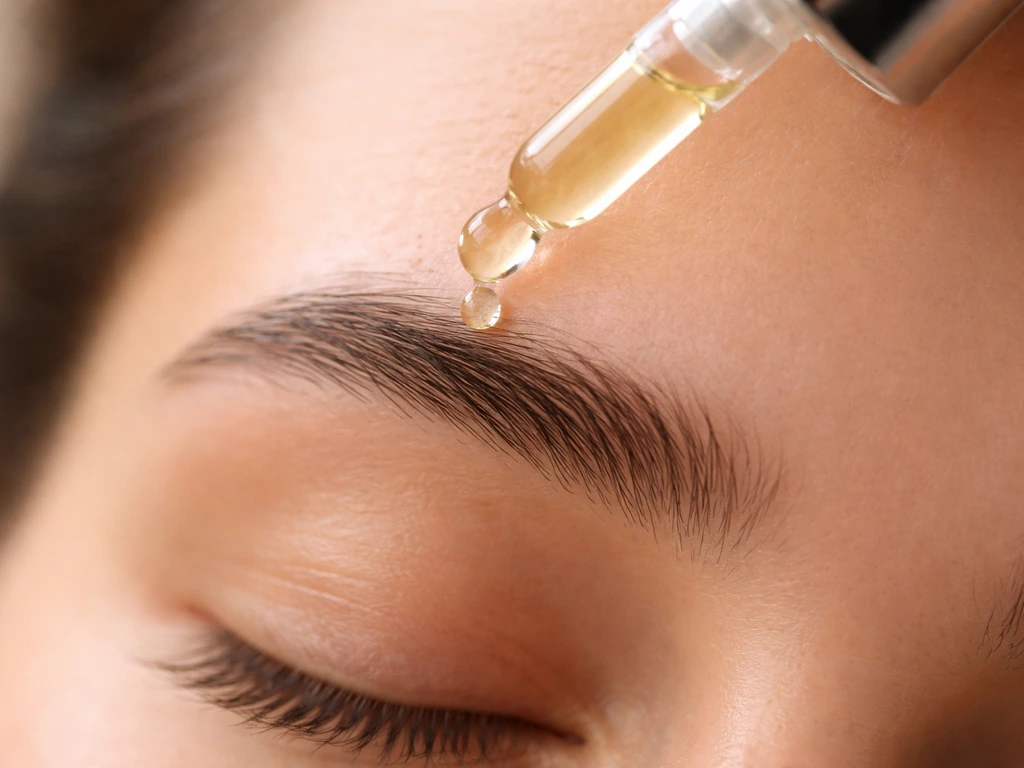
Yes, eyebrows can and do grow back in most situations. Whether you've overplucked, shaved them off, or noticed them thinning on their own, the odds are in your favor, but the timeline is slower than most people expect, and there are a handful of situations where regrowth is genuinely unlikely. Here's everything you need to know to figure out where you stand and what to do about it right now.
Does Eyebrow Grow Back? Timelines, Causes, and What to Do
James Whitmore
17 Apr 2026
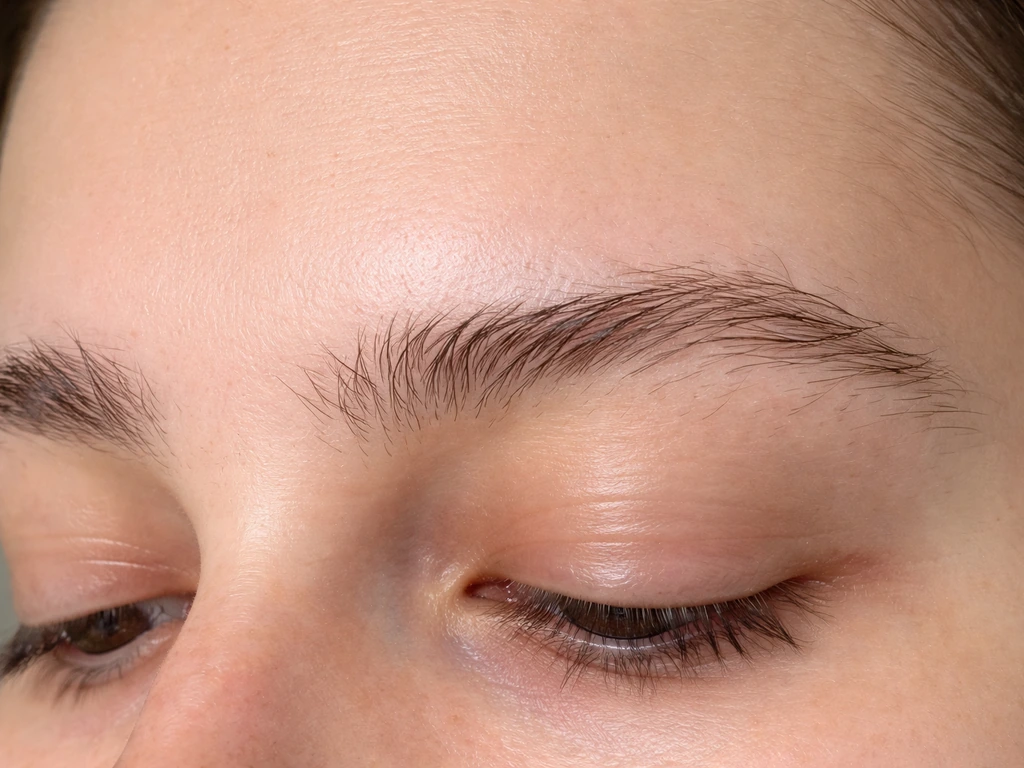
How the eyebrow growth cycle actually works
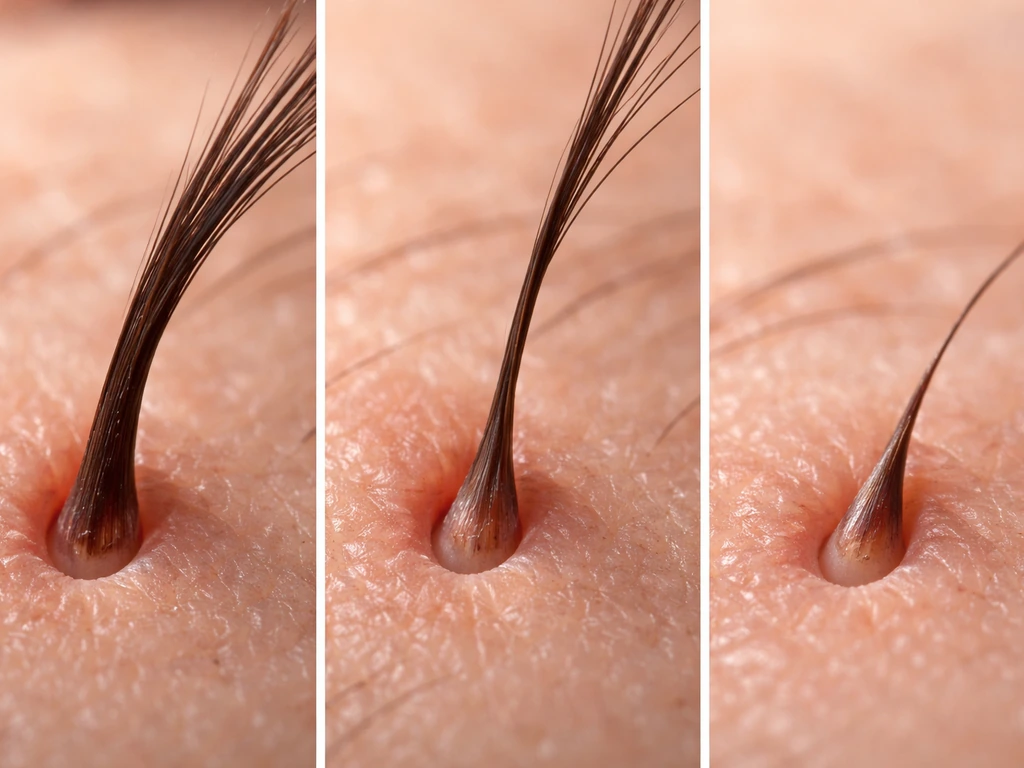
Every single eyebrow hair goes through three phases: anagen (active growth), catagen (transition), and telogen (resting/shedding). For eyebrows, clinical reviews report that the anagen phase lasts about 2 to 3 months, catagen about 2 to 3 weeks, and telogen another 2 to 3 months. That's a full cycle of roughly 4 to 6 months, which is why regrowing a full brow takes much longer than regrowing scalp hair, where the anagen phase can stretch for years.
When people ask 'will my eyebrows grow back,' what they're really asking is whether the follicle itself is still alive and capable of producing a new hair. If the follicle is intact, the answer is almost always yes, it's just a matter of waiting for it to cycle back into anagen. The trouble starts when the follicle is damaged or destroyed at the root level, which is a different situation entirely.
One thing worth knowing: eyebrows have a shorter anagen phase than scalp hair, which means they have a biological ceiling on length and regrowth speed. You can't rush the cycle. What you can do is protect the follicles you have and, in some cases, nudge them along with evidence-backed topicals.
How long regrowth takes depending on what you did
The timeline varies a lot depending on how you removed the hair and how often you've been doing it. Here's a practical breakdown:
| Removal method | Expected first regrowth | Full regrowth estimate | Notes |
|---|---|---|---|
| Plucking (occasional) | 2–4 weeks | 3–4 months | Follicle intact, normal cycle resumes |
| Waxing or threading | 2–4 weeks | 3–4 months | Same as plucking; timing depends on frequency |
| Shaving or trimming | 1–2 weeks | 4–6 weeks | Hair cut at surface only; follicle unaffected |
| Overplucking (years of repeated plucking) | Several months or longer | 6–12+ months, sometimes incomplete | Repeated trauma can slow or damage follicles |
| Pulling from the root (trichotillomania or force) | Weeks to months | Variable; may be slow or patchy | Depends on follicle damage over time |
| Burning or singeing | Weeks to months | Variable; depends on burn depth | Superficial burns usually recover; deep burns may not |
For simple plucking or waxing, many people notice short stub hairs coming in around the 4 to 6 week mark. Full visible density usually takes 3 to 4 months. If you've been shaving or trimming your eyebrows, regrowth is actually the fastest because the follicle was never touched, you're just waiting for the hair shaft to reach a visible length again.
Fire and heat exposure are a separate conversation. Burnt eyebrows generally do grow back if the damage was superficial, but a deep burn that destroys the follicle will result in permanent bald patches. Similarly, singed eyebrows, where the hair shaft is damaged but the follicle below the skin is fine, typically recover within a normal hair cycle.
When eyebrows don't grow back (and why)
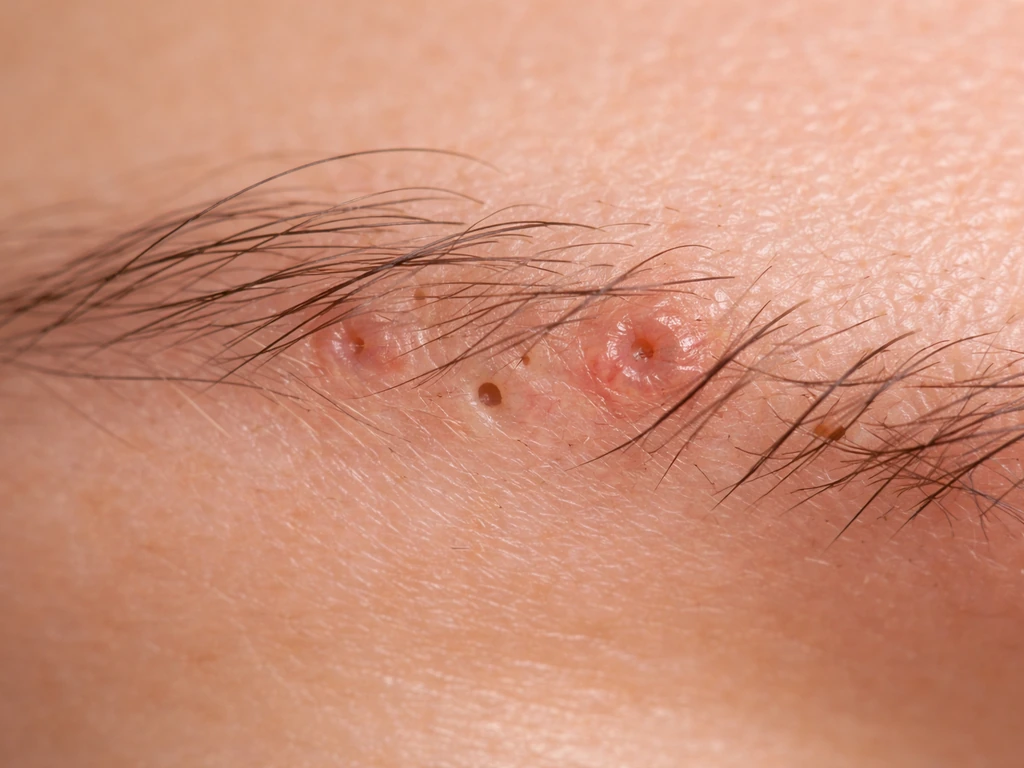
This is the part nobody wants to hear, but it's important. There are real situations where eyebrow regrowth is incomplete or simply doesn't happen.
Permanent follicle damage from overplucking
Repeatedly plucking the same follicle over many years can cause enough cumulative trauma to scar the follicle and shut it down permanently. This is probably the most common reason people in their 40s and 50s struggle to regrow brows that were heavily tweezed in their 20s and 30s. The damage is irreversible in those specific follicles, though neighboring follicles may still be active. This is also why 'overplucked' regrowth is unpredictable, you might get 70% of your brow back but never quite the same density in a few spots.
Hair pulled from the root repeatedly
A single pluck doesn't permanently damage a follicle. But consistent, forceful pulling, whether from compulsive pulling (trichotillomania) or aggressive grooming, can. The follicle needs to be structurally intact to produce a new hair. Once that structure is compromised, regrowth slows, becomes finer, or stops in that spot.
Alopecia areata and autoimmune hair loss
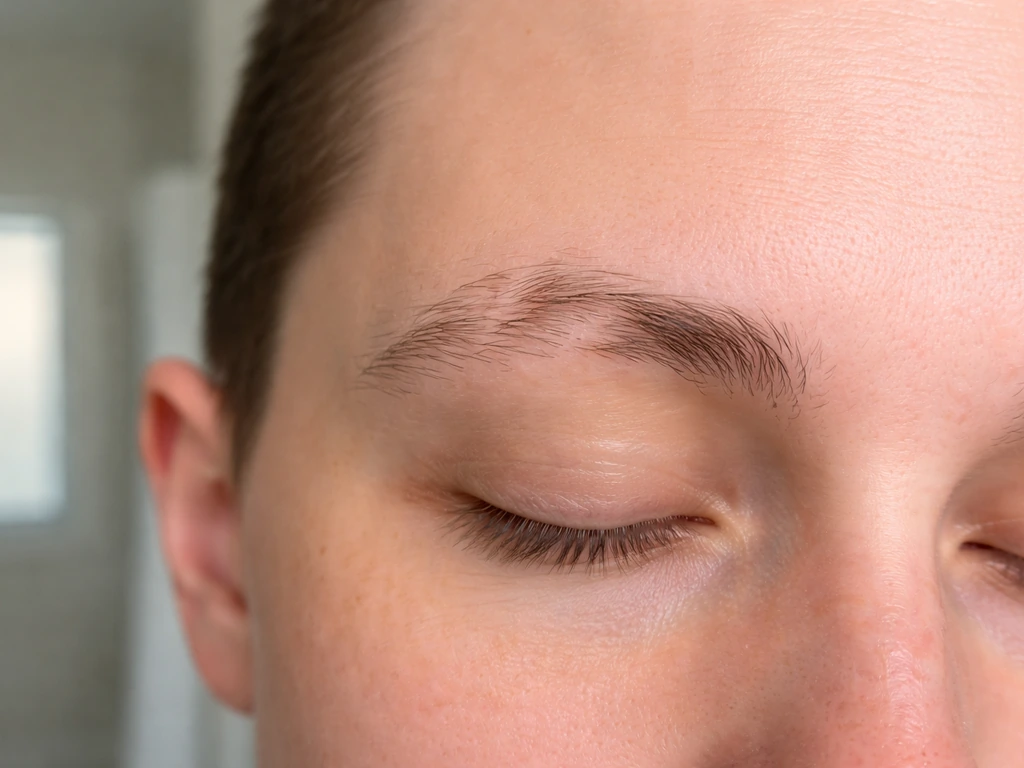
Alopecia areata is an autoimmune condition where the immune system attacks hair follicles. Eyebrow and eyelash loss (called madarosis) is actually a common feature of alopecia areata. The good news here is that alopecia areata is a non-scarring condition, meaning the follicles are suppressed but not destroyed. With treatment, regrowth is possible, though timing and completeness vary significantly from person to person.
Scarring vs. non-scarring causes
This distinction matters enormously. Non-scarring causes of eyebrow loss (like most autoimmune or inflammatory conditions, hormonal imbalances, or nutritional deficiencies) are generally reversible once the underlying issue is addressed. Clinical reviews note that eyebrow and eyelash hair loss (madarosis) can be classified as scarring versus non-scarring, which influences whether regrowth is likely after treating the underlying cause Non-scarring causes are generally reversible once the underlying issue is addressed.. Scarring alopecias, on the other hand, involve permanent destruction of the hair follicle stem cells, and regrowth may be incomplete or not occur at all. If you're experiencing eyebrow loss you can't explain by grooming history, this is a key reason to see a dermatologist rather than just waiting it out.
Injury, trauma, and tattooing
Physical trauma to the brow area, cuts, burns, or any injury that damages the skin deeply enough, can destroy follicles in that zone. Eyebrow tattoos and microblading, done by a skilled artist at the correct depth, typically don't damage follicles because the needle targets the superficial dermis, not the follicle bulb. However, poorly done work or infections from the procedure can cause localized scarring that affects regrowth. Cosmetic eyebrow tattooing itself doesn't prevent existing hair from growing, but it also doesn't stimulate new growth.
What to do right now: at-home strategies that actually help
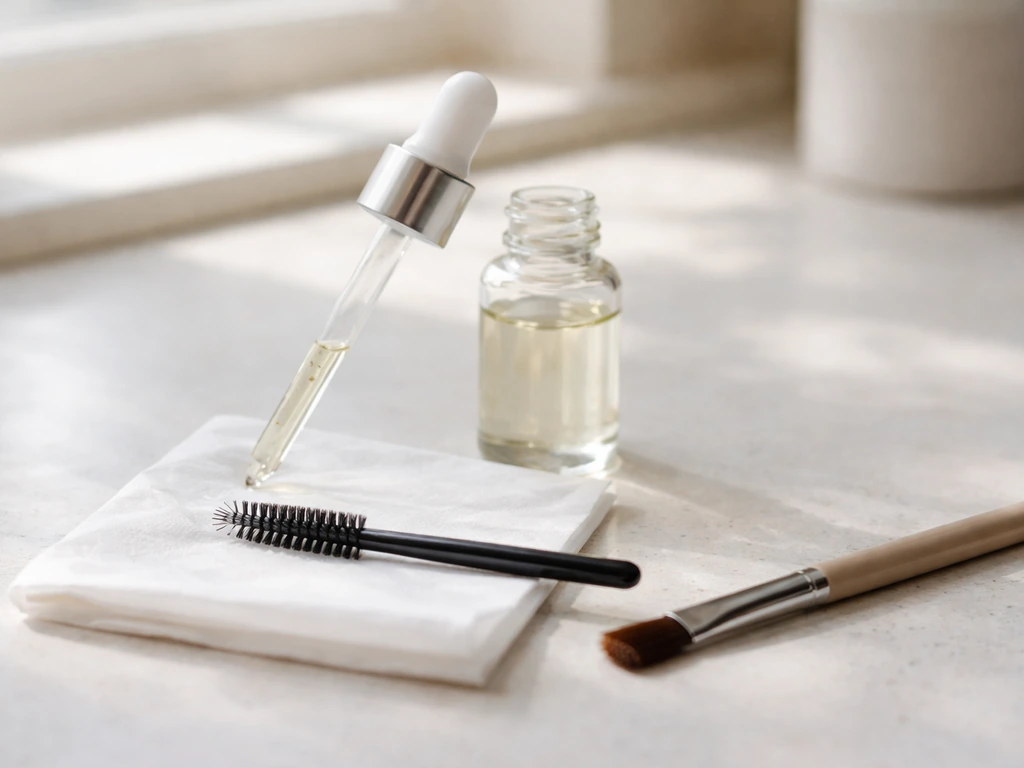
The single most important thing you can do is stop the source of trauma. If you've been plucking, waxing, or threading regularly, put the tweezers down for at least 3 months. The Cleveland Clinic advises stopping frequent plucking or tweezing because overplucking can damage eyebrow follicles, and regrowth may take months put the tweezers down for at least 3 months. I know that's annoying advice, but there's no topical product that can counteract ongoing follicle damage. Letting the brow rest is step one.
Castor oil: helpful, but not magic
Castor oil gets talked about constantly in the brow-growth space, and it's not without reason. The ricinoleic acid in castor oil has been linked to hair growth in some research contexts, and anecdotally, a lot of people find it helpful for making existing brows look thicker and moisturized. That said, the honest truth is that there are no robust clinical trials specifically proving castor oil regrows eyebrows. If you want to try it, apply a small amount with a clean spoolie each night, but do a patch test first. Castor oil can cause contact dermatitis in some people, ranging from mild irritation to a real allergic reaction, so don't skip that step.
Rosemary oil: slightly stronger evidence
Rosemary oil has more credible research behind it for scalp hair, with at least one clinical study comparing it favorably to minoxidil for scalp hair loss. The evidence for eyebrows specifically is thinner, but the mechanism (improved circulation, potential DHT-blocking activity) is plausible. A few drops diluted in a carrier oil (like jojoba) applied nightly is a reasonable, low-risk option to include in a regrowth routine.
Nutrition and lifestyle basics
If your diet is low in protein, iron, biotin, or zinc, hair growth across the board, including brows, can slow down. This isn't about buying expensive supplements; it's about making sure your baseline nutrition supports hair cycling. If you've noticed hair thinning all over (not just brows), it's worth getting bloodwork done to check iron, ferritin, thyroid function, and vitamin D before spending money on topicals.
Evidence-based options when at-home methods aren't enough
If you've given a natural routine 3 to 4 months and aren't seeing meaningful progress, it's time to consider options with actual clinical data behind them.
Minoxidil for eyebrows
Minoxidil 2% is the most studied over-the-counter option for eyebrow hypotrichosis. In a randomized, double-masked split-face trial, minoxidil 2% lotion produced measurable improvement compared to placebo (51% vs 23% showing slight enhancement). The improvement was real but modest, not a dramatic transformation. Applied with a cotton swab or small brush to the brow area once or twice daily, it's a reasonable step up from castor oil if you want something with clinical backing. The main caveats: it needs consistent, long-term use (think months, not weeks), it can cause skin irritation, and unwanted hair growth in areas beyond the brow is a possible side effect if you're not precise with application.
Bimatoprost: prescription-level option
Bimatoprost 0.03%, a prostaglandin analog originally developed as a glaucoma eye drop, has clinical evidence for both eyelash and eyebrow hypotrichosis. In one study, adults applied bimatoprost 0.03% once or twice daily to the brow area for 7 months and showed increased fullness and darkness compared to baseline. It requires a prescription in most countries, and the evidence base is still described as 'empiric' overall compared to well-established scalp hair loss treatments. But if minoxidil isn't working and you want a clinician-supervised option, this is worth asking about.
When to see a dermatologist
See a dermatologist if: your eyebrows are thinning without any grooming explanation; you're losing eyebrow and eyelash hair simultaneously; you've noticed patchiness that resembles a coin-shaped area of complete hair loss; your eyebrow loss came with skin changes, scaling, or inflammation; or you've been waiting 6 or more months after stopping grooming and still see no regrowth. These are signs of an underlying condition, whether autoimmune, hormonal, or scarring, that won't respond to castor oil and needs a diagnosis first.
Special situations worth calling out
Men's eyebrows
Men's eyebrows generally follow the same growth cycle as women's, but men tend to groom them less aggressively and are less likely to have caused long-term follicle damage from overplucking. That said, men are more likely to experience eyebrow thinning related to aging or hormonal changes, particularly at the tail end of the brow. The same regrowth principles apply regardless of gender, though men with DHT-related hair thinning may find brow regrowth slower without addressing the hormonal component.
Eyebrow tails and the outer third
The outer tail of the eyebrow is notoriously slower to regrow and more prone to permanent loss from overgrooming. This is partly because the follicle density is naturally lower in the tail, so there are fewer follicles to begin with. Thyroid disorders also commonly cause thinning specifically at the outer third, so if that's where your loss is concentrated, it's worth getting your thyroid levels checked.
Eyebrow slits and intentional shaving
Intentional cuts or eyebrow slits shaved into the brow follow the same logic as any other shaved area, the follicle is unaffected, and regrowth typically fills back in within a few weeks to a couple of months depending on your natural cycle.
Unibrow regrowth
If you've been removing the bridge hair between your brows, unibrow hair grows back just like any other eyebrow hair, predictably and usually quickly, since that area is rarely damaged from years of aggressive plucking the way the main brow arch can be.
Bleached and dyed brows
Chemical treatments affect the hair shaft, not the follicle. Bleached eyebrows will grow back in their natural color as new hair comes in from the follicle, and dyed brow color grows out as the natural hair pushes through. Neither bleaching nor dyeing affects the follicle's ability to produce new hair, assuming the scalp or skin wasn't chemically burned in the process.
Eyebrows and eyelashes: do they grow back together?
Eyebrows and eyelashes share similar hair cycle biology and are both susceptible to the same underlying conditions (alopecia areata, thyroid disorders, chemotherapy). If you're losing both at the same time without a grooming explanation, that's a meaningful clinical signal and worth investigating with a doctor. Even in animals like dogs, eyebrow-equivalent facial hair can grow back after injury or grooming, which speaks to how conserved this follicle biology is across species.
Realistic expectations: how fast, how thick, and will they look the same?
Here's what's realistic depending on your situation. For normal plucking or waxing with no long-term damage: expect visible stubble within 4 to 6 weeks and a mostly full brow by the 3 to 4 month mark. For overplucking that's gone on for years: expect 6 to 12 months of patient waiting, and accept that some follicles may not return. The brow may come back slightly different in shape or slightly less dense in spots that were most aggressively plucked.
After injury or inflammation, recovery timelines depend on how much follicle tissue survived. Non-scarring conditions (including most autoimmune and hormonal causes) can fully recover once the underlying trigger is addressed. Scarring conditions often don't. This is the hard line, and the only way to know which side of it you're on is a dermatologist evaluation.
Will they grow back to the exact same shape? Probably close, but maybe not identical. The follicle position determines where the hair grows, and healthy follicles will grow back in the same direction. But if some follicles were permanently damaged, the shape can shift slightly. That's why brow pencils and tinted gels exist, they're not a defeat, they're a practical tool for filling gaps while you wait (or permanently, if needed).
One last thing: be skeptical of any product promising rapid regrowth in days or weeks. The biology doesn't support it. The anagen phase can't be dramatically accelerated by any topical currently available. What you can do is support the existing cycle, protect healthy follicles, and bring in clinical help early if things aren't moving in the right direction after a few months.
FAQ
How long after I stop plucking, waxing, or threading will my eyebrows start to grow back?
You can start seeing new growth once follicles re-enter the active growth phase, for most people that means some visible stubble around 4 to 6 weeks after stopping removal. But “full” thickness usually takes longer, commonly 3 to 4 months for simple plucking or waxing, and up to 6 to 12 months if you overplucked for years.
If I shave my eyebrows, does that help them grow back faster than waxing or plucking?
Shaving and trimming are different from plucking or waxing because they do not pull the hair out from the follicle. If your brow looks sparse, trimming may make you wait only for the hair shaft to grow to visible length, but it still will not rebuild follicles that were damaged or scarred.
Will my eyebrows grow back to the exact same shape and density?
Even if hair regrowth happens, the pattern might not match your original brow because some follicles can be permanently shut down. If only certain follicles returned, you may get patchy density or a slightly different arch, and you can fill those gaps with pencils or tinted gel while waiting rather than assuming it will automatically correct.
Why does the outer tail of my eyebrows seem to grow back last (or not at all)?
Yes, but only when the follicle is intact, regrowth is typically slower at the outer tail. That area often looks thin first, and it is also more susceptible to incomplete recovery after long-term overgrooming, so you may need to adjust expectations and focus on protecting that specific zone.
What if my eyebrows are thinning along with redness, itching, or flaking?
It can be. If the skin is inflamed, itchy, scaling, or painful, the cause may be dermatitis, infection, autoimmune disease, or medication related, and regrowth may stall if you keep triggering irritation. A dermatologist can also tell whether you are dealing with scarring versus non-scarring hair loss, which changes the odds.
When should I stop waiting and get checked instead of trying to regrow at home?
Patchy loss that resembles a clean, round bald spot, or loss that involves both eyebrows and eyelashes, is more suspicious for non-grooming causes. If you notice these patterns, it is reasonable to book a dermatology visit rather than waiting several more months.
If I start a growth product, when will I know whether it is working?
Be careful with timing and method. Give your routine at least 8 to 12 weeks before judging results, and avoid changing multiple products at once, because frequent switching makes it hard to know what is helping. Also stop any active removal right away, since ongoing trauma can negate progress.
Can eyebrow regrowth happen if the hair loss was caused by an autoimmune or hormonal issue?
It depends on the cause. In non-scarring conditions, hair follicles can return once the trigger is treated, so regrowth is possible. In scarring conditions, follicles are destroyed and regrowth is usually incomplete, so the most useful next step is getting assessed to understand which category you are in.
Do microblading, eyebrow tattoos, or cosmetic procedures stop eyebrows from growing?
Yes, but the key distinction is whether the procedure caused superficial irritation only or deeper damage. When done correctly, cosmetic tattoos and microblading generally do not prevent existing hair from growing, but poorly placed work or infection can create localized scarring that affects regrowth.
How can I tell if a brow growth product is making unrealistic promises?
Products that promise results in days or “instant regrowth” are a red flag. Realistic eyebrow regrowth follows hair cycling, so even with the best evidence-based options, improvements take months, and fast claims usually reflect mostly masking or marketing rather than follicle repair.
Next Article
Does Vitamin E Oil Help Eyebrows Grow? Safe Routine & Timeline
Find out if vitamin E oil helps eyebrow growth, plus a safe routine, timelines, and what works better.