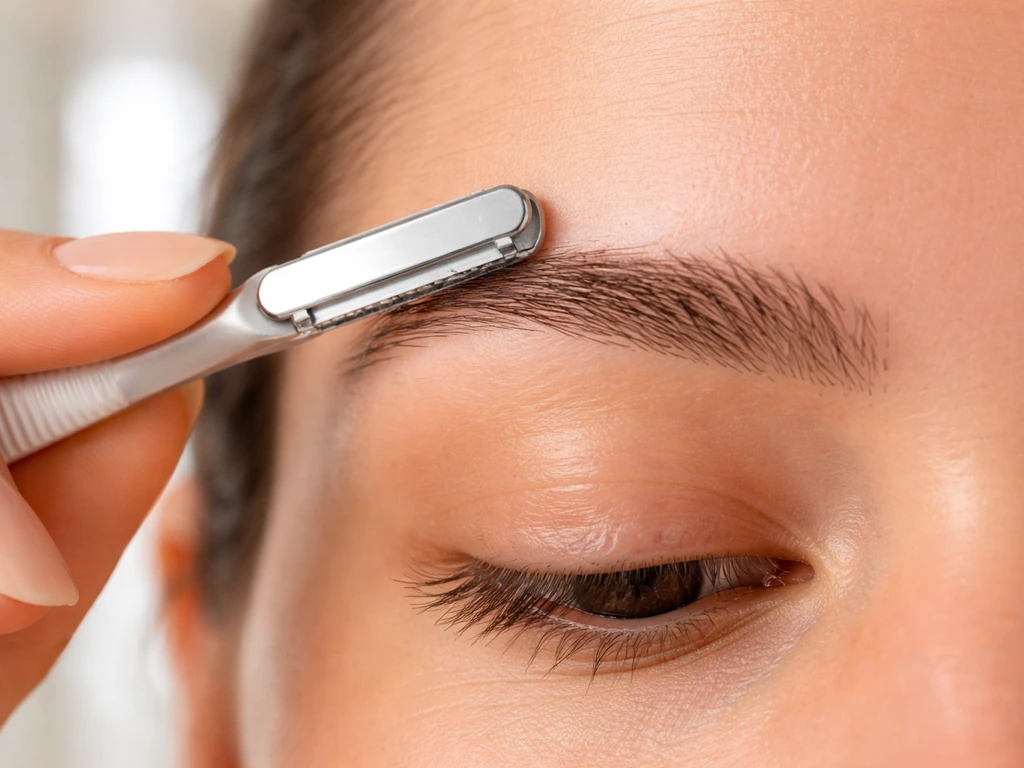
Yes, shaved eyebrows do grow back. Because shaving only cuts the hair at the surface of the skin without touching the follicle underneath, your brows should return to their normal appearance over time. The follicle is what actually produces the hair, so as long as it's intact and healthy, regrowth is expected. A 1999 clinical study confirmed this directly, with participants who had their eyebrows completely shaved seeing full regrowth after roughly 6 months. So if you shaved your brows on purpose, accidentally, or let a curious kid near your face with a razor, take a breath: they will come back.
If You Shave Your Eyebrows, Will They Grow Back?
James Whitmore
29 Apr 2026
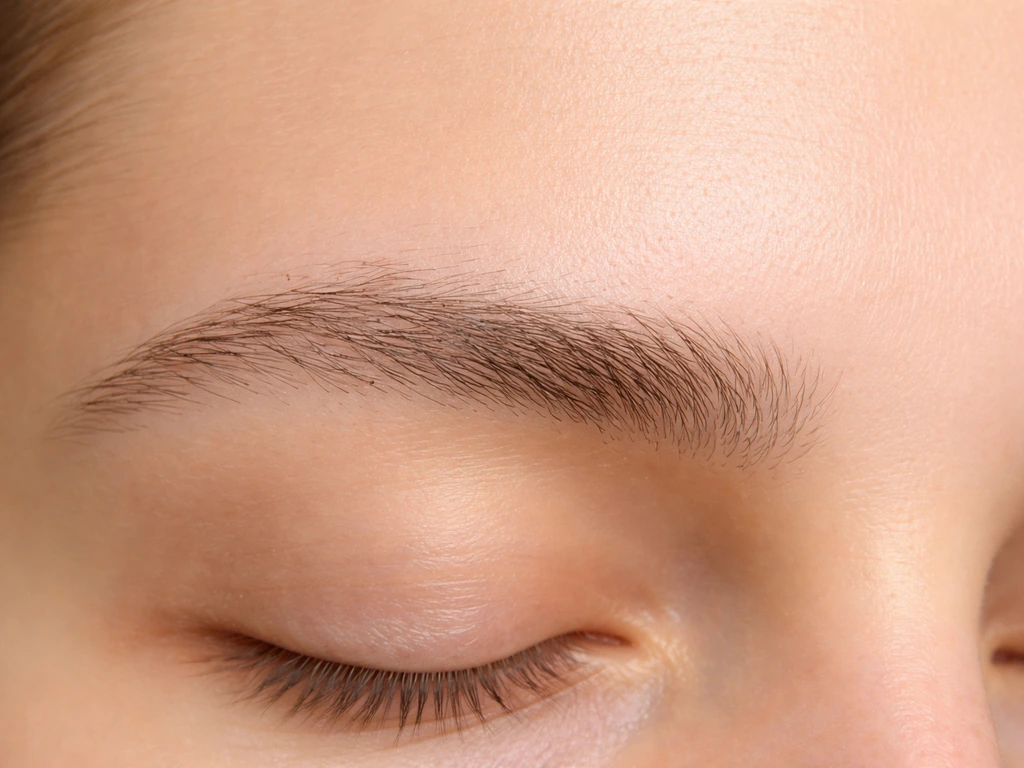
Shaving vs. trimming vs. waxing: does it matter for regrowth?
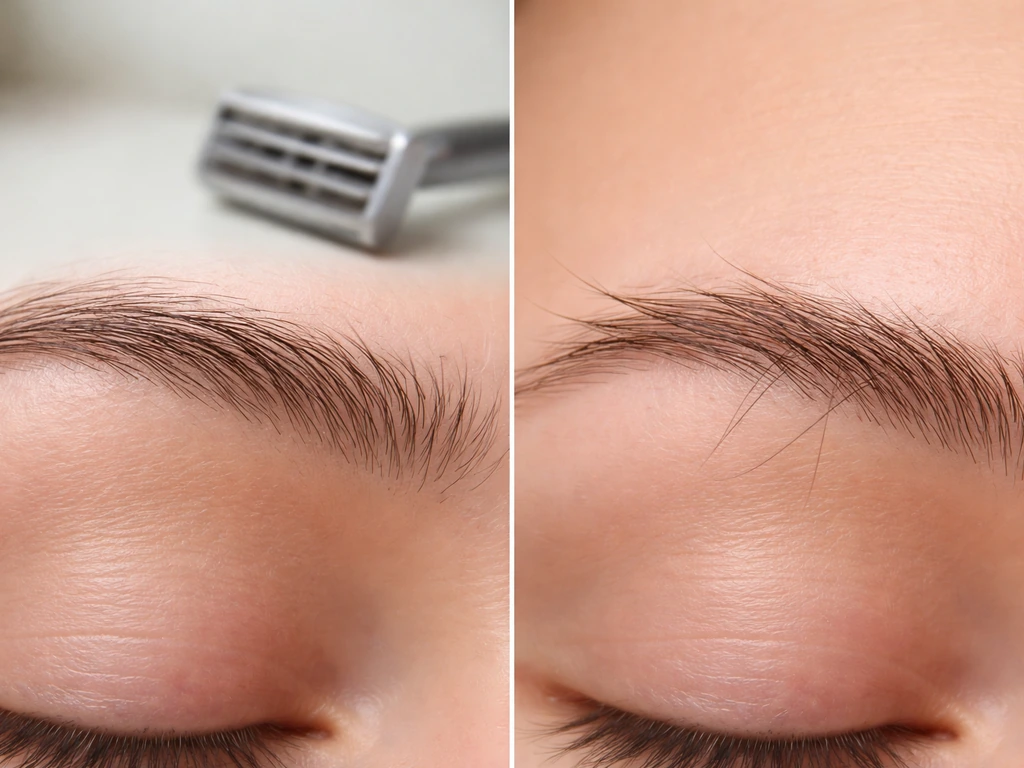
The method you used to remove your eyebrow hair makes a real difference to how quickly (and reliably) they grow back. Here's the key distinction: shaving and trimming leave the follicle completely untouched, while waxing and plucking pull the hair out from the root.
| Method | What it removes | Follicle affected? | Regrowth speed | Risk to follicle |
|---|---|---|---|---|
| Shaving | Hair shaft above skin | No | Fastest | Very low |
| Trimming | Part of hair shaft above skin | No | Fastest | Very low |
| Waxing | Full hair shaft including root | Yes (temporarily) | Slower | Low to moderate |
| Plucking/tweezing | Full hair shaft including root | Yes (repeatedly) | Slower | Moderate with chronic use |
Shaving and trimming are the safest options for follicle health. Trimming is different from shaving, but it also keeps the follicle intact, which is why it typically does not make eyebrows grow longer Shaving and trimming are the safest options for follicle health.. Waxing removes the hair from the root, which means the follicle has to restart its growth cycle from scratch rather than just resuming where it left off. That's why regrowth after waxing takes longer than after shaving. Waxing also causes more follicular inflammation, which in theory can affect regrowth quality if done repeatedly. Chronic over-plucking is the real cautionary tale here: repeated trauma to the same follicle can, over time, cause it to stop producing hair altogether. If you've ever known someone whose over-tweezed 90s brows never fully recovered, that's why. Whether shaving makes eyebrows grow back thicker is a separate (and common) question worth exploring, but the short answer is no, it's an optical illusion from the blunt tip of the regrown shaft.
How long does eyebrow regrowth actually take?
Realistically, you're looking at several months for a full return, not a few days. Here's a rough timeline most people experience after shaving their eyebrows:
- 1 to 2 weeks: Stubble starts appearing. You'll see short, blunt hairs poking through the skin.
- 4 to 6 weeks: Noticeable coverage returns. The brow area will look filled in but hairs will still be shorter and uniform in length.
- 2 to 3 months: Shape and density start to look more natural as hairs reach different lengths.
- 4 to 6 months: Most people are back to their full pre-shave brows. The 6-month mark is when regrowth is typically considered complete.
Why does it take that long? Eyebrow hair follows the same growth cycle as other body hair: anagen (active growth), catagen (regression), and telogen (resting). The resting phase alone can last around 100 days before hairs start cycling back into active growth. Unlike scalp hair, eyebrow hair has a shorter anagen phase, which limits how long each hair can get but also means the cycle completes and resets more quickly. Every hair on your brows is at a different point in its cycle at any given time, so even after shaving, regrowth looks staggered rather than all arriving at once.
What can slow down (or stop) regrowth?
For most people who shave healthy brows, regrowth is straightforward. But several real factors can slow things down or create patchiness, and it's worth knowing about them before you panic at the 6-week mark.
Age
Hair growth slows with age. Follicle activity decreases over time, and the anagen (growth) phase shortens. Teenagers and people in their 20s typically see faster, denser regrowth than people in their 50s or 60s. If you're older and notice your brows seem thinner after regrowth than before, this is a real and normal phenomenon, not just a perception.
Genetics
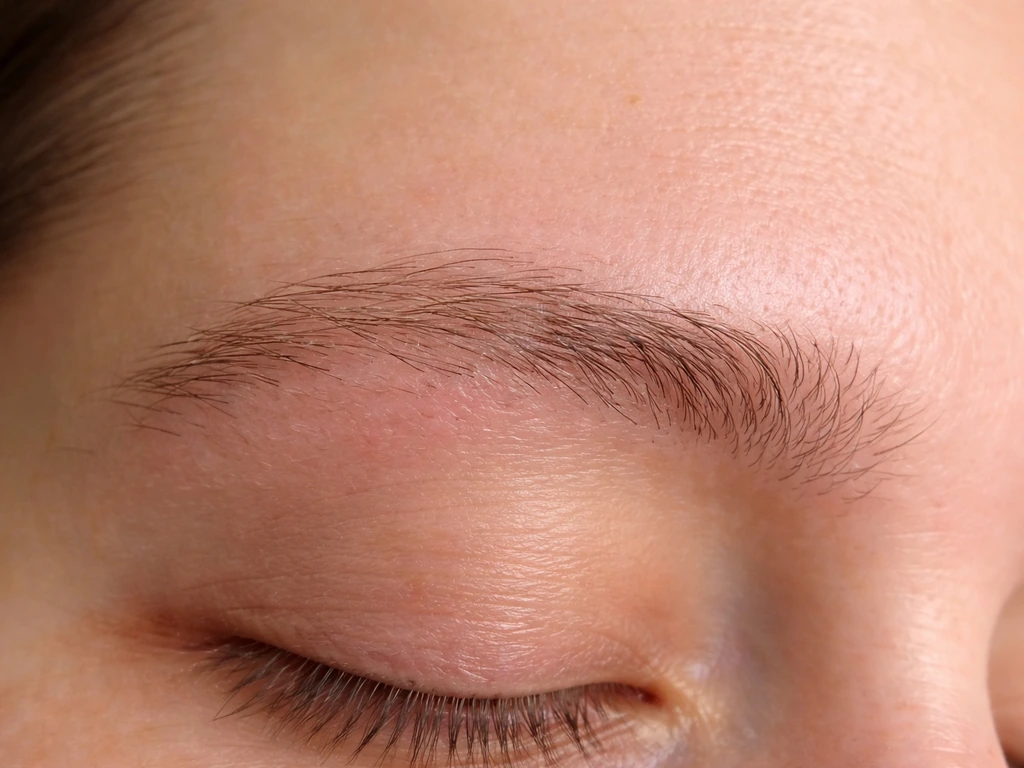
Your hair cycle duration, density, and growth rate are largely determined by genetics. Some people regrow brows that look exactly the same within 3 months; others take the full 6 months or end up with slightly sparser results. If your family has naturally thin brows, you may not bounce back as dramatically as someone with naturally dense brows.
Skin irritation or infection after shaving
A razor dragged across eyebrow skin can cause micro-irritation, folliculitis (inflamed hair follicles), or contact dermatitis, especially if the blade was dull or the skin wasn't prepped. Inflamed follicles don't grow hair efficiently. If you noticed redness, bumps, or itching after shaving and those didn't resolve, that's worth paying attention to. Keeping the skin calm and clean immediately after shaving matters more than most people realize.
Underlying health conditions
Thyroid dysfunction, nutritional deficiencies, hormonal changes, and conditions like alopecia areata can all affect eyebrow regrowth independently of shaving. If your brows were already sparse or patchy before you shaved them, and they're not coming back evenly, the issue might not be the shave at all. Regrowth variation based on underlying causes is well-documented, and shaving can sometimes just expose a pre-existing problem that was camouflaged by existing hair.
What to do right now to help them grow back
You can't force follicles to sprint through their growth cycle, but you can absolutely create the best possible conditions for them to do their job. Here's what actually helps:
- Keep the area clean and moisturized: Use a gentle, fragrance-free moisturizer on the brow area to prevent dryness and reduce irritation. A calm skin environment supports healthy follicle function.
- Don't touch it: Avoid picking, over-touching, or applying harsh products to the newly shaved area. Repeated physical irritation slows things down.
- Try castor oil: The evidence for castor oil regrowing hair is limited and not backed by strong clinical trials, but it's low-risk, inexpensive, and many people use it as a nightly conditioning treatment. Apply a small amount with a clean spoolie before bed. Temper expectations: it likely won't dramatically speed growth, but it won't hurt.
- Try rosemary oil: Rosemary oil has slightly more research support for promoting hair growth than castor oil, with some studies comparing it favorably to minoxidil for scalp hair. Dilute it in a carrier oil (like jojoba) and apply to the brow area. Still early-stage research, but more promising than most alternatives.
- Eat enough protein and key nutrients: Hair is made of keratin (a protein), and deficiencies in biotin, iron, zinc, or overall protein can visibly slow regrowth. You don't need supplements unless you're actually deficient, but making sure your diet covers the basics helps.
- Consider minoxidil carefully: Topical minoxidil is FDA-approved for scalp hair loss only, and use on eyebrows is off-label. It's been studied in conditions like frontal fibrosing alopecia with some positive results, but using it near your eyes carries real risks including irritation and accidental eye exposure. If you're considering this route, have that conversation with a dermatologist first, not on your own.
The honest timeline: start with clean skin, basic nutrition, and a consistent topical routine (castor or rosemary oil), and reassess at the 3-month mark. If you're seeing solid regrowth by then, stay the course. If not, it's time to investigate further.
When to stop waiting and see a dermatologist
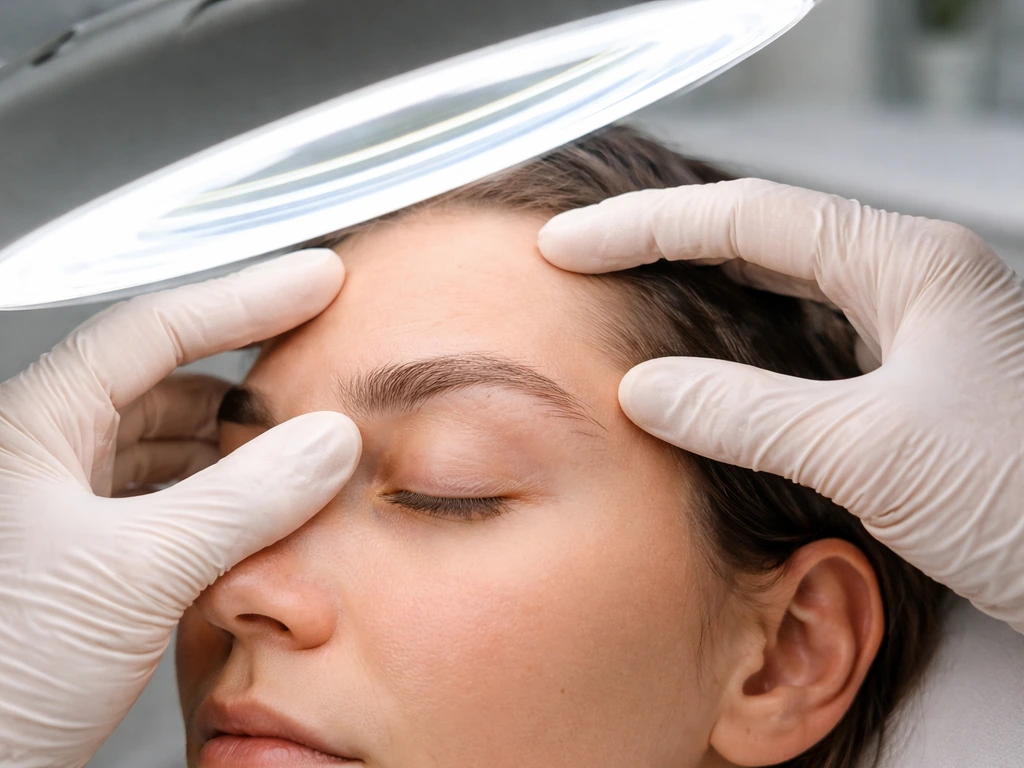
Most shaved eyebrows come back on their own. But there are specific situations where waiting it out isn't the right call, and getting a professional involved earlier leads to better outcomes.
- No regrowth after 6 months: If you shaved healthy brows and nothing meaningful has grown back after 6 months, a dermatologist can assess whether something is interfering with the follicle cycle.
- Bald patches with smooth, shiny skin: Smooth bald patches (as opposed to stubble-covered ones) can be a sign of scarring alopecia, where follicles have been destroyed. Scarring alopecias are typically permanent once established, and early intervention matters. This is not caused by shaving alone, but shaving might reveal a pre-existing condition.
- Signs of inflammation, pustules, or pain: Folliculitis or a more serious skin infection around the brow area needs treatment, not just time. Inflamed follicles can become damaged follicles if left untreated.
- Redness, scaling, or swollen eyelid skin: These can be symptoms of contact dermatitis or eyelid dermatitis, possibly triggered by a product you used during or after shaving. This needs a proper evaluation to identify and remove the trigger.
- Progressive or unexplained eyebrow loss across the brow: If loss seems to be expanding or you're losing brow hair in areas you didn't shave, conditions like frontal fibrosing alopecia or alopecia areata should be ruled out. Both are treatable, but earlier treatment gets better results.
- History of chronic over-plucking in the same area: If you've spent years aggressively tweezing the same spots and now they're not regrowing after shaving, the follicles in those areas may have been damaged over time. A dermatologist can assess follicle viability and discuss options.
The reassuring reality is that for a straightforward shave of previously healthy brows, the follicles are intact and regrowth is just a matter of time and patience. But eyebrow hair loss that lingers, spreads, or comes with skin symptoms is worth investigating promptly, because the difference between reversible and irreversible hair loss often comes down to how quickly the underlying cause is identified and addressed. Healthline also cautions that off-label minoxidil around the eyebrows can irritate the skin and should never get into the eyes Rogaine for Eyebrows.
FAQ
If I shave only one eyebrow, will the other side grow back at the same rate?
Not always. Regrowth speed and thickness vary because each eyebrow has hairs at different stages of the growth cycle, and irritation levels can differ if one side was shaved more aggressively or more frequently.
Will shaving make my eyebrow hair grow back darker or thicker than before?
Usually no. The regrown hairs may look slightly different as they emerge (stubbly tips can change how they reflect light), but shaving does not change the follicle's biology to produce inherently thicker or darker hair.
How long should I wait before I worry it won't come back?
If your brows were healthy beforehand, many people see visible change by around 6 to 12 weeks and near-full return closer to 6 months. If after 3 months you still have clear patchiness or widening gaps, it is reasonable to check for follicle irritation or an underlying cause.
What signs suggest the shave caused a problem rather than temporary regrowth lag?
Look for persistent redness, burning, spreading bumps, crusting, or intense itching. These can point to folliculitis or contact dermatitis, and they are reasons to stop shaving and consider medical advice rather than waiting for regrowth.
Does using eyebrow razors, electric trimmers, or standard razors change the outcome?
Electric trimmers and careful trimming generally reduce the chance of nicks and micro-cuts because they do not scrape as hard as a razor. Any tool can irritate skin, so dull blades, dry shaving, and repeated passes increase the risk of inflammation and delayed regrowth.
Can I speed up regrowth with oil or serums after shaving?
You can support the skin environment, but you cannot force hairs to skip growth phases. If you use castor or rosemary oil, apply lightly to clean, non-irritated skin, and stop if you get redness or itching, since reactions can worsen inflammation.
Is it a bad idea to shave again while the eyebrows are still growing back?
It can be. Repeated shaving before regrowth stabilizes keeps the process in an ongoing irritation cycle (and can create uneven lengths), which may make brows look patchier longer even if follicles are still intact.
Will waxing or plucking affect regrowth differently than shaving?
Yes. Waxing and plucking remove hair from the root, so follicles need to restart their growth cycle. That usually means slower and sometimes less uniform regrowth compared with shaving or trimming that leave the follicle intact.
Could shaving reveal an underlying issue like alopecia areata or thyroid problems?
It can. If you notice new, well-defined patches, rapid spread, or brow loss accompanied by other symptoms, the problem may not be the shave. Evaluation is important because treating the underlying condition affects regrowth outcomes.
When should I see a dermatologist about eyebrow hair loss?
Consider prompt evaluation if hair loss is patchy and expanding, if the skin looks abnormal (scaling, sores, persistent inflammation), if you had prior eyebrow thinning before shaving, or if regrowth is not meaningfully progressing by about 3 months.
Next Article
Do Eyebrows Grow Back After Shaving? Timeline, Tips
Do eyebrows grow back after shaving? Regrowth timeline, thickness changes, faster tips, and when to see a dermatologist.