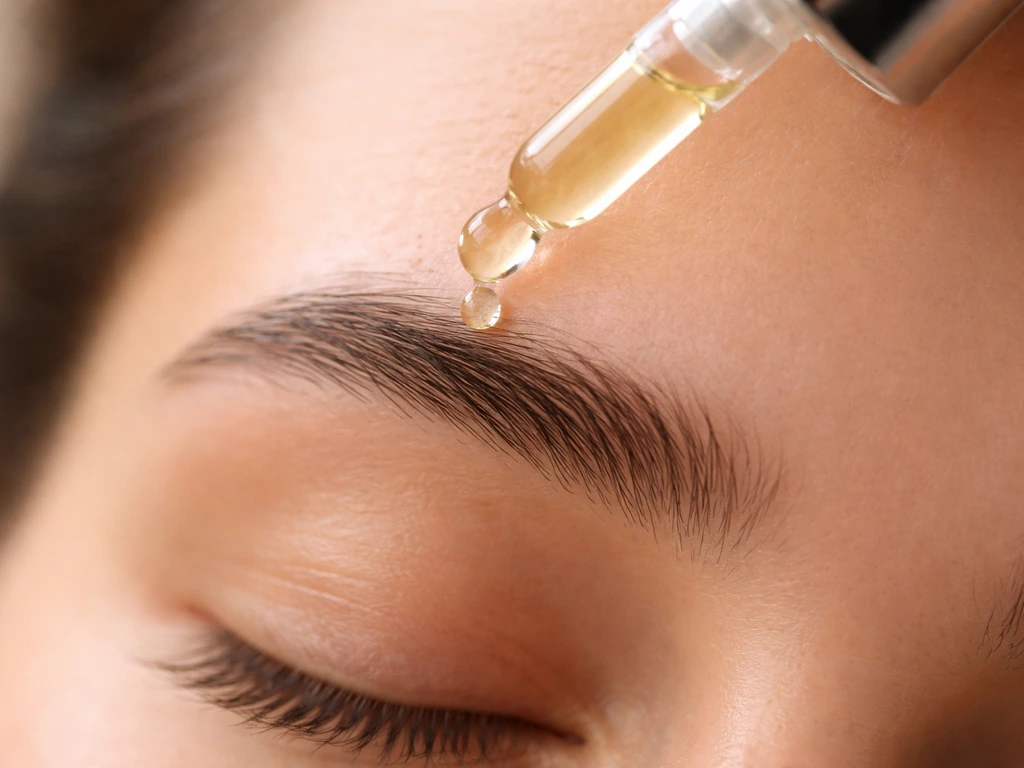
Yes, eyebrows do grow back after shaving. A 1979 JAMA report put it plainly: 'The eyebrows will certainly regrow after they are cut or shaved.' Shaving only removes the hair at the skin surface, leaving the follicle completely intact underneath. As long as the follicle is healthy, the hair will come back. The real questions most people have are how long it takes, whether it grows back looking different, and what they can do to speed things up. Those are exactly what this guide covers.
Do Eyebrows Grow Back After Shaving? Timeline, Tips
James Whitmore
22 Apr 2026
Will shaved eyebrows always grow back?
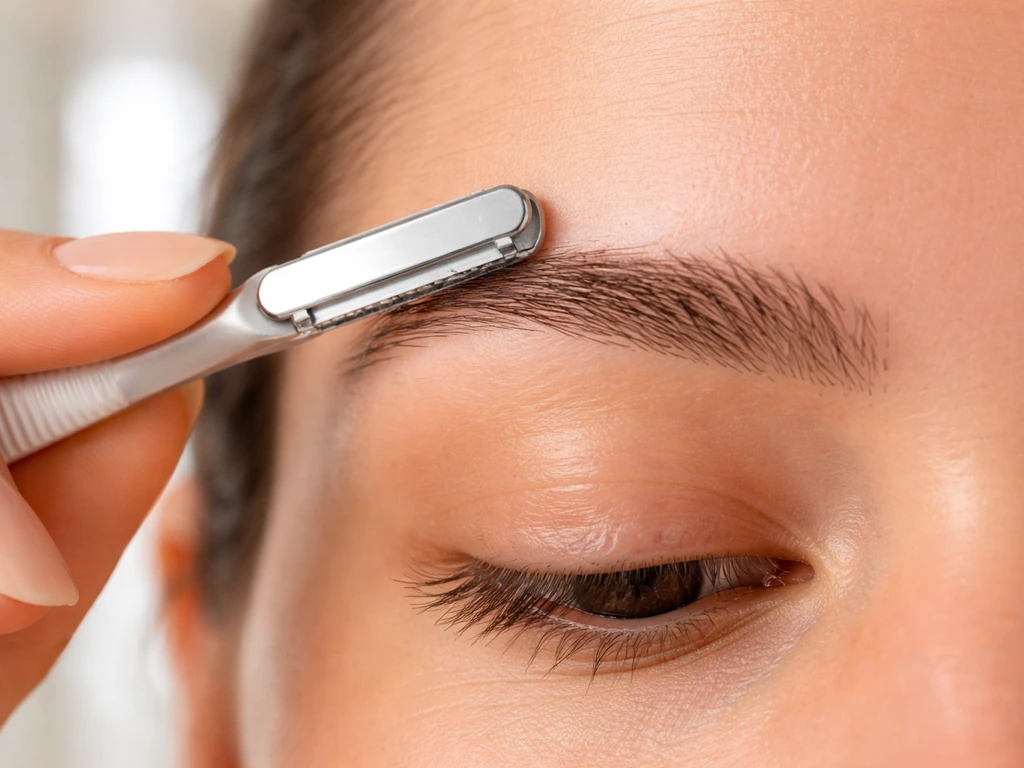
In the vast majority of cases, yes. For most people asking whether will shaving eyebrows make them grow, the answer is yes, though damaged follicles can sometimes regrow patchy. Shaving is one of the most follicle-friendly hair removal methods you can use. Unlike waxing, threading, or plucking, a razor never touches the follicle below the surface. It just trims the hair shaft flush with (or just above) the skin. So the root is untouched, and regrowth is essentially guaranteed for anyone with healthy follicles.
The only scenarios where regrowth might not happen, or might be patchy, are when the follicle itself is damaged. That can come from scarring from old acne or injury, years of over-plucking that has put follicles into a semi-permanent dormancy, an underlying health condition like alopecia areata or a thyroid disorder, or contact dermatitis from a product reaction right after shaving. Shaving alone does not cause any of these issues. If your brows are not coming back weeks after shaving and you have no history of the above, something else is likely going on.
The realistic regrowth timeline after shaving
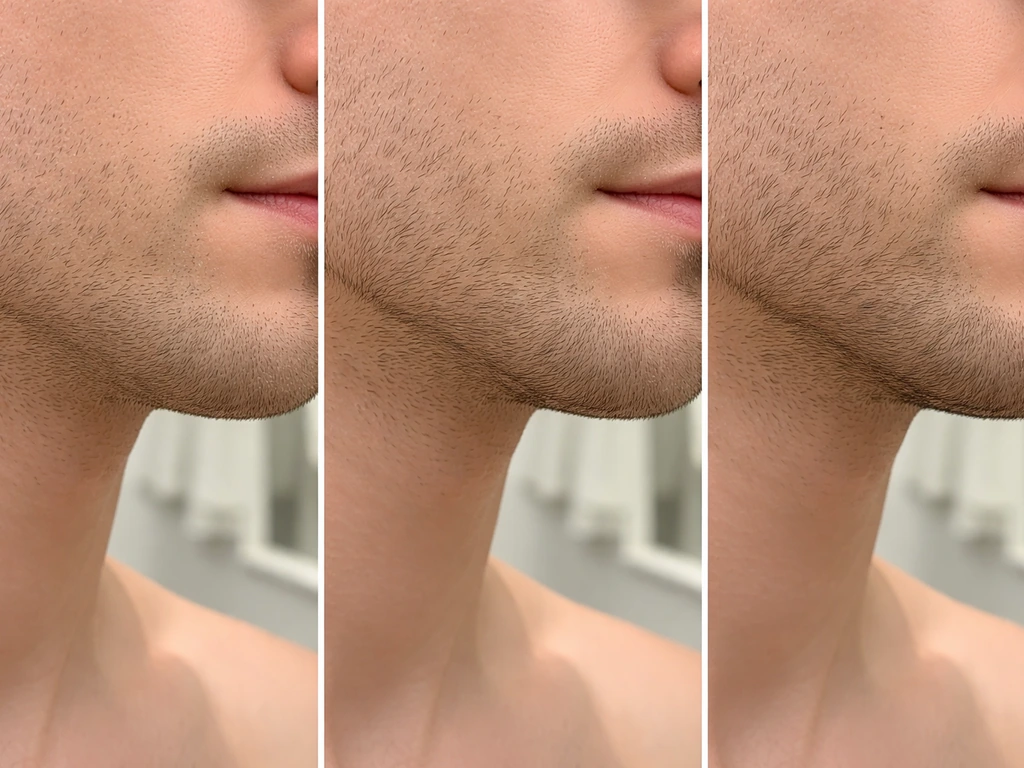
People want a specific number of days, and I get it. Here is the honest breakdown: in the first week, you will notice stubble. Short, blunt-tipped hairs start poking through within 3 to 7 days, which is actually faster than what you would see after plucking or waxing. By weeks 2 to 4, the hairs have enough length to be visible and start resembling a brow again, though the shape will look patchy and uneven.
From month 1 to month 3, the hairs continue filling in and lengthening. By month 3 to 4, most people are back to their baseline brow density. Full regrowth, meaning the brow is back to the same fullness and shape it had before shaving, typically takes 3 to 4 months for most adults.
Men often see slightly faster initial stubble growth because testosterone supports higher rates of hair follicle activity. But the overall timeline is similar: expect several weeks before the brows look remotely shaped, and 3 to 4 months before things are truly back to normal. Anyone who tells you brows regrow in a week is talking about visible stubble, not a full brow.
What affects how fast your brows grow back
Eyebrow hair, like all body hair, grows in cycles: anagen (active growth), catagen (transition), and telogen (resting). Each follicle is on its own schedule. Shaving does not reset these cycles or slow them down. But several factors do influence how quickly you see results.
- Age: Hair growth slows as you get older. Teenagers and young adults often see faster regrowth than people in their 40s or 50s.
- Genetics: Some people simply have faster-cycling follicles. If your brows grew in quickly before, they likely will again.
- Nutrition: Hair needs protein, iron, biotin, and zinc to grow. Deficiencies in any of these can stall regrowth noticeably.
- Hormones: Thyroid issues, low estrogen, and low testosterone can all slow brow regrowth. This is worth investigating if your timeline seems unusually long.
- Skin health: Inflamed, dry, or irritated skin around the follicle slows things down. Keeping the brow area moisturized and irritant-free matters more than people realize.
- Stress: Chronic high stress raises cortisol, which can push hair follicles into the resting (telogen) phase prematurely.
Will your brows grow back thicker after shaving? (The real answer)
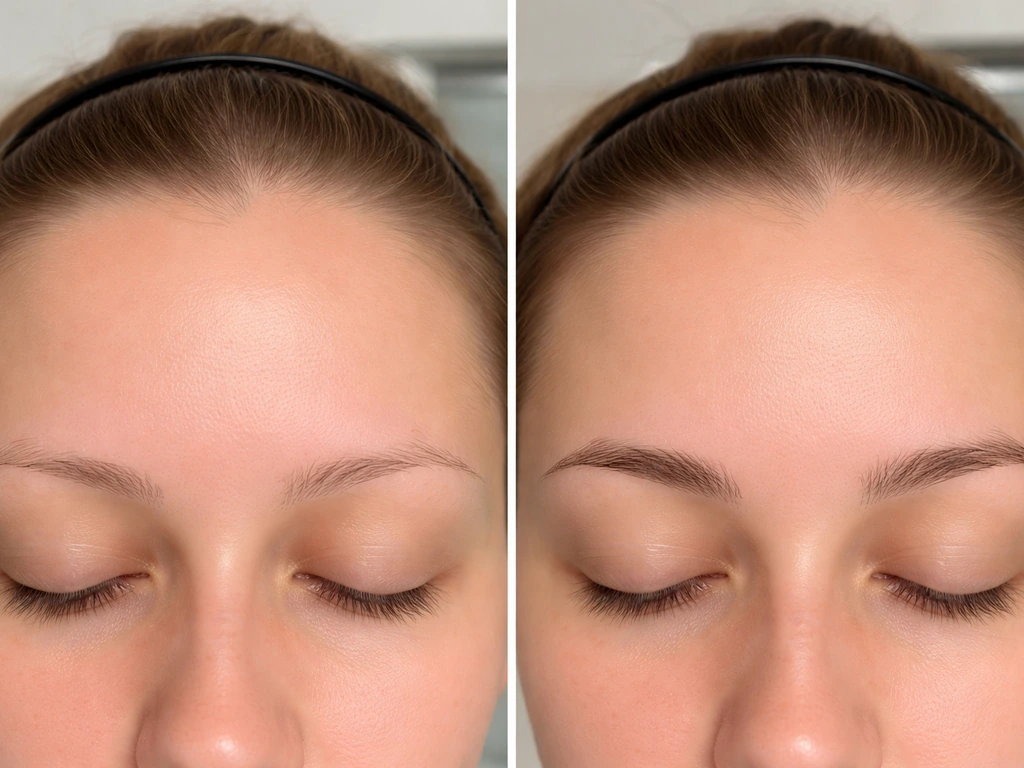
No. Mayo Clinic is clear on this: shaving does not change the thickness, color, or rate of growth of hair. It never has, and the idea that it does is one of those myths that refuses to die. What shaving does is cut the hair at the skin surface, leaving a blunt, flat tip. When that blunt tip grows in, it can feel stubbly and look a bit darker at the base. That tactile and visual illusion is where the 'shaving makes hair thicker' myth comes from. blank" rel="noopener noreferrer">But the actual hair strand, the pigmentation, and the follicle structure are completely unchanged.
So if you shaved your brows and are now worried your regrowth will look coarser or darker than your original brows, you can set that concern aside. If you shave your eyebrows and are worried about whether they will grow back, the good news is that regrowth is essentially the same as before for most people if you shave your eyebrows will they grow back. Your brows will grow back looking essentially the same as before.
If there are differences in texture or color compared to what you remember, it is much more likely due to age-related changes in your hair or changes in your hormone levels, not the shaving itself. This is also worth keeping in mind if you are reading about whether shaving or trimming changes brow density over time, which is a separate question with a similarly deflating answer: it does not.
Trimming may change how your brows look in the moment, but it does not make them grow longer in any meaningful way whether shaving or trimming changes brow density over time.
How to grow your eyebrows back faster after shaving
You cannot force a follicle to skip its biological cycle, but you can absolutely create the best possible conditions for growth and avoid the habits that slow it down. Here is a step-by-step routine that actually makes a difference.
- Stop touching and over-grooming the area. Put down the tweezers and razors entirely. Let the brow grow in without interference for at least 8 to 12 weeks. Constant grooming during regrowth is one of the most common reasons brows never seem to fully recover.
- Cleanse gently. Wash your face with a mild, fragrance-free cleanser. Avoid scrubbing the brow area aggressively. Irritated skin slows follicle activity.
- Moisturize daily. After cleansing, apply a lightweight, non-comedogenic moisturizer over the brow area. Well-hydrated skin supports healthy follicles. Plain aloe vera gel works well here and is very unlikely to cause a reaction.
- Apply a growth-supporting serum or oil at night. Pick one ingredient (castor oil, rosemary oil, or a minoxidil-based product) and apply it consistently to the brow area each evening. Consistency over 8 to 12 weeks matters far more than which specific product you choose.
- Improve your nutrition. Aim to get adequate protein (at least 0.7g per pound of body weight), iron, zinc, and biotin from food. If your diet is restricted, a general multivitamin or hair supplement can help fill gaps.
- Manage stress where you can. This sounds vague, but chronically elevated cortisol genuinely interrupts hair cycling. Even basic improvements, like better sleep or reducing caffeine, can make a measurable difference over a few months.
- Check in at week 8. If you are not seeing any visible regrowth by the 8-week mark, it is worth visiting a dermatologist to rule out an underlying cause rather than just waiting longer and hoping.
The best ingredients to support eyebrow regrowth
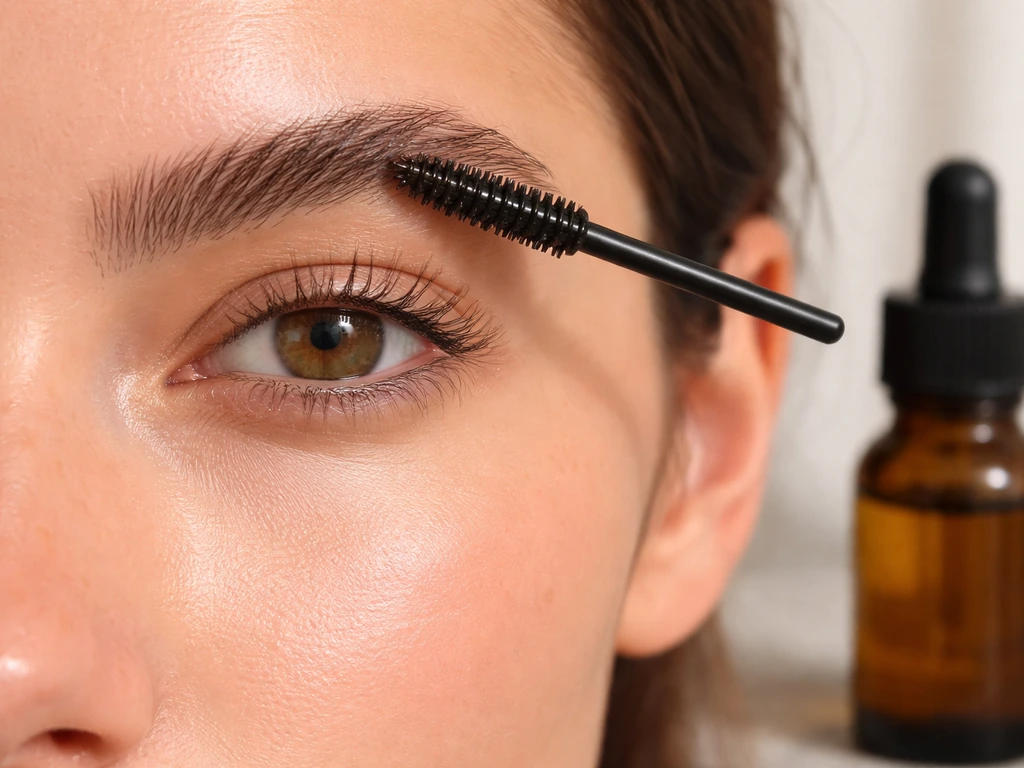
There is no magic regrowth product. But some ingredients have decent evidence behind them, and others are worth trying based on low risk and real user experience. Here is an honest breakdown.
Castor oil
Castor oil is probably the most popular home remedy for brow growth, and there is a reasonable case for it even if the clinical trials are not extensive. It is rich in ricinoleic acid, which has anti-inflammatory properties that may support a healthier scalp and skin environment for hair follicles. It also coats the hair shaft, making existing hairs look thicker and darker, which can give the impression of faster regrowth even before new hairs emerge.
Apply a small amount to clean brows each night using a clean spoolie or fingertip. Do not expect a dramatic transformation in two weeks. Used consistently over 8 to 12 weeks, it tends to improve the appearance of brows noticeably. It is not going to regrow brows that have been damaged by scarring, but for post-shaving regrowth it is a solid, low-risk starting point.
Rosemary oil
Rosemary oil has more clinical backing than castor oil when it comes to actual hair growth. A 2015 study comparing rosemary oil to 2% minoxidil for scalp hair found comparable results at the 6-month mark. The active compound, rosmarinic acid, improves circulation and may extend the anagen (growth) phase of the hair cycle. For brows, dilute it in a carrier oil (about 2 to 3 drops of rosemary essential oil per teaspoon of jojoba or castor oil) and apply it nightly. It does have a strong scent and can irritate sensitive skin if used undiluted, so always dilute and do a patch test first.
Minoxidil
Minoxidil (Rogaine) is the most evidence-backed topical treatment for hair loss, and some dermatologists do recommend it off-label for eyebrow regrowth, particularly in cases of alopecia areata or hormone-related thinning. For straightforward post-shaving regrowth in someone with healthy follicles, it is probably overkill.
But if your brows have been noticeably sparse for a while and you want the strongest available topical option, a 2% or 5% minoxidil solution applied once daily to the brow area is worth discussing with a dermatologist. Be aware that minoxidil must be used continuously: stopping it often leads to shedding of any gains. It can also cause skin irritation and should not get into the eyes.
Set realistic expectations: you are looking at 3 to 6 months of consistent use before assessing whether it is working.
| Ingredient | Evidence Level | Best For | How to Use | Realistic Timeline |
|---|---|---|---|---|
| Castor oil | Low to moderate (mostly anecdotal) | Post-shaving regrowth support, conditioning | Apply nightly with a clean spoolie | 8 to 12 weeks to notice improvement |
| Rosemary oil (diluted) | Moderate (one notable clinical comparison) | Stimulating follicle activity, circulation | 2-3 drops in carrier oil, apply nightly | 8 to 16 weeks |
| Minoxidil 2% or 5% | Strong (scalp hair; limited but growing brow data) | Persistent thinning, hormone/alopecia-related gaps | Apply once daily as directed; discuss with derm | 3 to 6 months |
When to worry: brows not growing back and signs something is wrong
If you shaved your brows and they are not coming back within the expected timeframe, or if regrowth is very uneven after 3 to 4 months, that is a signal worth paying attention to. Here are the specific things to look for and what they might mean.
- No visible growth after 8 weeks: This is unusual after shaving alone. Check whether you have irritated the skin post-shave (redness, flaking, or bumps) or if you may have an underlying condition. This is the right time to see a dermatologist rather than waiting another few months.
- Patchy or very uneven regrowth: Some patchiness in the first month is normal as follicles are on different growth cycles. But if patches persist past the 3-month mark, alopecia areata (an autoimmune condition that causes patchy hair loss) is worth ruling out.
- Itching, redness, or flaking that won't settle: Post-shave irritation is common, but prolonged inflammation can slow or disrupt follicle activity. This may be contact dermatitis from a product you are using or seborrheic dermatitis affecting the skin. Stop using anything new, keep the area moisturized, and if it persists past 2 weeks, see a doctor.
- Outer third of the brow is noticeably missing or slow to return: Sparse outer brow hair is a classic sign of thyroid dysfunction, particularly hypothyroidism. If you also feel fatigued, have dry skin, or have experienced unexplained weight changes, ask your doctor for a thyroid panel.
- History of very frequent plucking before you shaved: Years of over-plucking can push follicles into a long dormancy. Shaving on top of already-stressed follicles may reveal pre-existing thinning that was hidden before. In this case, regrowth is slower and may need more support (rosemary oil or minoxidil) to kick back into gear.
- Scarring from past acne, injury, or cosmetic procedures: Scar tissue can permanently disrupt follicles. If you have visible scars in the brow area where hair is not growing, that area may not recover on its own. A dermatologist can assess whether treatments like microneedling or PRP are appropriate options.
The bottom line is this: shaving is about as low-risk as it gets for eyebrow hair removal, and regrowth is almost always a matter of when, not if. Give it time, give your follicles good conditions to work with, pick one reliable topical support ingredient and use it consistently, and reassess at the 8-week mark. For most people, 3 to 4 months of patience (and some castor or rosemary oil) is all it takes to get back to a full, natural brow.
FAQ
How soon can I tell if my eyebrows are actually regrowing after shaving, not just stubble?
In the first 3 to 7 days you may only see short, blunt stubble. True regrowth is more obvious between weeks 2 to 4, when hairs start looking longer and more brow-shaped rather than just rough dots. If nothing changes visually by week 4, or you notice expanding gaps, it is worth considering other causes like prior over-plucking, irritation, or an underlying hair condition.
Will shaving make my eyebrows uneven while they grow back, and how long does that uneven phase last?
Yes, regrowth often looks patchy at first because different follicles are not on the same schedule. For most people the patchiness improves steadily between weeks 2 to 4 and month 1 to 3. If the unevenness gets worse past 3 to 4 months, it may signal follicle damage or ongoing irritation rather than normal cycling.
I used an eyebrow product right after shaving and now my skin is red or itchy. Could that stop regrowth?
It can. Contact dermatitis from cosmetics, aftershaves, or actives (like acids or retinoids) right after shaving can inflame follicles and delay or disrupt regrowth. If you have persistent burning, swelling, or a rash that lasts more than a few days, stop the new products and consider speaking with a clinician, especially if patches do not fill in by the expected window.
Does shaving increase ingrown hairs or follicle bumps on the eyebrows?
It can, mainly if you shave too frequently, shave against the grain, or do not keep the area clean. Ingrown bumps may look like small pimples and can temporarily affect how hairs emerge. Switching to gentle, single-direction shaving, using a clean tool, and avoiding heavy occlusive creams near the lash line can reduce this risk.
Can I use eyebrow makeup or tint while my brows are growing back from shaving?
You generally can use makeup, but avoid aggressive tinting or chemical brow dyes during the first couple of weeks if your skin feels sensitive. Pigments can mask regrowth patterns, making it harder to judge improvement, and strong dyes can irritate healing skin. If you do color, do a small patch test and pause if you feel stinging or itching.
Should I stop shaving or trimming completely while waiting for regrowth?
To avoid prolonging the “stubble phase,” it is usually best to stop shaving and limit trimming until you are at least around the 2 to 4 week mark. Ongoing shaving repeatedly resets the visible length and can make the timeline feel slower, even if follicles are healthy. Use a spoolie to guide hairs instead of cutting frequently.
What shaving technique is least likely to cause problems with regrowth?
Use a sharp, clean razor, shave with gentle pressure, and go in the direction of hair growth when possible. Over-scrubbing, multiple passes, or using a rough implement can irritate skin and increase the chance of inflammation. Afterward, rinse well and keep the area free of harsh actives for a day or two.
If my brows do not come back by 3 to 4 months, what are the most common next steps?
First, rule out ongoing triggers, like recent plucking or irritation from skincare products. Then consider a structured look back: was there a history of eyebrow over-plucking, scarring, eczema, or sudden patchy hair loss? If regrowth is very uneven or absent after 3 to 4 months, a dermatologist can check for causes such as alopecia areata and offer treatments appropriate for your situation.
Is it safe to apply minoxidil or essential oils near the eye area?
Caution is essential. Minoxidil should not get into the eyes or onto broken skin, and many people need to use a very small amount with careful application to avoid migration. Essential oils like rosemary can irritate sensitive skin, so dilution and patch testing are non-negotiable. If you get redness, burning, or watering eyes, stop and seek guidance.
Can stress, diet, or sleep affect eyebrow regrowth after shaving?
They can indirectly. Shaving does not change follicle capacity, but poor nutrition, rapid weight loss, or chronic stress can influence hair cycling and the way follicles perform. If you notice broader hair shedding, fatigue, or skin changes along with brow thinning, consider discussing nutritional status or thyroid and autoimmune concerns with a clinician.
Next Article
Does Vitamin E Oil Help Eyebrows Grow? Safe Routine & Timeline
Find out if vitamin E oil helps eyebrow growth, plus a safe routine, timelines, and what works better.