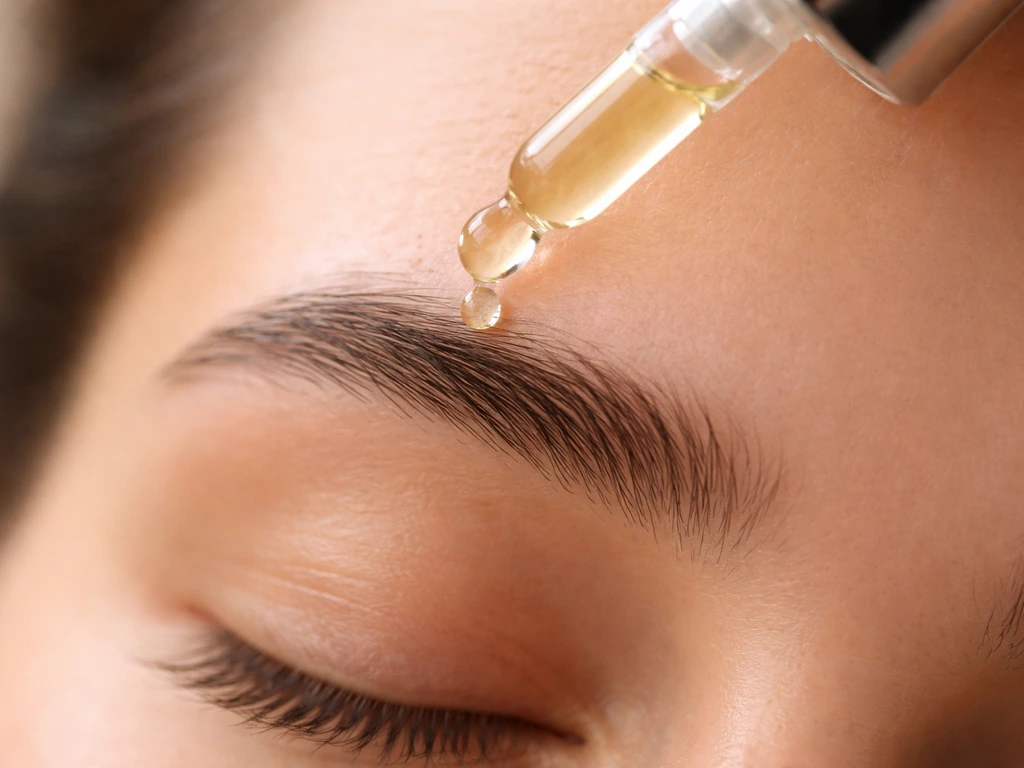
Cocoa butter will not grow your eyebrows. It has no clinically demonstrated ability to stimulate hair follicles, and no randomized trials support it as a regrowth treatment. What it can do is moisturize the skin under your brows and condition the existing hairs, which may reduce breakage and make sparse brows look a little healthier. If your goal is actual regrowth, filling in gaps, recovering from over-plucking, or addressing genuinely thin brows, you need something with stronger evidence behind it.
Does Cocoa Butter Help Grow Eyebrows? Evidence & Tips

James Whitmore
28 Jul 2026
How eyebrow hair actually grows
Every eyebrow hair goes through three phases: anagen (active growth), catagen (transition), and telogen (resting and shedding). Unlike scalp hair, eyebrow hairs spend most of their time in catagen and telogen, which is why they stay short and grow slowly. The full eyebrow cycle lasts roughly four to six months, and the anagen phase for brow hairs is typically only one to two months. That biology explains why regrowth after shaving or heavy waxing takes longer than most people expect, you are not just waiting for a hair to grow longer, you are waiting for resting follicles to re-enter their growth phase.
Several factors influence how well and how quickly your brows regrow. Genetics set your baseline follicle density and growth rate. Age matters too: as estrogen and androgen levels shift in your 30s, 40s, and beyond, follicles can miniaturize or go dormant. Nutritional deficiencies, particularly iron, biotin, zinc, and protein, can slow growth noticeably. Repeated trauma from over-plucking or waxing can cause scarring around follicle openings over time, which is why some people find that certain patches simply stop filling in. Thyroid disorders and hormonal imbalances are also common, underappreciated culprits behind sparse brows. All of this matters because if the root cause of your thinning is biological or hormonal, no topical emollient is going to fix it.
What cocoa butter is and what it actually does to skin
Cocoa butter (Theobroma cacao seed butter) is a vegetable fat extracted from cacao beans. Its fatty acid profile is dominated by stearic acid (roughly 31–39%), oleic acid (29–35%), and palmitic acid (22–27%). Because it melts at close to skin temperature, it spreads easily and creates a light occlusive layer on the surface of the skin. In cosmetics, it is classified as an emollient and skin-conditioning agent, not a bioactive or drug ingredient. It softens skin, helps trap moisture, and makes the surface feel smooth. That is genuinely useful, dry, flaky brow skin is uncomfortable, and conditioning the area can keep existing hairs looking healthier, but those effects are mechanical and surface-level, not follicular.
Why cocoa butter is unlikely to stimulate follicles
Hair follicles are dermal structures that sit well below the surface of the skin. Stimulating them requires either a signal that reaches them (like minoxidil, which affects potassium channels in follicle cells) or a procedural intervention (like microneedling, which triggers wound-healing growth factors). Cocoa butter is an occlusive emollient. Its fatty acid triglycerides sit on and in the upper layers of the stratum corneum; they do not penetrate deeply enough to interact meaningfully with the dermal papilla cells that govern follicle cycling. There is no plausible pharmacological mechanism by which applying cocoa butter to brow skin would push a resting follicle into the anagen phase or accelerate the growth rate of active ones.
There is also a practical caution worth flagging: because cocoa butter is relatively high in stearic and oleic triglycerides, it can occlude follicle openings in some users. One in vivo imaging study using reflectance confocal microscopy found that cocoa butter can contribute to microcomedone formation, essentially, plugged follicle openings. On brow skin, which is close to the nose and part of the oily T-zone for many people, this matters. You could, in the wrong skin type, end up with clogged follicle openings rather than stimulated ones.
What the evidence actually says
I went looking for randomized controlled trials or systematic reviews testing cocoa butter for eyebrow or hair growth, and I found none. Major clinical reviews covering treatments for eyebrow hypotrichosis and androgenetic alopecia list established agents, topical minoxidil, bimatoprost, finasteride, procedural options, but cocoa butter does not appear in any of them as an evidence-based intervention. A recent clinical review, 'blank" rel="noopener noreferrer">Treatment options for androgenetic alopecia: Efficacy, side effects, compliance, financial considerations, and ethics (clinical review)', summarizes established agents such as minoxidil, finasteride, bimatoprost, and procedural treatments. The Cosmetic Ingredient Review safety assessments for cocoa butter evaluate tolerability and sensitization (it has a strong safety record as a cosmetic emollient), but those documents say nothing about hair growth efficacy because that was never the claim being assessed. See CIR Report data and definitions (includes discussion of cocoa‑derived ingredients) for the Cosmetic Ingredient Review summaries and toxicology evaluations noting cocoa butter's safety as an emollient while not assessing hair‑growth efficacy.
Broader reviews of cosmetic and traditional hair oils do confirm that vegetable oils and butters improve hair shaft condition and reduce breakage, and that is a real benefit. Softer, less brittle brow hairs are less likely to snap off, so your existing hairs may appear fuller and stay longer. But "reduces breakage" and "stimulates new follicle growth" are not the same thing, and conflating them is exactly the kind of overpromising that frustrates people who try home remedies for months without seeing real results.
How to use cocoa butter on brows safely (if you want to try it)
If your main goal is moisturizing dry brow skin or conditioning brittle hairs rather than stimulating regrowth, cocoa butter is a reasonable option with a good safety profile. Here is how to do it sensibly.
- Patch test first: apply a small amount to the inside of your wrist or behind your ear for 24–48 hours before using it on your face. True allergic contact dermatitis to refined cocoa butter is uncommon, but individual sensitivities vary.
- Use a small amount: a grain-of-rice-sized piece of solid cocoa butter or one thin application of a cocoa butter balm is enough for both brows. More does not mean better.
- Apply at night: use a clean fingertip or a clean spoolie to gently distribute the butter along the brow ridge. Applying at night reduces the chance of it mixing with sunscreen, makeup, or sweat during the day.
- Avoid the eyelid margin and lash line: the periocular skin (eyelids) is thinner and more sensitive than brow skin. Keep the application to the brow hairs and the skin directly beneath them.
- Frequency: every other night is enough. Daily application on oily or acne-prone skin increases the risk of clogged follicles and congestion.
- Look for pure, unrefined cocoa butter or a simple formulation without added fragrance: fragrance additives are a more common sensitizer than cocoa butter itself, so simpler is safer around the eye area.
- Reassess at 8 weeks: if you are using cocoa butter purely for conditioning, you should notice softer, less brittle hairs within a few weeks. If you are not seeing any improvement in how your brows look and feel, stop and try a better-evidenced option.
Realistic expectations and timelines
Even with the most evidence-backed treatments, eyebrow regrowth takes time. With topical minoxidil, which has actual randomized trial data behind it, researchers in a double-blind, split-face study noted measurable improvement in eyebrow density over a treatment period of several months. The eyebrow growth cycle simply does not move faster than that. With cocoa butter, the honest expectation is zero regrowth and modest conditioning. Your brows might look slightly fuller because the hairs are better moisturized and less likely to break, but you will not see new hairs sprouting in bald patches. If you are three months past stopping a bad plucking habit and your brows still have noticeable gaps, the answer is not more cocoa butter, it is a clinician visit or a switch to a proven active ingredient.
Better options if you actually want regrowth
For people who want measurable regrowth rather than conditioning, the evidence landscape is much clearer. Topical minoxidil (2%) has been tested in a randomized, double-blind, placebo-controlled, split-face trial specifically for eyebrow hypotrichosis and showed statistically significant improvement in hair density. Bimatoprost, a prostaglandin analog, has multiple randomized double-blind clinical trials supporting its efficacy for eyebrow enhancement, studies comparing 0.01% versus 0.03% concentrations both showed improvements in density and length. These are the two options with the strongest clinical evidence for eyebrows specifically.
Rosemary oil is worth mentioning: a 2015 randomized trial on scalp androgenetic alopecia found it performed comparably to 2% minoxidil for scalp hair counts, which is a genuinely interesting finding for a botanical. That study was for scalp hair, not eyebrows, so the extrapolation is not direct, but the mechanistic rationale (improved circulation, possible interaction with androgen receptors) is more biologically plausible than anything cocoa butter offers. If you're curious about botanicals, you might also search for does green tea help grow eyebrows to see what evidence, if any, supports its use for eyebrow regrowth. Castor oil is probably the most popular home remedy for brows, and while it does have some preclinical signals and anecdotal support, the evidence for actual follicle stimulation is still weak, the likely mechanism is conditioning and reduced breakage, similar to cocoa butter but without the comedogenicity concerns. Rice water is another popular home remedy, see does rice water grow your eyebrows for a focused review of the evidence and plausibility. If you’re wondering whether milk helps eyebrows grow, see does milk help eyebrows grow. Microneedling shows real promise from scalp data and has a plausible mechanism (wound-healing growth factor release, Wnt/beta-catenin activation), but dedicated RCT evidence for eyebrows specifically is still limited. For severe or persistent eyebrow loss, follicular unit eyebrow transplantation is the most definitive option and is supported by robust procedural outcome data.
How cocoa butter compares to other popular home remedies
Readers comparing cocoa butter to other home remedies like milk, green tea, and rice water will find a consistent pattern: all of these options have very limited clinical evidence for follicle stimulation. Here is a quick, honest breakdown of where each one stands.
| Remedy | Plausible mechanism | Clinical evidence for eyebrow growth | Comedogenicity risk | Overall rating |
|---|---|---|---|---|
| Cocoa butter | Emollient/conditioning, reduces breakage | None | Moderate (high stearic/oleic content) | Moisturizer only — not a growth treatment |
| Castor oil | Conditioning, possible ricinoleic acid circulation effect | Weak — small preclinical signals, no RCTs for brows | Low-moderate | Better than cocoa butter for brows; still unproven for regrowth |
| Rosemary oil | Possible androgen receptor interaction, improved circulation | Scalp RCT data only; no brow-specific RCTs | Low | Most biologically plausible botanical; extrapolation to brows is reasonable but not confirmed |
| Milk / milk proteins | Protein conditioning of hair shaft | None for follicle stimulation | Low-moderate | Hair shaft conditioning only — no regrowth evidence |
| Green tea (EGCG) | Antioxidant, possible DHT inhibition in vitro | In vitro and animal data only; no brow RCTs | Very low | Interesting mechanistically; not proven for human eyebrows |
| Rice water | Inositol coating for hair shaft strength | No clinical trial evidence for follicle growth | Very low | May reduce breakage; not a regrowth treatment |
| Topical minoxidil 2% | Potassium channel opening, anagen prolongation | RCT evidence specifically for eyebrow hypotrichosis | Very low | Strongest evidence for non-prescription eyebrow regrowth |
| Bimatoprost | Prostaglandin analog, prolongs anagen phase | Multiple RCTs for eyebrow hypotrichosis | Very low | Strongest overall evidence; requires prescription in most regions |
Safety guidance: what to watch for with cocoa butter near brows
Cocoa butter has a genuinely good safety record as a cosmetic ingredient. Allergic contact dermatitis to refined cocoa butter is rare and infrequently reported in patch-test literature. That said, "rare" does not mean impossible, and the eye area deserves extra caution because the skin there is thinner and more reactive than anywhere else on the face. A 24–48 hour patch test on your wrist or inner arm before applying anything new near your eyes is non-negotiable in my opinion, especially if you have a history of sensitive skin or eczema.
- Comedogenicity: cocoa butter can clog pores in some users, particularly those with oily skin or acne-prone skin. If you notice small bumps or congestion appearing along your brow ridge after starting use, stop immediately.
- Eyelid sensitivity: keep cocoa butter away from the eyelid margin and avoid letting it migrate into your eyes. The eyelid skin is extremely thin and absorbs ingredients differently than brow skin.
- Fragrance additives: many commercial cocoa butter products contain added fragrance, which is a more common sensitizer than cocoa butter itself. For periocular use, choose fragrance-free formulations.
- Pre-existing skin conditions: if you have seborrheic dermatitis, rosacea, or active blepharitis around your eye area, avoid adding occlusive butters to that region without checking with a dermatologist first.
- Product purity: for use near the eyes, pure, unrefined cocoa butter or simple single-ingredient formulations are preferable to multi-ingredient body butters that may include astringents, retinoids, or essential oils not suitable for the periocular area.
When to stop DIY and see a dermatologist
If your brows have been sparse or thinning for more than three to four months without a clear cause like recent waxing or shaving, it is worth seeing a dermatologist or a trichologist rather than cycling through home remedies. Thyroid disorders, alopecia areata, nutritional deficiencies, and hormonal shifts can all cause eyebrow thinning that will not respond to any topical product. A dermatologist can diagnose the underlying cause and prescribe options with actual clinical evidence, topical minoxidil or bimatoprost are the first-line options for eyebrow hypotrichosis, and for the right candidate, eyebrow transplantation is a permanent solution. Spending six months applying cocoa butter or any other unproven remedy when the real issue is a treatable medical condition is time you do not need to lose.
The bottom line on cocoa butter for eyebrows
Cocoa butter is a safe, pleasant emollient with a long cosmetic track record. It can moisturize the skin under your brows and condition the hairs you have, which is a real but limited benefit. It has no clinical evidence behind it as a follicle stimulator, no plausible mechanism for driving new hair growth, and a mild comedogenicity risk that makes it a less-than-ideal choice for oily or acne-prone brow skin. If you enjoy using it as part of a skincare routine and your skin tolerates it well, there is no reason not to, just do not count on it to fill in sparse patches or speed up recovery after over-plucking. For that, the evidence points clearly toward minoxidil, bimatoprost, or a dermatologist visit.
FAQ
Quick answer: does cocoa butter help grow eyebrows?
Short answer: No reliable evidence shows cocoa butter stimulates new eyebrow follicle growth. It can moisturize and condition eyebrow skin and hairs, which may improve appearance, but it is not an evidence‑based follicle‑stimulating treatment.
How do eyebrow hairs grow (plain‑language biology)?
Eyebrow hairs, like scalp hairs, grow from follicles that cycle through growth (anagen), regression (catagen), and rest (telogen) phases. Eyebrow anagen phases are shorter than scalp hair, so brows are shorter and slower to change. True regrowth requires stimulating follicles to enter or lengthen anagen or increasing follicle density — not just improving hair shaft condition.
What is cocoa butter and how is it used in cosmetics?
Cocoa butter is a fat extracted from cacao seeds (Theobroma cacao). Chemically it is mainly triglycerides rich in stearic, oleic, and palmitic fatty acids. In cosmetics it’s used as an emollient and occlusive moisturizer because it melts near skin temperature and creates a protective barrier to reduce water loss.
What plausible mechanisms could make cocoa butter seem to help eyebrow appearance?
Plausible, non‑growth mechanisms: 1) Moisturizing and softening of hair shafts reduces breakage and makes brows look fuller. 2) Occlusion and smoothing of skin can improve sheen and visual density. 3) Protecting fragile regrowing hairs from friction. None of these equate to scientifically proven follicle stimulation.
Is there direct scientific evidence that cocoa butter stimulates eyebrow follicles?
No randomized controlled trials or clinical studies support cocoa butter as a follicle‑stimulating agent for eyebrows or scalp. Clinical hair‑growth reviews and therapeutic guidelines do not list cocoa butter as an evidence‑based treatment.
What does the evidence say overall (concise review)?
High‑quality evidence: none for cocoa butter as a hair‑growth stimulant. Cosmetic and dermatology literature support cocoa butter’s role as a safe emollient in most people. Reviews of hair oils and butters show benefits for hair shaft conditioning and reduced breakage but not reliable follicle activation. By contrast, topical minoxidil and bimatoprost have randomized trial evidence for eyebrow enhancement; rosemary oil has limited scalp data; microneedling has supportive scalp evidence as an adjunct.
Next Article
Does Vitamin E Oil Help Eyebrows Grow? Safe Routine & Timeline
Find out if vitamin E oil helps eyebrow growth, plus a safe routine, timelines, and what works better.