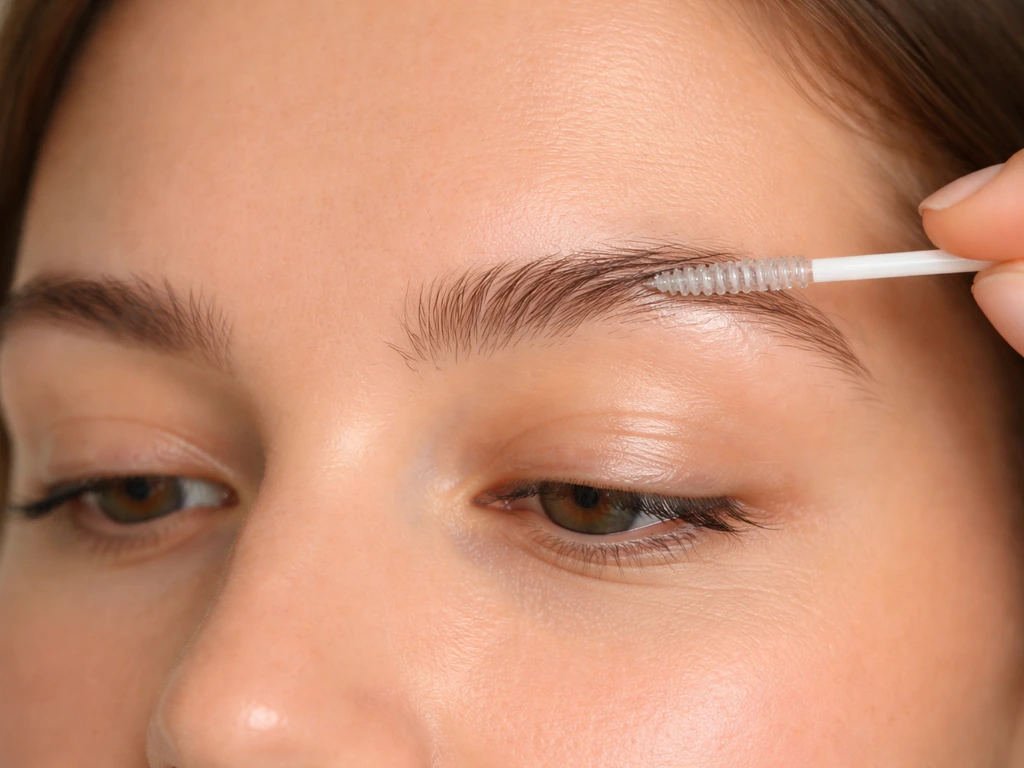
The best product to grow eyebrows depends on what's actually causing the problem. For most people dealing with over-plucked, waxed, or generally sparse brows, a brow growth serum with peptides and biotin is the practical first step. If you want an easy starting point, look for the best serum to grow eyebrows based on your cause of thinning, and check that it includes peptides and biotin.
Best Product to Grow Brows Back: Serums, Oils, Minoxidil

James Whitmore
2 May 2026
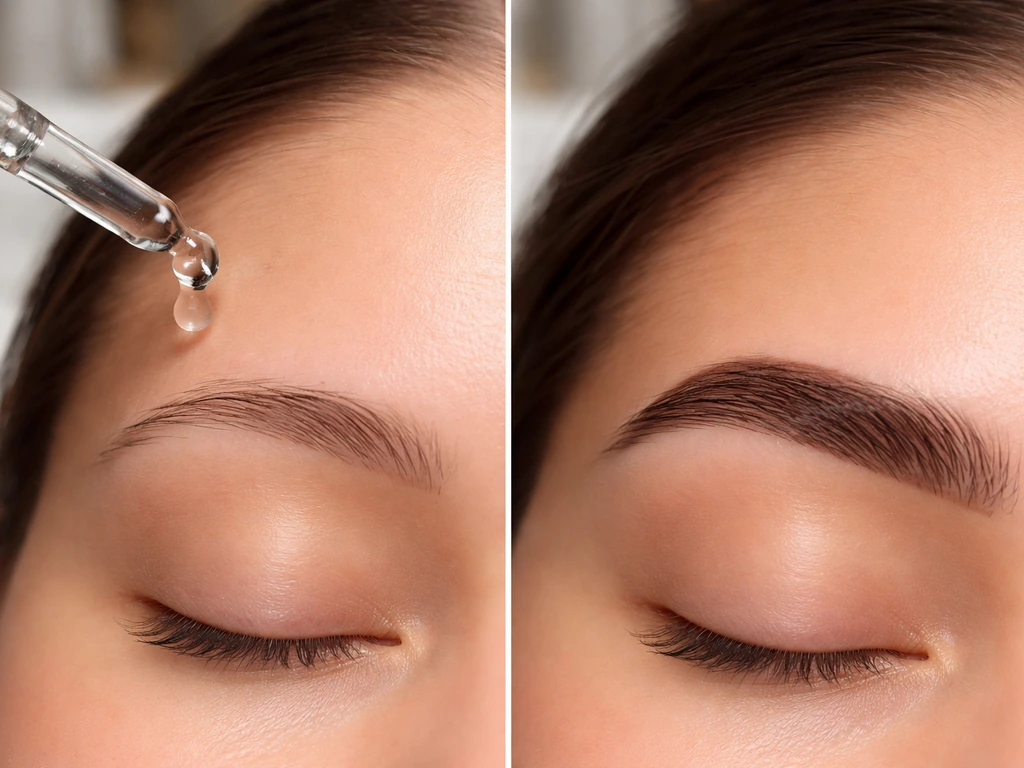
If you want stronger evidence behind your choice, minoxidil 2% has clinical backing for eyebrow regrowth, and bimatoprost (via prescription) has the most robust research. Conditioning oils like castor oil and rosemary oil are lower-risk supporting options with less direct proof for brows specifically, but they're worth adding to your routine. The honest answer is: no single product works for everyone, and the 'best' one is the one matched to your specific situation.
Best eyebrow-growth product by goal
| Your Goal | Best Product Type | Key Ingredient(s) | Realistic Timeline |
|---|---|---|---|
| Regrow brows after over-plucking or waxing | Brow growth serum or minoxidil 2% | Peptides, biotin, minoxidil | 3–6 months |
| Thicken naturally sparse or thin brows | Minoxidil 2% or prescription bimatoprost | Minoxidil, bimatoprost | 4–6 months |
| Condition and support existing hair | Castor oil or rosemary oil | Ricinoleic acid, rosmarinic acid | Ongoing, subtle results |
| Grow both brows and lashes | Lash + brow dual serum or bimatoprost (Rx) | Peptides, bimatoprost 0.03% | 3–5 months |
| Severe loss (alopecia, medical cause) | Prescription bimatoprost or dermatologist consult | Bimatoprost 0.03% | Varies; professional guidance needed |
How eyebrow regrowth actually works
Before you pick a product, it helps to understand why brow regrowth is slower and less predictable than scalp hair. Every hair follicle cycles through three phases: anagen (active growth), catagen (transition), and telogen (resting/shedding). The key issue with eyebrows is that their anagen phase is much shorter than scalp hair, and they spend a disproportionate amount of time in telogen. The anagen-to-telogen ratio for eyebrows is roughly 1:9, meaning for every follicle actively growing, about nine are resting. Telogen alone lasts around 100 days. That's why you don't walk around with foot-long eyebrows, but it's also why regrowth feels excruciatingly slow.
When you over-pluck or wax repeatedly, you're not just removing hair, you're repeatedly stressing the follicle. Over time, that physical trauma can weaken follicles to the point where they produce finer and finer hairs, or eventually stop producing hair in that spot at all. That's different from the normal telogen rest, and it's why some people who've tweezed aggressively for years see permanent-looking gaps. The good news: most follicles that have been dormant from plucking (rather than destroyed by scarring or medical conditions) can be coaxed back with the right approach and enough patience.
When a product claims to 'grow eyebrows,' it's really doing one or more of three things: extending the anagen phase so individual hairs grow longer and thicker, shortening the telogen phase so follicles re-enter growth sooner, or improving the local environment (blood flow, follicle nutrition) to support healthier growth. Minoxidil and bimatoprost work on the first two mechanisms. Oils and most cosmetic serums primarily address the third.
Product options and the ingredients that actually help
Minoxidil 2% (strongest OTC evidence)
Minoxidil 2% is the most evidence-backed over-the-counter option for eyebrow regrowth. A randomized, double-blind, placebo-controlled split-face study on eyebrow hypotrichosis found that 51% of participants on minoxidil 2% reported improvement versus 23% on placebo. That's not a dramatic gap, but it's a meaningful, controlled difference. Minoxidil works by prolonging the anagen phase and stimulating follicles that have miniaturized or gone dormant. It's available as a liquid or foam, and the 2% concentration is preferable over 5% for the brow area because it reduces the risk of local irritation and unwanted hair in adjacent areas.
Bimatoprost 0.03% (prescription, strongest overall evidence)
Bimatoprost is a prostaglandin analog best known as the active ingredient in Latisse, which is FDA-approved for eyelash growth. For eyebrows specifically, multiple randomized controlled trials and case studies show it can improve eyebrow hair density and growth in people with eyebrow hypotrichosis. A comparative study directly pitting minoxidil 2% against bimatoprost 0.01% and 0.03% found bimatoprost 0.03% to be the most effective. The catch: Latisse is labeled for the upper eyelid margin only, not eyebrows. Using it on brows is off-label. You need a prescription, and the risks (periocular skin darkening, potential iris pigmentation changes that may be permanent) are real and worth discussing with a dermatologist before starting.
Over-the-counter brow growth serums
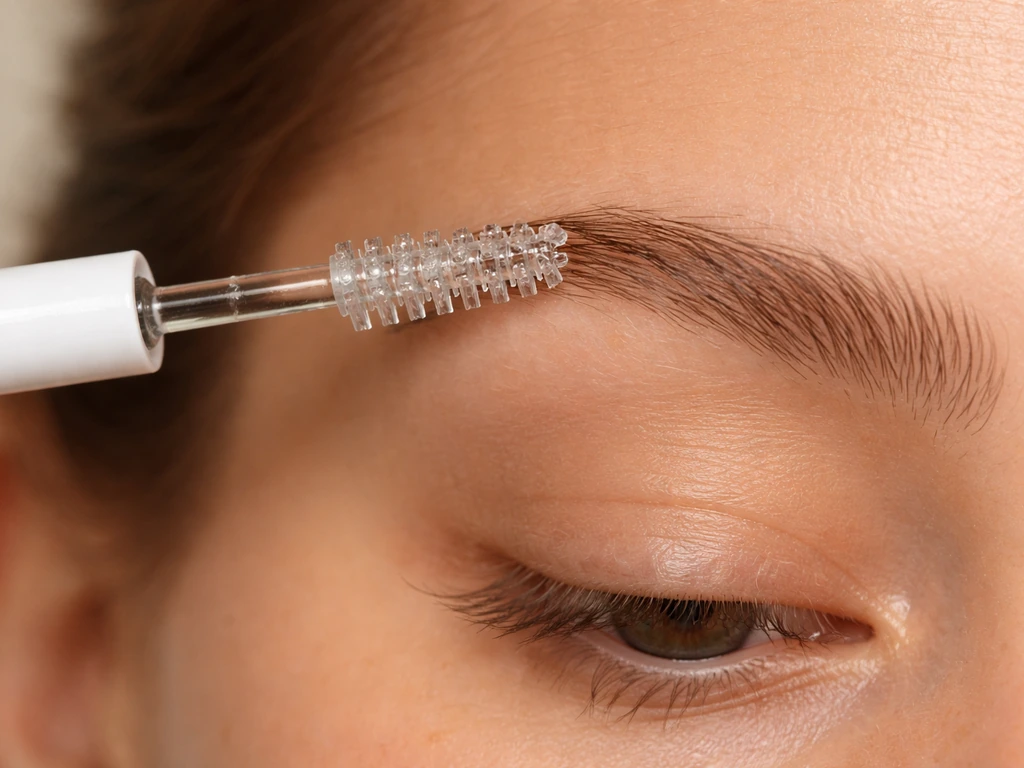
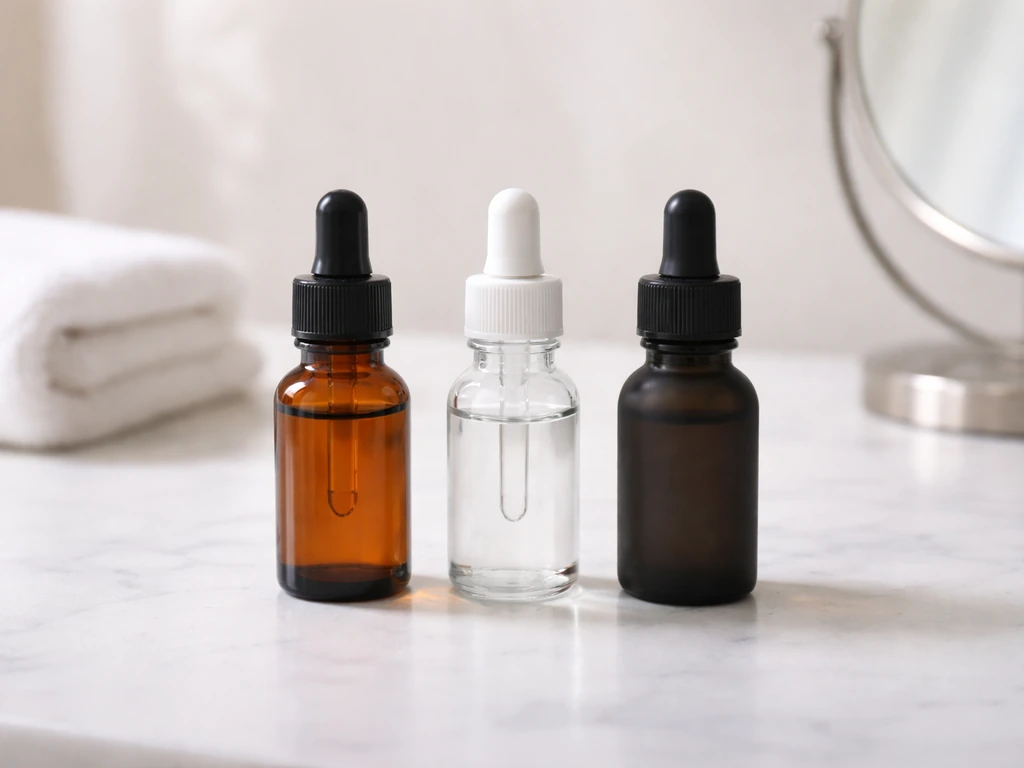
The OTC serum market is crowded and variable in quality. The better formulas contain peptides (like acetyl tetrapeptide-3 or myristoyl pentapeptide-17), biotin, and sometimes panthenol to condition and support the hair shaft. These serums won't match the clinical results of minoxidil or bimatoprost, but they're designed specifically for the brow and lash area, making them lower-risk and easier to incorporate daily. Many people look for rapid grow eyebrow serum reviews to compare which OTC formulas are worth trying first.
If your concern is general thinning or maintaining healthy brows rather than recovering from significant loss, a targeted serum is a smart starting point. Many dual-action serums also address lash growth simultaneously, which is useful if you want to improve both at once.
Castor oil
Castor oil is the go-to home remedy for eyebrow growth, and it's been used for decades. Here's the honest reality: there are no published studies specifically testing castor oil's effect on eyebrow growth. Its ricinoleic acid content has anti-inflammatory properties and may support scalp health, which is extrapolated to brow care, but the direct evidence just isn't there yet.
A narrative review on castor oil in dermatology discusses ricinoleic acid as a major biological driver and summarizes broader anti-inflammatory and antimicrobial activities that can provide a mechanistic rationale for cosmetic use [ricinoleic acid has anti-inflammatory properties](https://pmc. ncbi. nlm. nih.
gov/articles/PMC12978418/). What castor oil does reliably is condition and coat the hair shaft, making existing brow hairs appear thicker and darker. Applied regularly, it can also keep the skin under the brows moisturized. It's not going to restore chronically depleted brows on its own, but it's inexpensive, very low-risk, and a reasonable addition to any brow routine.
Rosemary oil
Rosemary oil has more science behind it than castor oil, but the evidence is for scalp androgenetic alopecia, not eyebrows specifically. A randomized trial comparing rosemary oil directly to minoxidil 2% for scalp hair loss found comparable results at 6 months, with rosemary causing more scalp itching but less scalp dryness. Translating that to eyebrows is a reasonable leap given the shared follicle biology, but it's still an extrapolation. Rosemary oil diluted in a carrier oil applied to the brows a few times a week is a sensible supporting option, especially for people who want to avoid minoxidil or pharmaceutical ingredients.
Matching the product to your specific situation
Over-plucking or waxing damage
If your sparse brows are a result of years of over-tweezing or frequent waxing, the follicles are stressed and potentially weakened, but most aren't gone permanently unless you've been at it for decades with very aggressive plucking. Step one is to stop all plucking for at least 3 months, full stop.
If you’re trying to grow bald spots in your eyebrows, start by identifying whether it’s due to over-plucking, genetics, or a medical issue Stop all plucking for at least 3 months. During that time, apply minoxidil 2% once daily to the sparse areas, or use a peptide-based brow serum if you want a gentler entry point.
If you want a gentler option after you stop plucking, you can also compare minoxidil 2% with a peptide-based serum as part of how to grow fluffy brows peptide-based brow serum. Castor oil at night can supplement, and many people find the conditioning effect makes the regrowth phase more visible as hairs emerge softer rather than brittle.
This is also the scenario most discussed in guides on how to grow sparse eyebrows and how to grow bald spots in eyebrows, since the recovery process overlaps closely. If you want faster progress, pair the right product with good regrowth habits, like pausing plucking and giving the follicles time to re-enter their growth cycle how to grow sparse eyebrows.
Naturally sparse brows (genetics)
Genetically thin or sparse brows are a different challenge. The follicles aren't damaged; they're just programmed to produce finer, fewer hairs. This is where minoxidil 2% and bimatoprost have the most meaningful clinical evidence. If you're starting with OTC options, minoxidil 2% applied to the brow area once daily is your strongest bet. Give it a minimum of 4 months before judging results. If you want the most effective documented option and you're okay with a prescription conversation, bimatoprost 0.03% off-label for brows is worth discussing with a dermatologist, particularly for people with true eyebrow hypotrichosis.
Irritation, redness, or sensitive skin around brows
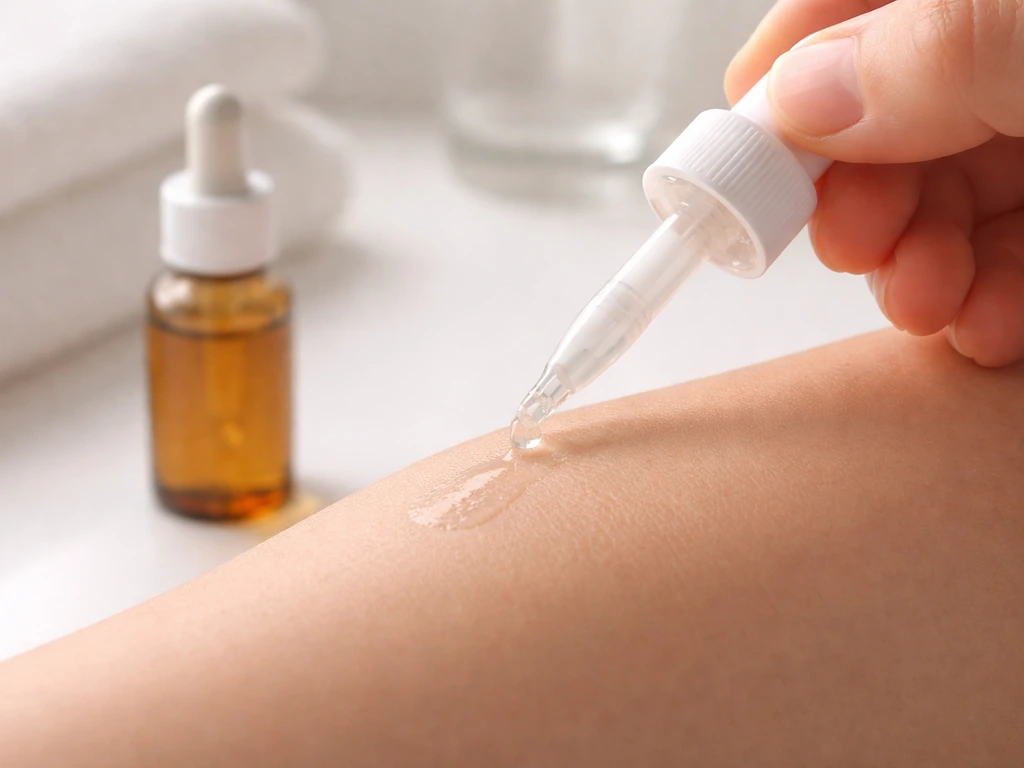
If your brow area is already irritated, inflamed, or prone to reactions, skip minoxidil until the skin has healed. Minoxidil should not be applied to irritated or abraded skin, and the alcohol vehicle in liquid formulations can worsen dryness and sensitization. Start with a gentle conditioning approach: diluted rosemary oil in jojoba oil, or pure castor oil applied lightly at night. Patch test any new product on the inner arm for 48 hours before applying to the face. Once the skin has calmed down, you can reassess whether a peptide serum or minoxidil foam (which tends to be less irritating than the liquid) makes sense for you.
Medical-related hair loss (thyroid, alopecia, illness)
If your brow loss is tied to a medical condition like thyroid dysfunction, alopecia areata, or nutritional deficiency, no topical product will fully solve the problem until the underlying cause is addressed. The hair loss condition known as madarosis can stem from many treatable systemic causes, and in those cases, hair typically returns to its normal thickness once the underlying issue is managed. See your doctor first, get the root cause treated, and then use supportive topicals (minoxidil, serums, or oils) to encourage follicle recovery alongside medical treatment.
How to use each type safely
Minoxidil 2%
- Use the 2% solution or foam, not the 5% formulation, for the brow area.
- Apply once daily (evening application is practical) using a cotton swab or fingertip to deposit a small, controlled amount directly onto the brow.
- Keep it off the eyelid, eye surface, and inner corner of the eye. Avoid mucous membranes entirely.
- Do not apply to skin that is red, irritated, flaking, or broken.
- Wash hands thoroughly immediately after application.
- Patch test on your inner arm for 48 hours before first brow application.
- Expect initial shedding in the first 2–4 weeks. This is normal and indicates follicles are cycling.
- Do not use if pregnant or breastfeeding without medical consultation.
Bimatoprost (prescription, off-label for brows)
- Use only under dermatologist guidance for eyebrow application, as this is an off-label use.
- Apply a tiny amount with a clean applicator brush along the brow hair line, not near the eyelid margin.
- Blot any excess immediately to prevent the solution from migrating toward the eyes.
- Do not apply to the lower eyelid or anywhere fluid can drain into the eye.
- Discuss the risk of periocular skin darkening and potential iris pigmentation (which may be permanent) with your prescribing doctor before starting.
- Apply once daily in the evening. Consistency matters more than amount.
Brow growth serums (OTC peptide/biotin formulas)
- Apply to clean, dry skin once or twice daily using the built-in brush or spoolie applicator.
- Focus on the base of the brow hairs and sparse areas, not just the surface of existing hairs.
- Patch test first if you have reactive skin, especially serums with multiple active ingredients.
- Give the product at least 8–12 weeks before expecting visible changes.
- Avoid getting the serum into the eye itself; these aren't ophthalmologically tested in the same way prescription treatments are.
Castor oil and rosemary oil
- For castor oil, use a clean spoolie or cotton swab to apply a thin layer along the brow at night. A little goes a long way; it's thick and sticky.
- For rosemary oil, always dilute it in a carrier oil (jojoba, argan, or sweet almond) at a ratio of about 2–3 drops of rosemary per teaspoon of carrier oil. Undiluted essential oils can cause skin irritation.
- Apply either oil 3–5 nights per week and rinse off in the morning.
- Patch test both on the inner arm before facial use.
- Keep oils away from the eye itself. They can cause blurred vision and irritation if they get into the eye.
What to realistically expect and when to reassess
Timeline expectations are where most people go wrong. Eyebrow growth is slow by design, and the 1:9 anagen-to-telogen ratio means most of your follicles are resting at any given time. Minoxidil and bimatoprost, the two most clinically supported options, typically show measurable results in 3–6 months of consistent daily use. OTC serums may take the full 12 weeks to show any visible difference. Oils are the slowest and most subtle: you might notice conditioning and appearance improvement in 4–6 weeks, but structural regrowth takes much longer. Be patient, be consistent, and set a calendar reminder to assess at the 3-month mark.
If you've been consistent with a product for 4–6 months and see no meaningful change, it's time to step up your approach. That might mean switching from an oil to a clinical-grade serum, from a serum to minoxidil 2%, or booking an appointment with a dermatologist to explore bimatoprost or rule out an underlying medical cause.
If you still cannot get results after months, you may want to switch strategies using the steps in this guide on how to grow sparse eyebrows switching from a serum to minoxidil 2%. If your brow loss is patchy, asymmetric, or associated with any skin changes in the area, see a doctor sooner rather than later. Alopecia areata, for example, can affect brows and responds to treatments you won't find at a beauty counter.
For people who want to grow both brows and lashes simultaneously, dual-action brow and lash serums are a convenient option. Bimatoprost is the most studied ingredient for both, but it requires care and ideally professional guidance when applying anywhere near the eye area. Peptide-based OTC dual serums are the safer self-managed route, though the results will be more modest. The goal of growing fluffy, full brows and longer lashes at the same time is achievable, but it typically requires patience measured in seasons, not weeks.
One more thing worth saying clearly: if your brows have been sparse your entire adult life, there's a ceiling to what any topical product can achieve. Products work by optimizing what your follicles are capable of, not by creating new ones. That doesn't mean products won't help, but setting expectations around your personal baseline matters. Track progress with monthly photos in consistent lighting. Progress is often too gradual to notice day-to-day, but visible in side-by-side comparisons over months. And if you reach the point where topicals have hit their limit, microblading and powder brow tattooing are increasingly refined cosmetic options for filling permanent gaps.
FAQ
Should I use a brow serum and minoxidil together, or pick just one?
It depends on the cause, but a practical way to avoid wasted effort is to choose one “active” approach for at least 3 months. If you stopped plucking and want a faster, evidence-based option, use minoxidil 2% once daily on the sparse areas and skip layering multiple new products. If you are sensitive or the skin is easily irritated, start with a peptide-based serum only, then reassess before adding minoxidil.
Why might minoxidil make my brows look worse at first?
Yes, minoxidil can sometimes cause early shedding or increased hair activity, and that can look like “nothing is happening” at first. Also, irritation in the first couple of weeks is common, especially with liquid formulas, and can slow progress if you stop using it prematurely. If you get redness or flaking, switch to foam or pause until the skin settles, then restart.
What’s the correct way to apply minoxidil to eyebrows to reduce irritation and prevent migration?
Apply to clean, dry brow skin, and keep it away from the lash line and any broken skin. Liquid products often contain alcohol that can be drying, so many people do better with foam. For even coverage, use a light amount and let it fully dry before sleeping or skincare.
Can I speed up brow regrowth by applying minoxidil or serums more often?
Generally, more frequent use does not mean better results. Over-applying can increase dryness and irritation, which is especially risky on the brow and around the eye. A once-daily schedule is usually the sweet spot for minoxidil 2%, and for serums follow the label frequency rather than “doubling up.”
Do I really need to patch test brow products like rosemary oil or peptide serums?
Patch testing matters, especially for oils with strong scent components and for serums with multiple actives. Test on the inner arm for 48 hours, then re-test if you change brands or formulations. If you’ve had cosmetic reactions before, consider using only one product at a time for the first two weeks.
What should I do if I miss days of treatment?
If you miss a dose, do not compensate by using more the next day. Stick to your normal once-daily routine. Consistency matters more than perfect timing, and abrupt changes can cause variable shedding or inconsistent results.
How should I dilute rosemary oil for brows, and how often should I use it?
Rosemary oil should be diluted in a carrier oil before applying to the face, because undiluted oil is more likely to irritate. If you tolerate minoxidil poorly or want a gentler add-on, use a few times per week at most to start, then adjust based on how your skin responds.
What results should I realistically expect from castor oil versus minoxidil?
Castor oil is mainly a conditioning and appearance-supporting option. Expect thicker-looking existing hairs and moisturized brow skin, but not true restoration of chronically depleted follicles. If you have visible bald gaps from long-term over-plucking, consider minoxidil or a prescription option once your skin is calm.
When is eyebrow thinning or loss a sign I should see a dermatologist instead of trying topicals first?
If the loss is patchy, rapidly changing, accompanied by itch, scaling, or redness, or affects only parts of the brow, get medical input sooner. Conditions like alopecia areata and some inflammatory scalp or skin issues may not respond to cosmetics, and early treatment can change outcomes.
If my brows are thinning, what underlying issues might topicals not fix?
Yes. Thyroid issues, iron or zinc deficiency, and inflammatory skin conditions can slow or block regrowth. If you have symptoms like fatigue, weight change, hair shedding elsewhere, or irregular periods, ask your clinician about labs rather than assuming it’s only a local brow problem.
What should I do if only one brow is thinning or filling in slower?
For asymmetry, focus treatment on the sparsest areas and take progress photos so you can tell whether the difference is shrinking. Also check for mechanical causes like one side being over-tweezed or makeup being removed more aggressively. If asymmetry is new and fast, consider medical evaluation for patchy causes.
If I get results, do I have to keep using the product to maintain them?
If you stop treatment, some people keep partial gains, but many will gradually lose the improved density as follicles revert toward their baseline cycle. Plan to continue long enough to assess (typically 3 to 6 months for clinical options) and then decide whether to taper or maintain based on results and skin tolerance.
Next Article
How to Grow Brows Naturally: Step-by-Step Regrowth Guide
Step-by-step natural brow regrowth: causes of thinning, safe routines, oils, timelines, and when to seek proven help.