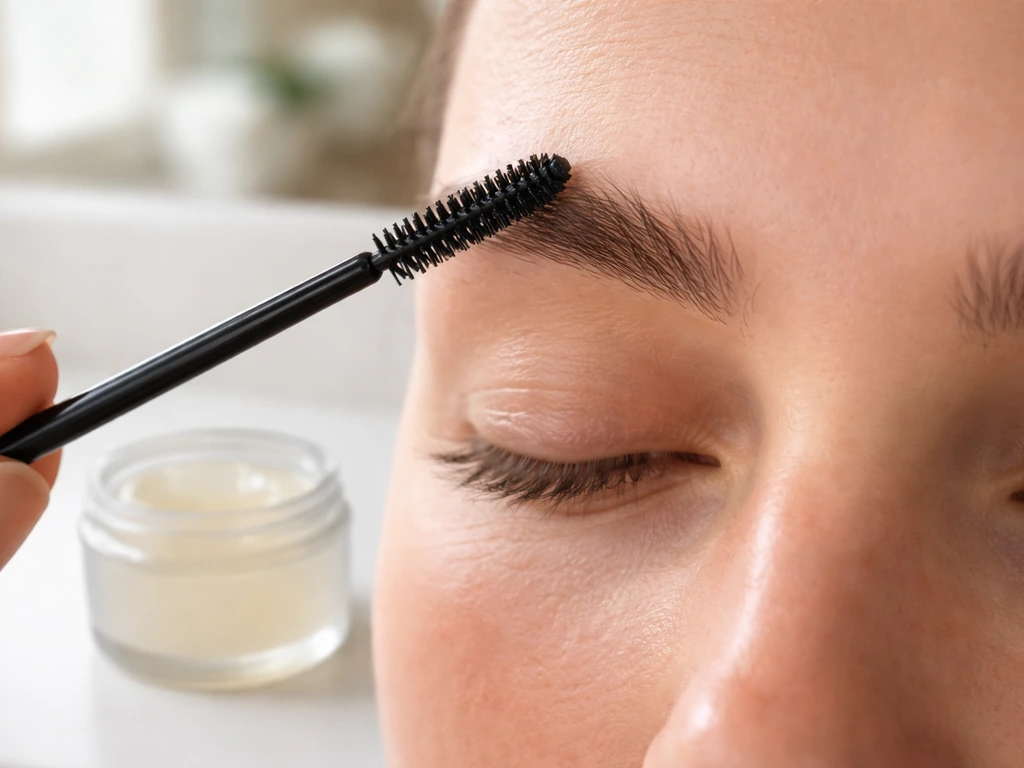
Apply a tiny amount of castor oil (about a drop or two) to a clean spoolie or cotton swab, then brush or stroke it along your brow hairs and skin each night before bed. That's the whole routine. Do it consistently for at least 8 to 12 weeks before you judge the results, because eyebrow hair grows slowly and castor oil is not a quick fix. If you stick with it and nothing changes after three months, it probably won't work for you and it's worth switching to something with stronger evidence, like minoxidil.
How to Use Castor Oil to Grow Eyebrows and Eyelashes

James Whitmore
20 Jun 2026
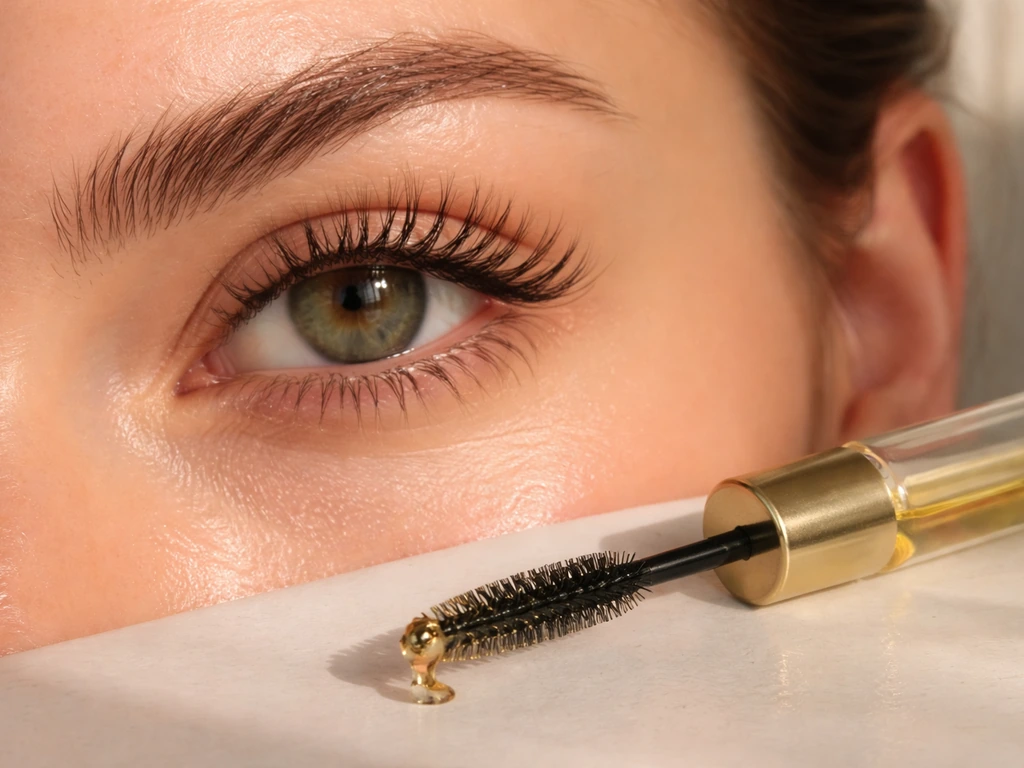
How castor oil might actually help your brows
Castor oil is made up of about 90% ricinoleic acid, a fatty acid that's thought to have anti-inflammatory and potentially prostaglandin-related effects at the follicle level. One theory is that ricinoleic acid inhibits prostaglandin D2 synthase, which matters because elevated PGD2 is associated with hair loss. This is the mechanism that gives castor oil its scientific plausibility for hair growth. But let's be straight: blank" rel="noopener noreferrer">there are no well-controlled human trials confirming castor oil actually grows eyebrow or eyelash hair. If your goal is specifically to see whether will castor oil grow eyebrows for you, the evidence for growth is limited and results may be mostly conditioning rather than true regrowth. A narrative dermatology review discusses the proposed mechanisms, and a preclinical study combining rosemary and castor oil showed hair-growth activity in mice, but neither proves it'll thicken your brows.
What castor oil does reliably is condition. The thick, viscous oil coats hair shafts, reduces breakage, and keeps the skin around your brows moisturized. If your sparse brows are partly the result of brittle, broken hairs rather than dormant or damaged follicles, this alone could make a visible difference. Healthy, intact hairs look fuller even if the same number of follicles are active. So castor oil might help, but it won't grow brows that have been damaged at the follicle level or lost due to conditions like alopecia areata.
Step-by-step: how to apply castor oil to your eyebrows
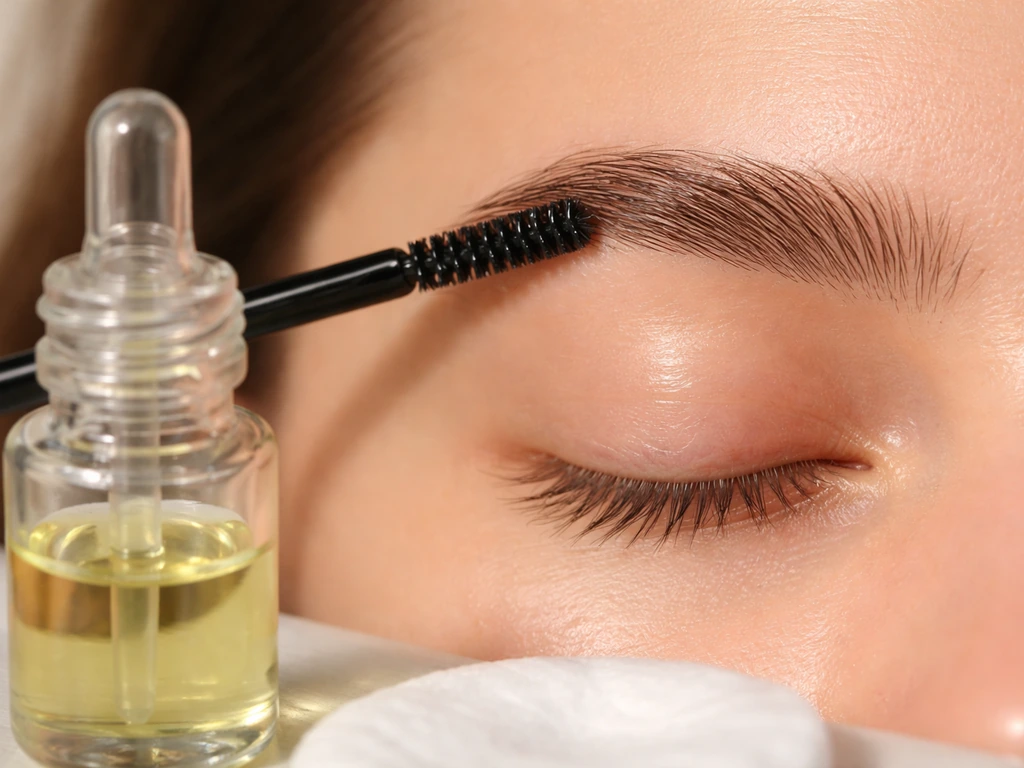
The application itself takes about a minute once you have a routine going. Here's what to do:
- Wash your face first. Clean skin and clean brow hairs absorb the oil better and you're not trapping makeup, dirt, or bacteria under the oil overnight.
- Dispense one to two drops of castor oil onto a clean spoolie brush, a clean mascara wand, or a cotton swab. A spoolie gives you the most control and mimics how you'd apply a brow serum.
- Brush or stroke the oil along your brow, starting from the inner corner and working outward. Go over the hairs and make contact with the skin underneath, especially in sparse patches.
- Use a light touch. You don't need to saturate the area. A thin, even coat is enough and less likely to migrate into your eyes.
- Leave it on overnight. Castor oil is thick and slightly sticky, so nighttime application makes the most sense. Do not rinse it off immediately.
- In the morning, wash your face as normal. Any residue will come off with your regular cleanser.
- Repeat this every night, or at minimum five nights per week. Consistency matters more than technique here.
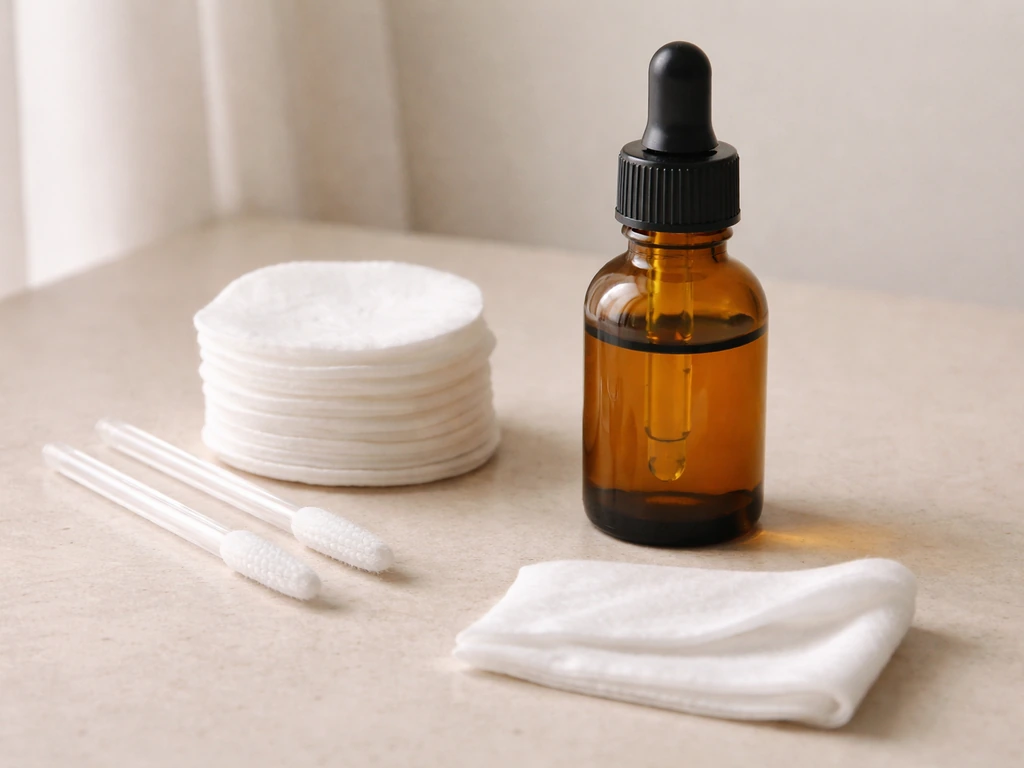
One practical note on tools: disposable spoolies are cheap, easy to find, and solve the hygiene problem of a shared applicator. I keep a small jar of castor oil and a pack of disposable spoolies on my bathroom shelf together so the routine is easy to remember. If you use a dropper bottle of castor oil, it's much easier to control the amount than scooping from a wide-mouth jar.
Eyebrows vs. eyelashes: the application is different
A lot of people want to use castor oil on both their brows and lashes at the same time, which is fine, but the technique needs to change when you move to the lash line. The science is even thinner for eyelashes than for brows: there are no clinical trials evaluating castor oil for eyelash growth, and current evidence doesn't confirm it works. That said, many people use it as a conditioning treatment for lash breakage, which is a more reasonable expectation.
For lashes, the application needs to be much more careful. The eyelid margin is very close to your eye's surface, and getting oil into the eye can cause blurry vision, irritation, and discomfort. Use even less oil than you would for brows, a half-drop at most, and apply it to the base of the lashes using the very tip of a clean spoolie or a fine cotton swab. Stroke along the lash line from inner to outer corner, keeping the wand angled away from the eye. Avoid applying it to the inner corners or waterline. If you wear contact lenses, remove them first and don't reinsert until morning.
| Feature | Eyebrows | Eyelashes |
|---|---|---|
| Amount of oil | 1–2 drops | Half a drop or less |
| Tool | Spoolie or cotton swab | Fine-tip spoolie or thin cotton swab |
| Application area | Hairs and skin underneath | Base of lashes along lash line only |
| Contact with eye? | Low risk if applied carefully | Higher risk, extra caution needed |
| Evidence for growth | Proposed mechanisms, no confirmed RCTs | No clinical trials, anecdotal only |
| Best realistic expectation | Conditioning + possible growth support | Conditioning, reduced breakage |
How to target sparse or thin brow patches specifically
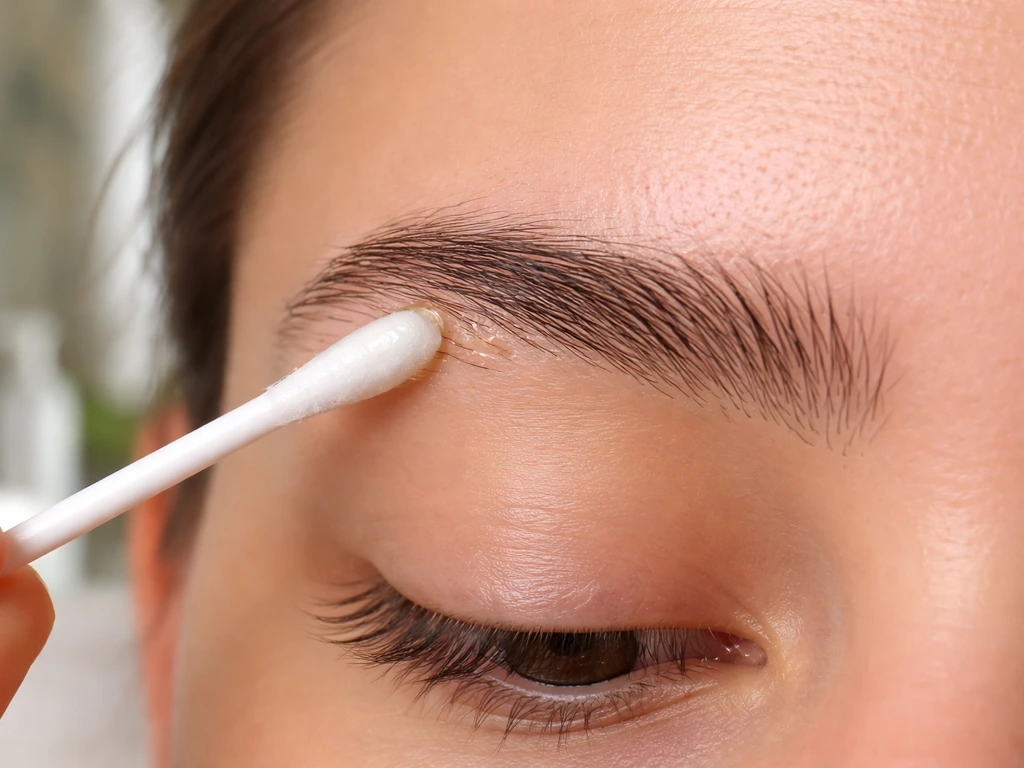
If your brows are sparse in specific spots, like the tail end or the inner third, you can use a cotton swab to apply castor oil more precisely to those areas rather than brushing the whole brow. Press the swab lightly against the skin in the sparse patch and hold it for a second or two, then stroke along the direction of hair growth. This direct skin contact matters because you want the ricinoleic acid reaching the follicles, not just sitting on top of existing hair.
For very thin brows where there's almost no visible hair, keep your expectations grounded. If the follicles are still alive and the thinning is from over-plucking, hormonal shifts, or nutritional issues, castor oil has a plausible chance of helping. If the follicles have been scarred or the brow loss is from a medical condition like thyroid disease or alopecia, castor oil alone is not going to cut it and you'll want to talk to a dermatologist. In either case, applying it to sparse patches nightly while giving the area a gentle massage with your fingertip for 30 seconds can help with circulation, which supports general follicle health.
Be patient with patches in particular. The tail of the brow tends to be the last area to fill in, and it's also the most commonly thinned from waxing or threading. If you've been maintaining a particular brow shape for years, those follicles may have been dormant long enough that even a solid three-month castor oil routine won't fully restore them. That's just biology, not a failure of the treatment.
Realistic timeline: what to expect and when
Eyebrow hair follows a growth cycle with three phases: anagen (active growth, roughly 2 to 3 months), catagen (transition, about 2 to 3 weeks), and telogen (resting and shedding, another 2 to 3 months). The total cycle from new hair to shed hair is around 4 to 6 months. This means you genuinely cannot assess castor oil's results in three days or even three weeks, despite what some searches suggest. If you've read claims about how to grow eyebrows in 3 days with castor oil, that's not supported by the biology of how brow hair actually grows.
Here's a more honest timeline for what you might notice: If you are wondering whether you can speed things up for a special event, this article also covers realistic timelines for eyebrow changes Here's a more honest timeline.
| Timeframe | What you might notice |
|---|---|
| Week 1–2 | Brow hairs may appear slightly shinier or less brittle from the conditioning effect |
| Week 4–6 | Possible reduction in breakage; sparse areas may look marginally fuller from retained hairs |
| Month 2–3 | First real window to see if new growth is occurring; look for short, fine hairs in previously bare spots |
| Month 3–4 | Clearest assessment point; if new growth is happening, it should be visible by now |
| Month 4+ | If no change by now, castor oil likely won't produce further results for you |
You might also notice increased shedding in the first few weeks, which can be alarming. This is usually just the telogen hairs that were already due to fall out becoming more visible because you're now paying close attention to your brows. It's normal. If shedding is heavy and continues past three to four weeks, stop using the oil and see a dermatologist to rule out an underlying condition.
Safety, side effects, and how to avoid them
Castor oil is generally safe for most people, but it's not risk-free. The biggest concerns are contact dermatitis (an allergic or irritant skin reaction) and eye irritation. A Castor Oil Safety Assessment (final report) also documents allergic and irritant contact dermatitis risk as part of the cosmetic safety evaluation for castor-derived ingredients such as ricinoleic acid and castor seed oil contact dermatitis (an allergic or irritant skin reaction). Cleveland Clinic notes that pure castor oil applied to skin can cause irritation and allergic reactions in some people, so before you start nightly application, do a patch test.
How to patch test
- Apply a small amount of castor oil to the inside of your wrist or inner elbow.
- Leave it on for 24 to 48 hours without washing.
- Check for redness, itching, swelling, or a rash. The AAD recommends 48 hours as the standard window for identifying contact dermatitis reactions.
- If you see any reaction, skip castor oil and look at alternatives.
- If your skin is clear, you can proceed with brow application.
Hygiene matters more than people think
The eye area is sensitive to bacterial contamination. Use a fresh applicator every time, or wash your spoolie regularly with soap and water. Never double-dip a used applicator back into your castor oil bottle. If you're using a dropper bottle, don't let the dropper touch your skin or brows. These habits prevent the kind of bacterial buildup that can cause styes, folliculitis, or eyelid infections, especially since you're applying the oil right next to your eyes every night.
Stop using castor oil immediately if you develop redness, swelling, persistent itching, or a rash around your brows or eyelids. Contact dermatitis in the periocular area can escalate quickly because the skin is thin and close to your eyes. If symptoms don't resolve within a day or two of stopping, see a doctor. People with eczema, rosacea, or already-reactive skin should be especially cautious and may want to check with a dermatologist before starting.
If castor oil isn't working: alternatives worth trying

Castor oil is a reasonable first step, but it's far from the only option. If you've done three to four months consistently and seen no change, here are the alternatives with better or different evidence behind them.
Rosemary oil
Rosemary oil has more controlled study data behind it for scalp hair than castor oil does, including a randomized trial comparing it favorably to minoxidil 2% for scalp hair loss. Its proposed mechanism involves improved circulation and potential DHT inhibition. For eyebrows, the evidence is similarly limited as castor oil, but the biological plausibility is solid. If you want to try a natural approach after castor oil, rosemary oil diluted in a carrier oil (about 2 to 3 drops per teaspoon of carrier) applied with a spoolie is worth a three-month trial. Don't apply undiluted rosemary essential oil directly to skin.
Minoxidil (topical)
Minoxidil is where the human clinical trial evidence actually exists. Two separate randomized controlled trials have evaluated topical minoxidil 2% specifically for eyebrow hypotrichosis and found it safe and effective in clinical settings. This is the meaningful step up from castor oil when you need something more than a conditioning oil. Minoxidil is available over the counter in 2% and 5% formulations, though for eyebrows, 2% is typically what's studied and used off-label. Apply a tiny amount to the brow area once daily and be careful about skin contact elsewhere on your face. It can cause irritation, especially on sensitive skin, and should not be used if you have conditions like eczema or rosacea without checking with a doctor first.
Bimatoprost (prescription)
Bimatoprost (the active ingredient in Latisse) is FDA-approved for eyelash growth and has controlled study data for eyebrow hypotrichosis as well. It's a prostaglandin analog that extends the anagen phase of the hair cycle. It's prescription-only, costs more, and carries a specific side-effect profile including eyelid darkening, itching, and potential changes around the eye area. It's the strongest option if natural approaches and minoxidil haven't worked, and worth discussing with a dermatologist if your brow loss is significant.
Quick comparison of your options
| Option | Evidence level | Availability | Best for | Main cautions |
|---|---|---|---|---|
| Castor oil | Low (no RCTs for brows) | OTC, widely available | Conditioning, mild support | Contact dermatitis, eye irritation |
| Rosemary oil | Low-moderate (scalp studies) | OTC | Natural alternative to castor oil | Must dilute; similar irritation risk |
| Minoxidil 2% | Moderate-high (eyebrow RCTs) | OTC | Confirmed sparse/thin brows | Skin irritation, avoid if eczema/rosacea |
| Bimatoprost | High (RCTs, FDA-approved for lashes) | Prescription only | Significant brow/lash hypotrichosis | Eyelid darkening, cost, side effects |
If you're searching for ways to grow eyebrows without castor oil entirely, rosemary oil and minoxidil are both legitimate directions depending on how much evidence you want behind your choice. The practical starting point for most people is castor oil for three months, then reassess honestly. From there, minoxidil is the logical next step if you want something with stronger clinical backing.
One last thing worth saying: individual results vary more than any article can capture. Genetics, age, the underlying cause of your brow thinning, and how long your follicles have been dormant all affect what any treatment can achieve. If your sparse brows are from a medical cause, no topical oil is going to fix the root problem. Getting a thyroid panel or talking to a dermatologist is sometimes the most useful thing you can do, especially if thinning has been sudden or widespread.
FAQ
How long after starting castor oil should I see any improvement in my eyebrows?
You generally need at least 8 to 12 weeks to spot changes, and the best “go or no-go” check is closer to 3 months. Some people notice more visible shedding in the first few weeks, that is usually older hairs clearing out rather than true hair loss.
Can I use castor oil more than once per day to speed up results?
It is usually better to stick to once nightly. Over-application increases the chance of irritation and eye-area discomfort, and it can also make you more likely to get oil into the lash line, even if you intend to apply it only to brows.
What is the best way to do a patch test for castor oil near the brows?
Test it on a small area of skin away from the eye area, such as the inner forearm or behind the ear, then wait 24 to 48 hours. If you develop redness, itching, swelling, or a rash, do not start using it around your eyebrows.
Should I wash my face or remove any makeup before applying castor oil?
Yes, start with clean, makeup-free skin. Remove makeup thoroughly and let the brow area fully dry, so the oil is less likely to mix with residue or irritants that can contribute to contact dermatitis.
Is it normal if my brows look slightly worse before they look better?
Mild shedding or thinner-looking brows can happen early, especially if you were already in the telogen phase and only noticed it once you started paying attention. If shedding is intense or continues beyond 3 to 4 weeks, stop and get checked by a dermatologist.
How much castor oil should I use, and what does “too much” look like?
For brows, about a drop or two total is enough, applied lightly. Too much is when it starts to pool, feel greasy all day, migrate toward the eyelid, or cause a stinging or itchy sensation, those are signs to reduce or stop.
Can castor oil cause darkening or other changes around the eye area?
Because castor oil is generally a conditioner, it is not known for predictable pigmentation changes like some prescription eyelash medications. However, irritation from contact dermatitis can lead to temporary discoloration, so any redness or burning should prompt you to stop.
What causes eye irritation from castor oil, and how can I prevent it for lashes?
Eye irritation often happens when oil reaches the eyelid margin, waterline, or gets into the eye. Prevention includes using less than you think you need, applying only at the lash base with the tip, keeping the wand angled away, and removing contact lenses during application.
Should I use the same spoolie for both eyes and over multiple nights?
Use a fresh spoolie each time, or wash it thoroughly with soap and water and let it dry completely before reuse. Never double-dip a used applicator back into the bottle, this reduces the risk of bacterial contamination that can trigger styes or folliculitis.
If my brow hair loss is patchy or sudden, should I still try castor oil?
If thinning is sudden, widespread, patchy, or linked to an underlying condition, castor oil may only help conditioning and not the root cause. In those situations, it is worth seeing a clinician, particularly if you also have scalp hair changes, fatigue, or symptoms suggesting thyroid issues.
Will castor oil work if I recently over-plucked or waxed my eyebrows?
It may help with breakage and the appearance of fullness if follicles are still alive. But if the hairs were removed long enough to suppress regrowth cycles, you still need patience, and the “tail” often takes longer to fill because it is commonly affected by repeated shaping.
Can I combine castor oil with minoxidil or other treatments?
You can, but go slowly and separate the two in time if you are prone to irritation. Castor oil may be used as a conditioner, while minoxidil is an active drug, if you notice burning, flaking, or worsening redness, stop and discuss your routine with a dermatologist.
Next Article
How to Grow Eyebrows in 3 Days With Vaseline: Realistic Steps
Realistic 3-day Vaseline routine to improve eyebrow fullness, reduce breakage, and safely condition patchy brows