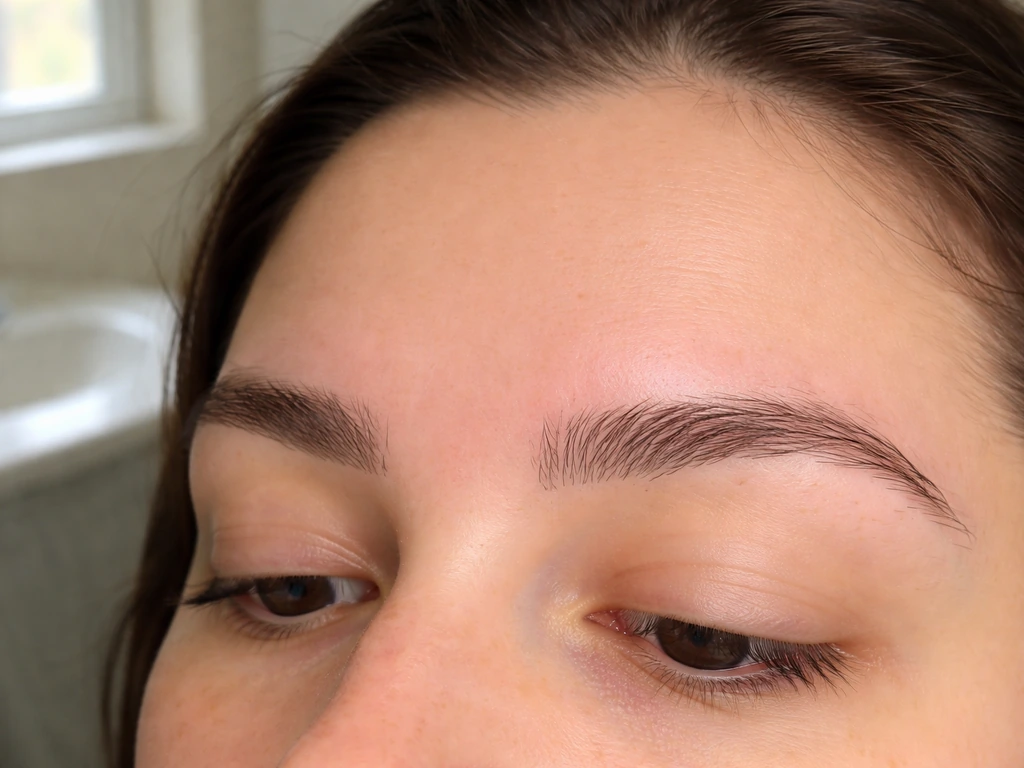
If you just had a bad eyebrow wax, most of those hairs will start coming back within 2 to 6 weeks, and your brows should look reasonably normal again within about 3 to 4 months. In r/BeautyGear, community advice similarly says noticeable improvement often takes about 3 to 6 months after stopping the interference, with fuller results sometimes longer, and oils mainly help hair condition rather than reliably forcing new follicle growth blank" rel="noopener noreferrer">within about 3 to 4 months. In most cases, eyebrows do grow back after waxing, especially when the issue is temporary over-removal rather than permanent follicle damage do eyebrows grow back after waxing. That said, the exact timeline depends heavily on what actually went wrong: minor over-removal is a very different situation from repeated trauma to the same follicles over years. The good news is that the vast majority of waxing mishaps are not permanent, and there are things you can do right now, today, to protect the skin and encourage faster regrowth.
Bad Eyebrow Wax: How Long to Grow Back and What to Do
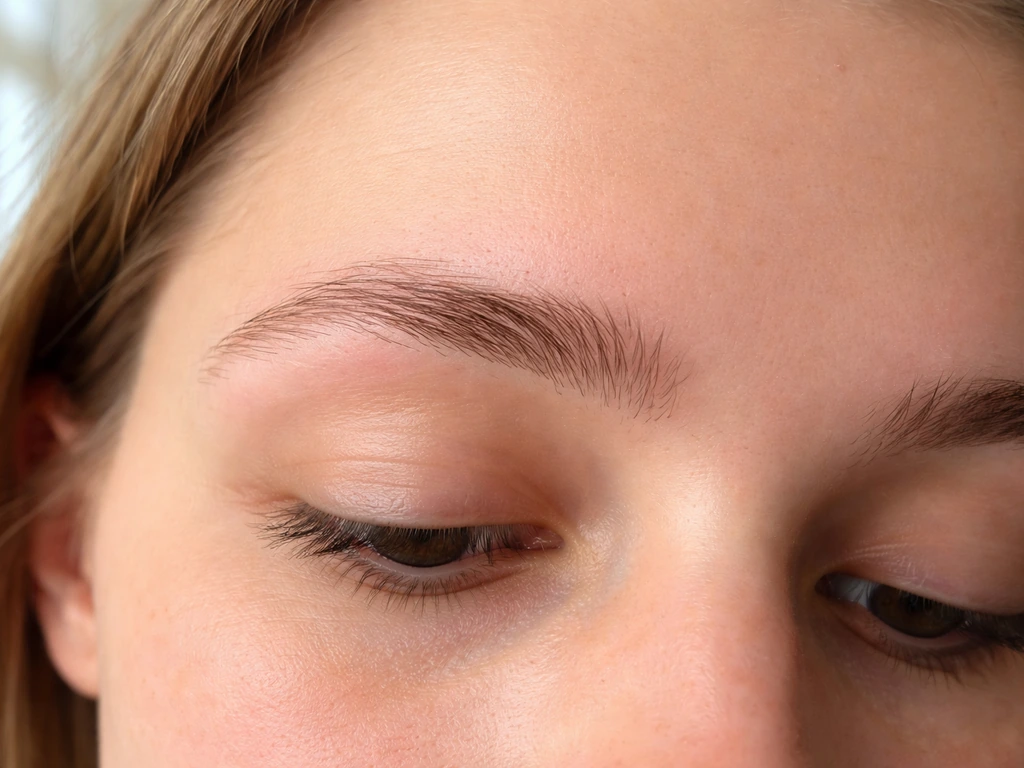
Your actual regrowth timeline after over-waxing
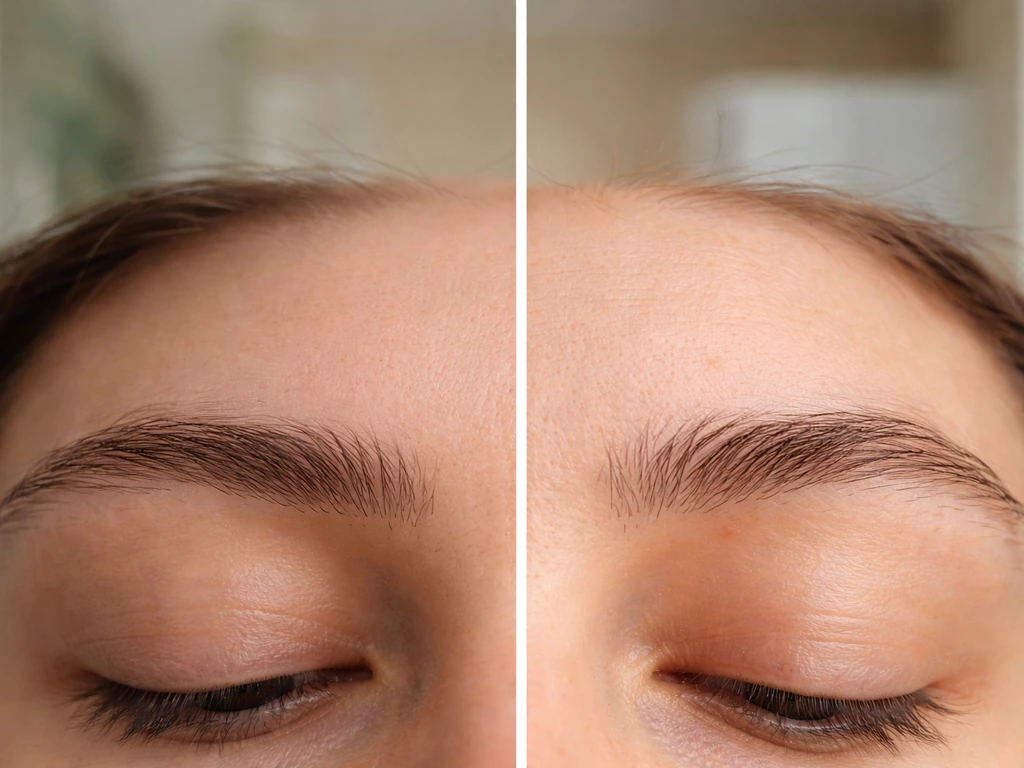
Here is what most people can realistically expect, broken down by how severe the situation is:
| Severity | What happened | First regrowth | Back to normal |
|---|---|---|---|
| Mild | A bit too much taken off, hairs are at various growth stages | 1 to 3 weeks | 6 to 8 weeks |
| Moderate | Significant over-waxing, patchy gaps, some irritation | 3 to 6 weeks | 3 to 4 months |
| Severe | Repeated waxing of the same area, skin trauma, inflammation | 6 to 12 weeks | 4 to 6 months (or longer) |
| Possible follicle damage | Scarring, persistent bald patches after months | May not regrow in affected spots | See a dermatologist |
The 3 to 4 month window comes up a lot for a real biological reason. Eyebrow hairs complete their entire growth cycle in roughly 4 months, compared to 3 to 4 years for scalp hair. That short cycle means eyebrow hairs naturally stay short, and regrowth is slower to become visible than it would be on your head. Once a follicle is disrupted by waxing, it needs to work through its resting phase before launching a new growth phase, which can add weeks to your wait.
What kind of damage are you actually dealing with?
Not all bad wax outcomes are the same, and identifying what you are looking at helps you figure out the right approach. Here are the three main categories:
Skin irritation and contact dermatitis
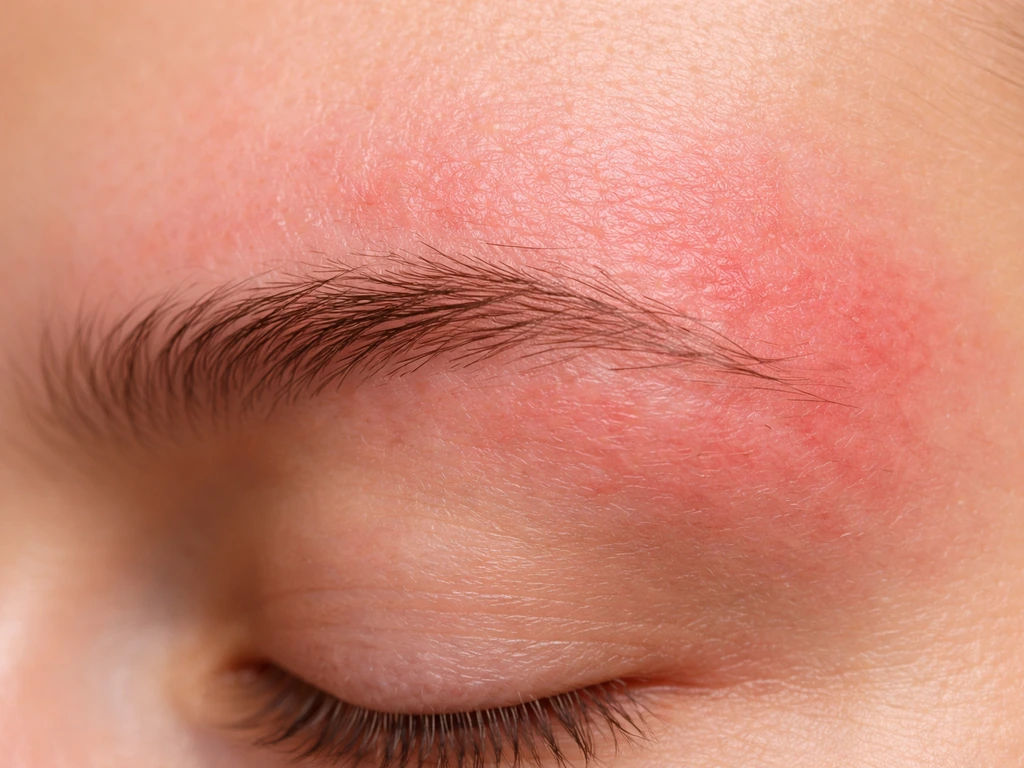
This shows up as redness, rawness, stinging, or even a mild rash directly after waxing. The wax or the technique strips not just hair but also the top layer of skin, triggering an irritant reaction. Medscape notes that a key treatment principle for irritant contact dermatitis is removing or avoiding the causal agent and restoring the skin barrier with bland emollients or barrier creams, including ceramide-containing creams and mild cleansers restoring the skin barrier with bland emollients and barrier creams. This is the most common complaint and it usually calms down within a day or two. If you had a reaction that is clearly spreading, producing oozing, or persisting beyond 3 to 5 days, that may be an allergic contact dermatitis response to an ingredient in the wax itself, and it warrants a doctor's visit.
Patchy hair loss and folliculitis
Small red bumps or pustules around the follicles after waxing are often post-waxing folliculitis. Waxing removes hair from below the skin's surface, and the mechanical trauma can trigger inflammation right at the follicle opening. These bumps typically clear up on their own within about a week. Occasionally, a hair curls back into the skin as it regrows and causes an ingrown, which looks like a firm bump or a trapped hair under the skin. Persistent bumps, warmth, spreading redness, or swelling that does not resolve within a week are signs you need a professional opinion.
Follicle damage and potential scarring
This is the worst-case scenario, and it is less common from a single waxing session than people fear. Scarring alopecia happens when repeated or severe inflammation destroys the follicle itself and replaces it with scar tissue. If the same patch of your brow has been waxed, tweezed, and over-processed repeatedly for years, some follicles may genuinely not come back. The giveaway is a smooth, slightly shiny patch of skin where you can feel no stubble even months after stopping all grooming. If you are seeing that, this is the scenario where a dermatologist visit is not optional, it is necessary.
Why your brows grow back unevenly (the growth cycle explained)
Each individual eyebrow hair is in its own phase of the growth cycle, independent of the hairs next to it. The three phases are anagen (active growth), catagen (a brief transitional involution phase that lasts only a few days), and telogen (a resting phase where the hair sits in the follicle before shedding and the cycle restarts). Because waxing pulls hairs out at whatever stage they happen to be in, you end up with follicles at wildly different points in their clocks when regrowth starts. This is why some hairs pop back in 2 weeks and others seem to take months. It is not random damage, it is just timing.
Eyebrows spend a much larger proportion of their cycle in telogen (resting) compared to scalp hair. That is part of why the brow hairs you have do not grow down past a certain length on their own. It also means that after disruption, you may have a longer wait before a follicle even enters a new anagen phase. If you are in the first two to three weeks and nothing seems to be happening, that is almost certainly why, not a sign of permanent damage.
What to do right now, today
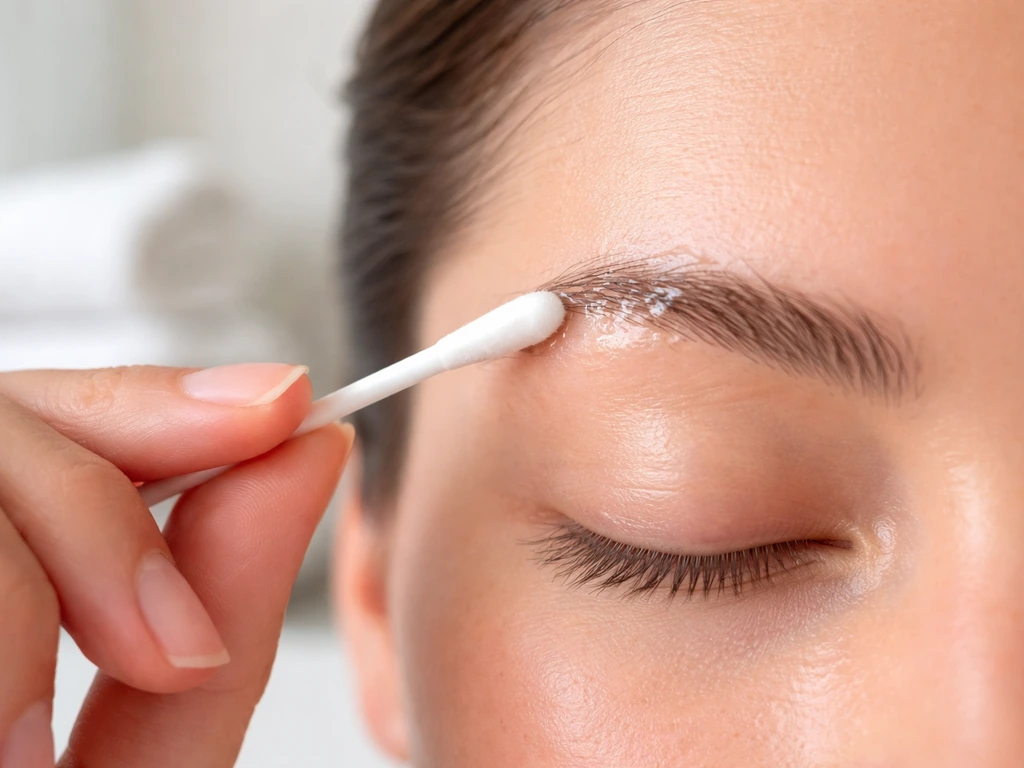
The next 48 to 72 hours matter most for controlling inflammation and protecting those follicles. Here is the priority list:
Do these things
- Apply a gentle, fragrance-free soothing agent immediately. Aloe vera gel (pure, not the bright green kind with alcohol and fragrance) is a solid first move. It cools the skin and supports barrier recovery without clogging follicles.
- Use a mild, bland moisturizer or barrier cream. Look for ceramide-containing formulas or plain petroleum jelly over the irritated area. Restoring the skin barrier is the core treatment principle for waxing-related irritant reactions.
- If redness and swelling are significant, a small amount of over-the-counter 1% hydrocortisone cream applied once or twice for a day or two can help calm the inflammatory response. Do not use it for more than 3 to 5 days around the eye area without guidance from a doctor.
- Cleanse the area gently with a mild, non-foaming cleanser. You want to keep the skin clean to prevent folliculitis without further stripping what is left of the skin barrier.
- Protect it from the sun. Freshly waxed skin is more susceptible to hyperpigmentation and sunburn. A gentle, mineral SPF over the area if you are going outside is a smart move.
Avoid these things (seriously)
- Do not tweeze, wax, or thread anything in the area for at least 4 to 6 weeks, preferably longer. Every time you remove a hair mechanically, you restart the clock on that follicle.
- No retinoids, exfoliating acids (AHA/BHA), or physical scrubs near the brow area. These thin the skin barrier and can make irritation significantly worse.
- Avoid heavy gym workouts and saunas for 24 to 48 hours. Sweat and heat in an already irritated area raises the risk of folliculitis.
- Do not pick at bumps, ingrowns, or scabs. It seems obvious but it is genuinely hard to resist, and picking introduces infection risk and can cause permanent pigmentation changes.
- Skip the heavy makeup directly on irritated skin for the first couple of days. Clogging freshly waxed follicles is a fast route to breakouts.
Supporting regrowth with oils and at-home routines
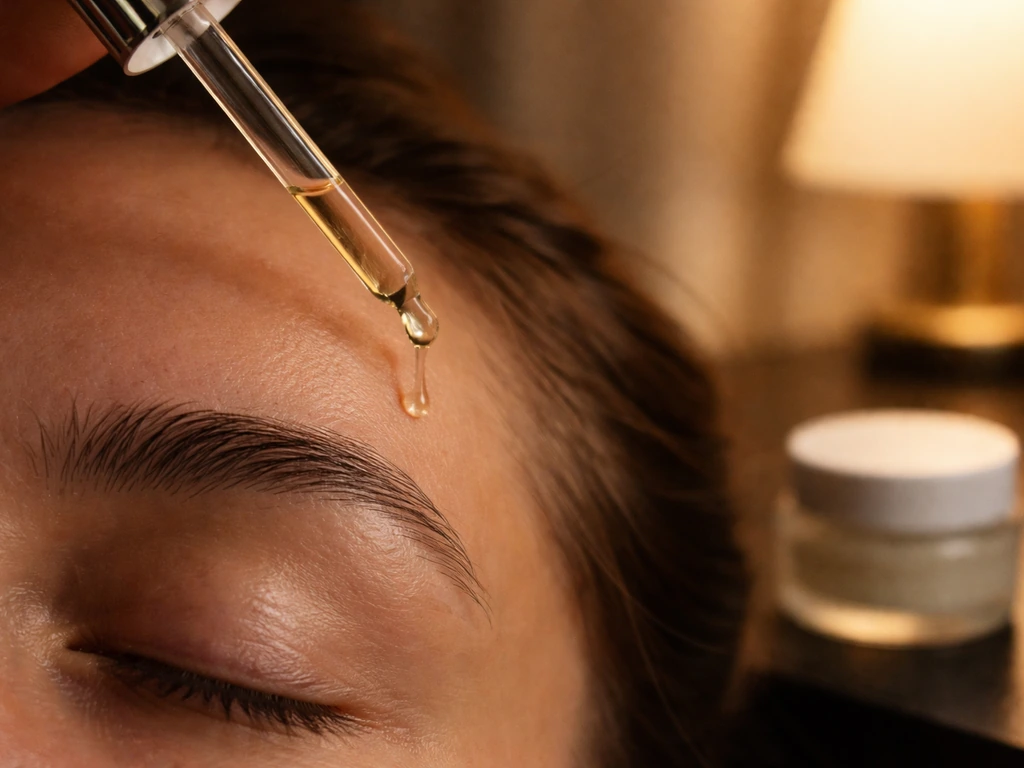
Once the initial irritation has settled, usually after 3 to 7 days, you can start a simple nightly routine to support the follicles. I want to be honest with you here: no oil is going to force a follicle to grow faster than biology allows. What oils can do is improve the condition of the hair shaft as it emerges, reduce inflammation around the follicle, and keep the skin in the area healthy. That is still worth doing, but go in with realistic expectations.
Castor oil
Castor oil is the most popular brow oil for a reason: it is thick, coats hairs well, and the ricinoleic acid in it has anti-inflammatory properties. There is not strong clinical evidence that it directly accelerates hair growth rate, but it can make existing hairs look thicker, reduce breakage, and keep the skin around the follicle moisturized. Apply a tiny amount with a clean spoolie or fingertip to your brows each night and leave it on overnight. A little goes a long way. Too much will just clog pores.
Rosemary oil
Rosemary oil has more compelling evidence behind it for hair growth than castor oil does. Studies on scalp hair suggest it may work comparably to low-dose minoxidil in some cases, likely through improving circulation and having antioxidant effects at the follicle. For brows specifically the clinical data is thinner, but it is a reasonable option. Critically: always dilute it. Undiluted rosemary oil directly on facial skin near the eyes is asking for irritation. Mix 1 to 2 drops into a carrier oil like jojoba or the castor oil itself. Also, patch test first, because rosemary leaf extract has caused allergic contact dermatitis in documented cases. Apply it to the inside of your wrist for 24 hours before putting anything near your brows.
A realistic daily routine
- Cleanse your face gently at night with a mild cleanser.
- Pat the brow area dry without rubbing.
- Apply your carrier oil blend (castor oil, or castor plus 1 to 2 drops diluted rosemary oil) with a clean spoolie or fingertip to the brow area.
- Leave it on overnight.
- In the morning, rinse off gently and apply SPF if going outside.
- Reassess at 8 to 12 weeks. If you are seeing no improvement at all by then, move to stronger options.
When to consider minoxidil for brow regrowth
Minoxidil is an FDA-approved hair loss treatment for the scalp, and its use on eyebrows is off-label but studied. Two randomized, double-blind, placebo-controlled trials have found that topical minoxidil 2% can be safe and effective for eyebrow hypotrichosis (sparse brows), increasing density measurably compared to placebo. It is a legitimate option to consider if your brows are not recovering after 3 to 4 months of natural approaches.
How to use it safely on brows
- Use the 2% solution, not the 5% foam designed for scalps. The concentration matters near sensitive facial and eye-adjacent skin.
- Apply a small amount (literally a drop or two) with a cotton swab or fingertip to the brow area once daily. Using it twice daily on the face increases the risk of irritation and unwanted facial hair growth.
- Keep it away from your eyes entirely. If contact occurs, rinse immediately with large amounts of cool water.
- Patch test first on the inside of your arm for 24 hours before applying to your face.
- Give it at least 3 to 4 months of consistent daily use before judging whether it is working.
- Be aware: if you stop using minoxidil, the hair it helped grow back will likely be lost again within a few months. This is not a cure, it is a maintenance treatment.
Known side effects include itching, dryness, flaking, and irritation at the application site. People with eczema, rosacea, or other active skin conditions around the brows should talk to a dermatologist before starting. Do not use it on skin that is still actively irritated or broken from the wax, wait until the skin has fully healed first.
I would frame minoxidil as a step-up option, not a first response. Try the oil routine and full growth-cycle patience first. Move to minoxidil if you are at the 3 to 4 month mark and things still look sparse. And ideally, do it with a dermatologist's input the first time.
When to see a professional and what to do if brows do not come back
Most bad wax situations do not need a doctor. But there are specific situations where you should not wait and see:
- Significant spreading redness, warmth, swelling, or discharge from bumps within the first week. This suggests infection, not just irritation.
- Persistent patches with no regrowth at all after 4 to 6 months of leaving the area alone completely.
- Smooth, shiny skin in the bare patches (the texture of a scar, not just hairless skin).
- Recurring reactions every time you get waxed, which may indicate allergic contact dermatitis to a wax ingredient.
- New patchy brow loss that does not match the pattern of where you were waxed, which could be a sign of alopecia areata or another condition unrelated to the waxing.
A dermatologist is the right call for these scenarios, not just a different esthetician. They can determine whether you are dealing with scarring alopecia (where follicles are permanently damaged), an autoimmune process, or something else entirely. If the issue is follicle damage from scarring, cosmetic options like microblading or brow tattooing done by a skilled professional can be legitimate long-term solutions. These are different from treating actual regrowth, but worth knowing about if regrowth is not in the cards for certain spots.
If you want to know whether letting your brows grow out fully before your next appointment is worth it, that is genuinely worth considering. Letting them recover before any further grooming gives every follicle the best chance to complete its cycle without interruption.
How to fill and shape your brows while you wait
The 3 to 4 month wait does not mean you have to walk around with patchy brows. There are several good options for filling in while you let things grow, and most of them are gentle enough not to interfere with regrowth as long as you are careful with removal.
Safe interim options
- Brow pencils and micro-filling pens: The best tools for mimicking individual hairs. A fine-tipped pencil in a shade that matches your hair color can fill sparse areas very naturally. Look for formulas described as lightweight or buildable rather than waxy.
- Brow powder: Softer and more forgiving than pencil for larger sparse areas. Use an angled brush and apply in light strokes following your natural brow direction.
- Tinted brow gels: These work well for areas where you have hairs that are just short and not yet at full density. They add color and hold without heavy product sitting on the follicles.
- Brow pomades: More pigmented and longer-lasting, good for significant gaps, but use a light hand and remove thoroughly at night.
What to avoid while brows are recovering
- Avoid any chemical brow treatments like brow lamination while the skin is still recovering. Lamination uses chemical solutions that can cause dryness and breakage, and irritated post-wax skin is not in any condition to handle that.
- Remove all brow makeup gently every night with a gentle oil-based cleanser or micellar water. Do not rub or drag.
- Avoid waterproof formulas during the regrowth period. They require more aggressive removal, which means more friction over the brow area.
- Do not use any makeup that requires pressing or rubbing into the skin to set.
Grow back naturally vs treat to regrow: which path is right for you
For most people who had a single over-enthusiastic wax, the answer is time plus basic care. Stop all grooming, keep the skin healthy and moisturized, add a nightly oil routine after the irritation settles, fill in cosmetically while you wait, and give it a full 3 to 4 months before you panic. The majority of eyebrow regrowth after waxing is not a follicle problem, it is a growth cycle timing problem, and patience genuinely is the most powerful tool you have.
Move to a treatment approach (minoxidil, dermatologist evaluation) if you are past the 3 to 4 month mark with no meaningful regrowth, if you had repeated waxing over years in the same spots, or if you are seeing signs of actual follicle damage rather than just a slow growth cycle. Mayo Clinic also cautions that hair loss can begin again within a few months after stopping minoxidil, which supports continued use for maintaining regrowth minoxidil treatment is stopped. Those situations benefit from a more active intervention, and waiting passively will not help.
Either way, stop touching them. Seriously. The single biggest thing most people can do to speed up recovery is to put down the tweezers and let the growth cycle do its job. Do eyebrow piercings grow out too, or do they need time and aftercare to settle back safely? If your question is specifically about piercing, eyebrow regrowth is similar in that follicles usually recover if the damage is temporary, but timing depends on the extent of injury eyebrow hair grow back after piercing.
FAQ
If I have to go to work before my brows fully grow back, what’s the safest way to fill them in without slowing regrowth?
Use temporary cosmetics (brow pencil or powder) and avoid anything that requires vigorous rubbing or adhesive removal. After application, remove gently with a mild cleanser, then moisturize. Try not to use brow waxes, sticky gels, or strip products near the irritated areas while skin is still healing, since traction and chemical exposure can prolong inflammation.
How long should redness, stinging, or a mild rash last after a bad wax?
If it’s true irritation, it usually calms down within 1 to 2 days. If symptoms are clearly spreading, oozing, or lingering past about 3 to 5 days, treat it as more than typical irritation and consider medical evaluation to rule out contact dermatitis or infection.
What does folliculitis after waxing look like, and when is it not normal?
Common post-wax bumps are small, red, and centered around follicles, and they often improve within about a week. Get checked sooner if you notice increasing warmth, rapidly expanding redness, significant swelling, pus, fever, or bumps that keep worsening instead of gradually settling.
Can ingrown hairs from wax cause permanent loss, or do they resolve?
Many ingrowns resolve as regrowth continues, but repeated manipulation can keep inflaming the follicle. Don’t pick or try to tweeze the trapped hair out during the early healing window. If a firm bump persists beyond roughly a week, or you get recurrent ingrowns in the same spot, a clinician or dermatologist can help treat the cause.
I’m at 3 weeks post-wax and I see almost nothing coming back. Does that mean my follicles are damaged?
Not necessarily. Early on, you may simply be waiting for follicles to exit their resting phase before visible regrowth starts. If the skin healed and you have no ongoing redness or new bumps, it’s usually a timing issue rather than permanent damage, but reassess closer to the 3 to 4 month mark.
When should I consider minoxidil for a bad wax, and what’s a realistic timeframe for seeing results?
Use it as a step-up option if you’re past the natural 3 to 4 month window and brows remain noticeably sparse. Expect early changes like reduced shedding or thicker-appearing hairs first, then more visible density over subsequent weeks to months. If you get significant itching, flaking, or worsening irritation, stop and get guidance from a dermatologist.
Can I combine brow oil (like castor or rosemary) with minoxidil?
Usually it’s better to add only one new product at a time, because both can irritate sensitive facial skin. If you want to combine, keep amounts small, ensure rosemary is diluted, and patch test first. If irritation appears, simplify by removing the most recently added product.
Is it safe to moisturize with regular facial lotion right after a wax mishap?
Light, fragrance-free moisturizer can be helpful after the initial irritation starts to settle (roughly after a few days). Avoid heavy occlusive products or anything that stings, and avoid actives like retinoids, strong acids, or exfoliants until skin is fully healed.
How can I tell the difference between normal slow regrowth and scarring alopecia?
Scarring alopecia is more concerning when there’s a smooth, slightly shiny patch with little to no stubble even after stopping grooming for months, plus a lack of new growth hairs in that specific area. If you suspect this pattern, a dermatologist should evaluate promptly because treatment options differ from simple regrowth support.
What should I do before my next waxing or appointment to reduce the chance of repeating the same mistake?
Stop over-grooming entirely until healed, then consider switching to professional brow threading or having a consultation that includes mapping your natural brow density. Tell the esthetician what happened, ask for a conservative shape that avoids repeatedly working the same spot, and request a test approach (less removal first) if you’ve had prior over-removal.
Does using a derma roller or eyebrow micro-needling help regrowth after a bad wax?
It can backfire if your skin is still healing or you’re prone to follicle inflammation. If you had irritation, bumps, or broken skin, wait until fully recovered and discuss any microneedling with a dermatologist first, especially if you have any signs that follicles may have been traumatized repeatedly.
Can eyebrow piercing regrow after being damaged the same way brows do after waxing?
Often yes, but the healing timeline depends on how much injury occurred and how it was managed. If you had trauma, swelling, or repeated irritation around follicles or tissue, regrowth can take longer. If you notice persistent issues or skin changes around the area, ask a clinician about targeted aftercare rather than trying to force removal or regrowth faster.
Do Eyebrows Grow Back After Waxing How Long It Takes
Do eyebrows grow back after waxing? Learn timelines, why they regrow fast, and safe aftercare and growth options.