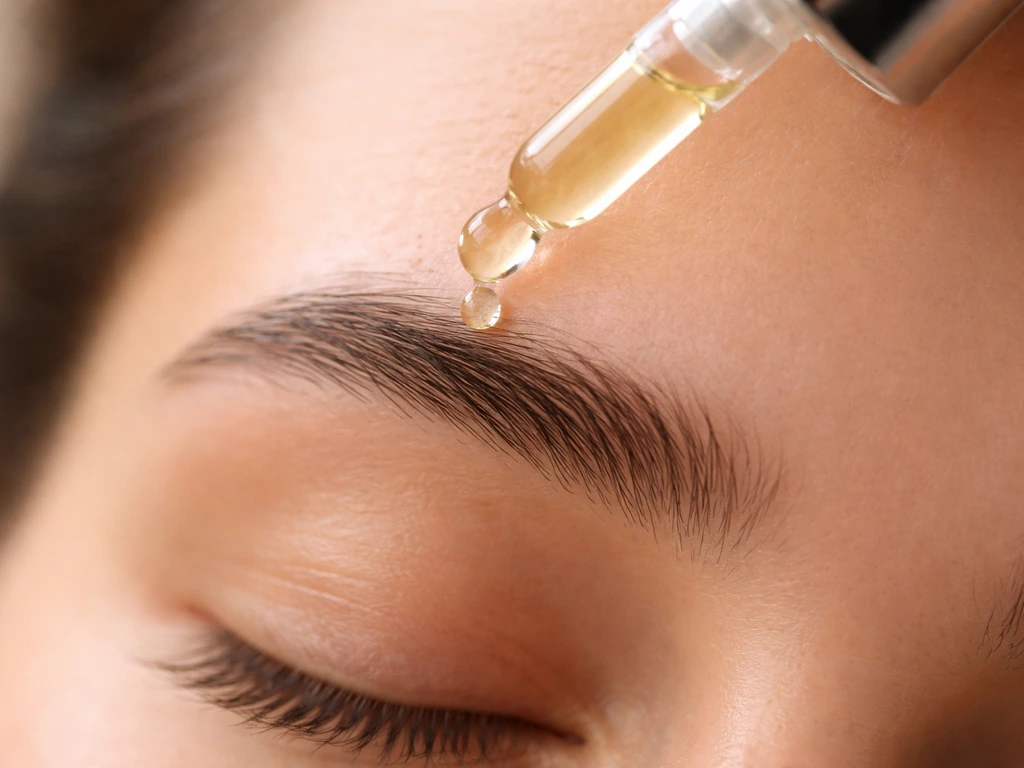
Yes, eyebrows almost always grow back after waxing. For most people, visible regrowth starts within 2 to 4 weeks, and full regrowth takes somewhere between 8 and 12 weeks, though it can stretch to 4 to 6 months if waxing has been repeated heavily over time or if the follicles are irritated. Healthline also notes that most people wax their hair again after about 3, 6 weeks, which reflects regrowth readiness For most people, visible regrowth starts within 2 to 4 weeks. The biology here is straightforward: waxing removes hair from the follicle, but it doesn't destroy the follicle itself, which means regrowth is virtually guaranteed under normal circumstances.
Do Eyebrows Grow Back After Waxing How Long It Takes
James Whitmore
2 Jun 2026
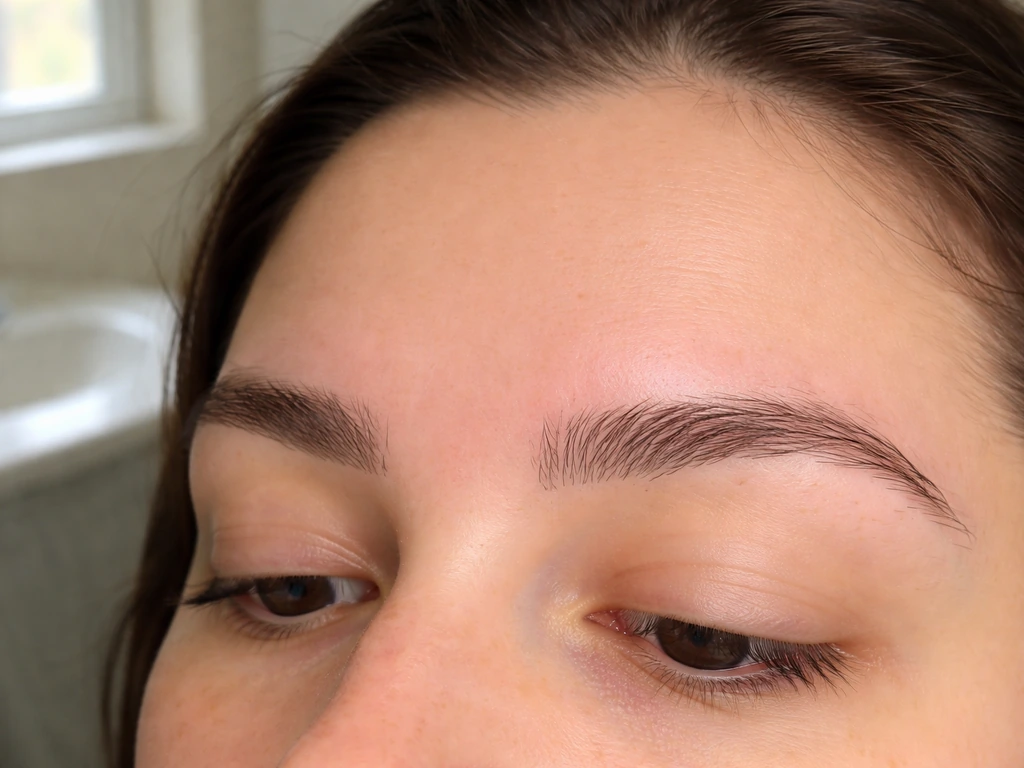
How long it actually takes for eyebrows to grow back after waxing
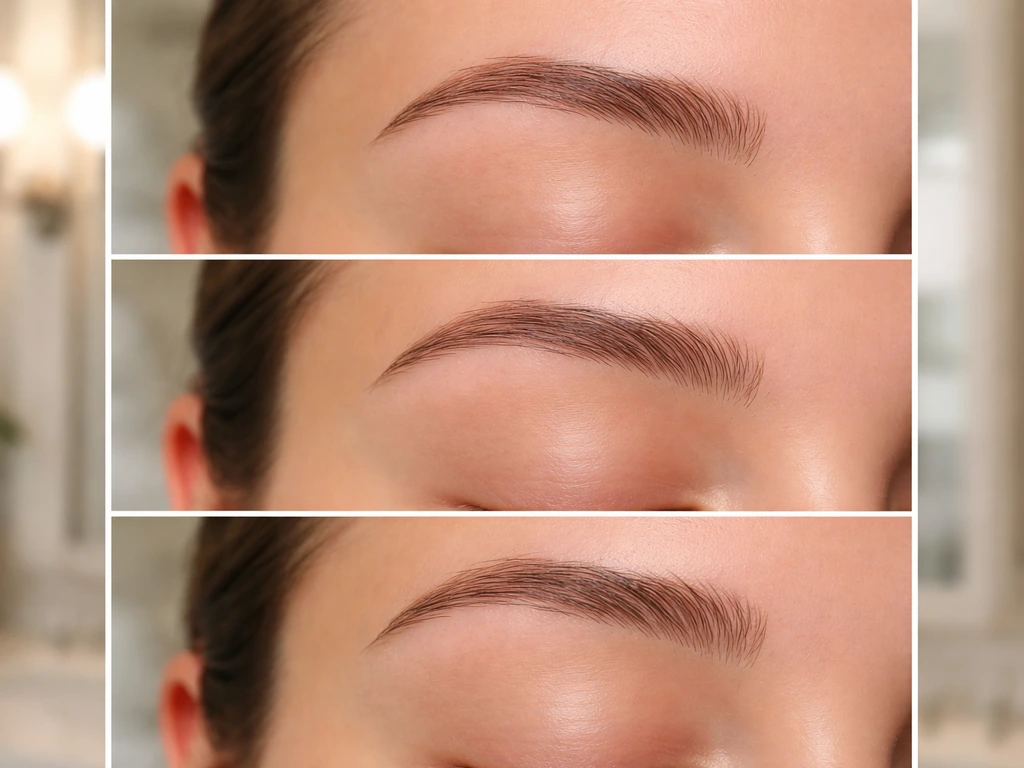
Eyebrow regrowth is slower than most people expect, and that's not a waxing problem specifically. It's a biology problem. Eyebrow hair spends most of its life in the telogen (resting) phase rather than the anagen (active growth) phase. The anagen-to-telogen ratio for eyebrows is roughly 1:9, meaning at any given moment, about 90% of your brow hairs are resting, not growing. Compare that to scalp hair, which is roughly the opposite (9:1 in favor of growth). The telogen phase for hair in general lasts around 100 days, which lines up neatly with why full brow regrowth can take 3 months or more.
Here's a practical breakdown of what to expect after a waxing session:
| Timeframe | What's happening | What you'll likely see |
|---|---|---|
| Week 1–2 | Waxed hairs are out; resting follicles haven't signaled regrowth yet | Little to no visible regrowth |
| Week 2–4 | Hairs in anagen begin pushing through the skin | Soft, fine stubble or light regrowth |
| Week 4–8 | Active growth phase continues; hair becomes more visible | Noticeable but possibly patchy regrowth |
| Week 8–12 | Most hairs have cycled back into anagen | Near-full or full density for one-time waxing |
| 3–6 months | Recovery timeline for over-waxed or frequently waxed brows | Gradual filling in of sparse areas |
If you've only had your brows waxed once or twice, 8 to 12 weeks is a realistic window for full regrowth. If you've been getting them waxed regularly for years, expect the longer end of that range, or potentially up to 6 months if there's been any follicle irritation or damage. Age matters too: regrowth tends to slow down as we get older because the hair cycle itself becomes less vigorous.
Why your eyebrows seem to grow back fast (and when that's actually a problem)
If your brows seem to bounce back quickly after waxing, there are a few likely explanations. The same idea applies to eyebrow piercing, where irritation can delay hair regrowth before it eventually returns eyebrow hair grow back after piercing. First, waxing doesn't always remove every hair cleanly from the root. Short or fine hairs sometimes break off at or near the skin surface rather than being pulled from the follicle, meaning they were never fully removed. Those hairs will look like fast regrowth because they essentially never left. Do eyebrow piercings grow out in a similar way, or do piercings behave differently than hair regrowth fast regrowth. Second, if your brows were already growing before your appointment, hairs deeper in the skin were just below the waxing wax's reach and will emerge within days. Third, everyone's anagen phase duration varies. If more of your follicles happen to be in active growth at the time of waxing, you'll see faster visible regrowth.
Fast regrowth is generally not a problem. It just means your follicles are healthy and cycling normally. The situation worth paying attention to is the opposite: if you expected regrowth by now and your brows are noticeably thinner or patchier than before the wax, that's when it's worth digging into why.
When waxing can genuinely slow down regrowth
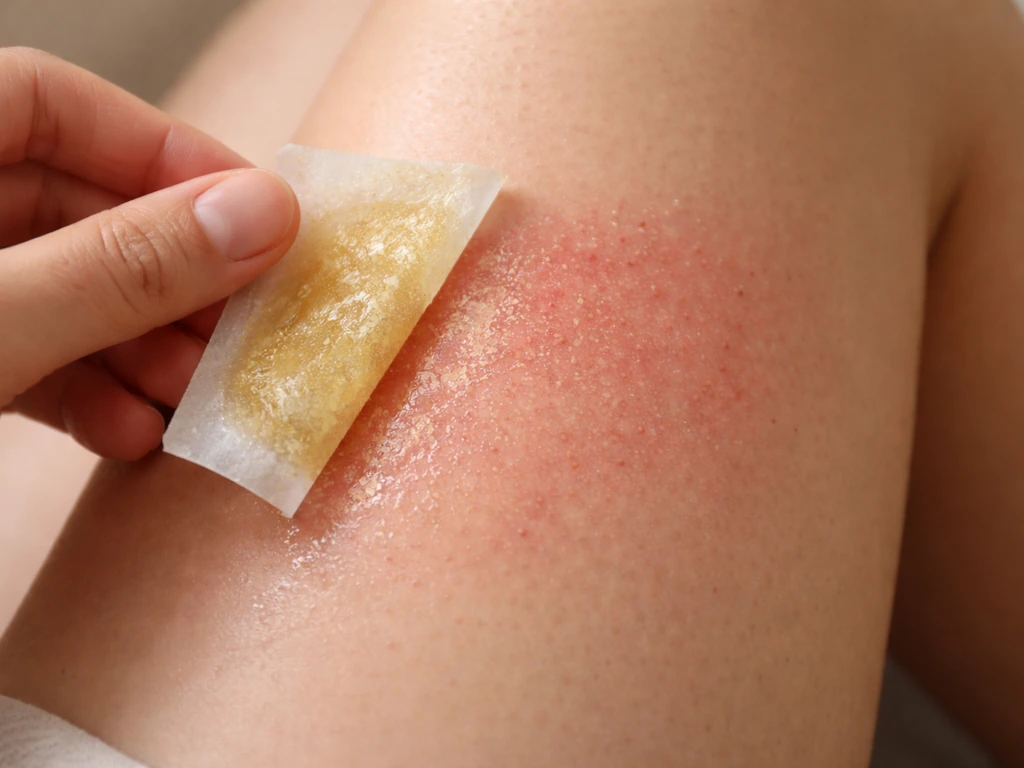
Waxing is generally safe for follicles, but it's not risk-free. The most common way waxing interferes with regrowth is through repeated over-waxing. When you wax the same area frequently over months or years, the repeated trauma to the follicle can lead to reduced hair density over time. This is actually one mechanism behind permanent hair removal techniques, though waxing is much less aggressive. The damage accumulates slowly, which is why it often sneaks up on people.
Folliculitis is another real concern. When hair is removed by waxing, the open follicle is vulnerable to bacteria, and if infection sets in, the resulting inflammation can temporarily stall regrowth. The American Academy of Dermatology recommends stopping waxing, plucking, and shaving for about 30 days if folliculitis develops, and some dermatology sources suggest waiting up to three months after the skin has fully settled before resuming hair removal in that area. Folliculitis usually resolves on its own in a few days with gentle care, but it shouldn't be ignored.
Allergic reactions are less commonly discussed but real. Waxing products can contain colophony (rosin), a known contact allergen, and an allergic reaction to wax can cause skin inflammation that disrupts normal hair cycling in the affected area. If you had significant redness, swelling, or a rash after your last wax session, that's worth factoring into your regrowth timeline.
What to do right now to help your brows grow back
Immediate aftercare (first 48–72 hours)
The first couple of days after waxing set the stage for how well your follicles recover. Keep the area calm and clean. If your skin is red or burning, rinse with mild soap and apply a cold compress for relief. Aloe vera gel is genuinely helpful here. It soothes inflammation and doesn't clog follicles. Avoid exfoliating products, retinoids, or anything active on the waxed area for at least 48 hours. Don't touch or pick at the skin.
Supporting regrowth over the following weeks
Once the initial irritation settles, you can shift focus to supporting the hair cycle. Here are the approaches that have actual evidence or a strong practical track record:
- Castor oil: A popular home remedy for brow regrowth. It won't transform thin brows overnight, but it moisturizes the follicle area and may reduce breakage. Apply a small amount with a spoolie or clean fingertip at night. Expect to use it consistently for at least 6 to 8 weeks before judging results.
- Rosemary oil (diluted): Has more emerging research behind it than castor oil. Studies on scalp hair suggest it can stimulate follicle activity, though eyebrow-specific data is limited. Mix a drop or two into a carrier oil like jojoba and apply to brows a few times a week. Keep it away from the eyes.
- Minoxidil (use with extreme care near brows): Some people use diluted minoxidil for brow regrowth and there is evidence it stimulates the anagen phase. However, the proximity of brows to your eyes is a serious concern. Case reports have documented eye-related adverse events including vision disturbances and corneal injury from accidental eye contact with topical minoxidil solution. If you choose to explore this option, do so only after speaking with a dermatologist, use the lowest possible concentration, and apply it with extreme precision away from the eye area.
- Nutrition: Hair growth requires adequate protein, iron, biotin, and zinc. If your diet is lacking in any of these, that can dampen the hair cycle. A basic blood panel to check ferritin and vitamin D is worth doing if your brows have been slow to recover for no obvious reason.
- Leave the area alone: Stop waxing, tweezing, or otherwise disturbing the brow area while you're trying to grow things back. Even occasional tweezing can interrupt the hair cycle in individual follicles.
If your brows still aren't growing back: troubleshooting guide
If it's been 3 to 4 months and your brows are still patchy or significantly thinner than before, there are a few paths to consider before assuming permanent damage. If you are wondering whether you should let your eyebrows grow out after waxing, the safest approach is usually to pause waxing and give the follicles time to recover.
First, rule out systemic causes. Thyroid conditions (both hypothyroidism and hyperthyroidism) are a common cause of brow thinning, especially loss of the outer third of the brow. Hormonal changes from pregnancy, menopause, or stopping hormonal contraception can also stall the hair cycle. Iron deficiency and low ferritin are frequently overlooked causes of slowed hair growth. These won't show up by looking in the mirror. They require a blood test.
Second, consider whether alopecia areata might be involved. This autoimmune condition can cause patchy hair loss in the brows and is sometimes mistaken for over-waxing damage. It often resolves on its own, but it needs a proper diagnosis.
Third, think about the history of your waxing. If you've been getting brows waxed heavily for 5 or more years, some follicles may have sustained enough repeated trauma to slow down significantly. That's not the same as permanent loss, but recovery can take longer.
When to stop self-treating and see a professional
- No visible regrowth after 3 to 4 months of leaving the area alone
- Persistent redness, scarring, or skin texture changes at the brow site
- Patchy loss that doesn't match the areas that were waxed
- Other symptoms like fatigue, hair loss elsewhere on the body, or skin changes
- A reaction after waxing that included significant swelling, blistering, or a spreading rash
- You're considering minoxidil and want to use it safely near your eyes
A dermatologist can assess whether there's follicle scarring, identify an underlying condition, or refer you to an eyebrow specialist or trichologist if needed. This is not a situation to keep guessing about indefinitely.
How to wax smarter so you don't end up here again
Prevention is genuinely straightforward once you know what causes the problems. The biggest mistake people make is waxing too frequently or letting a technician remove too much hair at once. Here's what to do differently going forward:
- Wait for at least 3 to 6 weeks between waxing sessions. Going more often than that increases cumulative follicle trauma without giving hair time to properly cycle.
- Don't wax the same spot more than twice in one session. If a hair is missed, tweeze it individually rather than re-waxing the whole area.
- Patch test a new wax product on your inner arm 24 hours before applying it near your eyes, especially if you've had reactions before. This helps catch colophony or other allergen sensitivity.
- Avoid waxing over already-irritated, sunburned, or broken skin. Compromised skin is far more vulnerable to folliculitis and contact dermatitis.
- Consider whether threading or careful tweezing might be a lower-trauma alternative for maintenance between waxes. Threading removes hair without the adhesion-and-pull mechanism of wax, which tends to be gentler on the surrounding skin.
- Communicate clearly with your technician about how much shape you want to change versus maintain. Over-shaping in a single session is one of the fastest ways to end up with regrowth gaps that take months to fill.
- If you've been thinking about letting your brows fully grow out before reshaping them, that's genuinely good advice. Starting from a fuller baseline gives you and your technician more to work with and reduces the risk of over-removal.
The bottom line is that your brows will almost certainly grow back, but how quickly and how fully depends on factors you have real control over: how often you wax, how well you care for the skin afterward, and whether you give the follicles adequate time to recover between sessions. If you're wondering whether you should let your eyebrows grow out before waxing, it usually helps to avoid over-removing hair and give follicles time to recover letting your eyebrows grow out before waxing. Patience is genuinely the biggest variable here, and 3 months is a more realistic target than 3 weeks for anyone who's had significant removal or repeated waxing over time.
FAQ
Why do my eyebrows look like they grow back quickly after waxing, but still look uneven?
If you wax and then start seeing thin gaps return within a week or two, that usually means the wax did not fully remove all hairs in the follicle, or deeper hairs were already close to the surface. True shedding from waxing injury typically takes longer to show as patchiness, and it is more concerning if the area looks thinner rather than just uneven.
If I stop waxing, will my eyebrows fully recover to their original thickness?
In most cases, yes, but the regrowth timing is different from how fast the area becomes visually “brows again.” If you do not wax your brows during the recovery window, the average timeline is similar to letting anagen hairs cycle back into view (often 8 to 12 weeks for a fuller look). However, if you were previously over-waxing for years, an obvious full recovery can take several months even after you stop.
How long should I wait before I consider that waxing is actually affecting my eyebrow density?
A good “pause point” is when you have not regained your usual density by about 3 to 4 months. At that stage, it is more useful to evaluate causes like thyroid issues, low ferritin (iron stores), alopecia areata, or ongoing folliculitis rather than continuing to wax and waiting another 2 to 3 weeks.
What should I do if I get bumps or irritation after eyebrow waxing?
Hard or itchy bumps (especially if they are tender) suggest folliculitis or ingrown hairs rather than normal regrowth. In that case, continuing to wax can prolong inflammation and further delay the growth cycle, so focus on calming the skin first and consider medical advice if it is recurring or worsening.
Does exfoliating, plucking, or trimming after waxing affect whether eyebrows grow back?
Not directly, but it can change how the brows look week to week. If the new hairs are curling, breaking at the surface, or you are picking at flakes, the regrowth can look slower or patchier. Try to avoid exfoliating or active skincare on the area for at least 48 hours after waxing, and resist plucking strays until the 2 to 4 week window has passed.
Can eyebrow waxing cause permanent hair loss?
Yes, but it is usually the exception rather than the rule. Waxing can reduce density over time if the same area is traumatized repeatedly, but complete permanent absence is uncommon from a typical waxing routine. The higher risk scenario is frequent over-waxing over years plus signs of scarring or persistent redness.
Could a reaction to the wax or chemicals delay regrowth?
If you had redness, swelling, rash, or significant burning after waxing, treat it as a potential contact reaction. That kind of inflammation can disrupt normal cycling, so you should not “push through” more waxing, and switching products or having your skin evaluated can prevent repeated delays.
What eyebrow patterns suggest I should look beyond waxing as the cause?
If a patch is very sharply defined, slowly enlarging, or accompanied by missing eyebrow ends (often the outer portion), consider non-wax causes too. Thyroid disorders can alter brow distribution, and alopecia areata can mimic waxing damage. A clinician can also check for scarring if regrowth does not return.
How can I avoid over-waxing without letting my brows grow out too long?
Frequent touch-ups can create a cycle of irritation before the follicles complete their regrowth. As a rule of thumb, spacing sessions wider than you did initially, using a lighter removal, and avoiding taking off “everything” at once helps reduce repeated trauma.
Next Article
Does Vitamin E Oil Help Eyebrows Grow? Safe Routine & Timeline
Find out if vitamin E oil helps eyebrow growth, plus a safe routine, timelines, and what works better.