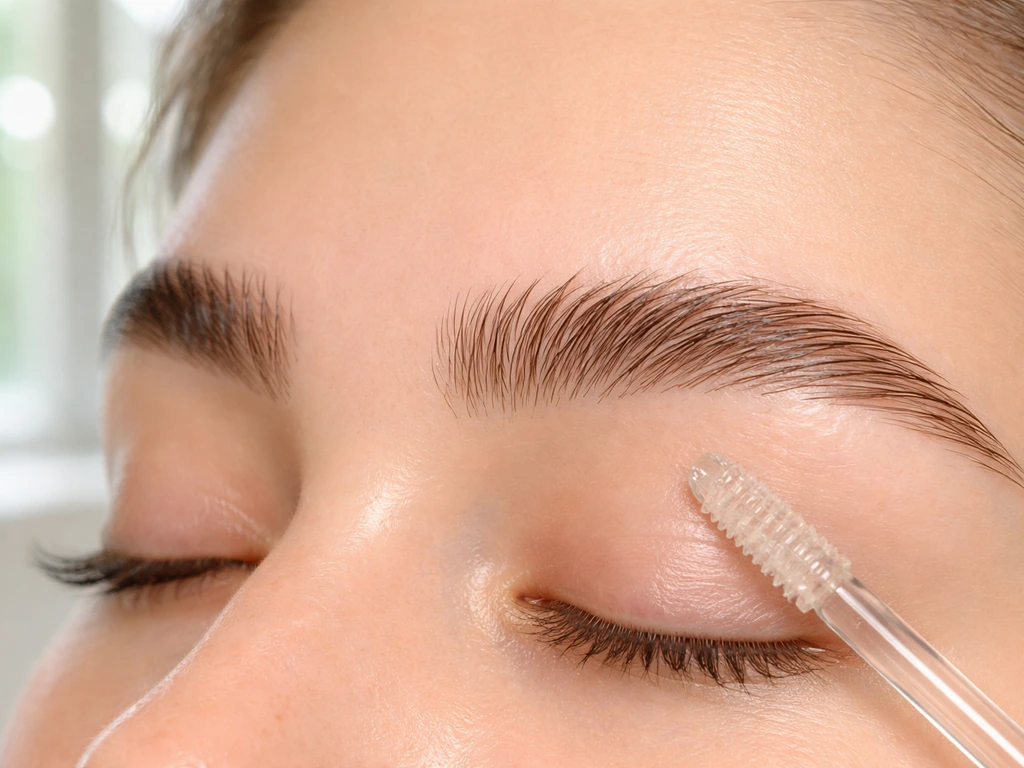
Your eyebrows will not visibly lengthen or thicken overnight in any biological sense. At roughly 0.16 mm of growth per day, there is simply no meaningful length to gain in eight hours. But here is the thing: a lot of people who try an overnight brow routine wake up thinking their brows look better, and they are not imagining it. Reduced inflammation, a coating of oil that smooths and darkens existing hairs, and the emergence of short hairs that were already partway through the skin can all make brows appear fuller by morning. Tonight you can maximize that effect while also laying the foundation for real regrowth over the next four to twelve weeks.
How to Make Your Eyebrows Grow Overnight: What Works

James Whitmore
30 May 2026
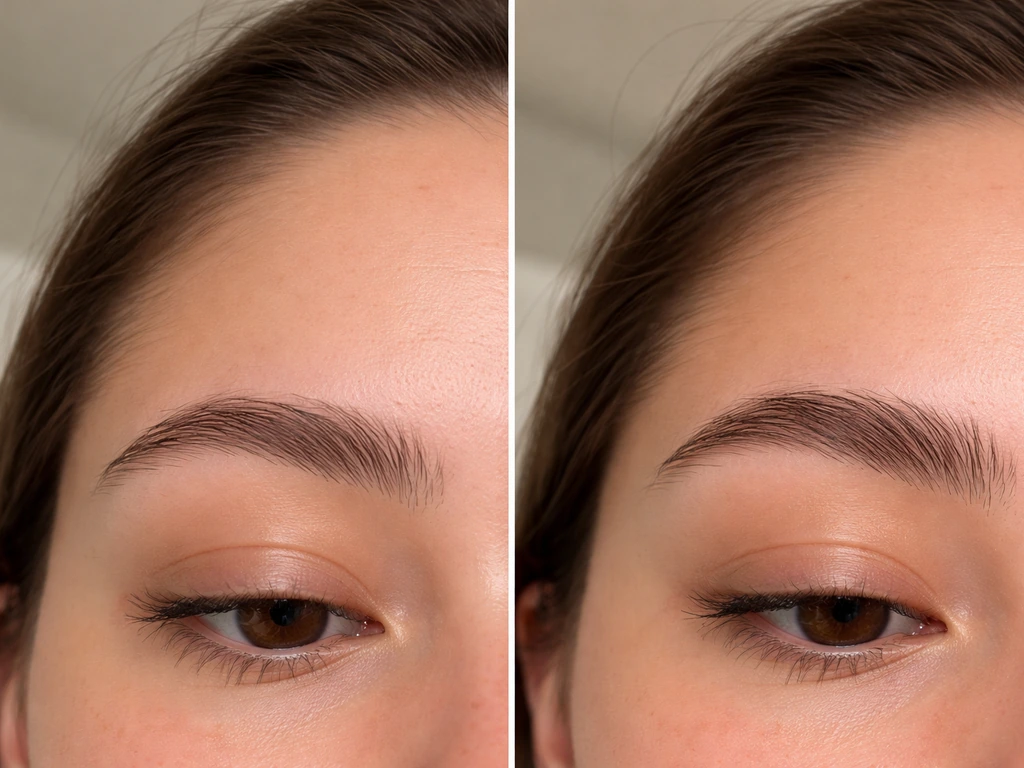
Can eyebrows really grow overnight (and why results may look different by morning)
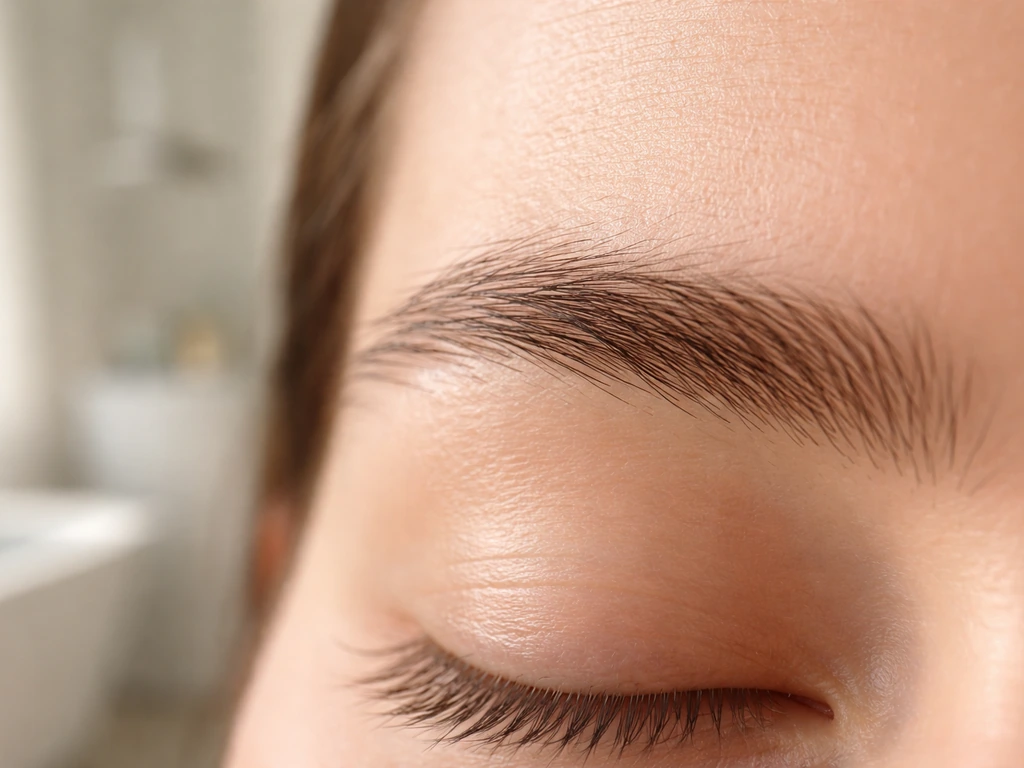
Eyebrow hair follows a three-phase cycle: anagen (active growth), catagen (transition), and telogen (resting and shedding). The anagen phase for brows is much shorter than for scalp hair, which is why brows have a natural length limit and why regrowth after damage is measured in months, not days. At a growth rate of about 0.16 mm per day, you would need roughly a week to see even 1 mm of new length. A full recovery from heavy over-plucking often takes two to four months, and some follicles that have been repeatedly traumatized may take longer or may not fully recover.
So what actually changes overnight? A few real things. If you shaved your brows recently, the stubble that was already beneath the skin surface will continue pushing up and become slightly more visible. If your brows were inflamed from waxing or plucking, reducing that inflammation lets hairs sit more naturally in the follicle and appear more defined. Applying a lightweight oil smooths the cuticle of each existing hair, making strands look darker, thicker, and more uniform. None of that is magic, but it is real, and it matters when you are trying to look better tomorrow morning while you work on the longer game.
What is causing sparse or broken brows, and how to tell regrowth from breakage
Before you pick a strategy, it helps to know why your brows are sparse. The cause shapes what will actually help. The most common reasons fall into a few categories:
- Over-plucking, waxing, or threading: Repeated hair removal traumatizes follicles over time. Early on, hairs grow back reliably. But after years of aggressive removal, some follicles stop producing visible hair permanently.
- Shaving: Shaving cuts hair at the skin surface, leaving the follicle completely intact. Regrowth is fast and predictable, usually visible within days.
- Breakage from dryness or friction: If the hairs themselves are brittle and snapping rather than falling from the root, you will see short, blunt tips rather than tapered new growth. The fix here is moisture and less friction, not growth stimulation.
- Medical causes: Thyroid disorders, iron deficiency, alopecia areata, and certain medications can all cause brow loss. If your brows have thinned gradually without a clear cause, this is worth investigating before you spend months on oil routines.
- Genetics: Some people simply have naturally sparse brows. Growth oils and stimulation can help, but they cannot fundamentally rewire your follicle density.
To tell the difference between regrowth and breakage, look at the tip of the hairs you are seeing. New growth tapers to a fine point because it has never been cut. Broken hairs have blunt or jagged ends. If you are seeing mostly blunt ends, your brows may actually have decent density but the hairs are just fragile, and conditioning them overnight will make a noticeable difference quickly.
Your overnight maximum-growth routine: do this tonight
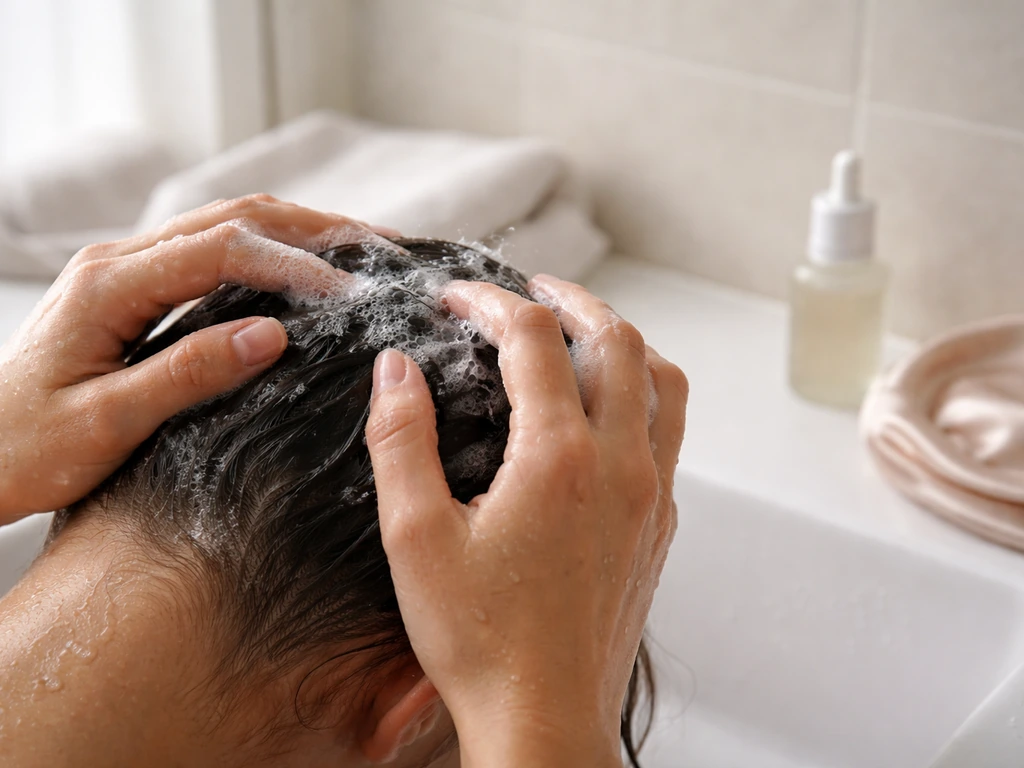
This routine takes about five minutes and focuses on three goals: reduce inflammation, deliver nutrients to the follicle, and protect existing hairs from breakage while you sleep. Do this after your regular evening skincare.
- Cleanse gently. Remove all makeup, sunscreen, and product buildup from the brow area using a mild, non-stripping cleanser or micellar water. Follicles absorb topical treatments better when the skin is clean. Pat dry, do not rub.
- Do a 60-second circulation massage. Using the pads of your index fingers, apply light circular pressure along the brow from the inner corner to the tail and back. This is not about pressing hard. It is about encouraging blood flow to the follicle area. One minute per brow is enough. Stop immediately if you feel pain or stinging.
- Apply your treatment oil. Use a clean spoolie or your fingertip to apply a small amount of castor oil, rosemary oil (diluted in a carrier), or a combination to the brow area. You do not need much. A pea-sized amount covers both brows. More is not better and excess oil near the eye line can migrate and cause irritation.
- Avoid touching, rubbing, or sleeping face-down. Give the oil a few minutes to absorb, then leave it alone. A silk pillowcase reduces friction overnight and is genuinely worth using if your brows are breaking.
- Do not tweeze, thread, or wax anything tonight. Even one session of hair removal resets your trauma clock. The single most impactful overnight action you can take is simply stopping removal so follicles can rest.
Natural at-home options and what to realistically expect
Castor oil
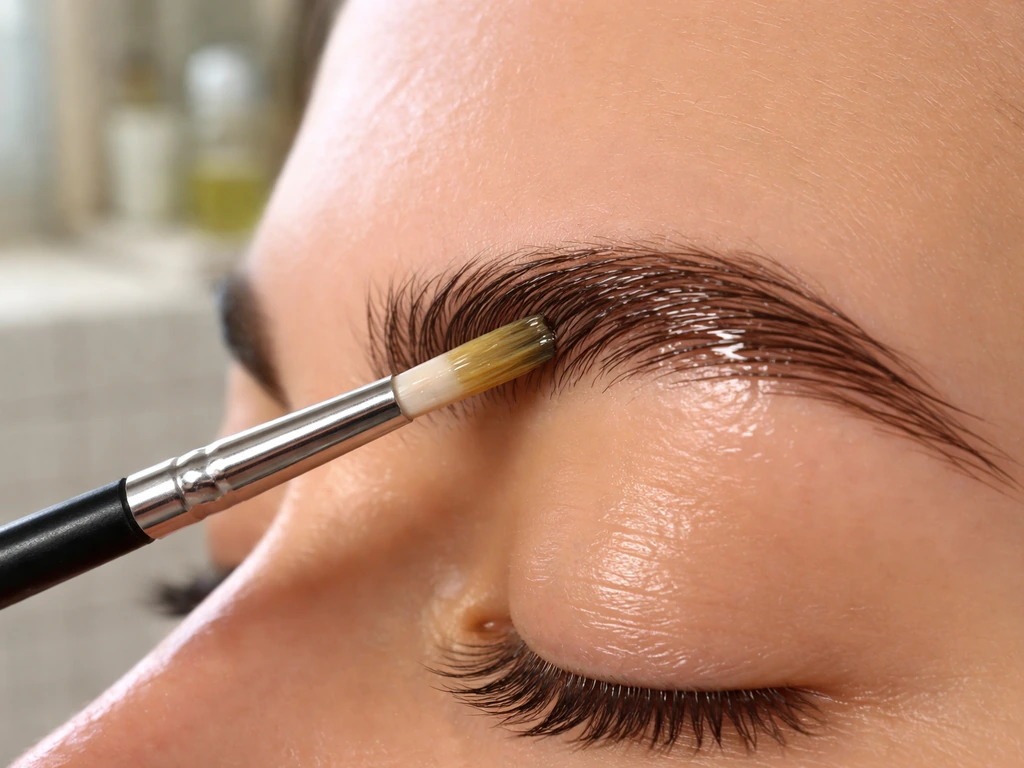
Castor oil is the most popular brow remedy for a reason: it is thick, it coats hairs beautifully, and it creates a visible plumping and darkening effect on existing brows almost immediately. What it probably does not do is dramatically accelerate biological hair growth. Systematic reviews on castor oil for hair have found it improves luster and hair quality but have not found strong evidence that it meaningfully speeds up the growth rate beyond normal.
That said, conditioned hairs break less, and brows that are not breaking appear to grow faster. The practical result is real even if the mechanism is not what most people think. Use cold-pressed, hexane-free castor oil (Jamaican black castor oil is a popular and reliable option), apply with a spoolie, and patch test on your inner arm first because castor oil [can cause contact dermatitis in some people, especially around the sensitive eye area](https://www. pierrefabreeczemafoundation.
org/en/support/useful-advice/eczema-and-essential-oils).
Rosemary oil
Rosemary oil has more credible growth evidence behind it than castor oil, with randomized clinical trials showing it performs comparably to minoxidil 2% for scalp hair regrowth over several months. Eyebrow-specific evidence is still limited, but the mechanism (improved circulation, DHT-blocking properties) applies to follicles generally. The catch: you must dilute it properly. Two to five drops in one teaspoon of a carrier oil like castor or jojoba is the standard safe ratio.
Applying undiluted rosemary oil to the skin, especially near the eyes, can cause irritation or allergic contact dermatitis. Always patch test a diluted mix on your inner arm for 24 hours before putting it near your brows. Expect gradual improvement over six to twelve weeks of consistent nightly use, not overnight transformation.
Gentle massage
Scalp massage research shows that consistent daily stimulation can support hair growth by stretching follicle cells and improving local circulation. The same principle likely applies to brows, though the evidence base is thinner. What we do know is that gentle massage does no harm, costs nothing, and takes sixty seconds. The keyword is gentle: aggressive rubbing can irritate follicles and cause the kind of micro-trauma you are trying to heal from.
Evidence-based faster options: when minoxidil actually helps
Minoxidil is the strongest topical option with actual clinical trial data for eyebrows. A randomized, double-blind, placebo-controlled split-face trial found that minoxidil 2% lotion produced measurable eyebrow enhancement, and a separate RCT compared minoxidil 2% directly against bimatoprost 0.01% and 0.03% for eyebrow hypotrichosis, confirming real-world effectiveness. This is off-label use (minoxidil is approved for scalp hair loss, not eyebrows), but it is supported by dermatology literature and used clinically.
The realistic timeline for minoxidil mirrors what Mayo Clinic describes for scalp use: expect at least four to six months of consistent use before you see meaningful results. It is not an overnight fix. But for people with genuinely sparse brows from hypotrichosis, alopecia, or long-term over-plucking, it is the most evidence-backed home option available. If you want to make eyebrows grow faster, this is why timing and consistent use matter more than expecting overnight changes minoxidil.
How to use minoxidil on brows safely
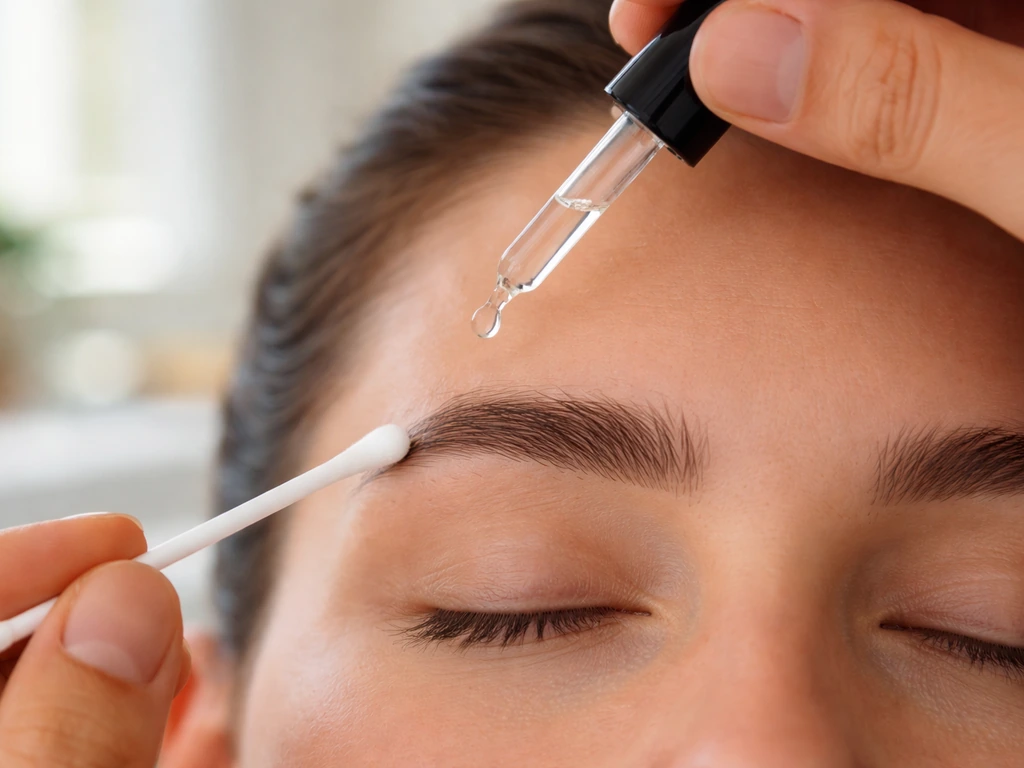
- Use 2% liquid or 2% foam (not 5%, which has a higher side-effect risk near the eye area).
- Apply a very small amount (one drop or a rice-grain-sized amount of foam) to each brow using a cotton swab or your fingertip, not directly from the dropper.
- Apply once daily, ideally at night, and let it dry fully before going to sleep.
- Keep it strictly on the brow hair and avoid the eyelid skin and eye itself.
- Stop use if you experience itching, redness, swelling, or vision changes and consult a doctor.
- Do not use if you are pregnant or breastfeeding.
- Consult a dermatologist before starting if you have any cardiovascular conditions, as minoxidil is absorbed systemically in small amounts.
Who should skip minoxidil for now: if your brows are sparse mainly because you recently over-plucked them and the follicles are intact, give them two to three months of the natural routine first. Minoxidil is most useful when follicles are sluggish or in extended telogen, not when they just need time to recover from physical removal.
Regrowing brows after shaving, waxing, or plucking: timelines and rules
The timeline for regrowth depends heavily on the method used to remove the hair. Shaving only cuts at the skin surface and leaves the follicle completely untouched, so stubble appears within days and visible brow shape returns within one to two weeks. Waxing and threading pull from the root, so regrowth typically takes three to four weeks before you see real coverage, and the full brow shape may take two to three months to return. Over-plucking over years is the most damaging scenario: repeatedly traumatized follicles may take three to six months to recover, and some areas with heavy plucking history may be permanently reduced in density.
| Removal method | Follicle damage level | First visible regrowth | Full coverage return |
|---|---|---|---|
| Shaving | None (surface only) | 3–7 days | 1–2 weeks |
| Waxing (occasional) | Low to moderate | 2–3 weeks | 6–10 weeks |
| Plucking (occasional) | Low to moderate | 2–4 weeks | 6–12 weeks |
| Long-term over-plucking | Moderate to high | 4–8 weeks (if follicle intact) | 3–6 months or longer |
The most important rule for any recovery phase is to stop all hair removal from the brow area completely. This is harder than it sounds if you have stray hairs growing in awkward directions, but every pluck resets the clock on that specific follicle. Commit to at least six to eight weeks of zero removal and fill in gaps with brow pencil or powder in the meantime. After waxing, avoid applying oils or heavy products for the first 24 hours while the follicle is open and more vulnerable to irritation. After plucking, resist the urge to dig at any partially removed hairs, as this increases infection risk and follicle damage.
Keeping brows growing after day one: maintenance, troubleshooting, and when to get help
One good overnight routine will not transform your brows, but it can start a habit that does. To grow your eyebrows quickly, focus on a consistent nightly routine and pair it with patience for the weeks-long regrowth cycle. Consistency is what separates people who see results in eight weeks from people who are still frustrated at eight months. Here is what to keep up after tonight:
- Apply your oil treatment every night. Skipping nights frequently will slow your progress. If you fall asleep before doing it, morning application is still worth doing.
- Take a photo every two weeks in the same lighting. Progress with brow regrowth is so gradual that it is nearly invisible day to day. Photos will show you whether you are moving forward.
- Do not reassess the routine for at least six to eight weeks. Switching products every two weeks is one of the most common ways people stall their progress.
- Support growth from the inside. Low iron, low zinc, or an underactive thyroid can all limit brow regrowth regardless of what you apply topically. If your hair is thinning in other areas too, get bloodwork done.
- Watch for signs of irritation. Redness, flaking, or constant itching around the brows means you need to simplify your routine, not add more products. The skin around the eyes is thin and reactive.
When to see a dermatologist
Some brow loss simply will not respond to home routines, and recognizing that early saves months of frustration. See a dermatologist if your brows are thinning without a clear cause (you have not over-plucked or shaved them), if the thinning is patchy and came on suddenly, if you have visible skin changes like scaling or scarring in the brow area, or if six months of consistent home care has produced zero visible improvement. Alopecia areata, for example, can affect eyebrows and eyelashes, and while it can resolve on its own, early clinical intervention makes a meaningful difference in outcomes. A dermatologist can also prescribe higher-strength options and confirm whether your follicles are still active using dermoscopy.
If your main goal is growing brows back as quickly as possible rather than just overnight, the approach is similar but shifts more weight toward consistency over weeks and the possible addition of minoxidil. If you are trying to make your eyebrows grow slower rather than quicker results, focus on reducing breakage and inflammation and sticking with the same nightly routine brows back as quickly as possible. The overnight routine here is genuinely the best starting point: it reduces damage, optimizes the environment for follicle recovery, and gives you a framework to build from. Just go in knowing that the real work happens over the next two to four months, not while you sleep.
FAQ
If eyebrows cannot grow overnight, why do they sometimes look fuller in the morning after an overnight routine?
Probably not, at least not in any meaningful way. What you can see by morning is mainly styling effects (existing hairs look darker and fuller from oil), less inflammation, and the appearance of short hairs already in the skin. True regrowth is measured in weeks to months, so set expectations accordingly.
How can I safely test castor oil or rosemary oil before using it on my brows?
You should patch test any product you plan to use near your eyes because contact dermatitis is a common issue with oils and essential oils. Use a small amount on your inner arm, wait 24 hours, then only proceed if there is no itching, redness, or swelling. If you react, stop and do not try to “dilute through” the same product.
Is rosemary oil safe to apply directly to my eyebrows?
Avoid putting undiluted rosemary oil on the brow skin. Use the diluted ratio (2 to 5 drops in 1 teaspoon of a carrier oil) and keep it off the eyelid margin. Also discontinue if you get burning, persistent redness, or itch, since irritation can worsen breakage.
Does brow massage really help, and how much is too much?
Yes, but only if you avoid irritation. Gentle, brief strokes with a clean spoolie or your fingertips are enough. Aggressive rubbing can inflame follicles and counter the whole goal of protecting and stabilizing the hairs you have.
How do I tell whether my sparse brows are from breakage or from true regrowth?
If most visible hairs have blunt or jagged tips, breakage is likely the main problem. In that case, overnight conditioning that reduces dryness and friction tends to show the fastest visual improvement, while growth-focused approaches may take longer to matter.
Should I start minoxidil right away after I over-plucked my brows, or should I wait?
If the follicles are still intact and you just over-plucked recently, it is often better to wait 2 to 3 months with a strict “no removal” recovery plan before adding minoxidil. Minoxidil is most helpful when follicles are sluggish or still in a prolonged resting phase, so using it too early can waste time and increase irritation risk.
What should I expect in the first month if I use minoxidil on my eyebrows?
Expect a temporary worsening in some people, especially early on: you may notice shedding, increased spotting, or uneven regrowth before things even out. That is why consistency for at least 4 to 6 months matters, and why you should not quit after 2 to 3 weeks.
What happens if I pluck just one stray hair while I am trying to grow my brows back?
Yes. Avoid hair removal completely (plucking, waxing, threading) during the regrowth window, and use pencil or powder to fill gaps instead. Even occasional plucking can reset recovery for that specific follicle, so the setback is localized but real.
Why should I avoid oils right after waxing or threading, and for how long?
Be cautious after waxing or threading. For at least 24 hours, avoid oils and heavy products on the brow area because the follicle opening and skin irritation are at their highest. Stick to gentle cleanser and any soothing routine your skincare plan already uses.
When should I stop trying overnight/home routines and get medical advice for brow thinning?
Part of the “what works” is matching the method to the cause. If thinning is patchy or came on suddenly, or if you see scaling or scarring, home routines are unlikely to solve the underlying issue and you should see a dermatologist sooner rather than later.
Next Article
How to Make Eyebrows Grow Faster: Step-by-Step Guide
Step-by-step guide to grow eyebrows back faster: stop damage, use oils or serums, nutrition tips, and timelines.