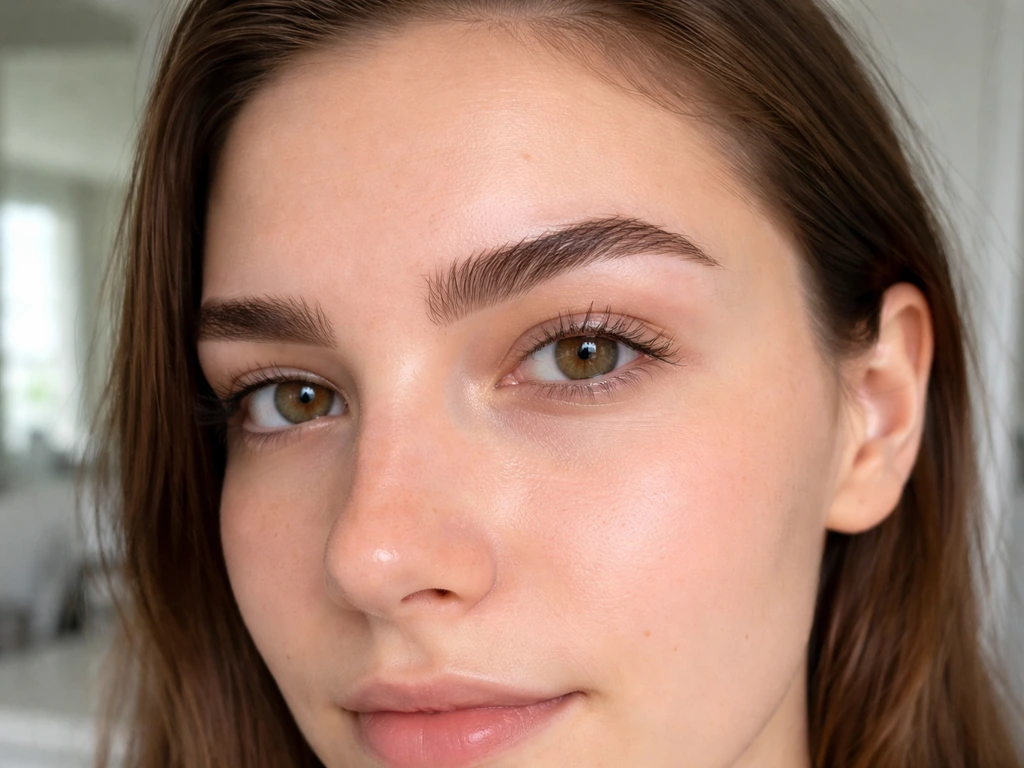
Eyebrow and eyelash growth is driven by the same biological engine as every other hair on your body: the follicle cycle. Each follicle goes through an active growth phase (anagen), a brief transition phase (catagen), and a resting phase (telogen) before the cycle restarts. What makes brows and lashes different from your scalp hair is how short their anagen phase is. Eyebrow anagen lasts roughly 2 to 3 months; eyelash anagen is about 4 to 10 weeks.
What Makes Eyebrows and Eyelashes Grow: Timelines and Fixes

James Whitmore
23 Jun 2026
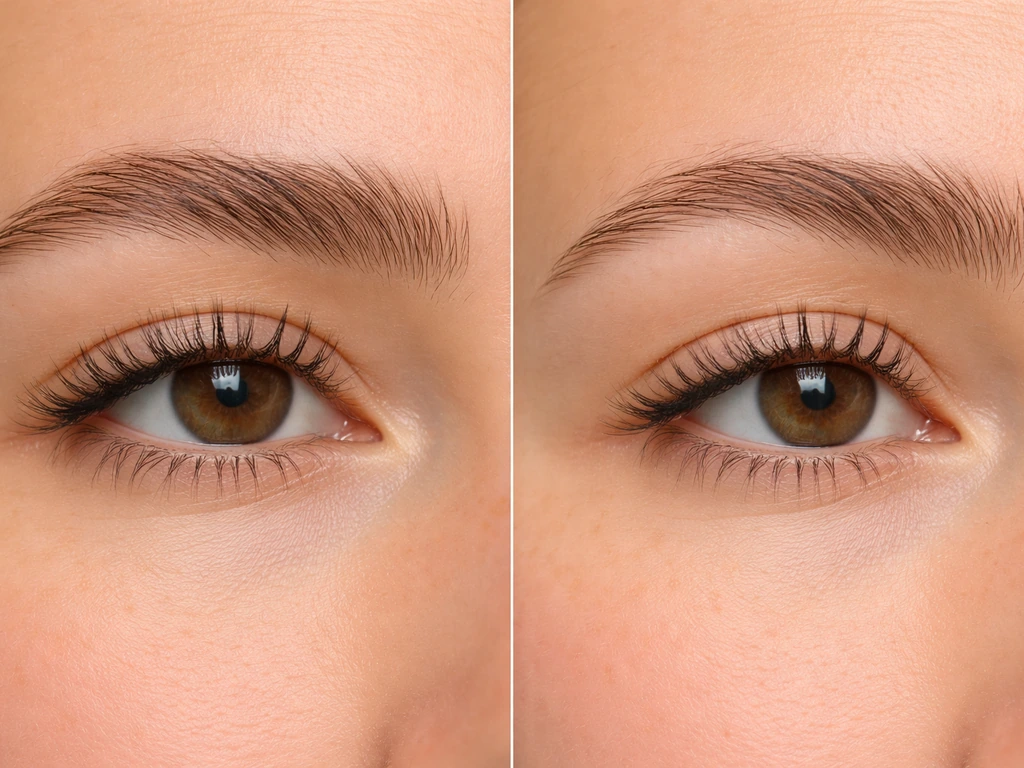
That short window is why your brows and lashes stay a certain length no matter what, and why damage, illness, or nutritional gaps can interrupt growth faster than you might expect. The good news is that most causes of slow or sparse brow and lash growth are fixable once you know what is actually going on.
How eyebrow and eyelash growth actually works
Every brow hair and lash goes through three phases. Anagen is the active growth phase, when the follicle is producing new hair. For eyebrows, this lasts about 2 to 3 months; for eyelashes, about 4 to 10 weeks. Catagen is a short transitional phase lasting around 2 to 3 weeks, during which the follicle shrinks and detaches from its blood supply. Telogen is the resting phase, roughly 2 to 3 months for brows and around 100 days for lashes, after which the old hair sheds and a new cycle begins.
The ratio of resting to growing follicles is dramatically different from scalp hair. Scalp follicles spend the vast majority of their time in anagen (up to several years). Eyebrow follicles have an anagen-to-telogen ratio of roughly 1:9, meaning nine times more follicles are resting at any given moment than actively growing. This is why eyebrows look relatively sparse compared to scalp hair even when everything is healthy, and why even minor disruptions can make them look noticeably thinner.
The same short-cycle biology explains why eyelashes have a maximum natural length: the follicle simply stops producing hair and rests before the strand can grow much longer. It also means that when you stop damaging your brows or lashes, the regrowth you are waiting for is genuinely happening in phases over several months, not weeks.
Why yours may be growing slowly or unevenly
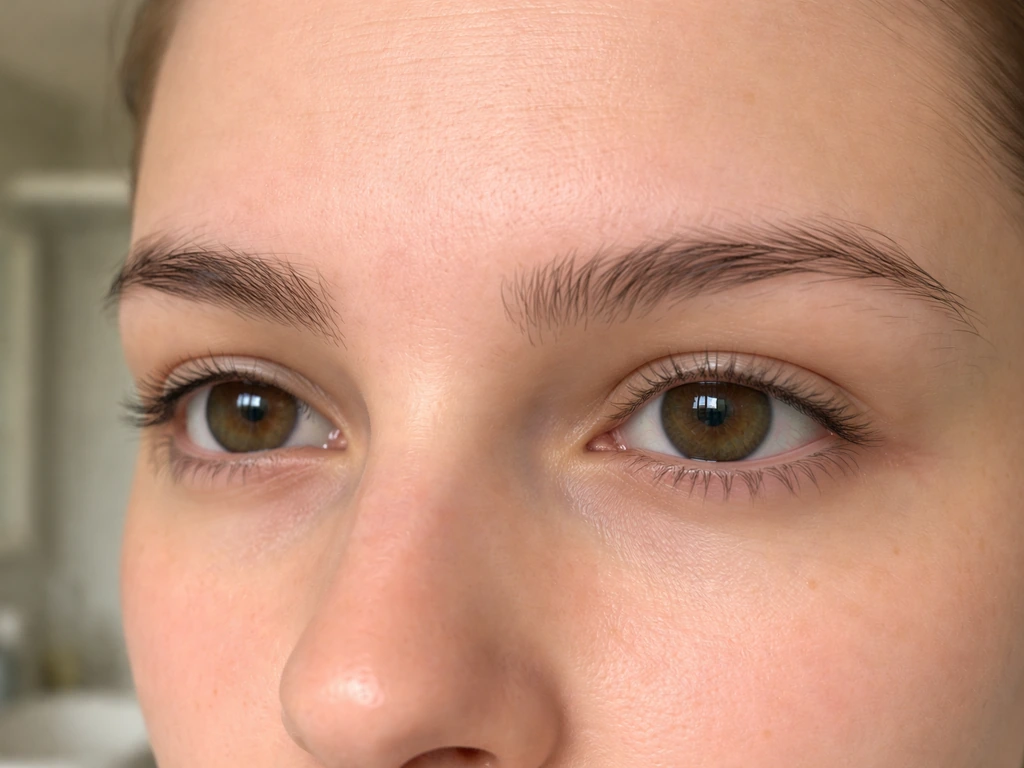
The most common reason people notice thinner brows or lashes is damage from grooming, which is easy to overlook because it happens gradually. Frequent plucking, aggressive waxing, rubbing your eyes, and poor makeup removal habits all stress the follicle. The Cleveland Clinic notes that frequent traumatic plucking can potentially cause scarring and permanently thinner brows over time, and cosmetic procedures like eyelash extensions, if removed improperly, can break lash shafts and potentially damage the follicle underneath. If this sounds like your situation, the main action step is to stop the source of damage and give your follicles a full growth cycle, which means 3 to 4 months of hands-off recovery.
Beyond grooming habits, quite a few medical and lifestyle factors can slow or pause the growth cycle. Hormonal shifts are a big one. Thyroid disorders, in particular hypothyroidism, are one of the better-known causes of eyebrow thinning, especially the outer third of the brow. Nutritional deficiencies, including low iron, biotin, vitamin D, or essential fatty acids, can push more follicles into telogen early. Chronic stress and poor sleep have similar effects. Skin conditions affecting the eyelid margin, especially blepharitis and seborrheic dermatitis, cause inflammation that can interfere with lash growth and lead to crusting, scaling, and lash loss if left untreated.
Autoimmune conditions like alopecia areata can cause patchy, non-scarring brow and lash loss and are worth knowing about because the pattern looks different from over-plucking damage. In a Reddit thread about alopecia areata affecting brows and lashes, community members share first-hand experiences of what they tried and note that regrowth can vary a lot from person to person alopecia areata can cause patchy, non-scarring brow and lash loss.
It tends to come on suddenly in distinct patches and may come and go. Age is also a genuine factor: follicles produce less efficiently as we get older, and hormonal changes in midlife often thin brows and lashes in both men and women.
If your hair loss feels sudden, is affecting a large area, comes with skin changes, inflammation, or scarring, or does not improve after a few months of good care, that is a signal to see a dermatologist rather than just trying more serums.
What helps brows grow: grooming, skin care, and nutrition
The single most impactful thing you can do for your brows right now is stop over-grooming. That means no plucking, no threading, no waxing for at least 12 weeks. It feels uncomfortable if you are used to shaped brows, but the follicles need a full anagen cycle without interruption to show you what they can actually produce. While you wait, fill in with a brow pencil or powder rather than continuing to shape aggressively.
Nutrition matters more than most people expect. If your diet is genuinely low in protein, iron, or healthy fats, your hair follicles are among the first things your body de-prioritizes. Focus on getting enough protein (eggs, meat, fish, legumes), iron-rich foods, omega-3 fatty acids from fish or flaxseed, and a broad-spectrum diet that covers B vitamins including biotin. You do not need to take a dozen supplements; a varied whole-food diet is the most evidence-consistent starting point. If you suspect a deficiency, a blood panel from your doctor can confirm whether you actually need to supplement.
Sleep and stress management are unsexy but real contributors. Chronic elevated cortisol pushes hair follicles into telogen. If you are sleeping fewer than 7 hours a night or running on stress, addressing that is genuinely part of your brow recovery plan. Gentle daily moisturizing of the brow area also supports the skin environment the follicle sits in. A fragrance-free face moisturizer or a small amount of a non-comedogenic oil applied to the brow skin (not rubbed in aggressively) keeps the area from getting dry and flaky, which can impede healthy follicle cycling.
What helps eyelashes grow: lash-friendly habits and care
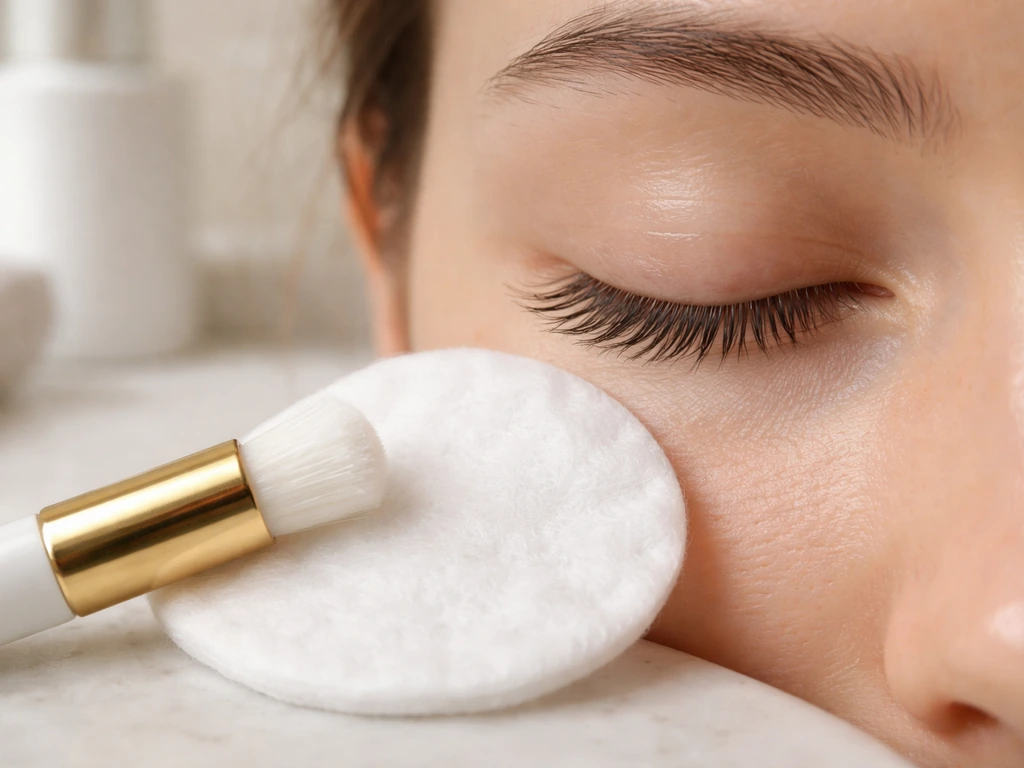
Lashes are more fragile than brows because they sit on the eyelid margin where the skin is thin, the environment is moist, and the follicle is in close contact with the tear film and external debris. The most protective habits you can build are about removing damage rather than adding products. Remove eye makeup every single night, and do it gently: use a dedicated eye makeup remover and let it dissolve the product rather than rubbing. Rubbing and tugging lashes during removal is one of the most underrated causes of gradual lash thinning.
If you wear eyelash extensions, know that the risk is mostly in the removal and the repeat application. When extensions are pulled off improperly, they take natural lashes with them. Taking breaks between sets gives your natural lashes time to complete a growth cycle and recover. One full lash cycle takes 4 to 11 months, so even a 2 to 3 month break matters.
Managing blepharitis, if you have it, is one of the most directly useful things you can do for lash health. Blepharitis is chronic inflammation of the eyelid margin that causes crusting, scaling, and can damage the lash follicles over time. The standard first-line treatment is simple: [warm wet compresses applied to closed eyelids for about 10 minutes](https://www. hopkinsmedicine.
org/health/conditions-and-diseases/blepharitis), followed by gentle lid scrubs using dilute baby shampoo (roughly 50:50 with warm water) or a commercially available lid scrub solution. This is done once or twice daily during flares and is recommended by Johns Hopkins Medicine, the Merck Manual, and ophthalmology guidelines. It clears the debris and oils that clog the follicle openings and reduces the inflammation irritating lash roots.
If you have persistent crusting, redness, or scaling at the lash line, this should be your first step, not a lash serum.
Home remedies and ingredient check
Castor oil
Castor oil is probably the most widely used home remedy for brow and lash growth, and it deserves an honest look. There are no clinical trials that specifically prove castor oil makes eyelashes or eyebrows grow longer. What the evidence does suggest is that it has some benefit for eyelid health: a randomized trial found a periocular castor oil formulation improved eyelid margin findings in blepharitis patients over 4 weeks. That is different from stimulating follicle growth, but it does suggest the oil is doing something useful at the lash line. It may help condition the hair shaft and support a healthier skin environment without directly triggering the follicle into anagen.
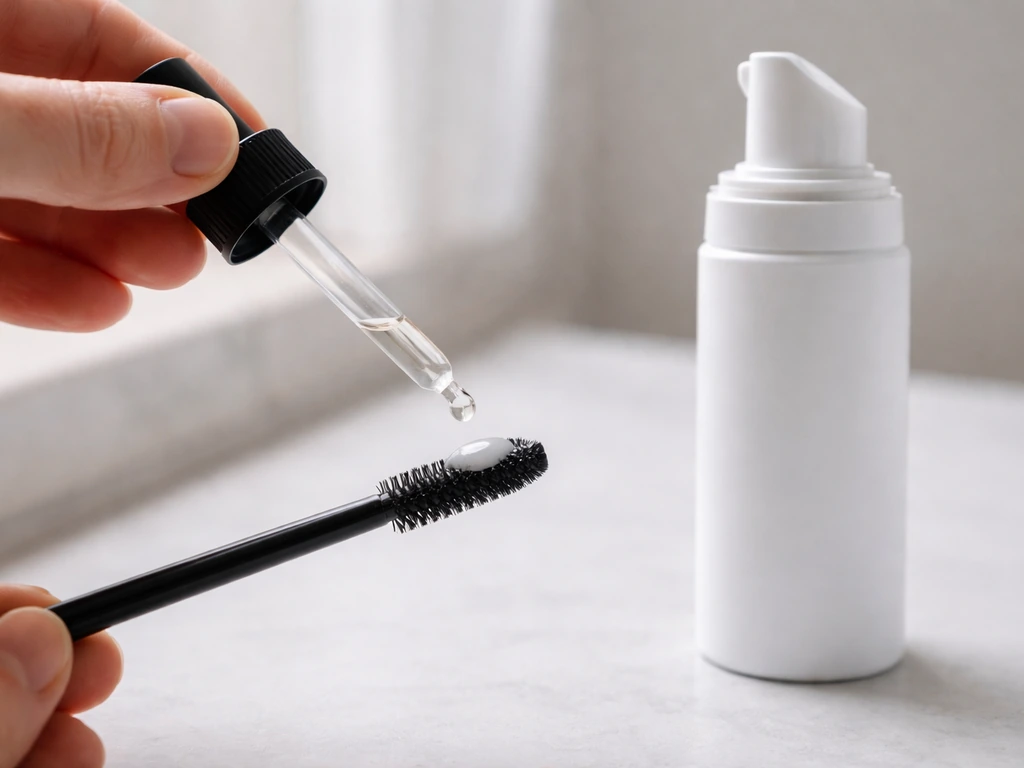
If you want to try it, apply a tiny amount to a clean mascara wand or cotton swab and stroke it along the brow or lash line before bed. The main caution: keep it out of your eyes. Castor oil can cause irritation if it gets on the ocular surface, and some people develop allergic contact dermatitis from it, especially around the thin eyelid skin. If you notice redness, itching, or swelling, stop using it. Expect nothing dramatic in the first 30 days, this is a slow, supportive addition to your routine, not a growth trigger.
Rosemary oil
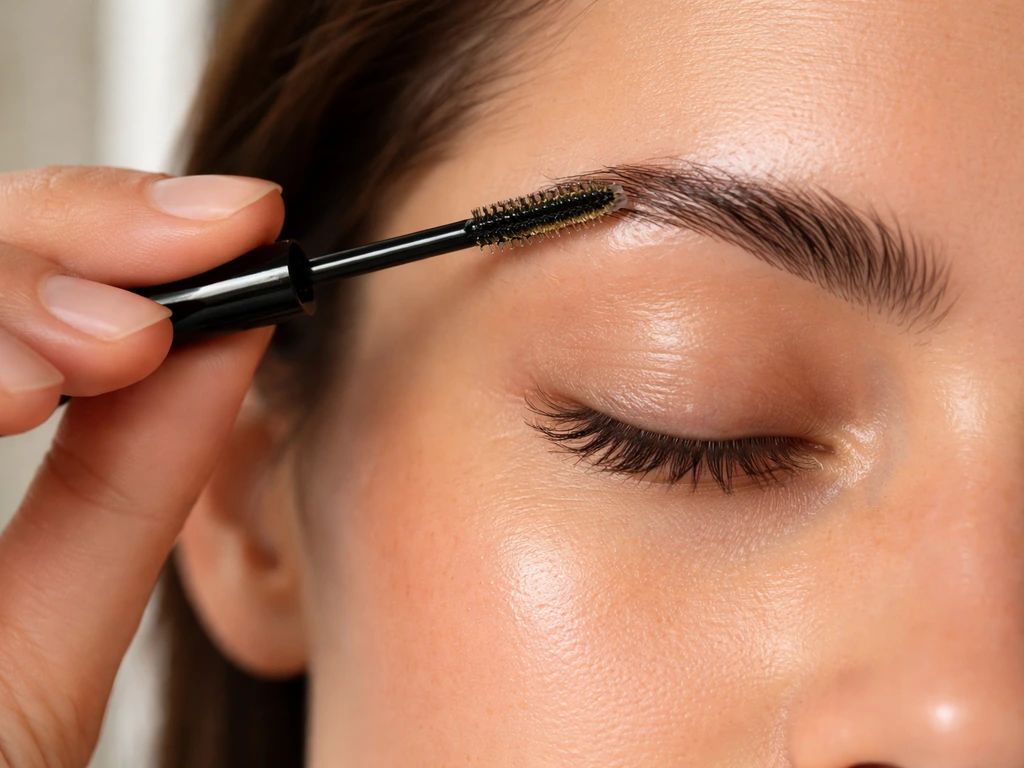
Rosemary oil has one reasonably solid piece of evidence behind it: a randomized trial comparing rosemary oil to minoxidil 2% for androgenetic alopecia on the scalp found comparable results at 6 months. That study is on scalp hair, not brows or lashes, so extrapolating directly requires a grain of salt. Still, the proposed mechanism, improved circulation and reduced DHT activity at the follicle, is biologically plausible for brow use.
If you try it, dilute it in a carrier oil (a 2 to 3% dilution is typically used), apply to brows only, and avoid getting it near the eye. The evidence for lash use specifically is essentially absent, and the eyelid margin is too sensitive a location to experiment with essential oils.
What to realistically expect from home remedies
Home remedies are low-risk, low-cost additions to a routine that is otherwise doing the right things: stopping damage, managing skin health, eating well. They are not substitutes for addressing the root cause of hair loss, and they are unlikely to produce dramatic results on their own. If you have been consistent with a home remedy for 4 to 5 months and see no change, that is a reasonable signal to move to a more evidence-backed option or get a professional assessment.
Evidence-based options: minoxidil and bimatoprost
Minoxidil for eyebrows
Topical minoxidil is the most evidence-backed pharmacologic option for eyebrow growth. A randomized, double-blind, placebo-controlled split-face trial found that minoxidil 2% lotion applied to eyebrows was safe and effective for eyebrow hypotrichosis. It is used off-label for this purpose, meaning it is not FDA-approved specifically for brows, but the research exists and many dermatologists recommend it. Minoxidil works by prolonging the anagen phase and improving blood flow to the follicle, essentially giving follicles more time in the growth phase before they rest.
The typical approach is applying a small amount of minoxidil 2% solution or foam to the brow area once daily. Results typically take several months to become visible: expect to assess at the 3 to 4 month mark, with fuller results around 6 months. Critically, the effect is maintenance-dependent. Mayo Clinic is clear that hair growth from minoxidil lasts only as long as you continue using it. Stop using it and the follicles return to their previous cycle patterns over a few months.
One side effect worth knowing about upfront is temporary increased shedding in the first few weeks. This is a telogen effluvium-like effect where the treatment pushes resting hairs out to make way for new anagen growth. It is normal and resolves, but it can be alarming if you are not expecting it. Other potential side effects include skin irritation, redness, and allergic contact dermatitis. Avoid getting minoxidil into the eyes. Because this is an off-label use, it is worth having a brief conversation with a dermatologist before starting, especially if you have any history of skin sensitivity or are on other medications.
Minoxidil for eyelashes
The evidence for minoxidil specifically on eyelashes is thinner than for brows. It is discussed in clinical reviews as an off-label option for eyelash hypotrichosis and alopecia areata-related lash loss, but there are no dedicated large-scale eyelash trials the way there are for eyebrows. The proximity to the eye makes application more complicated and the risk of ocular irritation more significant. If you are considering minoxidil for lashes, that conversation really should happen with a dermatologist or ophthalmologist rather than being a self-directed experiment.
Bimatoprost (Latisse) for eyelashes
Bimatoprost 0.03% ophthalmic solution, sold as Latisse, is the only FDA-approved treatment specifically for eyelash hypotrichosis. It is a prostaglandin analog applied nightly to the upper eyelid margin at the base of the lashes. Clinical trials show measurable improvements in lash length, thickness, and darkness by week 16, and it is applied once daily using the sterile applicators provided. Like minoxidil, it is a maintenance treatment: effects return toward baseline after stopping.
The safety profile is generally good but worth understanding. Reported adverse effects include eye itching, redness of the conjunctiva, eye irritation, dry eyes, and periorbital redness. There are also postmarketing reports of eyelid swelling, eyelid skin darkening, and blurred vision. People using prostaglandin analogs for glaucoma or elevated eye pressure should talk to their ophthalmologist before using Latisse because of potential interactions. This is a prescription product, so you will need a doctor's visit to get it, which also gives you a chance to confirm your lash loss does not have an underlying cause that needs separate treatment.
| Option | Target area | Evidence level | Timeline to results | Key caution |
|---|---|---|---|---|
| Castor oil | Brows and lash line | Limited (eyelid health support, not growth) | Unclear, 2+ months | Avoid eye contact; risk of contact dermatitis |
| Rosemary oil | Brows only | Indirect (scalp studies only) | 3–6 months if effective | Dilute before use; avoid near eyes |
| Minoxidil 2% | Eyebrows (off-label) | Good (RCT evidence for brows) | 3–6 months | Temporary shedding at start; ongoing use required; caution near eyes |
| Minoxidil 2% | Eyelashes (off-label) | Limited (review-level only) | Unknown | Higher ocular risk; consult a doctor first |
| Bimatoprost (Latisse) | Eyelashes (FDA-approved) | Strong (multiple RCTs) | ~16 weeks | Prescription only; ocular side effects possible; ongoing use required |
Realistic timelines, maintenance, and when to see a professional
Here is the timeline framework that is most useful to keep in mind. A single eyebrow hair cycle takes roughly 4 to 6 months from the start of a new anagen phase to a fully grown hair completing its telogen and shedding. A full eyelash cycle runs 4 to 11 months. These are not suggestions or pessimistic estimates, they are the biological limits of how fast follicles work. This means that if you stop over-plucking today, you should not be assessing your results at 6 weeks. A fair assessment window is 3 to 4 months for early improvement and 6 months for a meaningful picture of where your brows or lashes are heading.
The same applies to any treatment you start. Minoxidil and bimatoprost both require 3 to 4 months of consistent daily use before you can reliably evaluate whether they are working. Starting and stopping because you do not see changes in the first month is one of the most common reasons people conclude that treatments do not work. Set a calendar reminder for 4 months and assess then.
For people recovering from damage (over-plucking, waxing, or extension-related lash loss), the most important thing is consistency in avoiding the damaging habit. Growth will happen, but it is gradual and uneven at first. Some follicles will be at different cycle points than others, so you may see patchy filling before you see uniform density. That is normal.
You should see a dermatologist or ophthalmologist if any of the following apply: your brow or lash loss is sudden or progressing quickly; there is associated redness, scarring, crusting, or eyelid swelling; you have lost lashes or brows alongside other hair loss on your scalp or body; your loss seems connected to a change in medication or a new health condition; or you have been consistent with good habits and a reasonable remedy for 5 to 6 months and seen no improvement at all. Eyebrow and eyelash loss can sometimes be a marker of thyroid dysfunction, autoimmune conditions, or inflammatory skin disease, all of which need treatment beyond topical products. Getting the right diagnosis early means faster, more targeted resolution. For newborns, eyebrow regrowth and what to do should be discussed with a pediatrician, since infant hair shedding can have different causes than in adults how to grow eyebrows in newborn.
The practical starting point today: stop any damaging grooming habit, add gentle daily brow and eyelid skin care, address nutrition gaps, manage blepharitis if it is present, and give the process 3 to 4 months before deciding whether you need something stronger. Most people with gradual thinning from grooming or lifestyle factors see meaningful improvement within a single growth cycle if they stay consistent. If you want to understand more about the underlying biology driving all of this, the reasons why eyebrows grow where they do and what they are actually for are genuinely fascinating pieces of the same puzzle. Some people worry that everyone grows a unibrow, but eyebrow density varies a lot from person to person due to normal growth cycles and genetic factors.
FAQ
How long does it take for brows or lashes to start looking better after I stop plucking or rubbing?
You may notice early changes in about 6 to 12 weeks, but a reliable first assessment is around 3 to 4 months. This is because many follicles are still finishing their current telogen rest before they can produce new hair, so “no change at 4 to 6 weeks” usually does not mean it is not working.
Do eyebrows and eyelashes ever grow back to their exact original thickness?
Sometimes, but not always. If damage includes scarring, repeated inflammation for months, or long-term extension or aggressive removal trauma, regrowth can be incomplete. The more you interrupt the cycle early, the more uneven regrowth can appear before it improves.
If I use a serum or treatment, should I keep shaping my brows or styling my lashes?
Avoid shaping that pulls, twists, or stresses the follicles while you are trying to regrow. For brows, pause plucking, threading, and waxing, and switch to filling with pencil or powder. For lashes, stop rubbing, and if you wear extensions, avoid repeated sets back-to-back without breaks.
Can eyebrow or lash growth be affected by mascara, lash conditioner, or eye creams?
Yes, indirectly. Products that you have to scrub off can cause friction, which is a common reason lashes thin gradually. Look for gentle removal, and avoid applying anything that gets into the eye area heavily or needs aggressive rubbing to remove. Also watch for irritation, which can worsen eyelid inflammation.
What signs suggest my lash or brow loss is not “normal shedding” and needs medical evaluation?
Seek a dermatologist or ophthalmologist if the loss is sudden, rapidly worsening, patchy in a way that does not match your grooming pattern, accompanied by redness or crusting at the lid margin, or associated with eyelid swelling. Also get checked if you have other hair loss on the scalp, body, or you recently changed medications or had a new health condition.
How do I know whether I have blepharitis instead of just “dry eyes” or irritation?
Blepharitis often comes with lid margin crusting, scaling, and debris at the lash line, sometimes with itching or a gritty feeling. It tends to worsen with persistent oily buildup rather than just dryness. If you see crusting or recurrent scaling, warm compresses plus gentle lid scrubs are the more direct first step than lash serums.
Is castor oil likely to help, and how can I use it without causing irritation?
Castor oil may support eyelid health for some people, but it is not proven to trigger follicle growth. If you try it, use a tiny amount, apply only along the brow or lash line with a clean applicator, and keep it away from the ocular surface. Stop if you notice itching, redness, or swelling, since contact dermatitis around the eyelids is a real risk.
If minoxidil helps my brows, how do I prevent losing the gains later?
Minoxidil effects generally fade after you stop. The practical decision is whether you want ongoing maintenance or to accept returning to baseline over the following months. If you decide to stop, tapering does not reliably prevent loss the way continued use does, so it is best to plan the maintenance approach before starting.
Is it safe to use minoxidil or Latisse if I have eye conditions or wear contacts?
Do not assume it is automatically safe. With Latisse or minoxidil, ocular irritation can be an issue, and people using glaucoma-related prostaglandin medications need extra caution. If you have chronic eye disease, history of eyelid swelling, or you wear contacts, talk with an ophthalmologist first so application and allergy risks are properly assessed.
What blood tests or medical causes should I ask about if my brows or lashes thin?
If thinning is significant or persistent, ask your clinician about thyroid testing (especially if you have symptoms of hypothyroidism), iron status (ferritin and iron indices), and evaluation for nutritional deficits if diet is limited. If you have patchy hair loss or eyebrow changes that look sudden, ask about autoimmune causes such as alopecia areata and whether dermatologic evaluation is warranted.
Should I take biotin if my brows and lashes are thinning?
Only take biotin if there is a reason to suspect deficiency. Biotin is often marketed for hair growth, but supplements are not automatically helpful for everyone. A better approach is to evaluate diet first, and if you suspect a deficiency, confirm with a clinician rather than guessing.
What is the most common mistake people make when trying to regrow lashes or brows?
Stopping too early or switching products too often because there is no visible change in the first month. Brow and lash follicles need time to complete their cycle, so assess at about 3 to 4 months for early clues and around 6 months for a fuller result, while continuing the damage-free routine consistently.
Next Article
Why Do We Grow Eyebrows? The Science and Regrowth Steps
Why we grow eyebrows, how follicles cycle, what disrupts regrowth, and safe steps to regrow fuller brows.