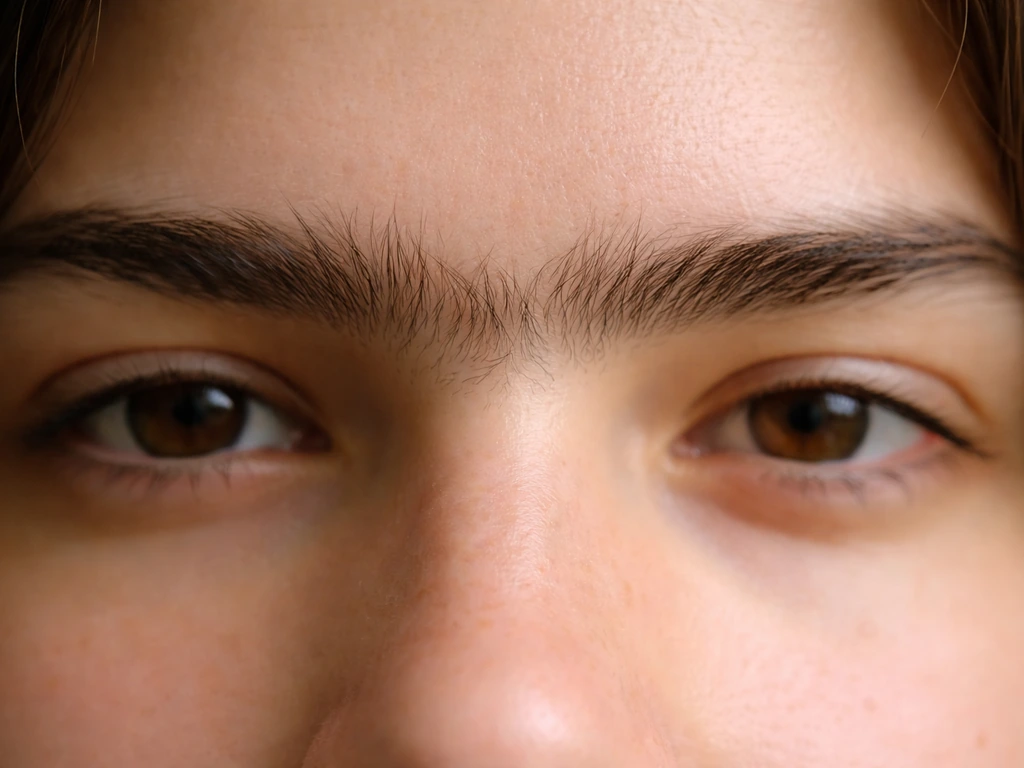
We grow eyebrows because they serve real, practical purposes: they shield your eyes from sweat, water, sunlight, and debris, and they're a core part of how we communicate emotions and recognize faces. Hair follicles in the brow area go through a continuous growth-and-shedding cycle that keeps hairs renewing themselves over time. If you are also wondering about lash growth, the same basic follicle cycle applies to eyelashes, but the timelines can be different growth-and-shedding cycle. That cycle is also the reason why eyebrows don't just grow forever like a chia pet, and why regrowth after shaving, waxing, or damage can feel frustratingly slow.
Why Do We Grow Eyebrows? The Science and Regrowth Steps
James Whitmore
13 Jun 2026
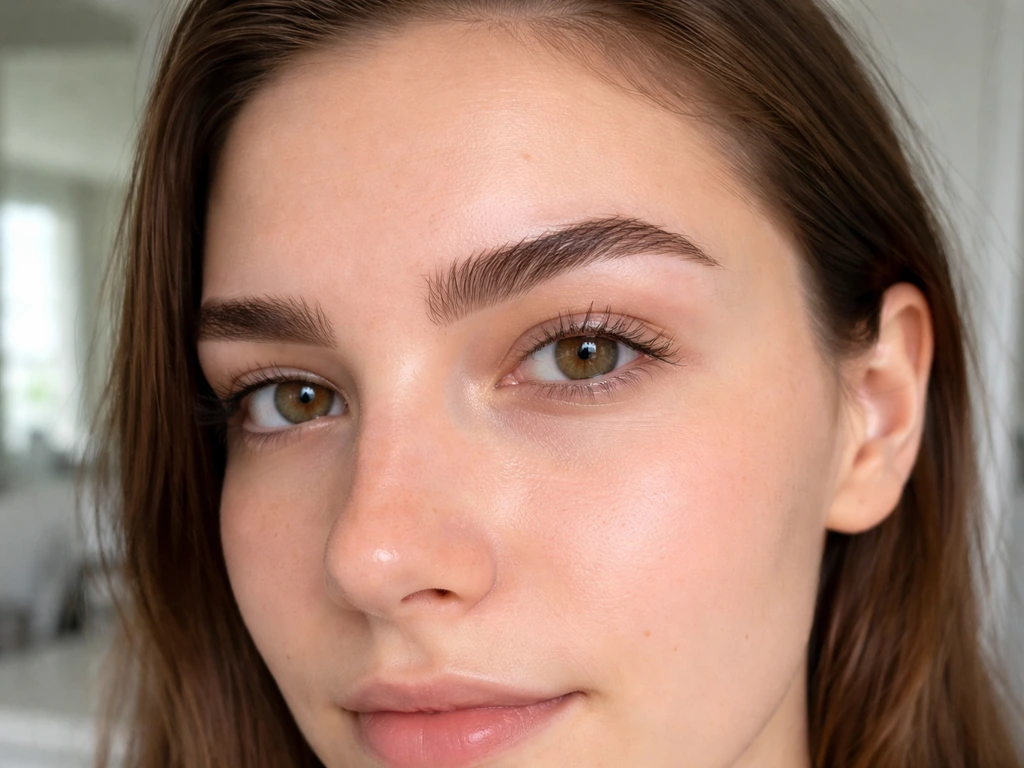
What eyebrows actually do
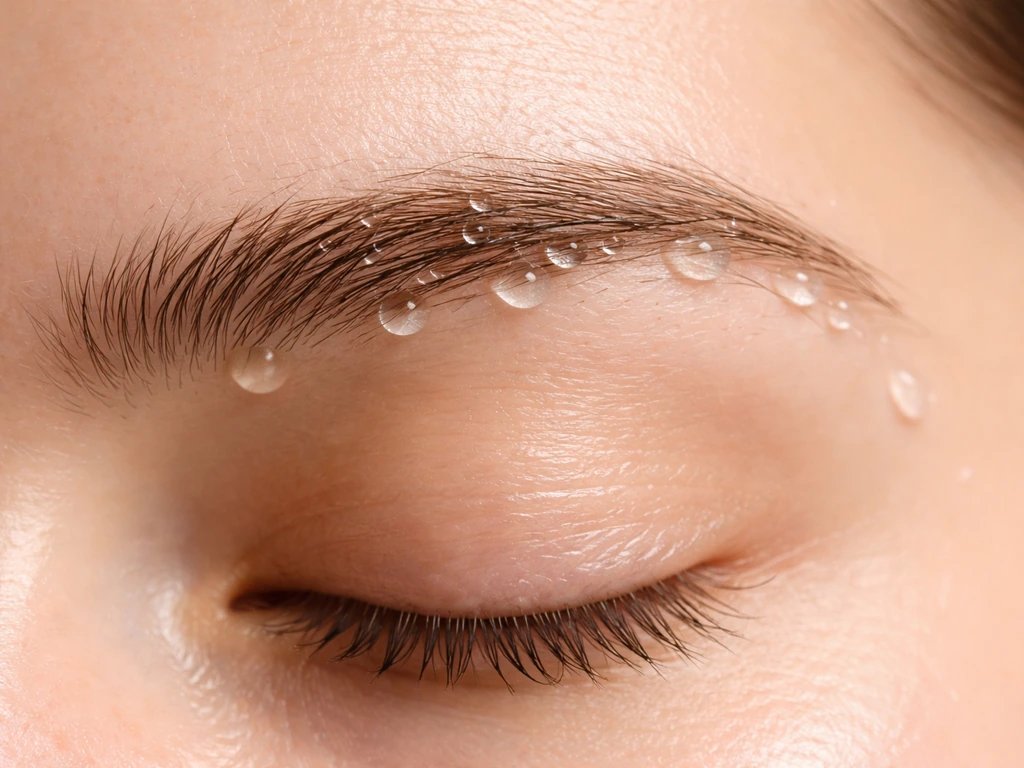
The most obvious function is protective. Your eyebrows are positioned and angled in a way that diverts sweat and water away from your eye socket, which is genuinely useful. Think about running in the rain or working out without toweling your face: the brow ridge and the hair sitting on it redirect moisture sideways rather than letting it stream directly into your eyes. They also help filter out debris, dust, and particles before they reach the eye surface.
Eyebrows also offer some defense against light. They don't work like sunglasses, but the brow ridge combined with brow hair does reduce glare from direct overhead light, which is part of why humans and many primates have both pronounced brow ridges and hair there.
Then there's the social side, which is honestly just as important from an evolutionary standpoint. Eyebrows are one of the most expressive parts of the human face. They signal surprise, anger, sadness, and skepticism in ways that are cross-cultural. Research on facial recognition consistently shows that brows are more critical to recognizing a familiar face than eyes alone. That's part of why missing or very sparse brows can feel so disorienting, both to the person experiencing it and to others.
How eyebrow hair actually grows
Every single eyebrow hair grows out of a follicle, a small pocket in the skin that goes through a repeating cycle with three main phases: anagen (active growth), catagen (transition and shutdown), and telogen (resting, followed by shedding). When a hair sheds at the end of telogen, the follicle starts a new anagen phase and produces a fresh hair.
Here's the key thing about eyebrow follicles specifically: their anagen phase is much shorter than what you see on the scalp. Scalp hair can stay in active growth for years, which is why it gets long. Eyebrow hair's anagen phase lasts only a few months before cycling into rest and shed. That shorter growth window is exactly why eyebrow hairs stay short and why, when you're waiting for regrowth, you're measuring progress in months rather than weeks.
Not all brow follicles are in the same phase at the same time, which is normal and healthy. It's also why you don't notice obvious thinning just from regular shedding: the follicles are cycling at staggered intervals. When something disrupts that staggering or damages follicles directly, that's when you get visible patchiness or slower-than-expected density changes.
Why eyebrows stop growing or grow back slowly
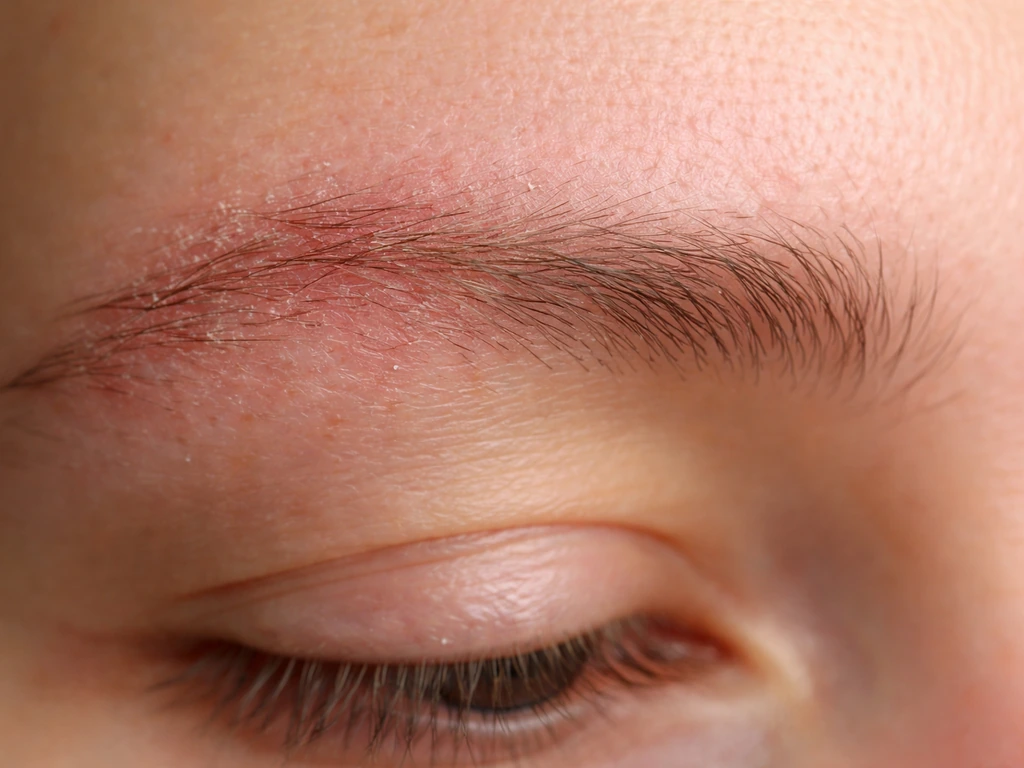
Slow or stalled regrowth usually comes down to one of a few things: follicle damage, an underlying skin or health condition, or simply the natural pace of the hair cycle working against your expectations.
Skin conditions are one of the most common culprits people overlook. Eczema (atopic dermatitis) around the brow area causes inflammation that disrupts follicle function and can directly contribute to eyebrow and eyelash hair loss, a condition sometimes called madarosis. Rubbing or scratching itchy skin near the brows adds mechanical trauma on top of that inflammation. Treating the underlying dermatitis is central to getting regrowth back on track for these cases.
Alopecia areata can also show up as patchy eyebrow loss, sometimes before it becomes obvious elsewhere on the scalp. Patchy hair loss on the eyebrows can be an early sign of alopecia areata, and symptoms may include itching, tingling, or burning before the patches appear patchy eyebrow hair loss can be an early sign of alopecia areata. It's an autoimmune condition where the immune system attacks hair follicles. Patchy loss with any preceding itching, tingling, or burning sensations is a signal worth taking to a dermatologist rather than waiting out.
Other causes include hormonal and thyroid changes, nutritional deficiencies, infections, and certain medications. Then there are scarring alopecias like frontal fibrosing alopecia, where the follicle itself is destroyed by fibrosis, making hair loss in that area potentially permanent. That's the scenario where early diagnosis really matters.
- Autoimmune conditions (alopecia areata)
- Skin inflammation from eczema or contact dermatitis
- Hormonal imbalances, including thyroid dysfunction
- Nutritional deficiencies
- Mechanical trauma from rubbing or scratching
- Scarring conditions like frontal fibrosing alopecia
- Chronic cosmetic or chemical irritant exposure
- Trichotillomania (compulsive hair pulling)
What shaving, waxing, and overplucking actually do to your brows
Shaving cuts the hair at the surface of the skin and does not touch the follicle at all. A 1999 study specifically looked at what happens after completely shaving an eyebrow and found that full regrowth is possible, which makes sense because the follicle underneath was never harmed. The hair grows back the same way it was before. The thicker-looking stubble you notice is just the blunt cut edge, not a change in the actual hair.
Waxing and tweezing are a different story. Both methods pull the hair out from the root, which means the follicle experiences trauma with every session. Done occasionally, the follicle recovers. Done repeatedly over years, especially with the tight skin pulling involved in waxing, you can end up with chronic follicle trauma, surrounding tissue damage, and in some cases scarring. That's the real mechanism behind why some people who over-plucked their brows through the 1990s and early 2000s are still dealing with sparse brows decades later. The follicles either took lasting damage or were outright destroyed.
If you've been a heavy tweezer or waxer and your brows are slow to come back, the honest answer is that some of those follicles may not be coming back fully. Others are still viable but cycling very slowly. Giving them a genuine rest period of several months while supporting the skin around them is the best starting point before drawing conclusions.
Habits and home care that support regrowth
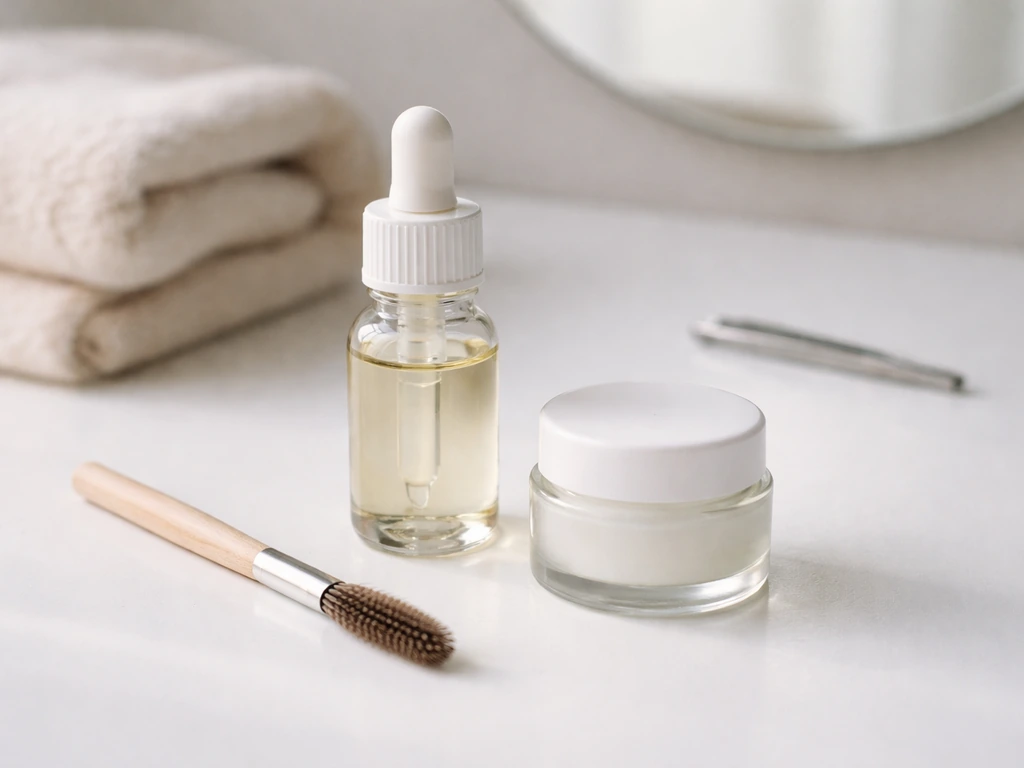
The single most important step is stopping the damage. If you're still tweezing every stray hair, put the tweezers away for at least three to four months. It takes that long for follicles in the telogen phase to even begin a new anagen cycle, let alone produce a visible hair. You can't out-treat continued trauma.
Keep the brow area clean but gentle. Avoid harsh exfoliants directly on the brow zone, don't scrub the area aggressively, and if you're using any products with strong actives (retinoids, AHAs, BHAs) in that region, keep them away from the brow itself since skin inflammation slows follicle recovery. If you have eczema or skin sensitivity in the area, treating that actively is more important than adding a growth serum.
General nutrition matters at a baseline level. Deficiencies in iron, biotin, zinc, and protein can impair hair growth across the body, eyebrows included. If your diet is reasonably balanced, supplementing aggressively is probably not going to make a visible difference. But if you've been restricting calories significantly or eating very little protein, that's worth addressing. Think of nutrition as the floor, not the ceiling, for brow growth.
Sleep and stress management also play into hair cycling through their effects on inflammation and hormonal regulation. This isn't a magic fix, but it's part of why giving your body overall stability supports brow recovery over the months it takes.
Evidence-based options: what works and what's overhyped
There's a wide spectrum of what's actually supported by evidence when it comes to eyebrow growth treatments. Here's an honest breakdown.
Castor oil
Castor oil is probably the most popular home remedy for brow growth, and the honest answer is that the evidence behind it is weak. Systematic reviews have found no strong evidence that castor oil meaningfully promotes hair growth. It can improve the appearance of existing hair by adding luster and reducing brittleness, which might make brows look slightly fuller, but it is not going to trigger dormant follicles or significantly speed up your cycle. If you enjoy using it and it doesn't irritate your skin, there's little downside. Just don't expect dramatic density changes from it alone.
Rosemary oil
Rosemary oil has more interesting early evidence than castor oil, with some studies on scalp hair suggesting it may influence circulation and growth signaling in follicles. The eyebrow-specific evidence is thin, but the mechanism is at least plausible. Diluted in a carrier oil (typically 1 to 2 drops per teaspoon of carrier), it's generally safe to apply to the brow area. Worth trying, but manage expectations: this is a supportive tool, not a clinical treatment.
Minoxidil

Topical minoxidil has actual randomized controlled trial evidence for eyebrow hypotrichosis. A double-blind, placebo-controlled study specifically tested minoxidil 2% lotion for eyebrow enhancement, and there are comparative trials against bimatoprost (a prostaglandin analog used in some prescription brow and lash products). Minoxidil is thought to extend the anagen phase of the hair cycle, effectively giving follicles more active growth time. Results in these trials are measured in months, with meaningful changes appearing around months four to seven. If you don't see improvement after four months of consistent use, that's the point to discuss further options with a clinician.
A few important caveats: minoxidil has a hypersensitivity contraindication, and you should not use it if the skin around your brows is broken or severely irritated. Some people experience facial hair growth in adjacent areas from topical application, so precise application matters. It's worth having a conversation with a dermatologist before starting, especially if your brow loss has an underlying cause that minoxidil alone won't address.
Bimatoprost and prescription options
Bimatoprost (originally developed as a glaucoma medication) is used off-label for eyebrow growth and has clinical trial data behind it. Maximum improvement in trial data was observed around Month 7. It's a prescription option in most markets, so accessing it requires a dermatologist or prescribing clinician. For people with medically documented eyebrow hypotrichosis, it's a legitimate evidence-supported path.
| Treatment | Evidence Level | Realistic Timeline | Key Caveat |
|---|---|---|---|
| Castor oil | Weak (no strong growth evidence) | Cosmetic improvement only | Improves appearance of existing hair, not regrowth |
| Rosemary oil | Preliminary (mostly scalp data) | 3+ months to assess | Dilute properly; brow-specific data is limited |
| Minoxidil 2% topical | Moderate (RCT evidence for brows) | 4 to 7 months | Patch test first; avoid broken skin; talk to a dermatologist |
| Bimatoprost (prescription) | Good (RCT evidence for brows) | Up to 7 months for max effect | Requires prescription; off-label use for brows |
What's normal, what the timeline looks like, and when to get help
Normal eyebrow regrowth after shaving takes roughly four to six months to return to your baseline density, because follicles need to complete their cycle before visible coverage improves noticeably. After waxing or tweezing, the timeline is similar for a healthy follicle, but if there's been years of repeated trauma, that timeline can stretch considerably or be incomplete.
Gradual, even thinning with no other symptoms is often just genetics, aging, or slow recovery from grooming. If you're noticing patchy loss that showed up quickly, especially with any itching, burning, or tingling before the patches appeared, that's a flag for alopecia areata or another condition that needs evaluation rather than a wait-and-see approach.
Eyebrow loss accompanied by scaling, redness, or obvious skin changes in the area points toward a dermatologic cause like seborrheic dermatitis, eczema, or in some cases frontal fibrosing alopecia. The last one is particularly important to catch early because it involves scarring that can make loss permanent if it progresses untreated.
Trichotillomania, compulsive hair pulling, is another cause that looks different on exam (irregular breakage, hairs of different lengths) and warrants a different approach entirely, involving mental health support alongside dermatology.
A simple decision path based on your situation
- Recovering from shaving: Wait it out. Brows should return to baseline in four to six months with no intervention beyond keeping the area clean and irritation-free.
- Recovering from overplucking or years of waxing: Stop all grooming for at least three to four months. Consider a topical supportive approach (rosemary oil or minoxidil 2% if you want something with actual trial evidence). Reassess density after six months.
- Naturally thin or sparse brows with no history of damage: Look at family history first. If it's genetic, realistic thickening options include minoxidil or bimatoprost (both have evidence). Castor and rosemary oil are lower-risk starting points but set realistic expectations.
- Patchy or sudden loss: See a dermatologist. Don't wait six months and hope it resolves. Alopecia areata, frontal fibrosing alopecia, and thyroid-related loss all have specific treatments that work better when started early.
- Brow loss with skin symptoms (redness, scaling, itching): Treat the skin condition first. Follicles in inflamed skin recover once the inflammation is under control, and adding growth serums on top of active dermatitis is often counterproductive.
The biology of why we grow eyebrows comes full circle here: they're functional, they're tied to your identity, and the follicles that produce them are sensitive to exactly the things we do to them, from chronic tweezing to underlying skin inflammation. Does everyone grow a unibrow? That pattern also comes down to how your follicles develop and your individual brow shape. Understanding the cycle makes the timelines less frustrating and the treatment choices clearer. If your follicles are intact, you have real options. If something else is going on beneath the surface, getting that sorted is the fastest path to getting your brows back. If you are wondering how to grow eyebrows in newborns, the key is to be patient and focus on gentle skin care rather than using adult brow regrowth products.
FAQ
How long should I wait before I worry about slow eyebrow regrowth?
Eyebrows can look sparse for reasons that are not true hair loss, for example normal shedding in the staggered cycle, temporary inflammation, or over-lightly drawn brows. If you can see patchy gaps that persist beyond about 3 months after stopping tweezing or waxing, or you notice redness, scaling, or burning, treat it as a regrowth timeline issue plus a skin or follicle assessment.
Can I pluck one or two strays while my brows are growing back?
If you stop tweezing or waxing, avoid restarting even “just a few hairs” soon after. Follicles need time to complete the rest-to-growth transition, and repeated small traumas can keep a portion of follicles in a slow or stalled cycling pattern. A practical rule is to keep hands off the brow for at least 3 to 4 months before judging results.
Why might minoxidil not work for my eyebrow loss?
Minoxidil and prescription options may help if follicles are still present and can cycle, but they will not reverse scarring alopecias where the follicle structure is destroyed. If you develop shiny smooth patches, progressive widening of the hairline, or thick scaling and redness that does not settle, you should get evaluated quickly before trying to self-treat.
What if my brows itch or look flaky, should I still use a growth product?
When the underlying cause is an inflammatory skin condition, growth serums alone often fail because the follicle environment stays irritated. In eczema or seborrheic dermatitis, controlling flare-ups with an appropriate anti-inflammatory plan usually improves regrowth odds. If symptoms include itch, burning, flaking, or persistent redness, prioritize treating the skin first.
Do eyebrows grow on the same schedule as eyelashes?
Eyelash and eyebrow growth timelines differ because brow follicles have a shorter active growth window. That means you can see eyelash changes without a matching eyebrow change, and vice versa. If both areas are affected after a disturbance, track eyebrows separately in months.
What signs suggest patchy eyebrow loss is more than normal shedding?
Brow shedding can be normal, but a sudden change is more concerning if it comes with symptoms or rapid widening of patches. Red flags include itching or tingling before loss, well-defined round patches, new hair loss elsewhere on the scalp, or skin scaling that spreads beyond the brow hairs.
If brows help with facial recognition, does losing a few hairs really change how others see me?
Not necessarily. The social role is linked to eyebrow appearance and how brows move, but face recognition studies often rely on the pattern of brows rather than perfect density. That means you may feel “disoriented” because of how you look and move on a daily basis, even if the loss is partial.
How can I tell if eyebrow loss is from hair pulling versus normal follicle shedding?
If you suspect trichotillomania, the key clue is irregular breakage and hairs of different lengths, not a uniform thinning pattern. Treatment typically combines behavioral or mental health support with dermatology input, because simply stopping damage to the skin alone may not address ongoing pulling.
Could a medication or infection be causing my brow thinning?
Yes. Some infections that inflame skin around follicles, plus medication side effects, can contribute to hypotrichosis or patchy loss. If the loss started after a new prescription or if you have crusting, tenderness, or drainage around the brow area, bring that history to a clinician.
What’s the safest skincare routine while waiting for regrowth?
Use simple, non-irritating routines during the recovery window. That usually means gentle cleansing, avoiding harsh exfoliants directly on the brow skin, and being cautious with strong actives like retinoids, AHAs, and BHAs near the hair-bearing area. If you want to try an oil, patch-test first because irritation can worsen inflammation and delay cycling.
Why does shaving make my brows look different sooner than waxing?
Make sure you can distinguish full regrowth from cosmetic change like thicker-looking stubble. After shaving, the hair cut edge can make regrowth seem thicker even while density is returning more gradually over several months. After waxing or tweezing, regrowth may be incomplete if follicles sustained repeated trauma, so timelines can be longer.
When should I see a dermatologist instead of waiting?
A clinician visit is especially important if there is scarring concern, fast progression, or any of these: eyebrow loss with redness and scaling, symptoms like burning or tingling, patchy sudden gaps, or loss in patterned areas around the hairline. Early evaluation can prevent permanent loss when scarring causes are possible.
Should I get labs for eyebrow regrowth?
If you have a history of thyroid disease, iron deficiency, or recent calorie restriction, it can be worth checking those basics through a clinician. While nutrition is a “floor” rather than a guaranteed “ceiling,” correcting significant deficits can improve overall hair cycling, including eyebrows, over subsequent months.
What should I do if I’m worried about a newborn’s eyebrow hair?
For newborns, the main approach is patience and gentle skin care, you generally should not use adult brow regrowth ingredients. The right response depends on whether the baby has a normal variant pattern or an inflammatory rash, scaling, or patchy loss that seems abnormal, in which case pediatric guidance is best.
Next Article
Does Everyone Grow a Unibrow? Causes and Growth Tips
Find out if unibrows are universal, why some people connect brows, and how to thicken center growth safely.