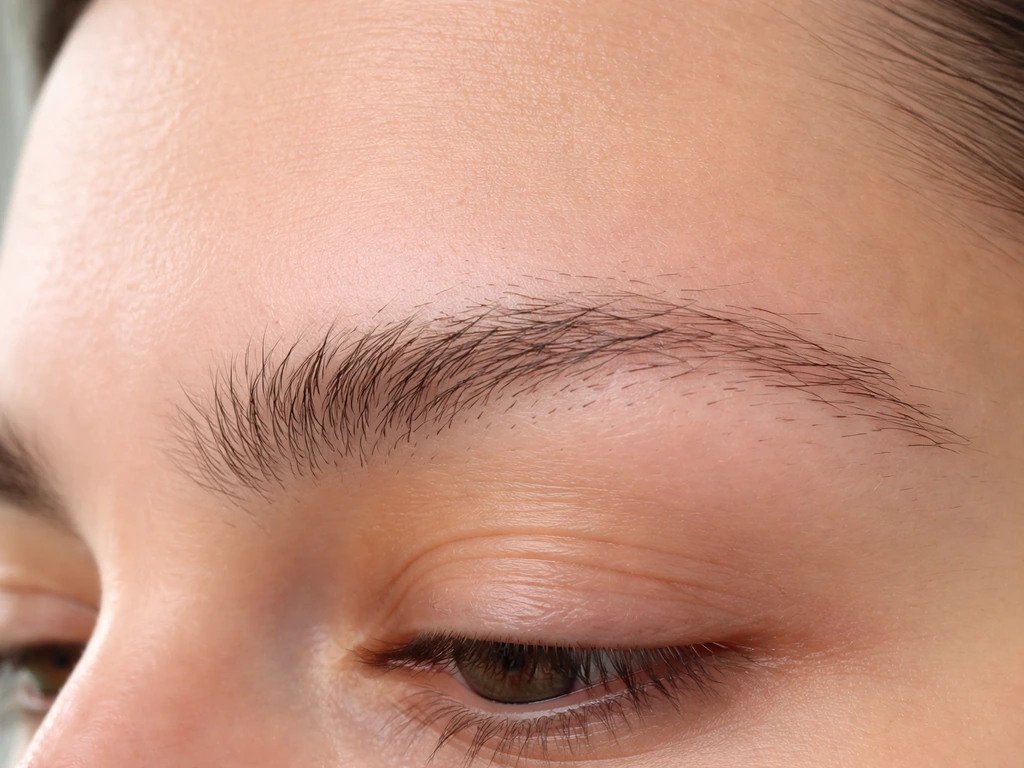
If your eyebrows aren't growing, the most likely explanation isn't that your follicles are dead. It's that they're resting. Eyebrow follicles spend roughly 90% of their time in a resting (telogen) phase, so "no visible growth" is actually the default state for most of your brow hairs on any given day. That said, there are real reasons brows stall, stop coming back, or thin out over time, and figuring out which situation you're in changes everything about what you should do next. p0s3 why don't eyebrows grow longer? (common causes) to compare with your situation, and decide what to do next based on whether growth is stalled or follicles are being lost over time..
Why Don’t My Eyebrows Grow Back? Causes and Fixes
James Whitmore
11 May 2026
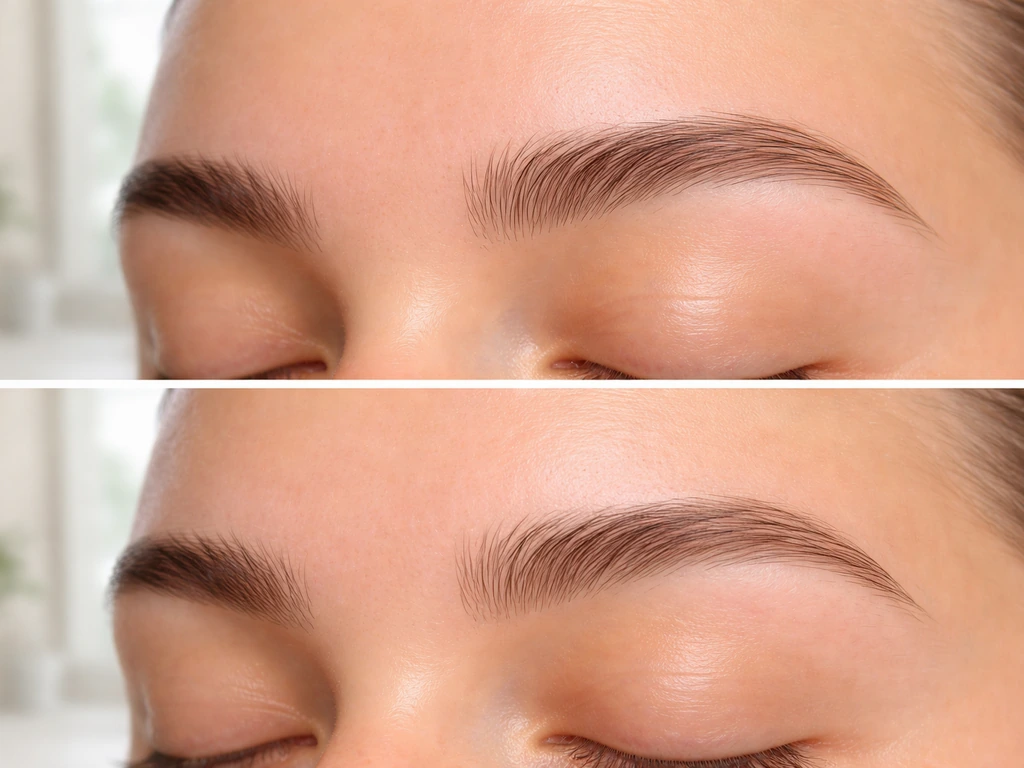
How eyebrow growth actually works (and what "stopped" usually means)
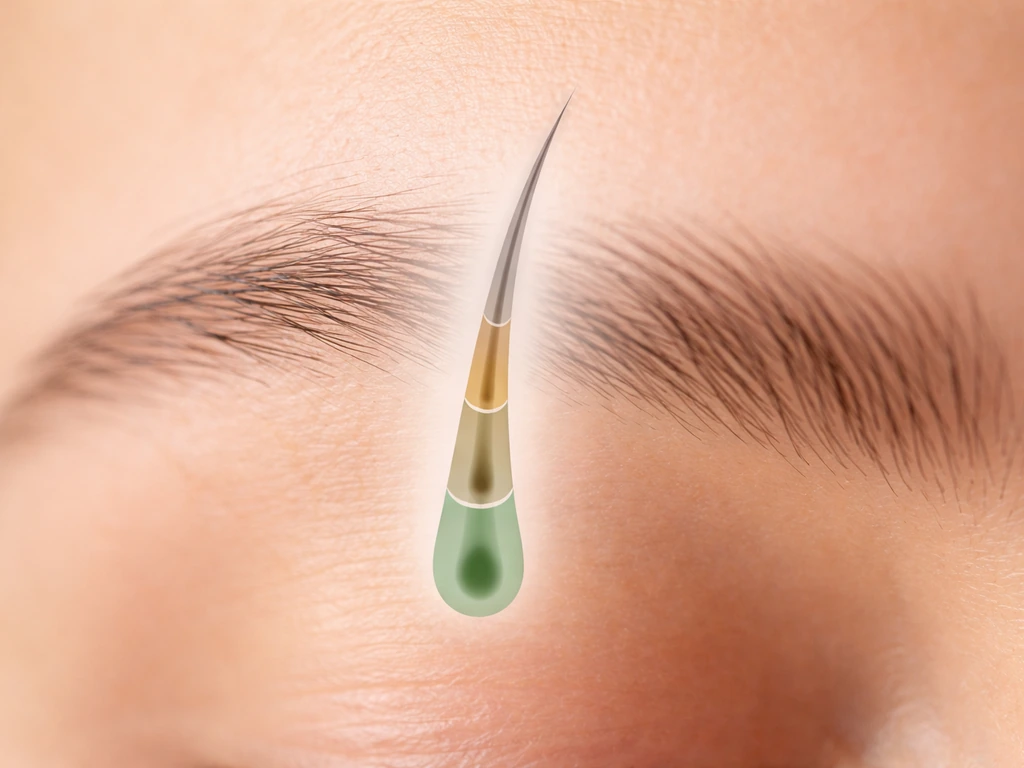
Every hair follicle cycles through three phases: anagen (active growth), catagen (a short transition), and telogen (rest). On your scalp, anagen can last 2 to 6 years, which is why your head hair grows long. Eyebrow follicles work very differently. Their anagen-to-telogen ratio is roughly 1:9, meaning a brow follicle spends about 10 times as long resting as it does actively growing.
The telogen phase alone lasts about 2 to 3 months, and the full eyebrow cycle is roughly 4 months. This is why eyebrows stay short and why any disruption to that cycle, whether from plucking, a skin condition, or a health issue, can look like growth has just stopped. Most of the time, the follicle is alive and cycling. It's just resting.
The practical distinction to understand is slowed growth versus lost follicle function. Slowed growth means the follicle is intact, cycling normally or just delayed, and hair will come back. Lost follicle function, usually from scarring, means the structural machinery is gone and regrowth is unlikely. Most people dealing with sparse or slow-growing brows are in the first category, not the second, even if it doesn't feel that way after months of waiting.
Common reasons brows don't grow or don't come back
Over-plucking and waxing
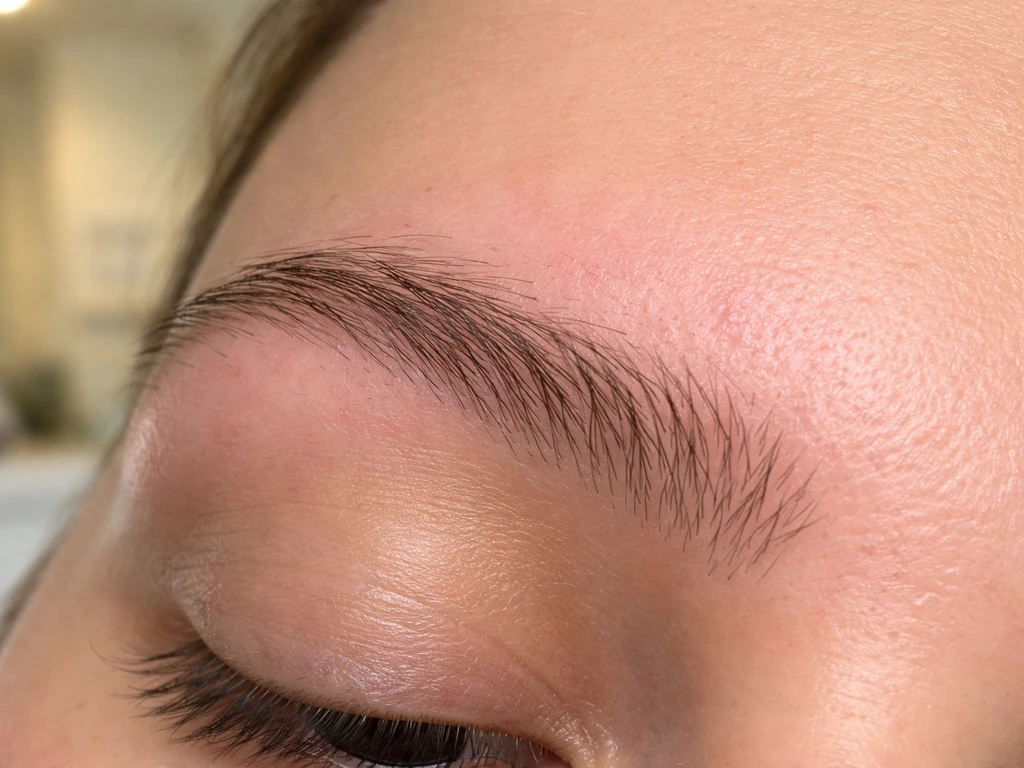
This is the most common cause, and it genuinely can cause permanent damage if done repeatedly over years. When you pluck or wax, you're pulling the hair out from the root. A single session just resets the follicle into a new telogen phase, so it eventually grows back. But repeated root removal over many years can cause scarring around the follicle, and once that scarring sets in, the follicle can no longer produce hair.
Dermatologists have documented this, noting that frequent plucking can scar the follicle and prevent regrowth. The key word is "can": early-stage over-plucked brows where you've just stopped plucking recently are usually still reversible. Years of aggressive, chronic over-plucking with visible skin texture changes in the brow area is a different story.
Waxing adds an extra layer of risk. Beyond root removal, wax can physically damage the skin barrier and, in some documented cases, cause severe inflammatory injury (burning, erosion, swelling) around the brow area. That kind of inflammatory trauma can affect the follicular structures beneath the skin and slow or prevent regrowth even after the visible injury heals.
Shaving
Shaving is actually the gentlest option in terms of follicle impact. Because a razor cuts the hair shaft at skin level without touching the root, the follicle stays intact and undisturbed. Shaved eyebrows don't grow back thicker, darker, or at a different rate than before (that's a myth). In fact, one study found that participants who completely shaved off one eyebrow had full regrowth by 6 months, with most seeing it sooner. If you shaved your brows and they seem slow to return, the 2 to 3 month telogen phase is the most likely explanation.
Physical trauma and scarring
Burns, cuts, or abrasion injuries directly over the brow can destroy follicles. Once a follicle is physically destroyed and replaced with scar tissue, it will not regenerate hair. This is the clearest case of permanent loss. If you have a visible scar running through your brow, that specific area is unlikely to regrow on its own, though eyebrow restoration procedures are an option in severe cases.
Skin and health causes you might not have considered
Skin conditions: dermatitis, seborrheic dermatitis, and folliculitis
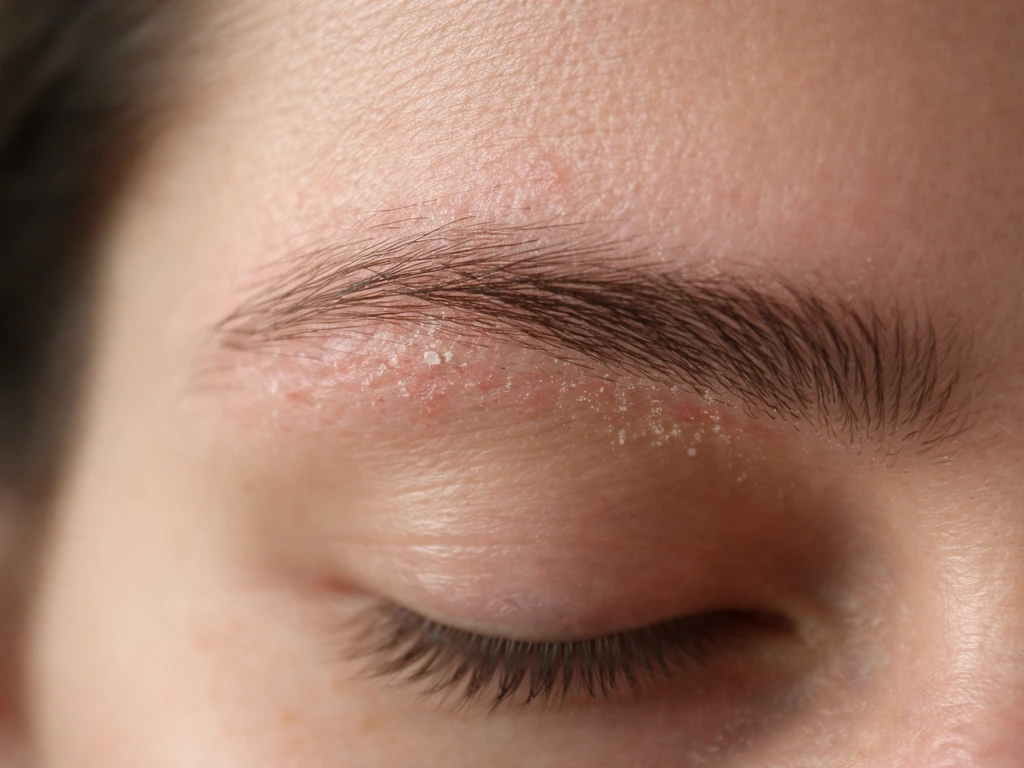
Chronic inflammation of the skin around and over the follicle is one of the more overlooked reasons brows thin or stall. Seborrheic dermatitis (the condition behind eyebrow dandruff, that flaky, sometimes itchy skin on your brows) is driven by Malassezia yeast overgrowth and causes low-grade, ongoing inflammation that can disrupt the local follicle environment. [Seborrheic dermatitis often affects the beard and eyebrow area](https://www. merckmanuals.
com/professional/dermatologic-disorders/dermatitis/seborrheic-dermatitis? qt=seborrheic+dermatitis) similarly to the scalp, and milder cases may be controlled with 2% ketoconazole cream applied twice daily, with continued or restarted treatment because the condition can recur. Contact dermatitis from brow products, makeup, or topical treatments can do the same. Folliculitis (infected or inflamed follicles) in the brow area is another possible culprit, especially if you notice small red bumps.
None of these conditions automatically cause permanent loss, but untreated and persistent inflammation can eventually lead to scarring if it goes on long enough.
Alopecia areata
Alopecia areata is an autoimmune condition where your immune system mistakenly attacks hair follicles. It can cause patchy brow loss, sometimes in distinct oval or irregular patches, and it can affect the brows without causing scalp hair loss at all. The good news is that alopecia areata is non-scarring, meaning the follicles are still there and capable of producing hair. Regrowth is possible, though unpredictable and often requires treatment. A dermatologist can confirm this diagnosis and discuss options.
Thyroid and hormonal issues
Thyroid dysfunction is one of the most commonly missed medical causes of eyebrow thinning. Both hypothyroidism and hyperthyroidism can disrupt the hair growth cycle across the whole body, including brows. A classic clue for hypothyroidism specifically is thinning or loss at the outer third of the eyebrow (the tail end, toward your temples). This happens on both sides and usually comes on gradually. PCOS (polycystic ovary syndrome) can also affect brow and scalp hair through androgenic changes, though the pattern there is often more diffuse. If your brow thinning is paired with fatigue, weight changes, or menstrual irregularities, a hormone workup is worth having.
Nutrient gaps
Biotin deficiency gets most of the attention, but vitamin D, iron, and zinc deficiencies are all associated with hair loss and can affect brows alongside scalp hair. If you've recently gone through a restrictive diet, had surgery, or are recovering from an illness, nutritional gaps are worth investigating. A basic blood panel can identify most of these.
Medications
Certain medications can cause eyebrow thinning as a side effect, including retinoids (like tretinoin or isotretinoin), some blood thinners, chemotherapy drugs, beta-blockers, and certain antidepressants. If your brow thinning started after beginning a new medication, that timing is significant and worth discussing with the prescribing doctor.
Scarring alopecias
Conditions like lichen planopilaris and frontal fibrosing alopecia are scarring alopecias that can affect the brows, often alongside the frontal hairline. These are less common but important because they cause permanent follicle destruction. Frontal fibrosing alopecia in particular often presents with gradual recession of the hairline and simultaneous eyebrow loss, sometimes with mild redness or scaling at the brow margin. Early diagnosis matters here because treatment can slow progression even if it can't reverse already-scarred follicles.
Realistic timelines for regrowing brows
The honest answer is: longer than you want. Here's a practical breakdown based on the cause.
| Cause | Likely Reversible? | Typical Timeline |
|---|---|---|
| Shaving | Yes, almost always | 4 to 6 months for full density |
| Recent over-plucking (stopped recently) | Usually yes | 3 to 6 months per full cycle |
| Years of chronic over-plucking | Partial or variable | 6 to 12+ months; some areas may not return |
| Waxing with minor skin injury | Usually yes | 3 to 6 months |
| Waxing with significant skin/inflammatory damage | Uncertain; depends on scarring | 6 to 12+ months or partial |
| Alopecia areata (non-scarring) | Often yes, with treatment | Variable; months to over a year |
| Thyroid/hormonal imbalance | Yes, if treated | 3 to 6 months after levels normalize |
| Nutrient deficiency | Yes, if corrected | 3 to 6 months after supplementing |
| Scarring (physical trauma, scarring alopecia) | No (scarred areas) | Not expected without procedures |
| Medication side effect | Often yes, if medication changed | Varies; typically months after stopping |
The key benchmark to keep in mind: eyebrow follicles operate on roughly 4-month cycles. Even under perfect conditions, you're waiting for multiple cycles to see meaningful density changes. Visible regrowth typically starts appearing around 3 to 4 months, and near-full results (in cases where regrowth is possible) often take 8 to 12 months. If you're three weeks into waiting and frustrated, that frustration is valid, but it's also too early to conclude anything.
Self-check: figure out what's actually going on
Before you buy anything or change your routine, do this honest assessment. It takes about 10 minutes and will point you toward the right next step.
- Look at the pattern. Is the loss patchy (one area, one side, oval-shaped)? That pattern suggests alopecia areata or localized scarring. Is it diffuse and general across both brows? That's more consistent with hormonal, nutritional, or systemic causes. Is the outer third thinner than the inner? Think thyroid.
- Check the skin under and around your brows. Any flaking, scaling, or dandruff? That points to seborrheic dermatitis. Redness, itching, or small bumps? That's inflammation, possibly contact dermatitis or folliculitis. Shiny or smooth skin with no follicle openings visible? That's a sign of possible scarring.
- Take a photo under good lighting today and compare to photos from 3 to 6 months ago if you have them. This gives you real data instead of memory, which tends to distort.
- Think about your timeline. When did you last actively pluck or wax? Did the thinning start with a new product, medication, or health change? Has anything in your diet, stress level, or overall health shifted in the past 3 to 6 months?
- Check if any hairs are actively growing. Look closely in good lighting. Are there short new hairs (vellus or fine terminal hairs coming in)? That's a positive sign. If you see zero new hairs in an area after 4 or more months of not plucking, that's a flag worth taking seriously.
- Stop anything that could be causing damage right now. No plucking, no waxing, and if you're using a retinoid or new topical product near the brow, pause it temporarily to rule out irritation as a factor.
What to actually do: repair routines and real options
First priority: stop the damage
If you've been plucking or waxing, the single most impactful thing you can do is stop completely and give your follicles uninterrupted cycles. This sounds obvious but it's genuinely the foundation. No serum or oil will work against ongoing physical hair removal. Give it a minimum of 3 to 4 months of zero interference before evaluating whether growth is returning.
Managing skin inflammation
If you have flaking or scaling in the brow area, a 2% ketoconazole shampoo or cream (used as a brief wash-off or leave-on treatment) is the most evidence-based OTC approach for seborrheic dermatitis. Apply it to the affected brow area, let it sit for a few minutes, and rinse. Doing this two to three times a week is typically enough to manage it. For contact dermatitis (redness and itch from a product reaction), stop the suspected trigger immediately and apply a mild 1% hydrocortisone cream short-term to calm the inflammation. Calcineurin inhibitors like tacrolimus are a steroid-free alternative if irritation is ongoing around the brow or eye area, and a dermatologist can prescribe these.
Castor oil and rosemary oil: honest expectations
Castor oil is the most popular home remedy for eyebrow growth, and it's reasonable to try it, as long as your expectations are calibrated. It's rich in ricinoleic acid, which has anti-inflammatory properties that may support a healthier follicle environment. There's no strong clinical trial evidence that castor oil directly stimulates brow growth, but it's low-risk, inexpensive, and the lubrication it provides does help condition existing hairs. Apply a small amount to the brows nightly with a clean spoolie or your fingertip. Be careful near the eyes. Give it 2 to 3 months before deciding if it's helping.
Rosemary oil has more scientific backing than castor oil for hair growth. A well-cited study found rosemary oil comparable to 2% minoxidil for scalp hair growth over 6 months. The mechanism involves improved circulation and possible DHT-inhibiting effects. For brows, the evidence is extrapolated rather than direct, but using a diluted rosemary oil (2 to 3 drops of essential oil in a carrier oil like jojoba or castor oil) nightly is a reasonable, low-risk addition. Avoid applying undiluted essential oil near the eye area.
Minoxidil: the stronger option
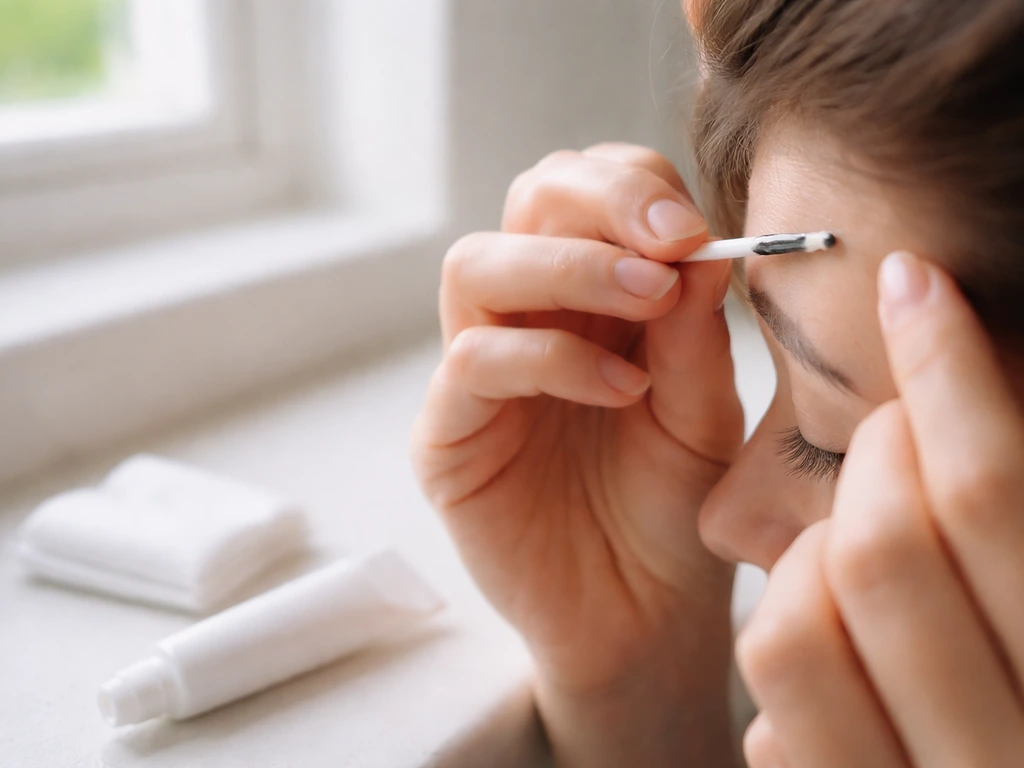
Minoxidil is the most pharmacologically active topical option available without a prescription. It's FDA-approved for scalp hair loss, but dermatologists use it off-label for eyebrow hypotrichosis and alopecia areata of the brows, and the Cleveland Clinic specifically mentions it as a clinician-recommended option for alopecia areata eyebrow loss. Research shows a dose-response effect in alopecia areata: roughly 38% regrowth response with 1% and 81% with 5% topical minoxidil in one study population. For eyebrows, the 2% or 5% solution or foam is typically used in a very small, carefully applied amount to the brow area once daily.
The caution with minoxidil on brows is real: because it's applied close to the eye and on a small, visible area, the risk of unwanted hypertrichosis (hair growing where you don't want it) and skin irritation is higher than with scalp use. It can also cause contact dermatitis in some people. If you want to try minoxidil for your brows, do it under a dermatologist's guidance, use the smallest effective amount (a drop applied with a cotton swab), and avoid getting it in your eyes. This is not a "slather it on and hope" product. It requires precision and monitoring.
Nutrition: fix the basics first
If you suspect a nutritional cause, start with a blood test rather than guessing which supplement to buy. Test for ferritin (iron stores), vitamin D (25-OH), zinc, and thyroid function. If deficiencies come back, correcting them through diet or targeted supplementation typically shows results in the hair 3 to 6 months after levels normalize. Biotin supplementation is widely marketed but only genuinely helpful if you're actually deficient, which is uncommon. Taking extra biotin when your levels are fine doesn't accelerate growth.
When to see a dermatologist (and what to ask for)
Some brow problems can't be diagnosed or treated through home routines, and waiting too long on the wrong approach wastes months. See a dermatologist if any of the following apply to you.
- You have patchy or asymmetric brow loss with no obvious mechanical cause (no plucking history that explains the pattern)
- You've stopped plucking and seen zero new growth after 4 to 6 months
- The skin in your brow area looks shiny, smooth, or atrophied with no visible follicle openings
- You have ongoing redness, itch, scaling, or small bumps in the brow area that haven't responded to basic OTC treatment
- Your brow thinning is paired with scalp hair loss, particularly recession along the frontal hairline
- You have symptoms suggesting a systemic cause: fatigue, weight changes, menstrual irregularities, or joint pain
- Your brow loss came on suddenly rather than gradually
- You've already tried conservative approaches for 3 to 6 months without any improvement
When you see the dermatologist, ask specifically about trichoscopy (dermoscopy of the brow area), which can visualize follicle structures and distinguish scarring from non-scarring loss without a biopsy in many cases. If trichoscopy isn't conclusive, a biopsy of the brow skin is the definitive way to determine whether follicles are still present and viable. Ask whether alopecia areata, frontal fibrosing alopecia, or lichen planopilaris has been considered, and whether a thyroid panel and basic nutrient labs are warranted based on your history. If minoxidil is appropriate for your case, ask about the right concentration and how to apply it safely near the eye area.
The bottom line: most cases of stalled eyebrow growth are temporary, cycle-related, or treatable. The resting-heavy nature of the brow growth cycle means "not growing" is often just the normal state between active phases. But if something is consistently wrong, including persistent thinning, skin changes, or zero recovery after months of good care, that's your signal to get a proper diagnosis rather than keep experimenting. The sooner a real cause is identified, the better your chances of recovery, especially if scarring is a factor.
FAQ
How long should I wait before I conclude my eyebrows won’t regrow?
If you stop plucking or waxing, give it at least 3 to 4 months to judge first signs of cycling. Visible density changes usually take 8 to 12 months even when regrowth is possible, so reevaluate too early only leads to unnecessary product changes.
Do eyebrows really grow back thicker if I shave them?
Shaving typically does not make brows grow back thicker, darker, or faster. It cuts at the hair shaft rather than the root, so if you see “stalled” regrowth, it is usually the normal resting phase rather than a permanent change.
What pattern of thinning should make me suspect an inflammatory or autoimmune cause?
Patchy, irregular loss can fit alopecia areata, especially if you notice distinct oval areas. Gradual outer-tail thinning on both sides often points toward thyroid-related issues, while persistent scaling, redness, or bumps suggests inflammatory skin conditions worth treating.
How can I tell if I have scarring loss versus non-scarring loss?
You cannot reliably tell by appearance alone. Dermatology uses trichoscopy to look at follicle structure, and if needed a biopsy can confirm whether follicles are still present. A key clue for scarring risk is long-standing skin changes over the brow, not just short-term shedding.
Is it safe to use multiple eyebrow treatments at once (like ketoconazole plus minoxidil)?
Usually it is safer to add one change at a time, because irritation or improvement can be harder to attribute when several products overlap. If using minoxidil near the eyes, introduce it carefully and monitor for burning, dryness, or new unwanted hair.
Can I just take biotin to fix slow eyebrow growth?
Biotin only helps if you are deficient, and true biotin deficiency is uncommon. If you want a supplement strategy, it is more efficient to start with labs (ferritin, vitamin D, zinc, and thyroid tests) rather than assuming biotin is the missing piece.
Does eyebrow makeup, sunscreen, or brow dye cause growth problems?
It can, especially if you develop contact dermatitis. If you notice itch, redness, or flaking after a specific product, stop that trigger first. Reactions can linger and aggravate the follicle environment even after you pause “growth” products.
If my brows are thin, should I avoid facial hair grooming tools like brow threading?
Yes, be cautious with any method that repeatedly removes hair from the root (threading, waxing, plucking). Repeated root trauma over years can contribute to scarring in susceptible people, so the most important step is eliminating root removal long enough to let follicles cycle.
What should I do if I see small bumps in my brows?
Small red bumps can suggest folliculitis or ongoing inflammation. Instead of trying random serums, treat the skin appropriately (for example, ketoconazole if it looks like seborrheic dermatitis) and consider a clinician visit if bumps persist or spread.
Will treating seborrheic dermatitis actually help eyebrow regrowth?
It can, but the timeline still follows the brow growth cycle. Managing flaking and inflammation two to three times weekly with an OTC antifungal approach can restore a healthier follicle environment, but you still need several months to see meaningful density changes.
When should I contact a dermatologist for eyebrow thinning?
Seek care if there is persistent thinning despite 3 to 4 months of no root removal, clear skin changes that do not settle, patchy loss, or signs that may indicate scarring alopecia. Early diagnosis is especially important if conditions like frontal fibrosing alopecia or lichen planopilaris are possible.
If my doctor prescribes minoxidil for brows, how do I avoid unwanted hair growth or eye irritation?
Use the smallest effective amount and apply with precision, keeping product away from the eye itself. Avoid “more is better,” because higher exposure increases the risk of hypertrichosis and contact dermatitis. Stop and seek advice if you get burning, redness, or swelling.
Next Article
Why Do My Eyebrows Grow So Fast? Regrowth Tips
Learn why brows seem to regrow fast after plucking and how to slow regrowth safely with realistic timelines and red flag