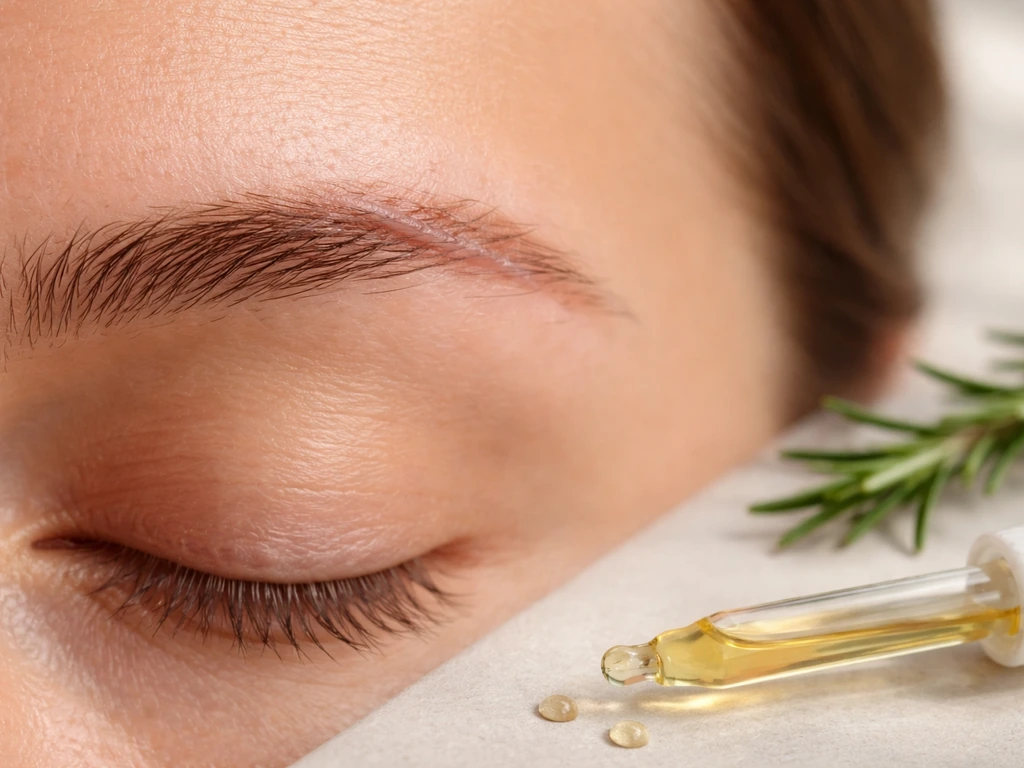
Yes, eyebrow hair grows back after microblading. The procedure does not permanently destroy hair follicles, so your natural brows will continue their normal growth cycle underneath the pigment. What most people are actually worried about, though, is the temporary shedding and patchiness that happens during the first 2 to 6 weeks of healing, that phase can look alarming, but it is a normal part of the process, not a sign that your brows are gone for good.
Do Eyebrows Grow Back After Microblading? Timeline, Signs, and Help
James Whitmore
5 Jul 2026
What microblading actually does to your brow hair and follicles
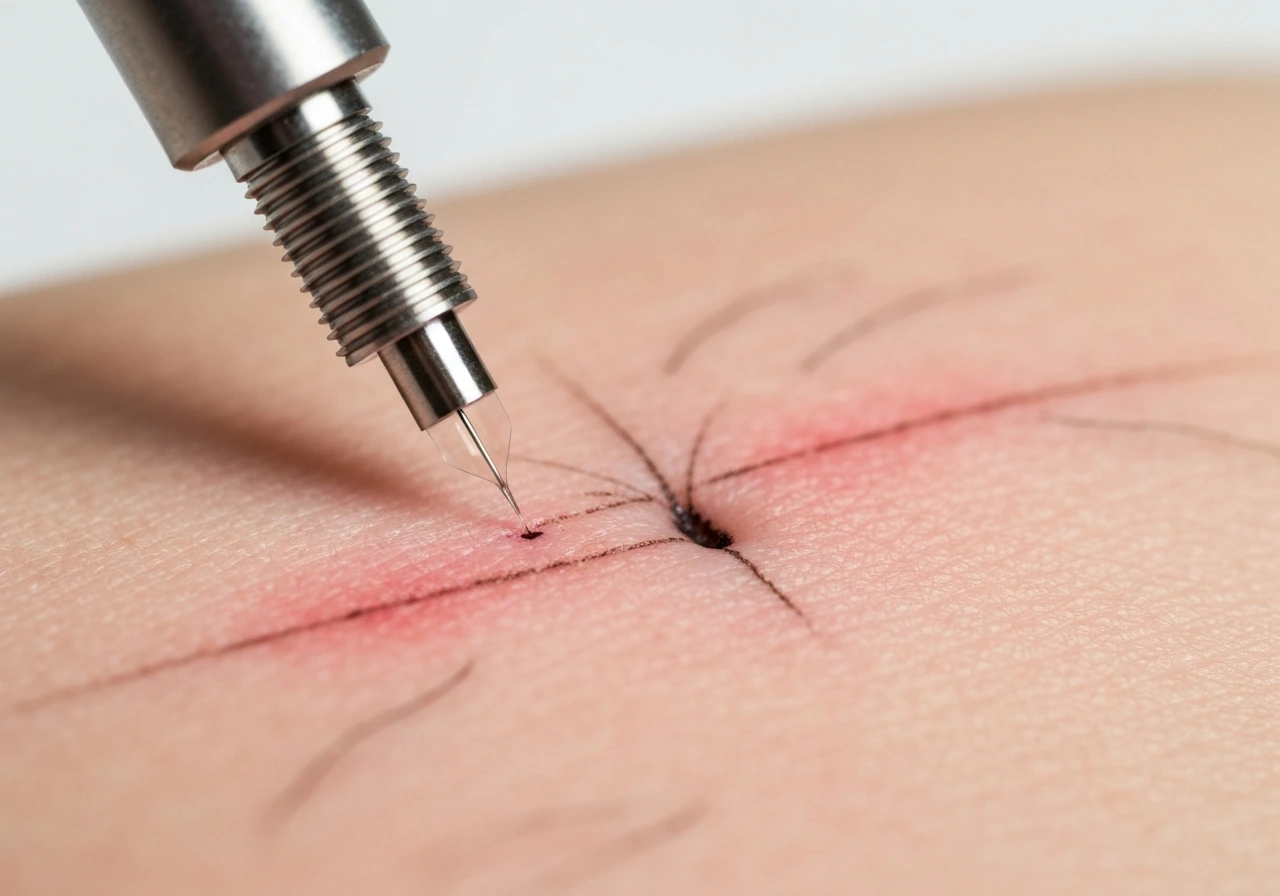
Microblading is a form of superficial micropigmentation. A manual tool with stacked fine needles makes small cuts in the skin and deposits pigment into the papillary dermis, which is just below the very top layers of skin. It is essentially a shallow semi-permanent tattoo designed to mimic individual hair strokes. The depth is deliberately kept superficial, that is what makes the results fade over 12 to 18 months and why touch-ups are needed, since the dermal lymphatics gradually clear the pigment over time.
Here is the part that trips people up: those tiny blade cuts are real micro-wounds. Your skin responds exactly the way it would to any wound, it triggers an inflammatory response, closes over the injury, forms a light scab or film, and then sheds that surface layer as new skin forms underneath. During this shedding phase, the pigmented strokes can look like they are disappearing, and the brow area may look lighter, patchy, or uneven. This is not your hair falling out. It is your skin's outer layer cycling through normal healing. The hair follicles sitting below the treated zone are largely unaffected by what happens at the papillary dermis level, so they keep doing their thing.
That said, the inflammatory process that follows any wound does briefly affect the tissue around hair follicles. In some cases, especially if microblading is done too aggressively or too deeply, or if an inflammatory reaction occurs, there can be temporary disruption to the local follicles. This is why technique, depth, and your skin's individual response all matter for how your brows look during and after healing.
What to expect week by week during healing
The healing timeline is pretty predictable. Knowing what is coming helps you avoid panicking and, more importantly, helps you avoid doing something that makes things worse (like picking at scabs).
| Timeframe | What You'll See | What's Actually Happening |
|---|---|---|
| Days 1–4 | Brows look bold, slightly swollen, possibly red | Pigment sitting at full color, skin beginning to close over micro-cuts |
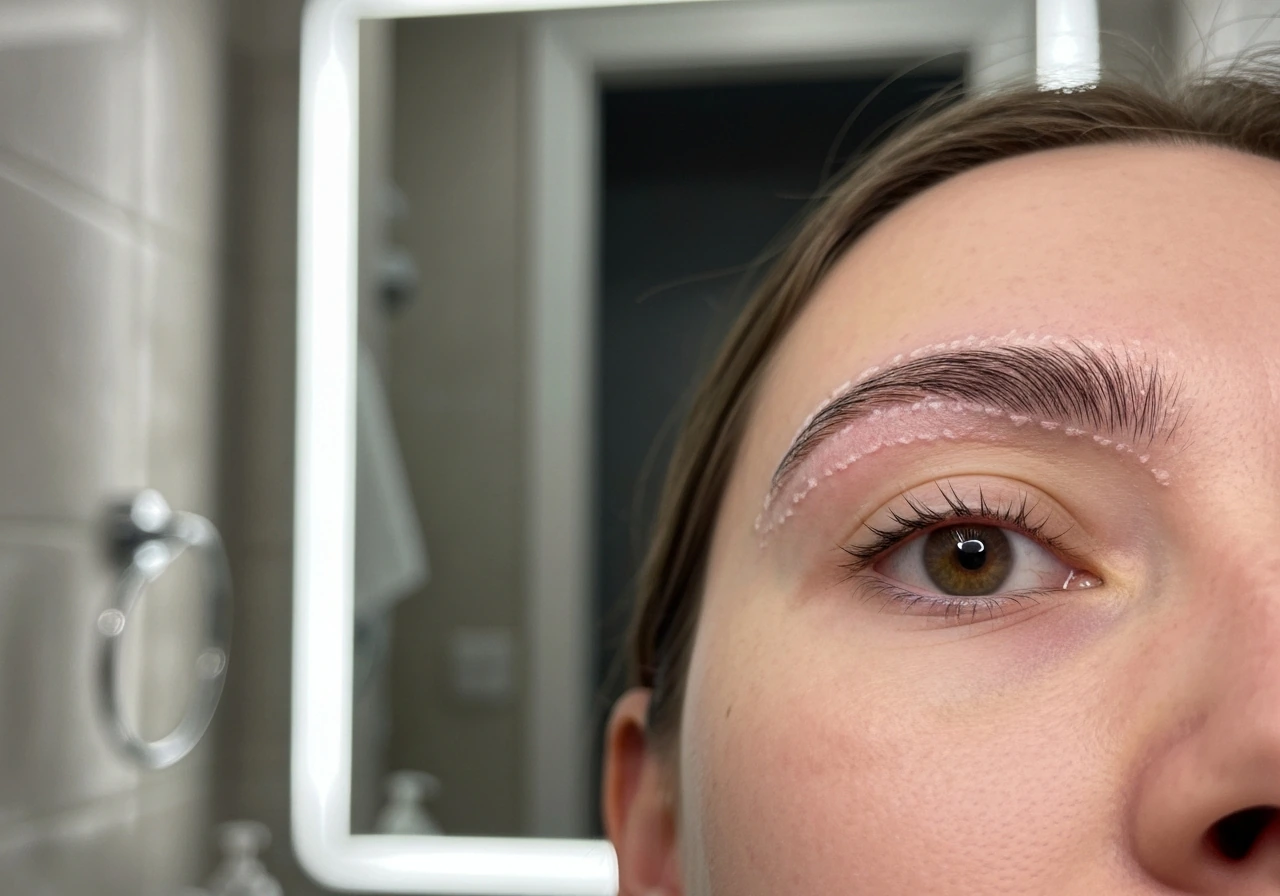
| Days 5–10 | Itching, flaking, light scabbing, brows look patchy or lighter | Skin shedding its top healing layer; pigment appears to fade — this is normal |
| Days 10–14 | Scabs fully shed, brows look ghost-like or very faint | Shiny new skin covers the strokes; pigment is still settling beneath |
| Weeks 2–4 | Color starts returning, strokes become more visible again | Skin normalizes, pigment stabilizes; some unevenness is still normal |
| Weeks 4–6 | Results look closer to final; natural hair grows as usual | Healing complete for most people; natural brow cycle unaffected |
| 6–8 weeks | Touch-up appointment window | Artist assesses healed results and fills any gaps |
The 'ghost brow' phase around days 10 to 14 is the one that sends people into a spiral. The brows can look almost invisible, and it feels like the whole procedure failed. It has not. The color comes back as healing finishes. This is extremely common and well-documented across every serious microblading aftercare protocol, it is temporary and tied to skin cycling, not to hair loss.
Reasons regrowth might be delayed or look incomplete
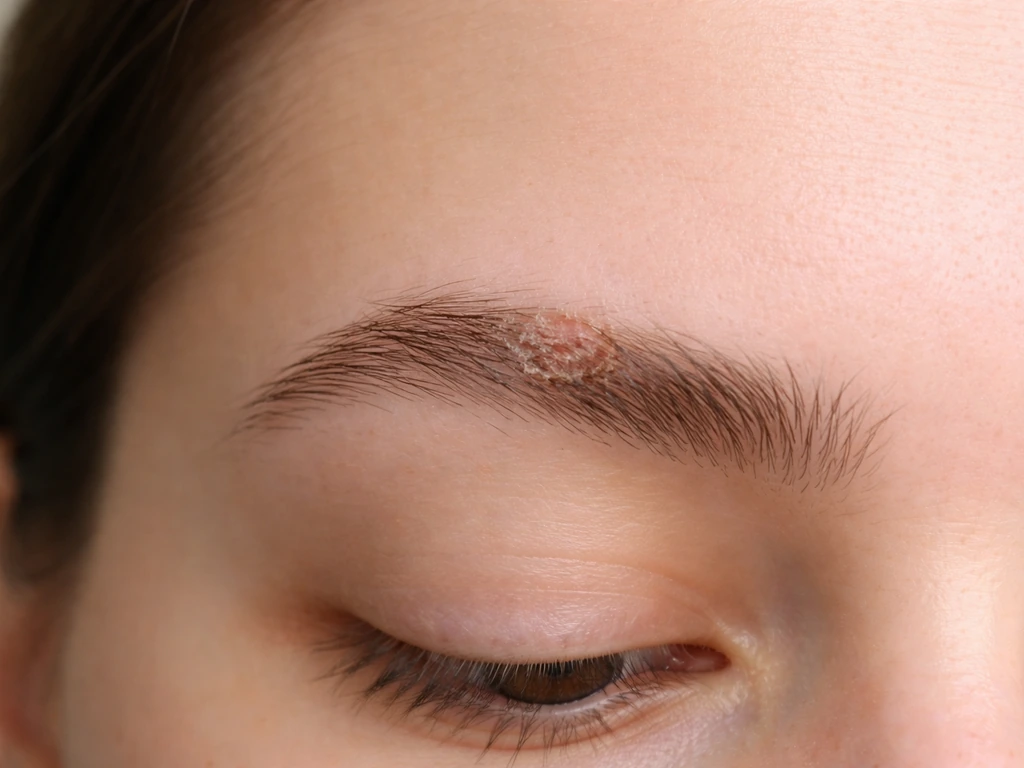
Most of the time, brows recover without issue. But there are real factors that can slow things down or make the outcome look uneven even after healing is done.
- Picking scabs or peeling flaking skin: This is the most common self-inflicted problem. Pulling off scabs before they shed on their own can pull pigment out of the skin, create uneven strokes, and in repeated or aggressive cases, cause minor scarring that may affect follicles underneath.
- Oily skin: People with naturally oilier skin tend to heal differently — the pigment can look softer or fade faster, and the strokes may not appear as crisp. It does not directly harm hair growth, but it changes how the final result looks.
- Depth and technique issues: If the blade goes too deep during the procedure, the wound is more significant and inflammation is more intense. This can temporarily disrupt follicles in the treated zone and in rare cases lead to scarring if healing goes wrong.
- Infection: Any open wound is vulnerable in the first 10 days. An infection in the brow area can delay healing, cause significant inflammation around follicles, and in serious cases create scar tissue that inhibits regrowth.
- Pre-existing sparse brows: Microblading draws the appearance of hair but does not create new hair. If your natural brows were already thin or had gaps before the procedure, those same gaps will still exist in your natural hair after healing. The pigment fills them visually, but the underlying follicle situation has not changed.
- Skin reactions to pigment: Allergic or granulomatous reactions to PMU pigments are uncommon but documented. These can cause prolonged inflammation, redness, and induration that disrupts normal healing and, in chronic cases, may affect follicle function.
- Genetics and age: Hair follicle density, cycle length, and regenerative capacity all vary by individual. Older skin heals more slowly and follicles may already be in a slower growth phase.
Normal healing versus signs something is wrong
Most people heal without any real complications, but it helps to know what normal looks like so you can catch a problem early if one develops.
Normal signs during healing
- Light scabbing or a thin flaking film between days 5 and 10
- Itching as the skin heals (common, avoid scratching)
- Patchy or very light appearance during the scab-shedding phase
- A shiny or slightly tight feeling after the flakes shed
- Uneven color in the first 3 to 4 weeks that gradually evens out
- Some strokes looking faded until the touch-up appointment
Signs that warrant attention
- Increasing redness, warmth, or swelling after day 3 (rather than decreasing) — this can signal infection
- Pus or oozing from the treated area
- Thick, raised, or hardened scabbing that will not resolve
- Persistent itching with bumps or hive-like reactions that appear weeks or months later — this can indicate a pigment allergy or granulomatous reaction
- Bald patches in your natural brow hair (not just faded pigment strokes) that remain after 8 to 10 weeks of complete healing
- Significant pain, especially if it starts after the first couple of days
The key distinction: if what you are seeing is about the pigment (fading, patchiness, light color), that is almost always a normal healing variation. If what you are seeing involves the skin itself (swelling, discharge, persistent inflammation, or actual missing hair after full healing), that needs professional attention. A scar on the eyebrow can sometimes limit regrowth, but if the follicles are intact it may still be possible for hair to come back scar on eyebrow will hair grow.
Aftercare: what to do and what to avoid
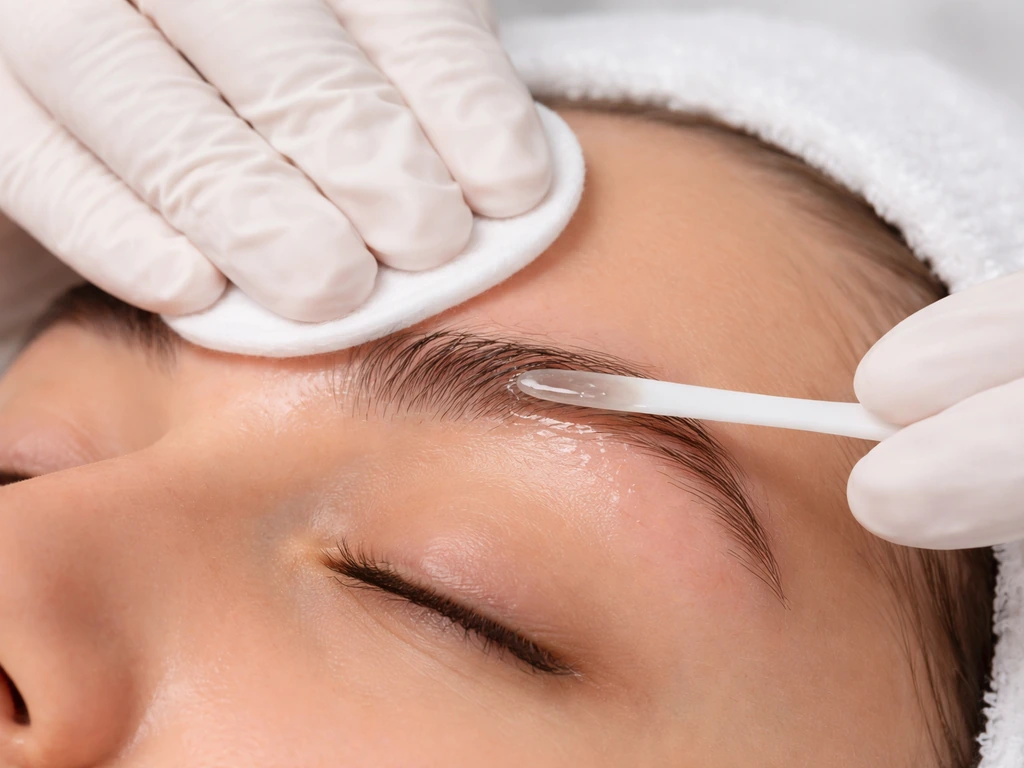
Aftercare has a direct impact on how well you heal and how your brows look long-term. The first 10 days are the most critical window.
What to do
- Clean gently twice a day using a mild, fragrance-free cleanser — use a patting motion, never rubbing or scrubbing
- Apply a very thin layer of aftercare balm or healing ointment using a clean applicator, not your fingers directly
- Let scabs and flakes shed on their own — do not pick, scratch, or peel
- Keep the area dry between cleansing sessions for the first several days
- After full healing (typically 4 to 6 weeks), apply SPF to protect pigment from UV degradation
What to avoid
- Sweating heavily: Avoid intense exercise, saunas, steam rooms, hot showers, and jacuzzis for at least 10 days — sweat introduces bacteria and can disrupt the healing film over the pigment
- Swimming or submerging the brow area: Pools, the ocean, and hot tubs for at least 10 full days
- Retinol and retinoids directly on the brow area: These accelerate cell turnover and will fade your pigment faster; stop using them on the brow zone during healing and ideally discuss ongoing use with your artist
- AHAs and BHAs (glycolic acid, salicylic acid): Same issue — they break down the outer skin layer and can pull pigment out prematurely
- Applying skincare or makeup products over the healing area until it is fully closed
- Sleeping face-down or pressing directly on the brow area while sleeping in the first week
How to encourage natural brow regrowth after microblading
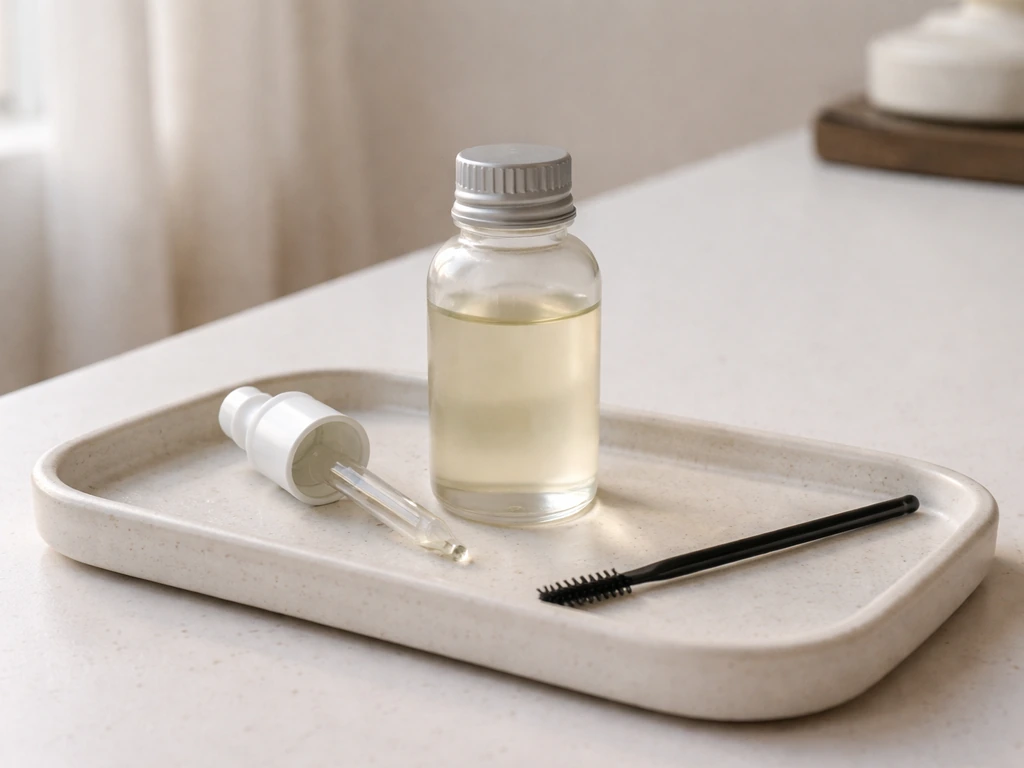
For most people, no active intervention is needed, the natural hair grows back on its own during and after healing. But if your brows were already thin before microblading, or if you had some disruption during healing, you might want to support the regrowth process. Wait until the brow area is fully healed (at minimum 4 to 6 weeks) before applying any growth-focused product to the area.
Minoxidil (off-label)
Minoxidil is the best-studied topical option for hair regrowth. It is FDA-approved for scalp use, but there is growing interest in its off-label use for eyebrow hypotrichosis, and some case series and small studies suggest it can produce modest improvement in brow density. The practical reality: it works better for people who have thinning due to follicle dormancy than for those with scarring or follicle destruction. If you want to try it, use a very low concentration (2% is the starting point most practitioners suggest for facial use), apply a tiny amount with a fingertip or cotton swab, and give it a consistent trial of at least 3 to 4 months before judging results. A real caution: minoxidil can cause contact allergic dermatitis in some users, so patch-test first and stop immediately if you develop redness, itching, or a rash. Also worth noting, minoxidil applied near the eyes should be done with care to avoid runoff.
Rosemary oil
Rosemary oil has the most credible evidence among the botanical options. A small but widely cited comparative study found it performed comparably to 2% minoxidil for scalp hair regrowth over 6 months, though eyebrow-specific evidence is thin. The mechanism is thought to involve improved circulation and possible DHT-inhibiting effects. The practical approach: dilute it well in a carrier oil (jojoba or sweet almond work well) before applying it to brow skin, a 2 to 3% dilution is a reasonable starting point. Do not apply undiluted essential oil directly to skin. Rosemary oil constituents can cause irritation and even contact allergic reactions in some people, so always patch-test on your inner wrist first. If you see any redness or itching, stop use.
Castor oil
Castor oil is probably the most popular home remedy for brows, but it has the weakest direct evidence. It is rich in ricinoleic acid, which has anti-inflammatory properties, and it works as a good occlusive that can protect delicate brow hairs and keep the skin moisturized. It is unlikely to dramatically regrow lost hair, but it is gentle, inexpensive, and unlikely to cause harm in most people. If you use it during the later healing phase (after full closure of the skin), apply a very thin layer with a clean spoolie. During active healing, skip it entirely.
Eyebrow growth serums
Peptide-based brow serums (look for ingredients like biotinoyl tripeptide-1 or myristoyl pentapeptide-17) are a step up from pure oil in terms of targeted action and have a decent safety profile for use on healed brow skin. They are a reasonable middle ground if you want something more active than castor oil but are not ready to try minoxidil. Results are gradual, expect 8 to 12 weeks of consistent daily use before making a call on whether it is working.
The basics still matter
Nutrition, sleep, and stress levels all feed into hair growth. Iron deficiency, thyroid issues, and chronic stress are among the most common overlooked reasons for slow brow regrowth. If your brows are not bouncing back despite good aftercare and a few months of patience, a blood panel is worth discussing with your doctor, it rules out systemic causes before you go deeper into topical treatments.
When to go back to your artist or see a dermatologist
Your microblading artist should be your first call for anything that seems like an outcome or healing issue, especially in the first 8 weeks. They have seen hundreds of healing brows and can quickly distinguish between normal variation and something that needs attention. Book your touch-up at 6 to 8 weeks post-procedure regardless, this appointment is where gaps, uneven fading, and color corrections are addressed, and it is built into the process by design.
Go to a dermatologist if you see any of the following: signs of infection that are worsening rather than improving after a couple of days (increasing redness, swelling, discharge), a reaction that appears weeks or months after the procedure (this can indicate a delayed pigment allergy or granulomatous reaction), persistent bald patches in your natural brow hair that have not resolved by 10 to 12 weeks after full healing, or any raised, hard, or nodular skin changes over the treated area. Granulomatous reactions to permanent makeup pigments, while uncommon, can persist for months and require medical treatment, they will not resolve on their own.
If you had brows that were already sparse or had patchiness before microblading, and you are noticing that the areas without natural hair still look thin after healing, a dermatologist can assess whether your follicles are dormant (potentially responsive to treatment) or whether scarring from a prior cause is involved. That context matters a lot for choosing the right next step, whether that is minoxidil, a prescription option, or managing expectations with continued microblading maintenance. Related concerns like scarring in the brow zone and whether hair can regrow through or around scar tissue are worth exploring separately if that applies to your situation. If your concern is a true eyebrow scar, the natural approach to growing hair may differ, so follow a scar-focused plan such as how to grow hair on eyebrow scar naturally.
FAQ
How long after microblading should I expect to see actual regrowth of eyebrow hair?
If you are already fully healed (about 4 to 6 weeks) and you still see persistent gaps that do not improve by roughly 10 to 12 weeks, that is more than normal pigment shedding. At that point, ask your artist to review the pattern, and if it is still missing hair, a dermatologist can check whether follicles are dormant versus scarred.
Will my brows look worse before they look better, and does that mean my eyebrows will not grow back?
Yes, but the way the “full” result looks can be misleading. In the early weeks, the pigment can fade and shed with the skin surface, making it seem like there is no hair. Focus on the skin (healthy healing versus signs of irritation or infection), and remember that the ghost brow phase around days 10 to 14 often resolves as healing finishes.
What should I avoid doing during healing if I want my brows to grow back evenly?
Picking can worsen both pigment retention and the look of regrowth. When you remove scabs or the top healing film too early, you can interrupt the healing layer, increase uneven patchiness, and raise the risk of inflammation that temporarily affects nearby follicles.
Can I start using eyebrow growth products right away after microblading?
Aftercare products that you apply too soon or too aggressively can delay healing. Stick to your artist’s instructions for the first 10 days, and if you want to try a growth-support product (like minoxidil or a serum), wait until the skin is fully healed, usually at least 4 to 6 weeks.
Is minoxidil likely to work if my brows do not come back after microblading?
Minoxidil is more likely to help when the follicles are alive but temporarily underperforming, such as after dormancy. It is less effective when hair loss is caused by scarring or true follicle destruction. If your brows were already thin before the procedure, discuss this with a dermatologist before expecting dramatic changes.
What are the safety risks of using minoxidil on eyebrows near the eyes?
Yes, irritation is a real possibility, especially near the eye area. Patch-test first (for example, on your inner wrist), use only a tiny amount to avoid runoff, and stop immediately if you get redness, itching, or a rash.
Can I use rosemary oil directly on my eyebrows, and how do I know it is safe for my skin?
Rosemary oil can help some people as a gentle option, but undiluted essential oil can cause contact dermatitis. Use a proper dilution (commonly 2 to 3% in a carrier oil), patch-test first, and discontinue if you notice burning, itching, or redness.
Will castor oil bring back eyebrows that shed after microblading?
Castor oil is unlikely to “regrow” major amounts of missing hair, but it may support comfort by moisturizing and protecting delicate hairs during the later healing stage. Apply only after full closure of the skin (skip during active healing), and use a very thin layer to avoid clogging or irritation.
What delayed side effects would suggest my patchiness is not just normal healing?
Yes, delayed reactions can happen. If you develop persistent bumps, firm raised areas, hard nodules, or worsening inflammation weeks or months after the procedure, do not assume it is just normal pigment settling, see a dermatologist promptly.
When should I book a microblading touch-up if my brows look patchy?
Touch-ups are designed to correct uneven fading and gaps once healing is complete, typically scheduled around 6 to 8 weeks. If your brows are still in the ghost-brow stage earlier than that, wait it out, but do not skip the planned review appointment.
Does having thin or sparse brows beforehand change whether hair will grow back after microblading?
If your natural brow hair was sparse before microblading, you may need a different strategy than someone who started with thick brows. A clinician can evaluate whether follicles are dormant (potentially responsive to treatments) versus scarred (which changes expectations and options).
Next Article
How to Grow Hair on Eyebrow Scar Naturally: A Guide
Natural steps to regrow eyebrow hair on scars, from scar type checks to castor or rosemary oil routines and safe timelin