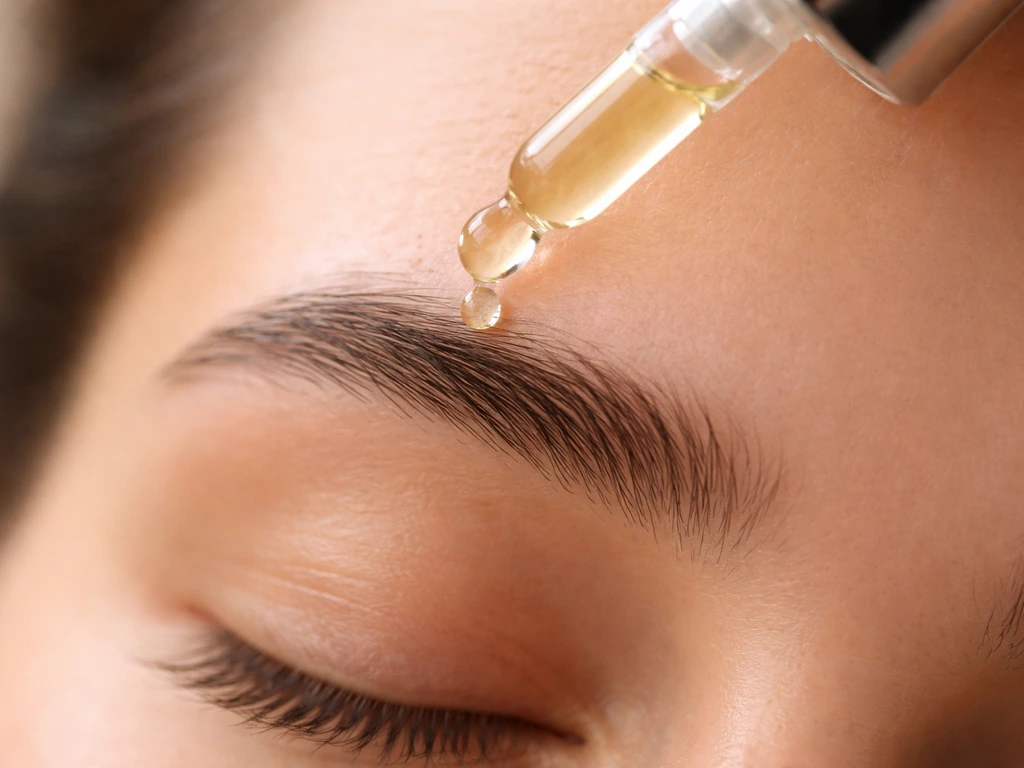
Whether hair can grow back on an eyebrow scar depends heavily on how deep the scar goes. Shallow scars from shaving nicks, minor cuts, or over-plucking often do allow some regrowth because the hair follicles underneath survived. Deep scars, especially those where the skin was replaced by dense fibrous tissue, may have permanently destroyed follicles in that area, meaning natural regrowth is limited or impossible. That said, there is still a lot you can do at home to encourage whatever regrowth is biologically possible, improve the skin condition around the scar, and give follicles the best environment to recover.
How to Grow Hair on Eyebrow Scar Naturally: A Guide
James Whitmore
24 Jun 2026
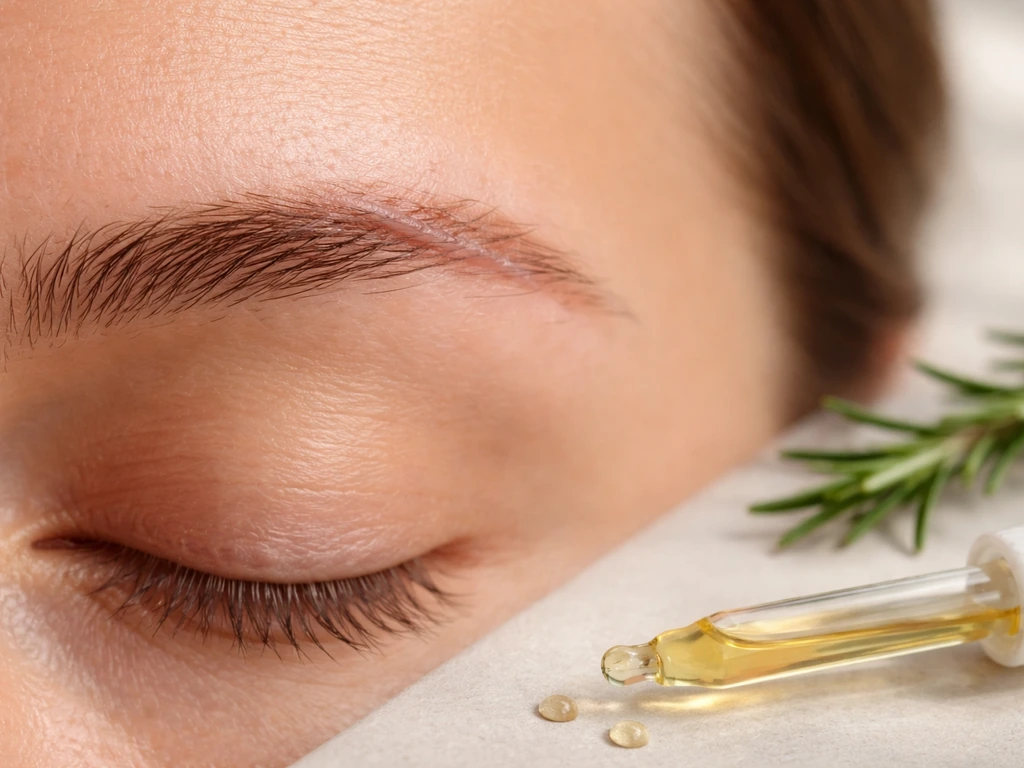
Eyebrow scar vs. just sparse brows: why it matters
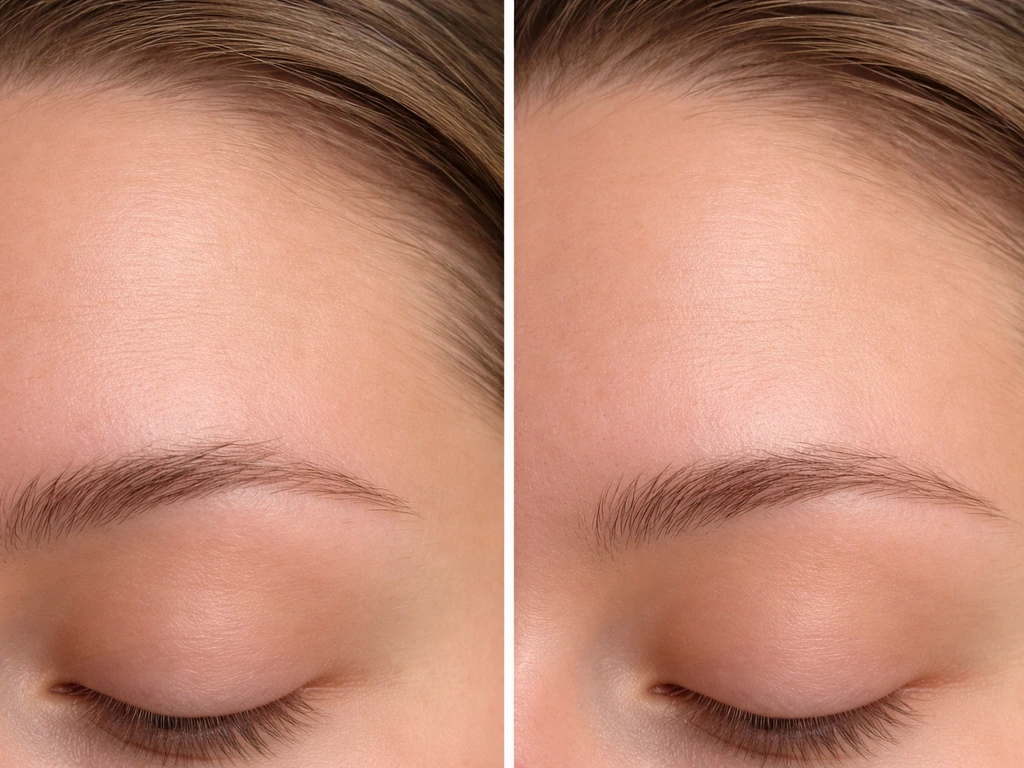
This distinction is worth nailing down before you start any routine, because the approach differs quite a bit. Sparse, thin eyebrows without any injury history are usually a follicle activity problem, meaning follicles are still present but dormant or miniaturized, often from genetics, hormonal changes, or nutritional deficiency. Scar tissue is a different problem: the skin itself has been remodeled during wound healing, and whether follicles survived depends on how deeply the injury went.
Wound healing happens in phases: an initial inflammatory response, a proliferative phase where new skin forms, and then a remodeling phase where collagen reorganizes over months. During that remodeling, scar tissue can compress or replace follicles, especially if the wound was deep. Shallow scars, including most shaving cuts and minor waxing irritation, typically spare the follicle bulb, which sits a few millimeters beneath the skin surface. Deeper trauma, like lacerations, surgical scars, severe burns, or complications from cosmetic procedures such as microblading or micropigmentation, can disrupt follicles more significantly.
Common real-world causes of eyebrow scarring include accidental razor nicks while shaving, waxing burns or allergic reactions, repeated aggressive plucking that damaged the follicle, piercings, and cosmetic tattooing procedures gone wrong. Each leaves a different type of scar, and the scar type actually matters for your approach.
| Scar Type | What It Looks Like | Follicle Impact | Regrowth Potential |
|---|---|---|---|
| Flat/superficial scar | Smooth, slightly discolored, flush with skin | Follicles often intact | Good with consistent care |
| Hypertrophic scar | Raised, red, stays within wound boundary | Partial follicle damage likely | Moderate, may need extra help |
| Keloid scar | Raised, hard, grows beyond original wound | Significant follicle disruption | Low without professional treatment |
| Atrophic scar | Sunken, pitted, below skin surface | Follicles often destroyed | Low to none naturally |
Realistic expectations and a honest timeline
Here is the part most articles skip: the timeline is slow, and results are not guaranteed. Eyebrow hair grows roughly 0.14 mm per day, which is slower than scalp hair, so even in ideal conditions you are looking at weeks before you notice any fuzz and months before you can judge real density. If follicles in the scar area were preserved, consistent natural care could produce visible improvement in about 3 to 6 months. If follicles were significantly damaged, no amount of castor oil or massage will regenerate them from scratch, though wound-induced hair follicle neogenesis (a process where some follicle regeneration can occur after wounding) is a real biological phenomenon, it is not reliable or predictable enough to bank on.
Scars themselves also keep changing. Hypertrophic scars can take months to years to soften and flatten on their own. Keloids rarely improve without treatment. So your plan should account for the fact that the scar itself may still be evolving, especially in the first year after the injury. If your scar is fresh, less than 3 months old, focus on proper wound care and healing first, and save the growth-stimulation routine for after the wound has fully re-epithelialized (closed over with new skin).
Build the foundation: scar-friendly skin healing basics
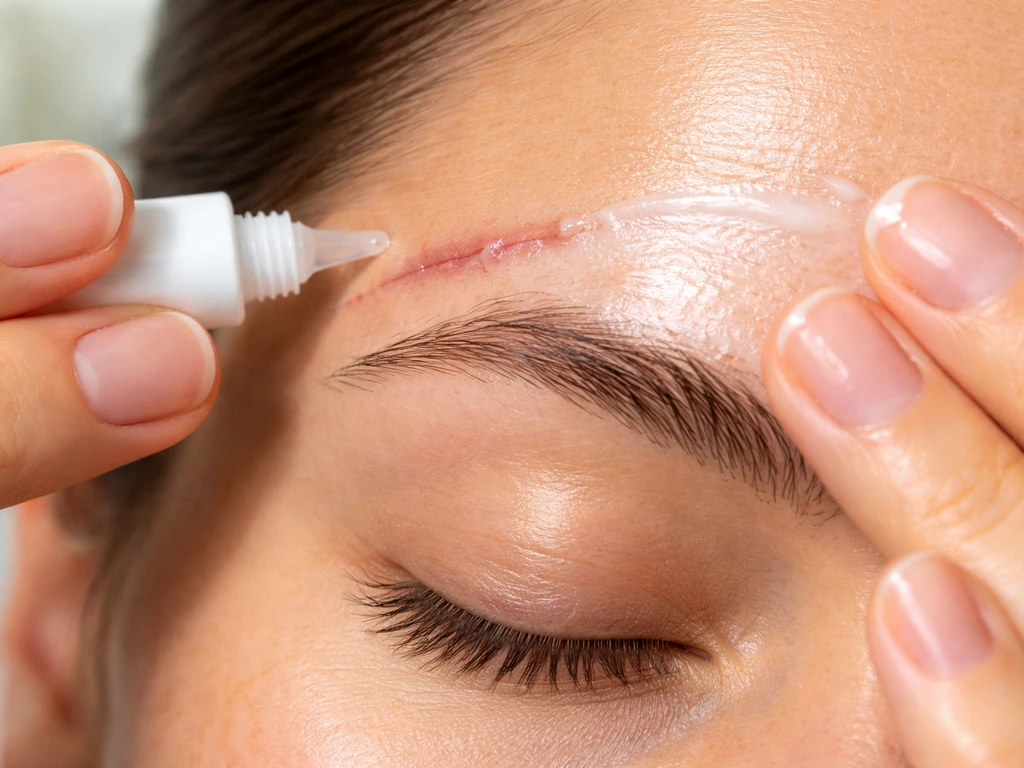
Before layering on oils or supplements, get the basics right. These are the steps that actually shape what your scar becomes before you ever add a growth serum.
- Protect from the sun. Scar tissue reacts differently to UV than normal skin and can darken significantly. Apply SPF 30 or higher to the scar area once it has healed. The AAD and dermatology programs at major medical centers consistently flag this as one of the most impactful things you can do for scar appearance.
- Keep the area moisturized. Hydrated skin remodels more smoothly. A simple fragrance-free moisturizer applied twice daily supports the environment follicles need.
- Consider silicone gel products. Silicone gel sheets and silicone ointments have been used in scar management since the 1980s and are considered a first-line option for hypertrophic and minor keloid scars by the AAD and other clinical guidelines. They work by maintaining moisture and reducing collagen overproduction. A sheet is typically used for 6 to 8 weeks before needing replacement.
- Do not pick or re-injure the area. Repeated trauma slows remodeling and deepens scarring.
- Patch test everything. Scar tissue can be more reactive than healthy skin.
Natural oils and ingredients: what they actually do
Castor oil and rosemary oil are the two most commonly recommended natural options for eyebrow growth, and both are worth understanding honestly before you commit to a routine.
Castor oil
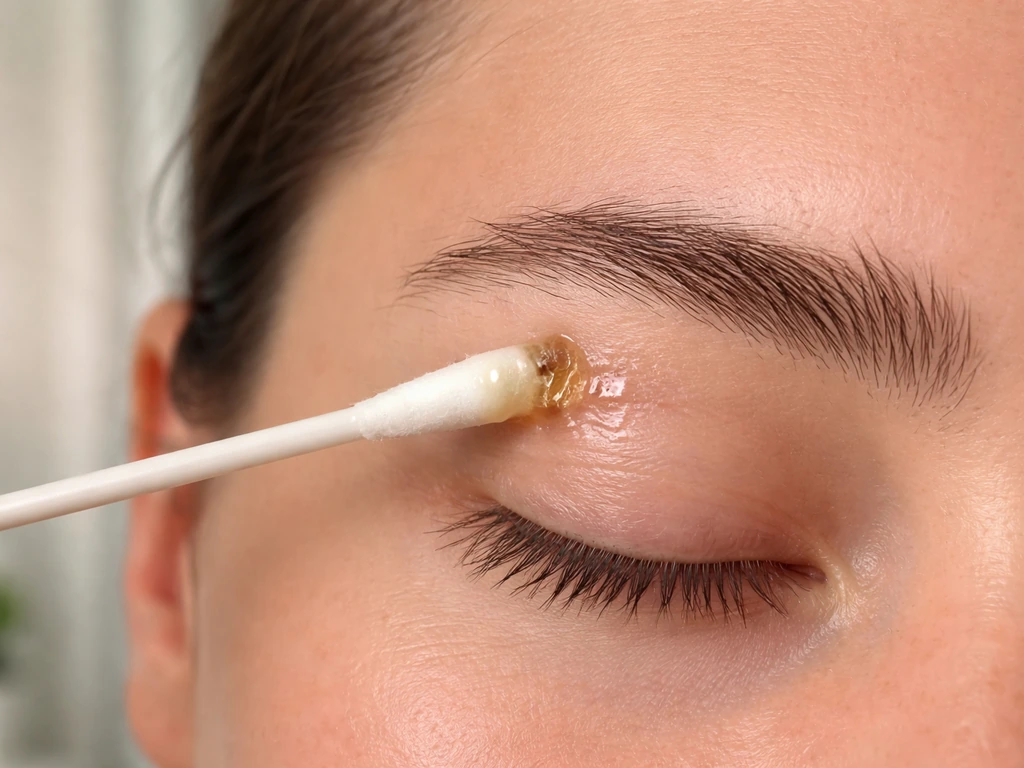
Castor oil's main value on scar tissue is as a moisturizing, occlusive agent. It is thick and helps lock in hydration, which softens scar tissue over time and creates a more favorable environment around surviving follicles. The idea that it directly accelerates hair growth is mostly anecdotal. Cleveland Clinic and Healthline both note that scientific evidence for castor oil meaningfully speeding hair growth is lacking. That said, the moisturizing and mild anti-inflammatory properties are real benefits for healing scar skin, so it earns a place in the routine for those reasons, not miracle growth claims. One important caveat: pure castor oil can cause irritation and allergic contact dermatitis in some people, so always patch test on the inner arm before applying it to your face.
How to apply castor oil to an eyebrow scar
- Patch test first: apply a small amount to your inner arm, wait 24 hours, and check for redness or itching.
- Cleanse your brow area gently with a mild, fragrance-free cleanser and pat dry.
- Dip a clean spoolie or cotton swab into a small amount of castor oil (you need very little on a brow-sized area).
- Apply gently along the scar and the surrounding brow area, without pressing hard into the scar.
- Leave it on overnight, or at least for 1 to 2 hours before rinsing.
- Do this once daily. More frequent application does not improve results and increases irritation risk.
Rosemary oil
Rosemary oil has better clinical backing than castor oil for hair growth, at least for scalp hair. A randomized trial found rosemary oil performed comparably to 2% minoxidil for androgenetic alopecia over a study period, which is genuinely promising. However, that evidence is for non-scarred scalp hair, not eyebrow scar regrowth specifically, so extrapolating too directly would be overstepping. What it may do is stimulate blood circulation at the follicle level, which could help surviving follicles in and around a scar. Always dilute rosemary essential oil before applying to skin because undiluted essential oils can burn scar tissue. Real-world allergy cases with rosemary-containing products have been documented, so patch testing is non-negotiable here.
How to apply rosemary oil to an eyebrow scar
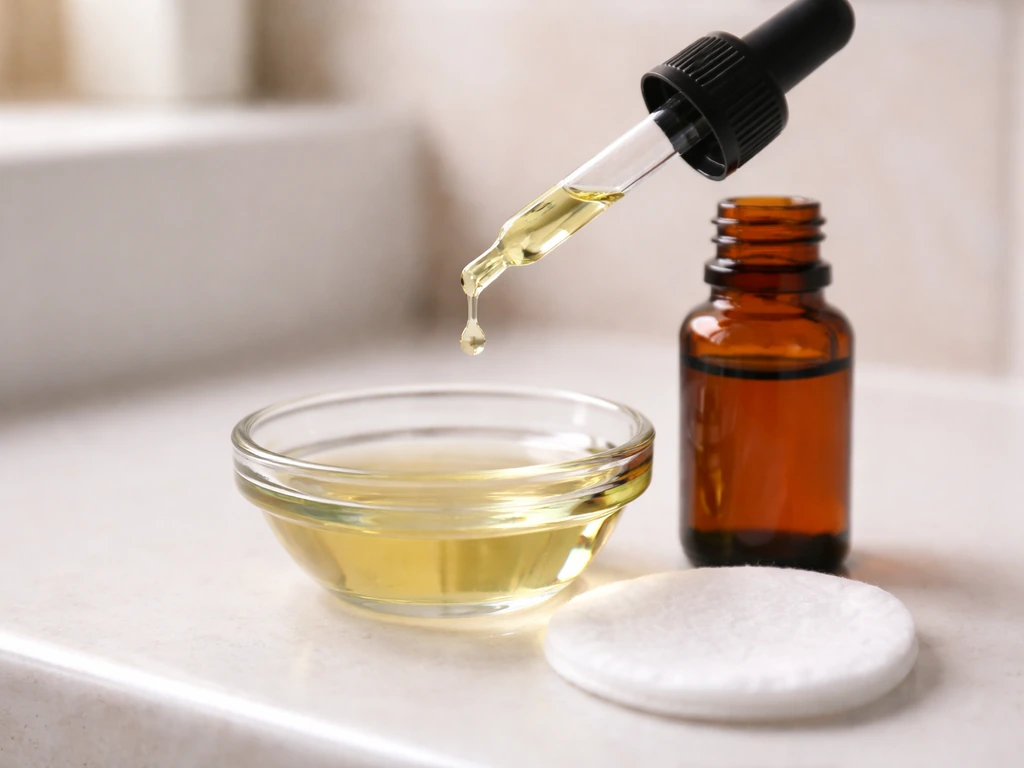
- Dilute rosemary essential oil to 2 to 3% in a carrier oil (for example, 2 to 3 drops of rosemary essential oil per teaspoon of jojoba oil or a light castor oil blend).
- Patch test the diluted mixture on your inner arm for 24 hours before using near your eyes.
- Apply a tiny amount to the brow scar and surrounding area using a clean spoolie or fingertip.
- Gently work it into the skin. Do not use aggressive rubbing on active scar tissue.
- Use once daily in the evening. Rinse in the morning.
- Reassess after 12 weeks. If you notice redness, increased sensitivity, or any reaction, stop immediately.
Massage and exfoliation for scar tissue: what to do and what to skip
Scar massage is a clinically recognized technique. The University of Michigan and Nationwide Children's Hospital both describe it as a method to soften tissue and break up dense collagen, which can improve the texture of a scar and potentially allow follicles that are compressed (rather than destroyed) to become more active. The key is doing it correctly, because aggressive manipulation of scar tissue causes more harm than good.
Do this
- Only massage a fully healed scar, meaning the wound is completely closed with no open skin, scabs, or crusting.
- Use a water-based or light moisturizer, not a heavy oil, when massaging, to reduce friction.
- Apply firm but even pressure with your fingertip in small circular motions along the scar line for 2 to 3 minutes per session.
- Aim for once or twice daily, which is consistent with the frequency described in clinical scar management programs.
- Be patient. Softening of scar tissue takes weeks to months, not days.
Skip these
- Do not use physical exfoliating scrubs directly on scar tissue. The abrasion can re-traumatize the skin.
- Do not massage a raised keloid scar aggressively. Keloids often do not respond to massage and can worsen with repeated irritation.
- Do not apply chemical exfoliants (AHAs, BHAs) to a healing or recently healed scar area near the eyes.
- Do not massage a scar that shows any signs of infection: redness spreading beyond the scar, warmth, swelling, pus, or pain that is getting worse rather than better.
- Do not try to use a dermaroller or microneedling device at home on an eyebrow scar. In a clinical setting these can help, but DIY use on facial scars near the eye carries real risk.
When natural is not enough: considering minoxidil and other options
After 3 to 4 months of consistent natural care with zero visible regrowth, it is reasonable to consider adding a clinically supported treatment. Topical minoxidil is the most accessible next step. Cleveland Clinic notes that clinicians may recommend topical minoxidil for eyebrow loss, and a comparative study of minoxidil versus bimatoprost for eyebrow hypotrichosis (sparse eyebrows) showed measurable efficacy for both. For eyebrow scarring specifically, evidence is thinner, but minoxidil may stimulate any surviving follicles in and around the scar. There are real limitations and cautions to know before you start.
- Minoxidil requires ongoing use. Mayo Clinic states that hair loss typically resumes within a few months of stopping treatment, so this is a long-term commitment, not a temporary fix.
- Keep it away from your eyes, nose, and mouth. This is especially important in the brow area given the proximity to the eye.
- It can cause irritation and allergic contact dermatitis, partly due to the propylene glycol in many liquid formulations. Foam versions may be better tolerated.
- It is available over the counter in 2% and 5% formulations. Starting with 2% on the face is more conservative.
- Always talk to a dermatologist before starting minoxidil on your face, especially over scar tissue.
If you have a raised hypertrophic scar or keloid, dermatologist-administered options such as intralesional corticosteroid injections (typically triamcinolone, given every 4 to 6 weeks) are first-line clinical treatments that can flatten the scar, potentially freeing compressed follicles. These are not home remedies, but they are worth knowing about because scar flattening sometimes needs to happen before any regrowth strategy can work. If you are curious about whether your eyebrows could recover after a cosmetic procedure like microblading, that question has its own nuances worth exploring separately.
Safety, warning signs, and when to see a professional
Most of the natural steps above are very low risk when done correctly, but there are situations where you need to stop what you are doing and get professional input. If you develop pus, spreading redness, increased pain or swelling, or fever after surgery, contact your surgeon promptly, and seek emergency help right away if symptoms are severe or life-threatening.
Stop and see a doctor if you notice
- Redness that is spreading outward beyond the scar area, increasing warmth or swelling, or pus or fluid collecting at the site. These are signs of infection.
- Fever or a feeling of general illness accompanying a wound that has not healed. Seek care promptly.
- A scar that is growing beyond its original boundaries (keloid behavior), or one that feels harder and more raised over time rather than softening.
- Any product reaction including hives, burning, blistering, or contact dermatitis after applying oils or treatments.
- No change whatsoever after 6 months of consistent care, which may indicate follicle destruction that natural methods cannot address.
What a dermatologist can offer that you cannot do at home
- Accurate scar classification and assessment of follicle viability.
- Intralesional corticosteroid injections to flatten hypertrophic scars and keloids.
- Platelet-rich plasma (PRP) therapy, which has emerging but promising evidence for hair regrowth.
- Laser treatments to improve scar texture and potentially improve follicle environment.
- Referral to a dermatologic surgeon for follicle transplantation in cases where follicles are permanently destroyed.
Your practical starting plan
Here is how to put this all together into something you can actually start today, assuming your wound is fully healed.
- Week 1: Patch test your chosen oil (castor, rosemary diluted in carrier, or both separately). Do not apply anything new to the scar before you know how your skin reacts.
- Weeks 2 to 12: Apply your oil of choice once daily in the evening. Add gentle scar massage for 2 to 3 minutes using a moisturizer, once or twice a day. Apply SPF 30+ to the area every morning.
- Month 3: Assess honestly. Are you seeing any fine hairs emerging in or around the scar? Is the scar tissue softening in texture? If yes, continue. If no visible change, consider booking a dermatologist appointment.
- Month 4 onward: If you and your doctor agree, consider adding topical minoxidil 2% to the routine. Continue monitoring and protect the area from sun daily.
- Month 6: Full reassessment. If there has been no meaningful regrowth and the scar is deep or significantly textured, a professional consultation about scar-targeted procedures is the logical next step.
Growing hair on an eyebrow scar naturally is genuinely possible in many cases, but it requires patience measured in months, not weeks, and honesty about what the scar tissue has actually done to the follicles underneath. Start simple, stay consistent, protect the skin, and know when to bring in professional support. That combination gives you the best realistic shot at filling in what was lost.
FAQ
How can I tell if my eyebrow scar is likely to allow hair regrowth naturally?
Look for clues that follicles likely survived: a flat scar that is the same color and texture as surrounding skin is more promising than a raised, firm, shiny, or very tight area. If the scar is new or still changing, give it time before judging. A dermatologist can assess follicle presence with an exam, sometimes dermoscopy, which helps predict whether home care is worth focusing on versus clinical treatment.
When is it safe to start oils or scar massage on an eyebrow scar?
Wait until the skin is fully closed, with no scabs, weeping, open edges, or active irritation. If it is less than about 3 months old, focus on wound and barrier care first, because remodeling is still ongoing and early aggressive stimulation can worsen thickening. If you are unsure, ask a clinician to confirm the scar has re-epithelialized.
Is it better to use castor oil, rosemary oil, or both on an eyebrow scar?
If you tolerate them, you can use castor oil mainly as a moisturizer to support the scar skin, and rosemary oil only if properly diluted and patch-tested, since essential oils can irritate. Many people do best starting with castor oil alone for 2 to 3 weeks, then adding diluted rosemary oil gradually if there is no redness, burning, or itching. Avoid combining new products all at once so you can identify triggers.
What dilution should I use for rosemary oil on eyebrow scar skin?
Use a dilution intended for facial skin, not straight essential oil. Common practice is about 0.5% to 1% dilution (for example, a few drops of rosemary oil in a carrier oil per teaspoon), then apply a very small amount. Because sensitivity varies, patch test first, and stop if you get stinging, swelling, or persistent redness.
How often should I massage an eyebrow scar, and what pressure is too much?
Use gentle, controlled motion rather than force. Start with short sessions (like 1 to 2 minutes, once daily or every other day) and increase only if the scar stays comfortable. If you notice increased soreness, itching, or the scar appears to get more raised after a week, reduce frequency or stop, because over-manipulation can worsen collagen remodeling.
Can eyebrow hair growth treatments make a keloid or hypertrophic scar worse?
They can if the scar becomes irritated or inflamed. Products that sting, essential oils used too strong, or aggressive massage can potentially increase redness and swelling, which may aggravate raised scars. If your scar is raised or tends to itch and thicken, prioritize scar-flattening strategies with a dermatologist, then re-evaluate growth options later.
If I see no new eyebrow hairs after 3 to 4 months, does that mean nothing will work?
Not necessarily. Growth is slow, and early changes may be subtle, like finer hairs or reduced spacing before noticeable density. Also, sparse regrowth may take longer to reach a visible thickness. Before giving up, double-check that your scar is fully healed, your routine is consistent, and you are not causing irritation that can undermine healing.
Are there signs that I should stop my natural routine and get medical advice?
Stop and seek input if you develop burning, blistering, worsening redness, increased swelling, discharge, spreading rash, or a scar that rapidly becomes more raised or painful. These can signal allergic contact dermatitis or an inflammatory response rather than a helpful remodeling effect.
Does microblading or other cosmetic tattooing affect existing scar tissue and possible regrowth?
It can. The trauma from cosmetic tattooing and pigment placement can irritate scar skin, potentially affecting ongoing remodeling, and it may be more likely to trigger problems on less-stable scars. If you are actively trying to encourage regrowth, wait until your scar is stable and fully healed, and consider discussing risk to the scar area with a qualified dermatologist or professional.
Can I combine minoxidil with natural scar care, and what should I avoid?
Often you can, but patch-test and introduce changes one at a time to monitor irritation. Avoid applying minoxidil over an actively healing or irritated scar, and avoid layering multiple new products that can increase stinging. If you get dryness, scaling, or redness, reduce frequency and consider switching to a gentler approach while you consult a clinician.
What nutrition or supplements help most for eyebrow loss related to scarring versus follicle miniaturization?
For true scarring, supplements cannot rebuild destroyed follicles reliably. Still, addressing deficiencies can support skin and overall hair health, especially if scarring is not the only factor. The practical step is to consider a basic workup if you suspect deficiency (for example, iron or thyroid issues), rather than relying on high-dose supplements without guidance.
Next Article
Does Vitamin E Oil Help Eyebrows Grow? Safe Routine & Timeline
Find out if vitamin E oil helps eyebrow growth, plus a safe routine, timelines, and what works better.