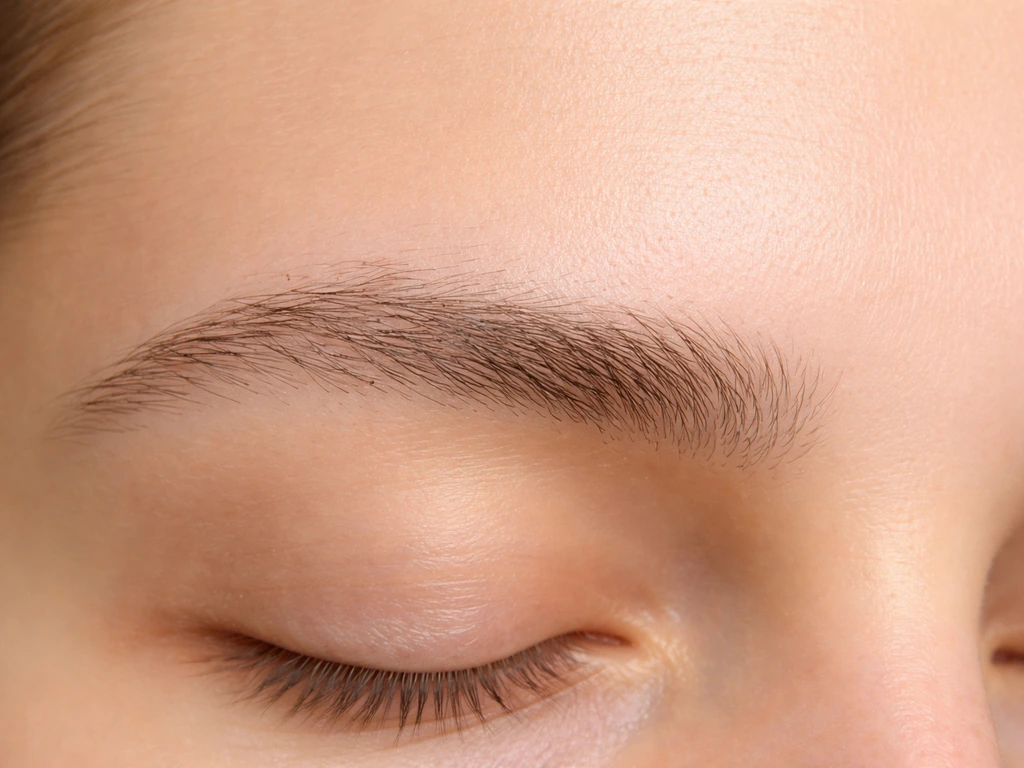
Shaving your eyebrows does not make them grow back thicker, darker, or faster. This is one of the most persistent myths in hair care, and both the Mayo Clinic and Cleveland Clinic are clear on it: shaving cuts the hair shaft at the skin surface and has zero effect on the follicle underneath. The follicle is what actually controls thickness, color, and growth rate, and a razor never touches it. What you're seeing when regrowth looks coarser or darker is an optical illusion caused by the blunt, flat tip of a cut hair catching light differently than a naturally tapered tip would.
Does Shaving Your Eyebrows Make Them Grow Back Thicker?
James Whitmore
19 May 2026
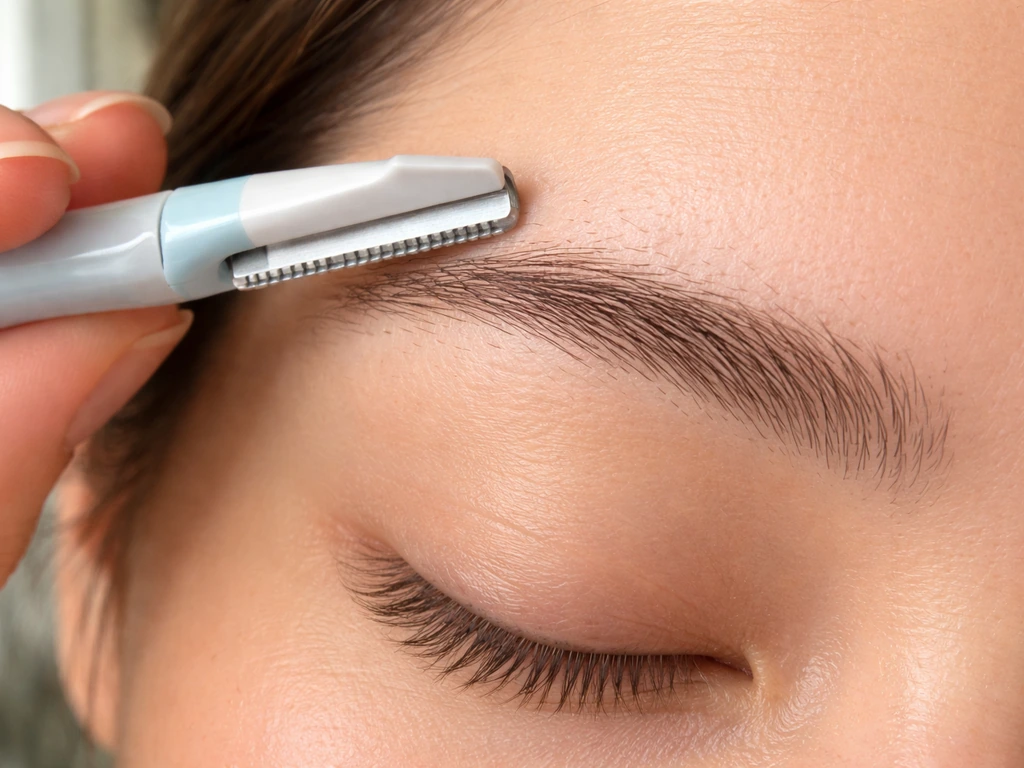
What shaving, plucking, waxing, and trimming actually do to your eyebrow hair
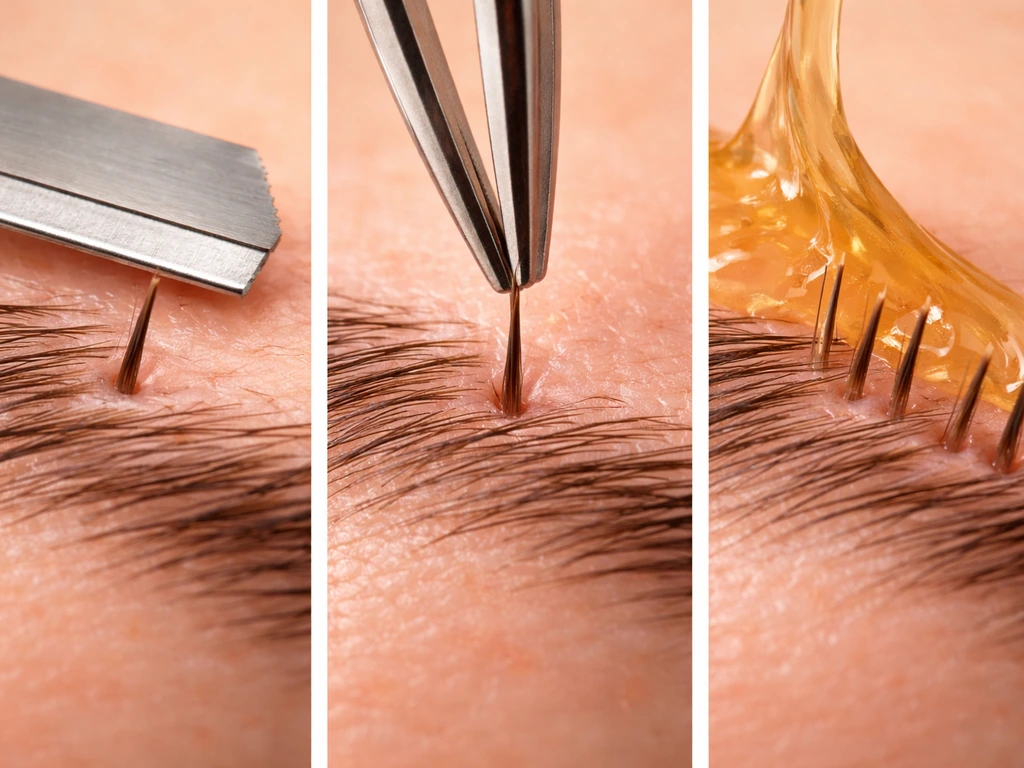
Every eyebrow hair you have sits inside a follicle, a tiny pocket in your skin that drives the entire growth process. The follicle determines your hair's diameter, pigment, and how long it will grow before resting. What happens above the skin surface, whether you cut it, pull it, or leave it alone, doesn't send any meaningful signal back down to the follicle to change those parameters.
Shaving slices the hair shaft at skin level, leaving a flat, blunt cross-section. That flat tip is wider than the naturally tapered end of an uncut hair, which is why stubble feels stubbly and looks more prominent. But the hair coming out of the follicle is exactly the same diameter it always was. Plucking and waxing go a step further: they pull the entire hair out of the follicle, root included.
This doesn't damage the follicle permanently in most cases, but it does reset the growth clock entirely, forcing the follicle back to square one before it can produce a new hair. Trimming is the gentlest approach of all since you're only shortening the visible shaft, leaving the root undisturbed.
The thicker/darker myth, explained by actual biology
Here's why the myth is so stubborn: the perceptual effect is real, even if the biological cause isn't. When you shave, the hair grows back with a blunt tip instead of the fine, tapered point it naturally has. That blunt stub catches light differently, casts a slightly different shadow against skin, and feels rougher under your fingertip. Your brain registers all of that as "thicker" or "coarser," even though if you measured the actual hair shaft diameter before and after, you'd get the same number.
The same logic applies to color. A natural, uncut eyebrow hair is often lighter at its tip because it's older and more exposed to friction and UV. Shaving removes that lighter tip and exposes the newer, more pigmented part of the shaft. So the first week of regrowth can genuinely look darker, not because shaving changed your pigment, but because you removed the faded ends. Once the hair grows out to its natural length again, it should return to its normal shade.
How each hair-removal method compares
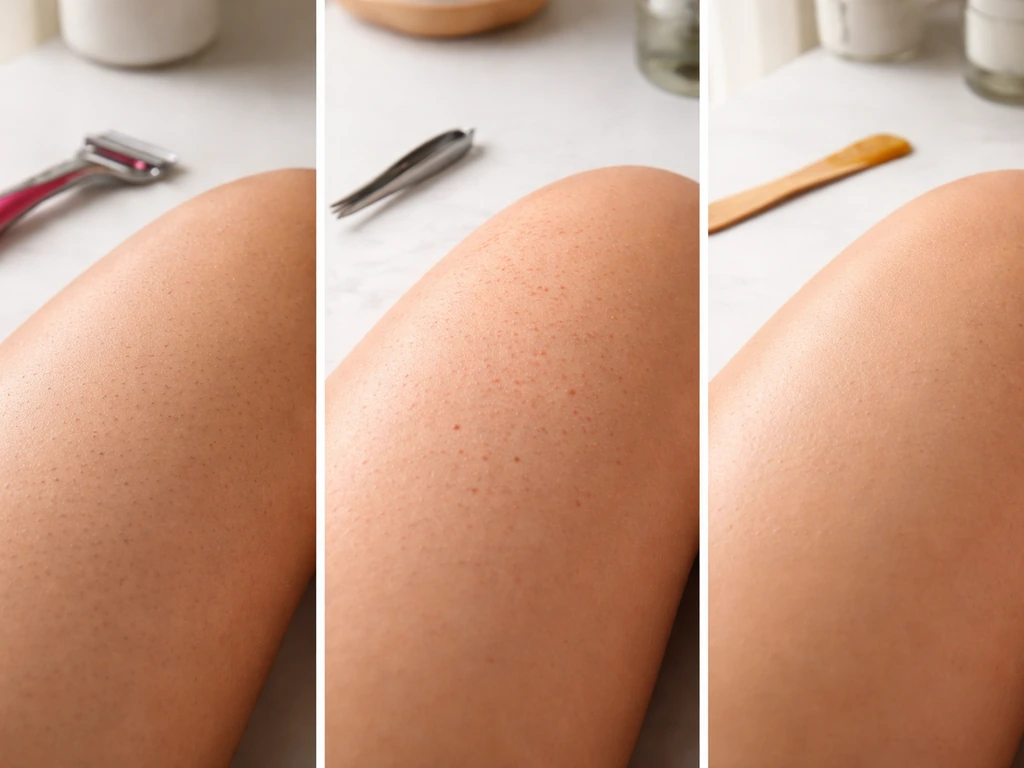
Not all methods have the same practical outcomes, even if none of them change your fundamental follicle biology. Here's how they stack up on the things that actually matter for eyebrow care:
| Method | Where it acts | Regrowth start | Changes thickness/color? | Damage risk |
|---|---|---|---|---|
| Shaving / Eyebrow razor | Hair shaft at skin surface | Days (3–5) | No (blunt tip illusion only) | Low if done carefully; risk of nicks |
| Trimming | Hair shaft above skin | Immediate (hair stays in follicle) | No | Very low |
| Plucking / Tweezing | Full hair pulled from follicle | 2–6 weeks per hair | No | Moderate; repeated trauma can cause patchy regrowth |
| Waxing | Full hair pulled from follicle | 2–6 weeks per hair | No | Moderate; can cause skin irritation or follicle damage over time |
Eyebrow razors, sometimes called brow razors or dermaplaning-style blades, work exactly like any other razor: they remove hair at the skin surface. The result is functionally the same as shaving with any blade. If you're already exploring whether shaving affects eyebrow growth, you'll find the same answer applies to eyebrow razors specifically. Trimming is genuinely different because the follicle is never disturbed, which is why it's often the safest choice for shaping without worrying about regrowth outcomes.
A quick note on plucking and repeated waxing
Repeated aggressive plucking or waxing over years is a different story from shaving. While a single session doesn't damage follicles, repeatedly traumatizing the same follicle over and over can, in some people, lead to follicle miniaturization or scarring that makes regrowth sparse or patchy. This is the real risk of over-grooming, not getting thicker brows, but potentially ending up with thinner ones over time. If you've been plucking heavily for years and notice your brows aren't filling back in the way they used to, that's worth paying attention to.
What to expect if you shaved your unibrow
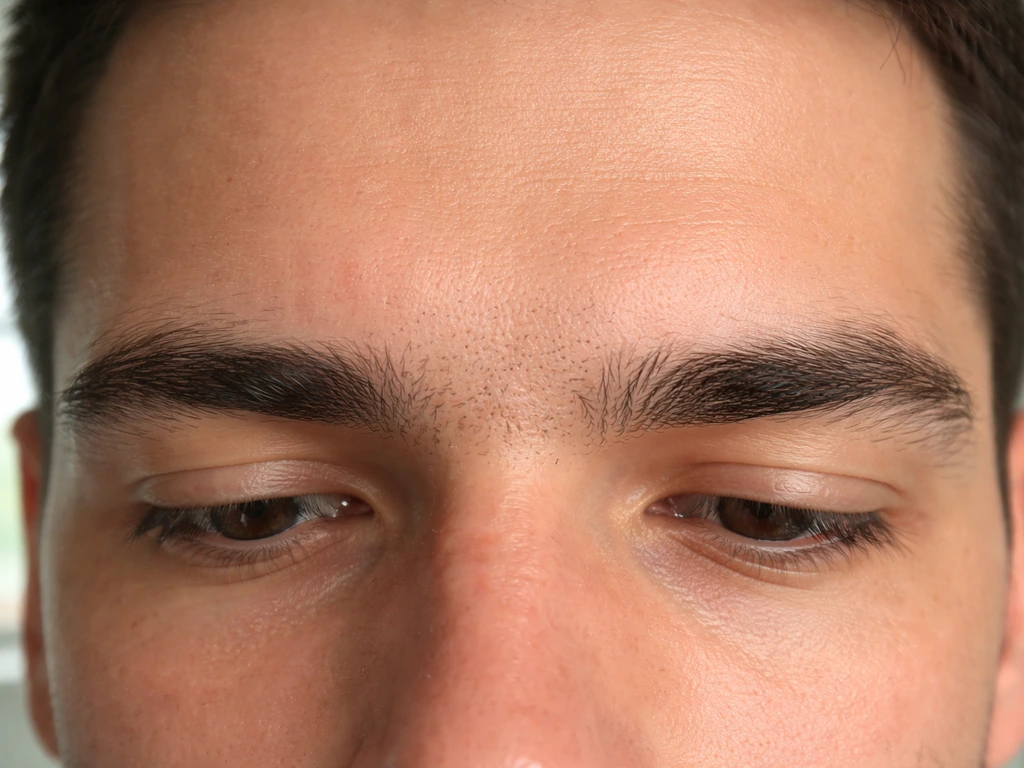
Yes, your unibrow will grow back. The hair between your brows follows the same follicle biology as the rest of your eyebrow hair. Shaving it removes the shaft at the surface, so within a few days you'll see stubble returning in that area, typically within 3–5 days depending on your natural growth rate. If you shave your eyebrows, they should grow back based on the same follicle cycle as other eyebrow hairs if you shave your eyebrows will they grow back. It will not grow back thicker or darker because of the shaving itself.
The "grows back faster" perception is common with unibrow hair because the glabella area (between the brows) often has a slightly shorter hair cycle than other facial areas, meaning the hair may feel noticeably stubbly again quickly. But that speed is just your natural follicle rhythm, it was always going to grow at that rate. If you're looking for longer-lasting removal, waxing or threading will keep the area clear for 3–6 weeks per session since both methods remove the hair from the root. If you want something more permanent, laser hair removal is the only method that actually addresses the follicle at a structural level.
The eyebrow hair growth cycle (and why it matters for timelines)
Eyebrow hair grows in cycles just like scalp hair, but on a much shorter schedule. Scalp hair can spend years in the anagen (active growth) phase, which is why it can grow so long. Eyebrow follicles have an anagen phase of only about 10 weeks. A review of eyebrow hair biology notes that eyebrow follicles have a shorter anagen (active growth) phase than scalp hair [eyebrow follicles have a shorter anagen phase than scalp hair](https://pubmed.
ncbi. nlm. nih. gov/24385126/).
After that, the hair enters a brief catagen (transition) phase, then telogen (rest), before a new hair begins to form. This short cycle is why eyebrows don't grow past a certain length naturally, and it's also why full regrowth after shaving or plucking takes weeks to a few months rather than years.
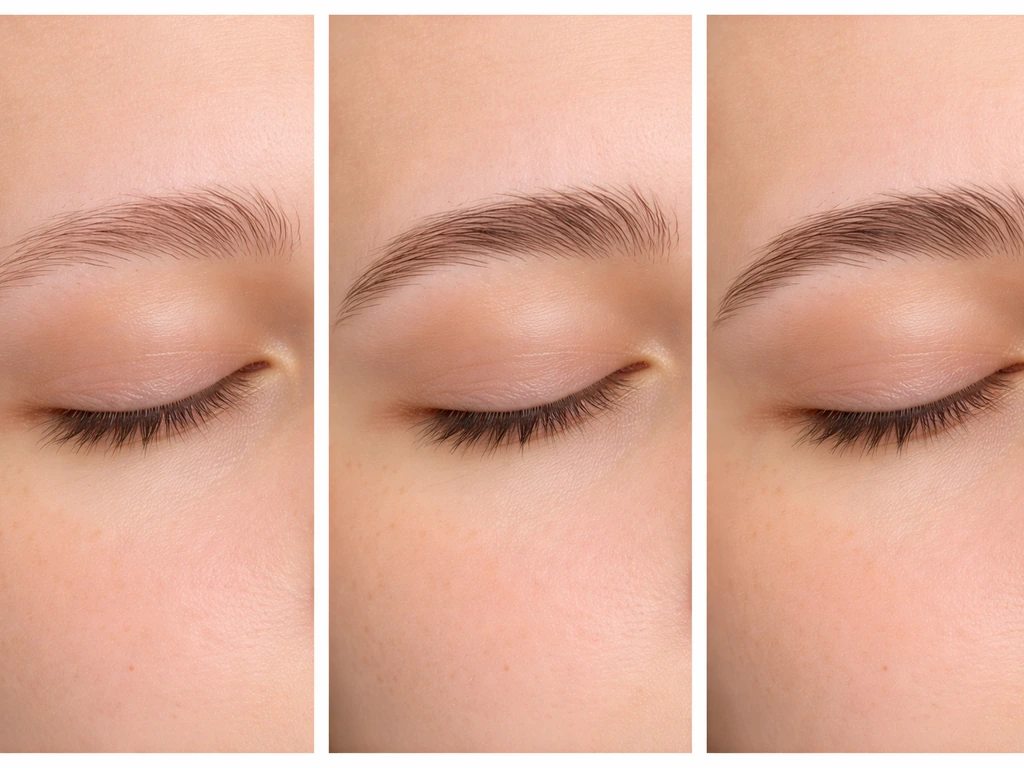
If you shaved your brows completely, visible stubble should appear within a week. A fuller-looking brow is typically back within 4–6 weeks. A fully filled-in, natural-looking brow can take 3–4 months, depending on how much was removed and where your follicles are in their individual cycles at any given time. Not all follicles are in anagen simultaneously, so regrowth can look uneven for a while before it fills in consistently.
Realistic recovery timelines
| What you did | When you see stubble | When brows look decent | Full regrowth |
|---|---|---|---|
| Shaved the full brow | 3–5 days | 4–6 weeks | 3–4 months |
| Shaved the unibrow area only | 3–5 days | 1–2 weeks | 2–4 weeks |
| Plucked or waxed the full brow | 2–3 weeks | 6–8 weeks | 3–6 months |
| Over-plucked repeatedly over years | Variable | Months (if follicles are intact) | May need professional support |
These timelines assume healthy follicles and no underlying conditions affecting growth. Age, hormonal changes, nutrition, and stress all influence the hair cycle, so individual variation is real. If your brows were naturally sparse before you shaved, shaving won't make them denser on regrowth, but it also won't make them worse.
How to support fuller regrowth (what actually works)
If you want to do more than just wait, there are a few approaches with genuine evidence behind them, and a few that are popular but more modest in their effects.
Minoxidil (strongest evidence)
Topical minoxidil, originally developed for scalp hair loss, has the most clinical support for stimulating hair follicle activity. It works by prolonging the anagen phase and increasing blood flow to follicles. For eyebrows, a low-concentration formula (2% is commonly used off-label) applied carefully to the brow area once daily is what most dermatologists discuss. Results take 3–4 months of consistent use to assess. It's worth noting this is an off-label use for eyebrows, and you should apply it precisely since it can stimulate growth in unwanted adjacent areas if you're not careful.
Rosemary oil (promising, modest evidence)
Rosemary oil has gained real research attention for scalp hair, with at least one study showing it performed comparably to 2% minoxidil for scalp hair density over 6 months. Its mechanism is thought to involve improved circulation and DHT-blocking properties. For eyebrows specifically, the evidence is less direct, but the safety profile is favorable: dilute a few drops in a carrier oil like jojoba, apply with a clean spoolie or cotton swab, and give it 8–12 weeks to assess. Don't expect dramatic results, but it's a reasonable, low-risk addition to your routine.
Castor oil (popular, limited direct evidence)
Castor oil is probably the most widely recommended home remedy for eyebrow growth, and while there's enthusiastic anecdotal support for it, the clinical evidence is thin. It contains ricinoleic acid, which may have anti-inflammatory and moisturizing effects on the follicle environment. It won't hurt, and keeping the brow area moisturized and irritation-free does support a healthy growth environment. Apply a small amount with a clean spoolie before bed. Just set realistic expectations: castor oil is not going to double your brow density, but it might support the overall health of the area while you wait for natural regrowth.
Reduce irritation and friction
This one sounds obvious but gets overlooked. Constant rubbing, picking at regrowth, or applying harsh products near the brow area can disrupt follicles during the sensitive early growth phase. If you shaved recently, avoid heavy exfoliants directly on the brow zone while hairs are first emerging. Keeping skin calm and moisturized (a fragrance-free, non-comedogenic moisturizer works fine) gives follicles the best environment to complete their cycle undisturbed.
Nutrition basics
Hair growth is nutritionally dependent. Deficiencies in iron, biotin, zinc, and protein are all associated with increased hair shedding or slowed growth. Most people eating a reasonably balanced diet won't be deficient, but if your brows are slow to return and you're also noticing scalp hair thinning or fatigue, it's worth getting bloodwork done. Supplementing biotin is popular, but if you're not deficient, extra biotin won't accelerate growth beyond your genetic baseline.
When to stop self-treating and see a professional
Most cases of post-shaving brow regrowth are just a waiting game, but there are situations where something else is going on and self-care won't cut it.
- Your brows haven't shown meaningful regrowth 4–5 months after shaving, and you had reasonably full brows before.
- Regrowth is noticeably patchy or uneven in a way that doesn't resemble your original brow pattern.
- You notice itching, scaling, redness, or small bumps in the brow area that persist beyond a week or two after shaving (possible folliculitis, contact dermatitis, or tinea).
- You've been experiencing brow thinning for months and didn't shave or over-pluck. Conditions like hypothyroidism, alopecia areata, and nutritional deficiencies can all cause eyebrow loss and need proper diagnosis.
- You have a history of years of heavy plucking and regrowth is sparse or absent, which may indicate follicle damage that benefits from dermatologist assessment and possibly prescription-strength treatments.
A dermatologist can assess whether your follicles are still active, rule out underlying conditions, and discuss options like prescription minoxidil, bimatoprost (an eyelash serum with evidence for brow use), platelet-rich plasma (PRP) injections, or microblading if the hair loss is more permanent. These are not first-line tools for someone who just shaved their brows last month, but they matter a lot for people dealing with longer-term or structural brow loss.
The bottom line: shaving is not doing anything permanent to your brows. The thickness illusion is real, the biology behind it is not. Mayo Clinic similarly notes that shaving does not change hair thickness, color, or growth rate, and the thicker or darker look is due to how the hair appears as it regrows [The thickness illusion is real, the biology behind it is not. ](https://www.
mayoclinic. org/health/hair-removal/an00638). Whether you shaved a full brow, cleaned up a unibrow, or are just trimming for shape, your follicles are still doing exactly what they were always going to do. Instead of shaving, treatments that act deeper at the follicle level are the ones more likely to affect how full your brows get over time.
Give it time, minimize irritation, and if you want to support the process, rosemary oil and (carefully applied) minoxidil are the most defensible options available right now.
FAQ
If I shave my eyebrows and they look patchy at first, does that mean they will stay thin?
No. If a follicle is healthy, shaving only removes hair at the skin surface, so it cannot “reset” follicle thickness. If your regrowth looks uneven, it’s usually because some hairs were already further along in their growth cycle when you shaved, not because the follicles changed.
Why do plucking or waxing seem to change my brows more than shaving?
Plucking and waxing remove the hair root (the whole hair from the follicle opening), so regrowth can look less consistent after heavy grooming. Repeated trauma to the same follicles over time can reduce density or cause scarring in some people, which is a different outcome than shaving’s temporary cosmetic change.
Could my brows look thicker after shaving because of products or makeup, not actual hair changes?
Yes. The “thicker” look can also come from brow dye, tinted skincare, sunscreen buildup, or makeup pigments clinging to regrowing blunt tips. Even if your hair diameter stays the same, these products can make short stubble look darker and more prominent during the first couple weeks.
What timeline should I expect after a complete eyebrow shave, and when should I worry?
If you shave completely, most people see visible stubble within about a week, and a fuller look typically takes several weeks. If nothing shows after 6 to 8 weeks, it’s worth pausing self-treatment and getting a dermatology check, because that can indicate more than normal shedding timing (for example, nutritional issues, hormonal changes, or another cause of eyebrow hair loss).
Is it safe to use minoxidil right after shaving my eyebrows?
Avoid applying minoxidil to irritated, freshly scraped, or very reddened skin. Give the area time to calm down first, then apply carefully once the skin is not inflamed, since broken skin increases the chance of irritation and uneven absorption.
How do I know if rosemary oil or castor oil is irritating my brows?
Over-the-counter growth-support oils (like castor oil) won’t act as strongly as follicle-targeting treatments, and they can irritate some people. If you try rosemary oil or castor oil, stop if you get burning, rash, or swelling, and patch-test on a small nearby area for a few days before using it on the brow line.
Can shaving too often make my eyebrow hair look worse even if it cannot thicken it?
Frequent shaving can cause ingrown hairs or folliculitis, which may temporarily make brows look worse or more uneven, even though it doesn’t change follicle genetics. If you notice small bumps, tenderness, or persistent redness, reduce shaving frequency and avoid heavy exfoliation until the bumps resolve.
Does shaving help if my eyebrows are naturally thin or uneven?
If your brows were already sparse, shaving will not make them denser on regrowth because the follicle count and cycle are what determine density. You may get a temporary “contrast effect” from darker regrowth tips, but it should even out as the hair returns to its natural shape and length.
How can I prevent unwanted hair growth when using minoxidil on eyebrows?
Yes, some adjacent areas can change. With minoxidil, the liquid can spread beyond the brow, and hair growth can appear in nearby unwanted spots. Apply only a thin amount directly to the brow hairs, wash hands after, and avoid getting it on eyelids or surrounding skin.
If my brows don’t return to normal after months, what are the common non-shaving reasons?
In most people it’s not permanent, but persistent or progressive thinning can happen with long-term over-grooming, certain medical conditions, or hormone-related changes. If your brows are getting thinner over months rather than just slowly filling in after grooming, a dermatologist can determine whether follicle miniaturization or an underlying issue is involved.
Next Article
If You Shave Your Eyebrows, Will They Grow Back?
Learn if shaving eyebrows grow back, regrowth timelines, causes of slow regrowth, and when to seek help.