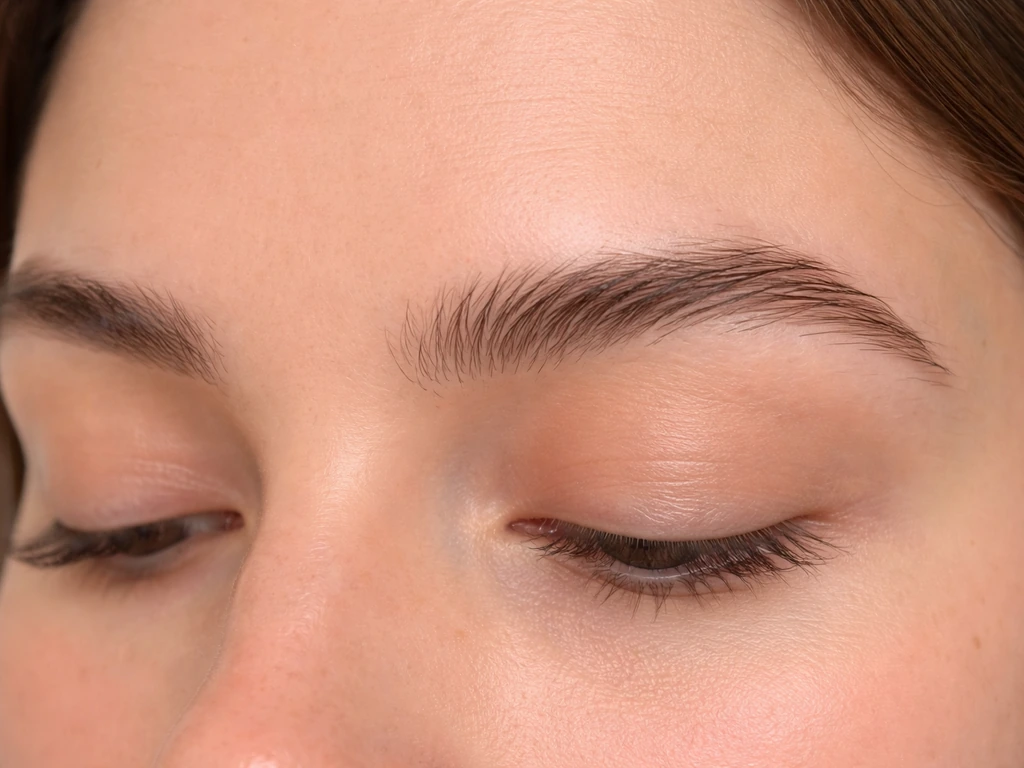
Yes, you can grow eyebrow hair back in most cases, but whether it fully regrows depends heavily on what caused the loss in the first place. If your follicles are intact and the cause is something like overplucking, waxing, stress, or a hormonal shift, regrowth is very realistic with the right approach. If follicles have been permanently scarred, that changes things. For the vast majority of people dealing with sparse, patchy, or thinning brows, the answer is genuinely encouraging: regrowth is possible, it just takes longer than you'd expect and requires actually addressing the root cause.
Can You Grow Eyebrow Hair Back? What Works and How Long
James Whitmore
1 Jul 2026
What actually determines whether your eyebrows will grow back
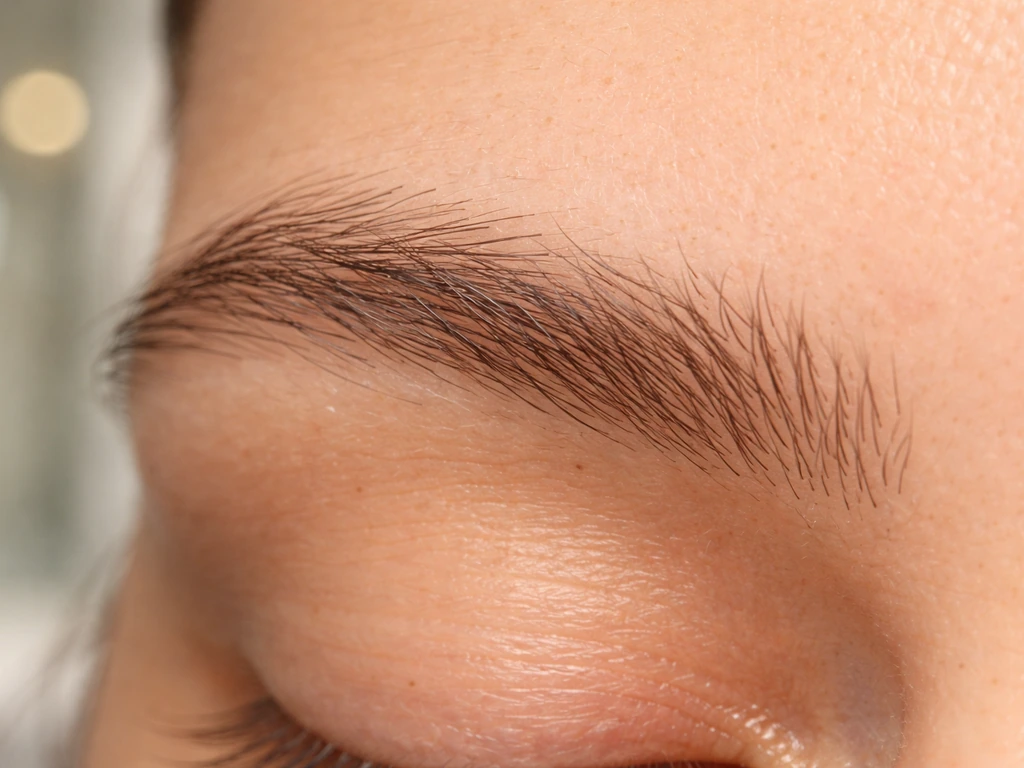
The single biggest factor is whether your hair follicles are still alive. Eyebrow loss is medically called madarosis, and it comes in two forms: non-scarring (reversible) and scarring (permanent). Non-scarring causes are far more common and include overplucking, waxing trauma, alopecia areata, telogen effluvium, thyroid imbalances, nutrient deficiencies, and skin conditions like eczema, psoriasis, or contact dermatitis. In all of these cases, the follicle is still functional, and once you remove the stressor or treat the condition, regrowth is possible. Scarring causes, like certain infections, burns, or advanced inflammatory skin diseases, can destroy the follicle itself, and that loss tends to be permanent.
Here's a breakdown of the most common contributors and how they affect your odds:
- Overplucking and waxing: Repeated mechanical trauma weakens follicles over time. It rarely destroys them completely, but it can shift hairs into prolonged resting phases, making it feel like they're just gone.
- Genetics: Your natural brow density and growth rate are partly inherited. Some people simply have finer, sparser brows at baseline, which affects how much regrowth is visible even when follicles are healthy.
- Hormones: Low thyroid function (hypothyroidism) is a classic cause of outer-third brow thinning. Hormonal shifts from pregnancy, postpartum changes, menopause, or PCOS can also trigger temporary shedding.
- Telogen effluvium: A stressful event (illness, surgery, crash diet, emotional shock) can push follicles into a resting phase about 2 to 3 months after the trigger. Brows thin out, then typically recover once the body stabilizes.
- Skin conditions: Eczema, psoriasis, seborrheic dermatitis, and contact dermatitis around the brow area cause inflammation that disrupts the growth cycle. Makeup, brow products, and skincare ingredients are common culprits here.
- Alopecia areata: An autoimmune condition where the immune system attacks follicles. Brow involvement is common, and while it can be patchy and unpredictable, many people do regrow hair once it's treated.
- Nutrient deficiencies: Low iron, biotin, zinc, or vitamin D can all slow or disrupt hair growth. This is worth testing if brow thinning came on gradually without an obvious cause.
The practical takeaway: before you invest months into any regrowth routine, try to identify which category your situation falls into. Growing brows back when you've simply overplucked looks very different from regrowing them when you have untreated hypothyroidism. The latter won't respond well to castor oil alone.
How long eyebrow regrowth actually takes
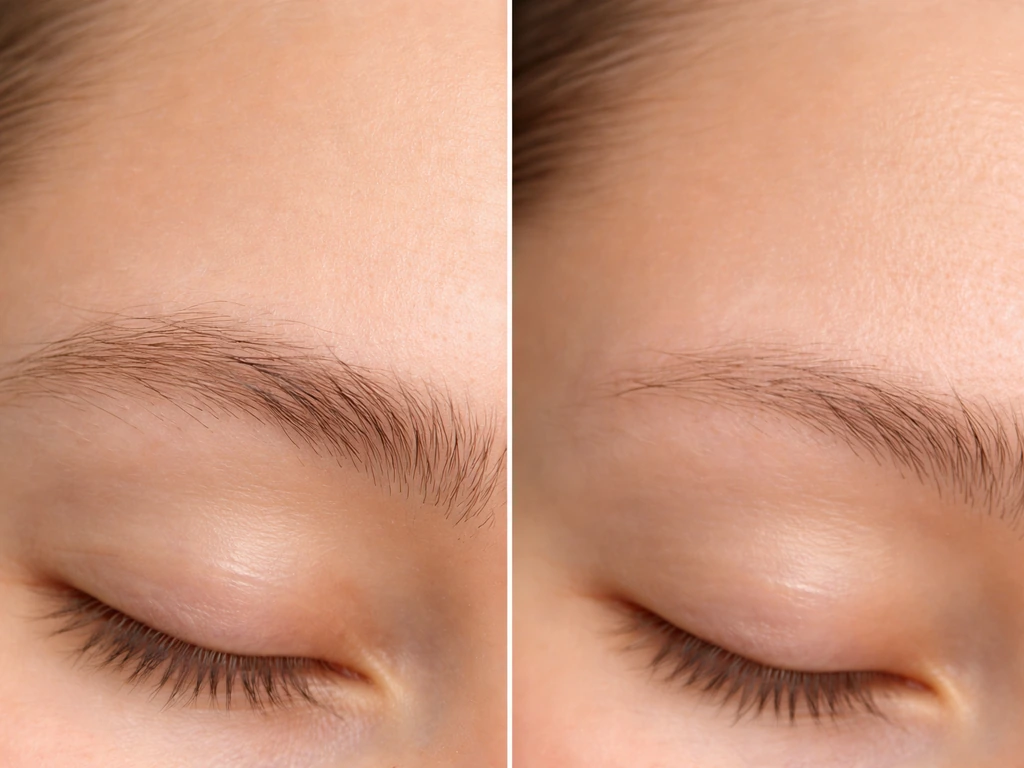
Eyebrows grow slowly, about 0.14 to 0.16 mm per day, which is noticeably slower than scalp hair. A full eyebrow growth cycle, from new anagen (active growth) phase to natural shedding, takes roughly 4 to 6 months. That means if you've just shaved your brows or stopped plucking after a short period, you could see visible regrowth within a few weeks and a full result by around the 4 to 6 month mark. One small 1999 study found that shaved eyebrows returned to full growth within 6 months in most participants.
After long-term overplucking or waxing, however, the timeline stretches out. Follicles that have been repeatedly traumatized may stay dormant longer before they restart the growth cycle. It's realistic to expect 6 to 12 months before you see true density improvement in those cases, not weeks. Telogen effluvium-related shedding typically resolves within 3 to 6 months after the triggering event is resolved. Alopecia areata timelines vary more widely, depending on severity and whether treatment is involved.
What to expect in stages:
- Weeks 1 to 4: Very fine, light vellus hairs may appear in areas that were previously bare. Easy to miss.
- Months 1 to 3: Short, darker hairs begin to come in. Coverage looks uneven and patchy, which is normal.
- Months 3 to 6: Hairs reach fuller length and the brow shape starts to come together. This is where most people start to feel encouraged.
- Months 6 to 12: For long-term overplucked brows, this phase continues to fill in. Thickness depends on how many follicles are still functional.
The frustrating part is that the early weeks look discouraging. Stick with it anyway.
Your DIY regrowth routine: stop damage first, then support growth
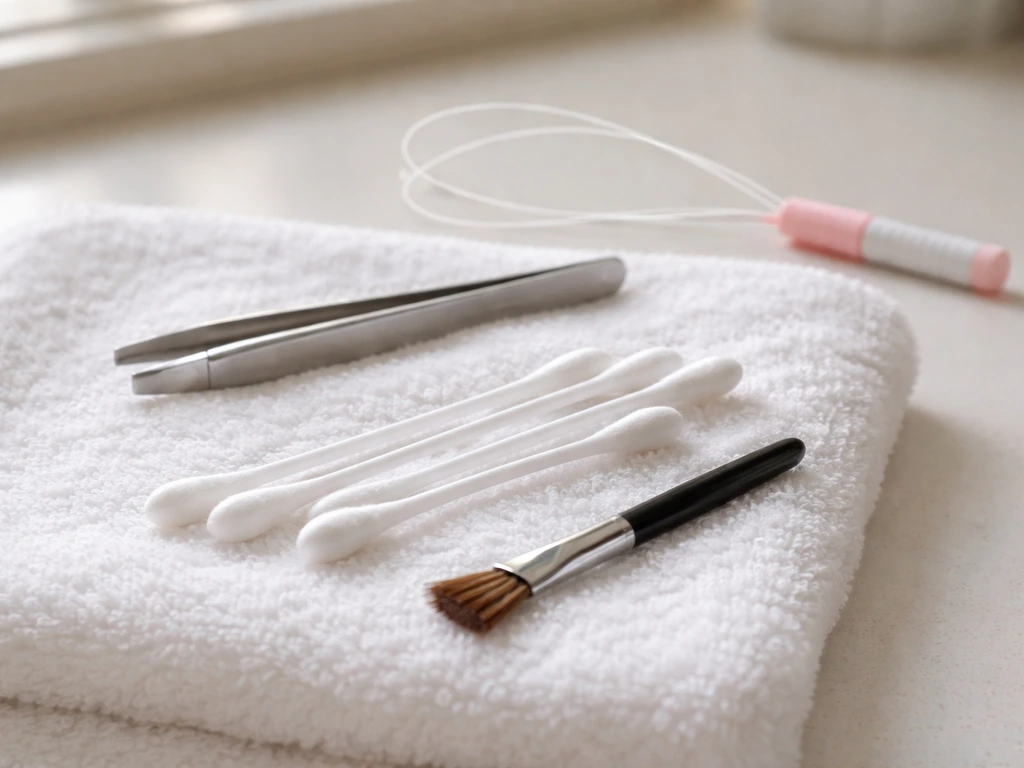
Before any oil or serum does anything useful, you have to stop actively damaging your brows. This sounds obvious, but it's the step most people skip. That means no plucking, threading, or waxing for at least 3 to 6 months. Put down the tweezers for anything except genuinely stray hairs that are clearly outside your desired shape. Repeated grooming doesn't just remove hairs, it keeps resetting the growth cycle and preventing follicles from completing a full anagen phase.
At the same time, check whether any of your existing products are causing contact irritation around the brows. Skincare actives like retinoids or exfoliating acids applied close to the brow bone, certain brow gels or pencils with harsh solvents, and waterproof makeup that requires aggressive removal can all contribute to low-grade inflammation that slows regrowth. If you have any redness, flaking, or itching in the area, treat that first.
Castor oil: how to use it and what to realistically expect
Castor oil is the most popular DIY brow remedy, and while there are no published clinical studies specifically on eyebrow growth, it has a reasonable indirect rationale. It's high in ricinoleic acid, which has anti-inflammatory properties, and it coats and conditions existing brow hairs so they look thicker and fuller even before any new hairs come in. That cosmetic benefit is real and immediate. Whether it stimulates follicles to grow new hair is genuinely unclear, but the risk is low if you use it correctly.
How to apply it: Use cold-pressed, hexane-free castor oil. Apply a tiny amount (a drop or two on a clean spoolie or fingertip) to clean, dry brows before bed, using gentle strokes along the hair growth direction. Less is more. Too much castor oil is thick and sticky and can migrate toward the eye during sleep. Do not apply it directly into the lash line or eye area, as castor oil in the eye can cause significant irritation, blurred vision, and can even affect the meibomian glands. Wipe off any excess before you lie down. Use it nightly for at least 2 to 3 months before judging results.
Rosemary oil: promising but with important caveats
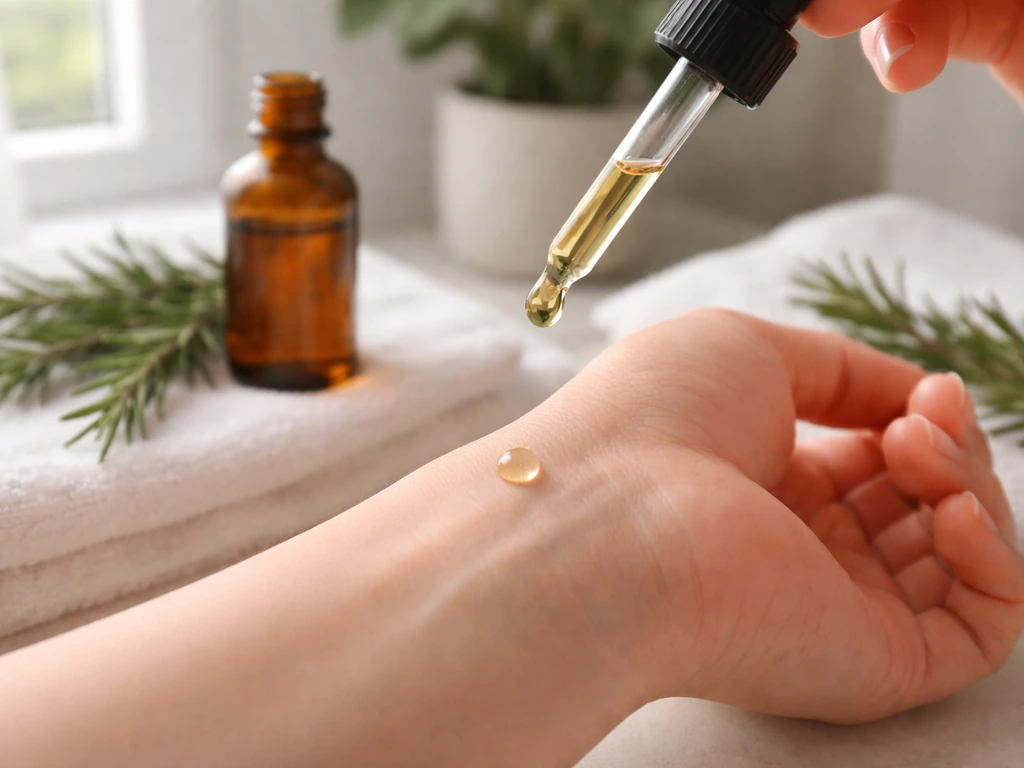
Rosemary oil has decent evidence for scalp hair, with one randomized controlled trial finding it comparable to 2% minoxidil for androgenetic alopecia over 6 months (though neither showed significant change at the 3-month mark, reinforcing the need for patience). Whether that translates to brow regrowth hasn't been directly studied, but its mechanism, improving circulation and possibly inhibiting DHT, is plausible. The key safety note here: rosemary essential oil should never be applied near the eyes or mucous membranes, per EMA safety guidance. It must be diluted in a carrier oil (typically 2 to 3 drops per tablespoon of a carrier like jojoba or castor oil) and kept well away from the eye itself. Apply only to the brow bone and hair area, and err on the side of caution with placement.
A reasonable DIY routine combines both: castor oil as the base carrier with 1 to 2 drops of rosemary essential oil mixed in, applied with a clean spoolie nightly, kept strictly to the brow hair and avoided near the lash line. Give it a consistent 3 to 4 months. If you see zero progress and no underlying cause has changed, it may be time to consider something stronger.
Minoxidil for eyebrow regrowth: the medically supported option
Topical minoxidil is the most evidence-backed option available without a prescription, and it has genuine clinical data behind it for eyebrow use, even though it's off-label (meaning the FDA hasn't specifically approved it for brows). Research on alopecia areata shows that 5% topical minoxidil applied twice daily can induce new hair growth in patchy brow loss, with higher concentrations showing better response rates than lower ones. A Cleveland Clinic Journal of Medicine article described a trial of 3% topical minoxidil in alopecia areata that did not show it to be more effective than placebo during an initial 3-month double-blind period, highlighting that response can vary with disease severity. It has also been used in practice for overplucked, hypotrichosis (sparse hair), and alopecia areata-related brow thinning.
How to use minoxidil on brows
Most dermatologists who recommend minoxidil for brows suggest using a small amount of the liquid solution (not the foam, which is harder to control near the eye area) applied with a cotton swab or fingertip directly to the brow hairs, twice daily. Use just enough to coat the brow, not so much that it runs toward the eye. Wash hands thoroughly afterward, every single time. Even dried minoxidil residue can irritate the eyes if transferred from your hands. Keep it away from the eyelid, lash line, and inner corner of the eye. If you experience any burning, eye irritation, or allergic reaction (redness, itching, swelling at the site), stop immediately.
Expect a realistic timeline of at least 2 to 4 months before seeing measurable results, consistent with scalp use guidance. Some studies show improvement beginning around 2 months with twice-daily use. Importantly, minoxidil does not fix whatever caused the hair loss in the first place. It supports regrowth while the follicle is capable of growing, but if you stop using it, hair that grew in response may shed again over time.
Who should be cautious with minoxidil
Minoxidil is not appropriate for everyone. Known contraindications and precautions include: pregnancy (minoxidil is not safe for use during pregnancy), anyone with a history of heart disease or low blood pressure (topical minoxidil can be absorbed systemically), children and adolescents, and anyone with broken, inflamed, or infected skin at the application site. FDA labeling for women’s 5% minoxidil notes it is blank" rel="noopener noreferrer">not safe to use during pregnancy and highlights other situations where it does not address the underlying cause of hair loss, so realistic expectations and contraindication awareness matter. Potential side effects to watch for include local skin irritation, allergic contact dermatitis, and hypertrichosis (unwanted hair growth in adjacent areas from product migration). Because eyebrow application is inherently close to the eyes, the risk of inadvertent eye contact is real and needs to be actively managed. If you have any doubt about whether minoxidil is appropriate for your specific health situation, check with a doctor or dermatologist before starting.
Why your brows still won't grow (and when to get a professional involved)
If you've stopped grooming trauma, tried a consistent routine for 4 to 6 months, and still see no improvement, one of these scenarios is likely playing out: If you are dealing with the specific scenario of wanting eyebrow hair to grow where there is none, the cause matters and a clinician may be needed to rule out permanent follicle damage.
- There's an underlying medical cause you haven't addressed. Thyroid dysfunction, low ferritin, vitamin D deficiency, or an autoimmune condition won't resolve with topical treatments alone. Blood work is genuinely useful here.
- You have alopecia areata that needs more targeted treatment. Topical corticosteroids (prescription) or intralesional corticosteroid injections are the evidence-based first-line treatments for patchy alopecia areata. Minoxidil can support this but often isn't enough on its own.
- Persistent contact dermatitis or inflammation is preventing the follicles from cycling into growth. If the skin around your brows is frequently itchy, red, or flaky, the inflammation itself is the barrier.
- Your follicles may have sustained more significant damage than typical overplucking. This is less common but possible after decades of aggressive waxing or after an infection or skin condition with a scarring component.
- You've been inconsistent. Four months of nightly castor oil only works if it's actually nightly. Minoxidil must be used twice daily every day. Gaps reset the clock.
See a dermatologist if: your brow loss came on suddenly and is patchy (alopecia areata needs to be ruled out), you have associated symptoms like fatigue, hair loss on your scalp, skin changes, or weight fluctuation (systemic causes need investigation), you've been consistent with DIY methods for 6 months without result, or you notice any pain, scarring, or signs of infection in the brow area. A dermatologist can examine the follicles, run relevant labs, and offer treatments like prescription corticosteroids, JAK inhibitors for alopecia areata, or platelet-rich plasma (PRP) injections, none of which are available over the counter.
For most people reading this, the situation is more straightforward than it feels right now. Stop the grooming damage, support the follicles with a consistent topical routine, give it real time (we're talking months, not days), and address any underlying health factors. The biology is on your side more often than not. If you're also curious about what specific ingredients make a meaningful difference in regrowth products, or how to grow hair in areas where it's completely absent, those questions build directly on what we've covered here and are worth exploring as your next step. If you're wondering what can grow eyebrows, start with the regrowth ingredient basics and the causes of hair loss this article covered.
FAQ
Can you grow eyebrow hair back if you stopped plucking only a few weeks ago?
Often you can see some change within weeks, but true density usually needs time. Eyebrow growth is slow, so early changes are commonly sparse new hairs or subtle darkening rather than full brow thickness by the 1-month mark.
Is castor oil actually proven to regrow eyebrows?
It is not proven in clinical trials specifically for eyebrow regrowth. The benefit is partly cosmetic (condition and thickness of existing hairs) and partly theoretical for follicles, so if you see no improvement after several months, switch to evidence-backed options or evaluate the root cause.
How do I tell whether my hair loss is scarring versus non-scarring?
Scarring loss often comes with visible skin changes, like shiny or smooth patches where hair follicles look absent, and it may follow burns, infections, or chronic inflammatory rashes. Non-scarring loss is more likely when the skin looks normal and hairs are just sparse or patchy.
Can I use a brow serum and keep plucking or threading?
Not reliably. If you keep removing hairs, you may repeatedly interrupt the growth cycle and delay regrowth, even if your serum is effective. For regrowth goals, pause grooming for months, except for stray hairs clearly outside your desired shape.
Will minoxidil work for everyone who is sparse or patchy?
Minoxidil is most likely to help when follicles are still capable of growing. If follicles are destroyed or the underlying cause is untreated (for example, an inflammatory skin disorder or thyroid issue), regrowth may be limited or stop once you discontinue the product.
Can I apply minoxidil once per day instead of twice daily?
Once-daily use may work for some people, but evidence for eyebrow growth is based on twice-daily application. If you cannot use it twice daily, expect slower or less predictable results, and do not increase the amount to compensate.
What should I do if minoxidil causes irritation or my eyes feel uncomfortable?
Stop immediately if you get burning, redness, swelling, or symptoms that could indicate eye exposure. Next time, reduce the quantity, use a more controlled method (such as a fingertip or cotton swab), and keep the product well away from the lash line and inner corner.
How much minoxidil should I use on brows so it does not migrate to my eyes?
Use a small amount only sufficient to lightly coat the brow hairs. The common mistake is using too much so it runs toward the eyelid, which raises the risk of unwanted hair growth on nearby skin and eye irritation.
Can rosemary oil be used safely on eyebrows?
It can be used, but keep it away from the eye and mucous membranes and dilute it properly in a carrier oil. A frequent mistake is using it too close to the lash line or using it undiluted, which increases the chance of irritation.
If I start a regrowth routine, when should I decide it is not working?
Give it enough time to reflect the eyebrow growth cycle, typically at least 4 to 6 months for meaningful density changes. If you have tried consistent care for about 6 months with no progress, reassess the diagnosis and consider a dermatologist evaluation.
Do I need to treat underlying health issues before brows regrow?
Yes, whenever an underlying cause is present. For example, thyroid problems, nutrient deficiencies, contact dermatitis, or alopecia areata can keep hair loss going even if you use topical remedies, so addressing the trigger improves your odds.
When should I see a dermatologist instead of continuing DIY?
Seek care sooner if loss is sudden and patchy (to rule out alopecia areata), if you have eyebrow pain or scabbing, if there are signs of infection, or if you also notice scalp hair loss, fatigue, skin changes, or weight fluctuations.
Next Article
Can You Make Your Eyebrows Grow Again? What Works
Learn if you can grow eyebrows back, why they stop, timelines, and safe at-home and minoxidil options.