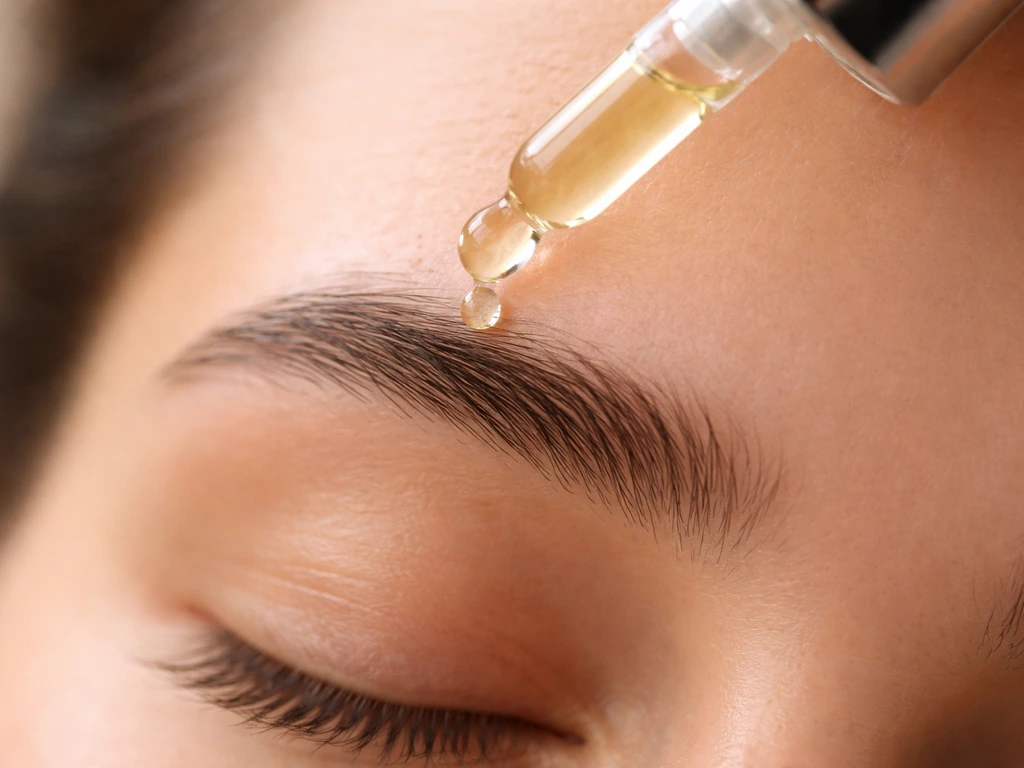
Several things can genuinely help eyebrows grow back: minoxidil 2% is the most evidence-backed topical option, castor oil and rosemary oil are the most popular at-home choices (with modest but real benefits), and fixing the root cause of your thinning, whether that's overplucking, irritation, a nutritional gap, or a medical condition, is what actually determines whether any of it works. The right approach depends on why your brows are sparse in the first place.
What Can Grow Eyebrows Back: Proven Options and Timelines

James Whitmore
12 Jun 2026
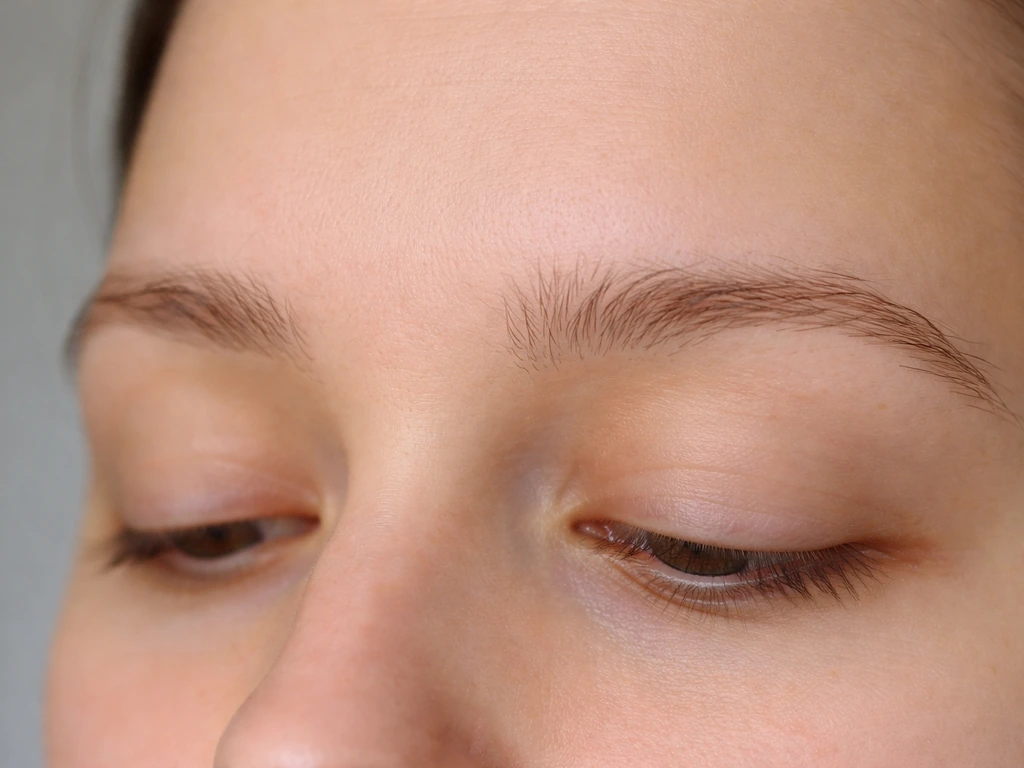
Why your eyebrows stopped growing
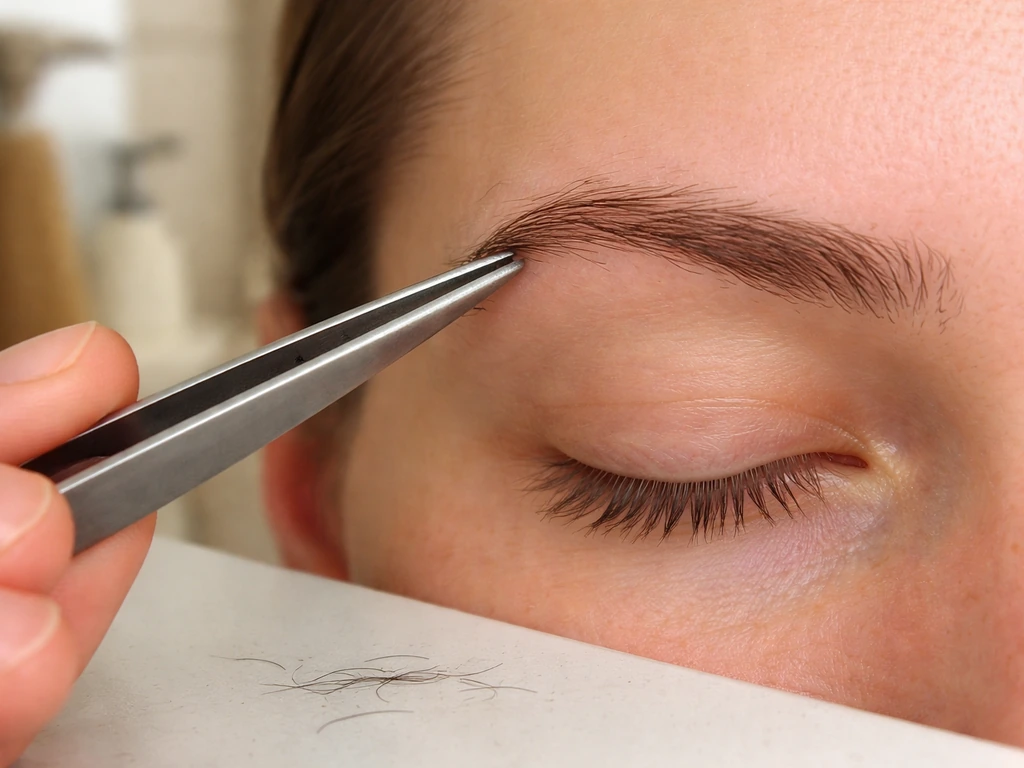
Before you reach for any serum or oil, it helps to understand what actually caused the thinning. The fix is very different depending on the cause, and using the wrong approach wastes months of effort.
The most common cause by far is mechanical damage from overplucking, waxing, or tweezing over years. Repeated trauma to the follicle, a process similar to traction alopecia, causes inflammation around the follicle and eventually miniaturization, where the hair grows back thinner or stops altogether. In chronic cases, repeated pulling can cause scarring, which permanently limits regrowth. If you plucked aggressively through your teens and twenties (many of us did), some of that follicle capacity may genuinely be reduced.
Inflammatory causes are another big bucket. Skin conditions like contact dermatitis, seborrheic dermatitis, eczema, or fungal infections (including tinea) around the brow area create an environment where follicles can't function properly. Nickel in tweezers, preservatives in cosmetics, hair dyes, and brow tints are all documented triggers for allergic contact dermatitis in the periocular area, and ongoing low-grade inflammation is a silent follicle killer.
Then there are immune-mediated and systemic causes. Alopecia areata can cause patchy brow loss that looks sudden and circular. Hypothyroidism famously causes loss of the outer third of the eyebrow, and normalizing thyroid levels can restore some growth. Telogen effluvium, a stress- or illness-triggered shift of follicles out of the growth phase, can affect brows just like it affects scalp hair, typically appearing two to three months after the triggering event. Frontal fibrosing alopecia (FFA) is a scarring form that progressively retreats the brow line and hairline together, and unfortunately has much poorer regrowth potential because follicles are destroyed.
The bottom line: if your brows thinned suddenly, are patchy without an obvious mechanical reason, or haven't responded to anything after four to six months, the cause might be medical rather than cosmetic. More on when to see a doctor below.
What actually helps eyebrows grow back
Here's what has real evidence behind it, ranked roughly by strength of support.
Minoxidil (the strongest topical option)
Topical minoxidil 2% has been studied specifically for eyebrow hypotrichosis in randomized controlled trials, including a double-blind, placebo-controlled split-face study, and shown to be safe and effective for eyebrow enhancement. It works by prolonging the anagen (active growth) phase of the hair cycle and improving blood flow to the follicle. It won't work on truly scarred follicles, but for most people with sparse brows from overplucking, thinning from stress or hormonal shifts, or generalized hypotrichosis, it's the most evidence-backed at-home option available.
Castor oil
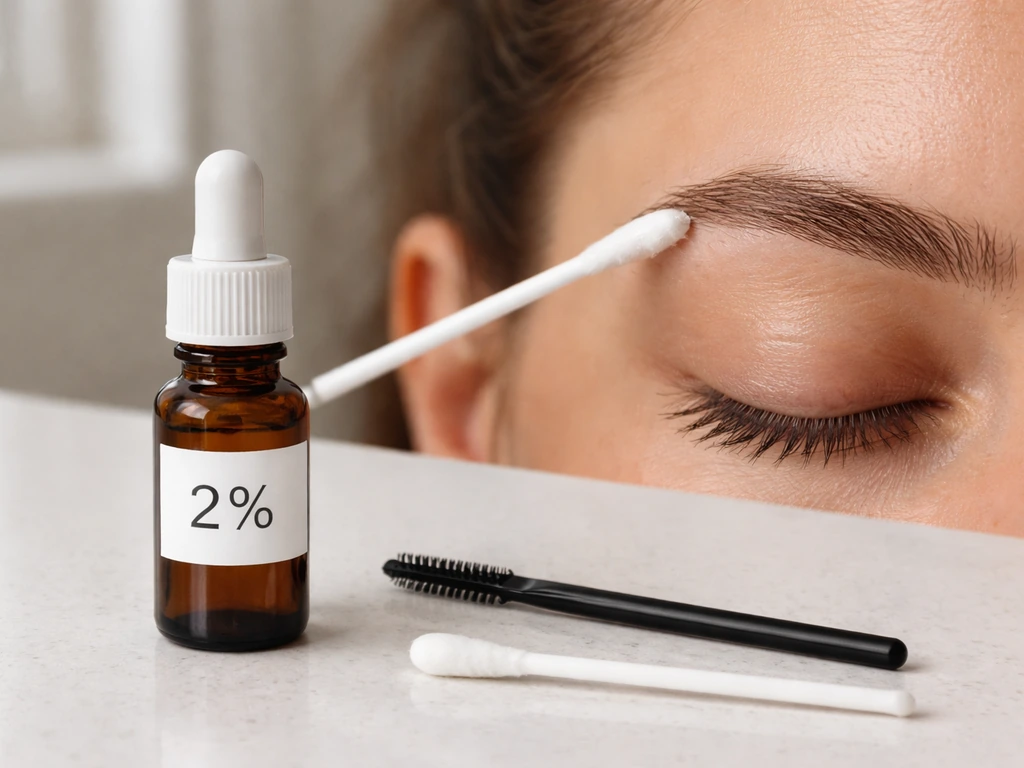
Castor oil is one of the most searched brow-growth remedies, and while it doesn't have robust clinical trial data the way minoxidil does, it's not purely hype either. It's rich in ricinoleic acid, which has anti-inflammatory properties, and its thick texture helps condition and protect existing brow hairs from breakage. Think of it as more of a supportive treatment than a direct growth stimulator. It can help the hairs you do have look fuller and thicker while your follicles recover, and reducing inflammation in the brow area may create a better environment for regrowth.
Rosemary oil
Rosemary oil has earned some genuine credibility. A notable study on scalp hair loss found rosemary oil comparable to minoxidil 2% for increasing hair count over six months, and while that study was on scalp hair, the mechanism (improving circulation to the follicle and reducing oxidative stress) is applicable to brow follicles too. It's a reasonable second-line option if you want to avoid minoxidil or want to combine a natural approach with better lifestyle habits. It needs to be diluted before use.
Medical treatments (for specific causes)
If the underlying cause is alopecia areata, treatment is different entirely. Intralesional corticosteroid injections (typically triamcinolone) are the standard first-line treatment for localized patches in adults, and topical corticosteroids are used for some presentations. Hair loss from alopecia areata often recurs after stopping treatment. For thyroid-related thinning, addressing the hormonal imbalance through medication is what restores growth, not serums. Bimatoprost (a prostaglandin analog) has also been compared to minoxidil in clinical trials for eyebrow hypotrichosis, though it requires a prescription.
How to use castor oil and rosemary oil safely at home
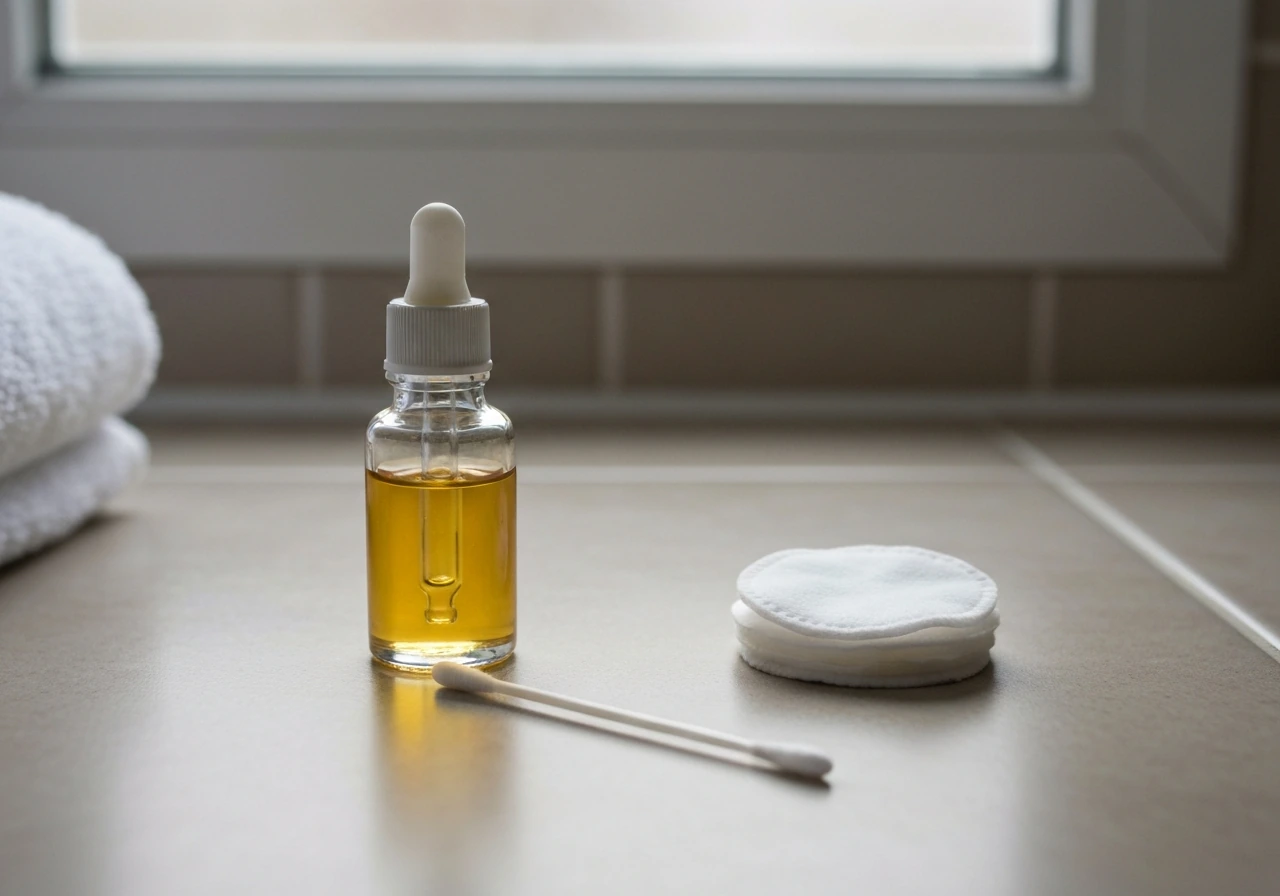
Both oils require some care, especially because you're applying them close to the eyes. Getting castor oil in your eye can cause irritation, affect tear quality, and in sensitive people trigger allergic reactions. Cleveland Clinic notes that applying pure castor oil to the skin can cause irritation and allergic reactions such as contact dermatitis Getting castor oil in your eye can cause irritation, affect tear quality, and in sensitive people trigger allergic reactions.. The same goes for rosemary oil, which can sting if it migrates. Here's how to use each one without running into those problems.
Castor oil: how to apply
- Patch test first: apply a small amount to the inside of your wrist or elbow, wait 24 hours, and check for redness, itching, or swelling before using it near your face.
- Use a clean spoolie or cotton swab, not your fingers, to apply a thin layer along your brow hairs in the direction of growth.
- Apply at night so it has time to absorb and is less likely to migrate into your eyes while you're awake and moving around.
- Use pure, cold-pressed castor oil (hexane-free) in small amounts. More is not better; a rice-grain-sized amount per brow is enough.
- Wash it off in the morning with a gentle cleanser. Leaving it on all day can clog follicles and cause breakouts around the brow.
- Aim for five to seven nights per week consistently for at least two to three months before evaluating results.
Rosemary oil: how to apply
- Always dilute rosemary essential oil before use. A safe ratio is 2 to 3 drops of rosemary oil per teaspoon of a carrier oil like jojoba, argan, or even the castor oil itself.
- Patch test the diluted mixture the same way: wrist or elbow, 24-hour wait.
- Apply with a clean spoolie to the brow area at night, using the same small-amount technique as castor oil.
- Avoid getting any near the inner corner of the eye or on the eyelid itself.
- Use consistently for at least three months. Rosemary oil's benefits are cumulative, not immediate.
- If you notice persistent redness, stinging beyond the first application, or increased skin flaking, stop use and let the area calm down before reassessing.
One thing worth knowing about both oils: if you already have any active irritation, redness, or broken skin around your brows, wait until the skin is calm before starting. Applying oils to inflamed skin can worsen contact dermatitis rather than help.
Minoxidil for eyebrow regrowth: who it helps and how to apply it
Who is a good candidate
Minoxidil works best for people with non-scarring hair loss. That means it's most likely to help if your thinning is from overplucking, general hypotrichosis (brows that have always been sparse), hormonal shifts, stress-related shedding, or mild alopecia areata (though for AA, a dermatologist should be involved). It is not recommended during pregnancy or while breastfeeding. People with hypersensitivity to propylene glycol (a common ingredient in liquid minoxidil formulas) should use the foam version instead, since foam typically doesn't contain propylene glycol. If you have active redness, scaling, or infection around the brows, get that resolved before starting minoxidil, since applying it to compromised skin increases absorption and irritation risk.
How to apply minoxidil to eyebrows
- Use minoxidil 2% solution or foam, not the 5% strength, which is too potent for the delicate periocular skin and increases the risk of unwanted facial hair.
- Apply once daily, at night, using a clean fingertip or a cotton swab. You do not need the dropper applicators designed for scalp use; a small dab goes a long way.
- Use a tiny amount: one to two drops of solution, or a very small pea-sized amount of foam per brow.
- Apply directly to the brow area, working it gently into the skin beneath the hairs, and avoid the eyelid and the area below the brow bone.
- Wash your hands immediately after. Minoxidil absorbs through skin on contact, and getting it on other areas can cause hair growth where you don't want it.
- Let it dry completely (about 15 to 20 minutes) before lying down or applying any other products.
- Avoid getting it near your eyes. If contact occurs, rinse thoroughly with water.
- Be consistent: minoxidil requires ongoing use to maintain results. If you stop, any gains typically reverse within a few months.
Watch for signs of contact dermatitis from minoxidil itself, including redness, itching, or scaling at the application site. This has been documented in case reports and is more common with the solution formula due to the propylene glycol content. If that happens, stop use, let the skin recover, and talk to a dermatologist about whether the foam version or an alternative approach makes more sense for you.
Routines that protect follicles and stop further damage
What you stop doing can matter just as much as what you start. Here are the habits that directly protect your brow follicles and give whatever treatment you choose the best possible environment to work. If you’re relying on makeup, you can also use an eyebrow pencil to help you shape brows while your follicles recover, but it won’t directly stimulate new hair growth.
- Stop over-grooming immediately. Give your brows a complete break from tweezing, waxing, and threading for at least three to four months. Every time you pull a hair, you stress that follicle.
- Check your tweezers: nickel-containing tweezers are a documented trigger for allergic contact dermatitis in the brow and eye area. Switch to stainless steel or titanium-coated tools if you have any sensitivity.
- Cleanse gently. Harsh cleansers, exfoliating scrubs, or rubbing the brow area aggressively with a face cloth disrupts the skin barrier and causes low-grade chronic inflammation. Use a gentle, fragrance-free cleanser and pat (don't rub) dry.
- Audit your cosmetics. Brow pencils, tints, and setting gels can contain preservatives and allergens that cause contact dermatitis. If you're using them daily and have persistent redness or flaking around the brows, try a one-week break and see if the skin calms down.
- Avoid brow lamination or chemical tinting while trying to regrow: these processes use chemicals that can irritate the follicle area and disrupt growth.
- Sleep on a silk or satin pillowcase if you're a side sleeper. Cotton pillowcases create friction against the brow area all night, which can cause mechanical hair breakage.
- Don't scrub growth serums or oils in aggressively. Apply with a light touch. Vigorous rubbing can cause traction on the existing hairs.
- Support follicle health from the inside: protein deficiency, low iron, and low biotin can all contribute to diffuse hair thinning. A blood panel from your doctor can identify nutritional gaps worth addressing.
Realistic timelines: what to expect and when

One of the most frustrating things about eyebrow regrowth is that it's slow, and the timeline varies significantly based on what caused the thinning. Here's a realistic breakdown.
| Cause of thinning | When you might see early change | Full regrowth timeline | Notes |
|---|---|---|---|
| Recent shaving or waxing (follicles intact) | 2 to 4 weeks for stubble | 3 to 4 months for normal appearance | Most predictable recovery; follicles are undamaged |
| Overplucking over months to years | 6 to 8 weeks with treatment | 4 to 6 months or longer; some follicles may not fully recover | Chronic traction may have caused permanent miniaturization in some areas |
| Stress or illness (telogen effluvium) | Shedding stops within weeks of resolving the trigger; regrowth begins 2 to 3 months later | 4 to 6 months after trigger resolved | Usually fully reversible once the underlying stressor is addressed |
| Thyroid-related thinning | Depends on how quickly thyroid levels normalize with treatment | Several months to a year after thyroid function is controlled | Regrowth is tied to medical management, not topicals |
| Alopecia areata (patchy) | Variable; some patches regrow spontaneously | Unpredictable; can recur after treatment stops | Dermatologist-managed; topicals alone often insufficient |
| Contact dermatitis or irritation-related | Weeks after removing the offending product or allergen | 2 to 4 months once inflammation resolved | Identify and eliminate the trigger first |
| Frontal fibrosing alopecia (scarring) | Minimal regrowth expected; goal is halting progression | Unlikely with topicals alone | Requires dermatologist management; early diagnosis matters |
With minoxidil specifically, most people using it for eyebrow hypotrichosis in clinical studies saw meaningful improvement within 16 weeks (about four months) of consistent daily use. With castor or rosemary oil, the honest timeline is similar: expect to wait a full three months of nightly use before drawing any conclusions. Progress in the first month is almost always invisible. If you've been consistent for six months and see absolutely no change, that's a signal to reassess the cause rather than continue the same approach.
When to see a dermatologist
At-home approaches are appropriate for most people with brow thinning from cosmetic causes. But there are specific situations where a dermatologist visit isn't optional, it's the right first step.
- Your brow loss is sudden, patchy, or appeared without an obvious mechanical reason (overplucking, shaving). This pattern suggests alopecia areata, a fungal infection, or another immune-mediated cause that won't respond to oils or minoxidil.
- You've noticed your hairline is also receding along with brow thinning, especially in women. This combination can indicate frontal fibrosing alopecia, a scarring condition where early intervention matters significantly for outcome.
- You have persistent redness, scaling, itching, or flaking around the brow area. This points to active dermatitis or a skin condition that needs to be resolved before any growth treatment will work.
- You suspect a thyroid issue: other symptoms like fatigue, unexplained weight changes, or feeling cold all the time alongside brow thinning should prompt a thyroid function test.
- You've been consistent with treatments for six months and seen no improvement at all.
- You develop a reaction to minoxidil (redness, worsening irritation) that doesn't resolve within a few days of stopping use.
- The area around the brows shows signs of infection: pustules, crusting, or significant swelling that could indicate folliculitis or tinea.
It's worth being honest with yourself about this: the research is clear that there is relatively limited formal guidance specific to eyebrow and eyelash alopecia compared to scalp hair loss, and treatment really does need to be targeted to the underlying cause. A dermatologist can do a trichoscopy (a non-invasive look at the follicles) and sometimes a biopsy or patch test to figure out exactly what's driving the loss. That information saves months of trial-and-error with products that won't work for your specific situation.
If you're exploring broader questions like whether brows can grow back after total follicle damage, or looking for targeted help with areas where there's literally no hair at all, those situations involve different strategies and realistic expectations worth understanding on their own terms. If you have essentially no eyebrow hair, focus on ruling out scarring or medical causes first, then use targeted growth options like minoxidil if appropriate. If you’re wondering can you make your eyebrows grow, the key is matching the treatment to the actual cause of the thinning, whether it’s overplucking, inflammation, or a medical condition. The core message is the same though: start by identifying your cause, pick the approach matched to it, give it a genuine three to four months, and escalate to professional help if you're not seeing any movement.
FAQ
Can eyebrows grow back if I have a bald spot that’s been there for years?
Sometimes, but long-standing loss raises the odds of scarring or a medical cause. A dermatologist can check for scarring versus non-scarring thinning, and that distinction determines whether minoxidil and similar options have a realistic chance. If the skin over the area is smooth and shiny with no follicular openings, regrowth is less likely.
How long should I wait before changing my eyebrow routine?
If you are using minoxidil or an at-home oil consistently, give it at least 12 to 16 weeks before judging results. If you see no change by 4 to 6 months, reassess the root cause (including irritation, ongoing overplucking, or an untreated skin condition) rather than simply switching products again and again.
Is it safe to use minoxidil and oils together?
It can be, but go stepwise to avoid masking irritation. Add one product first, monitor redness, itching, or scaling for a few weeks, then add the second if your skin stays calm. If you combine, keep oils well-diluted and avoid layering them directly on broken skin.
Will eyebrow tinting, brow dye, or makeup stop regrowth?
They might if they trigger contact dermatitis or repeated irritation. If you notice itching, redness, or flaking after tint products, pause them during regrowth and consider patch testing first. Also avoid tinting on recently inflamed skin, even if the inflammation seems minor.
What’s the safest way to apply castor oil or rosemary oil near the eyes?
Use a tiny amount and apply with a clean cotton swab or spoolie, then let it dry before blinking normally to reduce migration. Keep it off the eyelid margin and stop if you feel stinging or eye watering. If you have sensitive skin, patch test on a small brow-area segment 24 to 48 hours before full use.
How do I know whether my thinning is scarring alopecia versus simple shedding?
There are clues you can look for: scarring alopecia often causes a progressively receding hairline or loss with smooth, shiny skin. Non-scarring thinning is more likely to respond to growth-stimulating treatments. Because this can look similar early on, trichoscopy by a dermatologist is the fastest way to sort it out.
Can eyebrow loss from stress or illness come back on its own?
Yes, often. Telogen effluvium commonly improves after the trigger resolves, but eyebrow regrowth usually lags behind the event by about two to three months. Supporting the skin barrier and avoiding further trauma can help, but if loss is rapid, patchy, or worsening, get evaluated.
Should I stop tweezing immediately, or can I shape lightly while treating?
Stop tweezing, waxing, and aggressive plucking right away, since repeated traction can keep follicles in an inflamed, miniaturized state. If you still want shaping, use a light pencil or trim hairs only (no pulling at the root) until you’ve seen stable improvement for at least several months.
Does pregnancy or breastfeeding change what I can use?
Minoxidil is generally not recommended during pregnancy or while breastfeeding. If you are pregnant or nursing, focus on the underlying cause (like irritation or dermatitis control) and ask a clinician before starting any prescription therapy. At-home oils may still irritate sensitive periocular skin, so patch testing and gentle application matter.
What are common mistakes that make eyebrow regrowth fail?
Most failures come from mismatching the cause and the treatment, not giving it enough time, or continuing the trigger (overplucking, frequent tinting, or using products that inflame the skin). Another common issue is starting on irritated skin, which can worsen dermatitis and reduce absorption.
Next Article
Does Vitamin E Oil Help Eyebrows Grow? Safe Routine & Timeline
Find out if vitamin E oil helps eyebrow growth, plus a safe routine, timelines, and what works better.