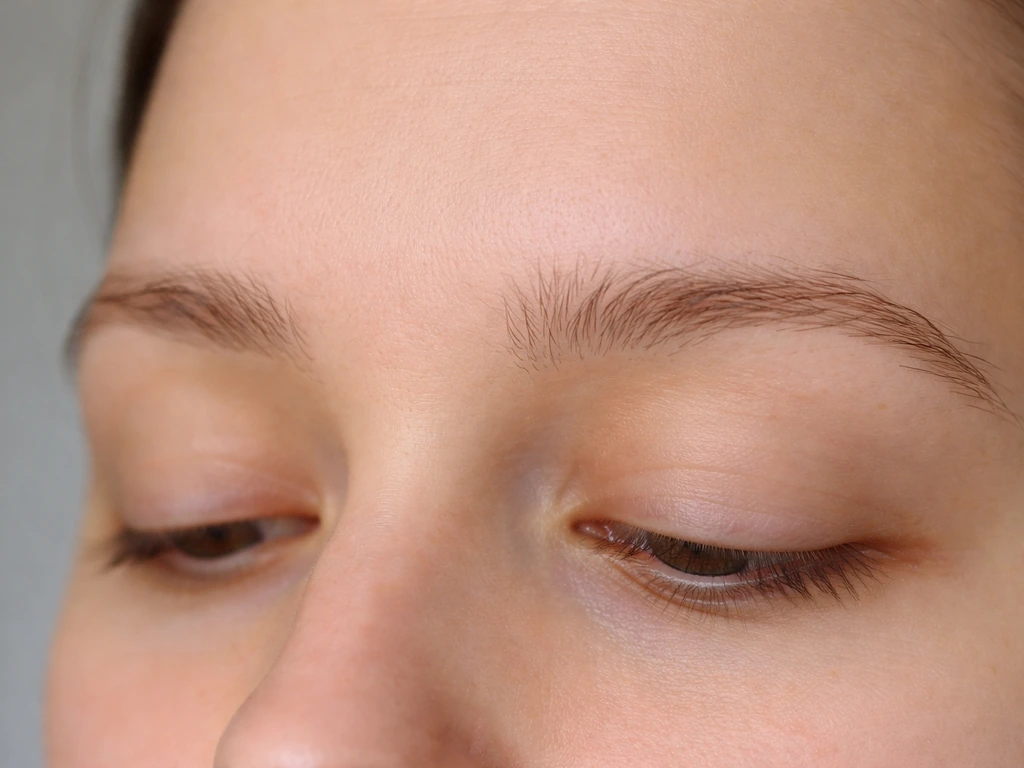
Yes, you can make your eyebrows grow back in most cases, but how well depends on what caused the thinning in the first place. If your follicles are intact and healthy, consistent care can genuinely improve thickness and density over a few months. If there's scarring or an underlying health issue involved, you'll need more targeted help. Either way, there are real, practical steps you can start today.
Can You Make Your Eyebrows Grow Again? What Works
James Whitmore
25 Jun 2026
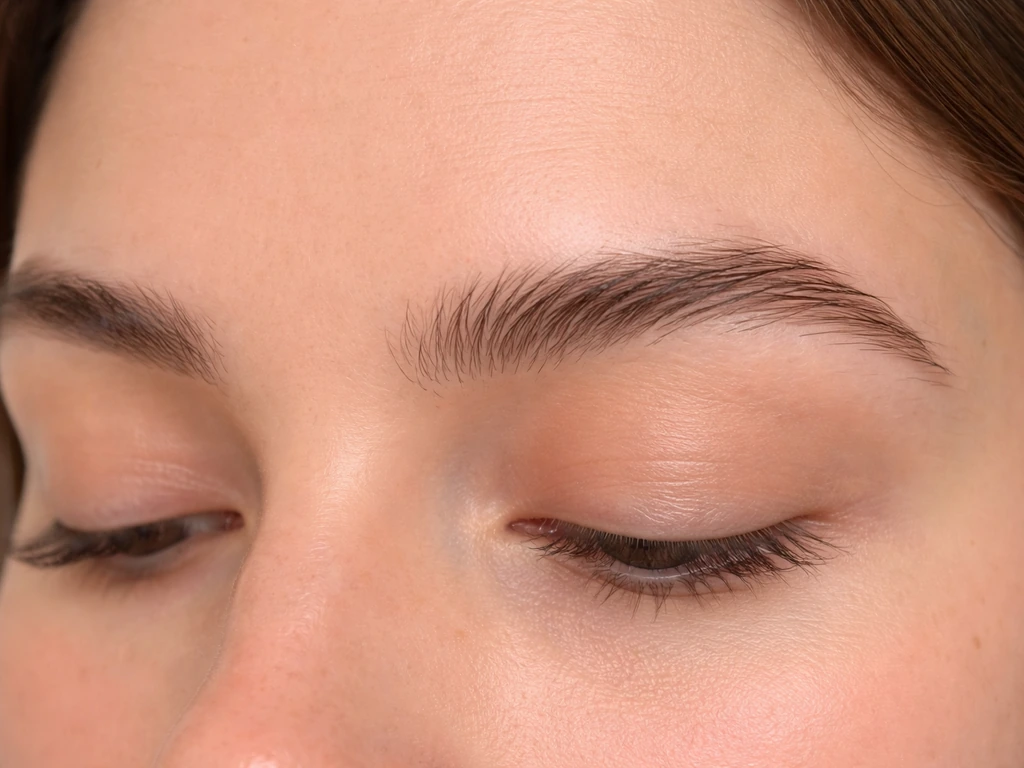
What 'growing your eyebrows' actually means
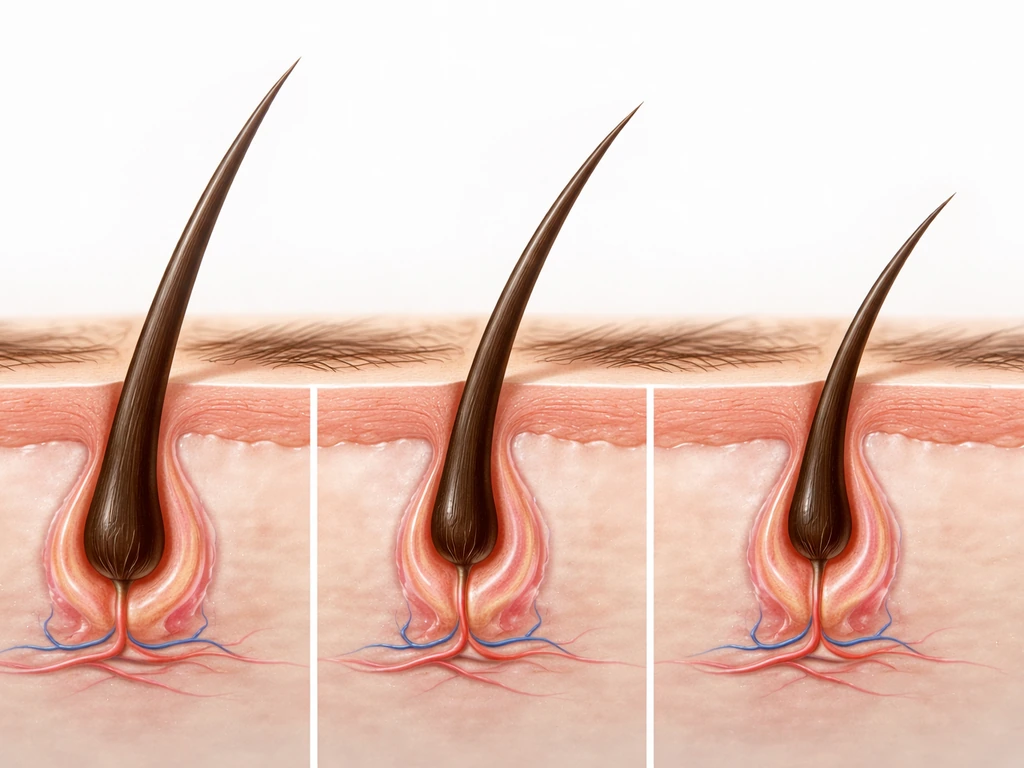
When people ask whether they can grow their eyebrows, they usually mean one of two things: either they want to regrow hairs that have stopped coming back after years of plucking or waxing, or they want to thicken and fill in brows that have always been naturally sparse. These are slightly different problems, but they share the same biology.
Every eyebrow hair grows from a follicle that cycles through three phases: anagen (active growth), catagen (transition), and telogen (rest and shedding). At any given time, most of your eyebrow follicles are in telogen, which is why eyebrow hair grows much more slowly than scalp hair. The goal of any regrowth strategy is to either wake up follicles that have gone dormant, support healthier active follicles, or address whatever is suppressing the cycle in the first place. You're not creating new follicles from scratch. You're working with what you already have.
Why your eyebrows might not be growing back
This is worth understanding before you try anything, because the cause completely shapes the solution. Here are the most common reasons eyebrows stop growing or grow back poorly.
Years of over-plucking or over-waxing
This is the most common cause. Repeatedly pulling hair from the root over many years can traumatize follicles to the point where they go into long-term dormancy or, in severe cases, permanent damage. The follicle isn't necessarily destroyed, but it may need time and support to start cycling again. The longer this has gone on, the slower the recovery.
Shaving (a common misconception)
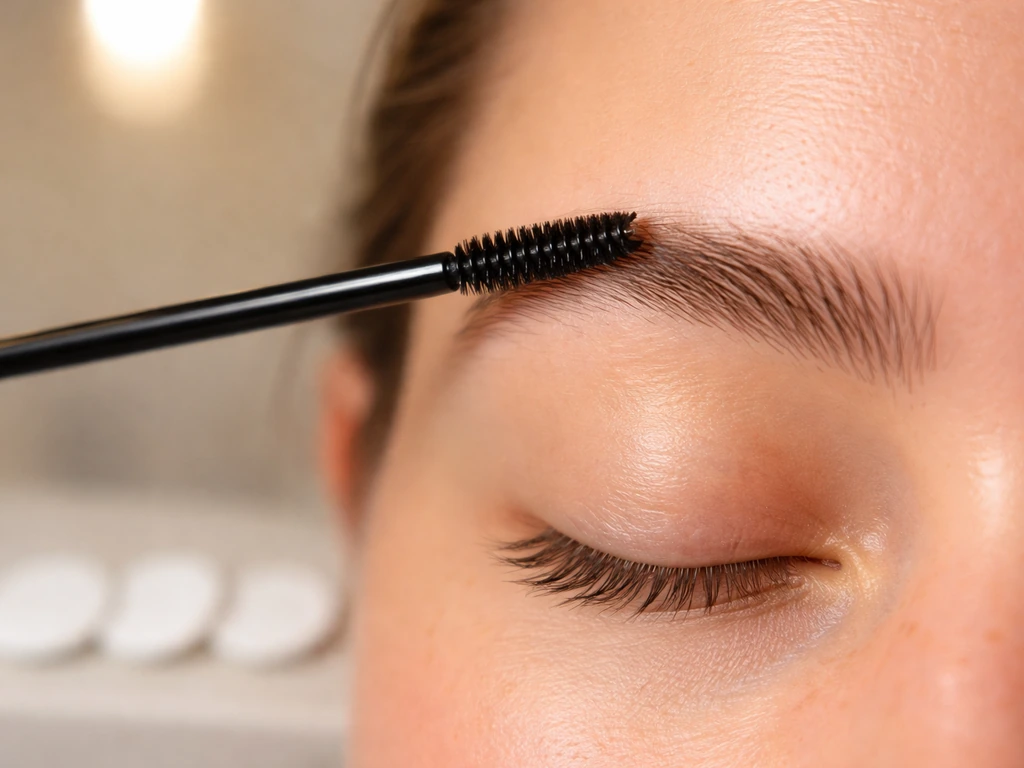
If you've shaved your brows, the follicle is completely untouched. Shaving only removes the hair at the surface, so it doesn't change growth rate, thickness, or color. What you're noticing is the blunt cut end of the hair growing back in, which looks coarser than a naturally tapered tip. The brows will grow back normally. This is confirmed by Mayo Clinic research: shaving has no effect on the biology of regrowth.
Traction and friction
Rubbing your brows frequently, using heavy eye makeup removers aggressively, or constantly touching the area can cause low-grade mechanical stress that disrupts the hair cycle and leads to gradual thinning over time. It's slow enough that most people don't notice the connection.
Underlying health issues
Sometimes sparse or absent eyebrow hair is a symptom, not just a cosmetic issue. Hypothyroidism, nutritional deficiencies (especially vitamin A or biotin), alopecia areata (an autoimmune condition where the immune system attacks follicles), and skin conditions like eczema or psoriasis can all affect eyebrow growth. If your brows are thinning without an obvious mechanical cause, this possibility is worth taking seriously.
Scarring
If the follicle itself is scarred, from injury, burns, or certain inflammatory skin conditions, regrowth in that area may not be possible through topical treatments alone. Scarring alopecia is fundamentally different from non-scarring causes, and treatment needs to match the type. A clinical review of eyebrow and eyelash hair loss confirms that treatment direction depends on whether the cause is scarring or non-scarring, and whether there's an active inflammatory process involved.
Realistic timelines: how long does regrowth actually take?
Eyebrow hair cycles are slow. The full anagen-to-telogen cycle for brow hair typically spans about 4 to 6 months, compared to years for scalp hair. That means if you start a regrowth routine today, you're looking at visible improvement somewhere in the 3 to 6 month range, not weeks. Here's a rough breakdown of what to expect:
| Situation | Realistic Timeline | What Affects It |
|---|---|---|
| Shaved brows | 4 to 8 weeks for full return | Almost nothing, follicles are fine |
| Recently over-plucked (less than 1 year) | 3 to 4 months with consistent care | Depth of trauma, frequency of plucking |
| Long-term over-plucked (many years) | 4 to 6 months minimum, sometimes longer | Degree of follicle dormancy, age, genetics |
| Naturally sparse brows | Gradual improvement over 3 to 6 months | Genetics, hormone levels, skin health |
| Medical cause (e.g., thyroid, alopecia areata) | Variable, depends on treating the cause | Diagnosis and treatment of root issue |
Age matters too. Follicle response slows as you get older, so someone in their 20s working to recover over-plucked brows will generally see faster results than someone in their 50s. Consistency also matters more than intensity. Applying something once a week for six months will almost always outperform an aggressive two-week sprint followed by nothing.
At-home regrowth strategies worth actually trying
There's a lot of noise in the beauty space about brow growth, so here's a straightforward breakdown of what has real merit and how to do it properly.
Castor oil
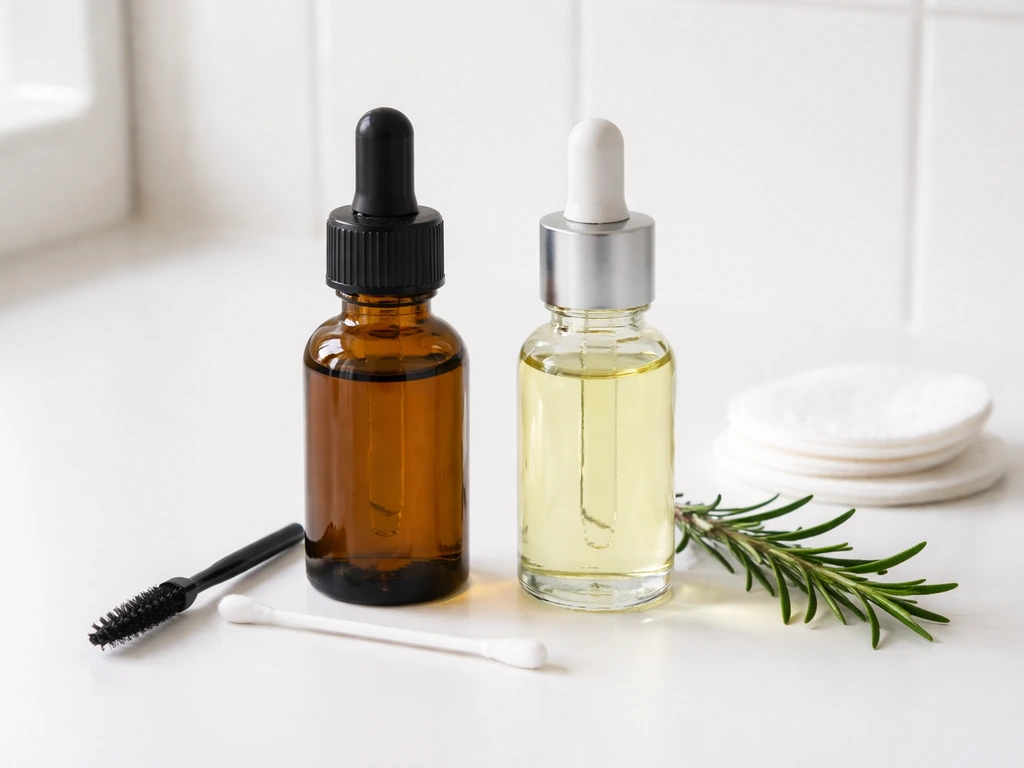
Castor oil is one of the most popular eyebrow remedies and, while it's not a miracle cure, it's genuinely useful as a conditioning treatment. It's rich in ricinoleic acid, which has anti-inflammatory properties and may support a healthier follicle environment. It also coats and strengthens the existing hair shaft, reducing breakage. Don't expect it to regrow completely bald patches, but for follicles that are dormant or producing weak, fragile hairs, castor oil applied nightly with a clean spoolie can make a visible difference over 8 to 12 weeks. Use a small amount, just enough to coat the brow area, and avoid getting it in your eyes.
Rosemary oil
Rosemary oil has more evidence behind it than most people realize. Studies on scalp hair have shown rosemary oil to be comparable to 2% minoxidil for promoting hair growth, and while direct eyebrow studies are limited, the mechanism (improved circulation to follicles, mild DHT-blocking action) is relevant. The key is dilution: mix a few drops of rosemary essential oil into a carrier like jojoba or castor oil before applying it to the brow area. Undiluted essential oils can irritate the skin around the eyes, which is particularly sensitive. Apply nightly and give it at least 3 months before deciding whether it's working.
Gentle nutrition and lifestyle support
Hair growth is partly an inside job. Deficiencies in iron, biotin, vitamin D, and protein are all linked to increased hair shedding and poor regrowth. If you've been under significant stress or eating poorly, addressing those factors will support whatever topical routine you're doing. You don't need a stack of supplements, but a basic blood panel to check for obvious deficiencies is smart before spending months on serums.
Stop the damage cycle
The single most important step if you've been over-plucking or over-waxing is to stop. Completely. Put away the tweezers and give your brows at least 3 months of total rest. I know it's uncomfortable when stray hairs come in unevenly, but those new hairs are the progress you're waiting for. Use brow pencil or powder to fill in gaps cosmetically during this phase, rather than removing any new growth. Using an eyebrow pencil can help you fill in sparse areas, but it will not grow new hair follicles.
Evidence-based products: castor oil and rosemary oil vs minoxidil

If you want to compare your main options side by side, here's an honest breakdown:
| Option | Evidence Level | Best For | How to Use | Key Cautions |
|---|---|---|---|---|
| Castor oil | Low to moderate (anecdotal and indirect) | Conditioning, reducing breakage, mild dormancy | Apply nightly with spoolie, small amount | Keep out of eyes, use pure cold-pressed oil |
| Rosemary oil (diluted) | Moderate (scalp studies, limited brow data) | Dormant follicles, mild to moderate thinning | 2 to 3 drops in carrier oil, apply nightly | Always dilute, avoid undiluted contact near eyes |
| Minoxidil (topical) | Strong (well-studied for hair loss broadly) | Significant thinning, slow-responding follicles | Small amount to brow area, once daily | Keep away from eyes, nose, and mouth; not for pregnant women; can cause unwanted facial hair if it spreads |
Using minoxidil on eyebrows: what you need to know
Minoxidil is an FDA-approved hair loss treatment for the scalp, and it's increasingly used off-label for eyebrows, sometimes prescribed as a bimatoprost solution specifically for brows. It works by extending the anagen (growth) phase of the hair cycle, which means more follicles are actively growing at once. For eyebrows, a very small amount of 2% liquid minoxidil applied once daily with a cotton swab or spoolie is the typical approach. Precision matters here: you want it on the brow skin, not spreading around the orbital area. Mayo Clinic specifically advises keeping minoxidil away from the eyes, nose, and mouth, so application technique is important. One side effect to be aware of is that if the product migrates, it can stimulate unwanted hair growth in adjacent areas. Start with a minimal amount and see how your skin responds before committing to daily use.
What to avoid (things that make regrowth harder)
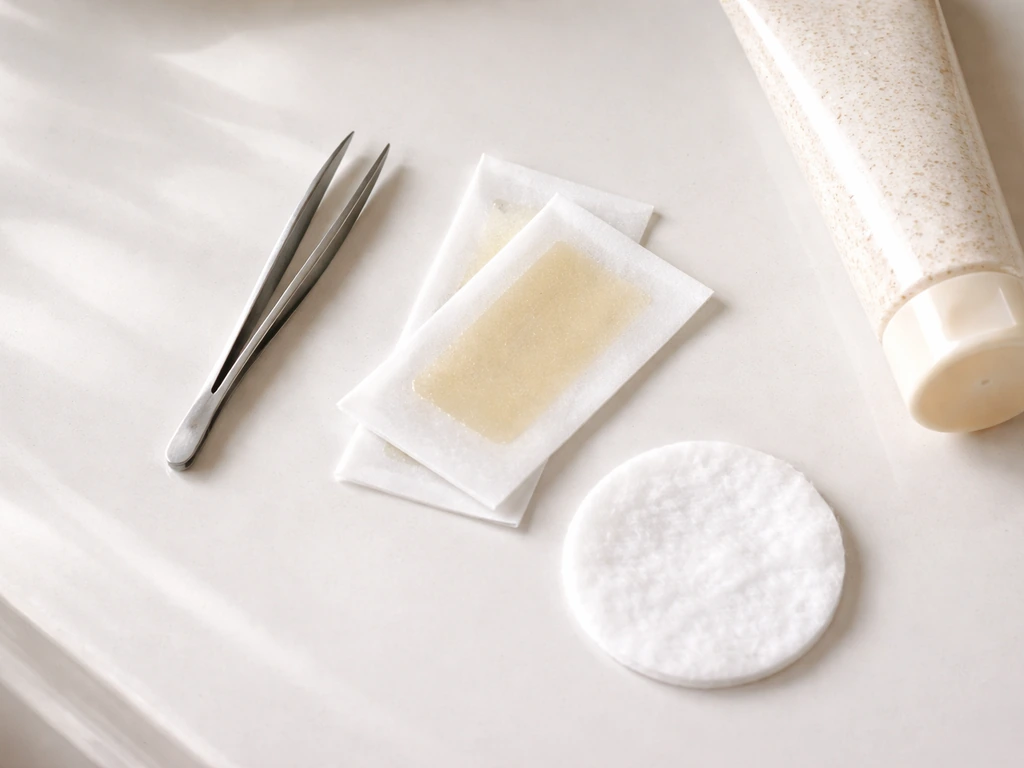
- Continuous plucking or waxing of new growth: every hair you pull delays your timeline
- Aggressive exfoliation around the brow area: it can irritate follicles and worsen thinning
- Rubbing your brows when removing makeup: use a gentle press-and-hold technique instead
- Undiluted essential oils directly on the skin near your eyes: they can cause chemical irritation that sets back regrowth
- Expecting results in weeks: impatience leads to abandoning routines that just needed more time
- Applying too much of any product: more is not better, especially with actives like minoxidil or potent oils near the eye area
- Ignoring a possible underlying cause: if something systemic is driving the loss, no topical treatment will fully fix it
When to see a dermatologist instead of DIYing it
Home remedies and patience work well for the majority of eyebrow regrowth situations, but there are specific signs that mean you need professional evaluation. Don't keep experimenting at home if any of these apply to you.
- Patchy eyebrow loss that appeared suddenly, or perfectly circular bald patches within the brow: this pattern is associated with alopecia areata, an autoimmune condition that can be treated with corticosteroid injections or other dermatologic therapies
- Eyebrow thinning that came with fatigue, weight changes, or feeling cold all the time: these are classic signs of hypothyroidism, which is diagnosed with a blood test and treated with medication, not oils
- Loss after significant skin injury, burns, or scarring: scarred follicles cannot respond to topical treatment alone and may need specialist assessment
- Scaling, redness, or persistent itching in the brow area alongside hair loss: this suggests an inflammatory skin condition that needs diagnosis and appropriate treatment
- No improvement after 4 to 6 months of consistent, appropriate treatment: it's time to rule out causes you can't address on your own
- Complete absence of brow hair that has never grown or was lost suddenly without an obvious cause
A dermatologist can also assess whether your situation involves scarring or non-scarring alopecia (a critical distinction, since non-scarring causes are generally more treatable), check thyroid function and nutrient levels, and prescribe treatments like bimatoprost or stronger minoxidil formulations that aren't available over the counter. Getting this evaluation sooner rather than later matters, because some causes of eyebrow loss are more treatable when caught early.
Your starting point today, based on your situation
If your brows are sparse from years of over-plucking, stop all removal, start nightly castor or diluted rosemary oil, and commit to at least 3 to 4 months of consistency before judging the results. If you shaved your brows and are just waiting for them to return, relax, they'll be back within 4 to 8 weeks and there's nothing special you need to do. If you've tried the above for several months and seen no progress, or if any of the dermatologist warning signs above apply to you, make that appointment. You might also find it useful to look into what specific ingredients and products have the strongest evidence for growth, how to handle completely bare patches versus just sparse areas, and whether there are specific cases where regrowing eyebrow hair is genuinely limited by biology. The bottom line: yes, you can make your eyebrows grow in most cases, but you need the right approach for the right cause, and realistic expectations about how long it takes. A useful next step is learning what can grow eyebrows based on your specific cause, so you know which options are most likely to work.
FAQ
How can I tell whether my eyebrows are actually growing back versus just looking better temporarily?
If your eyebrows look fuller after you stop plucking, that newness is usually normal regrowth moving out of the shedding phase. If they are getting denser only by day-to-day changes, consider breakage, irritation, or makeup removal habits rather than true follicle recovery, since follicle-driven change typically takes at least several months (about 3 to 6).
Will eyebrow growth happen at the same rate for everyone, or does it depend on the cause?
Yes, but pace varies a lot. In over-plucked cases, follicles may be dormant, so you can see softer regrowth before you see true thickness. For shaved brows, hairs often return on a similar timeline to normal hair cycling because the follicle was never damaged, typically within a few weeks.
What are the safest ways to apply minoxidil or similar products to avoid eye irritation?
Avoid applying growth products too close to the lash line or letting them run toward the eye. Use a tiny amount, apply only to the brow skin where you want coverage, and stop if you get burning, redness, swelling, or worsening eye irritation. Also, don’t combine multiple active growth products at once, because irritation can set you back.
What should I do if my brow growth routine causes redness, itching, or flaking?
If you get itchy, scaly, or watery irritation around the brows, pause and reassess. That can be from the formula, heat or rubbing, or over-application. Switching to a gentler routine (conditioning first, less friction, precise spot application) is often more effective than pushing through irritation.
Can you make eyebrows grow in a completely bare patch, not just sparse areas?
For completely bare patches, you may still see some regrowth if the follicles are not scarred, but the response is less predictable. If a patch has been missing for years or is visibly scarred, treat it as a “possible non-scarring versus scarring” question and consider a dermatologist evaluation rather than relying only on oils and home care.
Do eyebrows grow back thinner again after they seem to recover?
It’s possible, but it’s not guaranteed and it’s typically slower. Dimming or thinning can also be related to inflammation, thyroid or nutrient issues, or mechanical stress, so the “solution” is often addressing the trigger plus a consistent routine for months.
Should I take supplements to help eyebrows grow, or can I just use topical treatments?
Biotin and iron are helpful mainly if you are actually low, but taking them without evidence can waste money and sometimes cause GI side effects. A basic blood panel for iron status, vitamin D, thyroid function, and relevant nutrients is a practical way to decide whether supplementation is worth it.
Is it okay to use brow makeup while trying to regrow eyebrows, and how do I avoid setbacks?
Fill-in products are fine during regrowth, especially pencil or powder, but avoid rubbing to remove them. Choose gentle makeup removers and reduce back-and-forth scrubbing, because friction and harsh cleansing are common reasons brows thin again during the same recovery period.
When is eyebrow thinning more likely to be a health issue than a cosmetic one?
Yes. If you have a pattern of sudden thinning, hair loss with scalp patches, eyelid skin inflammation, or loss that follows pregnancy, illness, or autoimmune symptoms, that increases the odds of an underlying condition. In those cases, a clinician can check thyroid, nutrient status, and autoimmune causes instead of treating it as purely mechanical.
How do I know if my eyebrow loss is scarring and unlikely to regrow with oils?
If there are signs like shiny scarred skin, persistent absence for a long time after trauma, or continued inflammation, topical-only approaches may not restore hair. A dermatologist can determine whether it is scarring alopecia and discuss options that may be different from typical regrowth strategies.
Next Article
What Can Grow Eyebrows Back: Proven Options and Timelines
See what grows eyebrows back, proven treatments like minoxidil, home remedies, timelines by cause, and when to get help.