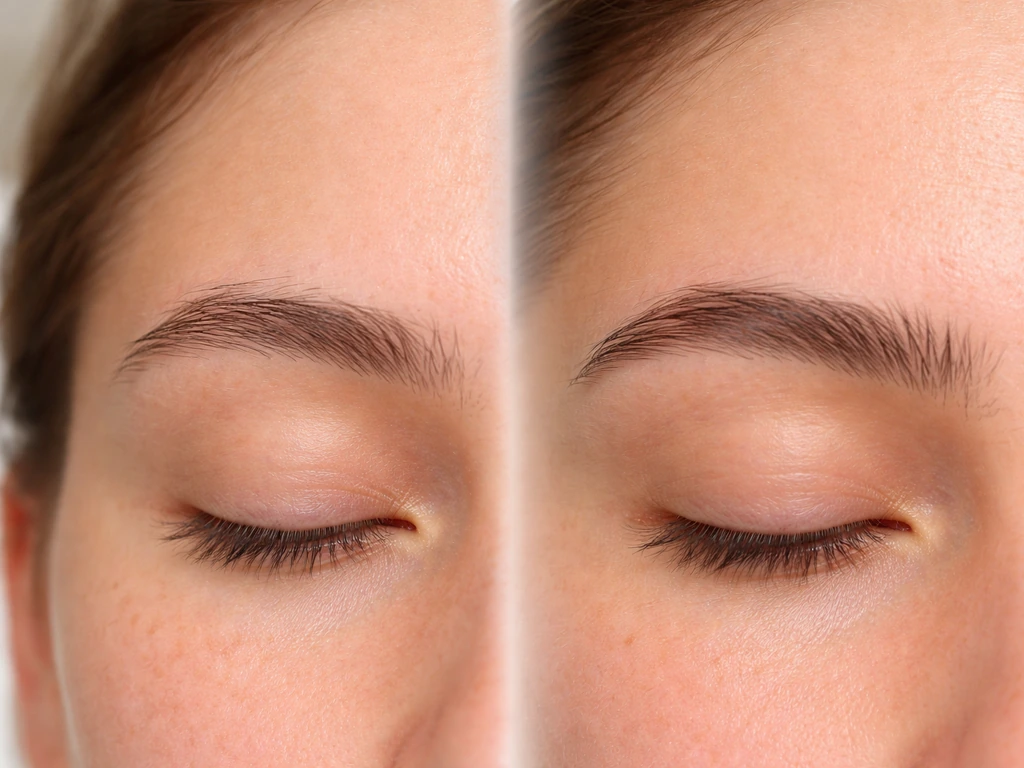
Biotin can help eyebrows grow back if your sparse brows are caused by a biotin deficiency, but for most people that is not the case. Biotin deficiency is genuinely rare in the US, and if you are eating a reasonably varied diet, your levels are almost certainly fine. That means taking biotin supplements is unlikely to make your eyebrows thicker, faster-growing, or fuller than they already are. It will not typically make sparse eyebrows grow faster unless you have a confirmed biotin deficiency. There are better options worth your time and money, and this guide covers exactly what to use instead. So if you’re wondering, “does revitabrow grow eyebrows,” the evidence for biotin-based supplements like this is limited and depends on correcting a true deficiency.
Will Biotin Help Eyebrows Grow? Evidence and What Works
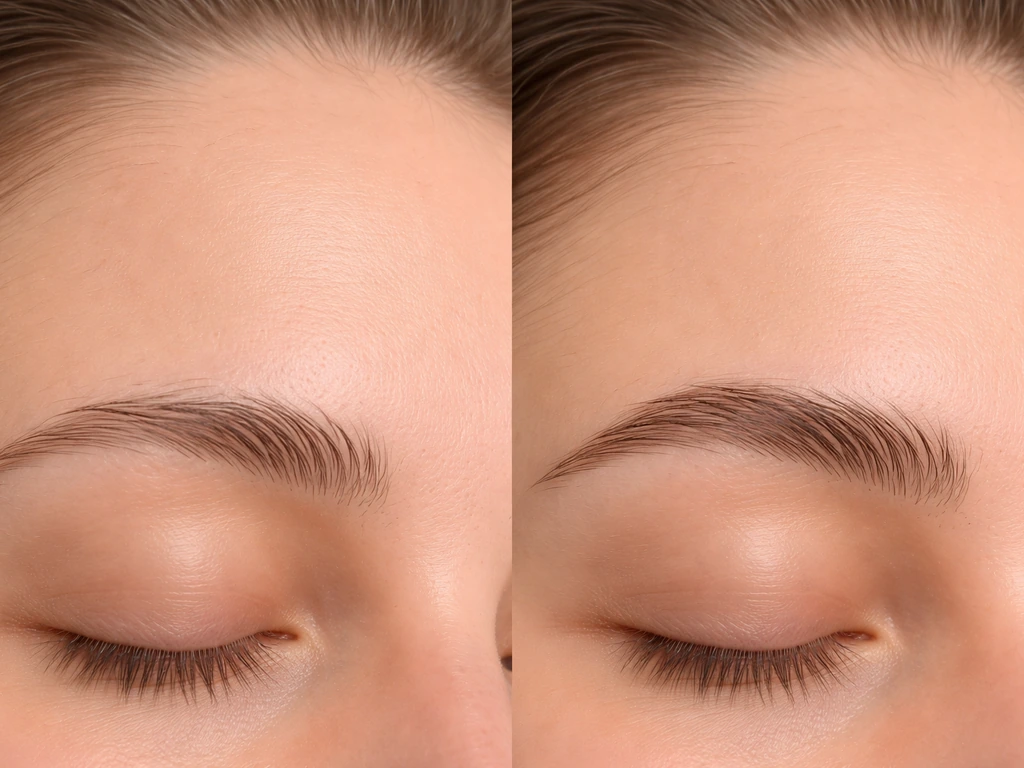
Does biotin help eyebrow growth (and when it actually works)
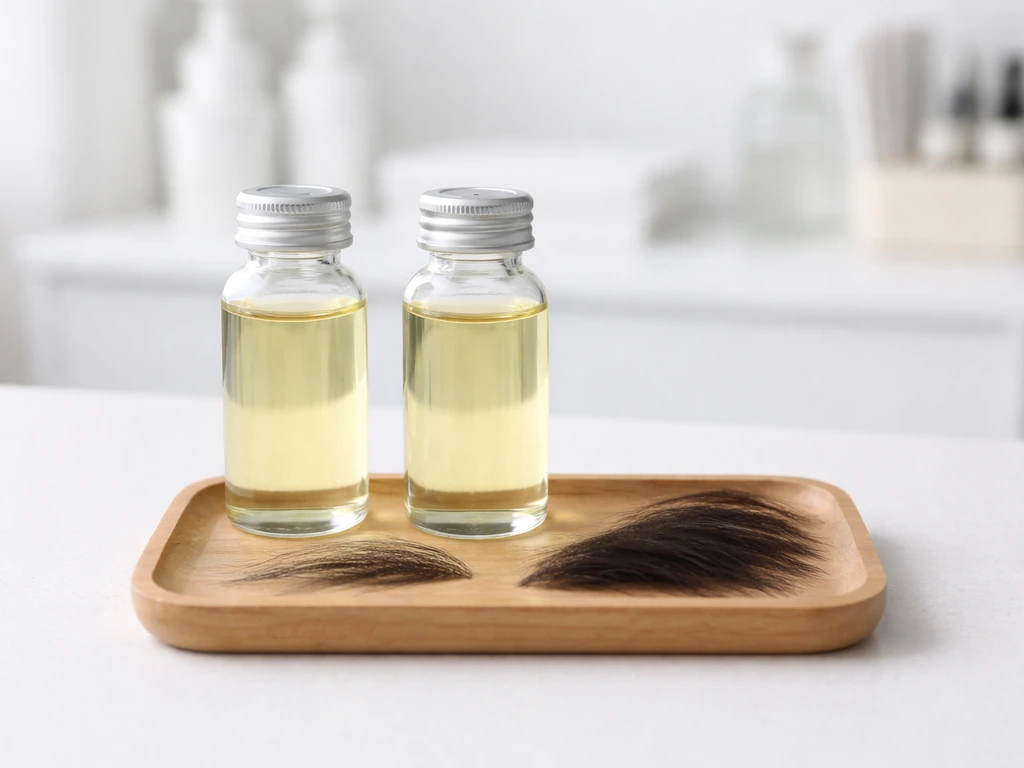
The honest answer is: sometimes, but only in a narrow set of circumstances. When someone is genuinely deficient in biotin, correcting that deficiency can stop hair thinning and allow normal growth to resume. That includes eyebrows. But that is a deficiency-correction effect, not a growth-enhancement effect. Biotin is not doing something extra for your follicles when you take more of it than your body needs. It is like adding oil to a car that already has plenty of oil. More oil does not make the engine run better.
A randomized crossover trial in healthy men compared 5 mg of oral biotin per day against topical minoxidil. Biotin did not improve hair growth rate. Minoxidil did. That is a clean, direct comparison that tells you a lot about where biotin sits in the evidence hierarchy. A broader systematic review of biotin for alopecia reached the same conclusion: the evidence for biotin making a meaningful difference in people without a deficiency is essentially nonexistent.
So who does benefit? People with confirmed biotin deficiency, which can occur with malabsorption disorders, prolonged antibiotic use that disrupts gut flora, long-term anticonvulsant therapy, or very restrictive diets. People with biotinidase deficiency (a rare genetic condition affecting roughly 1 in 60,000 newborns) also benefit significantly from supplementation. In biotinidase deficiency, lifelong biotin is expected to prevent many complications and act as a deficiency correction so hair-related symptoms improve in true deficiency states People with biotinidase deficiency. If you fall into one of these categories, biotin can genuinely make a difference. If you do not, you are likely just producing expensive urine.
What biotin actually does for hair vs. brows
Biotin is a B vitamin that acts as an essential cofactor for several carboxylase enzymes involved in fat synthesis, gluconeogenesis, and amino acid metabolism. Your body uses it constantly, but it is not a switch you flip to grow more hair. Hair follicles need keratin, and biotin is involved in the metabolic pathways that support keratin production. That is where the connection to hair comes from. But the leap from 'biotin supports keratin metabolism' to 'taking more biotin grows more hair' is not supported by the evidence.
For eyebrows specifically, biotin's role is even more indirect. Eyebrow hairs are finer and structurally different from scalp hair, and their growth cycle is much shorter. The realistic effect of correcting a deficiency is that you stop losing ground, not that you suddenly gain more. If your keratin quality is suffering due to deficiency, fixing that deficiency might reduce breakage and help existing hairs look healthier. That is not the same as stimulating new follicle activity.
Do you need a biotin deficiency to see results?
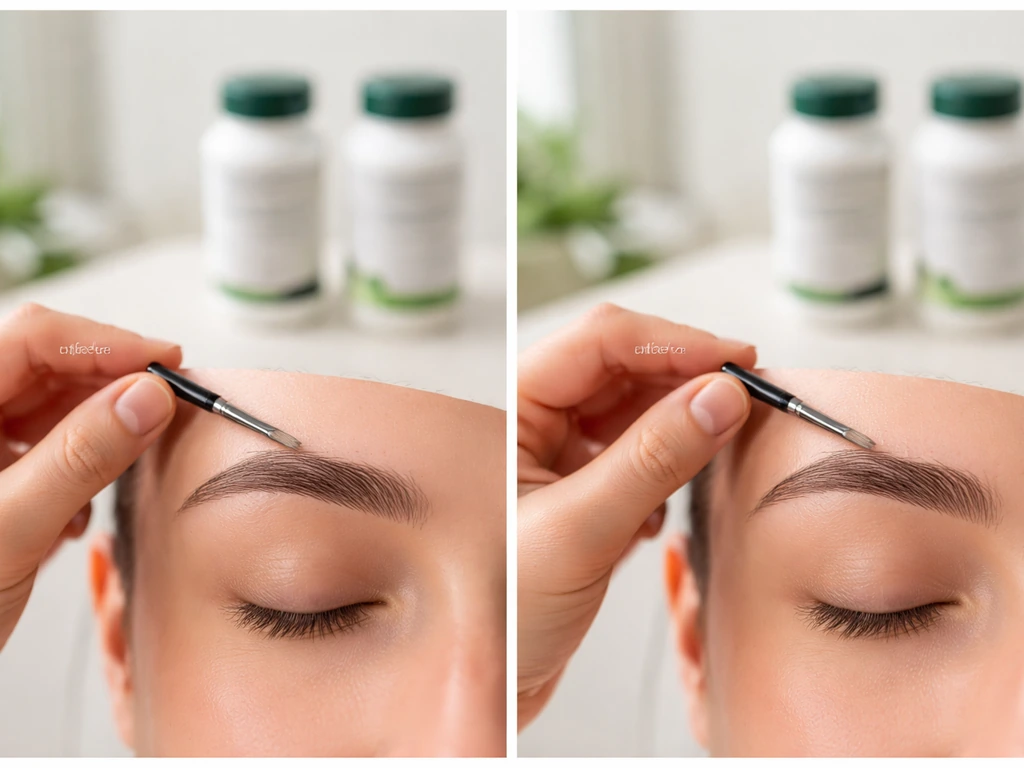
Yes, essentially. The research consistently frames biotin's benefit within a deficiency-correction model. The NIH Office of Dietary Supplements confirms that biotin deficiency is very rare in the US, and that supplementing without deficiency is not evidence-based for hair growth. The NCCIH echoes this principle: micronutrients help when you are running low, not as performance enhancers when you are already adequate.
Before spending months on biotin supplements, it is worth thinking honestly about your diet and health history. Are you eating eggs, nuts, seeds, salmon, or dairy regularly? If so, your biotin intake is almost certainly sufficient. If you have a condition that affects nutrient absorption or you have been on antibiotics or anticonvulsants long-term, that is worth discussing with a doctor who can check your levels rather than guessing.
How long eyebrows actually take to grow back
Eyebrow hairs have a much shorter active growth phase than scalp hair. The growth cycle includes an anagen (active growth) phase, a catagen (transition) phase of about 2 to 3 weeks, and a telogen (resting/shedding) phase. Because eyebrows have a higher proportion of hairs in catagen and telogen at any given time compared to scalp hair, changes take months to become visible, not days or weeks.
After shaving, you can generally expect noticeable regrowth within 6 to 8 weeks because the follicle is undamaged. After waxing or tweezing, the follicle itself is stressed and recovery takes longer, often 3 to 4 months for meaningful regrowth. Repeated over-tweezing over years can cause more lasting thinning if follicles have been repeatedly traumatized. In those cases, 6 months is a more realistic window before you can properly assess where your brows have landed.
| Cause of Sparse Brows | Estimated Regrowth Timeline | Key Factor |
|---|---|---|
| Shaving | 6 to 8 weeks | Follicle undamaged, fastest recovery |
| Waxing or threading | 2 to 4 months | Root pulled, follicle needs recovery time |
| Over-tweezing (short-term) | 3 to 4 months | Repeated trauma slows regrowth |
| Chronic over-tweezing (years) | 6+ months, variable | Possible long-term follicle suppression |
| Alopecia or medical cause | Varies widely | Underlying condition must be treated first |
A practical eyebrow-growth routine you can start today
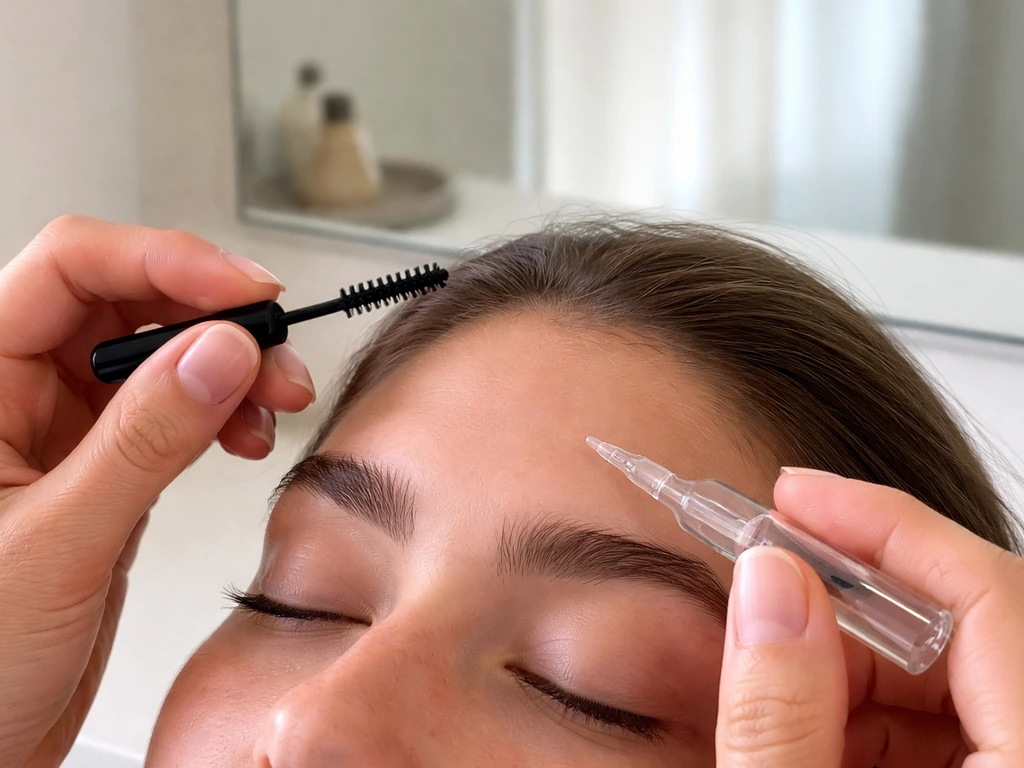
The most important thing you can do right now is stop doing anything that disrupts regrowth. That means no tweezing, waxing, or threading until your brows have had a real chance to fill in. Give it a minimum of 8 weeks with zero interference before you decide what shape you are working with. It sounds simple but most people break this rule within two weeks.
From there, a solid routine looks like this:
- Stop all plucking, waxing, and threading for at least 8 weeks (longer if you have been over-tweezing for years).
- Apply a topical treatment each night (castor oil, rosemary oil, or a serum with minoxidil) to clean, dry brows using a clean spoolie or fingertip. Use only a small amount to avoid spreading to surrounding skin.
- Eat enough protein and varied whole foods to support keratin production. Hair is made of protein, and under-eating is one of the most overlooked contributors to slow regrowth.
- If you suspect a nutritional gap (restrictive diet, gut issues, antibiotic history), talk to your doctor about a blood panel before loading up on supplements.
- Take a dated photo of your brows in the same lighting every 4 weeks. Progress is slow enough that you will not notice it day to day, but a monthly photo comparison over 3 to 4 months tells the real story.
- Reassess at the 12-week mark. If there is clear growth, keep going. If brows have not moved at all, it is time to consider whether there is an underlying cause worth investigating.
Evidence-based alternatives to biotin
If you want to actively support eyebrow growth rather than just waiting it out, there are a few topical options with actual evidence behind them. If you are wondering whether can red light therapy grow eyebrows, it is usually not as well supported as options like minoxidil.
Castor oil
Castor oil is the most popular brow remedy and it has a real rationale, even if the direct clinical evidence for eyebrows specifically is thin. It is rich in ricinoleic acid, which has anti-inflammatory properties and may support a healthier follicle environment. It also coats the hair shaft, reducing breakage so existing hairs stay in place longer. That can make brows look fuller even before new hairs grow in. The evidence is mostly mechanistic and anecdotal rather than large randomized trial data, but it is low-risk, inexpensive, and worth trying. Apply a tiny amount with a clean spoolie at night and leave it on.
Rosemary oil
Rosemary oil has stronger evidence behind it than castor oil, at least for the scalp. A randomized comparative trial found that rosemary oil achieved comparable hair density improvements to minoxidil 2% over 6 months in people with androgenetic alopecia. That study was scalp-focused, not eyebrow-specific, but the mechanism (improving circulation and reducing scalp oxidative stress) translates reasonably well to brow follicles. Use a diluted version (a couple of drops in a carrier oil like jojoba) and apply it to brow skin, not just the hair. Give it 3 to 6 months before judging results.
Minoxidil
Topical minoxidil is the most evidence-backed option on this list. A randomized, double-blind, placebo-controlled split-face study evaluated minoxidil 2% specifically for eyebrow hypotrichosis and found it effective for eyebrow enhancement. This is off-label use, but it is the kind of direct eyebrow evidence that biotin simply does not have. Minoxidil works by prolonging the anagen (active growth) phase of the hair follicle and increasing follicle size. Both 2% and 5% concentrations are used off-label for facial hair, though 2% is generally preferred for brows given the risk of unwanted hair growth on surrounding skin. If you are seriously frustrated with sparse brows that are not responding to anything else, minoxidil is worth a conversation with a dermatologist. For comparison with similar options, you might also look into prescription treatments like Latisse, or supplements specifically formulated for hair growth beyond single-ingredient biotin.
Safety, side effects, and when to see a professional
Biotin is generally considered safe because excess is excreted in urine rather than stored. But there is one significant safety issue worth knowing: high-dose biotin can interfere with certain lab tests, including thyroid function tests and troponin assays (used to diagnose heart attacks). The FDA has issued warnings about this. Even a single 10 mg dose has been shown to affect thyroid-related test results within 24 hours. If you are taking high-dose biotin and need blood work, tell your doctor and lab. This is not a reason to panic, but it is a real, documented concern that is often overlooked.
For topical minoxidil, the main risks are skin irritation, unwanted hair growth on surrounding areas if you are not precise with application, and in rare cases systemic absorption causing symptoms like rapid heartbeat or dizziness. Stop use and seek medical advice if you notice any of those symptoms. Keep application targeted to the brow area only.
You should see a dermatologist or doctor if your brows have not shown any regrowth after 3 to 4 months of consistent effort, if you notice redness, itching, scaling, or inflammation in the brow area (which can signal contact dermatitis, seborrheic dermatitis, or other skin conditions that impair follicles), or if your brow loss is patchy and sudden rather than gradual (which can be a sign of alopecia areata, a condition that responds to different treatments entirely). Scarring from old skin issues can also permanently affect follicles, and no supplement or oil can fix that without professional intervention.
Bottom line: biotin is not the move for most people trying to grow back their eyebrows. It is fine to take if you have reason to think you are deficient, but do not expect dramatic results if your nutrition is already solid. Your time and effort are better spent on a consistent topical routine with castor oil, rosemary oil, or minoxidil, combined with stopping all follicle-disrupting habits and giving your brows the months they genuinely need to recover.
FAQ
If I start biotin anyway, how long would it take to see any eyebrow benefit if I’m actually deficient?
If biotin deficiency is the cause, you would expect changes to show up gradually, not immediately. In practice, give it at least 8 to 12 weeks, and consider getting your clinician to confirm deficiency (or related issues like malabsorption) rather than treating by guesswork.
How can I tell the difference between eyebrow thinning from over-tweezing versus a nutrient issue?
Over-tweezing usually shows more gradual thinning and disrupted eyebrow shape, with many hairs looking short or broken. Nutrient-related issues often come with broader symptoms, such as generalized hair changes or dietary risk factors. If you can pinpoint years of repeated trauma, that is a stronger lead than biotin.
Can biotin replace minoxidil if my brows are thinning?
Usually no. Biotin is mainly a deficiency-correction nutrient, while minoxidil is a growth-phase support treatment. If your diet is already adequate, biotin is unlikely to produce the same kind of visible regrowth you would get from minoxidil over 3 to 6 months.
What dose of biotin should I take for eyebrows if I suspect deficiency?
Instead of choosing a high dose on your own, the safest approach is to confirm with a clinician what deficiency you might have and why. High-dose biotin can interfere with lab tests, and taking more than you need does not reliably improve hair growth.
Do hair and skin supplements that include biotin work better than plain biotin?
They can work better only if they correct an actual limiting deficiency (for example, iron or vitamin D) or include ingredients that target the problem you have. If the formula is mostly biotin without a clear deficiency, you still should not expect meaningful brow regrowth.
Is topical biotin ever better than taking biotin pills?
There is no strong evidence that topical biotin specifically improves eyebrow hypotrichosis. If you want evidence-based topical options for brows, minoxidil and carefully used oils have clearer practical rationale and outcomes than biotin creams.
Can I use minoxidil on my eyebrows if I have sensitive skin or eczema?
Yes, but use caution. Patch-test first on a small area of the brow skin for a few days, and start with the lowest effective exposure. If you develop redness, itching, scaling, or worsening irritation, stop and get evaluated, since contact dermatitis or seborrheic dermatitis can block results.
Will minoxidil cause hair growth on my forehead or eyelids?
It can, especially if product spreads beyond the brow or if you apply too much. Use a small amount, apply only to the brow hair line or skin underneath the brow, and wash your hands well after application to reduce transfer.
When I should take a progress photo and how should I compare results?
Use consistent lighting, distance, and head position, and take photos at the same time of day. Because eyebrow cycles are slow, compare at 8 to 12 week intervals, not weekly. Also, keep your grooming routine consistent during the test period.
What if my eyebrow loss is sudden or patchy? Should I still try biotin or oils?
Sudden, patchy, or rapidly changing eyebrow loss can signal conditions like alopecia areata, which needs different treatment. In that case, it is better to see a dermatologist promptly rather than spending months on supplements or low-intensity routines.
Can I wax or thread while using minoxidil or while waiting for regrowth?
It is best to avoid those during the assessment window. The guidance is to stop tweezing, waxing, or threading until the brows have had time to fill in, since follicle stress can delay results and make it harder to tell what is actually working.
Are castor oil or rosemary oil safe for use near the eyes?
They are generally low risk when used on brow skin and not the eye itself, but irritation can happen. Use diluted rosemary oil, apply a tiny amount with a clean spoolie, avoid the lash line, and stop if you get burning, watering, or noticeable redness.
Will Latisse Grow Eyebrows? Timeline, Safety, Results
See if Latisse can grow sparse eyebrows, realistic timeline, expected results, and safety steps to apply around eyes.