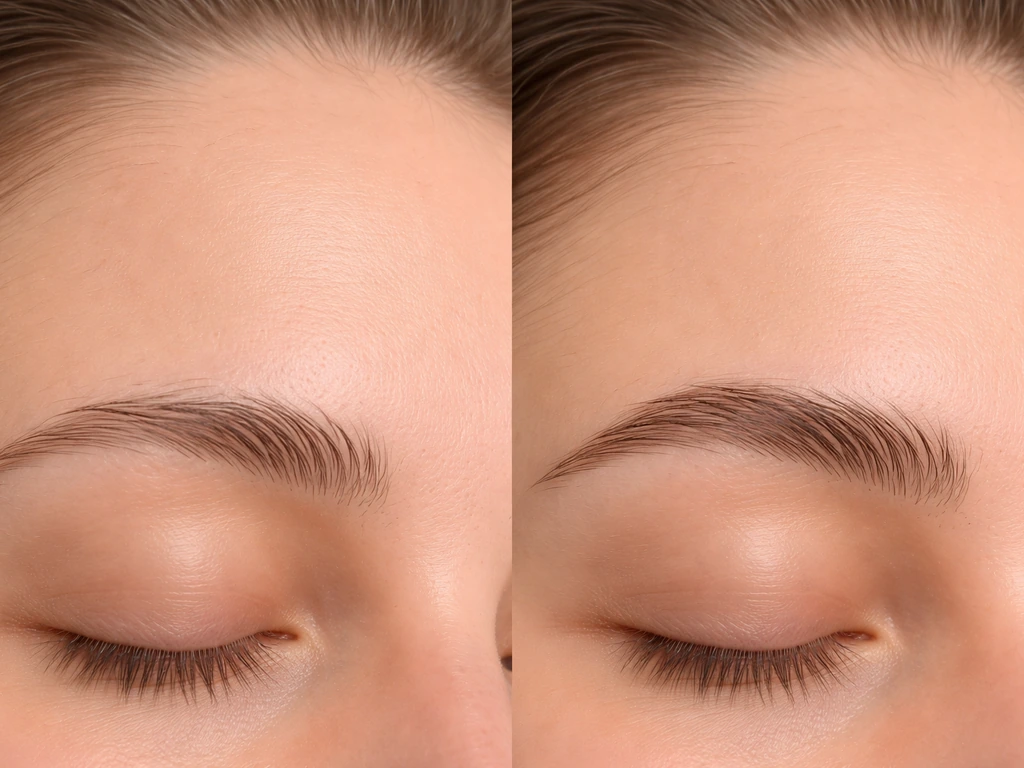
Nutrafol can help some people grow thicker eyebrows, but it's not a sure thing, and the evidence specifically for brows is thin. If you are also wondering whether RevitaBrow grows eyebrows, the evidence and expected results depend on the cause of your brow thinning does RevitaBrow grow eyebrows. The strongest data supports its use for scalp hair thinning driven by stress, hormonal shifts, or nutritional gaps. If one of those root causes is also behind your sparse brows, there's a reasonable chance Nutrafol moves the needle. If your brows are thin for a different reason, like alopecia areata, thyroid disease, or years of over-plucking, a supplement alone probably won't be enough.
Does Nutrafol Help Eyebrows Grow? What to Expect

James Whitmore
7 Jun 2026
What Nutrafol actually is
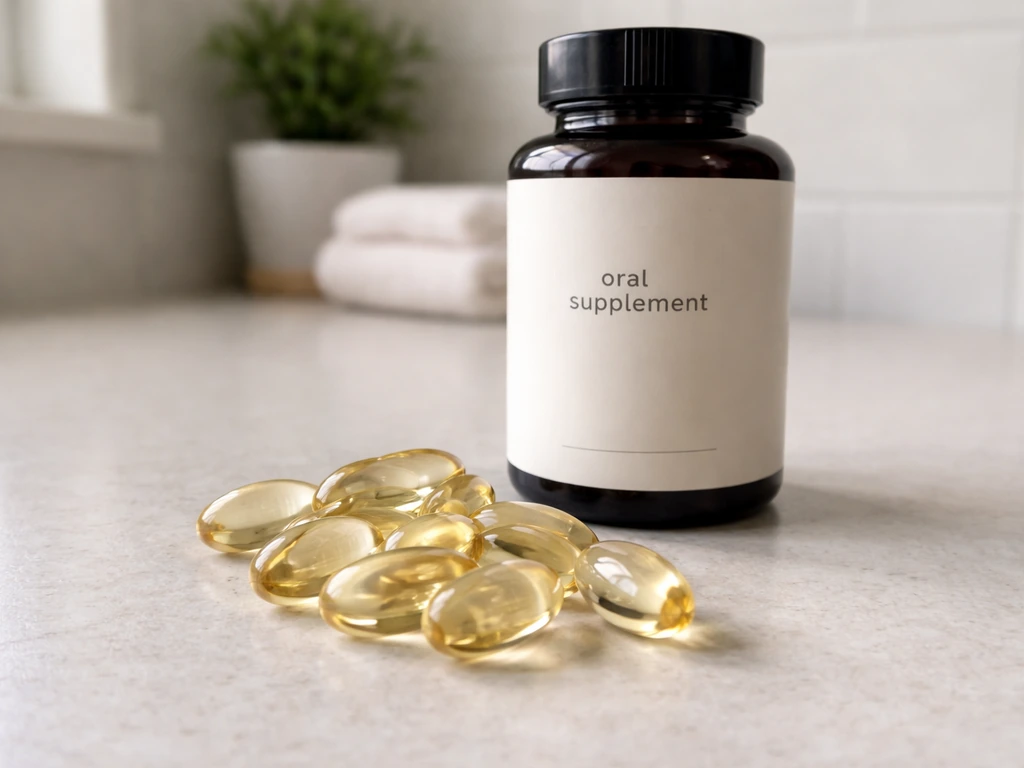
Nutrafol is an oral supplement, not a topical serum or a drug. It comes in several formulations (Women's, Women's Balance, Men's, Vegan) and contains a blend of botanical and nutritional ingredients the company calls a "hair growth nutraceutical." Key actives include Sensoril ashwagandha (an adaptogen intended to lower cortisol), saw palmetto (a DHT blocker), curcumin, biotin at 3,000 mcg, plus a mix of vitamins and minerals. The idea is that by addressing internal stressors, you create a better environment for hair follicles to cycle normally.
There are real clinical trials behind it. Nutrafol has published a 6-month randomized, double-blind, placebo-controlled study for the Women's formulation, and a similar multicenter trial for the Men's. Both showed statistically meaningful improvements in hair growth and quality compared to placebo for people with self-perceived thinning hair. That's a meaningful bar. It's not the same as a pharma drug trial, but it's more rigorous than most supplement research.
Does Nutrafol actually target eyebrows, or just scalp hair?
This is where you have to read carefully. Nutrafol's clinical trials were designed around scalp hair, not eyebrows. The improvement data, the before-and-after photography, the phototrichogram measurements, all of it was measuring hair on the head. So when you're asking whether Nutrafol grows eyebrows, you're essentially extrapolating from scalp data. If you are wondering will rogaine grow eyebrows, it's important to know it has direct clinical evidence for eyebrow hypotrichosis rather than relying on scalp hair extrapolation whether Nutrafol grows eyebrows.
Nutrafol does mention brows on its Women's Vegan product page, claiming that "both men and women have reported thicker lashes and brows after taking Nutrafol for 6 months." That's a self-reported consumer claim, not a clinical endpoint from a controlled study. It's the kind of thing you should take as encouraging anecdote, not proof. The mechanism is plausible: if ashwagandha lowers stress hormones and saw palmetto blocks DHT, those same benefits could theoretically reach eyebrow follicles, since the same systemic factors affect hair throughout the body. But "theoretically possible" is not the same as "proven to work on brows."
Who is actually likely to benefit
The honest answer here is: it depends on why your brows are thin. Nutrafol is a systemic supplement, meaning it works from the inside out. That makes it a reasonable match for causes that are also systemic.
| Cause of Thinning Brows | Is Nutrafol Plausibly Helpful? | Notes |
|---|---|---|
| Chronic stress / high cortisol | Yes, likely | Ashwagandha is specifically included for this; good match |
| Hormonal changes (perimenopause, postpartum) | Possibly | Women's Balance is formulated for this; worth a try |
| Nutrient deficiency (iron, biotin, zinc, vitamin D) | Yes, if deficient | Supplements help most when you're actually deficient |
| Genetics / naturally sparse brows | Unlikely to transform | Can modestly improve thickness but won't rebuild what was never there |
| Over-plucking, waxing, or traction damage | Modest support only | Follicles may be dormant or scarred; topical options often needed |
| Thyroid dysfunction | No | Need to treat the thyroid condition itself, not supplement around it |
| Alopecia areata | No | Autoimmune condition requiring dermatologist-directed treatment |
| Aging (gradual thinning over time) | Possibly modest benefit | Helps nutrient status and DHT, but won't fully reverse age-related loss |
If your eyebrows have been thinning alongside noticeable scalp shedding, fatigue, or a stressful period in your life, Nutrafol is more likely to help than if your brows have just always been sparse. Experts quoted in places like Consumer Reports are fairly blunt: if you don't have a clear deficiency or systemic stressor, the evidence that supplements improve hair growth is weak. That's not a knock on Nutrafol specifically. It's just an honest framing of what supplements can and can't do.
What to realistically expect if you try it
Hair growth is slow. Red light therapy is another option people ask about, but the evidence for eyebrow regrowth is still limited can red light therapy grow eyebrows. Eyebrow hairs follow a cycle with a relatively short anagen (growth) phase compared to scalp hair, but the general principle still applies: you will not notice anything for the first 4 to 6 weeks. In Nutrafol's clinical trials, the study period was 6 months, and that's the right frame. Most people who see results notice something around the 3- to 4-month mark, and meaningful visible change typically takes the full 6 months.
Consistency matters more than dose. The standard dosage is 4 capsules daily, taken with a meal. Skipping days or taking 2 instead of 4 undermines the whole approach. If you're not willing to commit to a daily routine for 6 months, it's not worth starting.
Here's how I'd think about reassessment: take a clear, well-lit photo of your brows right now before you start. Take another at 3 months and again at 6. Eyebrow changes are subtle and gradual, and memory is unreliable. Photos are the most honest way to evaluate progress. If you see no change at all at 6 months, that's a reasonable point to stop and consider other approaches.
A note on safety
Nutrafol is generally well-tolerated, but it's not risk-free. Some reviewers, including Healthline's analysis, flag that certain ingredients like turmeric (curcumin), ashwagandha, saw palmetto, and kelp-derived minerals carry potential liver-related concerns in some contexts, particularly at high doses or with certain medications. If you have a liver condition, take blood thinners, or are pregnant, talk to a doctor before starting.
How to give Nutrafol the best chance of working
A supplement only addresses internal factors. While you're waiting for it to work, the smartest thing you can do is also reduce the external stressors on your brow follicles.
- Stop over-grooming. Put down the tweezers except for truly stray hairs. Every pluck you avoid is a follicle you're not traumatizing.
- Use a gentle cleanser around your brows. Harsh makeup removers and rubbing can cause low-grade inflammation at the follicle level.
- Don't skip SPF. Chronic UV exposure thins skin and can affect follicle health over time.
- Check your diet for common gaps. Iron, zinc, vitamin D, and protein are the most frequently deficient nutrients linked to hair thinning. Nutrafol covers some of this, but a blood panel from your doctor tells you what you're actually missing.
- Manage sleep and stress actively. Ashwagandha in Nutrafol works better when you're also doing the basics: sleeping 7 to 8 hours, managing chronic stress through movement or other strategies.
- Consider a brow-specific conditioning oil at night. Castor oil or rosemary oil won't stimulate new growth on their own, but they condition existing hairs and keep the follicle environment healthier while you wait.
Stronger options and useful add-ons
Nutrafol is a reasonable first step, especially if systemic factors are involved. But if you want to stack the odds further, or if Nutrafol alone doesn't produce enough change, there are more targeted options worth knowing about.
Topical oils: castor and rosemary
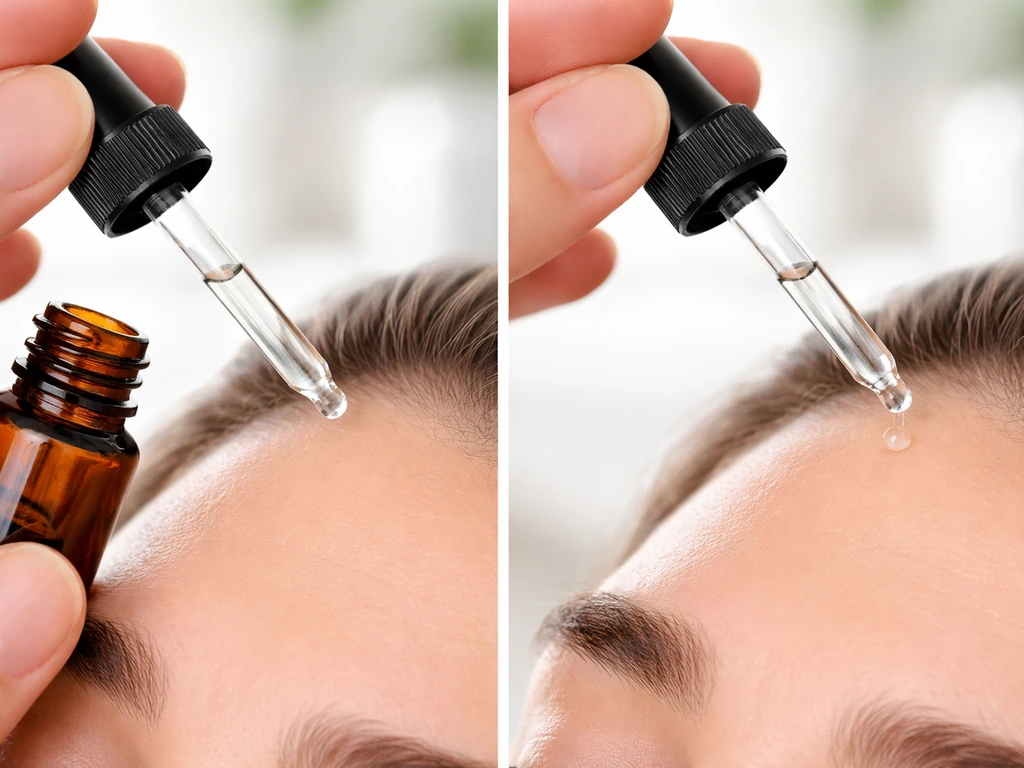
Castor oil is the classic eyebrow remedy, and it does have real benefits for conditioning hair shafts and potentially reducing breakage. What it won't do is stimulate dormant follicles or meaningfully increase the number of hairs growing. GoodRx's summary on castor oil for lashes is blunt: there's no evidence it stimulates new growth. Use it as a nightly conditioner, not as a growth treatment. Rosemary oil has slightly more interesting evidence for scalp hair, with one study comparing it favorably to minoxidil 2% for scalp use, but there's no equivalent eyebrow data. Still, it's low-risk and cheap to try.
Minoxidil: the most evidence-backed topical for brows
If you want a topical option with actual clinical evidence for eyebrows specifically, minoxidil is the one to know about. A randomized, double-blind, placebo-controlled split-face study found that 2% minoxidil lotion was safe and effective for eyebrow hypotrichosis (sparse or thin brows). That's the kind of direct brow evidence Nutrafol doesn't have. Minoxidil works by extending the anagen (active growth) phase of the hair cycle and increasing blood flow to follicles. It's available over the counter in 2% or 5% concentrations. For eyebrows, the lower 2% concentration is generally recommended to avoid unwanted facial hair growth in adjacent areas. Application is typically done once daily with a cotton swab or dropper, very sparingly.
Bimatoprost (Latisse) and other prescription options
Bimatoprost 0.03%, sold as Latisse, is FDA-approved for eyelash growth and used off-label for eyebrows. Case reports and small studies support its effectiveness for eyebrow hypotrichosis, with noticeable results typically beginning within 1 to 3 months. Latisse, which contains bimatoprost, is often discussed for sparse eyebrows, but it requires a prescription and careful safety review with a dermatologist. It requires a prescription and comes with real side effects to know about: periorbital skin darkening (which can resolve after stopping), potential iris pigmentation changes with repeated contact, and eyelid skin effects. A review of reported cases and literature notes that with bimatoprost 0.03%, increased eyelash growth can occur within 1, 3 months, while periorbital hyperpigmentation may appear after 3, 6 months and may resolve after discontinuation blank" rel="noopener noreferrer">periorbital hyperpigmentation (which can resolve after stopping). It's a serious tool for serious cases, not a first-line casual option. If you're considering Latisse for brows, that's a dermatologist conversation.
Biotin and other standalone supplements
Biotin is included in Nutrafol at 3,000 mcg, and it's also sold standalone. It genuinely helps hair if you're biotin-deficient, which some people are (especially those on certain medications or with GI conditions). If you're not deficient, the evidence that extra biotin grows more hair is weak. If you are wondering, will biotin help eyebrows grow, the same logic applies: only deficiency is likely to make a noticeable difference extra biotin grows more hair. Nutrafol's multi-ingredient approach is more complete than taking biotin alone, since it also addresses stress hormones, DHT, and inflammation rather than just one nutritional factor.
Microneedling
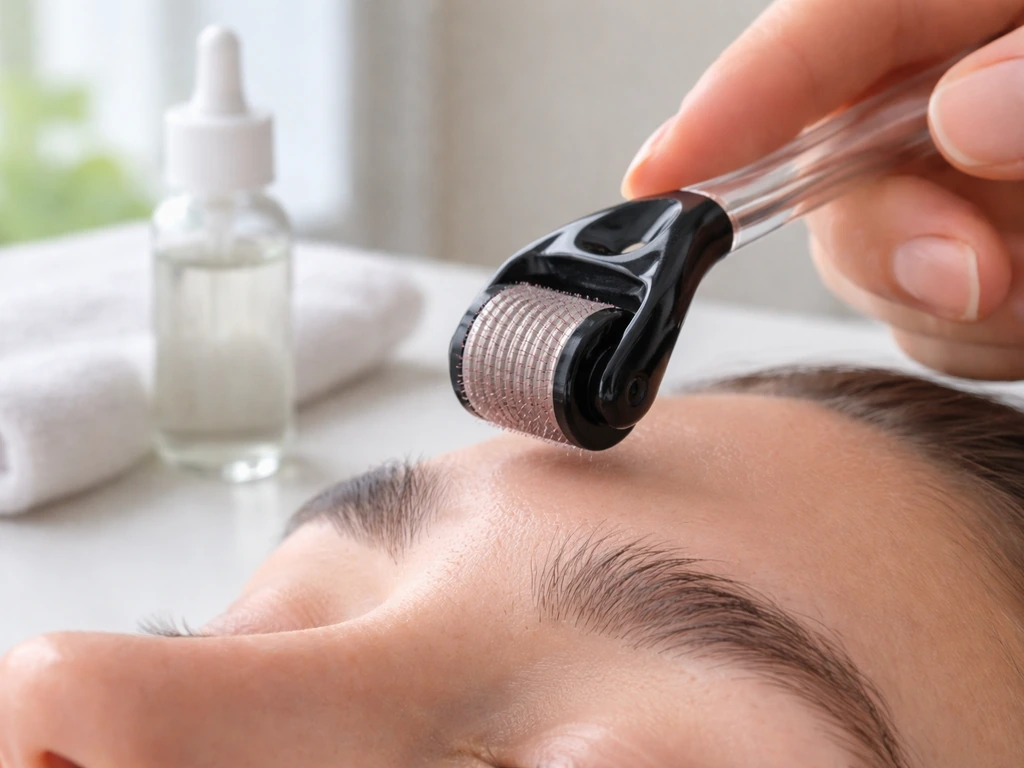
Microneedling the brow area (using a derma roller or stamp at 0.25 to 0.5mm) can stimulate growth factors and enhance absorption of topical products like minoxidil or rosemary oil. There's reasonable scalp hair data supporting this combination approach, and some people use it on brows. It requires caution near the eye and clean technique to avoid infection. If you're already using a topical like minoxidil, adding microneedling a few times per week can potentially improve results.
When to stop DIYing and see a dermatologist
Some eyebrow thinning really does need a professional evaluation, and trying to supplement or oil your way through it wastes time. See a board-certified dermatologist if any of the following apply.
- Your brow loss is patchy, sudden, or asymmetrical. This pattern can signal alopecia areata, an autoimmune condition that needs specific treatment, not supplements.
- Your brows are thinning at the outer third specifically. This is a classic sign of hypothyroidism. No supplement resolves an underactive thyroid. You need a TSH blood test and possibly medication.
- There's itching, burning, flaking, or redness at the brow. Inflammatory skin conditions like seborrheic dermatitis or lichen planopilaris need topical or oral treatment, not just nutritional support.
- You've been taking a supplement or trying topical options consistently for 6 months with zero visible change. That's your signal to get a diagnosis before spending more time and money.
- Your overall hair is also shedding in a new or accelerated pattern. Systemic causes like TE (telogen effluvium), lupus, or other conditions may be at play.
The American Academy of Dermatology is clear on this: diagnosing hair loss and figuring out what will actually help requires a dermatologist's evaluation. That's not overcautious advice. Eyebrow loss from alopecia areata or thyroid dysfunction responds to very different treatments than loss from stress or nutrient gaps, and getting the diagnosis right saves months of trial and error.
The bottom line and a simple plan
Nutrafol is a legitimate option for eyebrow thinning driven by stress, hormonal fluctuation, or nutritional gaps. Its clinical trials are real, and the ingredients target mechanisms that affect hair follicles body-wide. The catch is that no trial has specifically measured eyebrow regrowth, so you're working on reasonable extrapolation rather than direct proof. For brow-specific clinical evidence, topical minoxidil 2% is actually better supported right now.
If you want a practical plan: start by ruling out thyroid issues and alopecia if your loss is sudden or patchy. If the situation is more gradual and systemic, try Nutrafol consistently for 6 months, take progress photos, and pair it with a nightly castor or rosemary oil application and gentler grooming habits. If you want faster or stronger results, ask your doctor about adding topical minoxidil 2%. Reassess honestly at 6 months. If nothing has changed, see a dermatologist rather than cycling through more supplements.
FAQ
How long does it typically take before Nutrafol shows any eyebrow changes?
Most people only start seeing subtle changes around 3 to 4 months, with the best chance to judge results at 6 months. Because eyebrow hairs are slower to cycle than scalp hair, early signs are easy to miss, so use the same lighting and angle for progress photos at 3 and 6 months.
Can Nutrafol help if my eyebrows are patchy or suddenly thinned?
Patchy or sudden eyebrow loss often points to causes like alopecia areata or thyroid-related changes, where the supplement alone may not be enough. If the pattern is sudden, patchy, or rapidly worsening, prioritize a dermatologist visit rather than waiting out a 6-month supplement trial.
Is Nutrafol worth trying if I have always had thin eyebrows (no scalp shedding)?
It may be less likely to help if there is no sign of a systemic trigger, such as recent scalp shedding, fatigue, or a stressful period. In that scenario, Nutrafol might do little because the biggest theoretical benefits depend on improving internal drivers of hair cycling, not just adding oils or conditioning.
What dose should I use, and does taking fewer capsules reduce results?
The standard regimen is 4 capsules daily with a meal. If you skip days or significantly under-dose, you reduce the likelihood that you are hitting a level sufficient to see change over a full hair cycle timeframe.
Can I take Nutrafol and use minoxidil on my eyebrows together?
Yes, combining a systemic supplement with a brow-targeted topical is a common approach. If you add minoxidil, apply it sparingly as directed, monitor for irritation, and keep the dosing schedule consistent. Avoid changing multiple variables at once so you can tell what is working after 6 months.
Are there specific ingredients in Nutrafol that matter for eyebrow use if I have liver issues or take medications?
If you have liver disease, use blood thinners, or are pregnant, check with a clinician first. Some ingredients in Nutrafol, such as curcumin (turmeric), ashwagandha, saw palmetto, and kelp-derived components, can be a concern for certain people, especially with existing conditions or interacting medications.
Will castor oil or rosemary oil alone regrow eyebrows the way Nutrafol is supposed to help?
Castor oil is mainly useful for conditioning and reducing breakage, it is not expected to stimulate new growth from dormant follicles. Rosemary oil has more supportive scalp evidence, but there is not strong eyebrow-specific data, so it is best viewed as a supportive routine rather than a replacement for evidence-based brow regrowth options.
How should I take eyebrow photos so I can actually tell if Nutrafol is working?
Take photos with the same lighting, distance, and eyebrow position (for example, relaxed face, no brow lifting). Include a consistent background and avoid heavy grooming or makeup changes between sessions. If possible, use the same phone and camera settings for the entire 6-month period.
What if I see more shedding when I start Nutrafol?
Short-term shedding can be confusing, but any persistent worsening should prompt reassessment. If shedding is significant, sudden, or accompanied by other symptoms, pause and consult a dermatologist to rule out an underlying condition rather than assuming it is normal adjustment.
If Nutrafol does not work at 6 months, what should I do next?
If there is no visible improvement by 6 months, consider stopping and shifting to more direct treatments. For brow hypotrichosis, discuss topical minoxidil 2% with a clinician, and if loss seems medical or patchy, get evaluated for underlying causes rather than cycling through additional supplements.
Is there anyone who should avoid Nutrafol completely for eyebrow growth?
Avoid starting without medical guidance if you are pregnant, have a liver condition, or take medications with known interaction risks. Also seek professional advice if you have had adverse reactions to supplements before, because your personal risk profile matters more than the product’s general tolerability.
Next Article
Will Biotin Help Eyebrows Grow? Evidence and What Works
Find out if biotin truly thickens eyebrows, when it helps for deficiencies, and what to try for real regrowth.