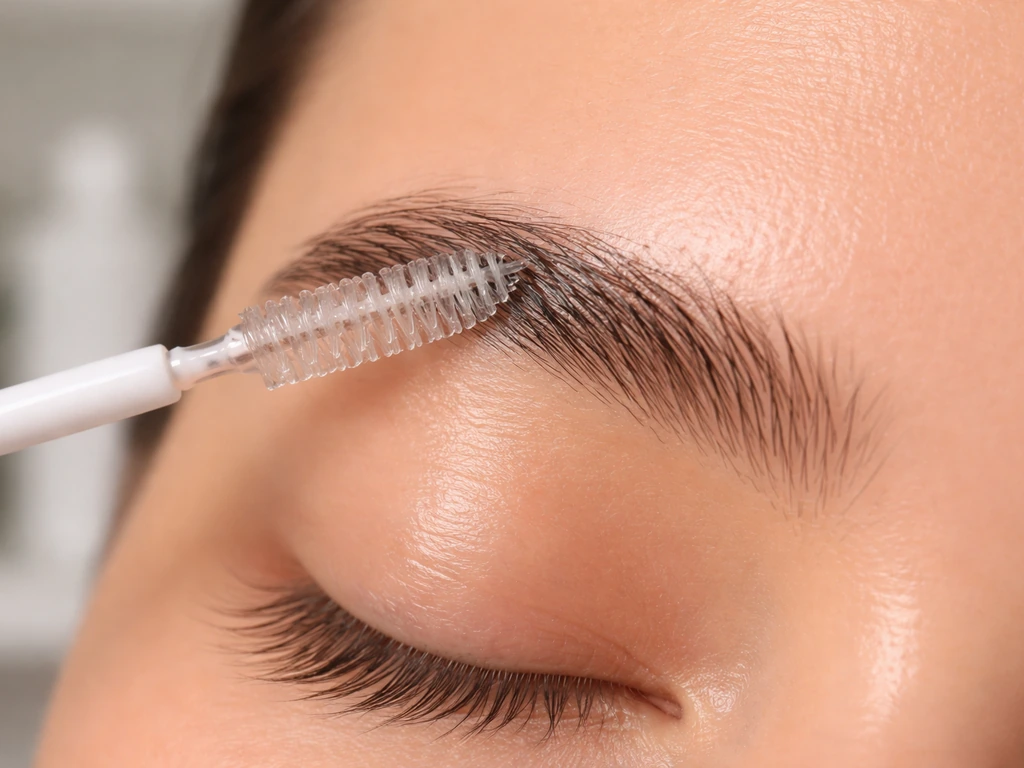
Aquaphor will not grow your eyebrows. It has no ingredient that stimulates hair follicles or extends the growth phase of your brow hairs. Vicks VapoRub is not known to stimulate eyebrow follicles or extend the growth phase, so it is not a reliable way to make eyebrows grow does vaporub make your eyebrows grow.
Does Aquaphor Help Eyebrows Grow? What to Know and Do

James Whitmore
6 Jun 2026
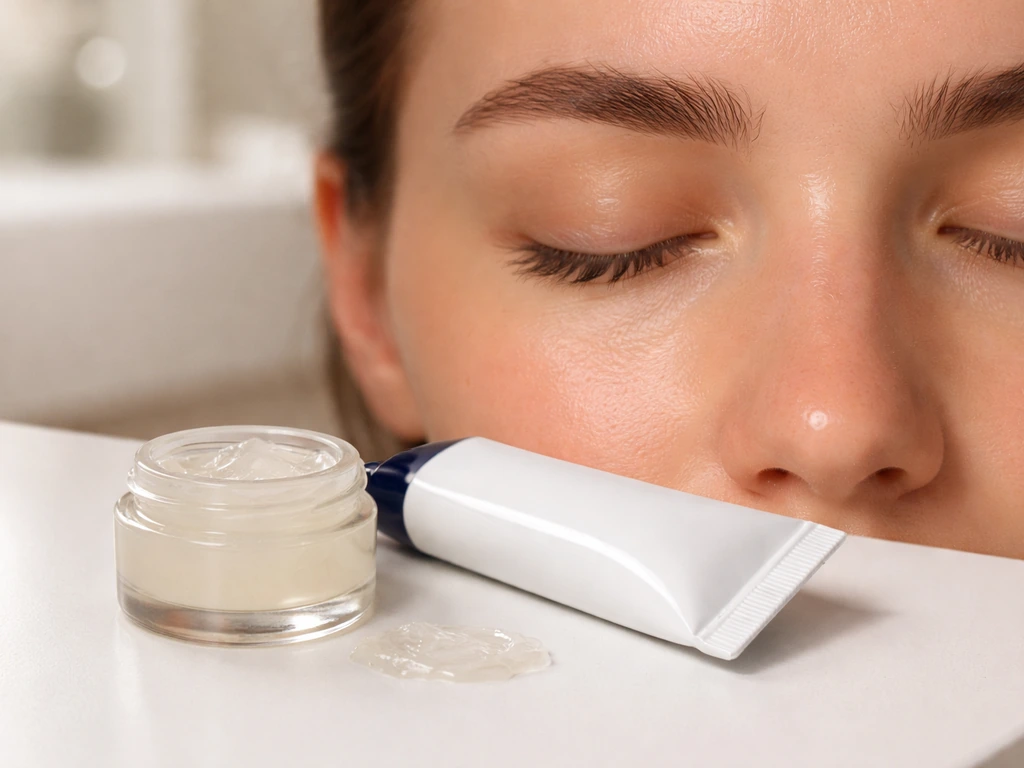
What it does do is protect and soften the skin underneath your brows, which can create a better environment for existing follicles to do their job without extra stress. If your brows are sparse, damaged, or recovering after waxing or shaving, Aquaphor is a decent supportive tool but it is not the driver of regrowth. For that, you need a different approach entirely.
If you are wondering about can Carmex help grow eyebrows, the key point is that it is not proven to activate brow follicles. Carmex can help moisturize and protect the skin around your brows, but it is not proven to grow new eyebrow hair can Carmex help grow eyebrows.
What Aquaphor actually does (and what it can't)
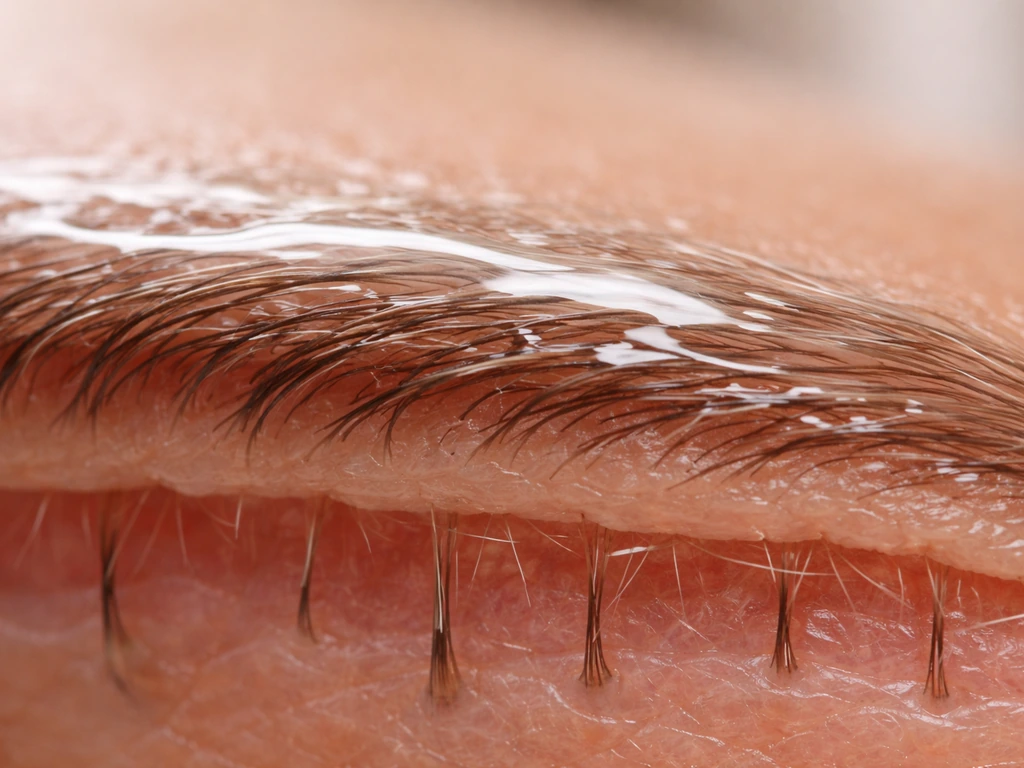
Aquaphor Healing Ointment is built around 41% petrolatum, which is an occlusive ingredient. Occlusives work by forming a physical barrier on the skin's surface that slows down transcutaneous water loss, essentially trapping moisture in the upper layers of your skin. The remaining ingredients, including mineral oil, ceresin, lanolin alcohol, panthenol, glycerin, and bisabolol, add softening and mild healing support. None of them have any documented ability to activate or accelerate hair follicle cycling.
That distinction matters a lot here. Growing eyebrow hair requires follicles to enter and sustain the anagen (active growth) phase. Aquaphor cannot push a follicle into anagen. It cannot increase blood circulation to the follicle, extend the growth phase, or signal dermal papilla cells to produce more hair.
What it can do is keep the skin barrier intact, reduce irritation, and help cracked or flaking brow skin recover more comfortably. If follicle damage or chronic dryness is adding to your brow problems, Aquaphor may remove one layer of the issue. But if your follicles are dormant or damaged, moisturizing the surface above them won't wake them up.
If you are wondering does applying kajal grow eyebrows, the key issue is similar to moisturizers like Aquaphor since surface products do not reliably activate dormant follicles.
One more thing to know: Aquaphor's label specifically says do not get it into your eyes. The eye area has thin, sensitive skin, and the occlusive film can cause irritation or blur vision if it migrates inward. That limits exactly where you can safely apply it on the brow.
How to use Aquaphor on your eyebrows safely
If you want to use Aquaphor as a supportive step in your brow routine, that is a reasonable choice as long as you are clear on what it is for: skin protection, not follicle activation. Here is how to do it without causing problems.
- Cleanse the brow area first. Applying an occlusive over dirty skin can trap bacteria and sebum against the follicle opening, which can lead to breakouts or blocked follicles. Use a gentle, non-stripping cleanser and pat dry.
- Use a tiny amount. A pea-sized amount covers both brows easily. You do not need a thick layer. Too much product sitting on the skin around your brows can clog pores.
- Apply only to the brow arch and above, keeping product away from the lower brow edge closest to your eye. This reduces the risk of migration into the eye.
- Do it at night. Nighttime application lets the ointment work without makeup or sun exposure interfering, and any excess transfers harmlessly to your pillowcase rather than into your eyes.
- Frequency: two to four nights a week is enough. Daily heavy occlusion of oily or acne-prone skin near the brows can cause milia or clogged pores for some people. Start every other night and see how your skin responds.
- Skip it on irritated or inflamed skin. If you have active eczema, psoriasis, or a contact reaction around your brows, check with a dermatologist before sealing anything in with an occlusive.
One specific caution: Aquaphor contains lanolin alcohol, and lanolin is a recognized contact allergen. Most people tolerate it without issue, but if you have a history of reactions to wool-derived products or have pre-existing skin damage around the brow area, you could develop a contact reaction. Do a small patch test on the inside of your forearm for a few days before applying it near your eyes.
Realistic timelines: how long eyebrow regrowth actually takes
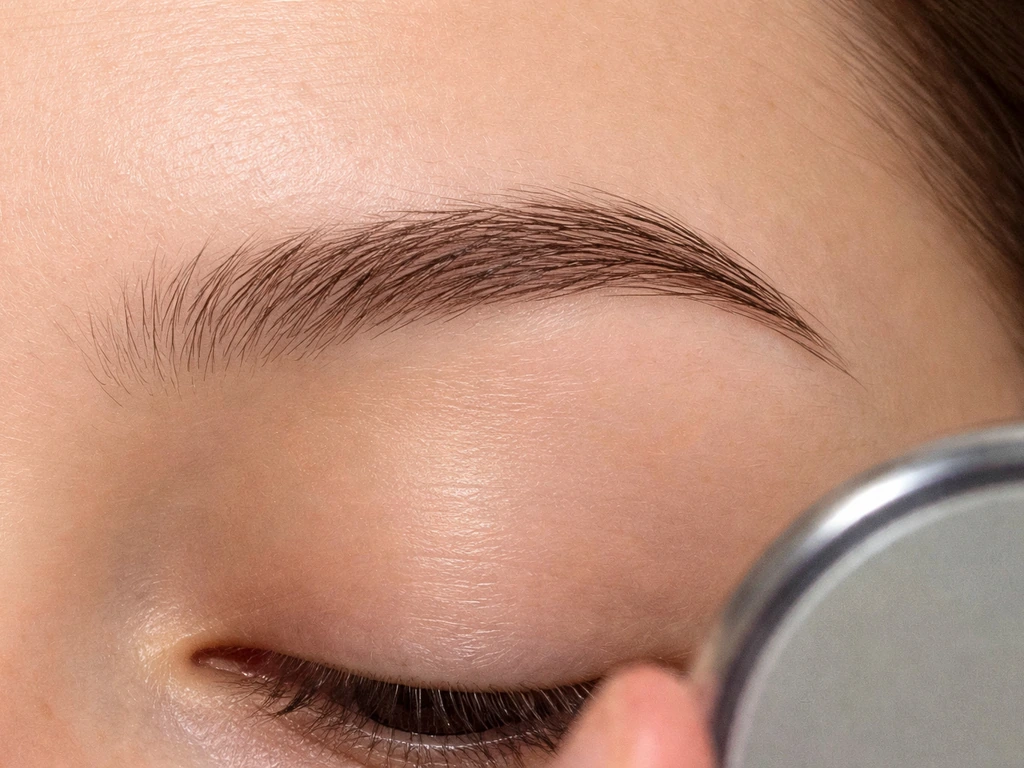
Eyebrow hairs grow on a much shorter cycle than scalp hair. The anagen-to-telogen ratio for eyebrows is roughly 1:9, compared to about 9:1 for scalp hair. That means your brow hairs spend most of their time resting, not actively growing, which is why they stay short. Full regrowth after completely shaving eyebrows takes around six months based on a small study tracking participants through the process. Regrowth after waxing or heavy plucking can take just as long, or longer if follicles were repeatedly traumatized.
Stress, illness, surgery, or a high fever can push a batch of follicles into the resting (telogen) phase all at once, a process called telogen effluvium. Because those resting hairs stay in place for two to four months before falling out, you might notice shedding weeks or even months after the triggering event. The good news is that telogen effluvium is usually temporary. Once the stressor is resolved, follicles typically cycle back into growth on their own.
To tell whether your brows are actually making progress, look for these signs: new fine, lighter hairs appearing at the front or tail of the brow, a slightly fuller appearance in areas that were patchy, and less visible skin between hairs. Take a close-up photo in consistent lighting at the start and then every four weeks. Three-month comparisons tell you far more than week-to-week checking, which can feel discouraging even when real progress is happening.
Alternatives with actual evidence behind them
If you want more than a moisturized brow line, here are the options with real data behind them, ranked roughly by evidence strength.
Minoxidil (strongest evidence)
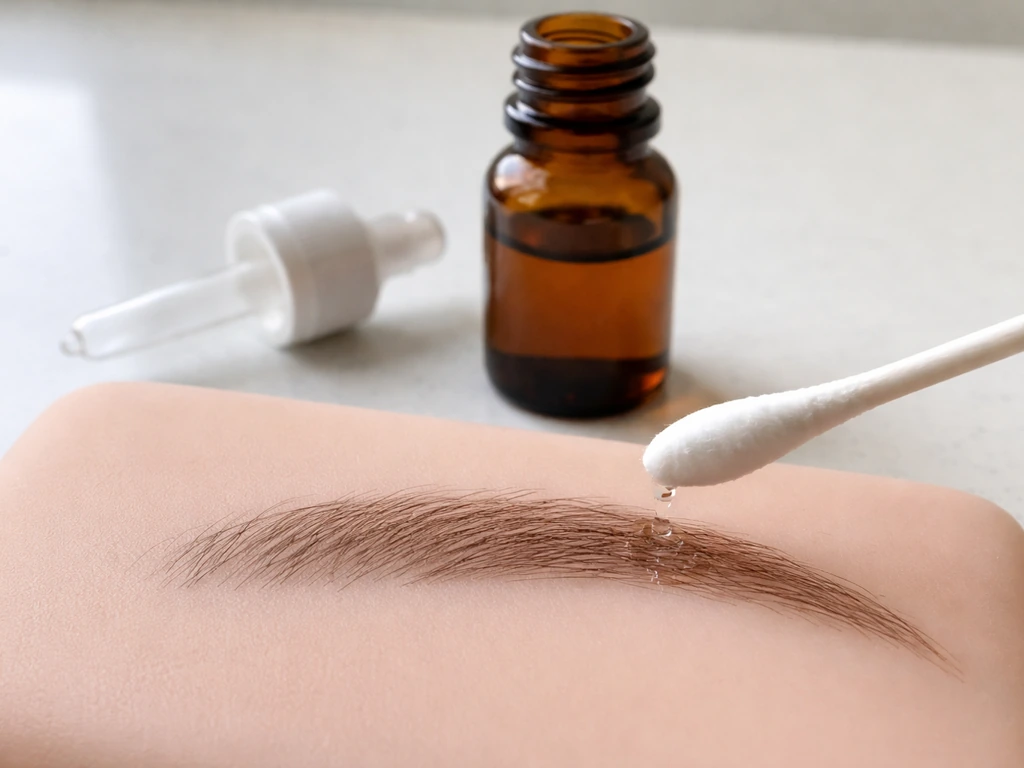
Minoxidil 2% lotion has been tested in a randomized, double-blind, placebo-controlled split-face trial specifically for eyebrow hypotrichosis (sparse eyebrows), and it showed measurable improvement in eyebrow fullness. In that split-face trial for eyebrow hypotrichosis, minoxidil 2% lotion produced efficacy and safety results that supported its use for sparse eyebrows [Minoxidil 2% lotion has been tested in a randomized, double-blind, placebo-controlled split-face trial](https://pubmed. ncbi. nlm.
nih. gov/24471459/). Bimatoprost, a prostaglandin analog originally used in glaucoma eye drops, has also been studied in randomized trials and shown increases in brow growth and fullness. One randomized, double-blind, vehicle-controlled pilot study specifically evaluated bimatoprost for eyebrow hypotrichosis and assessed non-occlusive pharmacologic regrowth approaches [bimatoprost, a prostaglandin analog](https://pubmed.
ncbi. nlm. nih. gov/23617229/).
These are pharmacologically active compounds that work on the hair follicle itself, which is the fundamental difference from Aquaphor.
If you go the minoxidil route, use a small amount of the 2% solution applied carefully to the brow with a cotton swab or fingertip, avoiding direct contact with the eye. Results typically appear after several months of consistent use. The significant catch: once you stop using minoxidil, regrowth reverses within a few months. You are maintaining the effect, not permanently restoring the follicle. MedlinePlus also specifically cautions not to get minoxidil in your eyes, nose, or mouth, so precision matters here.
Rosemary oil (moderate, indirect evidence)
Rosemary oil has been compared to 2% minoxidil in a trial for androgenetic alopecia on the scalp, showing comparable results at the six-month mark. No eyebrow-specific trials exist, so this is an extrapolation. That said, it is a low-risk option. Dilute rosemary essential oil in a carrier oil (jojoba or argan work well) to about 2 to 3 drops per teaspoon of carrier, apply a small amount to the brows with a clean spoolie or cotton swab, and leave it on for at least 30 minutes or overnight. Patch test first. Do not apply undiluted essential oil to the brow area.
Castor oil (popular but least proven)
Castor oil is probably the most popular home remedy for brow growth, but the honest summary is that there are no published clinical studies testing it specifically on eyebrows. A systematic review found only weak evidence for castor oil improving hair quality attributes like luster, and no strong evidence for actual hair growth. It is not harmful to try, and some people find it useful as a conditioning treatment that makes existing hairs look thicker and shinier. Just manage your expectations: castor oil may improve appearance without producing new follicular activity.
| Option | Evidence for Brow Growth | How to Use | Key Caution |
|---|---|---|---|
| Aquaphor | None (occlusive only) | Thin layer on brow skin at night, avoid eye area | Lanolin allergy risk; can clog pores |
| Minoxidil 2% | Strong (RCT for eyebrows) | Small amount via cotton swab to brow, avoid eyes | Results reverse when stopped; not for pregnant/nursing |
| Bimatoprost | Strong (RCT for eyebrows) | Prescription; applied along brow line | Prescription only; potential iris pigmentation change |
| Rosemary oil | Moderate (scalp, not brow) | 2-3 drops in carrier oil, apply nightly | Dilute before use; patch test required |
| Castor oil | Weak (no brow-specific trials) | Pure or in carrier oil on brows nightly | May cause milia; no growth guarantee |
Why your eyebrows might not be growing back (and what to do)
If you have been waiting for months and see no change at all, something is working against regrowth. Here are the most common reasons and what to do about each.
- Follicle damage from overplucking or repeated waxing: Years of aggressive hair removal can cause permanent follicle scarring in some cases, which means those hairs will not return regardless of what you apply. If the skin where those hairs used to grow looks smooth and slightly shiny with no visible pores, follicle damage may be the issue. A dermatologist can assess this.
- Telogen effluvium from stress, illness, or surgery: If you had a major health event in the past three to six months, brow thinning now might be the delayed result. The fix is addressing the root cause and waiting it out. Brows typically recover once the stressor resolves.
- Hormonal imbalance: Thyroid conditions (both hypo and hyper) commonly cause eyebrow thinning, especially at the outer third of the brow. If your outer brows are sparse and you have other symptoms like fatigue, weight changes, or temperature sensitivity, ask your doctor for a thyroid panel.
- Alopecia areata: This is an autoimmune condition that can cause patchy eyebrow loss. It often presents as well-defined smooth patches of missing hair. It can affect the brows specifically and requires dermatology evaluation, as treatment options differ from standard regrowth strategies.
- Nutritional deficiency: Low ferritin (iron stores), vitamin D deficiency, or insufficient protein can all contribute to hair shedding across the body including brows. A blood panel can rule this in or out.
- Contact dermatitis or irritation from products: If you are applying a lot of things to the brow area, an irritant or allergen in one of them might be causing chronic low-grade inflammation that disrupts follicle cycling. Simplify your routine and reintroduce products one at a time.
- Medications: Some blood thinners, retinoids, and thyroid medications list hair loss as a side effect. If your brow loss started around the same time as a medication change, discuss it with your prescribing doctor.
It is also worth noting that other popular topical products like Vaseline, petroleum jelly, Carmex, lip balm, and similar occlusives share essentially the same limitation as Aquaphor. They all work on the skin surface, not the follicle. None of them have clinical evidence for eyebrow growth. If you are deciding between these options purely for skin conditioning support, any of them can help keep brow skin moisturized, but none will grow hair on their own.
Your practical plan starting today
Here is a straightforward starting routine you can begin today, layered by what the evidence supports.
- Stop over-manipulating the brow area. No plucking, waxing, or threading for at least eight to twelve weeks. Give dormant follicles time to surface without interference.
- Cleanse gently. Use a mild, fragrance-free cleanser on the brow area morning and night. Healthy skin is a better environment for hair growth than dry or inflamed skin.
- Apply a conditioning treatment at night. Start with castor oil or rosemary oil diluted in a carrier as a low-risk nightly step. Use a clean spoolie to brush a small amount through the brows and onto the skin beneath. Give this at least six to eight weeks before judging results.
- Consider Aquaphor or a plain petrolatum ointment two to three nights per week if your brow skin is dry, flaking, or irritated. Use it as a skin recovery tool, not a growth treatment. Keep it away from your actual eye.
- Take photos every four weeks in the same lighting. This prevents the discouraging trap of daily checking where change is invisible.
- At the eight-week mark with no visible new growth: consider adding 2% minoxidil applied carefully to the brow twice daily with a cotton swab. This is the step with the most clinical backing for actual eyebrow hypotrichosis. Commit to at least three to four months before evaluating.
- See a dermatologist if: you have no growth after three months of consistent effort, you notice patchy well-defined bald spots, you have other symptoms suggesting a hormonal or autoimmune issue, the brow skin looks scarred or inflamed, or hair loss is accompanied by itching, scaling, or burning.
The realistic timeline here is three to six months for meaningful visible change, depending on the underlying cause and what approach you use. Aquaphor can be a comfortable, low-cost part of that routine for brow skin care, but it should not be the centerpiece. Pair it with a real growth strategy, be patient about the timeline, and get professional input if something more systemic is going on. That combination will get you further than any single product ever will on its own.
FAQ
If Aquaphor does not grow eyebrows, how will I know it is actually helping?
Aquaphor can make brows look a bit better by reducing flaking and irritation, which may make existing hairs appear denser. But it does not change follicle cycling, so you should not expect true new hair growth or a permanent thickening effect.
Is it safe to put Aquaphor on my brows every day?
Yes, but only as supportive skincare. The usual approach is a thin layer on clean, dry brow skin, mainly to calm dryness after waxing or shaving, and to avoid rubbing it deep into the lash line where it can migrate into the eyes.
What should I do if my skin gets irritated from Aquaphor?
Start with a small amount and stop if you get itching, redness, swelling, or worsening dryness. If you have reacted to lanolin or wool products in the past, skip it, because Aquaphor contains lanolin alcohol, a common contact allergen.
When does Aquaphor stop being enough and I should see a dermatologist?
You should not rely on Aquaphor as the “first step” if you suspect a regrowth problem like hormonal hair loss, medication-related shedding, or an underlying skin condition. In those cases, the best next step is a dermatologist evaluation, because moisturizers will not address follicle dormancy or disease drivers.
Can Aquaphor affect my eyes if I put it on my eyebrows?
Avoid getting it near the inner eye corners, upper lash line, or directly into the eye. If you wear contacts, let the ointment fully set and apply carefully, because migration can cause blur or irritation.
Can I use Aquaphor along with minoxidil for eyebrows?
Do not layer Aquaphor under other aggressive products without checking how your skin reacts. If you use a follicle-active option like minoxidil, keep separation by timing (for example, Aquaphor at night, minoxidil at another time) and apply minoxidil precisely to the brow hairline without smearing ointment into it.
Will Aquaphor speed up regrowth if I shave my eyebrows?
Yes, but the goal is different. If your brows are shaved, growth must still come from follicles, which is why results take months. Aquaphor can help comfort and barrier recovery, but it will not speed regrowth the way follicle-targeting treatments do.
How exactly should I do a patch test for Aquaphor before using it on my brows?
Patch testing matters because reactions are not always immediate. Try it on the inside of your forearm for a few days first, then if tolerated, test a tiny amount on one small brow area for a couple of days before using more broadly.
If I stop Aquaphor, will my eyebrow gains go away?
If you stop using Aquaphor, any visible improvement from reduced flaking may fade, but that is not the same as losing new hair. Since Aquaphor is not a follicle activator, there is no “regrowth reversal” timeline like there can be with follicle-active drugs.
What is a realistic way to measure progress for eyebrow regrowth?
Watch for early signs like new fine hairs along the brow edges and less visible skin between hairs, plus track with the same lighting every 4 weeks. If you see no change at all after 3 to 6 months, reassess the cause and consider evidence-based follicle treatments.
Next Article
Can Vaseline Help Eyebrows Grow? What to Expect and How
Can Vaseline help eyebrows grow? What it can protect vs regrow, plus a step-by-step routine and safer alternatives.