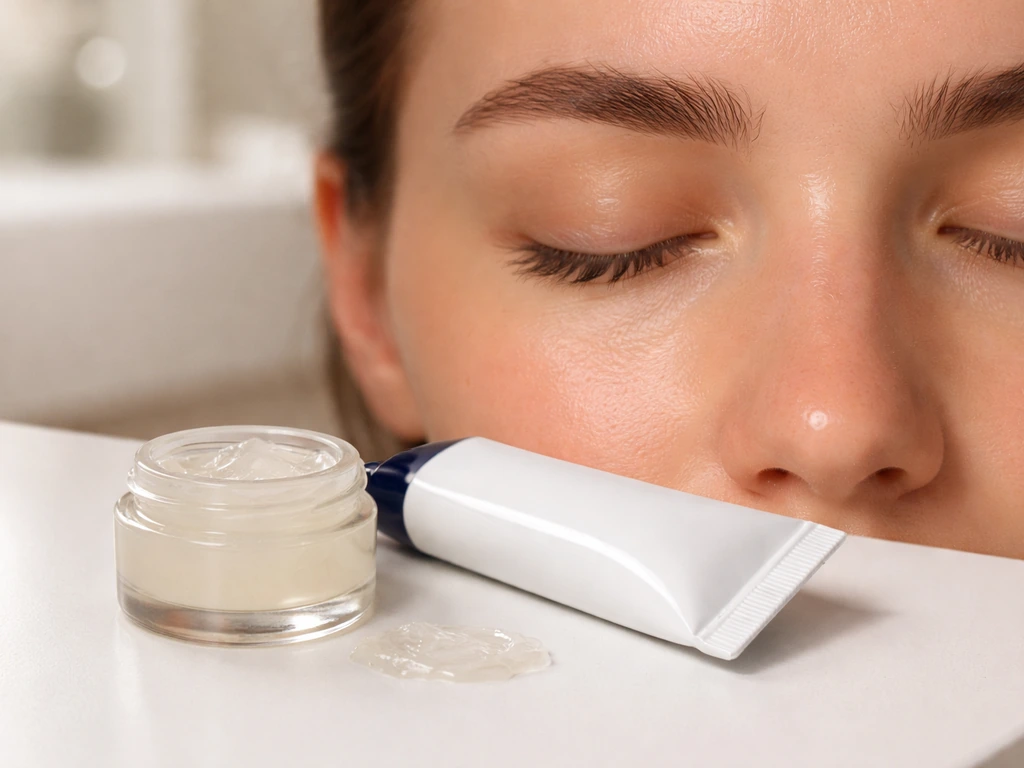
Petroleum jelly does not make eyebrows grow. There is no research showing that petrolatum (the main ingredient in Vaseline and similar products) stimulates hair follicles or speeds up the eyebrow growth cycle. What it can do is protect existing hairs from breakage, reduce dryness in the brow area, and keep hairs looking smoother and more defined. That's genuinely useful, but it's not the same as growth. If you're dealing with sparse, patchy, or slow-recovering brows, petroleum jelly is a safe starting point for maintenance, but you'll need something stronger if actual regrowth is the goal.
Does Petroleum Jelly Help Eyebrows Grow? What to Know

James Whitmore
8 Jul 2026
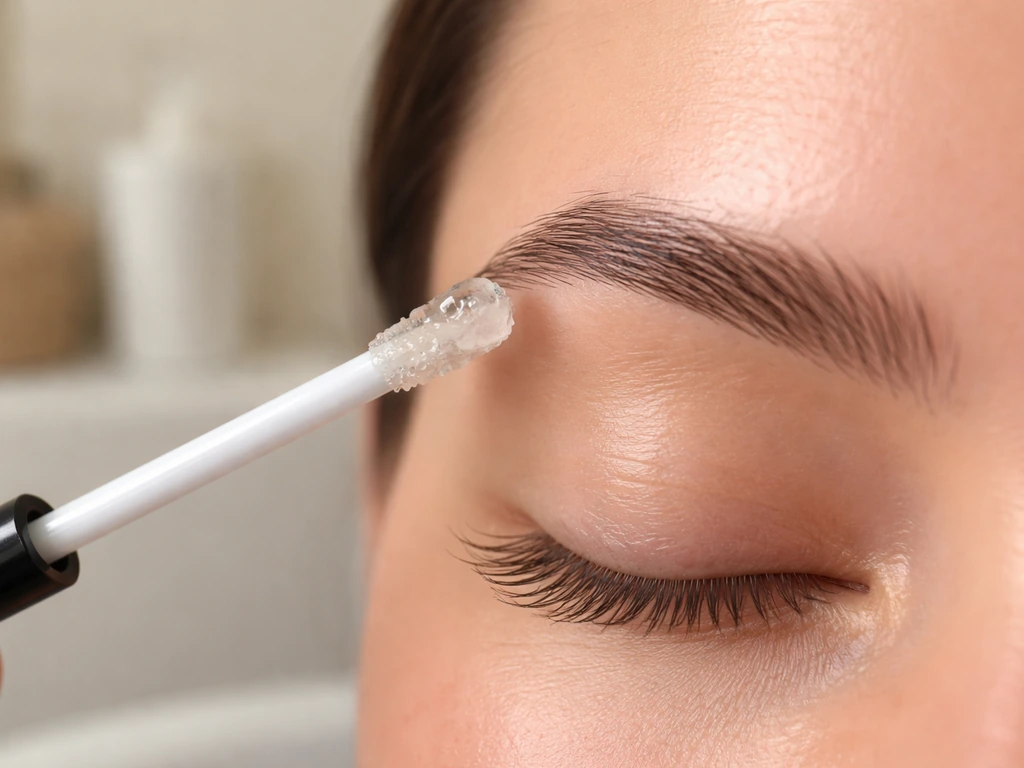
How eyebrow hair actually grows
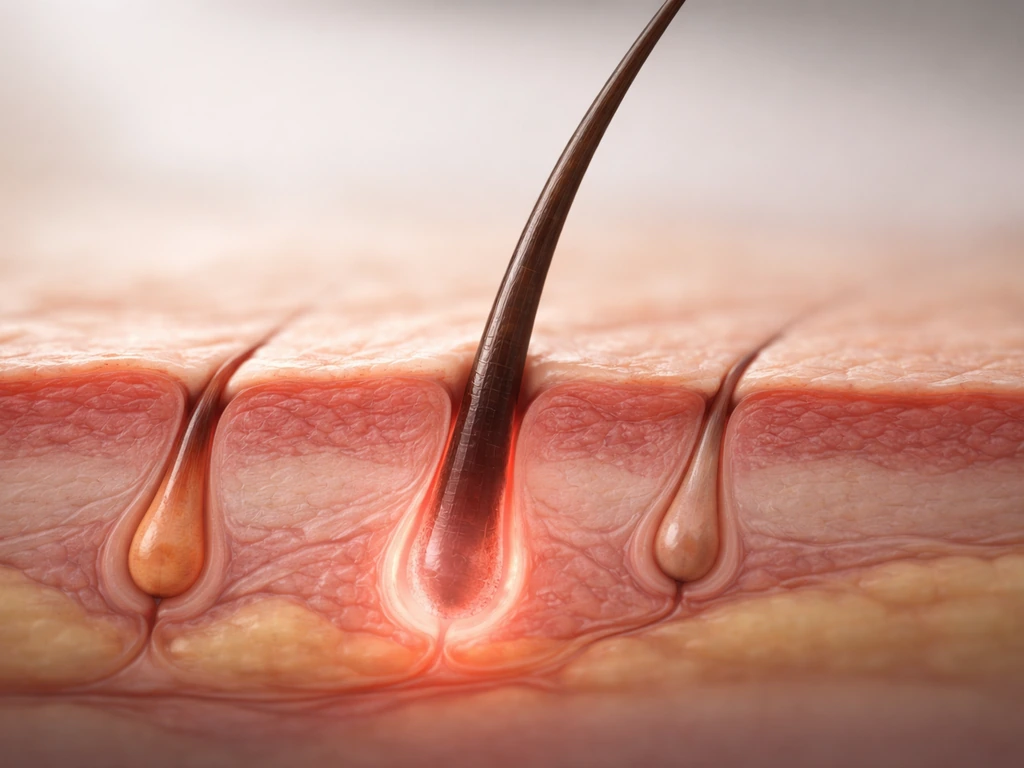
Every eyebrow hair goes through three stages: anagen (active growth), catagen (transition), and telogen (resting and shedding). Eyebrow hair has a much shorter anagen phase than scalp hair, typically around 2 to 3 months, followed by a catagen phase of roughly 2 to 3 weeks and a telogen phase of another 2 to 3 months. That's why brow hairs stay short and why the process of growing them back feels painfully slow.
The other thing that makes eyebrow regrowth tricky is the anagen-to-telogen ratio. On your scalp, roughly 85 to 90 percent of hairs are in active growth at any given time. For eyebrows, that ratio is closer to 1 in 9, meaning most follicles are resting, not growing. So even when everything is working correctly, only a small fraction of your brow follicles are producing new hair at once.
Fullness depends on follicle health, not just cycle timing. Repeated over-plucking, trauma, inflammation, hormonal shifts, nutritional deficiencies, or autoimmune conditions can all push follicles prematurely into telogen or, in more severe cases, cause permanent damage. That's why some people find their brows never fully recovered after years of aggressive tweezing.
What petroleum jelly can and can't do for your brows
Petrolatum is a classic occlusive ingredient. It works by forming a physical barrier on the skin's surface that dramatically reduces transepidermal water loss (TEWL). It doesn't add moisture itself, but it traps existing moisture so the skin and hair don't dry out as quickly. That's genuinely beneficial for the brow area, which can get dry and flaky from harsh cleansers, cold weather, or over-exfoliation.
| What Petroleum Jelly Does | What It Doesn't Do |
|---|---|
| Reduces dryness and flaking in the brow area | Stimulate dormant or damaged follicles |
| Forms a protective barrier against environmental damage | Increase the speed of the hair growth cycle |
| Prevents mechanical breakage of existing hairs | Penetrate the skin or affect follicle biology |
| Makes existing hairs appear shinier and more defined | Treat underlying causes of hair loss |
| Soothes minor irritation from tweezing | Replace evidence-based growth treatments |
The 'Vaseline grows eyebrows' claim has been circulating for years, but experts are consistent: petroleum jelly does not promote hair growth, and any appearance improvement is from better-conditioned, less-brittle existing hairs. If you had very dry, sparse brows and you start applying petroleum jelly, they may look slightly fuller and more groomed, but that's an optical improvement rather than new growth.
One practical risk to be aware of: petroleum jelly is very heavy and occlusive. Used generously around the eye area over a long period, it can contribute to milia (small keratin-filled cysts) in some people. Dermatologists specifically flag heavier occlusives near the eyes as a milia risk, so a little goes a long way.
How to use petroleum jelly on your brows safely
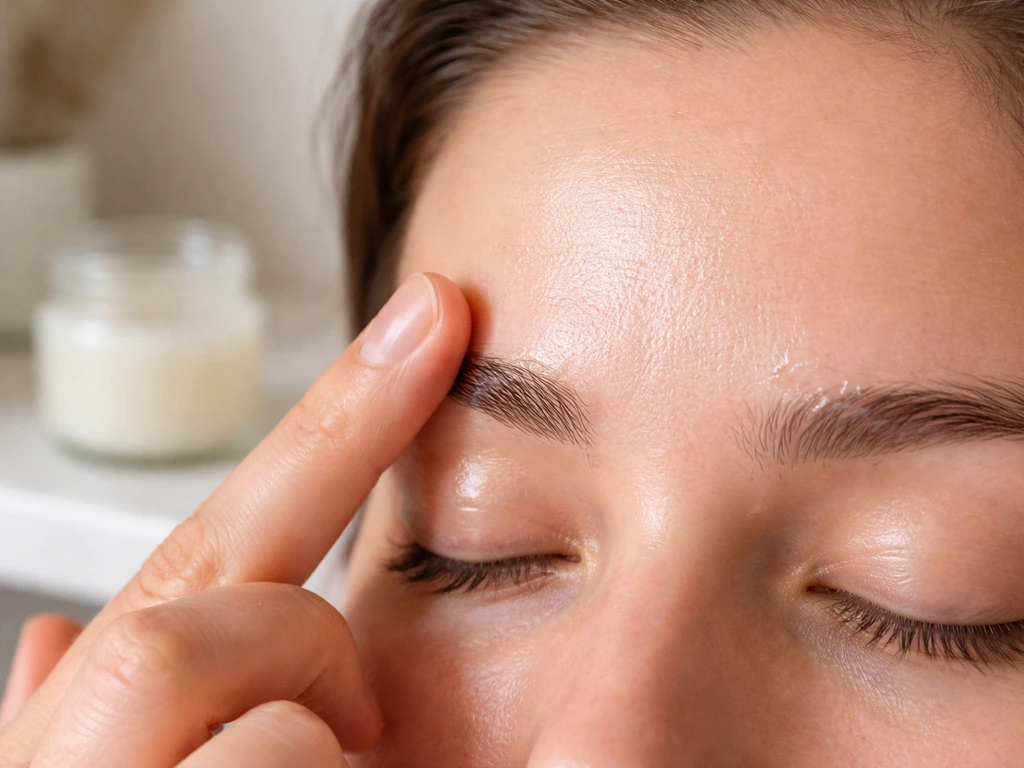
If you want to use petroleum jelly as a conditioning step for your brows, here's how to do it without overdoing it or risking irritation near your eyes. If you apply cosmetics too close to the eye, it can increase the risk of irritation and contamination, so FDA recommends following safer-use tips for products used near the eye area using cosmetics near the eyes can increase the risk of irritation and contamination.
- Start with a clean, dry face. Apply petroleum jelly after your evening skincare routine, not before, so it doesn't interfere with any active ingredients you're using.
- Use a clean spoolie brush or a cotton swab to pick up a tiny amount. You want barely a pea-sized amount for both brows combined, not a thick coat.
- Brush the spoolie through your brows following the direction of hair growth. Focus on the brow hairs themselves rather than the skin directly underneath.
- Avoid getting product into your eyes. Keep the application to the brow hair and the immediate surrounding skin, not the eyelid or lash line.
- Leave it on overnight and rinse off gently in the morning with your face wash.
- Aim for 3 to 4 nights per week rather than every single night. Consistent use is more important than daily use.
If you have oily skin or are prone to breakouts near your brow bone, consider skipping this entirely or limiting it to once or twice a week. Petroleum jelly is technically considered non-comedogenic, but reaction patterns vary by person. If you notice any increased congestion, small bumps, or irritation around the brow area, stop and reassess.
What results to realistically expect and when
Within 1 to 2 weeks of consistent use, your brow hairs may appear less rough and a bit more groomed. That's the conditioning effect kicking in. Don't expect anything dramatic. If your sparse brows are the result of over-plucking, natural aging, or a disrupted growth cycle, petroleum jelly is not going to fill in gaps. Those gaps require actual follicle stimulation, not moisture. If you are wondering does lip balm help eyebrows grow, this is the key limitation: it cannot stimulate follicles the way true growth treatments do.
If you've recently shaved or waxed your brows and are waiting for regrowth, the timeline is driven entirely by where your follicles are in their cycle, not by what you put on them. Most people see meaningful regrowth in 6 to 8 weeks after shaving and up to 3 to 4 months for fuller recovery after waxing, because waxing pulls hairs from deeper in the follicle. Petroleum jelly won't accelerate that timeline, but keeping the area clean and moisturized while you wait isn't a bad habit.
Better options if you actually want to grow thicker brows
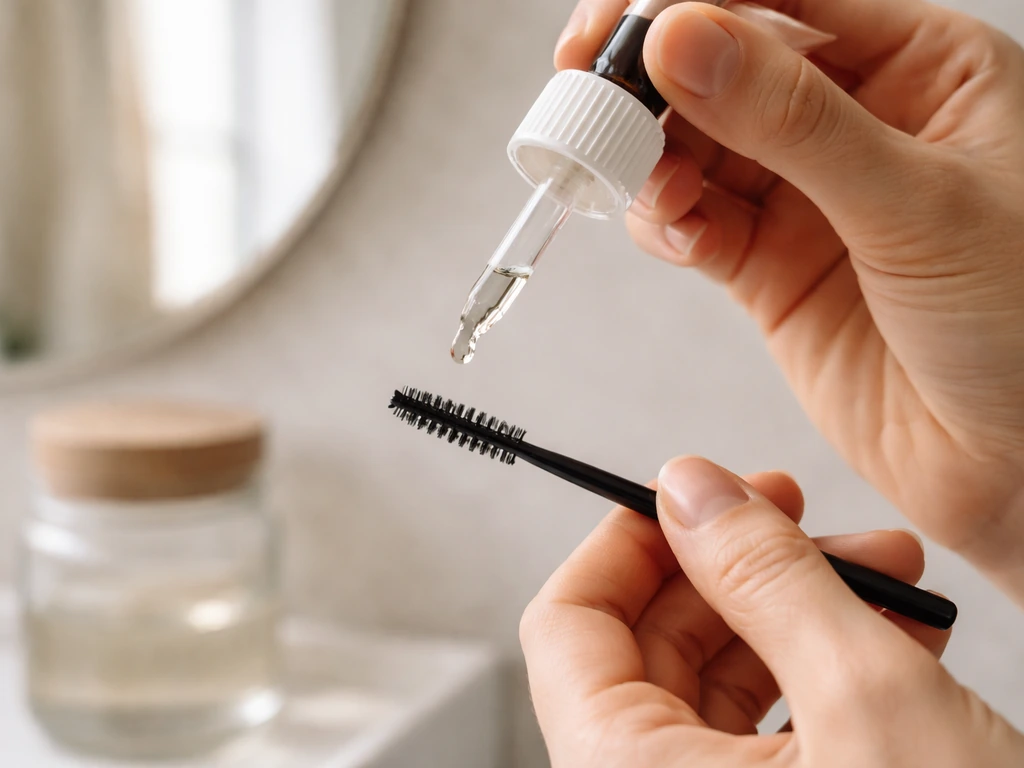
If petroleum jelly isn't going to grow your brows, what will? Here's an honest comparison of the alternatives that have more evidence or practical track records behind them.
| Option | How It Works | Evidence Level | Best For | Main Risks |
|---|---|---|---|---|
| Petroleum Jelly | Occlusive barrier, reduces dryness and breakage | No growth evidence | Conditioning, grooming, minor protection | Milia risk near eyes, no real regrowth |
| Castor Oil | Ricinoleic acid may support scalp circulation; rich emollient | Anecdotal/limited | Dry, brittle brows; feels proactive without strong risk | Allergic reaction in some; heavy texture |
| Rosemary Oil (diluted) | May improve microcirculation around follicles; some scalp studies show promise | Moderate (scalp studies; eyebrow data limited) | People who want a natural growth-supporting option | Must be diluted; avoid direct eye contact |
| Minoxidil (topical) | Prolongs anagen phase, increases follicle size | Strong (clinical trials for eyebrow hypotrichosis) | Persistent sparse brows, hypotrichosis, post-alopecia regrowth | Shedding initially, irritation, unwanted transfer growth, must use consistently |
Castor oil
Castor oil is one of the most popular natural remedies for brow growth, and while the scientific evidence is thin, it's a reasonable low-risk option to try before reaching for something stronger. The ricinoleic acid in castor oil is thought to support circulation and has some anti-inflammatory properties. Apply a tiny amount with a spoolie before bed, a few nights a week. If you're going to try a natural oil approach, castor oil has a longer and more consistent track record in practice than petroleum jelly for growth-adjacent benefits.
Rosemary oil
Rosemary oil has been studied more rigorously for scalp hair, with at least one study showing it performing comparably to 2% minoxidil for scalp hair regrowth. The evidence for eyebrows specifically is less developed, but the mechanism (improved circulation, potential follicle support) is plausible. Always dilute rosemary oil in a carrier oil like jojoba or coconut before applying it near your brows, and keep it well away from your eyes.
Minoxidil
If you want the most evidence-backed option available without a prescription, topical minoxidil is it. Randomized controlled trials have specifically tested 2% minoxidil lotion for eyebrow hypotrichosis and found meaningful improvement. It works by extending the anagen (growth) phase and increasing follicle diameter, which is exactly what sparse brows need. One case study showed visible regrowth at around 3 months of consistent use with low-dose oral minoxidil.
Topical application is more common and more targeted. The catch: you have to keep using it, because stopping typically reverses gains. Side effects include initial shedding (common, temporary), skin irritation at the application site, and the risk of accidental transfer to other skin areas, which can cause unwanted hair growth in those spots. Mayo Clinic advises keeping minoxidil away from your eyes, nose, and mouth, so application technique matters.
Other popular home remedies like Vaseline-adjacent products (Aquaphor, lip balm, Vicks VapoRub, Carmex) work through similar or overlapping occlusive mechanisms and share the same fundamental limitation: none of them stimulate follicles. If you're wondering whether Aquaphor helps eyebrows grow, the short answer is that it can condition and protect but it doesn't stimulate follicles. They may condition and protect, but they won't generate new brow growth on their own.
When things go wrong: irritation, patchy loss, and red flags
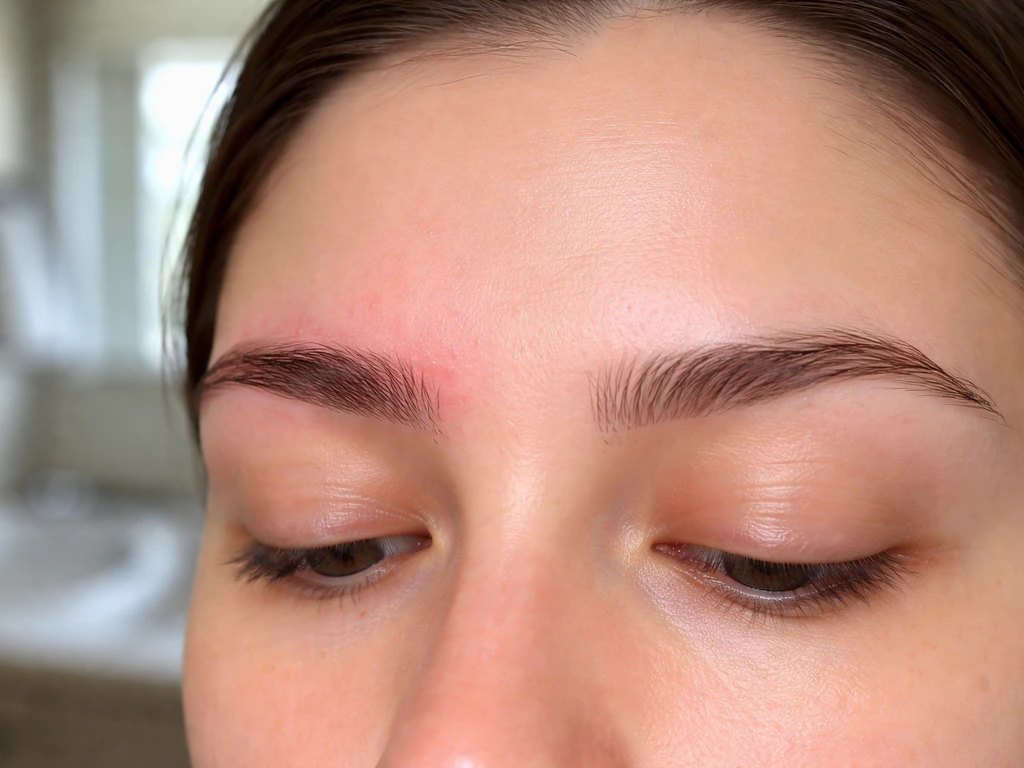
Skin irritation around the brows
Petroleum jelly itself is generally very well tolerated and is even used in ophthalmic ointments designed for direct eye contact. But if you experience redness, itching, or burning after applying it, stop using it. The reaction may be to an additive or fragrance in the specific product you're using rather than petrolatum itself. Swap to a plain, fragrance-free petrolatum product and patch test before reapplying. Contact dermatitis near the brow area is more likely from other skincare products layered underneath than from petrolatum directly.
Patchy brow loss that isn't recovering
If patches of your eyebrows stopped growing back after over-tweezing or trauma, the follicles in that spot may be scarred or permanently dormant. Over-plucking is a real mechanism for growth stopping in localized areas, especially with repeated aggressive tweezing over many years. Petroleum jelly and conditioning oils will not fix this. Minoxidil is worth trying, but results depend on whether follicles are dormant vs. permanently damaged.
When to see a dermatologist
Some eyebrow hair loss (called madarosis) has medical causes that no topical product will address. Cleveland Clinic lists the most common causes as contact dermatitis, alopecia areata, thyroid disease, infections, and inflammatory skin conditions. You should book a dermatologist appointment if:
- Your brow loss came on suddenly or is spreading to other areas (eyelashes, scalp, body hair)
- You notice scaling, redness, or skin changes at the brow site
- You have other symptoms like fatigue, weight changes, or dry skin that suggest a thyroid issue
- The brows haven't recovered at all after 4 to 6 months of consistent care
- You've been pulling or picking at your brow hairs compulsively (a condition called trichotillomania, which requires specific treatment, not topical products)
A dermatologist can identify whether the loss is due to an autoimmune condition like alopecia areata, a hormonal imbalance, or a skin condition, and tailor treatment accordingly. That might include prescription-strength topical or oral minoxidil, corticosteroid injections, or addressing an underlying systemic cause. No amount of petroleum jelly or castor oil will substitute for that when there's a real underlying problem driving the loss.
Where to go from here
If your goal is healthier-looking, better-conditioned brows, petroleum jelly is a fine, low-cost option to add to your nighttime routine. Use it sparingly, a few nights a week, and keep your expectations realistic: you're grooming and protecting, not growing. If you’re wondering whether applying kajal can grow eyebrows, the short answer is that kajal does not have evidence for increasing brow hair growth kajal grow eyebrows.
If you want actual new growth, start with castor oil or diluted rosemary oil as low-risk natural options, then move to topical minoxidil if you don't see meaningful improvement after 3 to 4 months. And if your brow loss feels unusual, asymmetric, or is accompanied by other symptoms, skip the home remedies and see a dermatologist first. Getting the diagnosis right saves months of trial and error with products that can't fix a medical problem.
FAQ
If petroleum jelly does not grow eyebrows, why do some people say it works?
Yes, petroleum jelly can make brows look fuller short term by reducing dryness and brittleness, so existing hairs catch light better. The effect usually shows up as smoother, more groomed hairs within about 1 to 2 weeks, but it does not create new follicle growth or fill in truly bare patches.
What is the safest way to apply petroleum jelly near the eyes?
Use a tiny amount and keep it off the lash line, brow bone creases, and under-eye area. If you do not want milia risk, limit it to a few nights a week, and avoid layering it with heavy balms or multiple occlusives that can increase buildup around the eyes.
How do I know if petroleum jelly is irritating or causing bumps?
Patch test first (especially if you have sensitive skin). Stop and switch to plain, fragrance-free petrolatum if you develop redness, itching, burning, or persistent bumps. Reactions can come from additives or products you apply underneath, not just the petrolatum itself.
Will petroleum jelly help if I over-plucked or scarred my brows?
If your brows are sparse because of over-plucking or trauma, petroleum jelly will not reactivate dormant or scarred follicles. It can only protect and condition what remains, so you may see improved texture but not true regrowth where the follicles were damaged.
Does petroleum jelly help brows regrow faster after waxing or shaving?
If you recently shaved or waxed, petroleum jelly will not speed up regrowth. The timeline depends on the hair cycle and how deeply the hair was pulled, so you should still expect roughly 6 to 8 weeks for shaving recovery and up to 3 to 4 months after waxing before judging any results.
Can petroleum jelly cause pimples or clogged pores on my brow area?
For oily or breakout-prone skin, consider using it less often (once or twice weekly) or skipping it. Even if the product is labeled non-comedogenic, some people still get congestion or small bumps around the brow bone, so adjust based on how your skin responds.
What should I use instead if I actually want regrowth?
If you want the most evidence-backed over-the-counter option, topical minoxidil is the usual next step for eyebrow hypotrichosis, but it requires consistent use and careful application to avoid transfer to nearby skin. Expect possible temporary shedding and use it only as directed.
If I start a growth treatment, do I have to keep using it?
Even treatments that can support regrowth typically require ongoing maintenance. With minoxidil in particular, stopping commonly reverses gains over time, so plan for continued use if you’re trying to sustain a fuller brow appearance.
How long should I try castor oil or rosemary oil before switching strategies?
Rosemary oil and castor oil may help indirectly by improving the look and condition of hairs, but they generally do not have strong evidence for reliably stimulating eyebrow follicles. If you do not see meaningful change after about 3 to 4 months, it is usually more efficient to move to an evidence-based option rather than extending the experiment.
When is it better to see a dermatologist instead of using home remedies?
Seek a dermatologist if brow loss is patchy, asymmetric, associated with itching or scaling, or you notice other symptoms like fatigue, weight changes, or new skin lesions. Conditions such as alopecia areata, thyroid disease, infections, and inflammatory skin disorders often need prescription treatment that topical conditioning cannot replace.
Next Article
Does Aquaphor Help Eyebrows Grow? What to Know and Do
Aquaphor can moisturize but won’t grow brows directly. See realistic timelines, safe use tips, and better options.