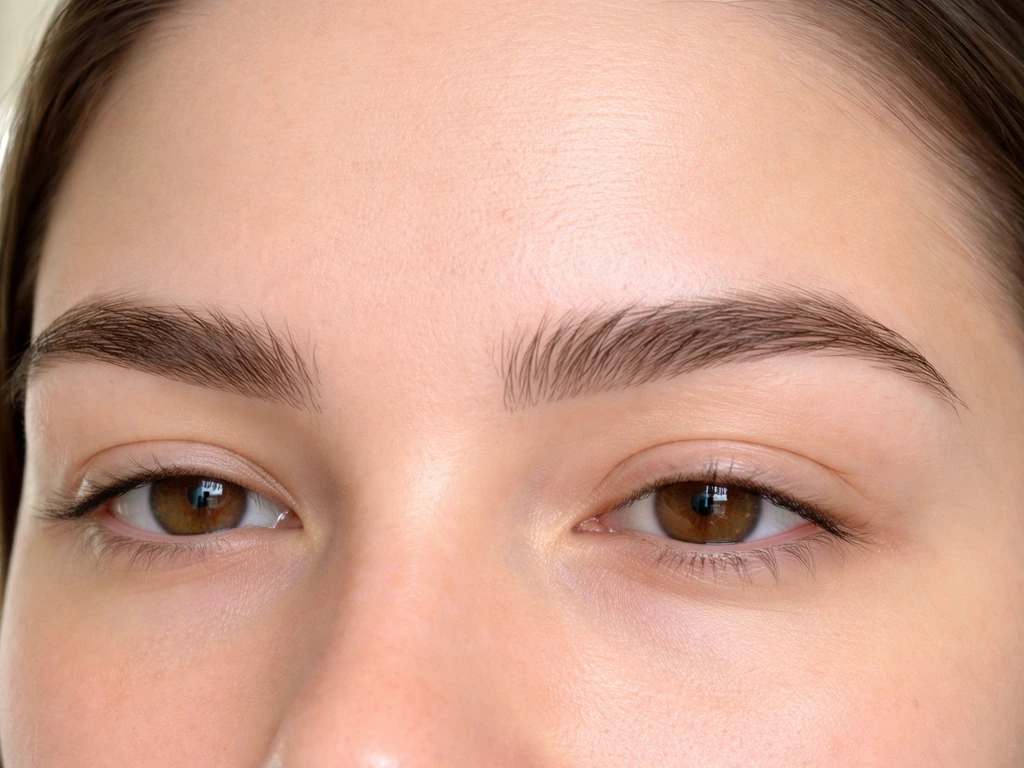
Two weeks is enough time to see early stubble or the first thin hairs pushing through if your follicles are intact and were simply disrupted by shaving or light grooming. It is not enough time to fully restore sparse, over-plucked, or chemically damaged brows. If you are trying to grow eyebrows naturally in a week, it helps to know what can realistically improve by day 7 versus what takes longer. What you actually see at day 14 depends almost entirely on what caused the hair loss in the first place.
Can Eyebrows Grow Back in 2 Weeks? What’s Realistic and What to Do

James Whitmore
11 Jul 2026
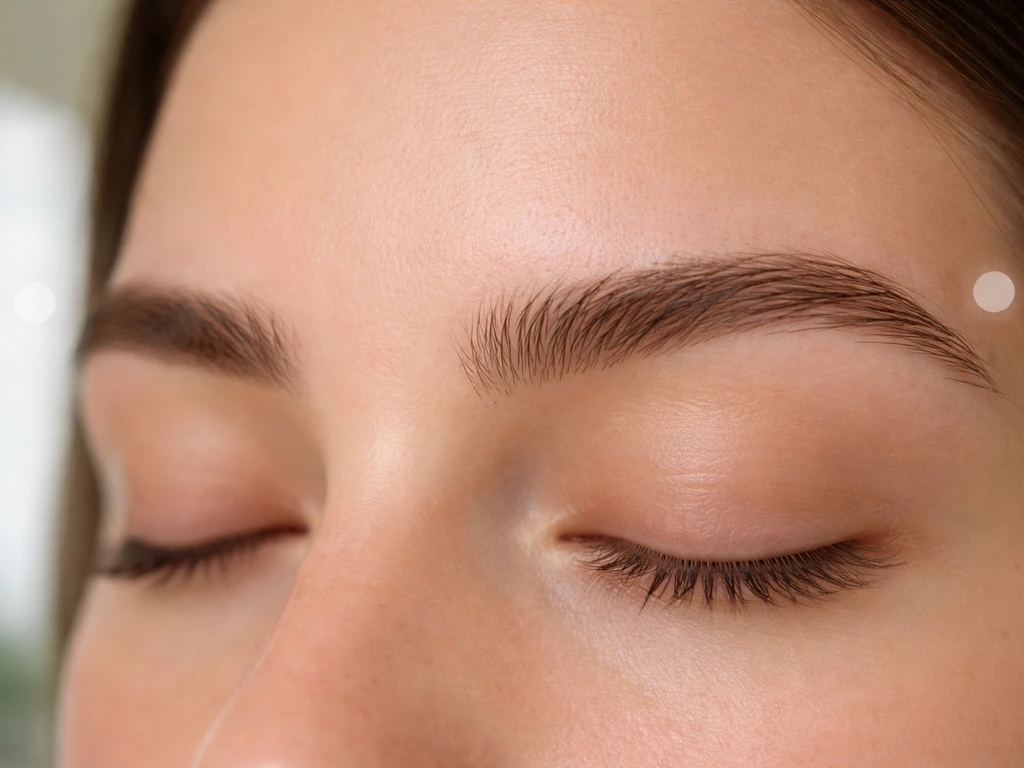
What's realistically possible in 14 days
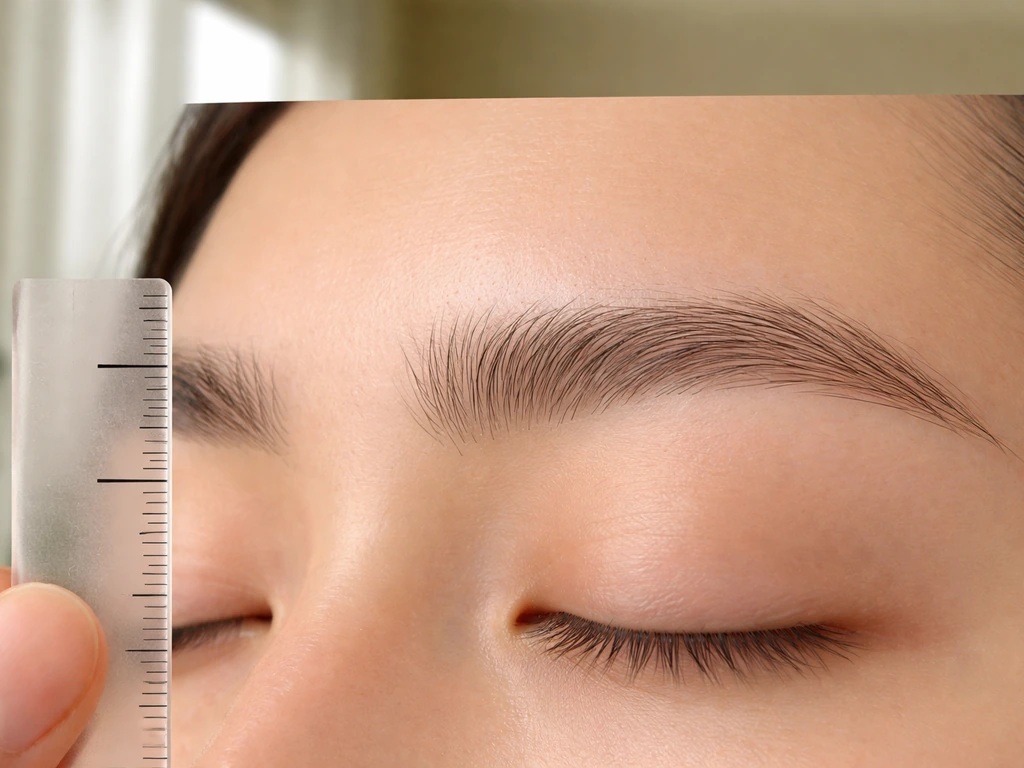
Eyebrow hair grows at roughly 0. 16 mm per day, about half the rate of scalp hair. Eyebrow hair growth is slow, so if you're wondering how much eyebrows grow in a week, the typical expectation is only about half a millimeter to one millimeter 0. 5 mm.
That means in two weeks you're looking at around 2. 2 mm of new growth at best, and only from hairs that are already in anagen (the active growth phase). The tricky part is that eyebrow follicles spend a disproportionately large amount of time resting compared to scalp hair. Where scalp follicles have roughly a 9:1 anagen-to-telogen ratio, eyebrow follicles sit closer to 1:9.
Most of your brow hairs are dormant at any given time, which is exactly why regrowth feels so slow.
So here's the honest breakdown: if you shaved your brows, you'll likely see visible dark stubble within a few days because the follicles were never disturbed. By day 14 you'll have short but noticeable hairs. If you waxed, threaded, or plucked, the follicle goes through a brief recovery before the new hair shaft starts forming, so you might see faint regrowth by the two-week mark but nothing that looks like a full brow yet. If you've been over-plucking for months or years, or had a chemical reaction, two weeks will show you almost nothing because the deeper issue isn't a simple timing delay.
Stubble vs. true regrowth: what you're actually looking at
These are two different things and it's worth knowing the difference so you don't panic or celebrate too early. Because the “can my eyebrows grow back in a week” question is usually about what you can realistically see fast, it also helps to compare stubble versus true regrowth so you know what counts as real hair cycling. Stubble is the same hair shaft re-emerging after shaving.
The follicle was never touched, so you're just watching the hair shaft grow back out. This can look darker and blunter than your original brow hairs because you're seeing the cut end of the shaft rather than the natural tapered tip. True regrowth is a brand-new hair shaft produced by a follicle that was either in telogen (resting) or was disrupted by plucking and needed to restart its anagen phase. These new hairs come in fine, lighter, and shorter.
They can be hard to spot without good lighting in the first couple of weeks, but they're actually the more significant sign that your follicles are healthy and cycling normally.
What caused the loss matters more than anything
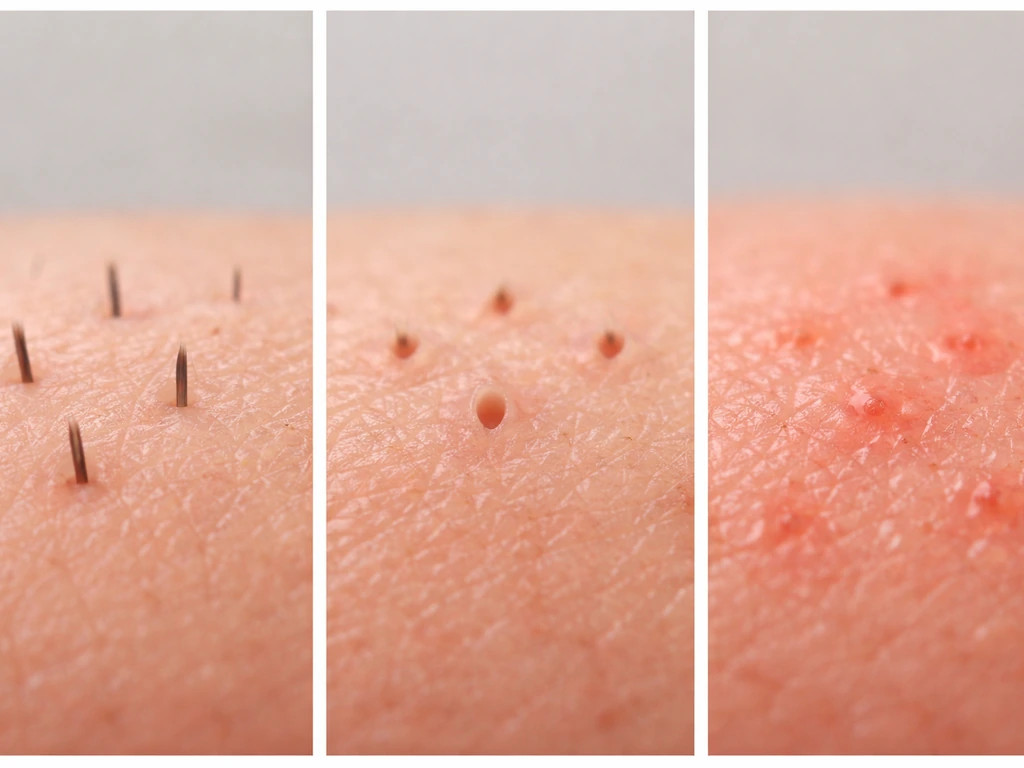
The cause of your brow thinning is the single biggest variable in whether two weeks brings noticeable improvement or almost none. Here's how different scenarios compare:
| Cause | Follicle Status | Expected at 2 Weeks | Full Regrowth Timeline |
|---|---|---|---|
| Shaving | Fully intact | Visible stubble, 2–3 mm | 2–4 weeks |
| Waxing or threading | Temporarily disrupted | Faint new hairs beginning | 6–8 weeks |
| Occasional plucking | Likely intact | Early fine regrowth | 3–4 months |
| Chronic over-tweezing (years) | Possibly miniaturized or scarred | Little to no visible change | 4–6+ months or incomplete |
| Chemical damage (dye, harsh products) | Inflamed or irritated | Minimal; inflammation slows growth | Unpredictable; needs treatment |
| Alopecia areata or medical cause | Immune/systemic disruption | Unlikely without treatment | 3–6+ months with treatment |
Traction from repeated waxing or tight grooming habits can progress from temporary disruption to permanent follicle scarring if the pulling continues over time. This kind of pulling-related hair loss is known medically as traction alopecia, and continuing to pull can lead to hair loss over time (American Academy of Dermatology) traction from repeated waxing or tight grooming habits can cause hair loss over time. Stopping the damage early is the most important thing you can do, because once follicles scar, no serum or oil will bring them back.
The fastest things you can do right now (days 1–14)
The goal for the first two weeks isn't to magically accelerate growth. It's to stop doing damage, reduce inflammation, and give your follicles the best possible environment to recover. Growth happens on its own timeline, but you can absolutely slow it down by continuing to pluck, using harsh products, or irritating the skin.
- Stop all plucking, threading, waxing, and trimming immediately. Every time you pull a hair, you reset that follicle's clock.
- Switch to a fragrance-free, gentle cleanser around your brow area. Soaps, makeup removers with essential oils, and alcohol-based toners can trigger contact dermatitis, which slows recovery.
- Avoid heavy eyebrow makeup products for at least the first week if your skin feels irritated or inflamed. Ingredients in brow pencils and tinted gels can cause allergic or irritant reactions in sensitive skin.
- Patch test any new product (serums, oils, anything) on your inner arm for 24–48 hours before applying it near your brows or eyes.
- Keep the area moisturized with a plain, unfragranced emollient. Dry, flaky skin around the brow doesn't support healthy follicle function.
- Eat enough protein. Hair is keratin, and if you're under-eating or deficient in key nutrients like biotin, iron, or zinc, growth across your entire body slows down.
If you've had a reaction to a product recently (redness, itching, flaking), treat that first. Dermatitis around the brow area actively disrupts the follicle environment. Identify and remove the trigger product before adding anything new.
Castor oil and rosemary oil: what the evidence actually says
These are the two most popular at-home growth boosters, and they're not equally supported by evidence. Here's an honest look at both.
Castor oil
Castor oil is the most commonly recommended brow treatment, and I get why. It's thick, it conditions the existing hairs so they look fuller and less brittle, and it's cheap. But to be direct with you: there are currently no published clinical trials proving that castor oil stimulates eyebrow follicle growth. The ricinoleic acid in castor oil has some theoretical anti-inflammatory and prostaglandin-pathway effects, but 'theoretical' is not the same as 'proven to work on your brows.
' What it does do well is coat and protect the hairs you have, reduce breakage, and keep the brow area moisturized. Apply a very small amount (a drop per brow) with a clean spoolie before bed, and don't expect to see a dramatic change in two weeks. Think of it as supportive, not transformative.
Rosemary oil
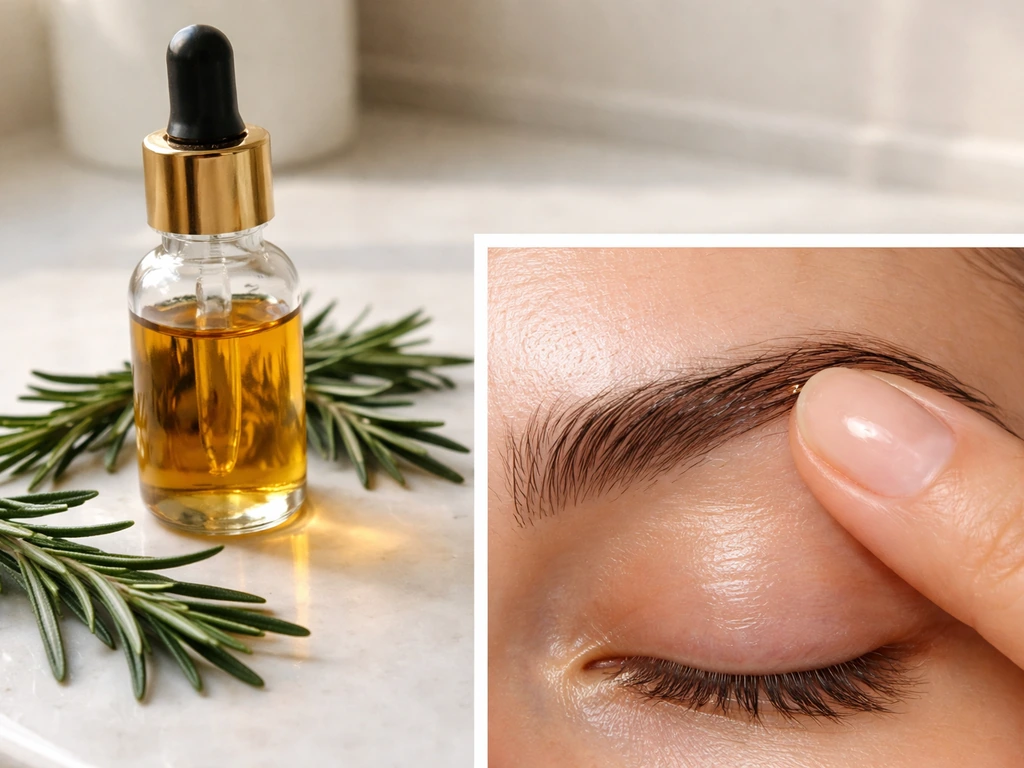
Rosemary oil has better evidence behind it than castor oil, with at least one study showing it comparable to 2% minoxidil for scalp hair regrowth after several months. The mechanism likely involves improving circulation and having mild anti-inflammatory effects at the follicle level. That said, rosemary oil is a known contact allergen. Published cases confirm it can trigger allergic and irritant contact dermatitis on facial skin, which is the opposite of what you want when you're trying to grow brows.
If you want to try it, always dilute it to 2–3% in a carrier oil (like jojoba or castor oil), do the 24-hour patch test, and stop immediately if you notice any redness, itching, or stinging. Applied correctly and without a reaction, it's a reasonable thing to add to your routine. But don't apply pure rosemary oil directly to your brows. That's a fast path to a reaction.
When minoxidil makes sense and what to expect
Minoxidil is the most evidence-backed option for eyebrow regrowth, but it's off-label for brows, and you need to go in with realistic expectations. The standard framing for hair loss broadly is that results take 6 to 12 months. For eyebrows specifically, the earliest users tend to report noticing growth is around the 6 to 8 week mark, with meaningful visual change showing up at 3 months. Two weeks on minoxidil will not show you regrowth.
Two weeks is a very short window, and eyebrows can take weeks to start looking fuller as follicles shift into an active growth phase Two weeks on minoxidil will not show you regrowth. . It takes that long just for the drug to shift follicles out of telogen and into anagen.
If you decide to try minoxidil for your brows, the commonly referenced approach in off-label use is applying a very small amount of 2% or 5% solution or foam once daily to the brow area, being extremely careful not to let it contact your eyes. Apply it with a cotton swab rather than directly from the dropper to minimize spread. Common side effects on facial skin include dryness, itching, puffiness around the eye area, and sometimes acne-like breakouts from the propylene glycol carrier in some formulas. The foam version tends to be better tolerated on facial skin.
The most important thing to know before you start: if you stop minoxidil, you will likely lose the new growth over time. It is not a permanent fix. It keeps follicles in a growth state while you use it, so committing to it means committing for the long term. People with cardiovascular conditions, those who are pregnant or breastfeeding, and anyone on medications affected by blood pressure changes should talk to a doctor before using minoxidil, even topically.
When two weeks passes and nothing has changed
If you're at the two-week mark with zero visible change and your brow hair loss wasn't from shaving or a one-off grooming session, it's time to troubleshoot more carefully. Here are the most common reasons regrowth stalls:
- Chronic over-plucking for years: Repeated pulling causes follicle miniaturization and in some cases permanent scarring alopecia. The follicles may still be there but producing increasingly thin hairs that are hard to see.
- Unresolved contact dermatitis: If you're still using a product that's triggering an immune reaction at the brow line, the inflammation will keep disrupting the follicle cycle regardless of what growth boosters you add.
- Seborrheic dermatitis: Chronic seborrheic dermatitis near the brows causes low-grade inflammation that can slow hair cycling. It needs treatment with medicated products, not just moisturizer.
- Frontal fibrosing alopecia (FFA): This is a scarring alopecia that often starts at the hairline and brows. It shows up as a gradual recession with subtle redness and scaling at the brow margin. This will not respond to castor oil and needs a dermatologist.
- Alopecia areata: An autoimmune condition that causes patchy hair loss. Brow regrowth with alopecia areata typically takes 3 to 6 months even with treatment like topical or injected corticosteroids.
- Nutritional deficiency: Low ferritin (iron stores), zinc deficiency, or significant calorie restriction all slow hair growth body-wide, including brows.
- Thyroid or hormonal issues: Hypothyroidism in particular causes brow thinning, especially on the outer third. No topical treatment will fix this without addressing the underlying hormone imbalance.
When to actually see a dermatologist
Go see a dermatologist if: you notice the outer third of your brows thinning with no obvious grooming cause, you have visible scaling, redness, or skin changes at the brow margin, your brow hair loss came on suddenly in patches, you've stopped all plucking for 3 months and still see no regrowth, or you're noticing thinning elsewhere on your scalp or body at the same time. A dermatologist can do a dermoscopy exam or skin biopsy to confirm whether you're dealing with scarring alopecia, alopecia areata, or follicle miniaturization, all of which have specific treatments that go well beyond what any serum can offer. Intralesional corticosteroid injections, JAK inhibitors, and prescription-strength topical steroids are all options that a derm can bring in depending on the diagnosis.
The bottom line: give yourself two weeks to stop the damage, protect the environment, and start a supportive routine. But have honest expectations. True eyebrow regrowth takes months in most cases, not days. If you’re wondering whether eyebrows can grow back in 3 days, the most realistic answer is that true regrowth usually takes far longer than that can eyebrows grow back in 3 days. If you want a deeper look at what happens in shorter windows, the guides on growing eyebrows in a week and how much brows grow per week both give useful context for managing your expectations at each stage.
FAQ
Can eyebrows grow back in 2 weeks if I stopped plucking right away?
If you truly mean “new hairs that weren’t there before,” two weeks is usually too short to rebuild a sparse brow, especially if the hair loss came from months or years of plucking, waxing, or a skin reaction. At best, you may notice faint, lighter regrowth or short regrowing strands, but a full look typically takes several months.
Why do my brows look fuller sooner after shaving than after waxing or threading?
Possibly, but it depends on whether the hair shafts were only cut or the follicles were disrupted. Shaving tends to give earlier, darker stubble because the hair shaft was never removed from the follicle. Threading or waxing more often delays visible change, since follicles need time to restart cycling.
What if my brows are shedding or getting irritated while I try to regrow them?
Don’t treat “itchy or flaky” skin around your brow as a normal part of growth. If you notice redness, burning, scaling, or increased shedding after starting an oil or product, stop the trigger and consider getting assessed, because dermatitis can keep follicles from returning to a healthy growth phase.
How can I tell the difference between real regrowth and normal shedding during the first 2 weeks?
At two weeks, evaluate lighting and timing, not just photos. Use the same angle and bright, indirect light each time, and look for tiny, fine, lighter hairs along the border or gaps, not just darkness. True regrowth often looks subtle before it becomes obviously “brow-shaped.”
Do I really need to patch test before using rosemary oil on my eyebrows?
Yes, a patch test matters especially with rosemary oil. Do a 24-hour test on a nearby skin area, then wait another day before applying to the brow region, since facial skin can react after delayed exposure. If you feel stinging or see redness, do not proceed.
If I use minoxidil, what should I reasonably expect at the 2-week mark?
Minoxidil is more likely to be “helpful but slow” than “fast.” If you see nothing at 2 weeks, that does not mean it will not work, since eyebrow follicles often need weeks to shift from resting to active growth. Also make sure you are applying a truly small amount, without letting it run into the eye area.
What happens if I stop minoxidil after only a short time because I’m impatient?
If you stop minoxidil, new growth commonly fades over time because the follicles were being kept in a growth-supporting state while you used it. A practical takeaway is to only start if you can commit to consistent use for months, or discuss options with a clinician first.
When should I stop experimenting and see a dermatologist instead?
If you have outer-third thinning with no obvious grooming cause, sudden patchy hair loss, or scaling and redness at the brow margin, don’t keep trying DIY growth boosters for weeks. A dermatologist can use dermoscopy and, when needed, guide treatment toward causes like scarring alopecia, alopecia areata, or follicle miniaturization.
Can oils or minoxidil restore brows if my follicles are scarred from long-term over-waxing?
Most “growth” products will not overcome scarring. If traction from repeated waxing or other pulling has been happening long-term, the follicle can scar and regrowth may be minimal even with oils or time. The first step is stopping the mechanical damage and getting an evaluation if density is not returning.
Should I start multiple eyebrow growth products at once to speed things up?
You should avoid adding new actives during the first 2 weeks while you are troubleshooting, because reactions can mask what is actually happening. Stick to stopping the trigger, minimizing irritation, and (if you choose it) one supportive product at a time, then reassess after you know your skin is stable.
Next Article
How Much Do Eyebrows Grow in a Week and Month?
Eyebrow growth timeline: how much they grow in a week or month, why it varies, tracking tips, and safe regrowth options.