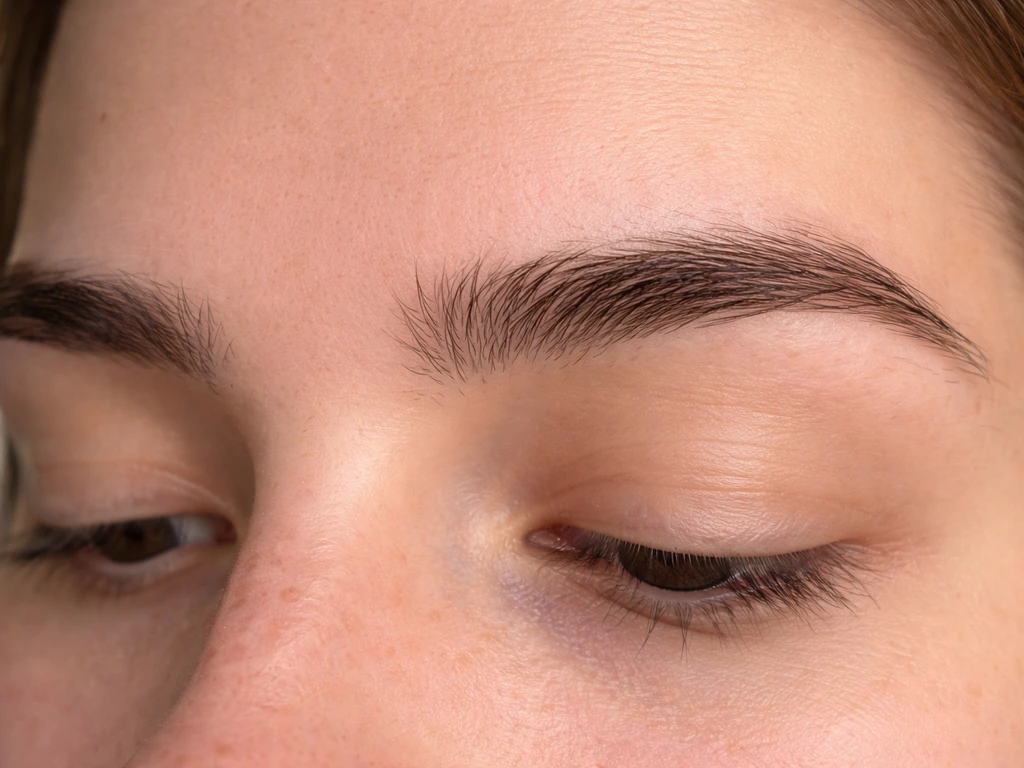
You can absolutely start improving your brows this week, but let's be straight: you won't grow new eyebrow hair in seven days. Eyebrow hair grows roughly 0.14 to 0.16 mm per day, which works out to about 1 mm per week. That's not nothing, but it's not the dramatic regrowth most people are hoping for. What a focused 7-day routine can do is reduce irritation that's slowing growth, get existing follicles into a healthier environment, and make your brows look noticeably thicker through smart grooming and the right topical support. That's a realistic and genuinely useful win for one week.
How to Grow Eyebrows Naturally in a Week: 7-Day Plan

James Whitmore
28 Jun 2026
What to realistically expect in 1 day vs 1 week
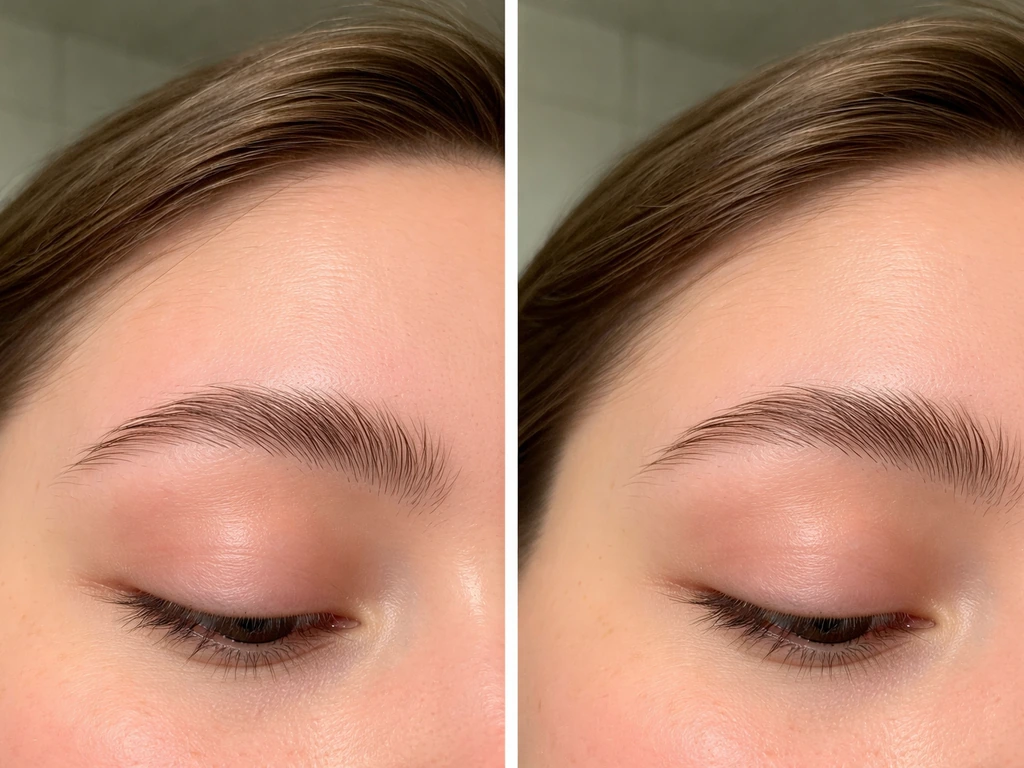
In one day, you're not going to see new hair. If you are looking at a 3-day timeline, focus on reducing irritation and supporting follicles rather than expecting full eyebrow regrowth can eyebrows grow back in 3 days. What you can see is reduced redness or irritation if your brows have been recently waxed or over-tweezed, and you might notice some stubble if you shaved recently and those hairs were already mid-cycle. Cutting out irritants for 24 hours gives inflamed follicles a chance to calm down, which matters because irritated skin is not a good growth environment.
In one week, you might see small hairs emerging from follicles that were already in anagen (the active growth phase), especially if you shaved rather than pulled hairs from the root. Plucked or waxed hairs take longer because the entire root was removed and the follicle has to restart its cycle from scratch. The Cleveland Clinic puts the full eyebrow hair growth cycle at around 3 to 4 months, so managing expectations is genuinely important here.
A week of the right habits moves the needle, but the full result you're picturing is a 2 to 4 month project. Related to this, questions like 'can eyebrows grow back in 2 weeks' are really asking about visible early regrowth, not full thickness, and the honest answer is: some, but not much.
| Timeframe | What's realistic | What's not realistic |
|---|---|---|
| 24 hours | Less irritation, reduced redness, no further damage | Visible new hair growth |
| 1 week | Stubble from shaved hairs, small regrowth from recently plucked hairs, better follicle environment | Noticeably fuller brows from bare skin |
| 2–4 weeks | Visible early regrowth, patchy new hairs filling in | Full pre-damage thickness |
| 3–4 months | Significant regrowth if follicles are healthy | Overnight transformation |
Why eyebrows grow (and why they sometimes stall)
Every eyebrow hair goes through three phases: anagen (active growth), catagen (transition), and telogen (resting/shedding). If you are wondering how many days eyebrows grow, the key is how long each hair spends in the anagen growth phase. The problem with eyebrows compared to scalp hair is that they spend a disproportionately large amount of time in telogen. The anagen-to-telogen ratio for eyebrows is roughly 1:9, meaning only about 10% of your brow hairs are actively growing at any given moment. That's why regrowth feels so slow after any kind of removal.
When you tweeze or wax, you remove the hair from the root, forcing that follicle to reset and start the cycle over. Do this repeatedly to the same follicle and you can cause real damage. Research from the 1970s on plucking showed that repeated microtrauma can cause long-term changes in follicle function, including pigment disruption. More recent work confirms that chronic repeated plucking can push follicles toward miniaturization over time, where they produce progressively finer, shorter hairs rather than bouncing back to full terminal thickness. Shaving is much gentler by comparison because it only cuts the hair shaft without disturbing the root.
Other reasons brows stall: contact dermatitis from products applied near the brow area, nutritional deficiencies (especially biotin, iron, and zinc), underlying conditions like alopecia areata or thyroid dysfunction, and scarring from repeated waxing burns or folliculitis. If your brows have been sparse for years and nothing seems to help, one of these is likely the real issue.
Your 7-day natural brow routine
This routine is built around one core principle: stop the damage first, then support growth. Every step matters, but the 'stop doing' items are honestly more important than any oil or serum you add.
Days 1–2: Stop, cleanse, and assess
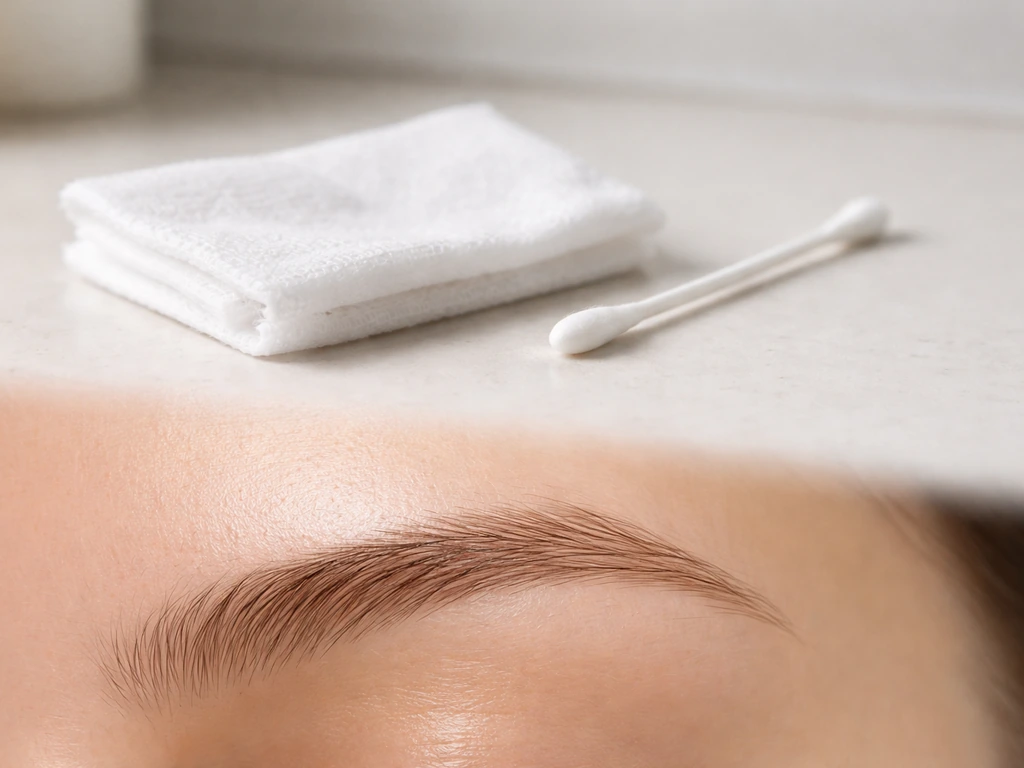
- Put down the tweezers completely. No shaping, no cleanup hairs, nothing. Even touching the area repeatedly can transfer bacteria and keep follicles irritated.
- Switch to a gentle, fragrance-free cleanser for the brow area. Heavy makeup removers, astringents, and anything with alcohol can irritate periorbital skin. Pat dry, don't rub.
- Stop any exfoliants, retinoids, or scrubs near the brow. Dermatologists specifically caution against exfoliating the eye and brow area because the skin there is too delicate for most of the products people use on the rest of their face.
- Take a clear photo in good light so you can actually track progress over the week.
Days 3–7: Add targeted topicals and support
- Apply castor oil or rosemary oil to brows each night before bed (see the next section for exactly how). Use a clean spoolie or a cotton swab for application.
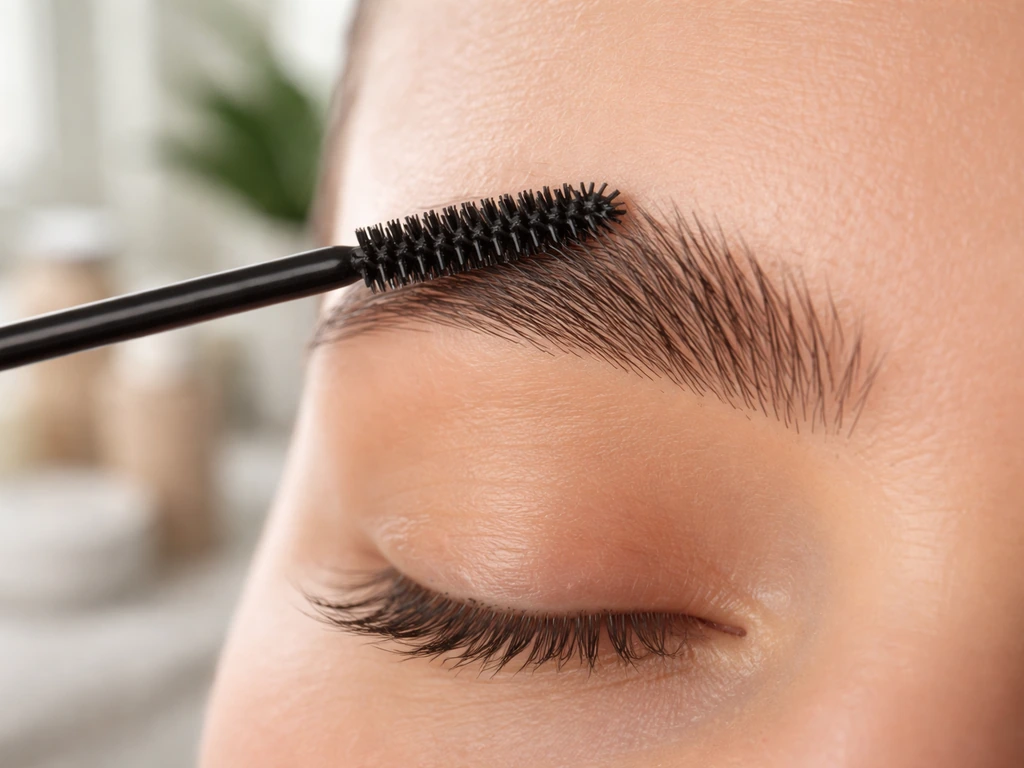
- Brush your brows with a dry spoolie in the morning in the direction of growth. This stimulates circulation mildly and trains hairs to lie in the right direction as they come in.
- Fill gaps with a brow pencil or powder during the day rather than tweezing stray hairs. Cosmetic coverage is your best friend during grow-out.
- Eat protein at every meal and consider a multivitamin if your diet has been inconsistent. Hair is made of keratin (a protein), and deficiencies genuinely slow growth.
- Keep checking for any redness, itching, or irritation from your topical. If you see it, stop that product immediately.
The best natural topicals for brow regrowth (and how to use them)
Castor oil
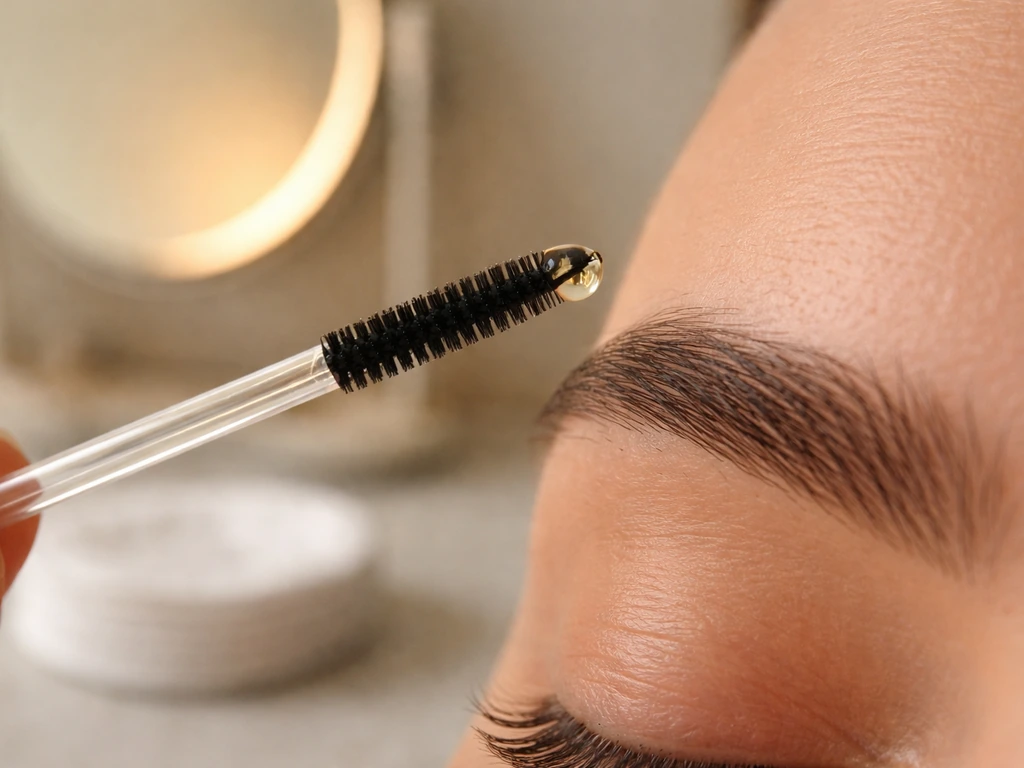
Castor oil is the most commonly recommended home remedy for brow growth, and the honest truth is: the clinical evidence is thin. There are no strong randomized controlled trials showing it directly stimulates eyebrow hair growth. One periocular trial showed improvements in eyelid margins in blepharitis patients, but that's not the same thing. What castor oil does well is condition existing hair, reduce breakage, and potentially improve the follicle microenvironment through its ricinoleic acid content. People consistently report cosmetically thicker-looking brows after a few weeks of use, which is worth something even if it's not the same as growing new hairs.
How to use it: Apply a tiny amount (seriously, a little goes a very long way with castor oil) with a clean spoolie or cotton swab to your brows at night. Leave it on overnight and rinse in the morning. Do this nightly for at least 4 to 6 weeks to see any cosmetic difference. Patch test the inner arm first, and keep it away from your eyes because it can cause irritation if it drips in.
Rosemary oil
Rosemary oil has better clinical backing than castor oil for hair growth on the scalp. A randomized trial comparing rosemary oil to 2% minoxidil for androgenetic alopecia found comparable results at 6 months. It's not eyebrow-specific research, but it suggests the oil has real follicle-stimulating activity, likely through improved circulation and anti-inflammatory effects. The catch: rosemary extract is a documented allergen that can cause allergic contact dermatitis in some people. Always dilute it in a carrier oil (like jojoba or the castor oil you're already using) at roughly a 2% concentration (about 12 drops per ounce of carrier), and patch test before putting it near your brows.
How to use it: Mix a drop or two into your castor oil application and use the same nightly spoolie routine. Don't apply undiluted rosemary oil directly to skin near your eyes.
Gentle scalp-style massage
Scalp massage has some evidence for improving hair density by increasing blood flow to follicles. You can apply the same idea to brows: use your fingertips to gently massage the brow area for 1 to 2 minutes after applying oil at night. Keep the pressure light since the skin here is thin, and don't pull or stretch it.
When to consider minoxidil for faster brow regrowth
Minoxidil is an FDA-approved hair loss treatment for the scalp, and using it on eyebrows is off-label. That said, there is actual clinical evidence supporting it for eyebrow hypotrichosis (sparse brows), including a registered clinical trial and a comparative RCT using 2% topical minoxidil twice daily for eyebrow enhancement. If natural options haven't moved the needle after 8 to 12 weeks, this is worth a conversation with a dermatologist.
How to use it safely
The studies used 2% minoxidil solution applied twice daily to the brow area. The foam formulation is less commonly studied for this application. Use a cotton swab for precise application and apply only to the brow itself, not the surrounding skin. Minoxidil can cause unwanted hair growth (hypertrichosis) on adjacent skin if it drips or spreads, so precision matters a lot here.
Side effects to know before you start
- Initial shedding: The Mayo Clinic notes that hair loss may continue for about 2 weeks after starting minoxidil as hairs cycle out. This is normal and not a sign it's failing.
- Contact dermatitis: Both minoxidil itself and the propylene glycol vehicle in many formulations can cause allergic contact dermatitis with redness, itching, and eczema-like reactions. If this happens, stop immediately.
- Hypertrichosis: Unwanted hair growth on surrounding facial skin if the product spreads outside the brow area.
- Systemic absorption: While low with topical use, it's a real consideration. People with cardiovascular conditions should talk to a doctor first.
- Patch test: Apply a small amount to the inner arm for 48 hours before using it near your eyes.
Bottom line: minoxidil is a meaningful step up in potential effectiveness, but it comes with more risk than oils. Use it only if natural options have genuinely plateaued, approach it with the precision the eye area demands, and ideally do so under dermatologist guidance.
How to grow brows out without looking patchy
The grow-out phase is genuinely uncomfortable because stray hairs come in at weird angles and the shape looks uneven. Here's the practical approach that makes it manageable.
What to stop doing immediately
- Stop tweezing strays during the grow-out. Every hair you pull resets that follicle's cycle.
- Stop waxing entirely until brows are at full grow-out. Waxing can cause skin tears, folliculitis, postinflammatory hyperpigmentation, and even scarring in worst cases.
- Stop applying thick makeup directly over sparse patches daily if it's requiring heavy removal that irritates the skin.
- Stop using harsh acne products, AHAs, BHAs, or retinoids on or near the brow area during the grow-out.
What to do instead
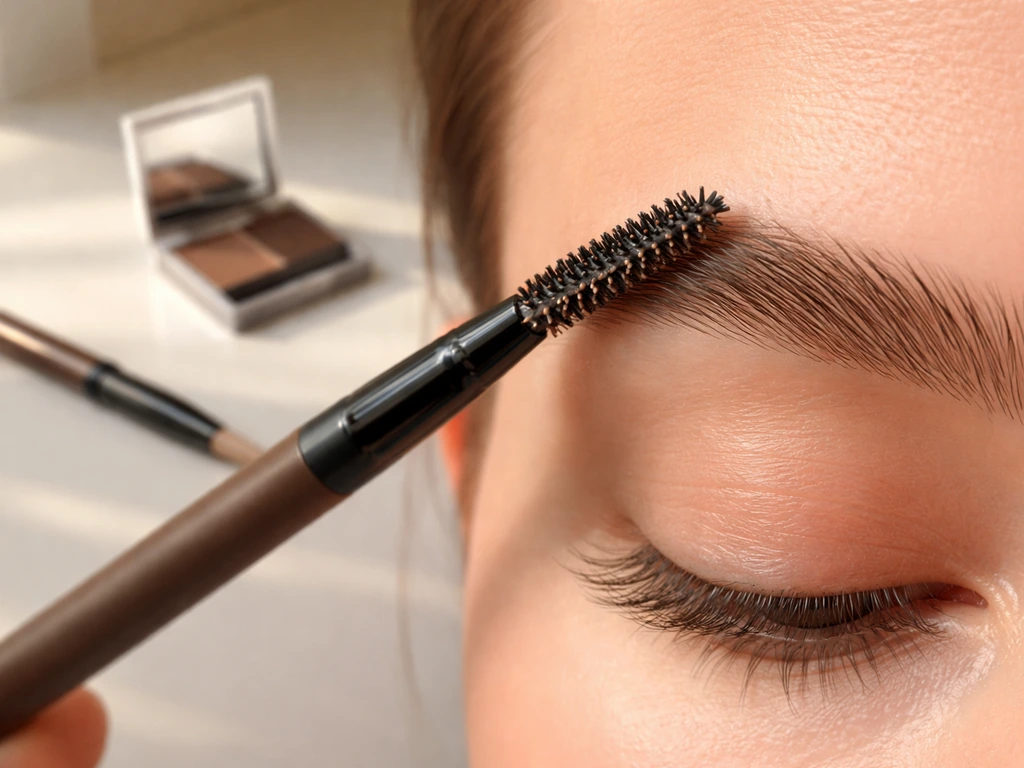
Use a brow pencil or powder to fill in gaps cosmetically during the day. Choose a shade that matches your natural brow color and use hair-like strokes rather than blocking in color. A clear brow gel helps tame flyaways and incoming hairs without removing them. If you absolutely must clean up your shape, only remove hairs that fall dramatically outside your intended brow shape, and do it sparingly. The goal is to stop touching the area where you want density and only manage the truly outlying hairs.
Brushing brows upward with a spoolie creates an immediately fuller appearance and gets you used to a slightly more natural brow shape, which tends to look better as thickness builds anyway.
Troubleshooting: why your brows might not be growing back
Contact dermatitis from products
This is more common than most people realize. If your brow area is itchy, red, or flaky, a product you're using near it could be causing contact dermatitis. The American Academy of Dermatology recommends patch testing to identify the culprit. Suspects include makeup, skincare products, the oils you're using for regrowth, or even minoxidil formulations. Inflamed skin does not grow hair efficiently, so clearing the dermatitis has to come before any growth strategy.
Nutritional deficiencies
Hair growth requires adequate protein, iron, zinc, biotin, and vitamin D. If your diet has been consistently low in any of these, or you've been through a period of significant caloric restriction, this alone can stall regrowth. A basic blood panel with your doctor can identify deficiencies, and addressing them often produces noticeable improvement within a couple of months.
Genetics and age
Some people have naturally sparse brows, and if over-plucking happened repeatedly over many years, some follicle miniaturization may be permanent. Older adults also tend to have slower eyebrow regrowth because anagen phases shorten with age. This doesn't mean nothing will help, but it does mean setting expectations appropriately. You may get improvement but not a full restoration.
Underlying medical conditions
Thyroid dysfunction (both hypo and hyperthyroidism) commonly causes eyebrow thinning, particularly at the outer third. Alopecia areata can cause patchy brow loss and typically needs medical treatment for regrowth, with the Cleveland Clinic noting that early dermatologist evaluation is important for the best outcomes. Conditions causing scarring alopecia (where follicles are permanently destroyed) need urgent dermatologist attention because the damage becomes irreversible the longer it goes untreated.
When to see a professional
See a dermatologist if: your brows haven't grown back after 4 to 6 months of consistent care, you have itching or burning at the brow site without an obvious product cause, you notice smooth or shiny skin where brows used to grow (a possible sign of scarring alopecia), you have patchy loss that came on suddenly, or your eyebrow loss is accompanied by other symptoms like fatigue or cold sensitivity (which can point to thyroid issues).
Madarosis (loss of eyebrow and eyelash hair) is often reversible when the underlying cause is treated, but finding that cause requires a professional evaluation. Madarosis, defined as loss of eyebrow and eyelash hair, is often reversible when the underlying cause is treated [Madarosis (loss of eyebrow and eyelash hair) is often reversible when the underlying cause is treated. ](https://my. clevelandclinic.
org/health/symptoms/24820-madarosis). Don't spend another year trying home remedies if something more systemic is driving the loss.
Your action plan starting today
Here's exactly what to do if you're starting today. Stop all plucking and waxing right now. Simplify your brow-area skincare to just a gentle fragrance-free cleanser. Tonight, apply a thin layer of castor oil or a diluted rosemary-in-castor blend with a clean spoolie and leave it on overnight.
Tomorrow morning, brush brows up with a spoolie and fill gaps cosmetically. Repeat the nightly oil application every day for at least 4 to 6 weeks. Eat enough protein and take a multivitamin if your diet has gaps. Reassess at 4 weeks: if you see progress, keep going.
If you see zero change and there's no obvious product irritation, talk to a dermatologist about whether minoxidil or an underlying condition workup makes sense. The week-one goal is a better environment for your follicles and a smarter daily habit, not a dramatic transformation. Hair regrowth is usually gradual, so the best week-one goal is creating a healthier environment for your follicles rather than expecting full regrowth by day seven. The transformation happens over months.
FAQ
If I want to follow “how to grow eyebrows naturally in a week,” should I avoid shaving or is shaving better than tweezing or waxing?
Shaving is usually the safer choice for a fast, natural “reset” because it cuts the hair shaft without removing the root. Avoid tweezing and waxing, especially repeatedly, because they pull the hair from the follicle and can force a longer restart of the growth cycle. If you do shave, do it gently and stop trimming over the same spot multiple times in a few days.
Can I use multiple oils at once (castor oil, rosemary oil, vitamin E) to speed things up?
Mixing several products often increases the chance of irritation, especially around thin, sensitive brow skin. The simplest approach is one base (like castor oil) and, if you tolerate it, a properly diluted rosemary blend. If you want to change anything, introduce one product at a time and pause if you get itching, burning, or more flaking.
How can I tell whether my brow thinning is from breakage versus actual follicle loss?
Breakage often looks like shorter, uneven hairs on the surface, while follicle loss looks like fewer hairs starting from the skin with more obvious gaps. A practical check is to lightly comb upward and see whether you have many short stubs (breakage) or smooth bare patches where follicles seem inactive. Persistent smooth, shiny skin or a widening gap pattern points more toward follicle issues and may need professional evaluation.
Will the night oil routine make my brows darker faster?
It can change appearance, but not usually in a meaningful “new hair pigment” way within a week. Oils mainly condition existing hairs and reduce breakage, so you might see brows look fuller or slightly more lustrous. True new terminal thickness and color typically require weeks to months, even when the follicle is healthy.
What if my brows look worse after a few days, with more itching or redness?
Stop the product immediately and switch to a fragrance-free, gentle cleanser only until skin calms. Irritated skin does not support growth efficiently, and continued irritation can worsen shedding. If it keeps recurring, consider that one of the ingredients (including rosemary if you used it) may be triggering contact dermatitis, and you may need a dermatologist patch test.
How long should I wait before adding minoxidil if “natural” methods do not work?
A realistic decision point is after 8 to 12 weeks of consistent natural support with no ongoing irritation. Minoxidil is typically considered when you have plateaued, sparse brows and want a higher-evidence option. Since it is off-label for brows, it is best to discuss candidacy and application technique with a dermatologist, especially if you are sensitive to topical products.
Is it safe to apply oil or minoxidil close to my eye, and how do I prevent it from spreading?
Keep application precision tight to the brow hairs and skin directly along the brow line. Use a clean spoolie or cotton swab, and apply a thin layer rather than soaking the area. The biggest risk is product migration, which can cause unwanted hair growth on nearby skin (with minoxidil) or eye irritation (with any oil if it drips).
What results can I realistically expect in 7 days, and what would be a red flag?
In a week, the most common changes are reduced redness after irritation, less stubble loss (if you shaved), and a slightly fuller cosmetic look from conditioning and better grooming. A red flag is smooth, shiny skin where brows used to be, rapidly worsening patchy loss, or symptoms like burning without an obvious product cause, which can suggest scarring or another medical driver.
How should I groom my brows during the week I am trying to grow them naturally?
Treat grooming as “keep hands off the density zones.” Brush upward with a spoolie for an immediate fuller look, fill gaps during the day, and only remove hairs that clearly sit far outside your intended brow shape. Avoid repeated touching, trimming every day, or any plucking that targets the same follicles.
Do diet supplements like biotin actually help if I already eat well?
They help mainly when you are low in specific nutrients like iron, zinc, biotin, or vitamin D, or after a period of significant calorie restriction. If your diet is already balanced, supplements may not change much. If brows have been sparse for a long time, consider asking a doctor about labs before assuming supplements are the solution.
Next Article
Can Eyebrows Grow Back in 3 Days? Realistic Timeline
Can eyebrows regrow in 3 days? Know realistic timelines, what to do for 72 hours, and safer options for regrowth.