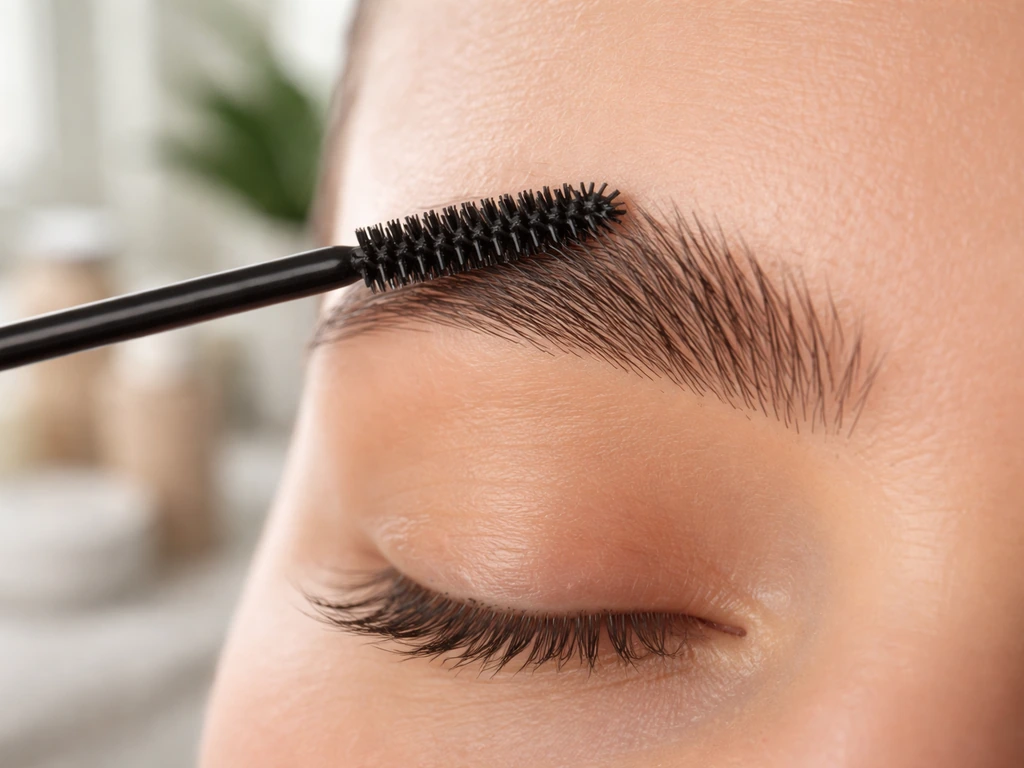
Eyebrows grow about 0.7 mm per week, or roughly 3 mm per month. That's based on a growth rate of around 0.1 mm per day during the active growth phase. In practical terms, that's barely visible at one week but genuinely noticeable at three to four weeks. If you shaved, waxed, or plucked recently, the honest answer is: you won't see real density back for at least four to six weeks, and a full recovery is more likely a three to four month project.
How Much Do Eyebrows Grow in a Week and Month?

James Whitmore
3 Jul 2026
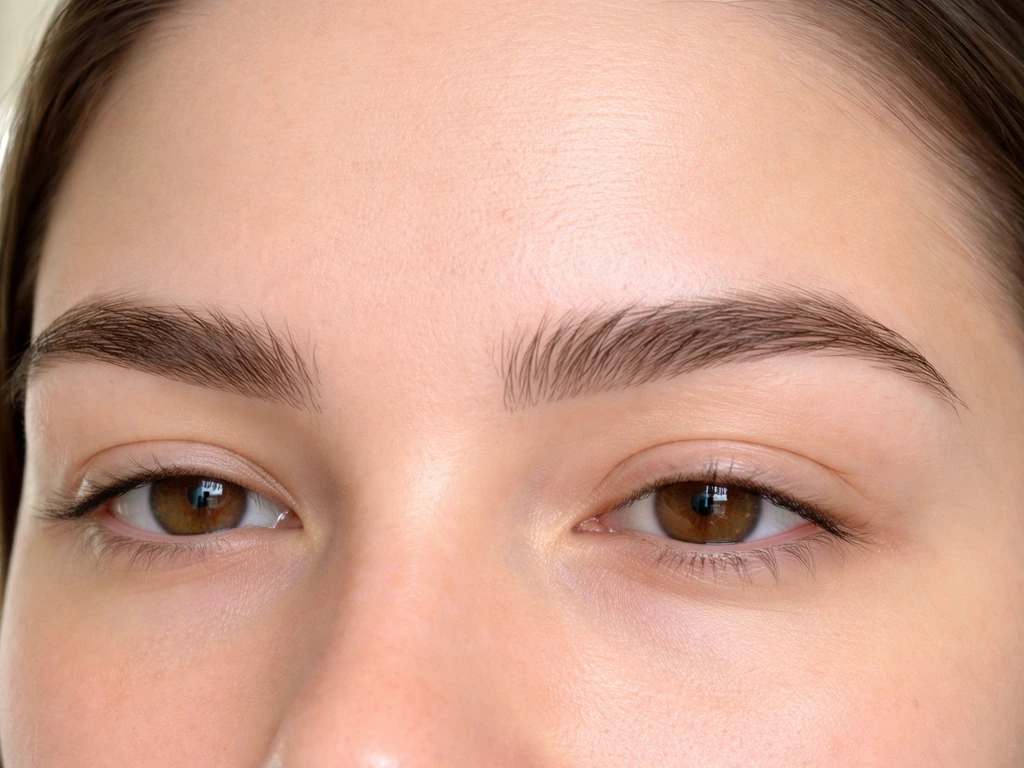
What a week of growth actually looks like (vs. a full month)
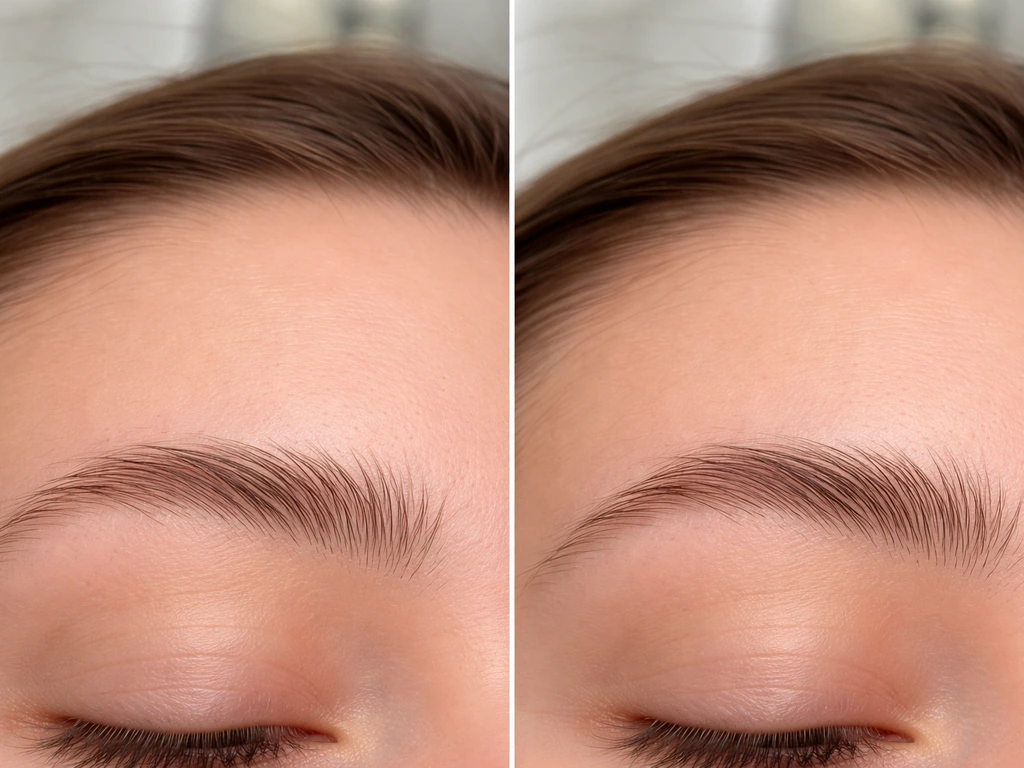
The 0.7 mm per week figure comes from the known daily growth rate of about 0.1 mm per day during anagen, which is the active phase of the hair cycle. To put that in perspective, 0.7 mm is about the thickness of a credit card. You can feel stubble after about three to seven days if you shaved, but you're not going to see meaningful shape or fill for much longer than that. At two weeks you might notice short, light hairs appearing at the outer edges or sparser spots. At two weeks, you can only expect early regrowth, not full results, so the question is often can eyebrows grow back in 2 weeks. By four weeks, growth is visible but still patchy. By eight to twelve weeks, you start to see real density coming back, assuming your follicles are healthy and undamaged.
One month of consistent growth, at roughly 3 mm, gives you something to work with visually, but it still won't look like a finished brow. Most people searching for a faster answer are disappointed to learn this timeline is fairly fixed by biology, not by any serum or trick. That said, understanding the hair cycle makes the wait feel less random and helps you track real progress. If you want a realistic plan for how to grow eyebrows naturally in a week, focus on protecting existing hairs and tracking early changes rather than expecting major regrowth.
The eyebrow hair cycle: why brows grow slower than you'd expect
Eyebrow follicles follow the same basic three-phase cycle as scalp hair (anagen, catagen, telogen), but the proportions are wildly different. Scalp hair spends two to six years in anagen and only a few months in telogen. Eyebrow hair spends roughly 10 weeks in anagen and around 100 days (about 14 weeks) in telogen, giving an anagen-to-telogen ratio of roughly 1:9. That means at any given moment, most of your eyebrow follicles are resting, not actively growing. This is exactly why brows grow in so slowly compared to, say, leg hair after waxing.
Catagen, the brief transition phase, lasts about one to two weeks. After catagen ends, the follicle enters telogen and stays dormant for those roughly 100 days before the next anagen phase kicks off. So if you pluck a hair right at the start of its resting phase, you could be waiting three months before that individual follicle even begins a new growth cycle. This is why regrowth can feel so uneven and frustratingly slow.
Why your brows might grow faster or slower than average
The 0.7 mm per week estimate is an average, and plenty of factors push that number up or down. Genetics is probably the biggest one. Some people simply have denser follicle distribution and faster individual hair growth. Others are working with naturally sparse brows that will always regrow more slowly and less fully, regardless of effort.
- Age: Hair cycles slow as you get older. Anagen phases shorten, telogen phases lengthen, and regrowth after removal takes longer. People in their 40s and 50s typically see noticeably slower recovery than younger people.
- Hormones: Thyroid imbalances are one of the most common medical reasons for eyebrow thinning, particularly at the outer third of the brow. Estrogen and androgen levels also play a role. If your brows started thinning without an obvious cause, hormones are worth checking.
- Nutrition: Hair follicles are among the most metabolically active structures in the body. Deficiencies in iron, biotin, zinc, and protein can visibly slow regrowth and cause shedding. This is especially relevant for people who've recently changed their diet or experienced significant weight loss.
- Stress: Acute or chronic stress can push follicles prematurely into telogen (called telogen effluvium), pausing active growth across the board. You might not see the effect for six to eight weeks after the stressful event.
- Skin conditions: Active inflammation from conditions like seborrheic dermatitis, eczema, or psoriasis in the brow area can disrupt the follicle environment and slow regrowth. Non-scarring forms are usually reversible; scarring madarosis from deeper inflammation is not.
- Prior damage: Repeated aggressive plucking, waxing, or threading over many years can cause follicle trauma or even permanent damage. Scarring from this kind of chronic stress can reduce how many hairs actually regrow.
Recovery timelines by hair removal method
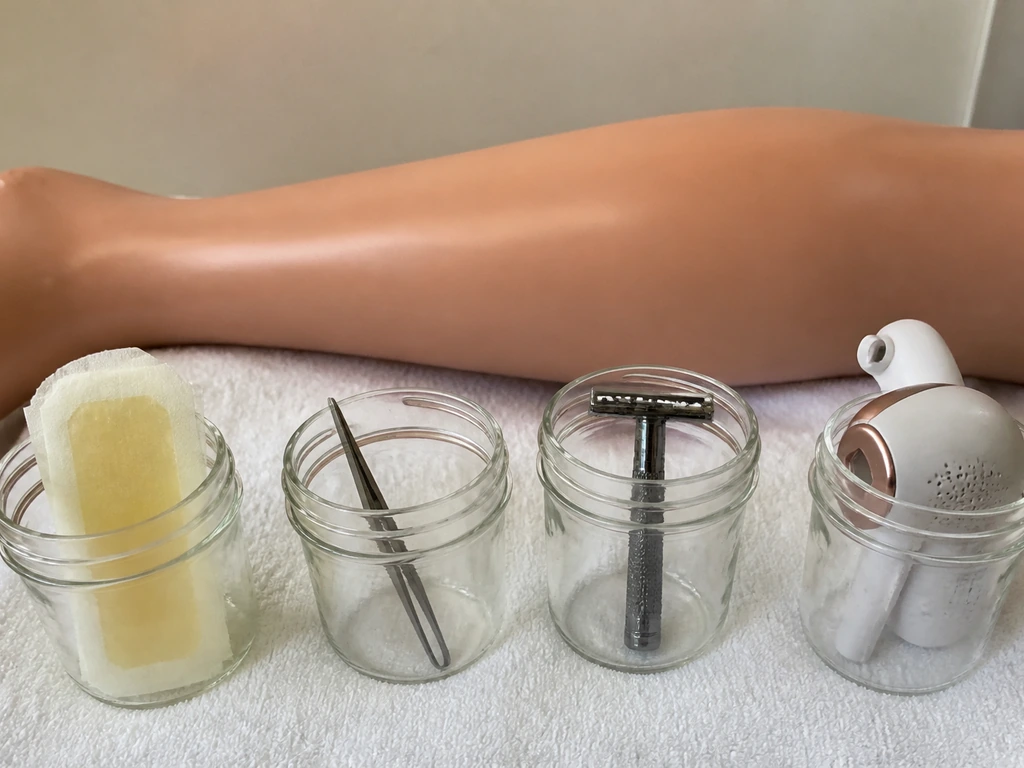
Not all hair removal is equal when it comes to regrowth speed. The method matters because it determines whether the follicle itself was disturbed or just the hair shaft.
| Method | What it does to the follicle | When stubble appears | When shape recovers | When full density returns |
|---|---|---|---|---|
| Shaving | Only removes hair at skin surface; follicle untouched | 3–5 days | 2–4 weeks | 4–6 weeks |
| Waxing | Pulls hair from root; follicle temporarily disrupted | 2–4 weeks | 4–8 weeks | 6–12 weeks |
| Tweezing/threading | Pulls individual hairs from root; higher trauma if repeated | 2–4 weeks per hair | 6–12 weeks | 3–4 months (may be longer with repeated damage) |
Shaving is by far the fastest to recover because the follicle is never touched. You're just cutting the hair shaft, so the hair continues its existing cycle. After waxing or tweezing, the follicle has to restart or continue from wherever it was in its cycle, which is why a plucked hair can take weeks just to resurface. A small 1999 study found full eyebrow regrowth after complete shaving took about six months, which gives you a rough worst-case benchmark for someone starting from zero. Unfortunately, that timeline makes it unlikely that your eyebrows can truly grow back in a week, but early regrowth can start to show later as follicles re-enter growth. Repeated waxing or threading, especially done every three to four weeks, can progressively irritate or scar follicles and lead to patchier, slower regrowth over time. Derm Ref Foundation symposium material describes that repeated waxing or threading can progressively irritate or scar follicles, disrupting skin integrity and affecting hair follicles Repeated waxing or threading, especially done every three to four weeks, can progressively irritate or scar follicles.
How to track your progress without going obsessive
Tracking brow regrowth matters because it's easy to feel like nothing is happening when actually slow, consistent progress is occurring. The problem is that day-to-day changes are invisible at this scale. Here's a practical system that actually works.
- Take a baseline photo on day one in good natural light, straight-on, no brow makeup. Use the same lighting, angle, and phone every time.
- Photograph again at two weeks, four weeks, eight weeks, and twelve weeks. Comparing week one to week eight is far more revealing than comparing today to yesterday.
- Mark your brow map: note where you want growth to improve (inner corner, arch, outer tail). This helps you track specific zones rather than making a vague general judgment.
- Set milestone expectations: at four weeks, look for new fine hairs in sparse zones. At eight weeks, look for density beginning to fill. At twelve weeks, evaluate the overall shape. If you see nothing new by eight weeks, that's a signal worth paying attention to.
- Avoid tweezing or cleaning up strays during the recovery period, especially for the first six to eight weeks. It's tempting but delays the process.
The question of whether eyebrows can grow back in three days, or even two weeks, comes up a lot. The answer is: not in any meaningful way. You might see the faintest stubble at three days after shaving, but that's it. Two weeks gets you early-stage fuzz in the best-case scenario. A full week-by-week reassessment is far more useful than checking daily.
Evidence-based ways to actually help your brows grow
There's a lot of noise in this space. Here's what the evidence actually supports, ranked by how strong the data is.
Minoxidil (strongest evidence)
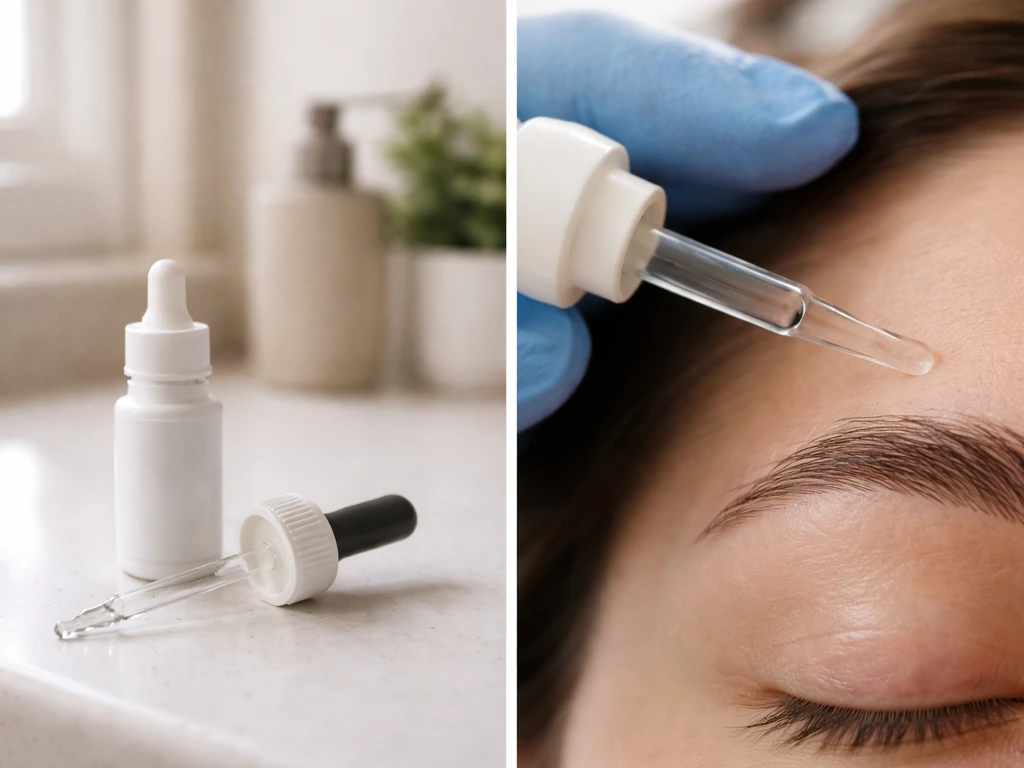
Minoxidil 2% lotion is the most evidence-backed topical option for eyebrow enhancement. A randomized, double-blind, placebo-controlled split-face trial found it safe and effective for eyebrow hypotrichosis. A separate comparative study against bimatoprost also confirmed measurable improvement over weeks to months. If your brows are significantly sparse after over-plucking or from an underlying condition, this is worth discussing with a dermatologist. Applied once daily to the brow area with a small brush or fingertip, results typically become visible over eight to sixteen weeks. Side effects are generally mild but can include skin irritation, and you should not use it near the eyes without medical guidance.
Rosemary oil (moderate, emerging evidence)
Rosemary oil has genuine mechanistic interest as a circulation-stimulating ingredient, and a double-blind randomized trial evaluated rosemary-based formulations for hair regrowth over 90 days with promising results. The evidence is not eyebrow-specific or as strong as minoxidil, but it's not purely anecdotal either. A practical approach: dilute a few drops of rosemary essential oil in a carrier oil (jojoba or argan work well) and apply to the brow area nightly. Expect to give it at least eight to twelve weeks before judging.
Castor oil (limited evidence, but low risk)
Castor oil is probably the most popular brow growth remedy, and while it's not going to dramatically change your growth rate, it's not useless either. A systematic review found no strong clinical evidence that castor oil promotes hair growth or regrowth, though it may support hair quality and luster. It's safe, inexpensive, and moisturizes the brow area, which can reduce breakage and make existing hairs look fuller. Apply a small amount with a spoolie brush at night. Don't skip the realistic expectation: this is supportive care, not a regrowth treatment.
Nutrition and internal support
If your diet is genuinely deficient in iron, zinc, protein, or biotin, fixing that will likely help more than any topical product. A blood test through your GP can identify deficiencies quickly. Supplementing without a known deficiency has much weaker evidence, but eating a varied diet with enough protein and micronutrients is the baseline for any hair regrowth effort.
Mistakes that slow your brows down
- Over-plucking during the grow-out phase: Even cleaning up just a few hairs repeatedly keeps resetting follicles. Commit to a true hands-off period for at least six to eight weeks.
- Using harsh skincare over the brow area: Retinoids, strong exfoliants, and alcohol-based products applied near the brows can irritate follicles and slow regrowth. Be mindful of what's migrating from your forehead routine.
- Expecting results in days: The biology just doesn't work on that timeline. If you're checking daily and feeling frustrated, switch to biweekly photo comparisons instead.
- Using too many products at once: Layering multiple oils, serums, and DIY treatments increases irritation risk without increasing benefit. Pick one or two approaches and stick with them long enough to evaluate properly.
- Threading too frequently: Getting brows threaded every two to three weeks gives follicles almost no recovery time. If you're trying to grow brows out, extend the interval significantly.
- Ignoring a potential medical cause: If brows are thinning without recent removal, or if patches keep appearing, that's not a topical product problem. That's a signal to get checked.
When to stop waiting and see a dermatologist
Most eyebrow regrowth after removal is a waiting game, not a medical issue. But there are clear signs that it's time to get professional eyes on the situation. The Cleveland Clinic recommends seeing a dermatologist if you haven't seen the results you want after about four months of consistent effort post-over-plucking. That's a reasonable baseline rule.
Beyond that, seek evaluation sooner if you notice any of these: patchy brow loss that appeared without any recent removal, thinning specifically at the outer third of the brow (a classic thyroid sign), persistent redness, scaling, or irritation in the brow area that doesn't resolve, or brow loss that's progressing rather than stable. Conditions like alopecia areata can cause eyebrow and eyelash loss (madarosis) and respond well to treatment when caught early. Cleveland Clinic notes that alopecia areata is an established cause of eyebrow and eyelash loss (madarosis), and new eyebrow hair loss should be evaluated alopecia areata can cause eyebrow and eyelash loss (madarosis). Scarring forms of hair loss, caused by deeper follicle destruction, don't respond to topical treatments and need medical management. Getting an accurate diagnosis is the most important step if self-directed regrowth isn't working after three to four months.
FAQ
Why can I not see my eyebrow growth after a week even if the growth rate is about 0.7 mm per week?
If you started from freshly removed brows, a “full brow” is unlikely within a week because most follicles are not simultaneously in the active growth (anagen) phase. In practice, a week typically means no real shape change, at best a few faint hairs, with more visible improvement around 2 to 4 weeks.
How should I track how much my eyebrows grew in a week?
Measuring is tricky because brows vary in thickness and direction. For the most consistent check, take the same photo angle and lighting every 7 days, then mark the start point with a washable pencil and track change at the outer edge and any patchy areas only, rather than trying to measure exact millimeters.
Does eyebrow regrowth after tweezing or threading follow the same week-by-week timeline as shaving?
After plucking or threading, regrowth can look slower and patchier because some follicles are delayed by the telogen resting phase, and repeated irritation can damage or scar follicles over time. If you’re seeing new hairs but they never thicken after several cycles, that suggests a follicle-cycle issue rather than “not waiting long enough.”
Can eyebrows grow at the usual rate in a week if I have a medical cause of brow loss?
Yes, if brows are thinning from an underlying condition, the biology can override the typical timeline. Examples include alopecia areata and scarring hair loss, where some topical approaches will not restore lost density. If you notice sudden or rapidly worsening patchiness, schedule an exam rather than relying on time alone.
Is eyebrow “stubble” after shaving the same thing as real regrowth?
If you recently removed hairs, you might mistake “stubble” for growth, especially after shaving. Hair shafts become visible only after follicles put out new length, so a week of visible fuzz usually reflects early regrowth rather than true restoration of density.
If I start minoxidil or oils today, will I see a difference in eyebrow growth after 7 days?
Products that stimulate or moisturize can affect appearance, but they do not reliably change the hair-cycle timeline on a week scale. Even minoxidil typically takes weeks to months for visible changes, so if your goal is to judge results, use the earliest meaningful checkpoint at 8 to 16 weeks, not 7 days.
What signs mean I should not rely on the one-week growth estimate and should see a dermatologist?
Watch for red flags that suggest you need professional evaluation sooner than “wait 4 months.” Get checked if you develop persistent scaling, redness, itching, or brow loss that appears without recent removal, especially if it is worsening or mainly affects the outer third.
Next Article
How to Grow Eyebrows Naturally in a Week: 7-Day Plan
7-day natural eyebrow growth plan: soothe skin, stop damage, apply castor or rosemary, and set realistic timelines.