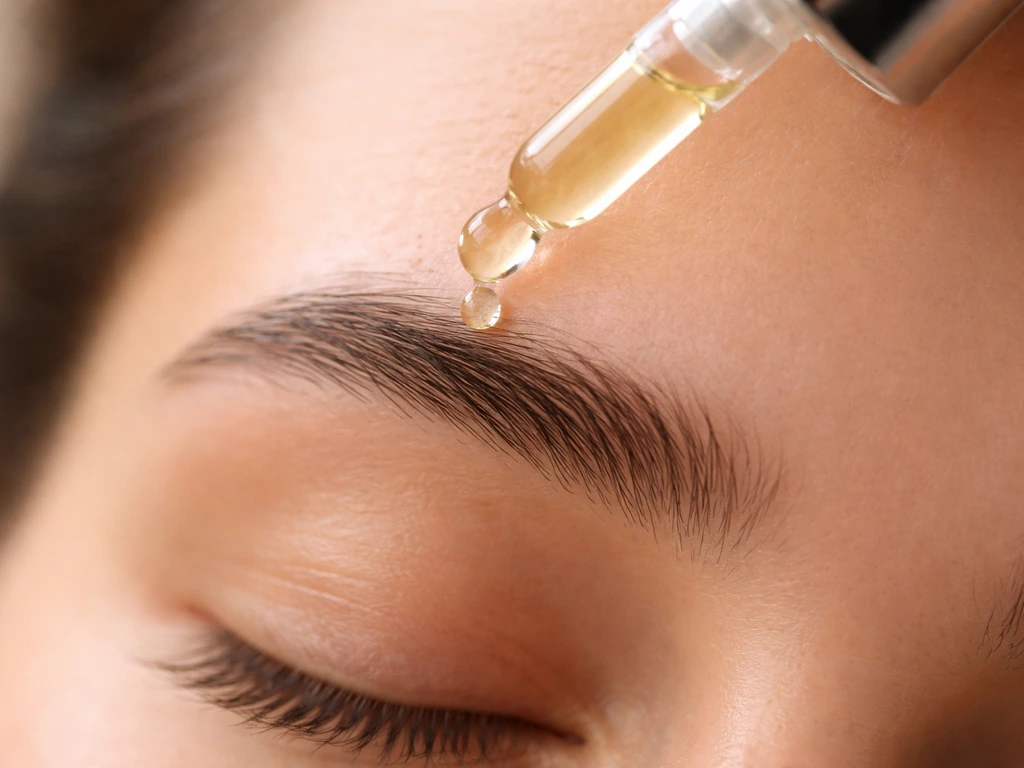
No, eyebrows cannot fully grow back in 3 days. Eyebrow hair grows at roughly 0. 14 to 0. 16 mm per day, so even under ideal conditions, three days gives you less than half a millimeter of new shaft length.
Can Eyebrows Grow Back in 3 Days? Realistic Timeline

James Whitmore
5 Jun 2026
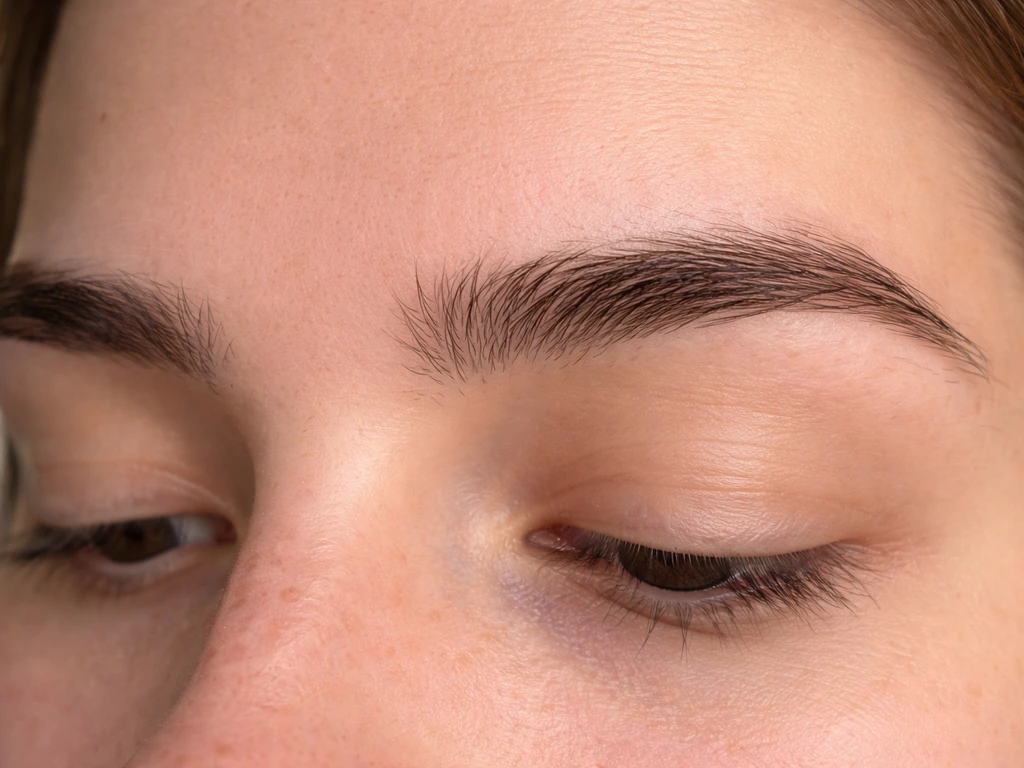
What you might notice in 72 hours depends entirely on what happened to your brows: if you shaved or trimmed, you could see stubble poking through within a day or two because the follicle was never disturbed. If you waxed, threaded, or plucked, the hair was pulled from the root, and visible regrowth typically takes several weeks at minimum.
Three days is enough time to calm irritation, protect the area, and start good habits, but it is not enough time for meaningful visible regrowth after root-level removal. In practice, brow regrowth timelines are usually measured in weeks, not just 2-week windows can eyebrows grow back in 2 weeks.
What actually happens to your brows in 72 hours
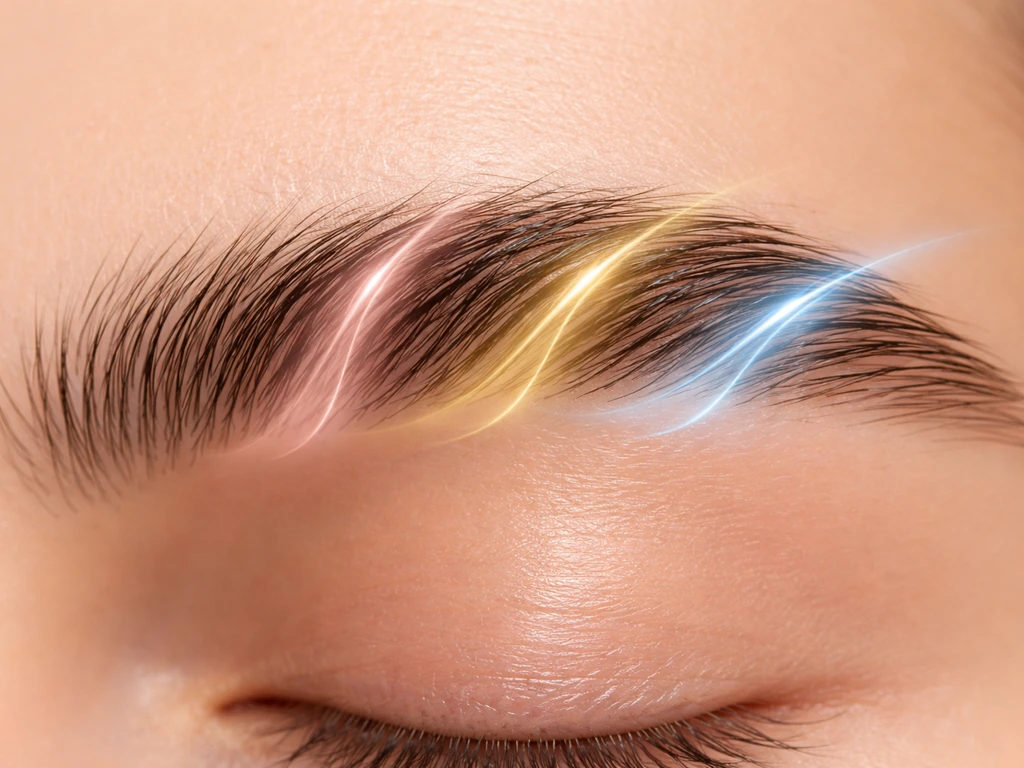
The eyebrow hair cycle has three phases: anagen (active growth, lasting about 2 to 3 months), catagen (a short transition of 2 to 3 weeks), and telogen (a resting phase that also lasts roughly 2 to 3 months). Unlike scalp hair, which stays in anagen for years, eyebrow hairs spend a relatively short time actively growing before they rest. This is exactly why eyebrow hair is naturally shorter and why aggressive removal can set you back for months rather than weeks.
Here is the honest breakdown of what 3 days can realistically deliver depending on what happened to your brows: shaving or trimming means the follicle is intact and the shaft is already there, so you will see stubble quickly, sometimes within 24 to 48 hours. That is not new growth, that is the existing hair shaft re-emerging through skin or growing the tiny bit it already was. After waxing, threading, or plucking, the follicle needs to cycle back into anagen before a new shaft can even start forming. That process takes weeks, not days. In 72 hours after root-level removal, expect redness to fade, swelling to settle, and the skin to feel less raw, but do not expect visible hair.
How the removal method changes everything
| Method | Follicle disturbed? | Stubble visible by day 3? | Full regrowth timeline |
|---|---|---|---|
| Shaving | No | Yes, often within 1–2 days | 2–4 weeks for original length |
| Trimming | No | Yes, partial | 1–3 weeks depending on how short |
| Plucking | Yes (root pulled) | Unlikely | 6–12 weeks for visible fill |
| Waxing | Yes (root pulled) | Unlikely | 6–12 weeks, sometimes longer |
| Threading | Yes (root pulled) | Unlikely | 6–12 weeks for visible fill |
| Accidental hair loss (friction, rubbing) | Sometimes damaged | Unlikely | Variable, depends on follicle health |
One thing that trips people up: the stubble you see within a day or two after shaving is often mistaken for fast regrowth. What's really happening is that the blunt-cut hair shaft is simply pushing back through the skin as it grows that tiny fraction of a millimeter. The follicle was never touched. Threading and waxing are a different story entirely. Both pull hairs from the root, causing the redness, irritation, and sometimes moderate swelling you feel in the hours after. After those methods, three days is recovery time, not regrowth time.
What to do in the next 72 hours
Whether your brows are irritated from waxing, freshly shaved, or accidentally sparse from rubbing (think sleeping on a rough pillowcase or a habit of touching your brows), the 72-hour window is about protection and recovery, not dramatic regrowth. Here is what to actually do.
Soothe the skin first
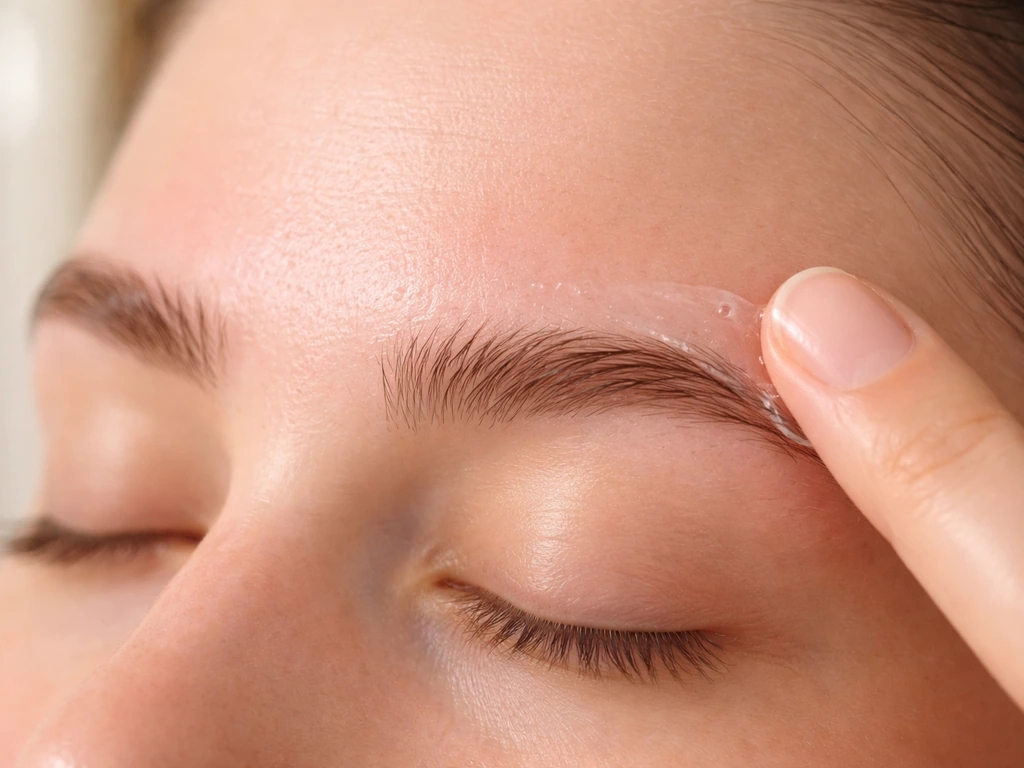
If you waxed or threaded, the skin around your brows is likely inflamed. Apply a gentle, fragrance-free soothing gel or aloe vera to bring down redness. Avoid anything with alcohol, heavy fragrances, or acids (AHAs, BHAs) near the area for at least 48 hours. The skin around the brow and upper eyelid is thin and reactive, and products that are fine on your cheeks can trigger contact dermatitis here.
If you notice persistent itching, a rash spreading beyond the wax or thread area, or blistering, that is a sign of irritant or allergic contact dermatitis and warrants stopping all topical products and potentially seeing a dermatologist. If you notice persistent [itching, a rash spreading beyond the wax or thread area, or blistering](https://www. drugs. com/monograph/minoxidil-topical.
html? references=1), it can represent irritant or allergic contact dermatitis, including reactions influenced by product ingredients such as propylene glycol.
Protect and leave alone
- Do not pick, rub, or re-pluck any hairs in the area, even if you spot a stray one.
- Avoid heavy makeup over freshly waxed or irritated skin for the first 24 hours.
- Sleep on a clean silk or satin pillowcase if possible to reduce friction on the follicle area.
- Keep sunscreen on the brow area during the day, since exposed or irritated follicle openings are more vulnerable to UV damage.
- Skip any exfoliating scrubs or retinoids near the brows until the skin has fully settled.
Start a gentle conditioning routine
Once active irritation has calmed (usually by day 2 or 3), you can begin applying a light conditioning oil to the brow area. This is not about triggering dramatic growth in 72 hours, but about establishing a habit and keeping the follicle environment healthy. More on specific ingredients is below.
Why some brows don't come back (and when to pay attention)
Most brow thinning after waxing, shaving, or plucking is temporary. Follicles that have been pulled recover and re-enter the growth cycle. But sometimes sparse brows signal something more persistent, and that is worth knowing before you spend months waiting for regrowth that is not coming.
Over-plucking repeatedly over years is the most common culprit for permanently reduced brow density. Each time a hair is pulled from the follicle, it causes small-scale trauma. Most follicles recover, but with repeated stress over a long time, some follicles can stop producing hair altogether, which is a form of traction alopecia applied to brows.
Patchy loss that appears without any hair removal might be alopecia areata, which causes the immune system to attack hair follicles and can create well-defined patches or strips in the brows. Frontal fibrosing alopecia is another condition, more common in post-menopausal women, that causes a band of scarring hair loss along the hairline and frequently involves significant eyebrow loss called madarosis. Scarring alopecias are particularly important to catch early because scarring can make follicle loss permanent if untreated.
- Brows have been thin or absent for more than 3 to 4 months after stopping hair removal
- You are losing brow hair without any removal procedure
- Loss is patchy, asymmetric, or accompanied by scalp hair loss
- The skin in the brow area looks shiny, atrophied, or scarred
- You have persistent pain, burning, or significant swelling that does not resolve in a few days
- Symptoms suggest a systemic issue: fatigue, skin changes elsewhere, or recent medication changes
If any of those apply, skip the home remedies and see a dermatologist. A biopsy may be needed to rule out scarring conditions. Proximity to the eye also means any concern about infection or significant irritation in the area warrants an ophthalmologist evaluation.
Natural and at-home options to support regrowth
A handful of at-home approaches have a reasonable track record for supporting brow health, though none of them will produce full brows in 3 days. The realistic timeframe for seeing meaningful improvement with any topical approach is 8 to 16 weeks. Think of the next 72 hours as the start of that process, not the finish line.
Castor oil
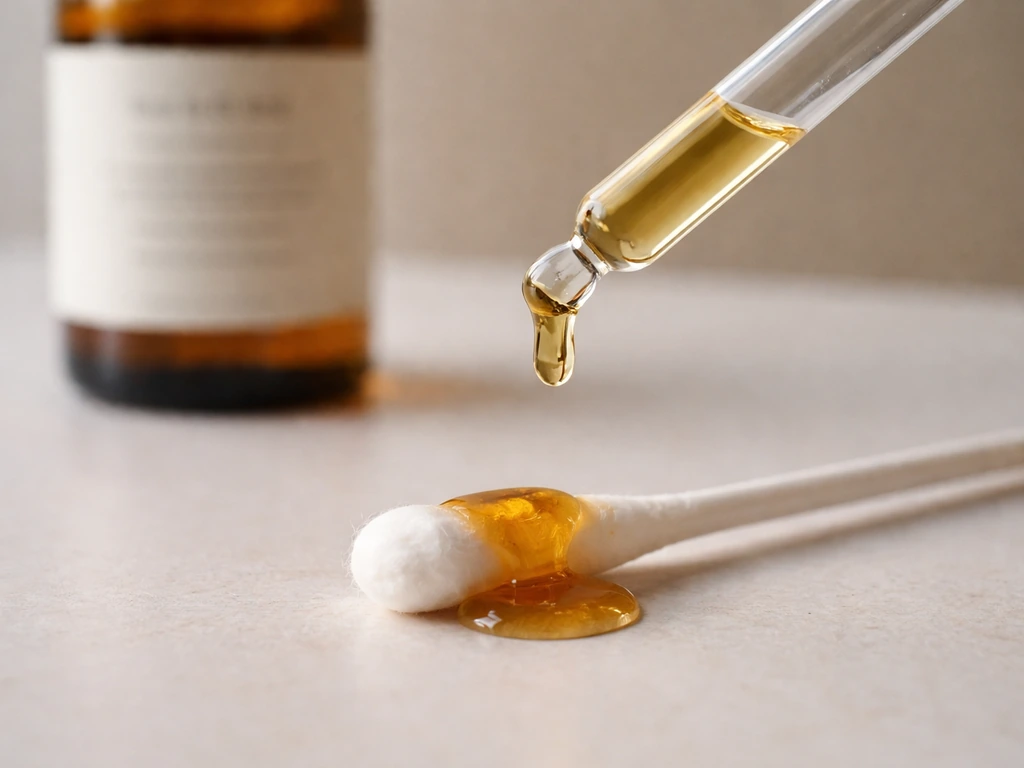
Castor oil is probably the most talked-about brow growth remedy, and it is worth being honest about what it can and cannot do. Rigorous clinical evidence for castor oil specifically stimulating new hair growth is limited. Healthline notes it has not been found to do anything substantial for hair growth from a research standpoint. What it does well is coat and condition the existing hair shaft, reduce breakage, and keep the follicle area moisturized.
A small randomized trial looking at periocular castor oil use (around the eyelids and lashes) showed some modest improvements over 4 weeks for some measures. If your brows are thin partly from breakage and brittleness rather than root-level loss, castor oil can genuinely help the hairs you do have look thicker and healthier. Apply a tiny amount with a clean spoolie before bed, 4 to 5 nights a week. Avoid getting it directly into your eyes.
Rosemary oil
Rosemary oil has more direct research support than castor oil for hair growth, primarily from scalp hair studies where it has been compared to minoxidil 2% with reasonably promising results. The mechanism is thought to involve improved circulation to the follicle and possible anti-inflammatory effects. For brows specifically, the evidence is extrapolated rather than direct, but the rationale is reasonable. Always dilute rosemary oil in a carrier oil (such as jojoba or the castor oil itself) before applying near the eye area. A 1 to 2% dilution is a sensible starting point. Avoid direct eye contact.
General conditioning habits
- Use a clean spoolie daily to gently brush brows in the direction of growth, which can stimulate circulation and distribute natural sebum.
- Avoid over-exfoliating the brow area, which can stress follicles and disrupt the skin barrier.
- Keep the area moisturized with a simple, fragrance-free balm if skin is dry or flaky.
- Make sure your diet includes adequate protein, biotin-containing foods (eggs, nuts, whole grains), and iron, since deficiencies in these can contribute to hair shedding.
Minoxidil and faster-acting clinical options
If you want the strongest evidence-backed topical option for eyebrow regrowth, minoxidil is it. A randomized, double-blind, placebo-controlled split-face study found that minoxidil 2% lotion produced meaningful improvement in eyebrow density compared to placebo after 16 weeks in people with eyebrow hypotrichosis. That is a solid evidence base compared to most alternatives.
The important things to know about minoxidil and your brows: do not expect it to work in 3 days or even 3 weeks. Mayo Clinic notes that visible results typically take several months, and hair growth will only continue as long as you keep using it. Stopping use means brows may return to their previous state over time. There is also a known initial shedding phase: hair loss can continue for about 2 weeks after starting minoxidil as follicles transition, which can be alarming if you are not expecting it.
How to use minoxidil near the eye area safely
Applying minoxidil to brows requires care because of the proximity to eyes. Use a cotton swab or a small brush to apply just to the brow area rather than the entire forehead. Use 2% solution rather than 5% foam to reduce the volume of product near a sensitive area. Apply once daily, let it dry completely before getting into bed, and wash hands thoroughly after. Avoid applying if the skin is broken, sunburned, or actively irritated, since compromised skin can increase systemic absorption.
Who should not use minoxidil
- Anyone with a known hypersensitivity to minoxidil or its ingredients, including propylene glycol, which is a common excipient and can itself cause skin reactions.
- People with sudden, patchy, or unexplained hair loss where an underlying diagnosis has not been ruled out.
- Pregnant or breastfeeding people without explicit medical guidance.
- Anyone with significant cardiovascular concerns (minoxidil was originally developed as an oral blood pressure medication).
- Anyone with active skin conditions, open wounds, or significant irritation in the application area.
Bimatoprost 0.03% (originally developed for glaucoma and later approved for eyelash growth) is another clinical option that has been studied for eyebrow hypotrichosis in randomized trials, but it requires a prescription and carries its own eye-area risks. It is worth discussing with a dermatologist if minoxidil does not work or is not suitable for you.
How to make your brows look better right now
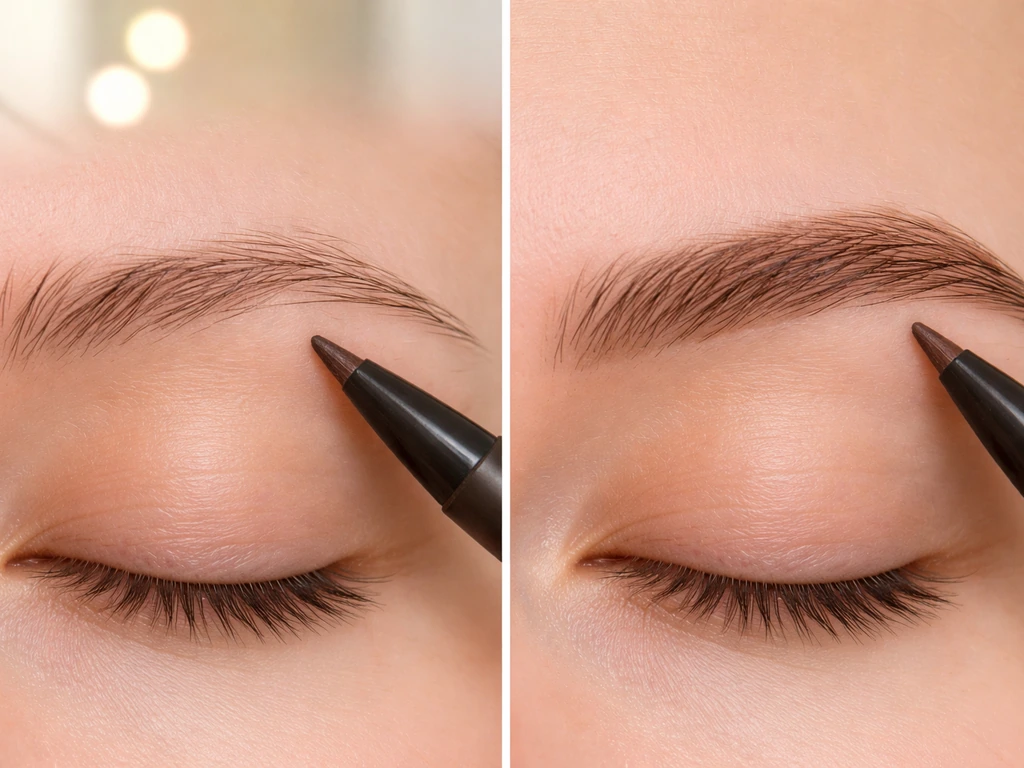
While your actual hair grows back (which, again, will take weeks to months depending on the method and your individual growth cycle), there are several practical ways to make your brows look fuller today.
Filling and defining
A brow pencil with a fine tip is the most precise way to fill sparse areas with hair-like strokes. Choose a shade that matches the lighter end of your natural brow color to keep it looking natural. Powder brow products give a softer, more diffused look and work particularly well for overall density. Brow pomades and gels can add definition and hold existing hairs in place, making sparse brows look more structured. Tinted brow gels are a quick one-step option that both color and set.
Eyebrow tinting
Professional or at-home eyebrow tinting darkens the existing brow hairs, making fine or light hairs that are hard to see suddenly visible. This can create a significantly fuller appearance without any makeup application. Tinting is semipermanent and typically lasts several weeks depending on the formulation and your skin and hair type. It is one of the most underrated options for people in the regrowth waiting period. Just be careful with DIY tints near the eye area and follow instructions closely, or go to a professional.
Temporary and longer-lasting cosmetic options
Brow stamps and stencils offer a quick symmetrical shape if you have very sparse brows and struggle with freehand application. For a longer-term cosmetic fix, microblading (a tattoo-like technique) and micropigmentation are options, but these carry real risks including infection, allergic reactions to pigment, granulomas, and scarring, and they are not reversible in the way topical products are. These are best approached after you have given natural and topical regrowth strategies a genuine try, and only with a qualified, licensed practitioner.
Preventing the cycle from repeating
If you are reading this because you over-waxed, over-plucked, or had a hair-removal session that went further than intended, it is worth building habits that protect your brows going forward. Wait at least 4 to 6 weeks between waxing or threading sessions to allow the full cycle to progress. Resist the urge to pluck daily strays: let brows grow in a little before your next shaping session so your aesthetician or you can make more accurate decisions about the actual shape. Avoid using physical exfoliants or retinoids directly on the brow area, since chronic skin irritation in the follicle zone can contribute to sparse growth over time.
If you are further along in your brow recovery journey and want a fuller, more natural result over the next week or month, the related questions of how much brows grow in a week and whether brows can recover meaningfully in 2 weeks are genuinely useful next benchmarks to understand, since the growth timeline shifts noticeably once you are past the 3-day mark. If you want a practical target, review how to grow eyebrows naturally in a week and what “week” really means for your starting point.
When to see a professional
Most brow recovery after routine hair removal is straightforward and does not need medical attention. But some situations do. See a dermatologist if your brows have not shown meaningful recovery after 3 to 4 months of stopping hair removal, if you are losing brow hair without any removal procedure, if you notice patches of skin that look shiny or scarred, or if you have systemic symptoms alongside the hair loss.
See an ophthalmologist if you have significant irritation, discharge, or eye involvement after any product or procedure near the brow area. Some conditions, like frontal fibrosing alopecia or alopecia areata, look like simple sparse brows at first and are only diagnosed with a clinical exam or biopsy. Early treatment matters for scarring conditions especially, so erring on the side of getting checked is always reasonable.
FAQ
If I see a little darkening after 3 days, does that mean my eyebrows are growing back?
If you had stubble, shaving or trimming is the most likely reason, it is not brand-new brow hair. True “new” growth is measured in weeks because the follicle has to restart its growth phase, so by 3 days you can only expect hair shaft reappearance or minor thickening from better conditioning, not a fuller regrowth pattern.
Why are my brows still red and tender after 3 days, even though I expected regrowth?
Yes, but it is usually a sign of recovery rather than growth. After waxing or threading, redness, tenderness, and swelling typically fade over 48 to 72 hours if you avoid irritants and keep the area clean. If redness is getting worse, you have severe burning, or bumps filled with fluid appear, that points more toward irritation or folliculitis than regrowth.
Will moisturizing or a brow serum help my eyebrows regrow in 3 days?
Moisturizing can help the existing hair look better, but it does not speed up follicle cycling enough to create visible new hair in 72 hours. Focus on gentle, fragrance-free products and avoid exfoliating acids (AHA/BHA) or retinoids on the brow area right after hair removal.
Can I use minoxidil or oils on my brows right after waxing or threading?
Most people should avoid starting “growth” topicals immediately if the skin is inflamed. Wait until the area feels calm (no active burning, significant redness, or broken skin), then introduce products gradually. If you used waxing or threading within the last 48 to 72 hours, start with soothing only, then move to conditioning, and consider minoxidil only after skin is fully settled.
I accidentally plucked a few stray hairs, will my brows bounce back within 3 days?
If you plucked and the area seems irritated, your follicle may be in a stressed or cycling state, but the key issue is skin sensitivity. Avoid plucking again until you have at least a few weeks of uninterrupted growth, because repeated root trauma is more likely to reduce density than to “wake up” growth.
How should I measure whether my eyebrows are improving by day 3?
Within 3 days, the most visible change is usually from hair shaft regrowth through the skin surface (stubble) or from reduced irritation. If you want to judge progress, look for changes in how clearly hairs emerge when viewed in consistent lighting, then reassess again at 4 to 6 weeks rather than expecting a meaningful result by day 3.
Why does shaving look like faster brow regrowth than waxing or threading?
It is a common mix-up. Stubble can appear quickly after shaving because the existing hair shaft is already formed, it is just cutting through skin again. After waxing, threading, or plucking, the hair is removed from the root, so 3 days is mostly about calming irritation, not rebuilding the shaft.
Is it normal to get patchy results or uneven regrowth after 3 days?
A faster-looking change can be normal if you started from very light or sparse brows, because tiny hairs become visible sooner once swelling goes down. If you notice increased patchiness, spreading gaps, itching, scaling, or shiny/scarred-looking skin, that is less consistent with normal cycling and more consistent with a reaction or an underlying condition.
What can I do in the next 72 hours to make my brows look fuller while waiting?
Yes, even when you do not see “new hair,” consistent care can reduce breakage and make regrowing hairs seem thicker sooner. Use a clean spoolie, avoid rubbing aggressively, sleep without pressing on the area, and consider castor or diluted rosemary oil for conditioning only, not as a guarantee of rapid regrowth.
How long should I wait to try brow tinting if my skin is irritated after hair removal?
If you used DIY tint near the eye, irritation may delay visible improvement and, in rare cases, trigger allergic contact dermatitis. Do not continue using the product if you get persistent itching, rash, swelling, or any eye symptoms. A professional tint service is often safer than repeated at-home attempts after a reaction.
When is it no longer safe to assume my brows are just recovering normally?
Certain patterns should prompt medical evaluation rather than waiting for 3-day regrowth. Seek a dermatologist if you develop clear patches, shiny or scar-like skin, or ongoing loss after you stop removing hairs, especially if it does not improve over 3 to 4 months. If you have eye involvement, discharge, significant swelling near the eyelid, or symptoms after product use, an ophthalmologist is appropriate.
When should I consider microblading or micropigmentation if my brows are not back after 3 days?
Brow density changes can feel obvious, but true regrowth usually cannot be judged early. If you are considering microblading or permanent pigment, the safe timing is typically after your natural regrowth window has had time to stabilize, because you do not want to tattoo over areas that later fill in or change shape.
Next Article
Does Vitamin E Oil Help Eyebrows Grow? Safe Routine & Timeline
Find out if vitamin E oil helps eyebrow growth, plus a safe routine, timelines, and what works better.