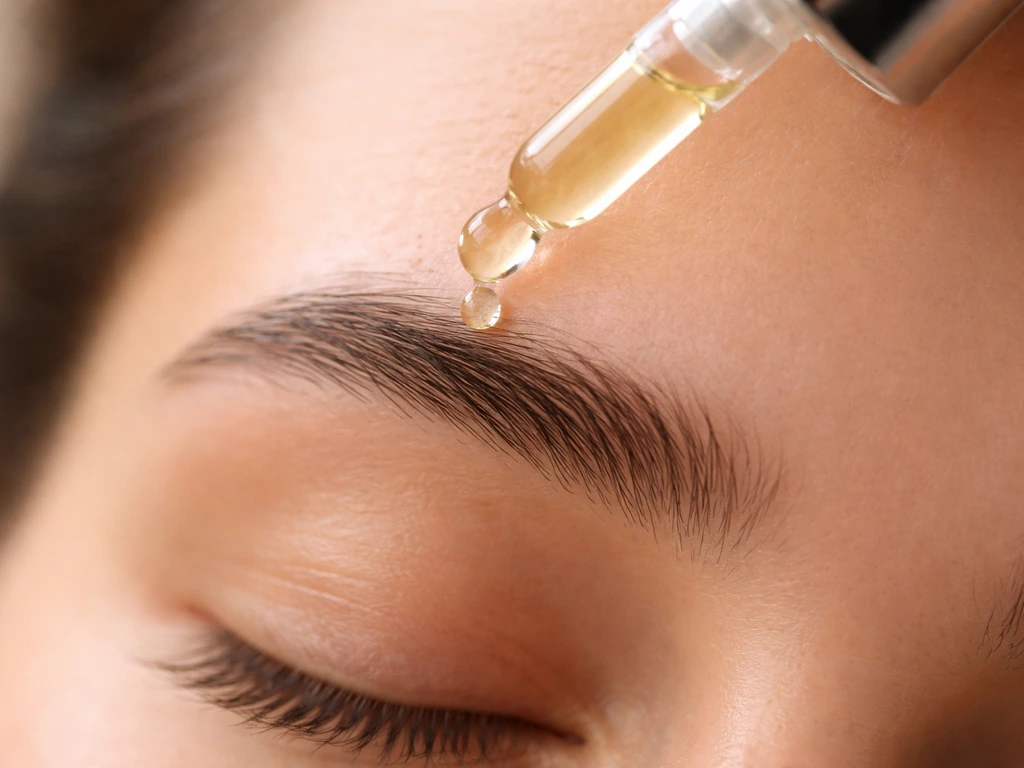
Eyebrows grow slowly because they operate on a much shorter hair cycle than scalp hair. Their active growth phase (anagen) lasts only about 2 to 3 months, compared to 3 to 5 years for scalp hair. That short window means each brow hair reaches a limited maximum length before it sheds, and the whole cycle resets. When you're waiting for a gap to fill in or for over-plucked brows to recover, you're essentially waiting through a biological timer that was never designed to rush.
Why Do Eyebrows Grow So Slow? Causes, Timelines, Fixes
James Whitmore
26 Jun 2026
The eyebrow hair cycle (and why it's built slow)
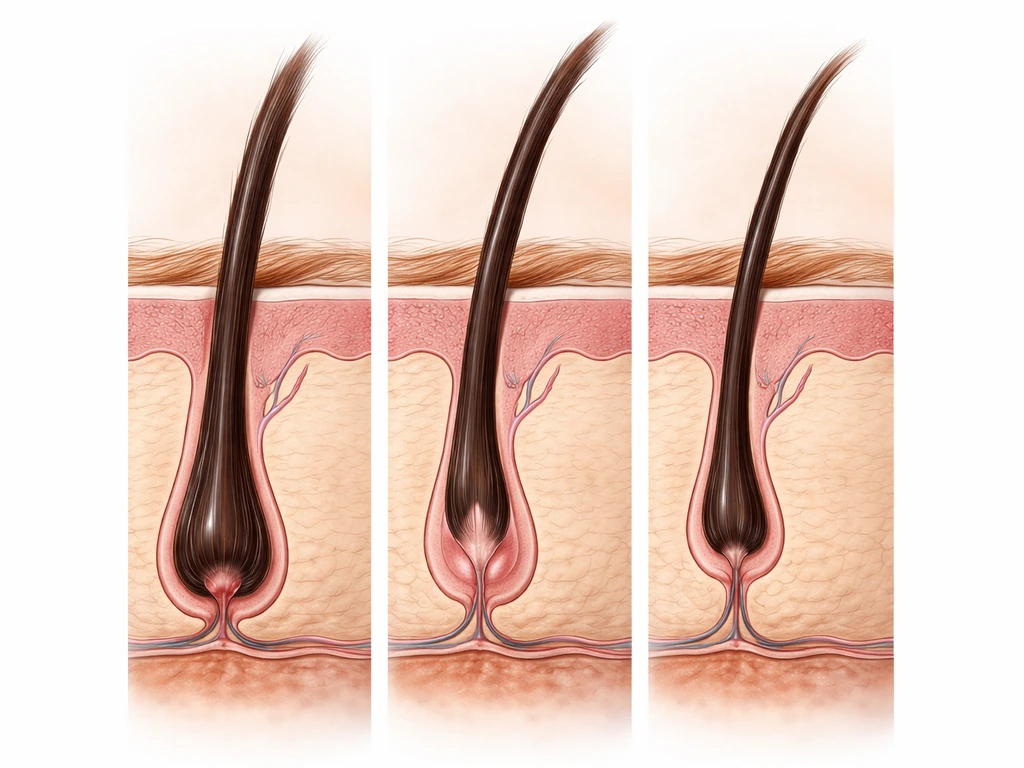
Every hair on your body goes through three stages: anagen (active growth), catagen (transition), and telogen (rest and shedding). For scalp hair, anagen can last 3 to 5 years, which is why head hair can grow down to your waist. Harvard Bionumbers (BNID 114255) similarly reports typical scalp-hair cycle durations of about 3, 5 years in anagen, brief catagen, and roughly 2, 4 months in telogen blank" rel="noopener noreferrer">For scalp hair, anagen can last 3 to 5 years. Eyebrow hair plays by completely different rules. blank" rel="noopener noreferrer">Brow anagen lasts roughly 2 to 3 months, catagen wraps up in about 2 to 3 weeks, and telogen runs another 2 to 3 months. The whole cycle from growth to shed is roughly 4 to 6 months, and then it starts over.
The practical result: an individual eyebrow hair only grows for a couple of months before it stops and eventually falls out. That's why eyebrows stay short and why a bald patch in your brow doesn't fill in the same week you notice it. You're waiting for dormant follicles to enter a new anagen phase on their own schedule. Scalp hair grows at roughly 0.35 mm per day (about 1 cm per month), and brow hair grows at a similar rate per day during anagen, but with a fraction of the active time, the overall progress is far more limited.
What makes eyebrows grow even slower than they should
The biology above sets the floor for how fast brows can grow. But several factors can push actual growth well below that baseline. If your brows have felt stuck for months, one or more of these is probably involved.
Genetics
Your genetic blueprint determines follicle density, hair thickness, and how long your personal anagen phase runs. If your family has naturally sparse or thin brows, your follicles are simply programmed that way. You can optimize the environment, but you can't rewrite the code. This is also why some people see full brow regrowth in 3 months and others are still waiting at 6.
Age
Hair follicles shrink and become less active as you get older. Anagen phases shorten, hair diameter decreases, and regrowth after any kind of loss takes longer. This is particularly noticeable in the outer third of the brow, which tends to thin earliest. If you're in your 40s or older and wondering why your brows aren't bouncing back the way they did in your 20s, age-related follicle slowdown is a real factor.
Hormones
Thyroid hormones, estrogen, androgens, and cortisol all influence hair growth. Hypothyroidism is one of the most common causes of outer brow thinning and is worth ruling out if your brows are thinning without an obvious grooming reason. Postpartum hormonal shifts, perimenopause, and conditions like polycystic ovary syndrome (PCOS) can all affect brow hair density and cycle timing.
Nutrition deficiencies
Hair follicles are metabolically active and nutrient-hungry. Low levels of iron, biotin, zinc, vitamin D, and protein are all associated with reduced hair growth and increased shedding. You don't need to supplement everything at once, but if your diet has been restrictive or imbalanced, a basic blood panel can show whether something specific is low.
Chronic stress
Elevated cortisol can push hair follicles into telogen (resting/shedding) phase prematurely. This is called telogen effluvium, and while it's more commonly discussed in the context of scalp hair loss, it can affect brows too. The frustrating part is that stress-related shedding often shows up 2 to 3 months after the stressful event, so the timing doesn't always feel connected.
Medications
Certain medications slow or halt hair growth as a side effect. Chemotherapy is the most obvious example, but retinoids, anticoagulants, beta-blockers, antidepressants, and some acne medications can also interfere with the hair cycle. If you started a new medication around the time your brow growth stalled, it's worth having a conversation with your prescribing doctor.
Skin conditions
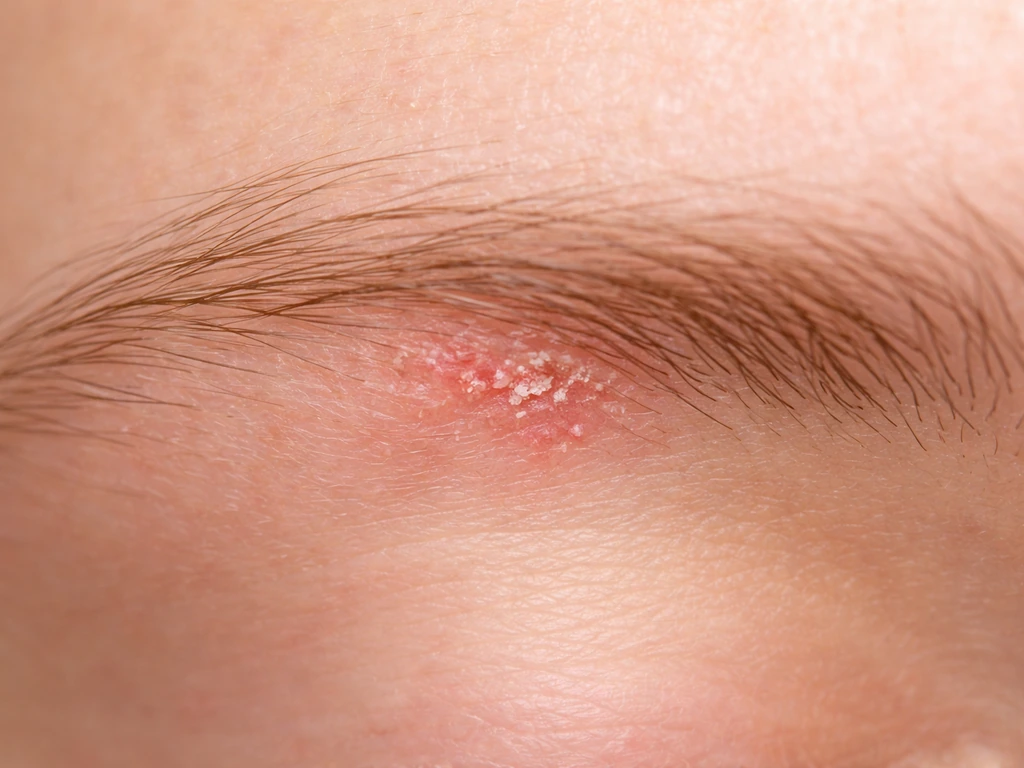
Conditions like seborrheic dermatitis, eczema, psoriasis, and contact dermatitis can affect the brow area and disrupt follicle function through inflammation and skin barrier damage. Alopecia areata, an autoimmune condition, can also cause patchy brow loss. If the skin around your brows is flaky, itchy, red, or irritated, the skin issue needs to be addressed before growth can normalize.
Why brows seem slow after grooming
Post-grooming slowness is one of the most common reasons people land on this question. The cause depends on which method you used.
Shaving
Shaving cuts the hair at the surface without touching the follicle, so growth resumes on whatever schedule the follicle was already on. You might see stubble in days, but full regrowth still takes months. The hair also looks blunt and darker at the tip initially, which is a visual illusion, not actual thicker hair.
Waxing and threading
Both methods pull the hair from the root, which means the follicle has to start a new anagen phase from scratch. Depending on where the hair was in its cycle when you waxed, you might wait 6 to 8 weeks before you see anything poking through. Repeated waxing or threading over years can progressively weaken follicles, reducing how much hair returns each cycle.
Over-plucking
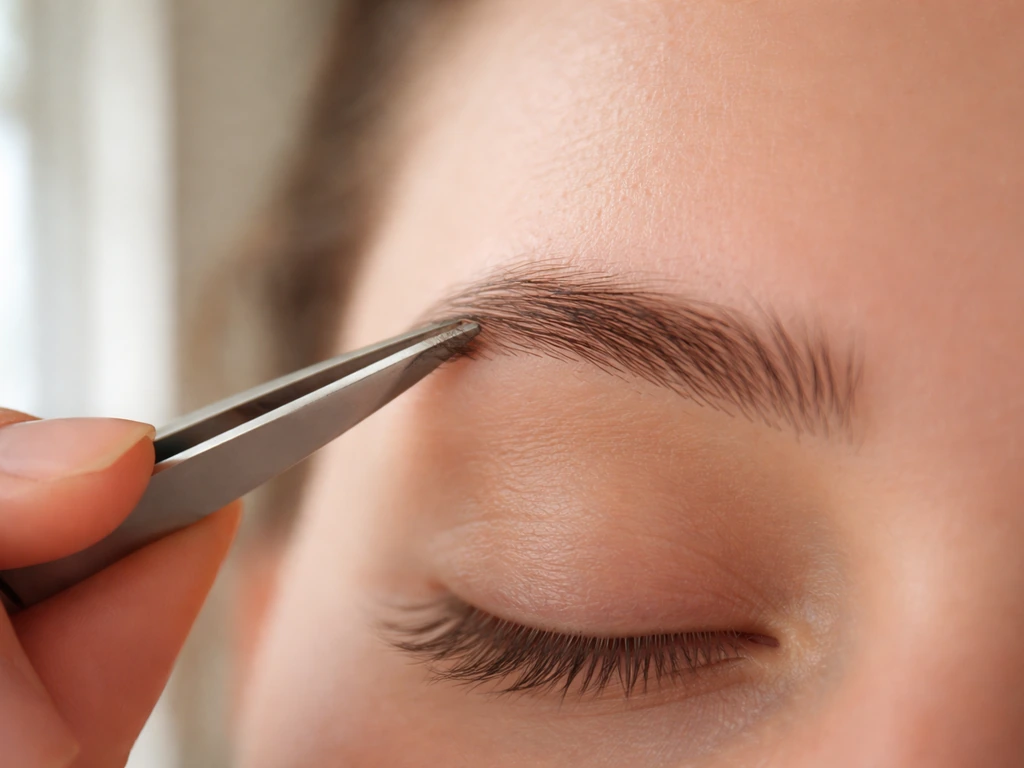
This is the most damaging grooming habit for long-term brow density. Repeatedly plucking the same follicles, especially over years, can cause permanent follicle damage or scarring. The follicle doesn't die immediately, but with each pluck, there's a small trauma to the dermal papilla. Eventually, some follicles stop producing hair altogether. If you plucked heavily in the 90s or early 2000s (extremely common), you may be dealing with genuinely reduced follicle activity, not just a slow cycle.
Realistic timelines for brow regrowth
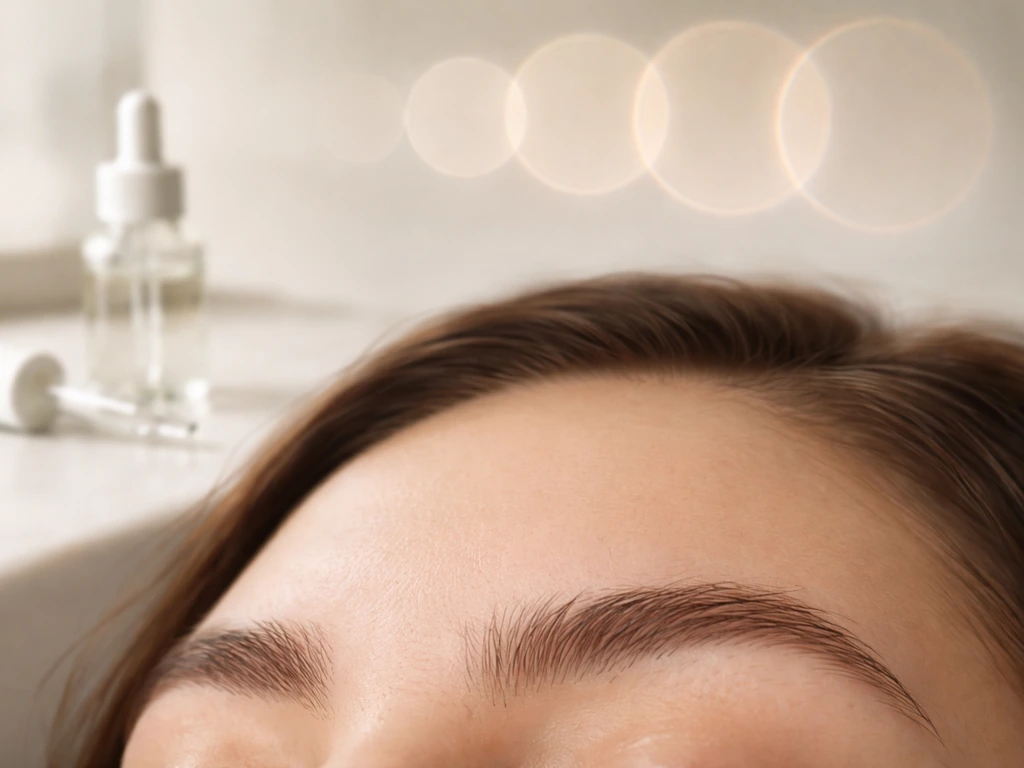
One of the most important things I can tell you is to adjust your expectations to the actual biology. Here's what a realistic regrowth timeline looks like for someone with healthy follicles and no underlying conditions:
| Timeframe | What to Expect |
|---|---|
| Weeks 1–2 | No visible change. Follicles are in telogen or just entering early anagen. Nothing to see yet. |
| Weeks 3–4 | Fine, light vellus-like hairs may appear at the surface, especially after shaving. |
| Weeks 6–8 | Noticeable short hairs after waxing or plucking. Shape still looks uneven. |
| Month 2–3 | Meaningful regrowth visible. Hairs filling in but not yet at full length or density. |
| Month 4–6 | Full anagen cycle completed for most follicles. This is when you can accurately assess density. |
| 6+ months | If sparse areas haven't filled in by now, follicle damage or an underlying cause is likely. |
The key frustration most people hit is expecting results at 4 weeks that won't realistically appear until month 3 or 4. Patience isn't just a nice-to-have here, it's biologically required. If you have no eyebrows and you're wondering about regrowth timing, it helps to know that patience is biologically required and results often show up around month 3 to 4 rather than immediately how long it takes to grow eyebrows back. That said, some people naturally grow faster or slower, and factors like the ones above can extend every single one of these windows.
What you can do right now to support faster growth
You can't override the hair cycle, but you can absolutely optimize the conditions around it. Here's where to start.
Stop removing hair from the area you're trying to grow
This sounds obvious, but it's genuinely the most impactful step. Every time you pluck a stray hair in the area you're trying to fill in, you reset that follicle's clock. Put down the tweezers for at least 3 months. If you need to tidy the shape, use a small brow razor for strays that are clearly outside the growth zone, not plucking.
Build a simple, consistent brow routine
- Cleanse gently around the brow area. Avoid harsh scrubbing, which can irritate follicles.
- Apply a growth-supporting serum or oil at night, when skin is in repair mode.
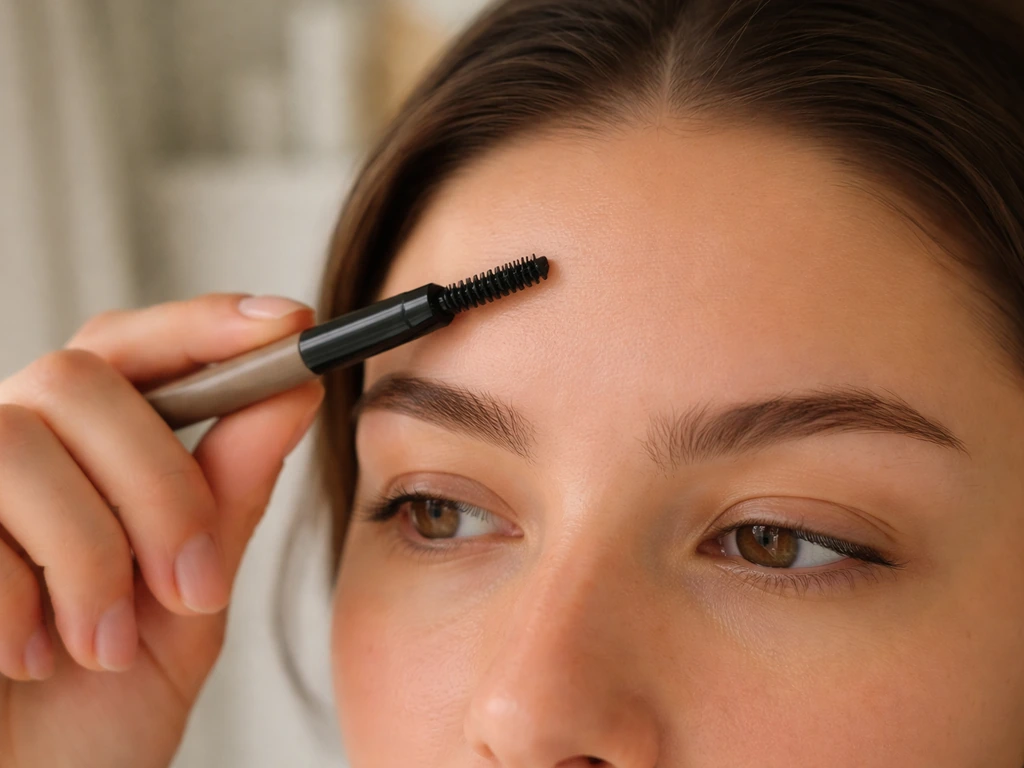
- Use a clean spoolie to brush brows daily in the direction of growth. This stimulates circulation and distributes product.
- Avoid heavy waterproof makeup over the brow area if you're in an active growth phase. Removal can cause mechanical breakage.
- Keep the skin moisturized. Dry, flaky skin around the brows can clog follicles and slow growth.
Check your nutrition
If your diet is low in protein, iron, or zinc, fixing that matters more than any topical product. Aim for adequate protein (roughly 0.8g per kg of body weight as a minimum), eat iron-rich foods like leafy greens, legumes, and lean meat, and consider a basic multivitamin if your diet is restricted. A targeted supplement like a hair, skin, and nails formula with biotin and zinc isn't magic, but it helps fill gaps.
Ingredients that actually have evidence behind them
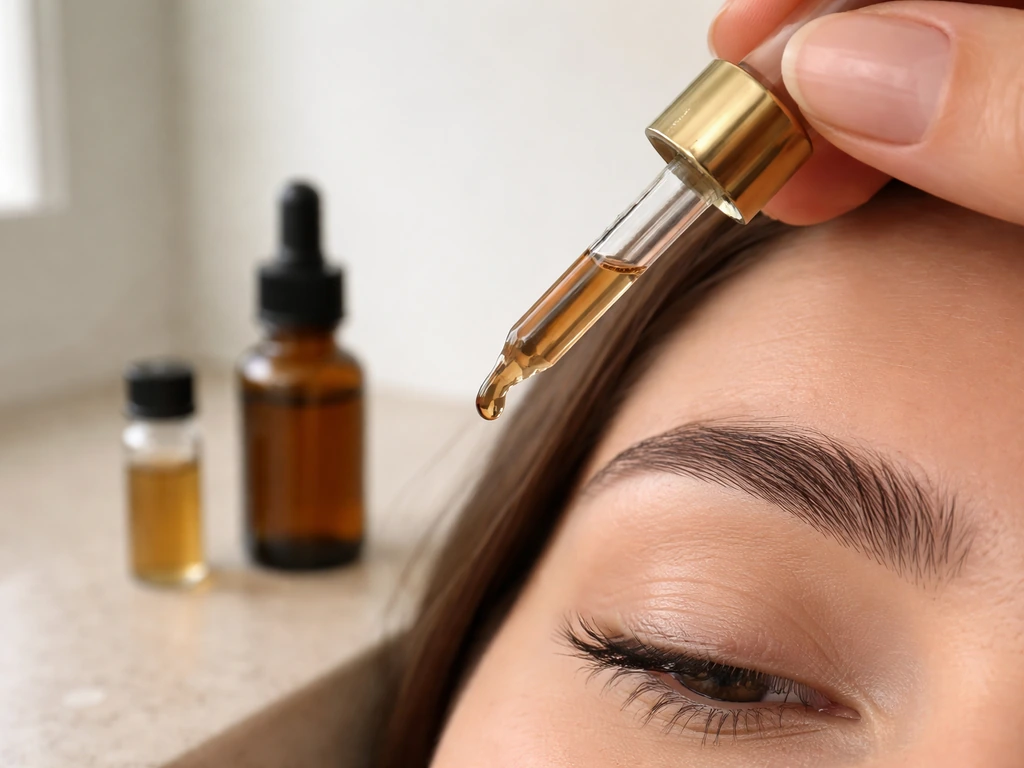
There's a wide spectrum here, from well-studied prescription options to home remedies with limited but real-world support. Here's an honest breakdown of the main players.
Castor oil
Castor oil is probably the most popular brow remedy, and while there aren't large clinical trials proving it regrows brows, it does have properties worth noting. It's rich in ricinoleic acid, which has anti-inflammatory and antimicrobial properties, and it forms a protective coating on the hair shaft that reduces breakage. The most honest summary: castor oil probably won't create new follicles, but it can help retain the hairs you do have, reduce breakage, and keep the brow area moisturized. Apply a small amount with a clean spoolie or fingertip at night. Avoid getting it in your eyes.
Rosemary oil
Rosemary oil is the most evidence-supported essential oil for hair growth. A well-cited study comparing rosemary oil to 2% minoxidil for scalp hair loss found comparable results at 6 months. The proposed mechanism is improved circulation to the follicle. For brow use, dilute 1 to 2 drops in a carrier oil like jojoba or castor oil and apply nightly. Don't apply undiluted essential oil directly to skin. Results, if any, take at least 3 months to notice.
Peptides and growth factor serums
Brow serums containing peptides (like biotinoyl tripeptide-1 or myristoyl pentapeptide-17) aim to signal follicles to stay in anagen longer. The evidence is mostly from small industry-funded studies, but peptide serums are generally safe, non-irritating, and worth trying for 3 to 4 months before assessing results. They tend to work best on brows that are thin but not damaged, not on follicles that have been permanently scarred.
Retinoids
Retinoids promote cell turnover and can improve follicle function. Low-concentration retinol products applied carefully to the brow area may support growth, but higher-strength prescription retinoids can actually cause hair shedding if overused. If you're already using a retinoid for skin concerns, that's likely fine. Don't apply prescription-strength tretinoin directly to brows with the intent to grow them without dermatologist guidance.
Minoxidil
Minoxidil is the most evidence-backed option for stimulating hair growth at the follicle level. It extends the anagen phase and increases blood flow to follicles. It's FDA-approved for scalp hair loss, but is used off-label on eyebrows, and there is clinical research supporting brow regrowth specifically. That said, it comes with real cautions: it should not be used if you're pregnant or breastfeeding, it can cause initial shedding, skin irritation is common, and stopping it can reverse gains. If you're considering minoxidil for brows, start with the lowest concentration (2%) and ideally do so under a dermatologist's guidance. It's most appropriate for people with significant brow thinning that hasn't responded to gentler approaches.
| Ingredient | Evidence Level | Best For | Key Caution |
|---|---|---|---|
| Castor oil | Low (anecdotal/indirect) | Reducing breakage, moisturizing | Avoid eye contact |
| Rosemary oil | Moderate (small studies) | Mild-moderate thinning, daily use | Must be diluted in carrier oil |
| Peptide serums | Moderate (industry studies) | Thin brows, non-damaged follicles | Results take 3–4+ months |
| Retinol (low concentration) | Low-moderate | Supporting skin health around brows | Don't overuse; can cause shedding |
| Minoxidil (2%) | Strong (clinical research) | Significant thinning, off-label brow use | Not for pregnancy; speak to a dermatologist |
When slow growth is actually a medical problem
Slow growth from the biology or post-grooming waiting is frustrating but normal. These signs below are different, and they warrant a visit to a dermatologist rather than a new serum.
- Patchy or asymmetric brow loss that appeared suddenly without grooming changes.
- Itching, redness, flaking, or scaly skin in or around the brow area.
- Thinning of the outer third of both brows, especially combined with fatigue, cold sensitivity, or dry skin (thyroid red flags).
- Brow loss accompanied by thinning of scalp hair, lashes, or body hair.
- No regrowth at all after 6 months of consistent care, with no obvious grooming history explaining it.
- History of heavy plucking and completely bare patches where nothing grows back.
A dermatologist can assess whether you're dealing with alopecia areata, frontal fibrosing alopecia, a thyroid disorder, seborrheic dermatitis, or another condition that needs targeted treatment rather than topical growth products. Catching these early, especially conditions like frontal fibrosing alopecia that can cause permanent follicle damage, genuinely affects long-term outcomes.
Myths and mistakes that are slowing you down
A few things circulate constantly in brow growth advice that are either ineffective or actively harmful. Here's what to skip.
Shaving makes brows grow back thicker
This is a persistent myth. Shaving cuts the hair at the surface and has zero effect on the follicle or the hair's diameter. The blunt tip of a newly shaved hair feels coarser and looks darker because of the angle of the cut, not because anything changed below the skin.
More product means faster results
Applying three serums, two oils, and a peptide cream simultaneously doesn't accelerate the hair cycle. It mostly creates a higher chance of irritation or clogged follicles. Pick one growth-supporting product, apply it consistently for 3 months, and then reassess. Consistency over time beats product stacking every time.
Supplements alone will fix sparse brows
Biotin supplements are heavily marketed for hair and nail growth. If you're genuinely deficient in biotin, supplementing helps. If you're not, there's little evidence that megadosing does anything. High-dose biotin can also interfere with certain lab tests. Focus on a balanced diet first, and only supplement what a blood test suggests you're actually low in.
Aggressively exfoliating the brow area
The idea is that clearing dead skin unblocks follicles. A gentle cleanse is fine, but physical scrubbing or chemical exfoliants used aggressively around the brow can irritate the skin, disrupt the follicle microenvironment, and cause inflammation that slows rather than speeds growth.
Expecting results in two weeks
The single most common mistake is giving up too early. Two weeks is nothing in a 4 to 6 month hair cycle. Most people who try a growth serum and say it didn't work quit at the 3 to 4 week mark. Commit to at least 12 weeks before deciding something isn't working for you.
If you're dealing with something more specific, like brows that are only thin on one side, brows that stop growing halfway, or brows that never grew in to begin with, those situations often have their own distinct causes worth looking into separately. Sometimes people also notice that one eyebrow grows faster than the other, which can point to differences in grooming habits, hormones, or an underlying medical issue. The short answer to why eyebrows grow so slowly is always the same biological starting point, but what's making yours slower than average is usually something specific to you, and that's what's worth figuring out.
FAQ
How long should I wait before I assume my eyebrow growth is truly “stuck”?
For most people with healthy follicles, it takes at least 12 weeks to judge any change because brow hairs only stay in the growth phase for about a couple of months. If nothing at all changes by 3 to 4 months, or if thinning is spreading, it is time to look for a cause beyond “slow cycle”.
Is it normal for an eyebrow to start growing and then stop again?
Yes, because individual hairs shed and reset at different times. What is more concerning is persistent patchy loss or a clear pattern of thinning that keeps expanding, since that can signal inflammation or an autoimmune cause rather than just a normal cycle.
Why do only the outer parts of my brows thin first?
The outer third is commonly the first area to show follicle slowdown, especially with age-related changes. It is also more exposed to irritation from grooming, skin conditions, or product contact, so the “where” can help point to the trigger.
Can I speed up eyebrow growth by massaging, derma-rolling, or exfoliating?
Gentle massage is unlikely to hurt, but there is no proven way to force the follicles into a longer growth phase. Mechanical scrubbing or aggressive exfoliation can worsen inflammation, and derma-rolling near the eyes raises irritation and infection risk, so it is not a good DIY approach for eyebrows.
What signs suggest I should see a dermatologist instead of trying another growth product?
Seek care if you have sudden patchy loss, eyebrow loss with new scalp hair shedding, itching, redness, scaling, or burning around the brows, or if you notice a widening pattern over months. These can point to alopecia areata, thyroid issues, or contact and inflammatory dermatitis that need targeted treatment.
If I stop plucking, when will regrowth start showing?
You might see tiny changes first in about 6 to 8 weeks, but visible improvement is usually more meaningful around 3 to 4 months because follicles need time to restart the growth phase. If you keep plucking strays during that window, you can repeatedly reset the same follicles.
Does shaving or trimming help my brows grow faster?
Trimming and shaving do not change the follicle cycle, they only change the hair length that is above the skin. You may notice stubble sooner after shaving, but it will not create thicker or faster-growing hairs, and aggressive trimming can still cause breakage or irritation.
Can pregnancy, postpartum, or hormone changes explain slow brow growth?
Yes. Postpartum shifts, perimenopause, and hormone-related conditions can change the timing of hair cycling and density. If brow thinning started around those life events, it is worth discussing thyroid and hormone-related causes with a clinician rather than assuming it is just genetics.
Should I get lab tests if my brows feel thin or slow?
If thinning has persisted for months, ask about a basic workup that can include thyroid testing and nutrient-related checks such as iron status and vitamin D, especially if your diet is restrictive. Broad “guessing” supplementation is less useful than testing what is actually low.
How can I tell the difference between weak regrowth and permanent follicle damage?
Weak regrowth usually improves gradually over 3 to 4 months after you stop damaging grooming, while permanent damage shows minimal or no return in specific spots across multiple cycles. If thinning is localized to areas you repeatedly plucked, scarring or chronic follicle inactivity is more likely.
Why does one eyebrow seem to grow faster than the other?
It is often due to asymmetrical grooming (more plucking on one side, more brow shaping, or different waxing frequency), but it can also reflect differences in skin irritation, product contact, or hormonal sensitivity. Tracking what you do side by side for a few months can clarify whether it is behavior-related.
Is minoxidil safe for everyone, and how should I use it if I try it?
It is not appropriate during pregnancy or breastfeeding, and it can cause initial shedding and irritation. If you use it, start with the lowest concentration and apply carefully to minimize skin contact, and expect you may need 3 to 4 months to judge results because the follicle cycle still applies.
Next Article
Does Vitamin E Oil Help Eyebrows Grow? Safe Routine & Timeline
Find out if vitamin E oil helps eyebrow growth, plus a safe routine, timelines, and what works better.