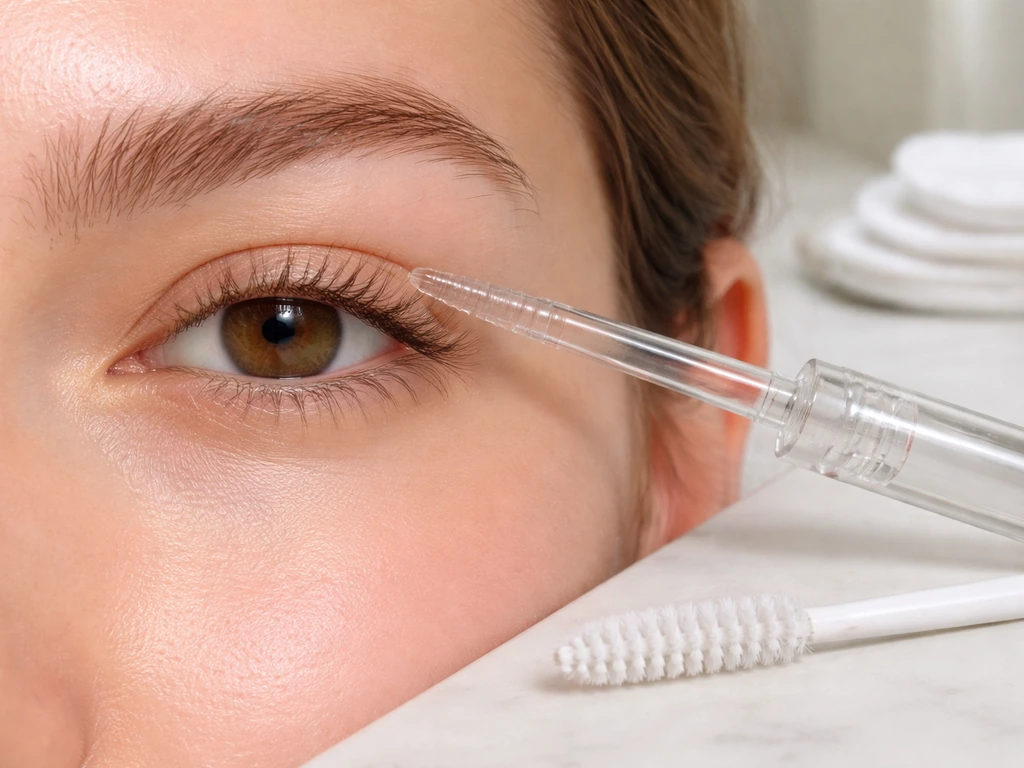
Eyebrow hair grows in cycles, and understanding those cycles is the key to knowing why your brows look the way they do right now and what you can actually do about it. Each follicle goes through a growth phase (anagen), a short transition phase (catagen), and a resting phase (telogen) before the hair sheds and the whole process starts again.
How Do Eyebrows Grow Back? Timeline and Growth Tips
James Whitmore
1 Jun 2026
Eyebrow hair follicles go through the same basic hair-follicle cycle as other human hair, including anagen (growth), catagen (regression/transition), and telogen (rest), with shedding when the hairs are released [Eyebrow hair follicles follow the same basic hair-follicle cycle concept](https://www. ncbi. nlm. nih.
gov/books/NBK470321/). The catch with eyebrows specifically is that their anagen phase is much shorter than scalp hair, which is exactly why your brows stop growing at a certain length instead of getting long, and why regrowth after damage takes longer than most people expect. Full recovery after over-tweezing or waxing typically takes 3 to 6 months, sometimes longer depending on follicle health and age.
How eyebrow hair actually grows
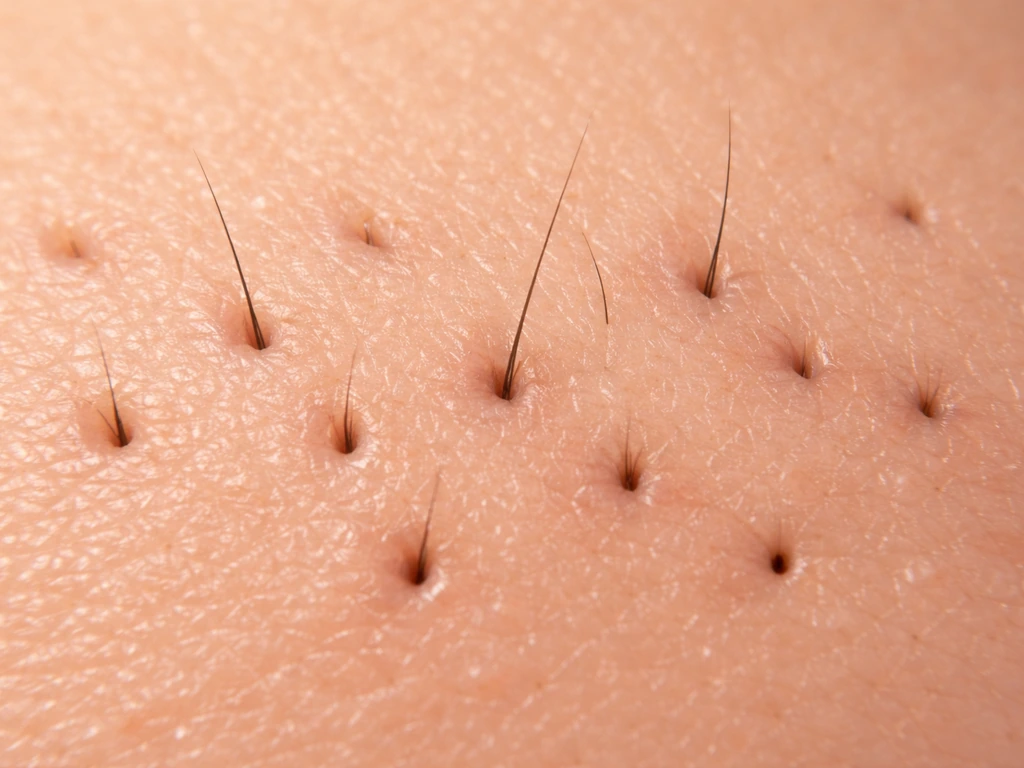
Every eyebrow hair grows out of a follicle, a tiny pocket in your skin that cycles through three distinct phases. During anagen, the follicle is actively producing a hair shaft and pushing it through the skin. For scalp hair, anagen can last 2 to 7 years, which is why head hair grows long. For eyebrow hair, anagen lasts only about 4 to 6 weeks. That short active window is why your brows naturally stay within a certain length range and don't require trimming the way scalp hair does.
After anagen, the follicle enters catagen, a brief 2 to 3 week transition phase where it stops producing new hair and starts to shrink slightly. Then it shifts into telogen, a resting phase that can last around 3 months for eyebrow follicles. During telogen, no visible growth happens. The old hair may still be sitting in the follicle, but it's essentially finished. Eventually it sheds naturally or gets pushed out by a new anagen hair starting from below. At any given time, a healthy brow area has follicles spread across all three phases, which is why you lose a few brow hairs here and there rather than all at once.
This cycle matters a lot when you're trying to grow brows back after damage. If you’re wondering what makes eyebrow hair grow in the first place, it mostly comes down to how the follicle cycles through its phases grow brows back after damage. If a follicle was pushed into telogen early (by tweezing, inflammation, or irritation), you're essentially waiting for it to complete its rest period and restart anagen before you see any new hair. You can't skip that wait, which is why patience is genuinely the most underrated part of brow regrowth.
Realistic timelines: how fast, how long, how much
Eyebrow hair grows at roughly 0.14 to 0.16 mm per day, or about 4 to 5 mm per month. That's slower than scalp hair and means visible regrowth after tweezing takes longer than it feels like it should. After a single pluck, you might notice a small hair emerging in 2 to 3 weeks if that follicle was already near the start of anagen. But if you tweezed during telogen or damaged the follicle, that same spot might take 3 to 4 months before you see anything at all.
For full brow recovery after significant over-plucking or waxing, plan on 3 to 6 months minimum. Some people, especially those over 40 or with a history of chronic over-tweezing, may need closer to a full year. Individual variation is real here: genetics, hormones, nutrition, and the condition of your follicles all influence how quickly and how densely hair comes back. Setting a 3-month checkpoint is practical because that's enough time to see meaningful progress without obsessing over daily changes that are too small to notice.
Why your eyebrows aren't growing back
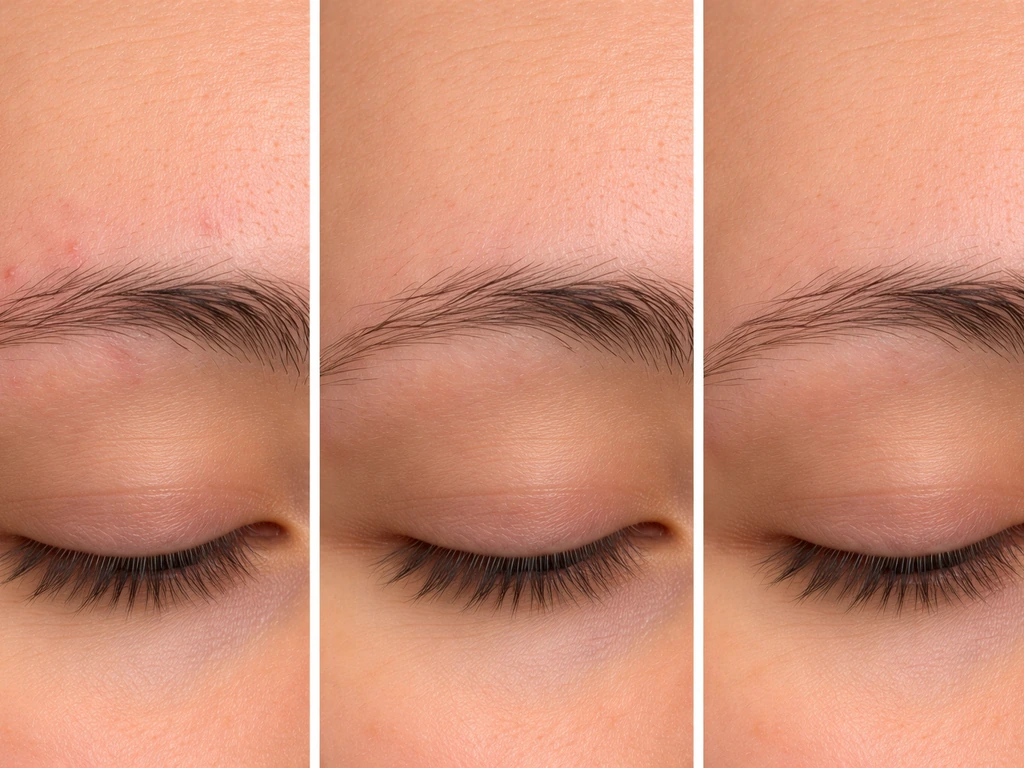
Slow or absent regrowth is almost always explained by one of a handful of causes. Identifying yours makes a real difference in what you do next.
- Over-tweezing over years: Repeated plucking from the same follicle can eventually cause fibrosis, a kind of scarring inside the follicle that permanently reduces or stops hair production. This is the most common reason sparse brows don't bounce back the way they did in your 20s.
- Skin irritation or inflammation: Regular use of strong chemical exfoliants, retinoids, or harsh cleansers directly on the brow area can irritate follicles and slow their cycle. Even thick brow makeup removed aggressively every day adds cumulative friction.
- Nutritional gaps: Low iron (especially ferritin), low biotin, low zinc, and protein deficiency are all linked to hair shedding and slow regrowth. Getting bloodwork done to check these levels is genuinely useful if your brows have been thinning without an obvious cause.
- Thyroid dysfunction: Both hypothyroidism and hyperthyroidism commonly cause thinning of the outer third of the brow. This is one of the first places thyroid issues show up cosmetically.
- Alopecia areata: This autoimmune condition can cause patchy loss in brows as well as scalp hair. If your brow loss is sudden and in defined patches rather than gradual thinning, this needs a dermatologist evaluation.
- Age: After your mid-30s, hair follicles naturally become less productive. Anagen shortens, more follicles shift into telogen at once, and the hairs that do grow tend to be finer.
- Breakage vs. loss: Sometimes the follicle is fine but the hair shaft is weak and breaks near the skin surface. This looks like thin, patchy brows but responds differently than true regrowth issues.
How to grow eyebrows back after shaving, waxing, or tweezing
This is the most actionable part of brow recovery and the place where consistent habits matter more than any single product. Here's the routine that actually works. If you want a complete step-by-step guide, see our tips on how to grow lashes and eyebrows.
- Stop all removal completely. No tweezing, threading, waxing, or shaping for at least 8 to 12 weeks. I know it's hard when stray hairs appear in weird spots, but every hair that grows in is information about where your follicles are and how active they are. Trim with small scissors if length becomes distracting, but don't pluck.
- Clean the brow area gently twice a day with a mild, fragrance-free cleanser. You want good circulation and clean follicle openings without stripping or irritating the skin.
- Apply a growth-supporting serum or oil nightly. Castor oil or rosemary oil are good starting options (more on these below). Apply with a clean spoolie or your fingertip and massage gently for 30 to 60 seconds to encourage blood flow.
- Exfoliate the brow area once or twice a week. A very gentle physical exfoliation with a soft washcloth is enough. This removes dead skin that can block emerging hairs without inflaming follicles.
- Support growth internally by eating enough protein (0.7 to 1 gram per pound of body weight), and consider getting iron, ferritin, and zinc levels checked if regrowth stalls.
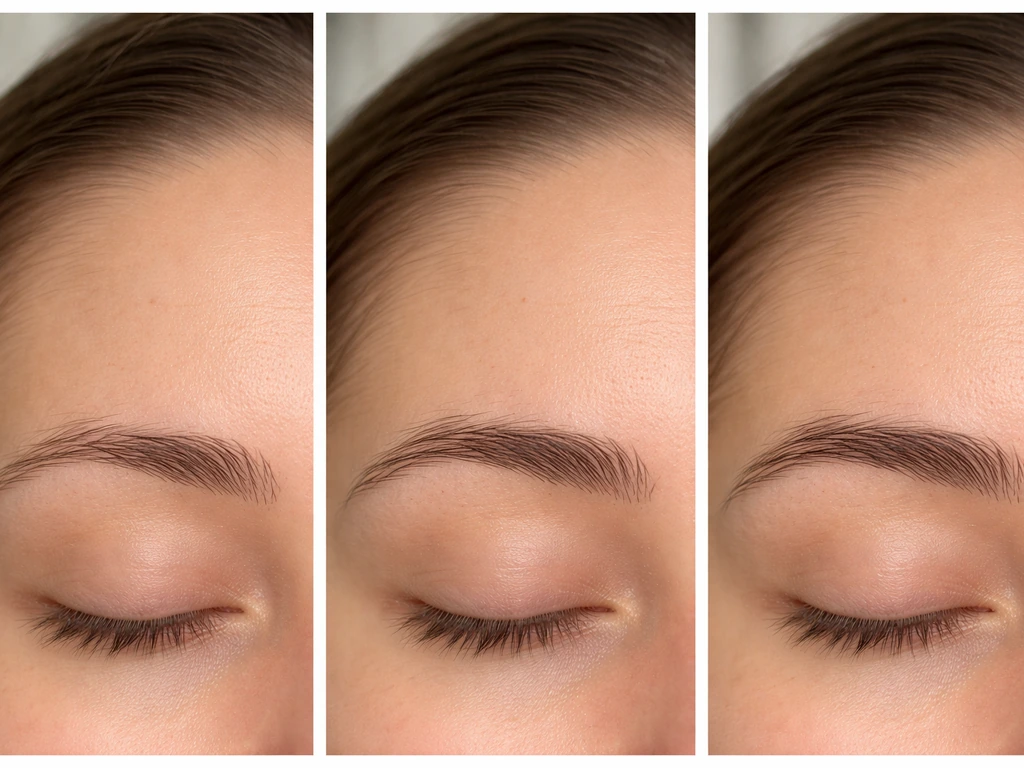
- At the 8-week mark, assess your progress. Take a photo now and compare it to your starting point. Look for baby hairs in previously bare areas. If you see them, the follicles are active and patience will pay off.
- At the 12-week mark, if you've seen minimal growth in areas that were previously full, move to a stronger intervention like minoxidil or book a dermatologist consult.
What actually helps: home remedies and products compared
There are a lot of products marketed for brow growth, and the evidence behind them varies wildly. Here's an honest breakdown of the most commonly used options.
Castor oil
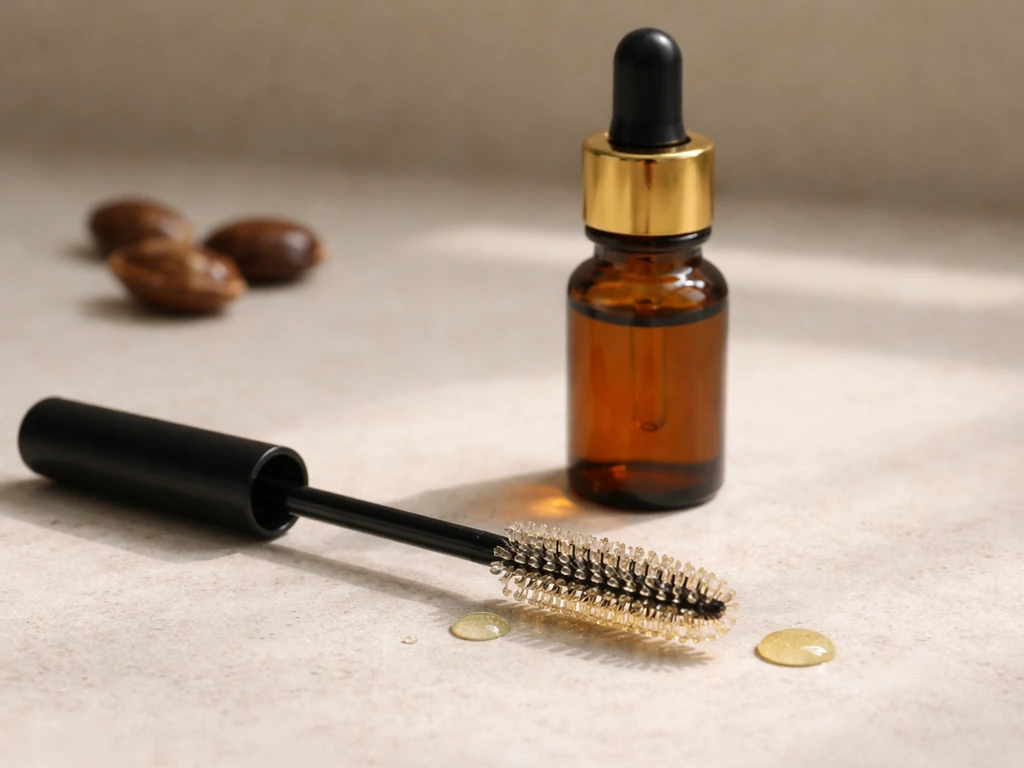
Castor oil is the most popular home remedy for brow growth, and it does have some legitimate value, though it's not magic. It's rich in ricinoleic acid, which has anti-inflammatory properties and may support scalp and follicle health. It also conditions the hair shaft, which can reduce breakage and make existing hairs look fuller. What it probably doesn't do is dramatically stimulate new growth from dormant follicles. Use it if your brows are thin partly due to breakage or irritation, and apply a small amount nightly with a clean spoolie. Expect results over 2 to 3 months, not 2 to 3 weeks.
Rosemary oil
Rosemary oil has stronger evidence behind it than castor oil, specifically because of its effects on circulation and its active compound rosmarinic acid. A well-known 2015 study compared rosemary oil to 2% minoxidil for scalp hair loss and found comparable results at 6 months, with less scalp itch. The direct evidence for eyebrows is more limited, but the mechanism is sound. Dilute rosemary essential oil in a carrier oil (about 2 to 3 drops per teaspoon of jojoba or castor oil) and apply nightly. Don't apply undiluted essential oils directly to skin.
Minoxidil
Minoxidil is the strongest option available without a prescription and the one with the most clinical backing. Originally developed for blood pressure, it was found to promote hair growth by extending the anagen phase and stimulating follicle activity. For eyebrows, the 2% liquid or 5% foam formulation is applied in a very small amount (less than a pea-sized drop) to the brow area once daily. Use a cotton swab for precision and avoid getting it in your eyes.
The main catch: you need to use it consistently, and if you stop, the gains reverse within a few months. It's worth it for people with significant follicle damage or alopecia-related loss, but it's not the first thing to reach for if your brows are just a bit sparse.
Comparing your main options
| Option | Evidence level | Best for | Time to results | Key cautions |
|---|---|---|---|---|
| Castor oil | Low to moderate | Breakage, conditioning, mild thinning | 2 to 3 months | Can clog pores if overused; avoid eye contact |
| Rosemary oil | Moderate | Circulation support, early-stage thinning | 3 to 6 months | Must be diluted; patch test first |
| Minoxidil (2-5%) | High | Significant follicle damage, alopecia-related loss | 3 to 6 months | Results reverse if stopped; avoid eye contact; not for pregnant women |
| Prescription serums (bimatoprost) | High | Clinically diagnosed brow loss | 2 to 4 months | Requires dermatologist; potential side effects including iris discoloration |
If you're comparing home remedies with real growth stimulators, rosemary oil is the best natural starting point and castor oil is a good add-on for conditioning. If those don't move the needle after 3 to 4 months, minoxidil is the logical next step before seeking prescription options. Topics like what makes eyebrow hair grow and what makes eyebrows grow cover the nutrient and hormone side of this in more depth if you want to dig into the internal factors alongside topical treatments.
How to avoid setbacks while you're regrowing
Growing brows back is slow enough without accidentally slowing it down further. These are the habits that most commonly set people back.
- Tweezing single hairs that appear in the wrong place: resist this for at least 8 to 12 weeks so you can see the full picture of where your follicles are active.
- Using retinoids or strong AHAs directly on brow skin: these can be fantastic for facial skin but irritate follicles in the brow area. Either avoid the brow zone when applying or switch to lower-strength formulas.
- Rubbing aggressively when removing makeup: use a gentle oil cleanser or micellar water on a soft pad and press rather than scrub. Friction causes breakage and follicle stress.
- Skipping sunscreen: UV exposure damages follicles over time and is an underrated contributor to long-term brow thinning. A broad-spectrum SPF 30 or higher applied to the brow area daily makes a difference over months and years.
- Switching products every few weeks: brow growth is a slow process and constant product changes make it impossible to know what's working. Pick one treatment approach and commit to at least 8 weeks before evaluating.
- Tight face masks or brow tape: anything that repeatedly pulls on the brow area can stress follicles. This includes some eyebrow lamination treatments done too frequently.
Tracking progress and knowing when to see a professional
The most practical thing you can do is take a clear, well-lit photo of your brows on day one and then every 4 weeks after that. If you are wondering when do newborns grow eyebrows, the answer depends on normal fetal development and how quickly new hair follicles mature after birth. Photos catch gradual changes that your daily mirror check completely misses. Look specifically at three things: whether baby hairs are appearing in previously bare spots, whether existing hairs seem to be growing longer and thicker, and whether the overall shape is filling in. If you're 3 months in and none of those three things have changed, that's a real signal to escalate.
See a dermatologist if you notice any of the following. Sudden or patchy brow loss that happened over weeks rather than months points to alopecia areata or another autoimmune cause. Brow loss combined with scalp shedding, fatigue, or temperature sensitivity suggests a thyroid issue and warrants bloodwork. No new growth at all after 4 to 6 months of consistent treatment, especially in areas that previously had hair, indicates follicle damage that may benefit from prescription treatments like bimatoprost, platelet-rich plasma (PRP) injections, or a combination approach. A dermatologist can also rule out contact dermatitis from products you're using, which is more common than people realize and can actively prevent regrowth.
Most people who are patient, consistent, and protective of their follicles will see meaningful improvement within 4 to 6 months. The ones who struggle longest are usually doing something that's actively working against their follicles (over-grooming, irritating ingredients, or an underlying health issue) while waiting for growth that can't happen under those conditions. Fix the environment first, then support growth with the right topicals, and track carefully so you know when to get help. That's the whole plan.
FAQ
How long does it take to see new eyebrow hair after tweezing or waxing?
It depends on where that follicle was in its cycle. If the follicle was near the start of active growth, you may notice a small hair in about 2 to 3 weeks. If it was pushed into resting phase or irritated, expect first visible change closer to 3 to 4 months.
Why do my eyebrows stop growing at the same length even when I do nothing?
Eyebrow follicles have a shorter active growth window than scalp follicles, so the hair naturally reaches a length limit. Trimming can make them look “stuck,” but it is the follicle cycle that sets the ceiling, not a lack of effort.
Can I speed up eyebrow growth by exfoliating or scrubbing the brow area?
Over-exfoliating usually backfires because it can increase irritation and push follicles into a resting phase. Stick to gentle cleansing, avoid harsh scrubs, and if you use any product that stings or burns, stop.
If I apply minoxidil, will my brows keep getting thicker even if I pause for a while?
Minoxidil results rely on consistent use. If you stop, the gains tend to reverse within a few months, so a pause is often long enough to undo noticeable progress.
How do I apply minoxidil safely around my eyes?
Use a precision method (like a cotton swab) and apply only a tiny amount to the brow skin. Keep it away from the eyelid and the waterline, and wash hands right after. If you get eye irritation, discontinue and talk to a clinician.
Can I use rosemary oil without dilution?
No, essential oils should not be applied undiluted to skin because they can cause contact dermatitis. Dilute to about 2 to 3 drops per teaspoon of a carrier oil, then patch test first.
What’s the best way to tell if my brows are regrowing or just breaking less?
Look for two signals in your monthly photos: appearance of short new hairs in previously bare spots (true regrowth) and a change in overall thickness or fullness without new sprouts (often reduced breakage or better conditioning).
Should I stop grooming completely while my brows are growing back?
Avoid further over-plucking or aggressive shaping while you are in the regrowth window, especially the first 8 to 12 weeks. You can tidy stray hairs gently, but repeated removal at the same spots keeps resetting follicles into delayed cycling.
How often should I take progress photos to avoid wasting time obsessing?
Once every 4 weeks is enough because eyebrow growth is slow (roughly a few millimeters per month). More frequent checking mainly increases stress and makes normal day-to-day shedding or styling differences feel like setbacks.
What signs mean I should see a dermatologist instead of waiting?
Consider evaluation for sudden or patchy loss over weeks, brow loss along with scalp shedding or systemic symptoms, or no new growth after 4 to 6 months of consistent treatment in previously haired areas. Also get help if you suspect a reaction to products.
If my eyebrows are thin, could it be breakage rather than lack of growth?
Yes. Hair can look sparse if existing hairs are snapping from irritation or poor conditioning, even if follicles are still active. That’s one reason castor oil may help appearance (conditioning and reduced breakage) even if it does not strongly restart dormant follicles.
Is castor oil likely to work for everyone trying to regrow brows?
It may help when thinning is partly due to irritation or breakage, but it is unlikely to dramatically stimulate new growth from fully dormant follicles. If you do not see meaningful change after about 2 to 3 months, it may be time to reassess.
Next Article
How to Grow Lashes and Eyebrows: At-Home Steps
At-home guide to grow lashes and eyebrows, fix patchiness, speed results safely, and avoid irritation or breakage.