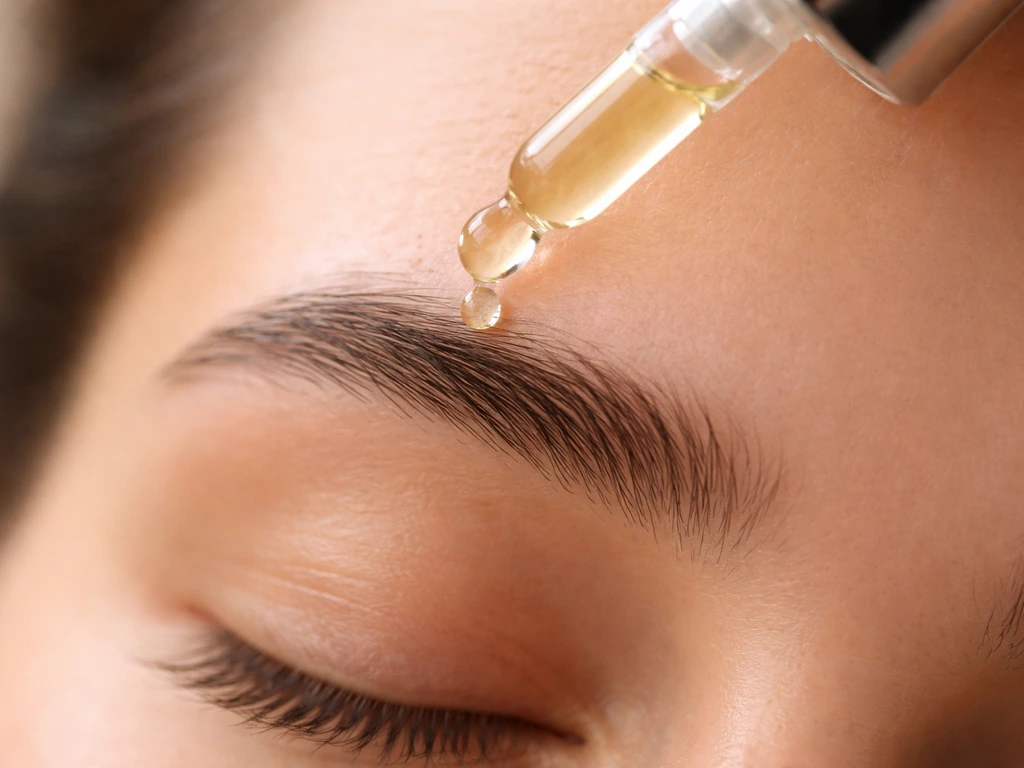
Eyebrows grow because of active hair follicles cycling through a biological process that's largely determined by genetics, hormones, and the health of the follicle itself. If your brows are thin, patchy, or stopped growing after overplucking or waxing, the answer isn't always a serum or a supplement. Sometimes it's just biology doing its slow thing. Sometimes the follicle is genuinely damaged. Understanding the difference is the most important first step, so let's start there. Newborn eyebrows typically start to thicken and become more noticeable in the first months of life as the hair cycle matures when do newborns grow eyebrows.
What Makes Eyebrows Grow and How to Regrow Them
James Whitmore
19 Apr 2026
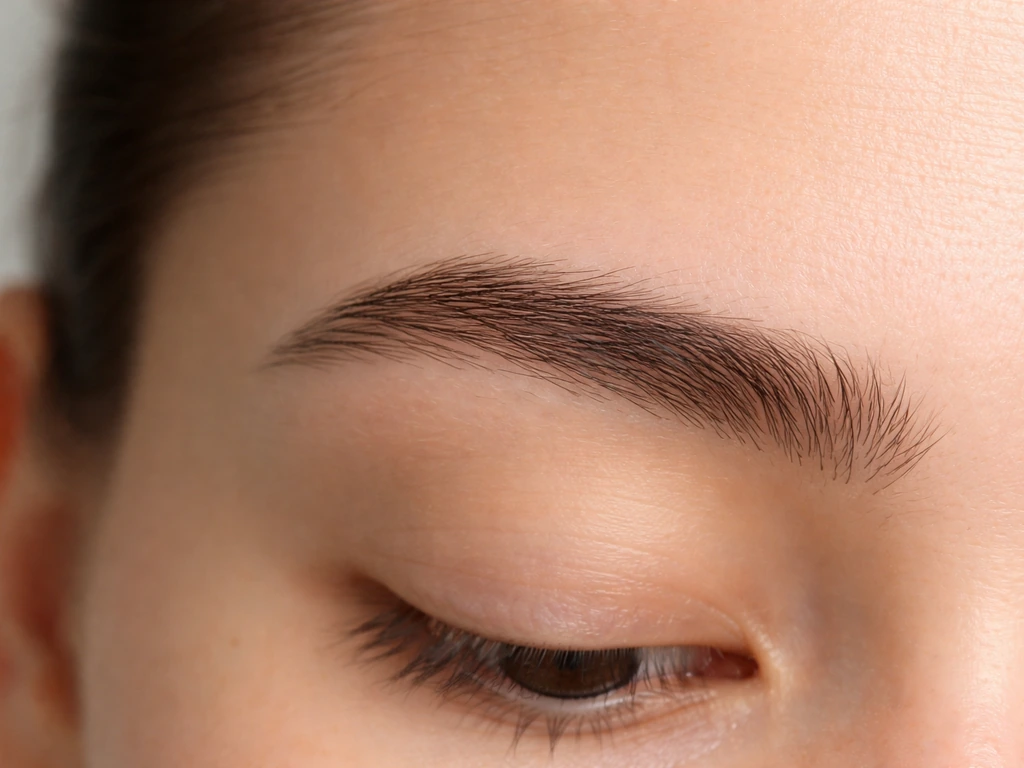
How eyebrow hair growth actually works
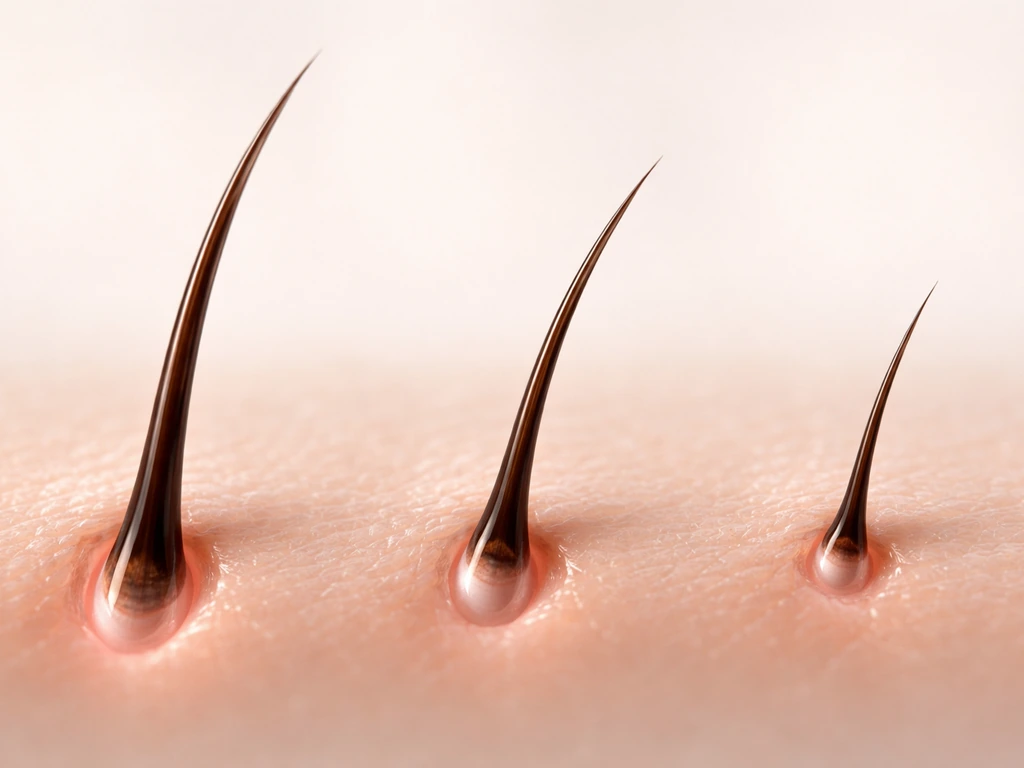
Every single eyebrow hair goes through three distinct phases: anagen (active growth), catagen (transition), and telogen (resting and shedding). For eyebrow hair specifically, anagen lasts roughly 2 to 3 months, catagen is a short transitional phase of about 2 to 3 weeks, and telogen lasts another 2 to 3 months before the cycle resets. This is very different from scalp hair, where anagen can run 2 to 8 years, which is why your eyebrows have a natural length limit and why regrowth after any kind of removal takes months, not days.
During anagen, the follicle produces the full hair shaft from the root up. Once catagen kicks in, the follicle detaches from its blood supply and the hair stops growing. Telogen is the resting period where the old hair sits in the follicle until it sheds and a new anagen hair begins to form underneath it. The key thing to understand here is that regrowth doesn't happen instantly after a hair falls out. The follicle has to complete its cycle and re-enter anagen before you see anything above the skin. That biology is why patience isn't just advice, it's a requirement.
What makes eyebrows grow: real drivers vs myths
The real drivers of eyebrow growth are follicle health, hormonal balance, nutrition, and genetics. Your follicles need adequate blood supply, the right hormonal environment, and enough protein and micronutrients to produce hair. Thyroid hormones are a big one here. Both hypothyroidism and hyperthyroidism can disrupt the hair cycle and are directly associated with eyebrow thinning and loss (called madarosis). If your brows are thinning and you haven't had your thyroid checked, that's worth doing. Other systemic causes include iron deficiency, nutritional deficiencies, certain medications, and autoimmune conditions like alopecia areata.
Genetics sets the baseline. Some people naturally have dense, fast-growing brows. Others have sparse ones regardless of what they put on them. Age matters too. Follicles can miniaturize over time, producing thinner, shorter hairs even without any damage. This is normal and gradual, but it does mean that older adults often see slower regrowth than they did at 20.
Now for the myths. The idea that any oil applied to the skin will directly stimulate follicles to grow faster isn't supported by biology. Oils can condition existing hairs and support skin health, but they can't override the hair cycle. A follicle sitting in telogen won't jump into anagen just because you rubbed castor oil on it. What some ingredients may do is create a healthier environment at the skin surface, reduce inflammation, or (in the case of minoxidil) actually extend the anagen phase. That's a meaningful distinction. Castor oil might help. Minoxidil has evidence behind it. Claiming any oil will give you full brows in two weeks is marketing, not biology.
Why brows don't always grow back after overplucking, waxing, or shaving
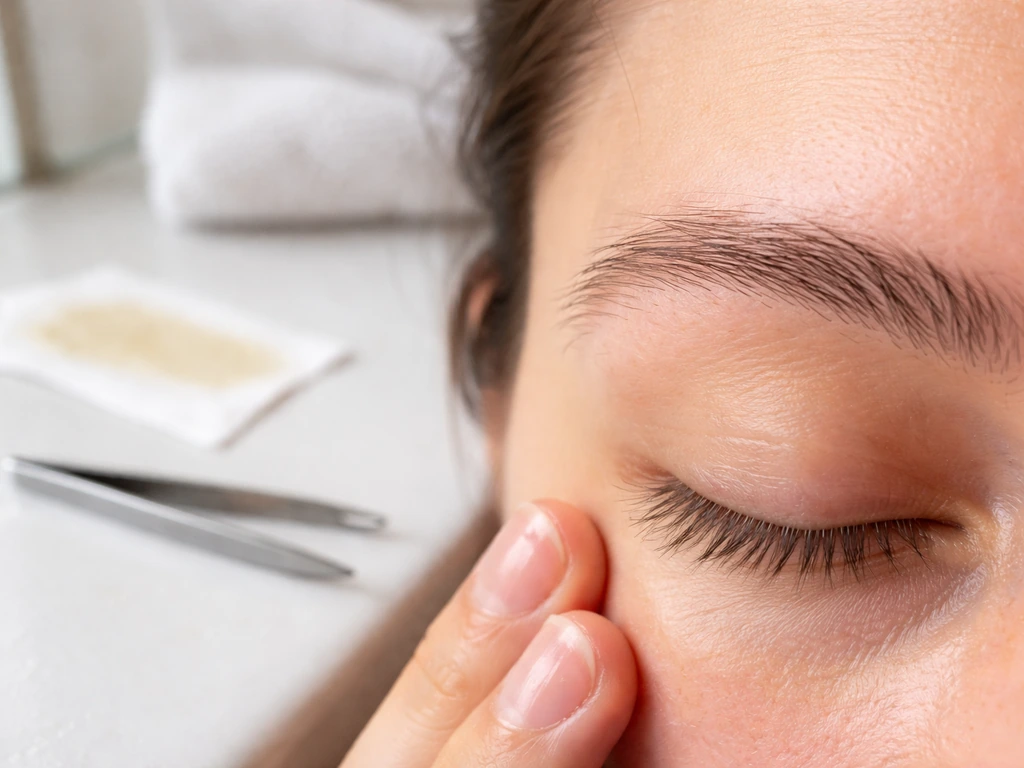
This is where a lot of people get confused and frustrated. You stop plucking, you wait, and the brows just... don't come back fully. Here's why that happens.
Repeated physical removal of hair, whether by plucking, threading, or waxing, creates mechanical trauma at the follicle level. Over time, this can cause follicular microhemorrhage, damage to the dermal papilla (the structure that drives hair growth), and eventually miniaturization and fibrosis. Traction alopecia, which is typically associated with tight hairstyles, follows exactly this same progression: early on, the damage is non-scarring and potentially reversible, but advanced stages involve follicular atrophy and scarring that becomes increasingly unresponsive to any treatment. Years of overplucking can push follicles toward that same outcome.
Waxing adds another layer of risk. Post-waxing folliculitis (inflammation of the follicle) is a documented complication, and in rare but real cases, severe inflammatory reactions to waxing have been associated with skin damage affecting hair-bearing units. Any inflammation that repeatedly disrupts the follicle slows down, or in extreme cases halts, regrowth.
Once follicles are truly scarred (cicatricial alopecia), hair loss becomes permanent because the follicle has been physically destroyed. This is the worst-case outcome of prolonged aggressive hair removal, and it's one reason dermatologists take repeated mechanical brow trauma seriously. The good news is that most people who overpluck for a few years are still in reversible territory. But it takes time, and the longer the damage has been happening, the longer the recovery.
Natural ways to support eyebrow growth today
The first thing to do is stop whatever is causing the trauma or irritation. No oil or serum will outpace ongoing plucking, waxing, or rubbing. That sounds obvious, but it's step one.
Castor oil is the most widely used natural option, and while there's no large randomized trial proving it regrows brows, it's a reasonable choice. It's a thick, moisturizing oil that may support follicle health and reduce dryness at the brow line. Apply a small amount with a clean spoolie before bed, and be realistic: you're supporting conditions for growth, not triggering it. If you see any improvement, expect it to show up gradually over 8 to 12 weeks minimum.
Rosemary oil gets a lot of attention, and there is a small but real evidence base for rosemary oil promoting hair growth on the scalp (one trial showed comparable results to 2% minoxidil for scalp hair). Whether that translates to eyebrows isn't established, but some people use a diluted version (a few drops in a carrier oil) on their brows.
Here's the critical caveat: rosemary oil can cause allergic contact dermatitis, and the European Medicines Agency's safety assessment confirms hypersensitivity risk. Patch testing before using it near your brows is not optional. The eye area is sensitive, and contact dermatitis around the eyes is genuinely miserable. Allergic reactions to essential oils are a real and documented risk, and dermatitis can actually push hair follicles into a shedding phase, making things worse.
Beyond topicals, nutrition matters. Hair follicles are metabolically active and need protein, biotin, iron, zinc, and vitamins D and B12 to function well. If you're eating a balanced diet, you likely don't need a supplement stack. But if you're restricting calories significantly or have a known deficiency, addressing that will have more impact on brow growth than any serum.
Gentle brow massage may help by increasing local blood flow, but the impact is modest. Think of it as maintenance support rather than a primary growth driver.
Evidence-based options when natural approaches aren't enough
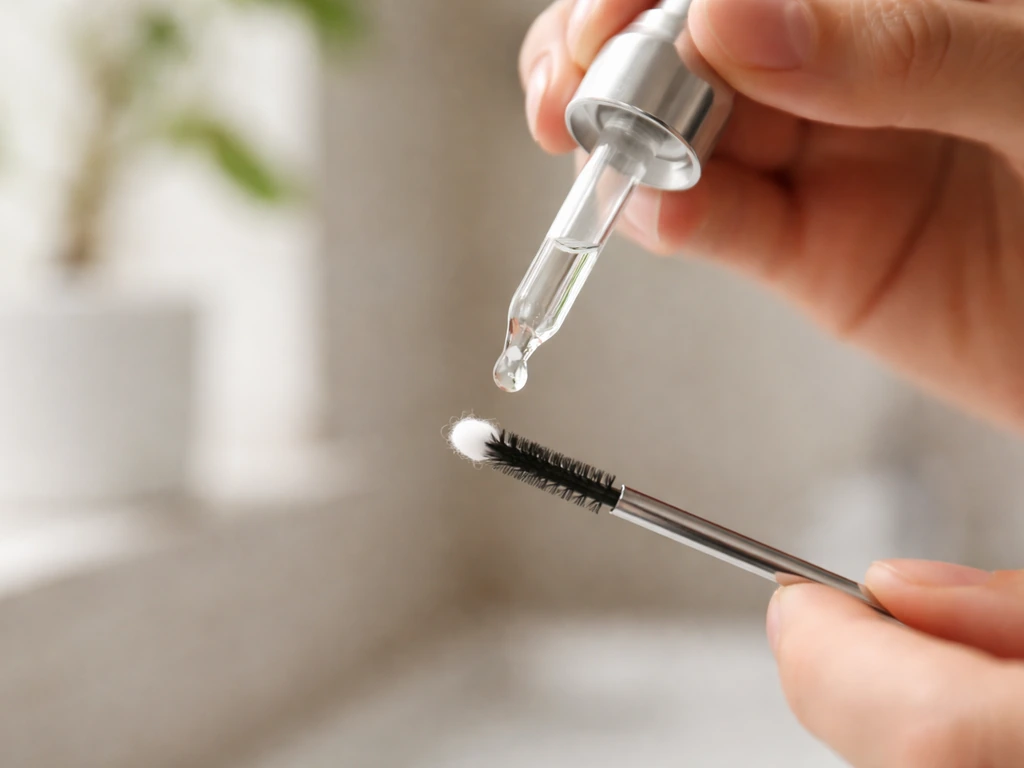
Topical minoxidil is the most evidence-backed option for eyebrow regrowth outside of prescription treatments for specific conditions. A randomized controlled trial comparing topical 2% minoxidil to bimatoprost in eyebrow hypotrichosis found that minoxidil enhanced eyebrow density, and other research has investigated its effect on eyebrow hair shaft diameter and density. The mechanism makes sense: minoxidil prolongs the anagen phase and increases blood flow to the follicle, giving hairs more time to grow and thicken.
For eyebrow use, most people apply a very small amount of 2% minoxidil solution (not 5%, which increases risk of side effects) once daily to the brow area using a cotton swab or fingertip. This is off-label use, meaning it's not FDA-approved specifically for eyebrows, but it's practiced and studied. You need to be careful to avoid getting it in your eyes. Wash your hands immediately after application.
Minoxidil is not for everyone. Contraindications include hypersensitivity to the drug or its constituents, including propylene glycol (a common ingredient in liquid formulations that irritates some people). Topical minoxidil can also cause localized hypertrichosis (unwanted hair in areas it contacts), which is relevant when applying it near the face. If irritation, redness, or itching develops, stop using it. Contact dermatitis from topical minoxidil has been documented and can itself cause a shedding phase, which is the last thing you want.
For cases where sparse brows are caused by alopecia areata (an autoimmune condition), the treatment approach is different. Dermatologists typically use intralesional corticosteroid injections (like triamcinolone) as a primary option, and minoxidil may be added to help maintain regrowth. Merck Manual Professional Edition describes intralesional corticosteroid injections, such as triamcinolone acetonide, as the primary treatment of choice for alopecia areata lesions in adults and provides dosing guidance intralesional corticosteroid injections (like triamcinolone). This isn't a DIY situation. Alopecia areata affecting the brows needs a dermatologist to confirm the diagnosis and manage treatment, especially because other conditions like tinea faciei (a fungal infection affecting the face) can mimic patchy brow loss and require completely different treatment.
Regrowth timeline: what to realistically expect week by week
This is where I want to be very direct with you, because unrealistic expectations lead to people giving up too early or panicking when things are actually progressing normally.
| Timeframe | What's happening | What you'll likely see |
|---|---|---|
| Weeks 1–3 | Follicles in telogen are resting; no visible growth yet | Little to no visible change; this is normal |
| Weeks 4–6 | Some follicles re-enter anagen; new hairs begin forming under skin | Possibly faint, fine new hairs at the inner or lower brow edge |
| Weeks 7–10 | New anagen hairs emerge and elongate | Short, sometimes lighter hairs becoming visible; patchy appearance is normal here |
| Weeks 11–16 | Hairs thickening and lengthening through full anagen | More noticeable density; brows start to look fuller in some areas |
| Months 4–6+ | Multiple cycles beginning to normalize; follicles recovering from damage | More consistent density; still possible gaps if follicles were badly damaged |
| 6–12 months | Best assessment window for regrowth potential | Near-full regrowth if follicles are healthy; partial if damage was significant |
If you're using minoxidil, most clinical observations and user reports suggest visible changes start appearing around the 3-month mark, with more meaningful density improvements at 4 to 6 months. Don't judge it at 6 weeks. The hair cycle simply doesn't move that fast. And keep in mind that once you stop minoxidil, the hairs it maintained may shed again, so a long-term strategy matters.
If you've been overplucking for years and have areas that simply never grow a hair, those follicles may have progressed to the scarring stage. In that case, no topical product will regenerate them. This is the honest answer, and it's worth knowing so you can make informed decisions about alternatives like microblading or tattooing for those specific areas, rather than waiting indefinitely for growth that may not come.
Safety, irritation, and when to see a professional
Any product you apply to the brow area is near your eyes. That matters enormously. Essential oils need to be diluted and patch tested before use near the face. Even popular options like rosemary oil have documented cases of allergic contact dermatitis affecting the eyelids and face. If you experience redness, itching, burning, or swelling around your brows after starting any new product, stop immediately. That reaction, if repeated, can trigger telogen effluvium (widespread shedding) and make the regrowth problem significantly worse.
See a dermatologist if any of the following apply:
- Brow loss is patchy, sudden, or came out of nowhere with no obvious cause (could be alopecia areata or another condition)
- You have scaling, redness, or itching in the brow area that doesn't resolve (possible fungal infection or contact dermatitis)
- You've been off any manipulation for 6 or more months and still see zero regrowth in specific spots
- You have other symptoms alongside brow thinning, like fatigue, weight changes, or hair loss elsewhere (possible thyroid or systemic issue)
- You want to use minoxidil but have sensitive skin, known allergies, or any cardiovascular conditions
A dermatologist can do a proper assessment, rule out scarring alopecia, test for thyroid and nutritional issues, and offer prescription options if over-the-counter approaches haven't worked. The Cleveland Clinic lists thyroid abnormalities, systemic conditions, infections, certain medications, and nutritional deficiencies as all recognized causes of eyebrow loss. If your brow situation doesn't match a clear "I overplucked for years" narrative, getting bloodwork and a skin check is genuinely worth it.
The bottom line: eyebrow growth is driven by follicle health, hormonal balance, and the hair cycle, and it moves on biology's timeline, not yours. Newborn eyebrow growth follows the same hair-cycle biology, so the timing varies by baby and genetics when do newborns grow eyebrows. Stop the damage, support the follicles with evidence-backed approaches, be patient for at least 3 to 6 months, and escalate to a professional if something doesn't add up. That's the plan.
FAQ
How long does it usually take for eyebrows to grow back after I stop plucking or waxing?
Most noticeable change takes at least 8 to 12 weeks, because follicles have to complete the cycle and re-enter growth. Full-looking results often take 3 to 6 months, and if you have long-term sparse areas, it can be longer (or incomplete if follicles have scarred).
What signs suggest my eyebrow follicles are scarred and won’t regrow?
Look for smooth, shiny patches with loss of visible follicle openings, persistent absence of any fine regrowth after several months, and progressive thinning despite stopping trauma. Scarring is not something to wait out with oils, so a dermatologist evaluation is the next step if nothing returns.
Does castor oil work for eyebrow growth, or is it mostly just moisturizing?
Castor oil may improve dryness and help support a healthier surface environment, but it does not reliably push inactive follicles back into the growth phase. If you use it, treat it as a supportive conditioner, expect gradual changes over 8 to 12 weeks, and avoid combining it with ongoing plucking or irritation.
Can eyebrow regrowth be triggered instantly if I stop overplucking?
No. Even if you stop trauma today, existing hairs in a resting or shedding phase won’t instantly switch on. You may see shedding or no change for weeks, then gradual regrowth once follicles re-enter active growth.
Is rosemary oil safe to use around the eyes?
Essential oils can cause allergic contact dermatitis, which is especially risky near the eyelids. If you try it, dilute in a carrier oil, do a patch test away from the face first, and stop immediately if you get itching, burning, redness, or swelling. Because reactions can worsen over time, it is not a trial-and-error area.
When should I consider getting my thyroid or nutrient levels checked for eyebrow thinning?
If thinning is unexplained, widespread, or accompanied by other symptoms (fatigue, weight change, hair shedding on the scalp, heavy periods, or brittle nails), ask about thyroid testing and common deficiencies like iron, vitamin D, and B12. Also consider evaluation if diet restriction or restrictive eating is part of your routine.
What medications or conditions can cause eyebrow loss besides overplucking?
Some systemic issues and medicines can disrupt the hair cycle, including thyroid disorders and autoimmune causes. If your brow thinning started without a trauma history, or you also notice patchy hair loss, scaling, or eyebrow changes elsewhere, it is worth getting a proper diagnosis rather than starting random topicals.
How do I know whether I might have alopecia areata instead of simple trauma?
Alopecia areata often causes patchy, well-defined areas of hair loss, and the pattern can change over time. Because treatments differ and some look-alikes are treatable only with the right approach, a dermatologist should confirm the diagnosis before you rely on minoxidil or oils alone.
If I use minoxidil, when will I see results, and should I keep using it if nothing happens at 6 weeks?
Do not judge too early. Visible change is commonly around the 3-month mark, with more meaningful density improvements at 4 to 6 months. If you do not tolerate it or see irritation, stop, but if you tolerate it and there is no improvement by 6 months, reassess with a clinician.
Will minoxidil regrowth last if I stop using it?
Often, the benefit depends on continued use. Hairs that were maintained or prolonged may shed again after stopping, so it helps to plan for either ongoing maintenance or an alternative strategy if your goal is long-term density.
Is 5% minoxidil better than 2% for eyebrows?
Usually not. Higher strength increases the chance of side effects like irritation and unwanted facial hair in contact areas. For eyebrow application, 2% is commonly used to balance effectiveness and tolerability, and you should keep the amount small to reduce spread toward the eyes.
What is the safest way to apply minoxidil near my eyes?
Use a very small amount with a cotton swab or fingertip, apply carefully to the brow area, and wash your hands immediately afterward. Stop if irritation appears. Also be cautious with skin-to-surface transfer (pillowcases, touching your face), because it can cause unwanted hair or dermatitis in nearby areas.
Can minoxidil cause eyebrow shedding at the beginning?
Yes, some people experience an initial increase in shedding or irritation-related shedding when the hair cycle shifts. This is one reason to start cautiously and monitor for contact dermatitis. If you develop redness, itching, or burning, discontinue and get evaluated, since dermatitis itself can worsen shedding.
Should I massage my eyebrows to boost growth?
Gentle massage may modestly support local circulation, but it is not a primary solution for follicle reactivation. Avoid aggressive rubbing, especially if you have irritation or have recently started a new product.
What should I avoid doing during regrowth to prevent setbacks?
Avoid plucking, waxing, and harsh grooming that reintroduces follicle trauma. Also avoid stacking multiple new actives at once (for example essential oil plus minoxidil plus exfoliation), because it becomes hard to identify irritants and contact dermatitis can derail progress.
When should I see a dermatologist instead of trying home options?
See a dermatologist if you have patchy loss without a clear overplucking history, no change after several months, signs that suggest scarring, or symptoms that point to a systemic cause. They can also rule out fungal or inflammatory conditions that can mimic hair loss and offer prescription treatment when appropriate.
Next Article
Does Vitamin E Oil Help Eyebrows Grow? Safe Routine & Timeline
Find out if vitamin E oil helps eyebrow growth, plus a safe routine, timelines, and what works better.