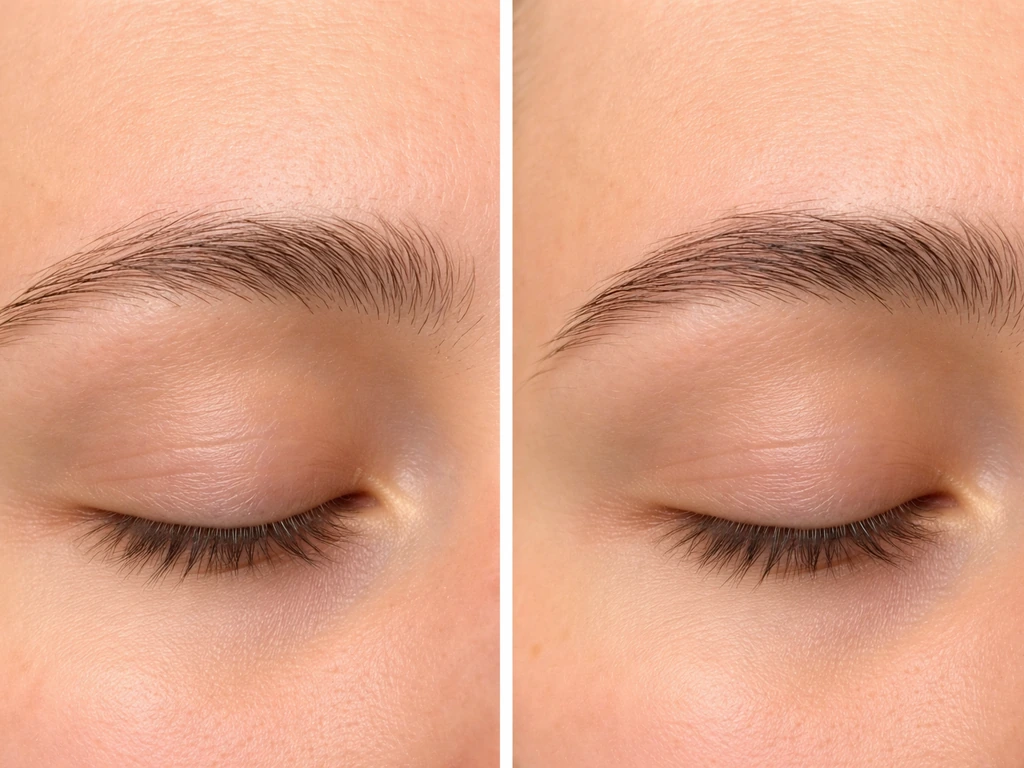
Growing lashes and eyebrows thicker and faster comes down to three things: stopping the habits that cause breakage, creating the right conditions for your follicles to do their job, and choosing ingredients or treatments that have real evidence behind them. For most people, a consistent routine using castor oil or a peptide serum, combined with gentle handling and decent nutrition, will produce visible results in 6 to 12 weeks. If you want to move faster, prescription-strength options like minoxidil or bimatoprost exist, but they come with tradeoffs worth understanding before you start.
How to Grow Lashes and Eyebrows: At-Home Steps

James Whitmore
24 May 2026
Why lashes and brows stop growing (or thin out)
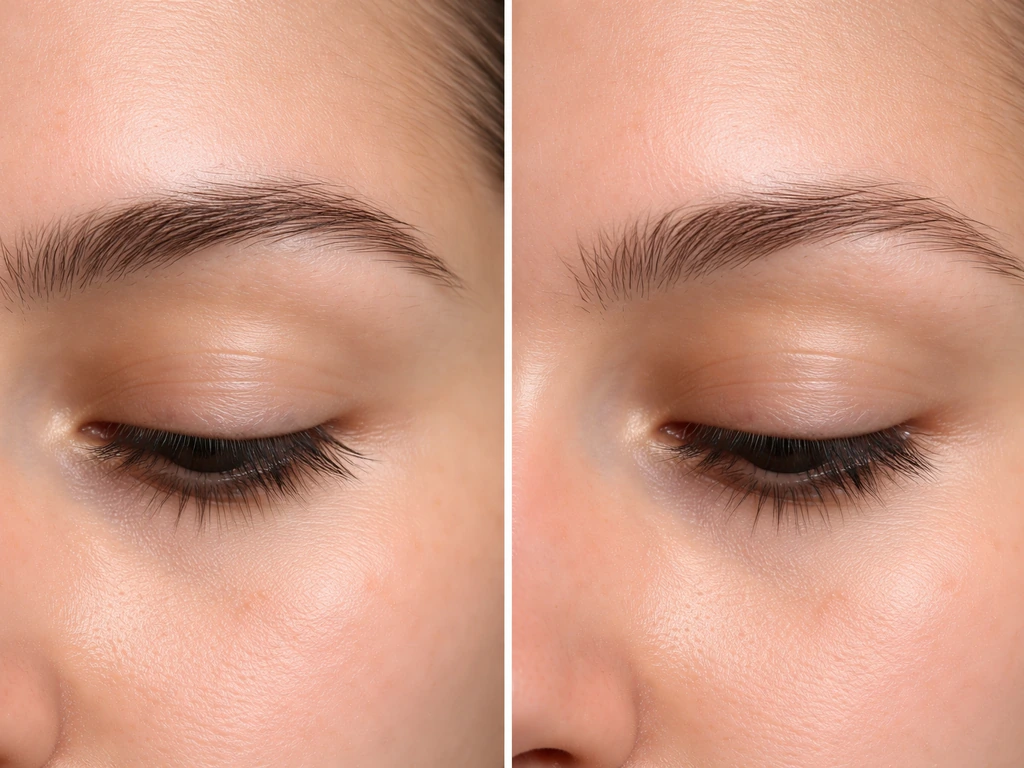
Every hair on your body goes through the same three-phase cycle: anagen (active growth), catagen (transition and degradation), and telogen (resting, then shedding). For scalp hair, anagen lasts years. For eyelashes and brows, it only lasts about 30 to 45 days, which is why they stay short. The catagen phase for lashes takes roughly 15 days, followed by a telogen rest before the follicle starts a new anagen phase. blank" rel="noopener noreferrer">StatPearls (NCBI Bookshelf) describes the eyelash follicle growth cycle as anagen, catagen, and telogen, with catagen lasting about 15 days followed by telogen shedding before a new anagen phase begins. Research puts lash and brow growth at around 0.blank" rel="noopener noreferrer">16 mm per day during active growth. That's slow, and it explains why regrowth after damage takes longer than most people expect.
The most common reasons lashes and brows thin out or stop growing include over-plucking or waxing (repeatedly damaging the follicle can eventually scar it), nutritional deficiencies (especially low iron, biotin, zinc, and protein), hormonal changes like thyroid imbalances or post-pregnancy shifts, certain medications, rubbing your eyes aggressively, using waterproof mascara daily without proper removal, and just plain genetics. Age also plays a role: follicles naturally become less active over time, which is why thinning brows are so common after 40. Identifying your main cause matters because some problems respond well to topical treatments while others need to be addressed from the inside out first. If you're wondering how does eyebrows grow, start by identifying which cause is most likely in your case, then choose the matching approach some problems respond well to topical treatments.
Realistic timelines: what to actually expect
If you've shaved, waxed, or over-plucked, here's the honest timeline. New growth typically becomes visible in 4 to 6 weeks, but filling in to a fuller appearance takes 3 to 4 months for brows and slightly less for lashes (since lash follicles cycle a bit faster). Full recovery to your natural density, assuming follicles aren't permanently damaged, takes 4 to 6 months. These timelines hold regardless of which topical treatment you use. Serums and oils can support the process, but they can't skip phases of the hair cycle.
| Goal | Realistic Timeline | Notes |
|---|---|---|
| See new brow or lash hairs appear | 4–6 weeks | Hairs exiting telogen and entering new anagen phase |
| Noticeable fill-in after waxing/plucking | 2–3 months | Depends on how much follicle damage occurred |
| Significantly thicker appearance | 3–4 months with consistent routine | Genetics set the ceiling; routine improves what's possible |
| Full grow-out after shaving brows | 4–6 months | Shaving doesn't damage follicles, so recovery is usually full |
| Results from a peptide serum | 6–12 weeks of daily use | Some see changes at 4 weeks; most need longer |
| Results from minoxidil (off-label) | 8–16 weeks | Shedding may happen first in weeks 2–4 before regrowth |
Your at-home routine: the foundation that actually matters
Before you add any growth serum or oil, get the basics right. This is the part most people skip, and it's where the most preventable thinning happens.
Cleansing and makeup removal
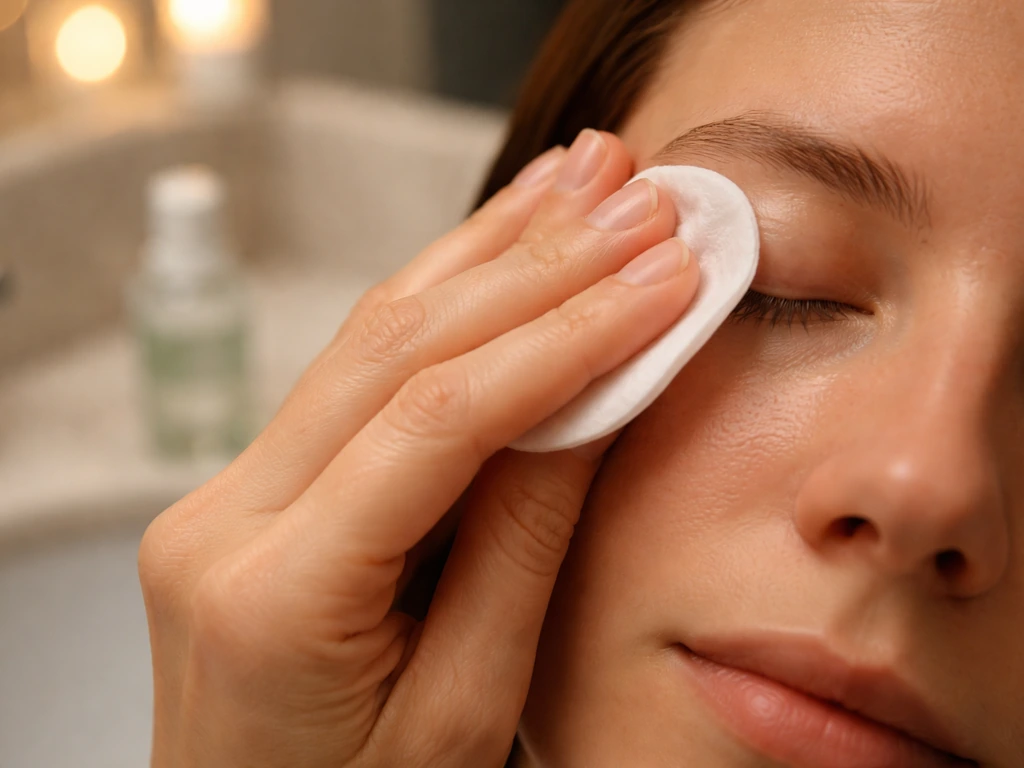
Use a gentle, oil-based or micellar cleanser to remove eye makeup every night without scrubbing. Waterproof mascara is particularly damaging when you pull at it, and the rubbing motion causes physical breakage at the lash root. Use a soaked cotton pad, press it against your lashes for 10 seconds, then wipe downward with almost no friction. Same principle for brows: cleanse gently and avoid exfoliating scrubs directly over sparse areas.
Grooming and protection from breakage
For brows, put the tweezers down during your grow-out phase. Plucking even a few stray hairs resets individual follicles back to telogen rest. If you're trying to thicken brows, give them a full 12 weeks with zero plucking. Use a clean spoolie to brush brows upward each morning, which also gently stimulates blood flow to follicles. For lashes, avoid lash curlers while growing out as they create mechanical stress. Sleep on a silk or satin pillowcase to reduce friction-related breakage overnight.
Nutrition from the inside
If your diet is low in protein, iron, or zinc, no topical treatment will fully compensate. Hair is made of keratin, which requires adequate protein and key micronutrients to produce. If you've been experiencing general hair thinning (not just brows and lashes), it's worth getting bloodwork done to check ferritin, thyroid hormones, and B12. You don't need expensive "hair supplements" in most cases: just enough whole food protein (roughly 0.8–1g per kg of body weight daily), leafy greens for iron, eggs and legumes for biotin, and zinc from seeds or meat.
Natural options: castor oil, rosemary oil, and how to use them
These are the most popular natural approaches, and while neither is backed by rigorous clinical trials specifically for brows and lashes, both have plausible mechanisms and a strong track record of safe use in practice. The key is applying them correctly and consistently.
Castor oil
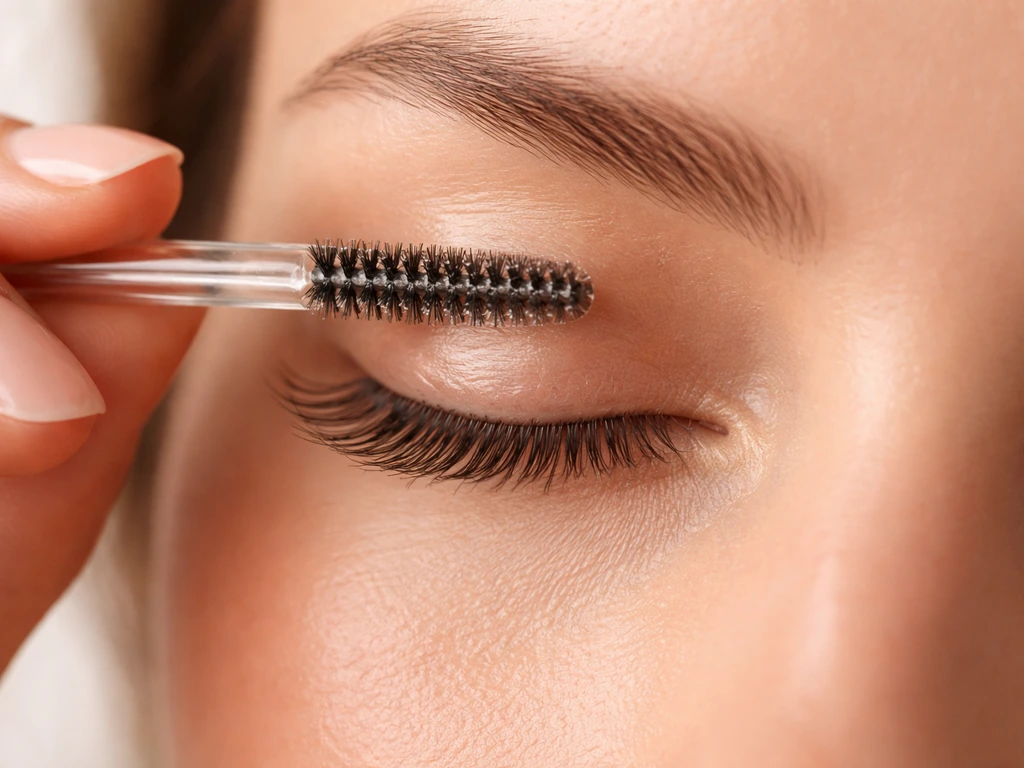
Cold-pressed, hexane-free castor oil is rich in ricinoleic acid, a fatty acid that may support follicle health by reducing scalp (and skin) inflammation and providing a conditioning layer that reduces breakage. It won't make hair grow from dead follicles, but it can improve the appearance of existing hair and may reduce shedding by strengthening strands. Apply a tiny amount (a single drop per brow is plenty) using a clean spoolie or a clean fingertip every night before bed. For lashes, use a clean disposable mascara wand and apply along the lash line, not the tips, to avoid the oil migrating into the eye. If you experience any stinging, redness, or blurred vision, rinse and stop using it.
Rosemary oil
Rosemary oil has more direct research support than castor oil for hair growth. A well-cited 2015 study found rosemary oil performed comparably to 2% minoxidil for scalp hair regrowth over six months. The proposed mechanism involves improving circulation and potentially blocking DHT at the follicle level. For brows and lashes, the evidence is extrapolated from scalp studies, so manage expectations accordingly. Always dilute rosemary essential oil in a carrier oil like jojoba, argan, or plain castor oil before applying near the eye area. A 1–2% dilution (about 2–4 drops of essential oil per tablespoon of carrier) is appropriate. Never apply undiluted essential oils near your eyes.
Other carrier oils worth considering
Jojoba oil closely mimics the skin's natural sebum and is excellent as a base oil for application without clogging follicles. Argan oil provides vitamin E and antioxidants. Neither will dramatically accelerate growth, but both condition the hair shaft and protect against moisture loss, which reduces breakage and makes existing hairs look healthier while new growth comes in.
Evidence-based options for faster, thicker results
If you've been consistent for 8 to 12 weeks with natural methods and aren't seeing enough change, or if your starting point is significantly sparse or damaged, it's worth looking at options with more robust clinical backing.
Peptide serums
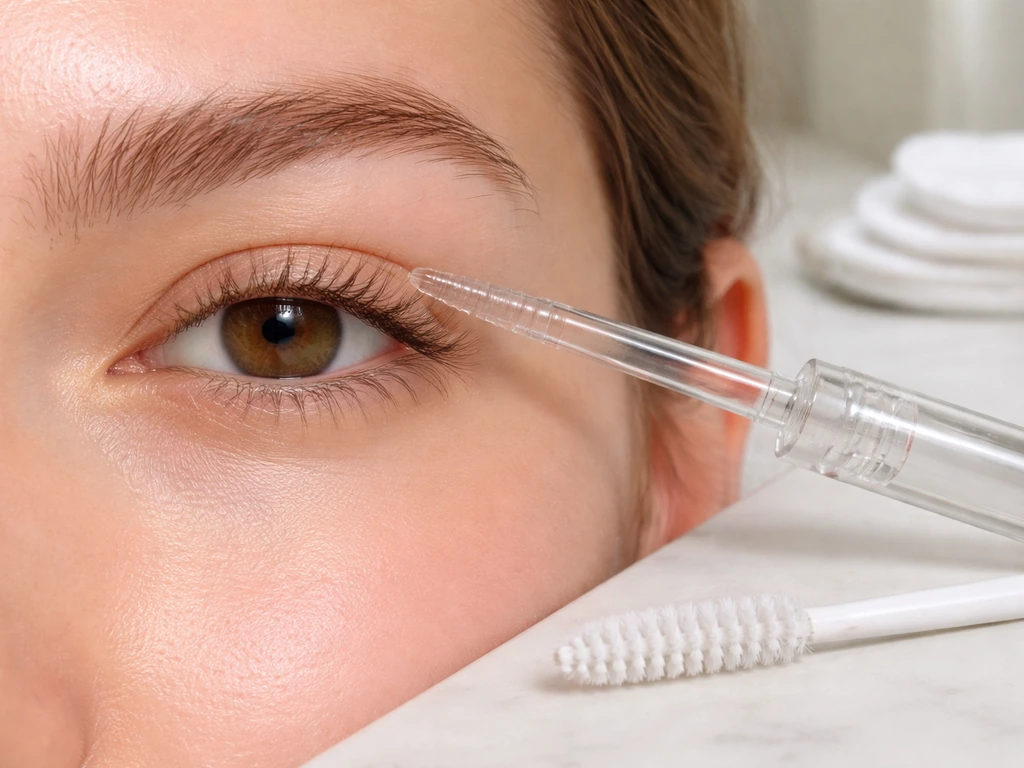
Over-the-counter lash and brow serums formulated with growth-supporting peptides (like myristoyl pentapeptide-17 or similar sequences) are the most accessible middle ground between natural oils and prescription treatments. These peptides signal follicle cells to stay in anagen longer, which means more growth time per cycle. Brands like RevitaLash Advanced, Vegamour GRO, and RapidBrow are commonly used and generally well-tolerated. Apply once daily to clean, dry skin along the brow or lash line, and commit to at least 8 to 12 weeks before deciding if it's working. Don't layer multiple serums at once.
Minoxidil (off-label for brows and lashes)
Minoxidil (sold as Rogaine) is FDA-approved for scalp hair loss, and some dermatologists use it off-label for brow thinning. The 2% solution is sometimes recommended over the 5% foam for the face because the concentration is lower and the risk of irritation and unwanted facial hair growth is reduced. If you try this, apply a very small amount to brow hairs only, once daily, using a cotton swab. Keep it away from the eyelid and lash line entirely as the eye safety profile for minoxidil is not well established for lash use. Expect an initial shedding phase (weeks 2 to 4) before regrowth, and be consistent for at least 12 weeks. If you have low blood pressure, heart conditions, or are pregnant or breastfeeding, don't use minoxidil without talking to a doctor first.
Bimatoprost (prescription only)
Bimatoprost (Latisse) is the only FDA-approved treatment for lash hypotrichosis (inadequate lashes). It's a prostaglandin analog originally used as a glaucoma medication, and it works by extending the anagen phase. Applied nightly to the upper lash line with an applicator, users typically see results in 8 to 16 weeks. It requires a prescription and regular monitoring because side effects can include darkening of the iris in people with light eyes and darkening of the skin at the application site. It's effective, but the cost (often $100 to $200 per month) and side-effect profile mean it's not the first step for everyone.
Troubleshooting patchiness and slow results
Patchiness is one of the most frustrating things to deal with, especially after over-plucking. Here's how to think through what's happening and what to adjust.
- Patchy brows after repeated waxing or threading: Follicles that have been repeatedly traumatized may take much longer to recover, and some may not recover at all. Give a full 4 to 6 months before assuming permanent damage. In the meantime, keep the area clean and use a conditioning oil to support whatever follicles are still active.
- You're applying product but still seeing no results after 12 weeks: Check if you're applying to clean skin (residue blocks absorption), that you're using enough (a full pass along the brow, not a dab), and that you haven't developed a mild contact allergy that's quietly creating inflammation.
- Irritation or redness at the application site: Stop the current product, wait for irritation to fully clear (usually 3 to 5 days), and either patch test the ingredient on your inner arm before restarting or switch to a gentler formula. Castor oil causes contact dermatitis in some people. Fragrance in serums is another common culprit.
- You're plucking or trimming during a grow-out: Even occasional plucking resets follicles to resting phase. Go completely hands-off for at least 8 weeks and use brow pencil or tinted gel to fill gaps in the meantime.
- Nutritional deficiency: If you're experiencing thinning across multiple areas (brows, lashes, scalp hair, body hair), get bloodwork done. Low ferritin (even within normal range), hypothyroidism, and low zinc are all reversible causes of hair thinning.
- Hormonal causes: Post-pregnancy brow thinning and lash shedding usually resolve on their own within 6 months. Thyroid-related thinning won't improve with topical treatments alone and needs medical management.
- Alopecia areata affecting brows: Patchy hair loss in round or irregular shapes on brows can be alopecia areata, an autoimmune condition. This doesn't respond to natural oils or OTC serums and needs dermatology evaluation.
Safety around the eye area: what you actually need to know
The eye area is uniquely sensitive. Oils or products that are completely fine on your face or scalp can cause stinging, blurred vision, or contact dermatitis when they migrate into the eye. Here are the non-negotiables.
- Always patch test new products on your inner arm 24 to 48 hours before applying near your eyes. A reaction there is much easier to manage than one on your eyelid.
- Use clean tools every application. Shared spoolies, mascara wands, or fingertips that touch your eye area introduce bacteria. Disposable spoolies are cheap and eliminate this risk.
- Apply oils and serums at least 30 minutes before bed if you sleep on your side or stomach, to reduce product migration into your eye during sleep.
- Never apply undiluted essential oils (including rosemary, peppermint, or lavender) directly on or near the eye. Always dilute in a carrier oil first.
- If you get any product in your eye, rinse immediately with clean water for at least 60 seconds.
- Stop any product immediately if you notice persistent redness, swelling, itching, scaling of the eyelid skin, or any change in vision, and see a doctor before resuming.
- See a dermatologist if: your brow or lash loss is sudden, patchy in a way that suggests alopecia areata, accompanied by other symptoms (fatigue, weight changes, dry skin suggesting thyroid issues), or if you've been trying consistent treatments for more than 6 months without improvement.
Putting it all together: where to start
If you're just starting out, here's the practical order of operations. First, get the basics right: gentle cleansing, no picking or plucking, reduce eye rubbing, and eat enough protein. If you want to understand what makes eyebrow hair grow, it helps to think in terms of the hair cycle and the factors that keep follicles in active growth. Then add a conditioning oil (castor oil is a fine first choice) nightly for 8 weeks and assess. If you want more than that, or if you're dealing with significant sparseness, move to a peptide-based OTC serum and give it 10 to 12 weeks. If you still aren't where you want to be, talk to a dermatologist about minoxidil for brows or bimatoprost for lashes. The biology of what makes eyebrow hair grow is the same as what drives all hair cycles, and understanding that cycle helps you set honest expectations rather than chasing 3-week miracle claims.
Be patient with yourself here. If you are wondering when do newborns grow eyebrows, the timeline is different from what happens after thinning or damage in older children and adults. Three to four months feels long when you're staring at sparse brows every morning, but that's genuinely how long follicles need. Consistency beats intensity every time with this stuff. A simple nightly castor oil application that you actually do every day for 12 weeks will outperform the most expensive serum used sporadically.
FAQ
How long should it take before I notice any change in how to grow lashes and eyebrows?
It usually is not, unless there is irritation. For most people, visible improvement is expected in 4 to 6 weeks for brows and a bit faster for lashes, with fuller density taking 3 to 4 months. If you see worsening shedding, burning, or a rash, stop the product and switch to a gentler cleanser and strict no-plucking routine while you reassess.
Can I combine castor oil, a peptide serum, and rosemary oil to grow lashes and eyebrows faster?
Don’t. Layering multiple lash or brow growth products at the same time increases the odds of contact dermatitis and eye irritation, especially if any ingredient migrates toward the eyelid. Stick to one product, use it daily, and give it the full minimum trial (8 to 12 weeks for OTC, 12 weeks for minoxidil in brows).
What should I do if lash or brow products sting my eyes or cause blurred vision?
If you accidentally get oil or serum into the eye, rinse with clean lukewarm water or sterile saline right away. Then stop using the product for at least a few days. Ongoing symptoms like blurred vision, persistent redness, or stinging that lasts more than a short time means you should stop and consider a clinician instead of trying a different product immediately.
Will growth serums or oils help if my brows are patchy from over-plucking?
Yes, but focus on reducing breakage rather than expecting the product to regrow missing follicles overnight. For sparse brows after over-plucking, commit to 12 weeks with zero plucking, then continue another 2 to 3 months if you only see patchy regrowth. Use a spoolie and gentle cleansing, and accept that uneven density is common during regrowth.
What is the best first routine to start when trying to grow lashes and eyebrows at home?
Start with the simplest routine that won’t irritate the eye area. If you are already doing gentle cleansing and no plucking, choose either a conditioning oil (like castor or jojoba) for 8 weeks or a single peptide-based serum for 10 to 12 weeks. If you’re dealing with noticeable sparse lashes, consider earlier discussion with a dermatologist about prescription options rather than continuously switching products.
How much do genetics and age affect how to grow lashes and eyebrows?
Yes, genetics can limit how full you can get. Even with perfect adherence, some people maintain naturally shorter or thinner lashes and brows. The practical approach is to aim for the best possible appearance using breakage reduction (gentle removal, reduced rubbing, no harsh exfoliation near the brows) and then decide whether prescription treatments are worth the risk.
Could my thyroid or hormones be the reason my brows or lashes won’t thicken?
If you have thyroid disease, it can change the cycle of hair growth and shedding. In that case, topical routines may help with appearance but may not fully correct the underlying pattern. Prioritize medical management, then continue your hair-cycle routine consistently for months, since hormonal-driven changes often take time to stabilize.
How do I know whether I should focus on diet versus topical products for how to grow lashes and eyebrows?
Protein deficiency can show up as overall hair thinning, but it can also make brows look weaker and more prone to breakage. A useful decision rule is to check whether you also notice shedding elsewhere. If yes, consider asking your clinician about ferritin, thyroid markers, B12, and iron status before assuming it is only a topical issue.
Can waterproof mascara prevent me from growing lashes?
Yes, and it is a common reason for “I tried everything” frustration. Daily waterproof mascara plus aggressive removal increases mechanical breakage at the lash root. Use a press-and-hold makeup removal step (about 10 seconds) and wipe with minimal friction, and consider switching to easier-to-remove formulas during your grow-out period.
Can eyebrow makeup, brow gel, or lash extensions stop growth?
It can, depending on how you do it. Eyebrow gels and brow tints are usually fine, but avoid getting products directly on bare lash or sparse brow areas and avoid harsh exfoliation around the region. If you notice dryness, itching, or scaly irritation, pause styling products and focus on a single conditioning step until your skin barrier recovers.
Why are my brows growing unevenly after I stop plucking?
Yes. Patchiness after over-plucking often regresses unevenly, because individual follicles re-enter growth at different times. Keep your “no plucking for 12 weeks” rule even if you see a few hairs that look tempting. If you see complete regrowth nowhere after a full 3 to 6 months, that is the point to discuss prescription options or evaluation for scarring.
Is rosemary oil safe for lashes and eyebrows, and how do I use it near the eye area?
Rosemary oil is meant to be diluted, and it should not be used near the lash line in an undiluted form. If you are using it for brows, keep it away from the eyelid crease, use only a low-dilution mixture, and stop immediately if you get any stinging or redness. For lashes, if you can’t keep it strictly off the lash line and eye surface, choose a safer conditioning approach instead.
Next Article
What Makes Eyebrow Hair Grow and How to Help It
Learn what makes eyebrow hair grow and how to regrow brows with safe care, nutrition, and minoxidil timing.