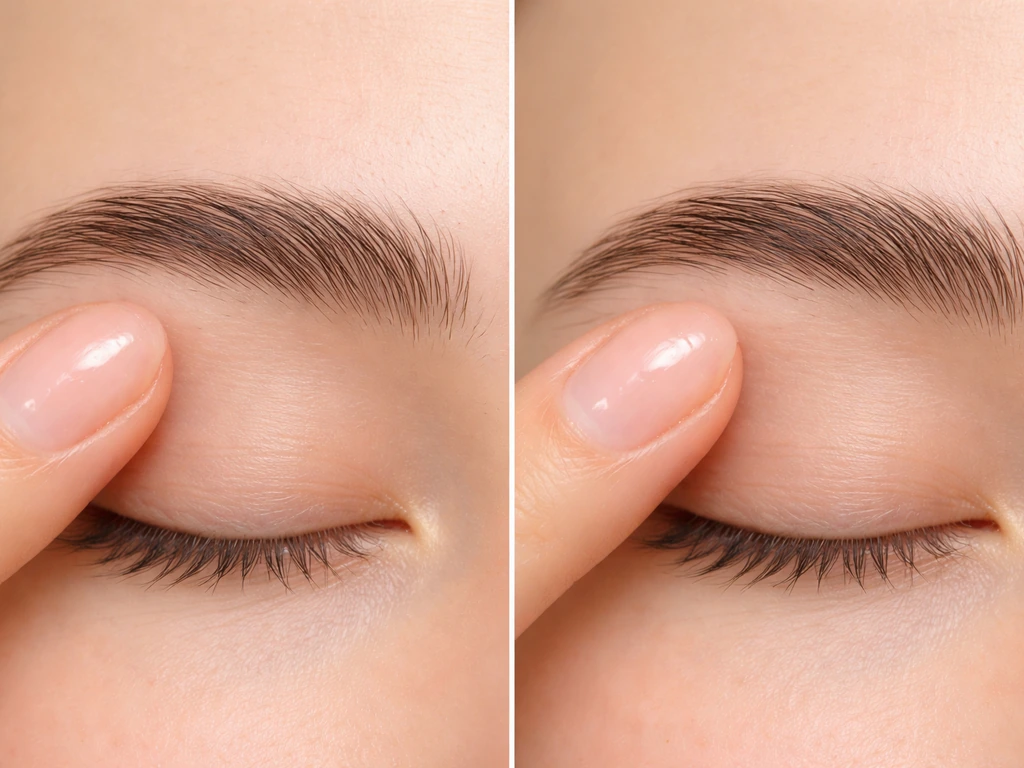
Olive oil can help your eyebrows look and feel better, but it probably won't make new hairs grow where none are growing. Aragn oil is often marketed for brow growth, but it largely follows the same pattern as other oils, with more conditioning than true regrowth for dormant follicles can argan oil help eyebrows grow. What it actually does is condition existing brow hairs, reduce breakage, and keep the skin underneath moisturized. If your brows are sparse because of damage, dryness, or breakage, olive oil may help them appear fuller over time. Grape seed oil is often discussed for eyebrow growth, but the evidence is similar to other oils and usually points to conditioning rather than true regrowth. But if you're waiting on genuinely dormant or dead follicles to wake up and sprout new hairs, olive oil doesn't have the biology to make that happen. There's a meaningful difference between conditioning and growth stimulation, and getting clear on that distinction will save you months of frustration.
Does Olive Oil Help Grow Eyebrows? How to Use It

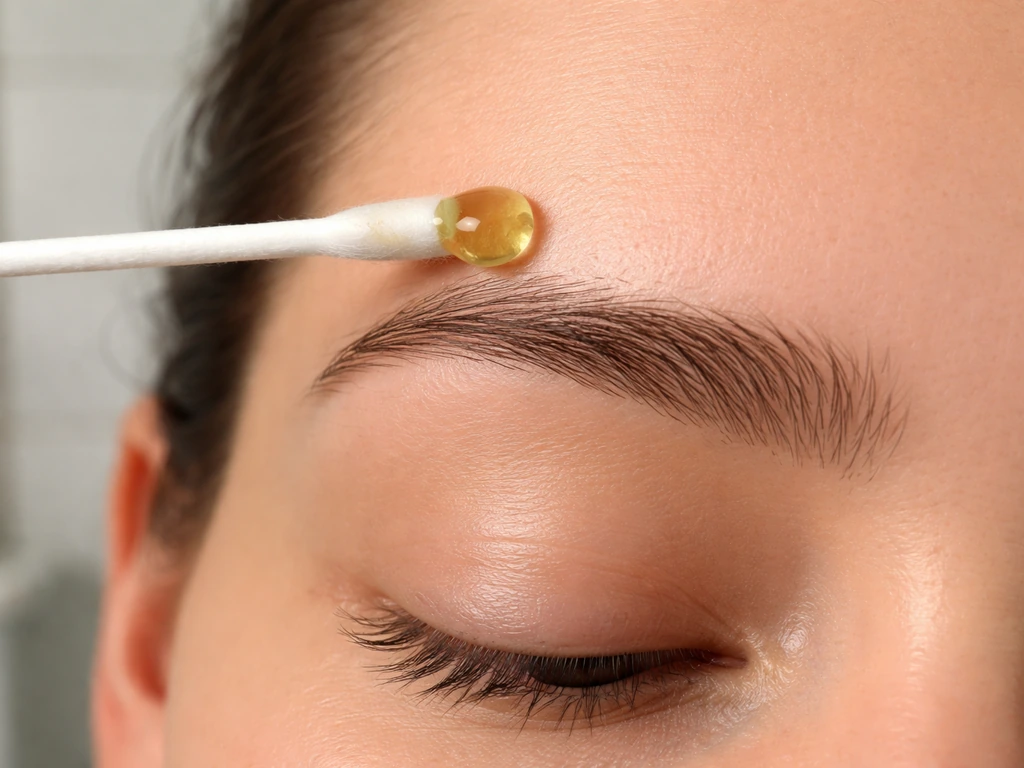
Does olive oil actually grow eyebrow hair or just condition it
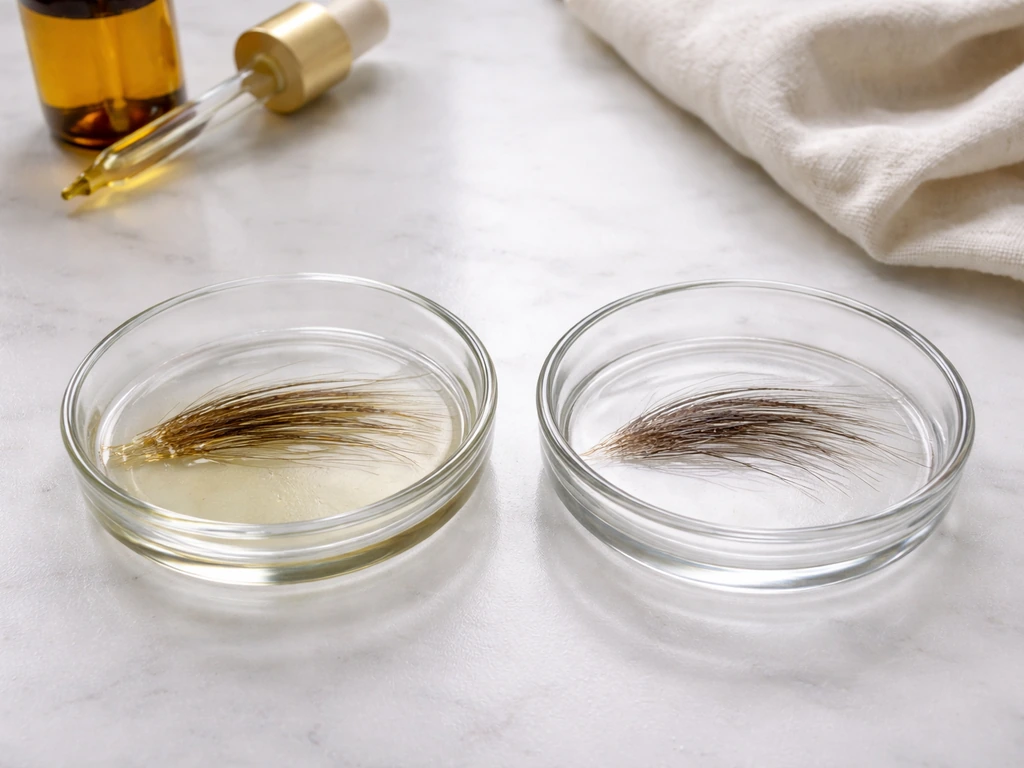
This is the question worth sitting with before you slather anything on your brows. The honest answer, based on available research, is that olive oil is much more likely to condition than to stimulate growth. Healthline has noted that there is very little evidence showing that oils with fatty acids, applied to hair follicles, actually stimulate growth. Dermatologist Joshua Zeichner, MD, has specifically pointed to the lack of evidence for follicle stimulation from topical olive oil. A 2015 mice study found that ingredients derived from olive trees showed some hair-growth activity, but researchers and dermatologists are careful to point out that this does not mean applying olive oil to human eyebrows will regrow hair.
What olive oil does have going for it: it's rich in oleic acid and other fatty acids that penetrate the hair shaft and reduce moisture loss. This can make existing brow hairs more resilient and less prone to snapping off. If your brows look thin partly because hairs are breaking rather than because they aren't growing, that's a real, if modest, benefit. Think of it like this: olive oil is a supportive treatment, not a stimulating one. It maintains what you have rather than creating something new.
True hair growth stimulation works at the follicle level by extending the anagen (active growth) phase or pulling follicles out of the resting phase early. Drugs like bimatoprost (Latisse) and minoxidil do this through established biological mechanisms. Olive oil does not have a known mechanism that does the same thing. So if you go in expecting miraculous regrowth, you'll be disappointed. But as a conditioning step in a broader brow-care routine, especially for dry or damaged brows, it's worth trying.
When eyebrow growth slows: reasons brows won't thicken or regrow
Before you can pick the right solution, it helps to understand why your brows are sparse in the first place. Eyebrow hair has a notably short anagen (growth) phase of roughly 10 weeks, compared to scalp hair which can stay in anagen for years. The anagen-to-telogen ratio for eyebrows is essentially the inverse of scalp hair: eyebrows spend far more time resting than actively growing. That biology alone explains why brow regrowth feels painfully slow.
But slow biology isn't the only culprit. Here are the most common reasons eyebrows stop thickening or won't fully regrow:
- Over-plucking or waxing over many years: repeated trauma to the follicle can cause scarring that permanently reduces regrowth potential.
- Inflammation or contact dermatitis: irritated skin around the follicle disrupts the normal hair cycle and can extend the telogen phase.
- Thyroid conditions: hypothyroidism in particular is a classic cause of thinning brows, especially at the outer third. Treating the underlying condition can restore normal growth cycles.
- Nutritional deficiencies: low iron, biotin, zinc, or protein can all slow hair growth across the body, including brows.
- Age-related changes: follicles naturally become less active with age, reducing both anagen duration and hair density.
- Genetics: some people simply have naturally sparse or fine brow hairs, and no topical oil is going to override that.
- Harsh products or frequent makeup removal: rubbing aggressively or using irritating removers can cause physical breakage and follicle inflammation.
- Alopecia areata or other autoimmune conditions: these require medical evaluation, not home remedies.
If your sparse brows are connected to a systemic issue like thyroid dysfunction or an autoimmune condition, olive oil isn't the tool you need. A dermatologist or endocrinologist visit will do far more for you than any topical oil. For everyone else dealing with post-waxing or post-plucking regrowth, breakage, or dry brows, olive oil has a supporting role to play.
How to use olive oil for eyebrows (step-by-step application routine)
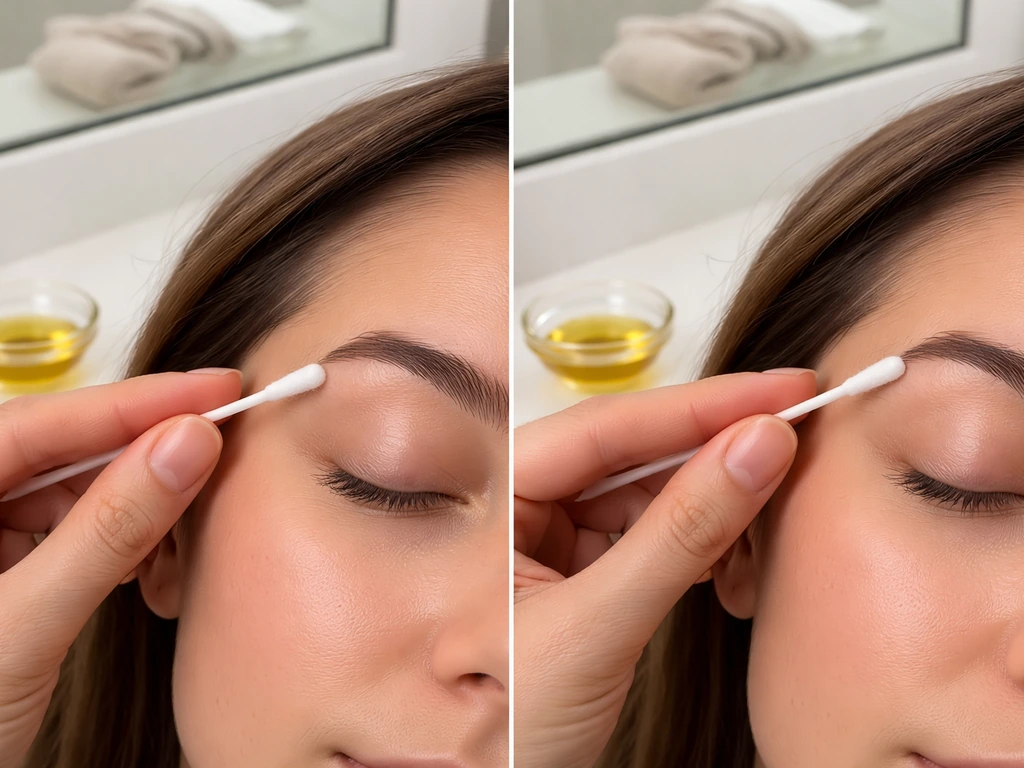
If you're going to try olive oil on your brows, doing it consistently and correctly matters. Here's a simple routine that minimizes irritation risk and gives the oil the best chance to do its job:
- Do a patch test first. Apply a small amount of olive oil to the inside of your wrist or the skin behind your ear. Wait 24 to 48 hours and check for redness, itching, or swelling. If you react, skip olive oil entirely. Contact dermatitis from olive oil is documented and real.
- Start with a clean face. Remove all makeup and cleanse your skin before applying. Applying oil over makeup residue or sunscreen just traps debris against the follicle.
- Use a clean spoolie or a cotton swab. Dip it into a small amount of extra virgin olive oil (cold-pressed is best for purity) and apply along your brow hairs, brushing in the direction of hair growth. Avoid getting oil directly into your eyes.
- Use a small amount. A drop or two is enough for both brows. More is not better here, and excess oil can clog pores or cause milia (small white bumps under the skin).
- Apply at night. Overnight application gives the oil time to absorb without interference from sweat, sunscreen, or brow products. It also reduces the risk of oil migrating into your eyes during the day.
- Leave it on for at least 30 minutes or overnight, then rinse with a gentle cleanser in the morning.
- Repeat 3 to 4 times per week. Daily application isn't necessary and may increase the risk of irritation or clogged follicles.
Consistency is the key variable here. One application won't tell you anything. You need to commit to several weeks of regular use before you can assess whether it's helping your brow texture, reducing breakage, or making any visible difference in fullness.
How long it takes to see thicker or regrown brows (realistic timelines)
Here's where I want to be completely straight with you: this takes longer than most articles suggest. Eyebrow anagen lasts about 10 weeks, which means a hair that starts growing today won't be at full length for around two and a half months. And given that the anagen-to-telogen ratio for brows is heavily weighted toward resting, only a fraction of your follicles are actively growing at any given moment.
If olive oil is helping at all, you'll likely notice changes in texture and reduced breakage first, within 4 to 6 weeks. Visible improvement in brow fullness, if it happens, usually takes 3 to 4 months of consistent use. Don't judge the outcome at 2 weeks. Don't judge it at 4 weeks either. Give it a full 12 weeks before you decide it's not working.
For context, even bimatoprost (Latisse), which has genuine clinical evidence behind it and a known mechanism for extending anagen, has its efficacy measured at Week 16 in trials. If a prescription drug takes 4 months to show full results, expecting olive oil to deliver faster outcomes isn't realistic.
After waxing or shaving: brows typically begin to visibly regrow within 2 to 3 weeks, though full regrowth can take 3 to 6 months depending on how aggressively the hairs were removed and whether follicle damage occurred. Olive oil won't speed up this timeline, but keeping the area moisturized and reducing inflammation may help the process feel less frustrating. Avocado oil is similar to other conditioning oils, so it may help moisturize and reduce breakage, but it is not a proven way to trigger true eyebrow hair growth avocado oil help eyebrows grow.
Safety tips and what to avoid around the eyes
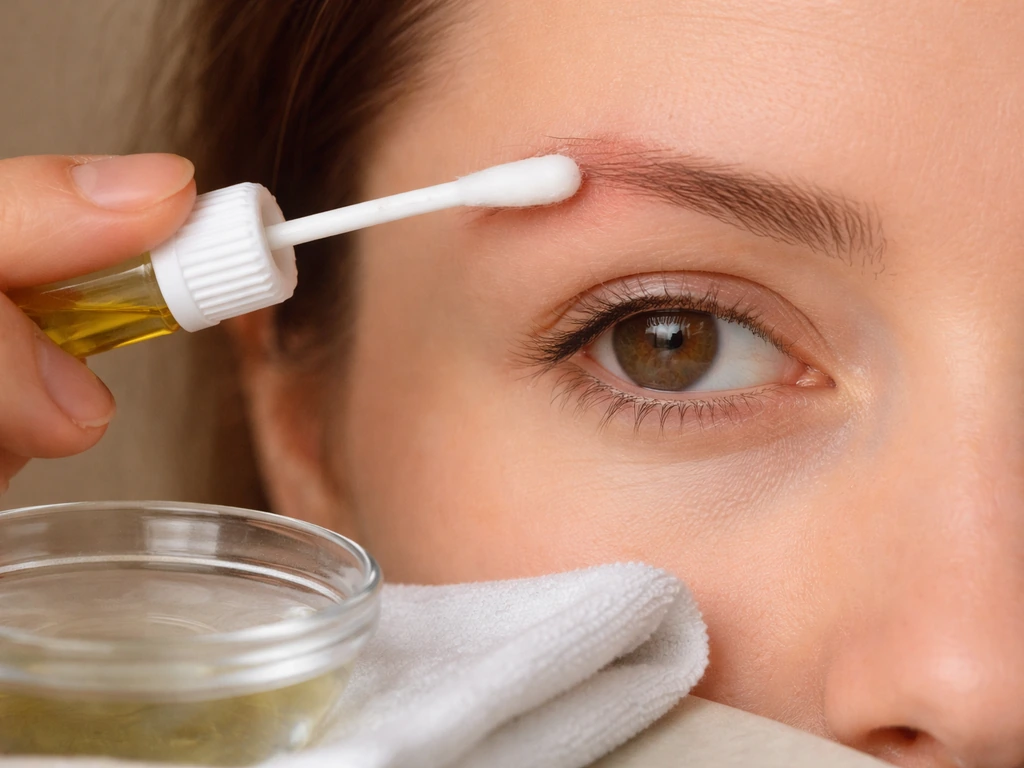
Olive oil is food-grade and generally considered safe for skin, but the area around your eyes is more sensitive than the rest of your face, and the follicles along your brow line are close enough to your eyes that you should take a few precautions seriously.
- Always patch test before applying olive oil to your brow area. Olive oil has been documented as a cause of contact dermatitis in susceptible individuals, and the reaction typically resolves once the oil is removed.
- Avoid getting oil directly into your eyes. Apply to the brow hairs and skin only, and wipe away any excess that migrates toward your lids.
- If you wear contact lenses, remove them before applying any oil near your eyes and don't reinsert them until any residue is cleaned away.
- Don't apply olive oil to broken, irritated, or actively inflamed skin. If you have a skin condition like eczema or active dermatitis near your brows, wait until the skin has healed.
- Avoid comedogenic buildup: if you're acne-prone or notice small bumps appearing along your brow line after starting olive oil, reduce frequency or switch to a lighter oil.
- Stop use immediately if you notice persistent redness, itching, swelling, or a rash. These are signs of an allergic or irritant reaction.
One more thing worth mentioning: if you're also considering minoxidil for your brows, accidental eye contact with minoxidil is something to take seriously. The FDA's labeling for minoxidil products specifies rinsing the eyes with large amounts of cool tap water if contact occurs. Always apply growth products to the brow area carefully, with a small brush or swab, not your fingertips.
Stronger alternatives if olive oil isn't enough
Olive oil sits at the gentler, more conditioning end of the spectrum. If you've given it 10 to 12 weeks and aren't seeing results, or if your brow thinning is significant enough that conditioning alone clearly won't cut it, here are the options with stronger evidence:
| Option | Evidence Level | Mechanism | Best For |
|---|---|---|---|
| Olive oil | Very low (no human growth trials) | Conditioning, reduces breakage | Dry, brittle, or lightly sparse brows |
| Castor oil | Low (mostly anecdotal) | Conditioning, possibly anti-inflammatory | Breakage-prone brows; modest support |
| Rosemary oil | Moderate (scalp hair RCT data) | May improve circulation; anti-inflammatory | Thinning brows with suspected poor follicle environment |
| Minoxidil 2% topical | Strong (randomized controlled trials for brow hypotrichosis) | Prolongs anagen, increases follicle activity | Clinically significant brow thinning or hypotrichosis |
| Bimatoprost (Latisse) | Strong (RCT data for eyebrows and lashes) | Extends anagen phase duration | Significant brow hypotrichosis; prescription required |
Castor oil is probably the most popular natural alternative, and while the evidence for it actually stimulating growth is also weak (reviews consistently describe it as mostly a conditioning agent), it's thicker and more occlusive than olive oil, which some people find works better for coating coarse brow hairs. Rosemary oil has shown promise in scalp hair trials, and while eyebrow-specific data is limited, it's a reasonable step up from olive oil if you want to stay in the natural-remedy space.
For genuinely sparse brows, though, minoxidil 2% is in a different league. Split-face randomized controlled trials have specifically evaluated minoxidil for eyebrow hypotrichosis and found it safe and effective. Bimatoprost has similar evidence behind it. These are not the same as applying a kitchen oil and hoping for the best. If your brows are significantly thinned and conditioning oils haven't moved the needle after 3 months, that's the conversation to have with a dermatologist.
It's also worth knowing that other oils like argan oil, almond oil, vitamin E oil, grape seed oil, avocado oil, and coconut oil are often discussed in the same breath as olive oil for eyebrow growth. Most of them share the same limitation: they condition rather than stimulate, and none have robust human clinical trial data specifically for eyebrow regrowth. Choosing among them largely comes down to skin type and tolerance rather than dramatically different efficacy.
Troubleshooting: patchy regrowth, irritation, and when to see a professional
Patchy regrowth after waxing, plucking, or shaving is incredibly common and doesn't necessarily mean something is wrong. Because not all follicles are in the same phase of the hair cycle at the same time, some hairs will come back faster than others. This is normal. Give it the full 3 to 6 month window before assuming a follicle is permanently damaged.
If you're experiencing irritation after using olive oil, the most likely culprits are using too much (leading to clogged follicles), applying it too frequently, or having a sensitivity to olive oil itself. Reduce frequency to twice a week, use a lighter hand with the amount, and see if that resolves things. If the irritation persists or gets worse, stop using it and let the skin calm down completely before trying again or switching to something else.
Here's when it's time to see a dermatologist instead of adjusting your routine:
- Your brows have been sparse or thinning for more than 6 months with no obvious cause like over-plucking.
- You're losing the outer third of your brow, which is a classic sign of thyroid dysfunction.
- You're also noticing hair loss on your scalp, lashes, or body.
- You have a known autoimmune condition and think it may be affecting your brows.
- You've tried multiple home remedies consistently for 3 or more months without any improvement.
- You notice patchy, well-defined bald spots in your brows rather than general thinning (alopecia areata can affect brows).
The frustrating truth about eyebrow regrowth is that the biology is slow no matter what you do. Olive oil won't speed up the clock, but it also won't hurt if you tolerate it well. Use it as one part of a gentle, consistent brow-care routine, keep your expectations calibrated to the 3 to 4 month mark, and don't hesitate to escalate to a stronger option or a professional evaluation if the conditioning approach isn't enough.
FAQ
If I have empty spots with no hairs at all, can olive oil regrow them?
Yes, but think of it as reducing breakage and improving sheen more than restarting “no-hair” follicles. If your brows are sparse because you have very few functioning follicles (for example, genetic hypotrichosis or significant scarring), oil conditioning may not noticeably increase density.
How often should I apply olive oil to my eyebrows, and how much should I use?
A good approach is a thin layer applied to clean, dry skin once daily or a few times per week, then reassess irritation. If you get clogged-looking pores or redness, reduce to twice weekly and use less product, since the brow area is close to the eyes and more reactive.
What signs should I look for to know olive oil is helping versus just making hairs look healthier?
First, check whether the change you are seeing is from reduced snapping (hairs look thicker) versus actual new growth (new hairs emerge and lengthen). Texture improvements often show up in 4 to 6 weeks, while visible fullness usually takes 3 to 4 months, so judging early can lead to unnecessary changes.
Can I combine olive oil with other brow serums or skincare ingredients?
Do not mix olive oil with strong actives (retinoids, chemical exfoliants, or essential oil blends) on the brow skin. Olive oil can be used alone or with very gentle routine steps, because the brow skin is thin and irritation can worsen shedding or cause patchy inflammation.
Is it safe to use olive oil around the eyes if I’m also using minoxidil?
Yes, but with a safety-first mindset. Use an applicator like a clean spoolie or cotton swab, keep it off your eyelids, and wash hands right after. If you ever use minoxidil too, avoid transferring it by using separate tools and being extra careful about eye contact.
I tried olive oil for a few weeks and saw nothing, when should I switch strategies?
If you try it, give it a full 12-week window before deciding it is not for you. If you have significant thinning, consider that conditioning may not be sufficient, and you may need a higher-evidence option (like minoxidil or bimatoprost) or a dermatologist evaluation.
What if my sparse eyebrows are from a health condition, not dryness or breakage?
If thinning is linked to thyroid issues, autoimmune disease, or medication-related hair loss, topical oils usually cannot fix the root cause. In that case, the most useful next step is medical evaluation, since improving the underlying condition is what typically restores growth potential.
Is rosemary oil a better natural alternative than olive oil for eyebrow growth?
Rosemary oil has limited eyebrow-specific evidence, but it may feel more “active” than olive oil. If you switch, patch test first (small amount on the inner forearm or behind the ear), start low, and stop if you get itching, burning, or worsening redness on the brow line.
Why do my brows regrow patchy after waxing or shaving, and should I worry?
Yes, and it can be misleading. After waxing, plucking, or shaving, the timing of regrowth varies by follicle stage, so patchy returns are common. Give it the full 3 to 6 month window before concluding that follicles were permanently damaged.
What does irritation from olive oil look like, and when should I stop?
Possible signs you should stop include stinging, persistent redness, visible irritation bumps, or increased shedding after application. Reduce the amount and frequency if mild irritation happens, but if symptoms persist or worsen, stop and let the skin recover before trying any new product.
Does Coconut Oil Help Grow Eyebrows? A How-To Guide
Learn if coconut oil helps eyebrow growth, plus a step-by-step routine, timelines, safety tips, and better options.